
Toddlers develop and grow through movement, touch, exploration, and play. Occupational therapy helps guide that growth with activities that support daily skills, confidence, and awareness. These playful tasks do more than entertain; they help toddlers build the foundation for physical control, coordination, and independence.
The best occupational therapy activities for toddlers support sensory, motor, and self-care development through simple, purposeful play. Each activity, from exploring textures to stacking blocks, encourages new abilities that help children navigate their world with greater control and curiosity. The following sections explain how these activities shape early learning in practical, meaningful ways.
Sensory bins with textured materials for tactile exploration

Sensory bins give toddlers a safe space to explore touch and texture. They contain materials such as dry rice, beans, sand, or water beads. These setups help young children practice fine motor skills and improve tactile awareness, which supports other occupational therapy activities for toddlers.
Occupational therapists often use sensory bins to help toddlers tolerate different textures. A child who feels uneasy with certain sensations can gain comfort through short, guided play sessions. Using tools like scoops, cups, or small toys also strengthens grasp and hand-eye coordination.
Parents can adapt sensory bins for home use. For example, soft fabrics, smooth stones, or textured balls create variety. Simple themes such as “farm animals” or “colors” add interest without distraction. Therefore, these sensory experiences not only engage toddlers but also support their overall sensory and physical development in a calm and playful way.
Finger painting to improve fine motor skills and creativity
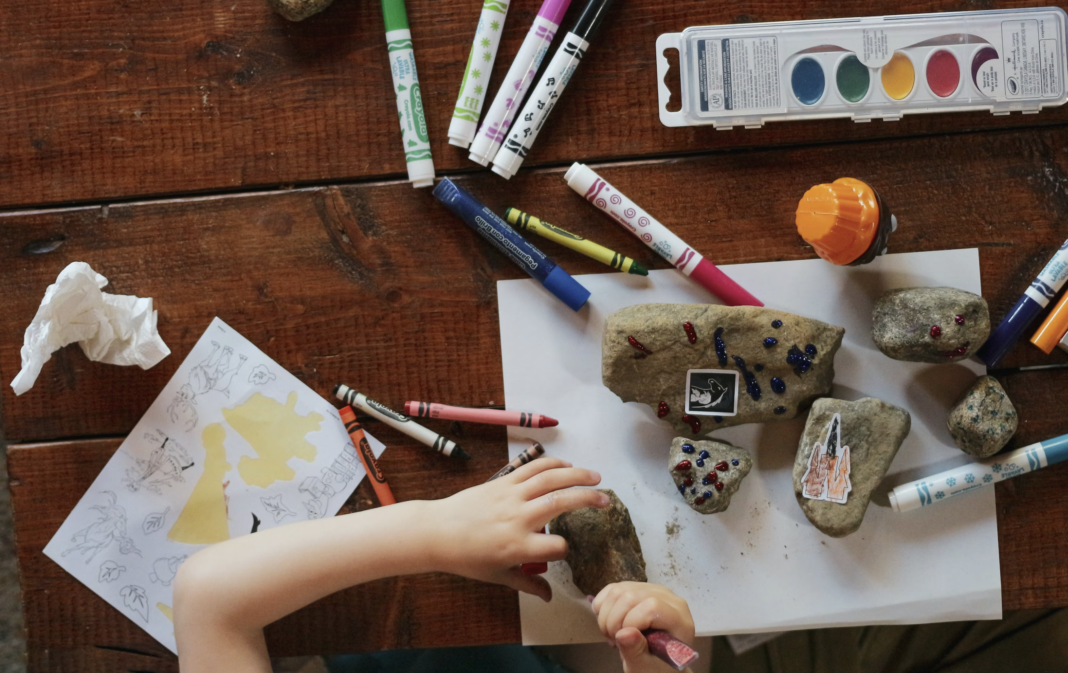
Finger painting helps toddlers build fine motor control through simple, hands-on play. They move their fingers across a surface, make marks, and mix colors, which strengthens small hand muscles. These movements prepare them for later tasks such as holding a pencil or using utensils.
The activity also supports hand-eye coordination. Each motion requires the child to guide their fingers with intention and accuracy. As they press, swipe, or dab paint, they learn how pressure changes create different effects.
Beyond physical skill, finger painting encourages creativity and decision-making. Toddlers choose colors, shapes, and textures, which helps them think independently. The freedom to create without rules also reduces stress and builds confidence.
Therapists often use this simple art form during sessions because it combines sensory input with purposeful movement. The mix of texture, color, and motion provides both enjoyment and developmental progress in one engaging activity.
Stacking blocks to develop hand-eye coordination and spatial awareness
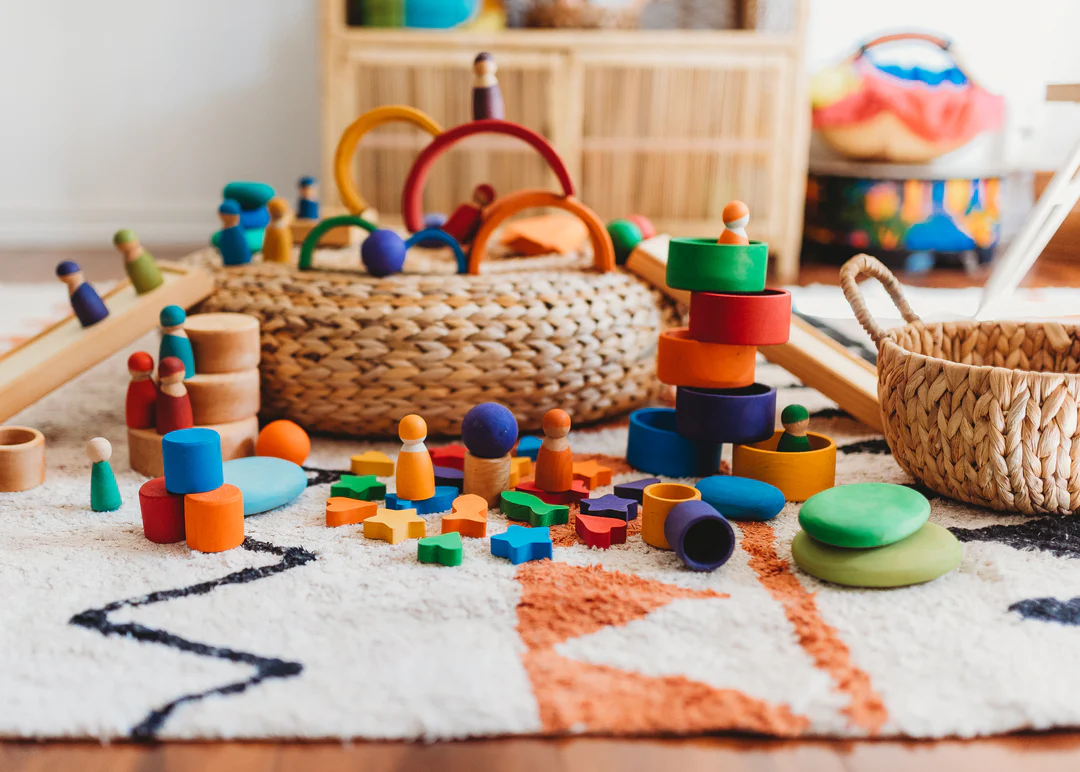
Anthroposophic, Waldorf School toys by Bella Luna are made from wood and natural paint
Stacking blocks helps toddlers build control over how their eyes and hands work together. Each time a child picks up a block and places it on another, the eyes guide the hands to match movement with sight. This activity helps the brain connect visual input with fine motor action.
Children also gain early math and spatial skills through this type of play. As they place blocks of different shapes or sizes, they learn about height, balance, and position. They start to notice patterns and how objects relate to each other in space.
In addition, stacking encourages focus and problem-solving. A tower that falls teaches a child to adjust hand pressure or block position next time. Over time, these short moments of trial and error help them think ahead and plan movements more carefully.
For toddlers, simple block play offers a practical way to strengthen coordination while keeping play natural and fun.
Water play activities to improve sensory regulation and motor planning
Water play gives toddlers a safe and natural way to explore textures, temperatures, and movement. The gentle pressure of water helps the body feel calm and organized, which supports sensory regulation. It also encourages attention and body awareness in an enjoyable and familiar setting.
Simple tasks such as scooping, pouring, or squeezing sponges help children plan and carry out actions with both hands. These activities strengthen hand muscles and improve timing and coordination. Using cups, spoons, or small toys helps toddlers practice grasp and release control.
Therapists often use colored water or bubbles to add a visual element that keeps children motivated. As they repeat actions and test what works, they learn how to adjust pressure and speed for different results. This process naturally develops problem-solving and motor planning skills through play that feels both engaging and meaningful.
Simple self-dressing tasks to build independence and fine motor control
Toddlers gain early independence by practicing simple dressing tasks. Activities like pulling up socks, pushing arms through sleeves, and fastening large buttons help them use both hands together. Each task promotes finger strength and coordination, which supports other daily movements.
Parents or caregivers can make practice easier by laying out clothing in order and choosing loose garments with simple fasteners. This setup helps toddlers predict each next step and reduces frustration. Short, playful sessions keep them focused without pressure.
Repetition supports progress. As a child improves, adults can add new challenges such as using zippers or matching shoes. These small steps help toddlers build confidence while learning the patience and control that dressing requires.
Conclusion
Toddlers grow through hands-on play that builds fine motor control, sensory awareness, and problem-solving ability. Occupational therapy activities help them practice real-life skills such as grasping objects, stacking blocks, or learning to use a spoon. These tasks strengthen independence while keeping therapy enjoyable and natural.
Parents and caregivers can support development by mixing playful tasks with daily routines. For example, finger painting can train hand strength, and simple cleanup chores can improve coordination. Activities that encourage movement and exploration help children gain confidence in their own abilities.
Each child progresses at a different pace, so activities should match the child’s needs and comfort level. Regular observation and gentle guidance keep progress steady.
In short, structured yet playful occupational therapy helps toddlers develop important skills for daily life, giving them a stronger foundation for future learning and independence.
All activities should be age-appropriate and supervised by an adult. If you have concerns about your child’s motor development, consult a pediatrician or therapist.