

It isn’t a grand idea like the Orient Express or a luxury train through Saudi Arabia (the Dream of the Desert) but a German R&D project piques curiosity on its feasibility to repurpose inner city and suburban railways. It helps urban and suburban renewable and seniors get around.
In New York, old rail lines were turned into The High Line, a gorgeous urban park platform full of urban gardens, art and the best ice cream sandwiches you’ll find in the world. It’s a must when you visit New York. Tel Aviv’s train lines, the ones that travelled from Jaffa to Beirut and from Jaffa to Jerusalem have also got an upgrade — into an urban center and shopping area called The Tachana, or The Station. Dog parks, playgrounds and cafes line the old rail tracks that are still apparent when you take a stroll.
How many cities and suburban areas have out of commission rail tracks?

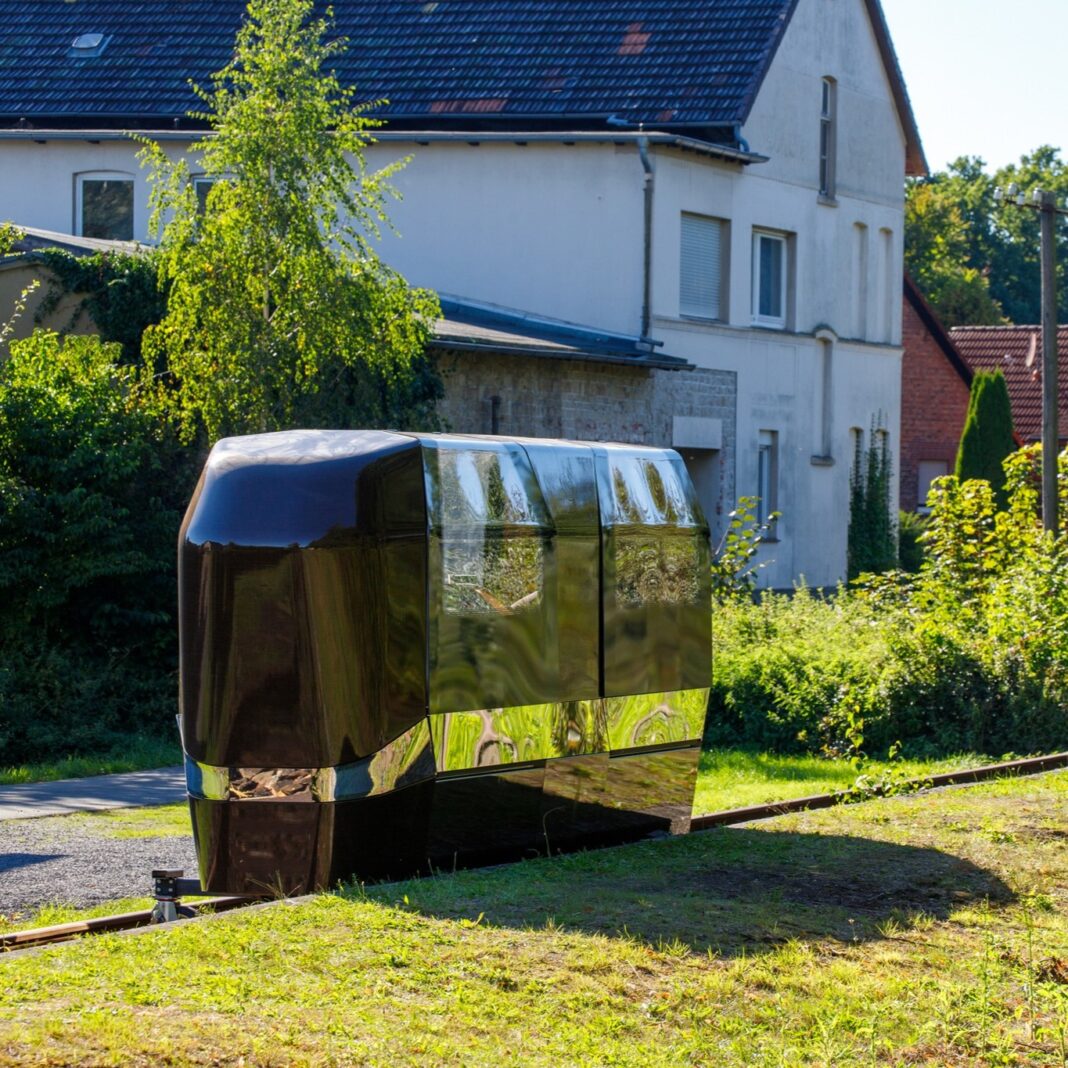
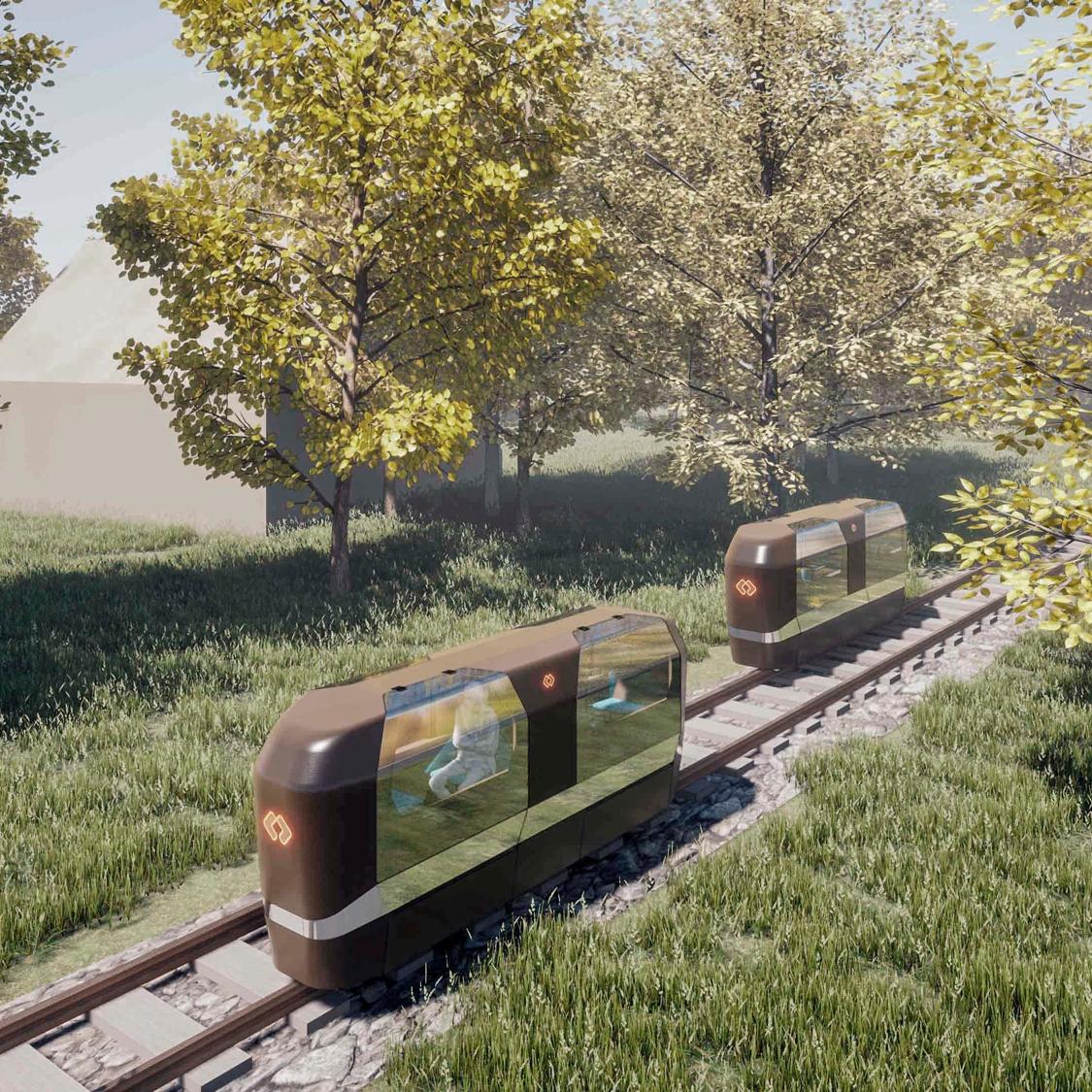
The German innovators, a collection of researchers and city planners, are hoping to put oil train tracks to use by creating monorail cabs that can traverse the lines already laid down. This is especially important in the countryside where older people don’t drive and small towns are dwindling as people move to the cities for better access to resources. The cabs roll on one wheel, are stabilised by a gyroscope and allow two in opposite directions to pass one another.
They are called Monocab Owls. The pictures speak for themselves. And if anyone has ever lived through an urban improvement period as I have in Jaffa, you will know it can tear down trees (see how ecologists fought the city and won!), it costs millions of dollars, the dust and pollution is horrendous and it takes years of unpleasantness for residents. In Jaffa, dozens if not a hundred retail businesses were decimated in the process of building the cities Light Rapid Train. A Monocab could be a great solution until we all get renewably powered Jetson cabs that fly in the sky.
The Monocab project is a collaboration of many partners and include Ostwestfalen-Lippe University of Applied Sciences, the Bielefeld University of Applied Sciences, the Fraunhofer IOSB-INA, the RailCampus OWL, and the Lippe district.
The project funding is provided as part of the implementation of the operational program of the European Regional Development Fund (ERDF) in North Rhine-Westphalia, with co-financing by the Ministry for Environment, Nature Conservation, and Transport of the state of North Rhine-Westphalia.
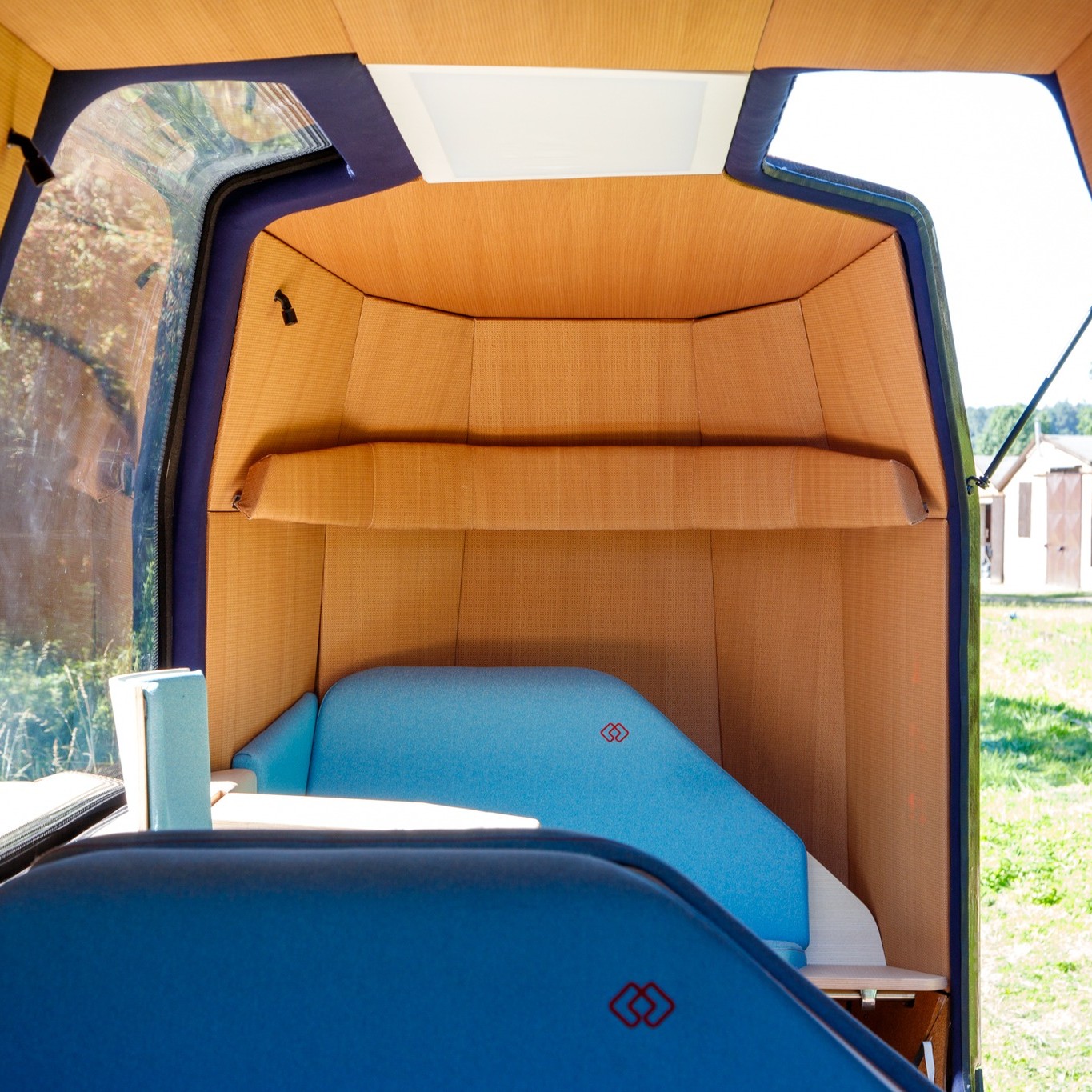
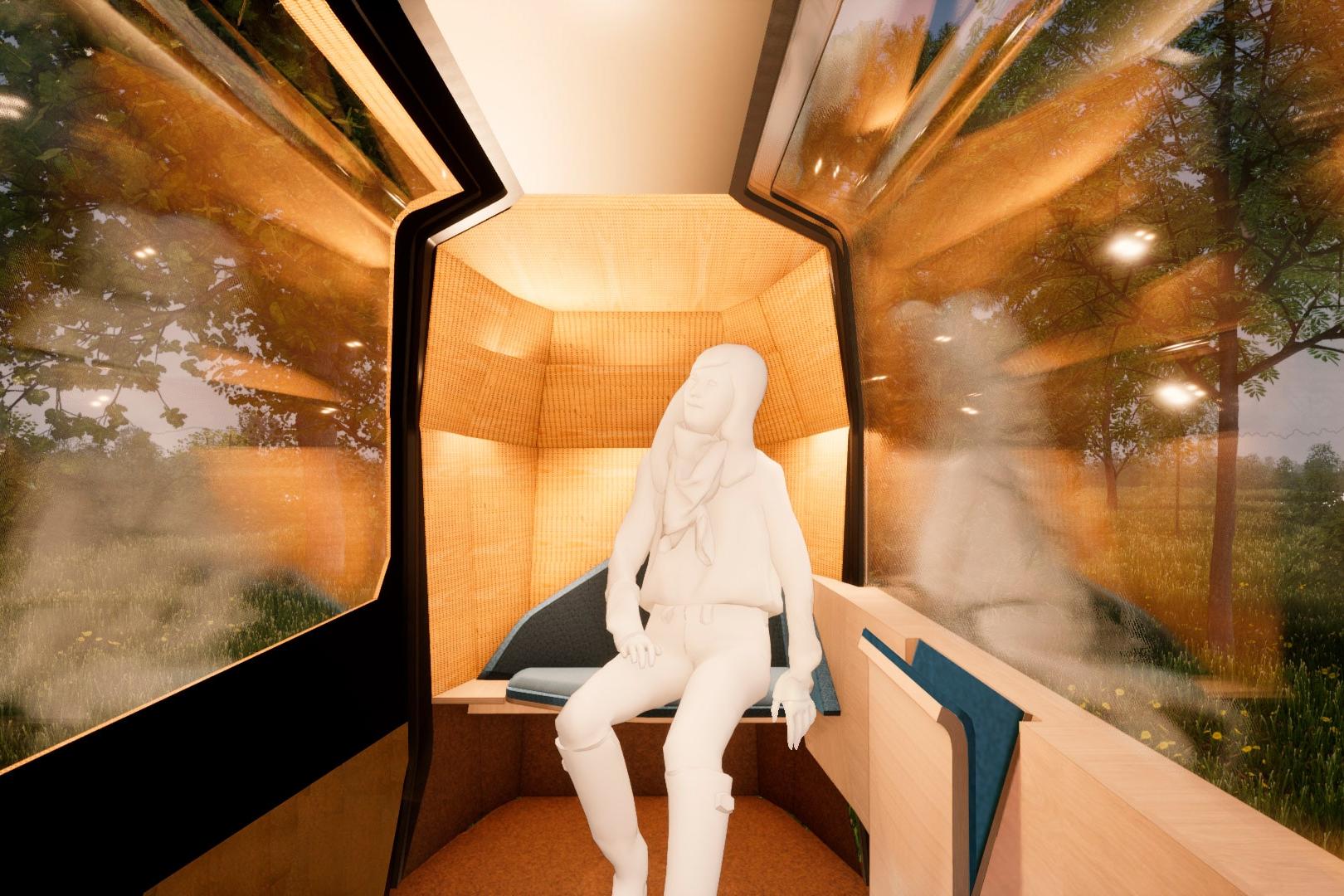
We’d love to see this low-cost solution developed in suburban centers allowing residents to enjoy mobility without the cost of developing new infrastructure that can cost millions.
By investing in ideas like Monocab Owl, the EU is revolutionising sustainable commuting. This gyro-stabilised monorail offers autonomous, on-demand transport, boosting rural connectivity. A big yes for the environment.