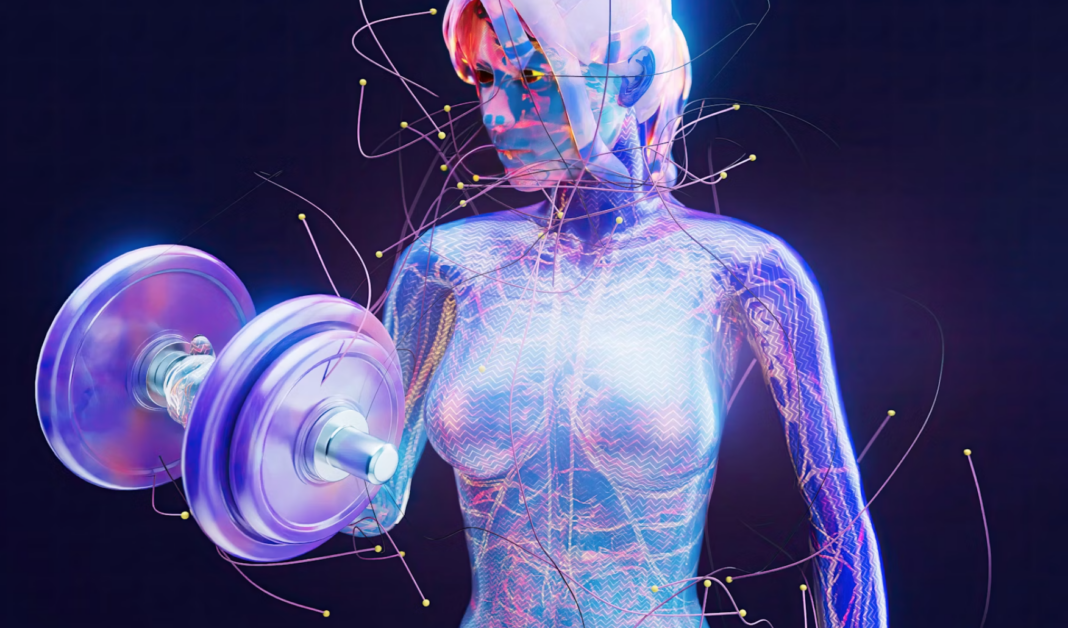
For oil-rich, environmentally vigilant Gulf states, Astro isn’t just another startup story. It is a blueprint for accelerating an energy transition that is now existential, not optional.
Christ’s thorn jujube (Ziziphus spina-christi) also known as the sidr tree is a real, identifiable tree native to the Middle East, and it appears—directly or indirectly—in Islam, Judaism, and later Christian tradition. The connections between the three faiths are not theological agreements but overlapping uses, names, and symbolic associations rooted in the same landscape.
For oil-rich, environmentally vigilant Gulf states, Astro isn’t just another startup story. It is a blueprint for accelerating an energy transition that is now existential, not optional.
Christ’s thorn jujube (Ziziphus spina-christi) also known as the sidr tree is a real, identifiable tree native to the Middle East, and it appears—directly or indirectly—in Islam, Judaism, and later Christian tradition. The connections between the three faiths are not theological agreements but overlapping uses, names, and symbolic associations rooted in the same landscape.
For oil-rich, environmentally vigilant Gulf states, Astro isn’t just another startup story. It is a blueprint for accelerating an energy transition that is now existential, not optional.
Christ’s thorn jujube (Ziziphus spina-christi) also known as the sidr tree is a real, identifiable tree native to the Middle East, and it appears—directly or indirectly—in Islam, Judaism, and later Christian tradition. The connections between the three faiths are not theological agreements but overlapping uses, names, and symbolic associations rooted in the same landscape.
For oil-rich, environmentally vigilant Gulf states, Astro isn’t just another startup story. It is a blueprint for accelerating an energy transition that is now existential, not optional.
Christ’s thorn jujube (Ziziphus spina-christi) also known as the sidr tree is a real, identifiable tree native to the Middle East, and it appears—directly or indirectly—in Islam, Judaism, and later Christian tradition. The connections between the three faiths are not theological agreements but overlapping uses, names, and symbolic associations rooted in the same landscape.
For oil-rich, environmentally vigilant Gulf states, Astro isn’t just another startup story. It is a blueprint for accelerating an energy transition that is now existential, not optional.
Christ’s thorn jujube (Ziziphus spina-christi) also known as the sidr tree is a real, identifiable tree native to the Middle East, and it appears—directly or indirectly—in Islam, Judaism, and later Christian tradition. The connections between the three faiths are not theological agreements but overlapping uses, names, and symbolic associations rooted in the same landscape.
For oil-rich, environmentally vigilant Gulf states, Astro isn’t just another startup story. It is a blueprint for accelerating an energy transition that is now existential, not optional.
Christ’s thorn jujube (Ziziphus spina-christi) also known as the sidr tree is a real, identifiable tree native to the Middle East, and it appears—directly or indirectly—in Islam, Judaism, and later Christian tradition. The connections between the three faiths are not theological agreements but overlapping uses, names, and symbolic associations rooted in the same landscape.
For oil-rich, environmentally vigilant Gulf states, Astro isn’t just another startup story. It is a blueprint for accelerating an energy transition that is now existential, not optional.
Christ’s thorn jujube (Ziziphus spina-christi) also known as the sidr tree is a real, identifiable tree native to the Middle East, and it appears—directly or indirectly—in Islam, Judaism, and later Christian tradition. The connections between the three faiths are not theological agreements but overlapping uses, names, and symbolic associations rooted in the same landscape.
For oil-rich, environmentally vigilant Gulf states, Astro isn’t just another startup story. It is a blueprint for accelerating an energy transition that is now existential, not optional.
Christ’s thorn jujube (Ziziphus spina-christi) also known as the sidr tree is a real, identifiable tree native to the Middle East, and it appears—directly or indirectly—in Islam, Judaism, and later Christian tradition. The connections between the three faiths are not theological agreements but overlapping uses, names, and symbolic associations rooted in the same landscape.
Simplifying everything, even the food you eat will make you healthier: Sandor Katz teaches the world about the health benefits of fermented food.
Our ancestors had wisdom we are quick to ignore when we eat industrialized, dead food. People from the not so distant past used to eat fermented foods with every meal, and they are called probiotics. Fermented foods are often sour, but are not pickled with vinegar, rather they ferment and age with the help of yeast and organisms in the air. A new Chinese study finds that fermented foods and eating them, can probably help you get a better night sleep.
Here is the news: a probiotic strain commonly found in fermented dairy products may hold the key to better sleep, according to a new peer-reviewed study published in Engineering. Scientists from Jiangnan University in China have identified Lactobacillus helveticus CCFM1320 as a potential therapy for insomnia and other circadian rhythm disorders.
In a series of lab experiments and animal trials, the team discovered that this specific bacterial strain produces high levels of S-adenosylmethionine (SAM) — a naturally occurring compound known to play a role in mood, sleep regulation, and overall mental well-being. Researchers observed that insomnia patients had significantly lower levels of SAM in their blood, suggesting it could serve as a biomarker and therapeutic target for sleep disorders.
Using a mouse model of sleep deprivation, the probiotic CCFM1320 was shown to reverse behavioral symptoms such as hyperactivity, poor memory, and reduced exploration. It also influenced the production of melatonin, the body’s sleep hormone, by enhancing the methylation of N-acetylserotonin, a key step in its synthesis. Importantly, this process also restored the normal expression of circadian rhythm genes in the brain.
Lactobacillus helveticus is a lactic acid-producing bacterium naturally found in the human digestive tract and in fermented foods such as Swiss cheese, kefir, yogurt, and other cultured milk products. It belongs to the larger Lactobacillus genus, known for aiding digestion, boosting immunity, and suppressing harmful microbes.
Though L. helveticus has long been used in the dairy industry, it is increasingly studied for its therapeutic properties in probiotic supplements. The newly identified strain, CCFM1320, was singled out in a screening of 60 gut bacteria for its unusually high SAM production.
While the strain is not yet available in commercial supplements, the findings point to a growing recognition of the gut-brain axis — the complex communication network linking intestinal microbes and neurological function. With sleep disorders affecting millions globally and many pharmaceutical treatments showing limited success, scientists say probiotics like L. helveticus CCFM1320 could offer a safe, natural alternative in the near future.
The study underscores a broader shift in medical research: looking to the microbiome not only for digestive health, but for its potential in mental health, hormonal regulation, and now — better sleep.
Famous ferments from China
Chinese fermented foods have a rich history stretching back thousands of years, forming a core part of traditional diets and medicine. Staples like doubanjiang (fermented broad bean paste), douchi (fermented black soybeans), jiang (soy sauce-type pastes), fermented tofu, pickled vegetables, and rice wines such as Shaoxing wine are not only prized for their deep umami flavor but also valued for their digestive and health benefits.
These foods are teeming with beneficial microbes, including various Lactobacillus species, and have long been used in Chinese culture to support gut health, enhance nutrient absorption, and preserve seasonal produce without refrigeration.
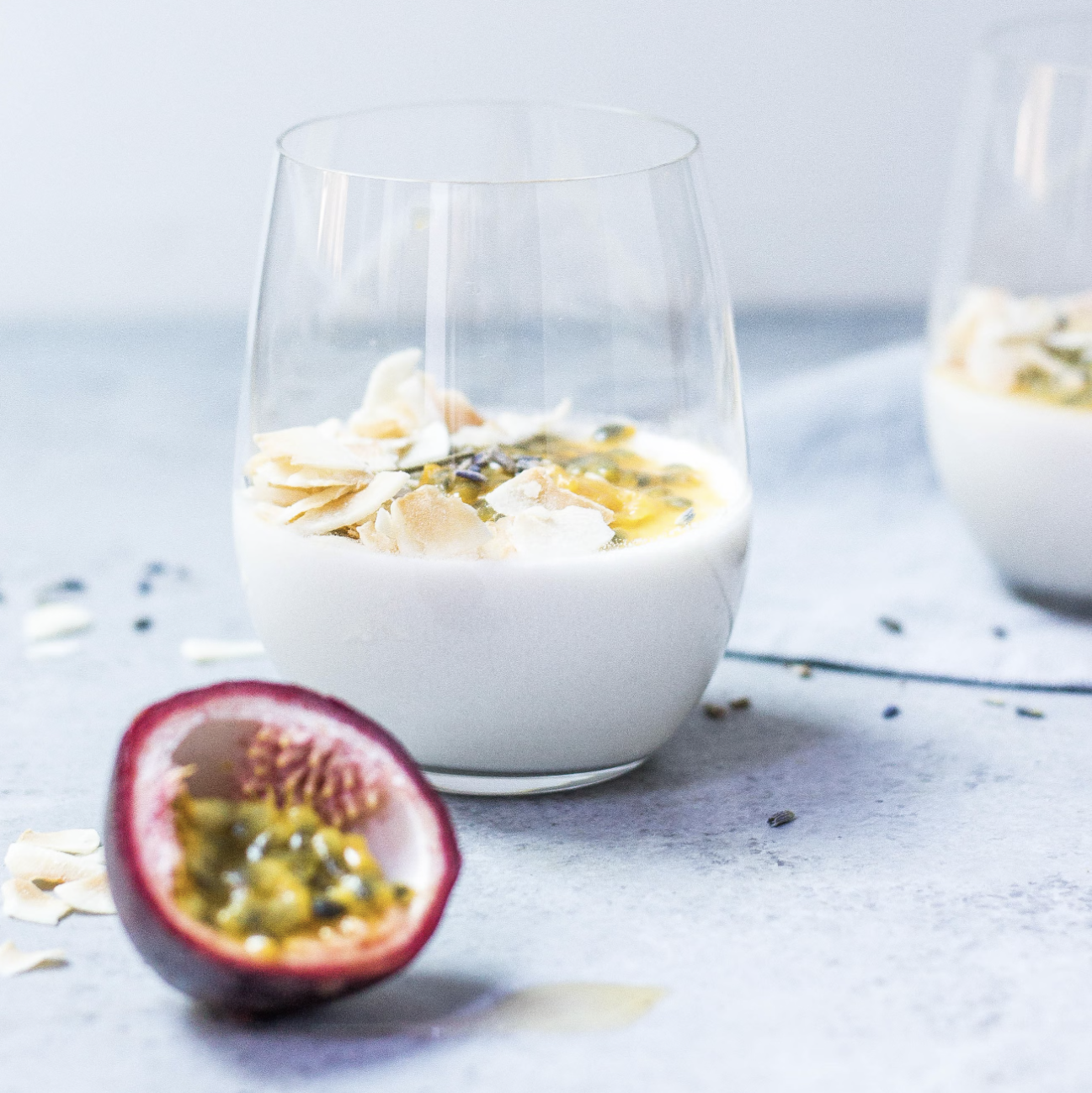
Kfir
Other globally recognized probiotic-rich foods include kefir, tempeh, natto, kombucha, miso, kimchi, and sauerkraut, all of which support gut health through natural fermentation.
Nuclear fusion is often described as the holy grail of clean energy: a process that could one day provide abundant power without carbon emissions or long-lived radioactive waste. It has so much promise, but it's difficult. This article on fusion explains why. But turning fusion into a practical energy source depends on solving a set of extremely difficult physics problems. One of the most important is how to keep plasma — a super-hot, electrically charged gas — dense, stable, and confined long enough to produce useful energy.
In 2012, Green Prophet sounded the alarm about depleted Gulf fish stocks and weak enforcement in Dubai. Revisit Tafline Laylin’s original piece here: Dubai Finally Gets Serious About Overfishing.
A perpetual stew or century-old master stock can be safely maintained for years with daily boiling, clean handling, and fresh additions. This sustainable cooking tradition reduces waste, deepens flavor, and pairs perfectly with fermentation for a resilient, zero-waste kitchen.
At its core, this study rewrites a long-standing assumption: that beer drinkers form a homogeneous crowd. Far from it—your audience may fall into flavor extremes. As craft brewers, you now have the tools to tailor your offerings, sharpen your sustainability goals, and deepen consumer engagement.
Qatar remains a master of doublethink—burning gas by the megaton while selling “sustainability” to a world desperate for clean air. Wake up from your slumber people.
A 2024 survey by Deloitte found that 76% of talent leaders now consider long-term retention and workforce contribution among their most important hiring success metrics—far surpassing time-to-fill or cost-per-hire. As the expectations for new hires deepen, companies must also confront the inherent challenges in redefining and accurately measuring hiring quality.
While “green jobs” aren’t always labeled as such, many of the fastest-growing roles are directly enabling the energy transition, climate resilience, and lower-carbon systems:
Number one on their list is Artificial Intelligence engineers. But what does that mean? Vibe coding Claude?
The pirates often stage their heists out of Somalia, a lawless country, with a weak central government that is grappling with a violent Islamist insurgency. Using speedboats that swarm the targets, the machine-gun-toting pirates take control of merchant ships and then hold the vessels, crew and cargo for ransom.
Few fashion accessories carry the environmental burden of sunglasses. Most frames are constructed from petroleum-based plastics and acrylic polymers that linger in landfills for centuries, shedding microplastics into soil and waterways long after they've been discarded. Leopoldo Alejandro Betancourt López, president of the Spanish eyewear brand Hawkers, saw this problem differently than most industry executives.
Other announcements made at the conference include the Timna Renewable Energy Park, which will be a center for R&D, and the AORA Solar Thermal Module at Kibbutz Samar, the world's first commercial hybrid solar gas-turbine power plant that is already nearing completion. Solel Solar Systems announced it was beginning construction of a 50 MW solar field in Lebrija, Spain, and Brightsource Energy made a pre-conference announcement that it had inked the world's largest solar deal to date with Southern California Edison (SCE).