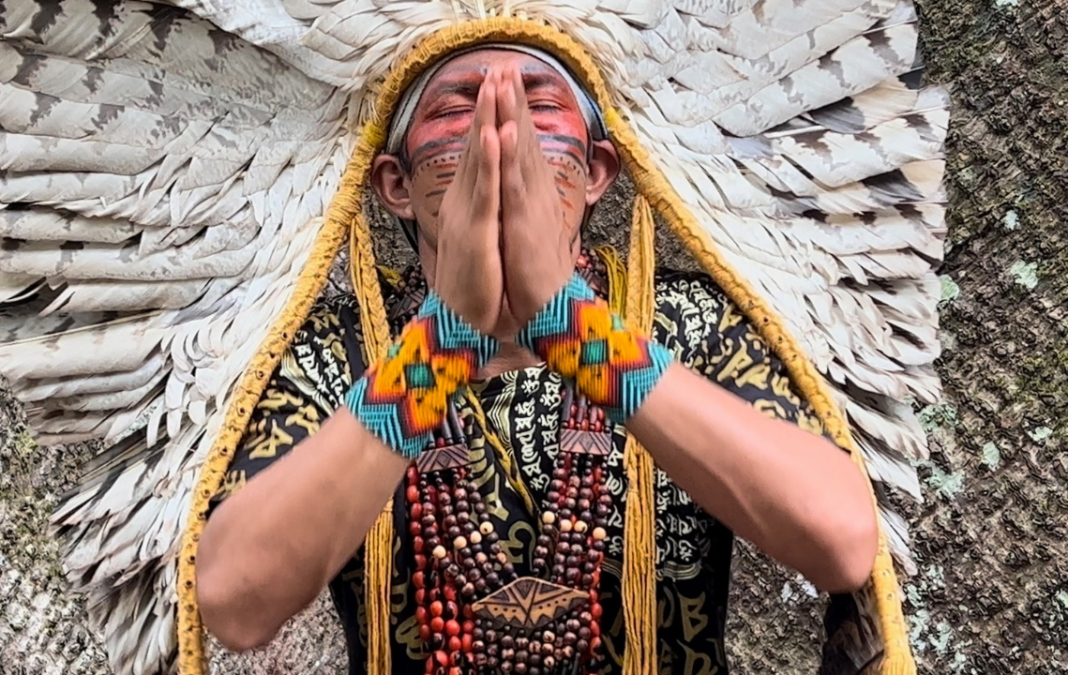


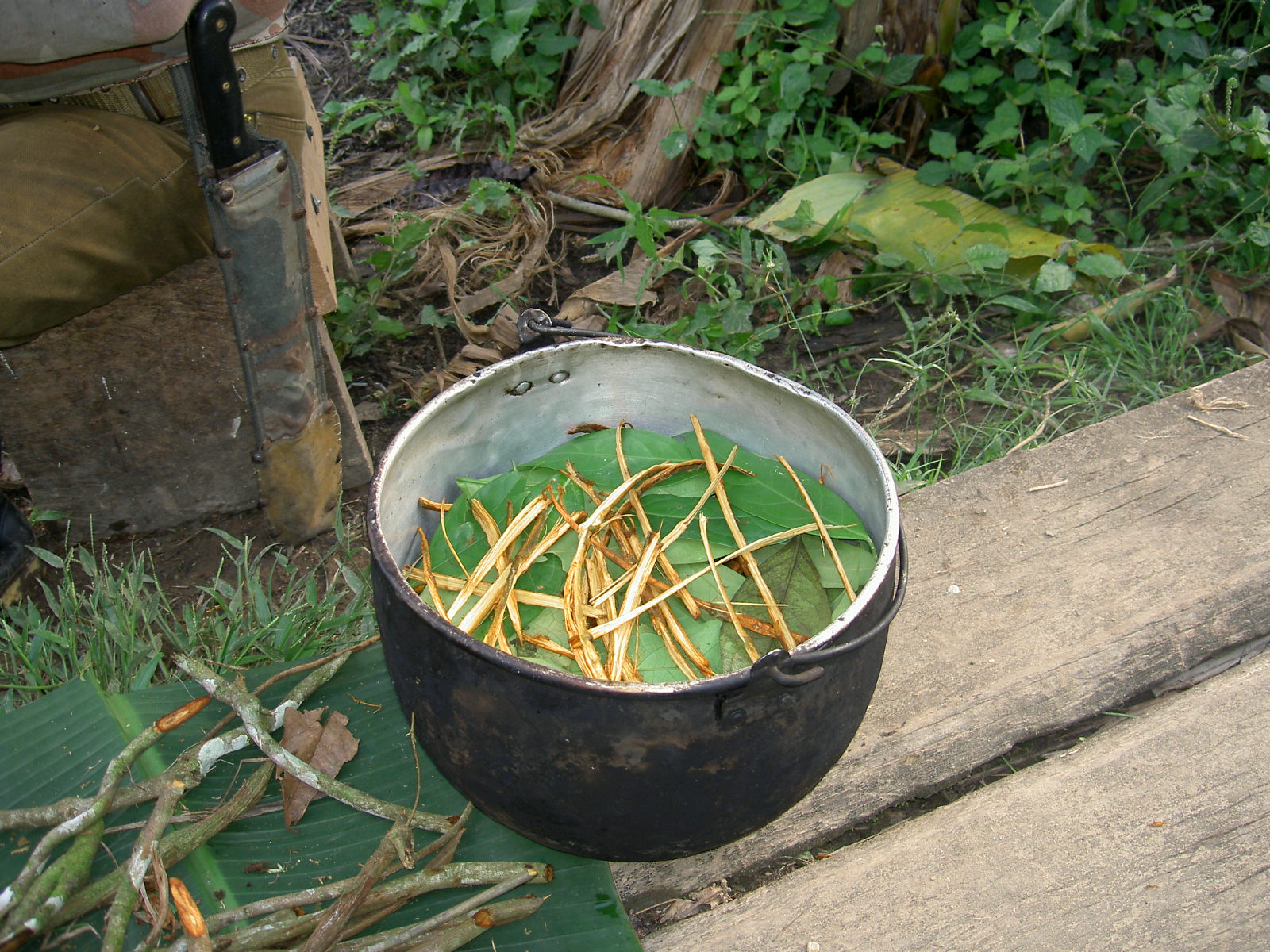
Once whispered about in underground circles and jungle clearings, the psychedelic brew known as ayahuasca is now a global phenomenon—and in 2025, its reach shows no sign of slowing. From Silicon Valley executives to trauma survivors, the call of the vine continues to draw seekers from all corners of the world. But the practice, steeped in centuries of Amazonian tradition, is facing new pressures as demand grows and legality shifts across borders.
The spiritual and medicinal use of ayahuasca originates with Indigenous peoples of the Amazon basin, particularly in Peru, Brazil, Colombia, and Ecuador. In places like Iquitos and Tarapoto, ayahuasca ceremonies are still held in malokas (circular huts), guided by shamans who sing icaros—healing songs meant to direct the energies of the ceremony.
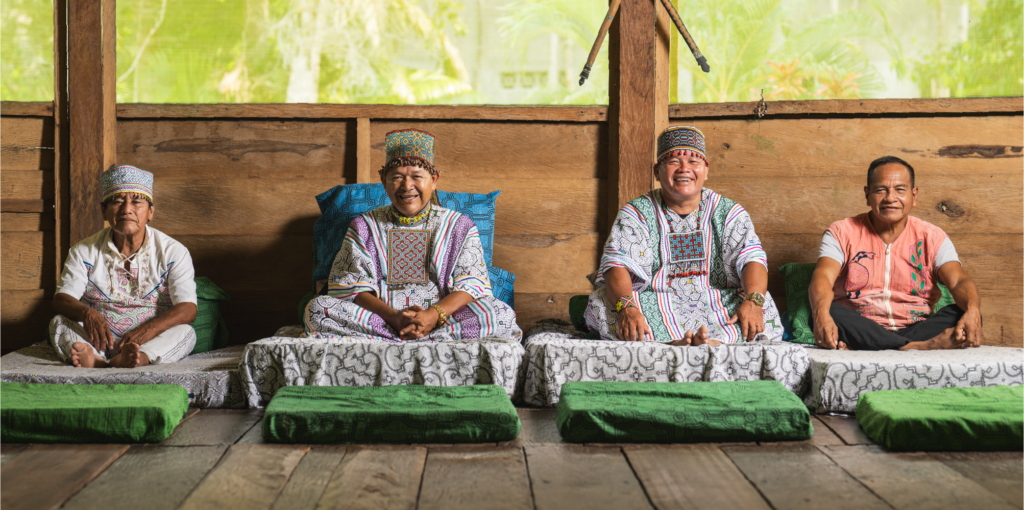
Retreat centers such as Temple of the Way of Light and Nihue Rao continue to host international guests seeking healing, insight, or deep spiritual transformation. These centers often blend tradition with modern therapy models, including pre- and post-ceremony integration sessions.
Rising Centers: Costa Rica and Portugal
Outside of the Amazon, Costa Rica has emerged as a popular and well-regarded destination for ayahuasca work. Retreat centers like Rythmia Life Advancement Center offer week-long experiences that combine plant medicine with yoga, breathwork, and Western-style psychological support.
Portugal, too, is becoming a hub, largely due to its relaxed drug laws and growing psychedelic community. Though not legal per se, ceremonies often operate in a gray area with minimal interference from authorities.
In the United States, ayahuasca remains federally illegal due to its DMT content—a Schedule I substance. However, several religious organizations, such as the Santo Daime Church and União do Vegetal (UDV), have received legal exemptions to use ayahuasca in sacramental ceremonies.
Beyond these groups, underground ceremonies have proliferated, particularly in cities like Los Angeles, San Francisco, and New York, where local decriminalization movements have deprioritized the enforcement of psychedelic drug laws. These events are often invite-only and framed as “healing circles” rather than religious rites. It is also believed to be quite popular in Israel as well, where you can find a healing ceremony –– much needed in this intense time of conflict.
Who’s Drinking Ayahuasca in 2025?
The profile of the typical ayahuasca participant has shifted. While still attracting spiritual seekers and New Age devotees, today’s ceremonies are increasingly attended by:
-
Tech and creative professionals seeking clarity, focus, or emotional breakthroughs.
-
Military veterans looking to address trauma and PTSD.
-
Therapists and healers incorporating the experience into their own personal development.
-
Women and mothers exploring ceremony as part of rites of passage or ancestral healing.
Ayahuasca is also becoming a tool for psychedelic integration therapists, many of whom now have firsthand experience with the medicine as part of their training or personal exploration. While the effects can feel transformative, it is important to do the real work on yourself after the experience.
But with popularity comes complexity. Indigenous leaders and activists have raised concerns about cultural appropriation, overharvesting of ayahuasca vines, and the commercialization of sacred traditions. Some Amazonian communities are pushing back, creating frameworks for reciprocity and ethical sourcing.
Organizations like The Indigenous Medicine Conservation Fund are advocating for fair compensation, intellectual property protection, and cultural sovereignty for the original stewards of the medicine.
Is It Safe?
Ayahuasca is not a party drug. The brew often leads to intense physical purging (vomiting, shaking, crying) and emotional processing. While many report life-changing insights, others have experienced psychological distress, especially when ceremonies are held without proper guidance or integration support.
In rare cases, ayahuasca can be dangerous—especially for people with certain psychiatric conditions or those taking antidepressants or SSRIs. That’s why screening and aftercare are now standard practice at reputable retreat centers. This should be said about cannabis, which is now banned in Florida. Canada is allowing all cannabis to be legal for recreation use, making it accessible to very young teens.