

Increasingly, business owners are concerned about environmental sustainability, and for a variety of reasons, including long-term profitability, compliance, and customer satisfaction. If you have a fleet of vehicles to manage, you’ll know how important it is to control fuel economy and environmental sustainability more broadly.
So what are the best strategies to do it?
Keys to Fleet Vehicle Sustainability
These are some of the best strategies for improving vehicle sustainability within your fleet:
- Set specific goals. Your vehicle sustainability strategy isn’t going to make much of an impact unless you have specific goals to aim for. Additionally, these goals will serve as benchmarks for you to gauge your progress. Many businesses attempt to reduce their carbon emissions by a specific amount, or eliminate certain forms of waste, for example. The exact goals you choose don’t particularly matter; what’s important is that you have a specific vision for how you want your environmental sustainability plans to develop.
- Make some preliminary reports. Reporting is vital for understanding your goal progress as well. Using appropriate software, this becomes much easier. Figure out which objective sustainability metrics you can reliably track and put them together in a report that you can create on a monthly, or perhaps annual basis. This is going to serve as the foundation for the future of your environmental sustainability strategy.
- Audit your current environmental impact. Every business needs to start somewhere, so audit your current environmental impact. How much fuel are you using? How much carbon are you emitting? How much waste are you producing? Once you have your existing metrics, you’ll be in a position to know just how much of an impact your improvements are making.
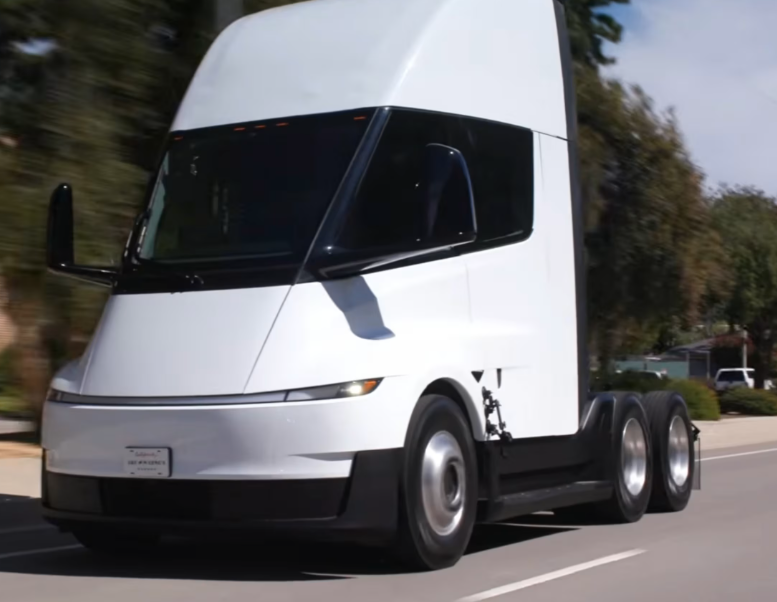
- Invest in efficient vehicles. Some vehicles are naturally more efficient than others. Small vehicles use less fuel than big vehicles, and electric and hybrid vehicles use even less fossil fuel. Companies transitioning to cleaner transport can benefit from advanced emobility solutions that help manage charging infrastructure, vehicle data, and overall fleet performance. Additionally, some vehicles are designed with efficiency in mind, allowing them to use fuel more efficiently and produce fewer emissions. Whenever you need to purchase new vehicles, consider more efficient vehicles to add to your fleet. The only caveat here is that you shouldn’t go out of your way to replace existing vehicles with new ones, as this produces additional waste in most cases.
- Maintain and repair when possible. In line with this, maintain and repair your vehicles rather than replacing them, whenever possible. Producing a new vehicle demands significant energy and resource expenditure, so it’s typically the more sustainable choice to repair what you already have, rather than getting something totally new.
- Retread, repair, and recycle. Try to keep and make use of materials, rather than throwing them away. For example, you can retread old tires, rather than purchasing brand new ones. You can recycle certain materials, rather than purely disposing of them. Incorporate these measures into your processes so you can reduce waste and improve efficiency.
- Optimize routes. Use software or careful planning to optimize your routes. In nearly all transportation situations, there are multiple available routes, but only one “most efficient” route in terms of fuel efficiency. Not only will this reduce emissions, but it should also save you money on fuel.
- Hire and train optimal drivers. Hire and train the best drivers you can. Optimal drivers focus on fuel-efficient routes and drive their vehicles with care to avoid unnecessary resource expenditure. They also pay attention to potential issues, so they can be handled proactively.
- Consider carbon offsets. Carbon offsets are certificates associated with practices designed to reduce the amount of carbon dioxide in the atmosphere. They can be useful in mitigating some of the effects of your operation.
- Consider additional efforts. Depending on your goals, you may want to go even further, participating in environmentally responsible habits or donating or volunteering to environmental causes. While this will only indirectly be associated with your fleet, it could look great for your business.
Reaping the Benefits
There are many benefits of pursuing more sustainable fleet vehicle management.
- Cost savings. Many environmentally sustainable practices have the incidental benefit of helping you save money. For example, route optimization reduces the amount of fuel your vehicles need.
- Regulatory compliance. Following environmental sustainability best practices means ensuring regulatory compliance in many cases, limiting your potential liability.
- Future proofing. Adopting environmentally friendly practices now is a way of future proofing your organization, as environmental restrictions and regulations are likely to become even stricter in the future.
- Brand reputation. Today’s consumers demand ethical environmental practices, so your sustainability efforts can greatly improve your brand reputation.
Sustainability isn’t a strict requirement for effective fleet vehicle management, at least not yet. But businesses that dedicate themselves to improving sustainability in this area are much more likely to increase their profitability with time.