

Stuttering is common: about 1 in 100 people have a stutter worldwide. Traditional speech therapies can see relapses, but a new program using a drama and theatre technique called improv can create better long-lasting results for stutterers, researchers find. And while stutterers can live normal lives, any interventions to decrease the stutter makes it easier to work and build relationships with people.
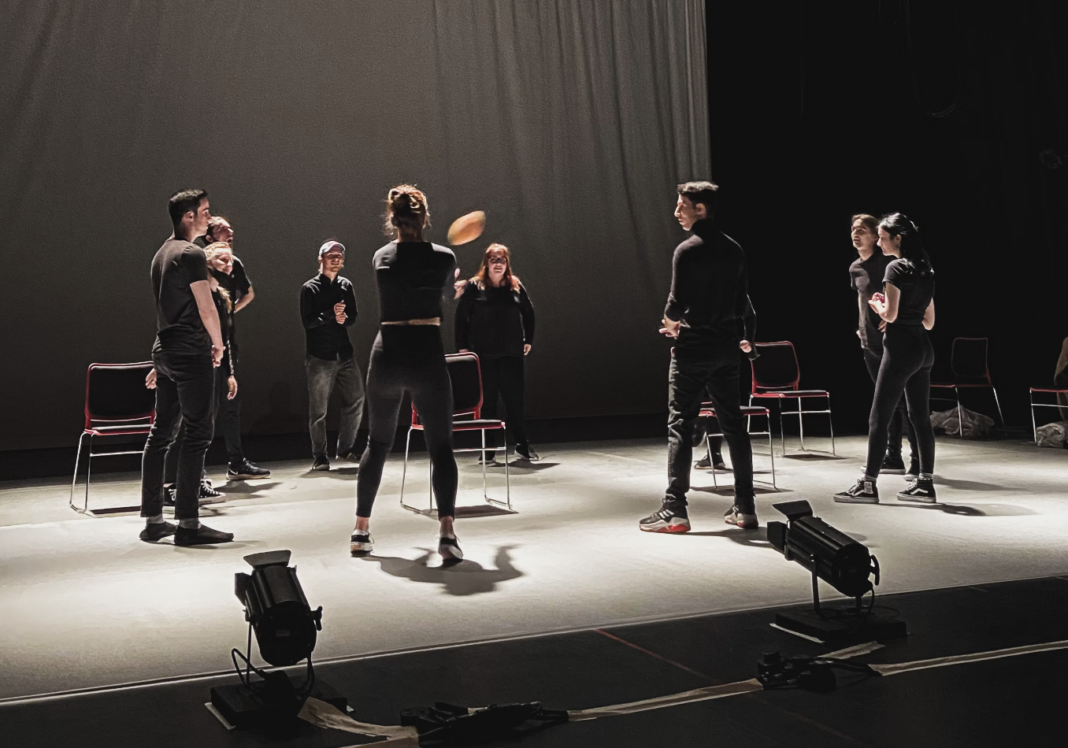
Mock ‘Ninja knife throwing’, ‘Gibberish’, or the fast and furious ‘Zap’ – they’re all favorite theatre games designed to break ice and boost confidence. But add speech therapy to theatre sports and you get a brand-new experience that’s hoping to deliver positive changes for people with a stutter. In a new University of South Australia study, researchers are trialling group improvisation (‘improv’) to help improve communicative confidence and reduce anxiety among teens and adults who stutter.
Improv is a form of theatre sport, where performers spontaneously create scenes, characters, and dialogue without a script or predetermined plot. Partnering with Swift Speech, Stuttering & Voice, the 9-week group improv program Unscripted Confidence, is designed to help participants positively engage in a range of activities and social situations to help build their confidence and communication abilities in a risk-free supportive environment.
UniSA Bachelor of Speech Pathology research honors student Damien Aston says the study will take a holistic approach to therapy, ensuring people feel comfortable, safe and supported.
“In Australia, one in 100 people have a stutter; and while it’s a relatively common speech difference, it can significantly affect a person’s confidence, social connections and anxiety levels,” Aston says.
“Improv provides an opportunity for a person with a stutter to have fun speaking with others, to learn to focus on the communicative aspects of speaking – such as eye contact and body language – rather than how they are speaking, and helps them learn to be ok with failure.
“While it may seem counterintuitive for someone with a stutter to participate in ‘on the spot’ games, spontaneous performances can be a powerful tool for building confidence and overcoming anxiety and stuttering.
“The sessions encourage people to engage and connect with others in a supportive, non-judgemental space where they learn to look beyond words – making sense doesn’t matter, it’s the risk that’s valuable and the fact that people are communicating and having fun at the same time.”