
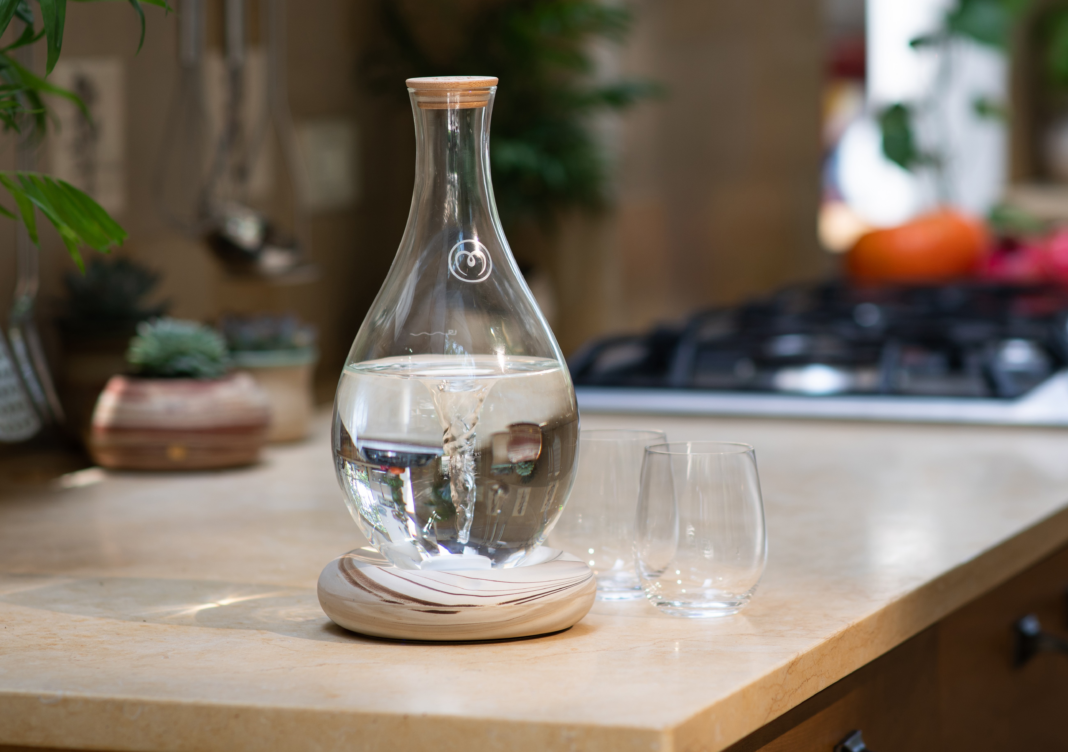


Environmentally friendly water systems for the home are a must! They are extremely important for conservation of natural resources, protection of ecosystems, reduction of carbon footprint, health and safety purposes, and promote sustainable practices. Water systems minimize wastage to ensure responsible use of water in the home. With growing concerns of water scarcity in the Middle East, using water systems that prioritize sustainability are crucial.
Environmentally friendly water systems prioritize the removal of harmful contaminants while minimizing the use of chemicals that can have adverse health effects. By investing in these systems, homeowners can ensure that the water they consume and use for daily activities, such as bathing and cooking, is free from pollutants, toxins, and potentially harmful substances. This promotes better overall health and well-being for both individuals and the environment.
Here are some of the best at home water systems:
Reverse osmosis systems
Reverse osmosis (RO) systems are highly effective in removing contaminants, including bacteria, viruses, heavy metals, and chemicals. These systems use a semipermeable membrane to filter out impurities. RO systems typically consist of pre-filters, a membrane, and post-filters to ensure comprehensive purification. They are considered one of the most reliable and widely used water treatment systems for households.
Whole house filtration systems
Whole house filtration systems offer a comprehensive solution by filtering water at the point of entry into the home. These systems are designed to remove sediment, chlorine, chemicals, and other impurities from all water sources, including faucets, showers, and appliances
Ultraviolet (UV) disinfection systems
UV disinfection systems utilize ultraviolet light to neutralize harmful microorganisms like bacteria, viruses, and parasites in water. These systems are highly effective at destroying various pathogens without using chemicals, making them a safe and environmentally friendly choice. UV systems are often used in conjunction with other filtration methods to provide a multi-barrier approach to water purification.
Water softeners
Hard water which contains high levels of minerals like calcium and magnesium could benefit from a water softener. Water softeners work by removing these minerals through a process called ion exchange, preventing scale buildup on plumbing fixtures, prolonging the lifespan of appliances, and improving soap lathering. Softened water can also have a positive impact on skin and hair, leaving them feeling smoother and less dry.
Carbon filters
Carbon filters are an excellent option for improving the taste and odor of water. These filters use activated carbon to remove chlorine, volatile organic compounds (VOCs), and other contaminants that can affect the taste and smell of water. Carbon filters are often installed under the sink or attached to the faucet.
In water-scarce countries, it becomes even more crucial to be mindful of our water consumption. The availability and accessibility of clean water are limited, making it imperative for individuals to recognize the importance of conserving this precious resource. By being conscious of our water usage habits, adopting water-saving practices, and investing in efficient water systems, we can play a significant role in preserving water.. Taking proactive steps to minimize wastage and promote responsible water consumption is not only essential for the sustainable development of these regions but also demonstrates our commitment to being responsible global citizens.


