

Web 1.0 has brought us the opportunity to learn and know about everything in this world. For that reason, human possibilities widened, and technology evolved so much in a few years that now we can have everything at a simple touch on our devices. But along with this huge benefit, when Web 2.0 and Web 3.0 emerged, we found that these high-tech solutions were causing issues regarding sustainability.
In other words, the devices used worldwide are using enormous quantities of energy that are not regenerative, contributing to the current climate issues. On top of that, websites, too, are responsible for 3.7% of global greenhouse emissions. Knowing this, is there something to be done to decrease this percentage?
What are sustainable websites?
A sustainable website is nothing more than a clean, efficient and resilient page. Sounds simple and easy to do, but that’s not the case because websites need constant maintenance in order to function well. Contrarily, a wasteful web design includes too many photos, the file formats are all over the place, the files are too big, and even the written code on the website can create unnecessary file duplicates.

So, a sustainable website has the following features:
- It’s powered by renewable energy; wind farms, solar energy. It’s services are considered net zero.
- It uses the least amount of energy and resources possible; or it replenishes what it uses by enhancing ecological projects, like rewilding.
- It’s accessible and allows users to control their data;
- It doesn’t exploit users;
- It helps support an economy that respects the planet;
The consequences of poor website design
If a website isn’t constantly maintained, it can reach rock bottom in a matter of months. But what happens when a page is unsuccessfully launched? Well, such a website can:
- Load too slow, resulting in a high bounce rate;
- Lack the mobile-friendly design;
- Make it difficult for users to understand or navigate;
All these elements will make users doubt the website’s reliability and immediately exit it because odd-looking websites are linked to malware. And it can be true since malicious sites are known to be designed in the same manner as trusted ones, but they’re often messy and easily distinguishable from the original ones. If you’re not aware of the malicious elements of such a website, you may experience a security outbreak. In that case, you can claim for data breach compensation in the UK to cover your financial losses or to recover from any psychological results.
The benefits of sustainable web design
While wasteful design can lead to data breaches and a lack of customer trust, sustainable web design does more than fix those issues. It can benefit any business to:
- Reduce monthly bills due to less energy consumed;
- Reduce carbon footprint since there’s less searching time;
- Improve business efficiency and productivity because the workflow streamline is improved;
- Comply with energy use regulations since many countries have started to constrain enterprises to adopt greener practices
- Set apart from the competition since green companies are drawing more attention than regular ones;
- Boost public image and brand recognition because the business fights for a cause;
By providing fast load times, superior image resolutions and simultaneous website use worldwide, businesses can become reliable regarding the use of customer data and contribute to a safer and greener internet environment. But how can you make your website more sustainable?
How to create a sustainable website, sustainably
Before starting your green journey, it’s essential to audit your website and clarify where improvements are needed. Start by recalling when the latest content and design update. If it was a long time ago and the designs seem outdated, people might have the impression you’re out of business. Then, take the time to analyse how easy your website is to navigate and how long it takes to load. Finally, evaluate your website’s readability and organising. If your customers are having a hard time understanding what you’re selling, they’ll rapidly exit the site.
Then, if you decide your website needs a change, try to improve these elements:
- Optimise images to reduce file size. High-resolution files consume too much energy and take time to load, so you can try to reduce them through software tools that can maintain their quality;
- Limit the videos on your website and use the low resolution to avoid slow website loading;
- Improve the website performance by setting up catching (JavaScript or CSS) to increase speed;
- Change the site navigation and make sure people can find the information they require when entering your page;
- Choose a green web host that employs renewable energy. However, be aware that this sector is still developing, so finding such a reliable company can be challenging so take your time to find a green hosting provider;
Going the extra mile on SEO sustainability
However, after performing the audit and concluding your website is working decently, you may want to have a different approach and change your SEO strategy. An excellent SEO strategy will help people find relevant information quickly, which translates into less time surfing the internet’s pages forever. Which means more time finding you and what they need. When search engines are able to return the best results, the number of pages loaded reduces the energy required for this action, which can significantly make a difference.
Adopting a SEO strategy must be done according to your company’s characteristics. However, some tips can be easily applied to any type of business. Here are some aspects to consider changing for good SEO:
- Write and use clean codes to make your website more efficient and to ensure it works on any device format or platform. WordPress is a good and low-cost, even free platform to build on. It’s open source so ongoing fees you will pay will be just server costs.
- Mind the fonts you use because larger files demand more energy for storing, delivering and loading. Image sizes should be reduced because what’s great for print is too much to handle in web format, taking up server space and increasing load times.
- Improve user experience (UX) design to provide high accessibility and valuable content delivery;
- Optimise your content by paying attention to the URL of your website, titles, meta descriptions and headers;
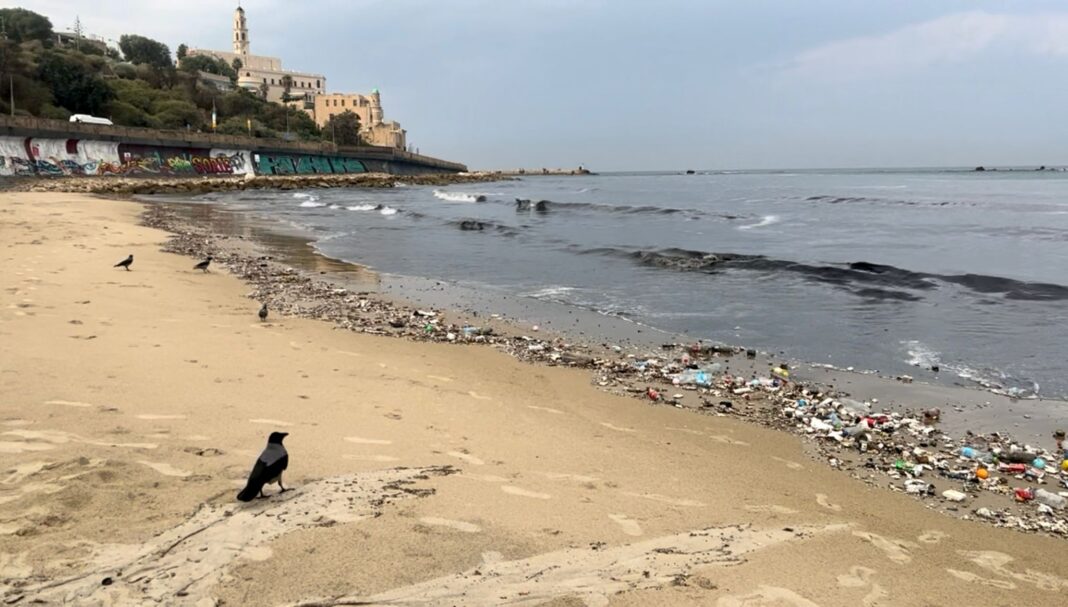
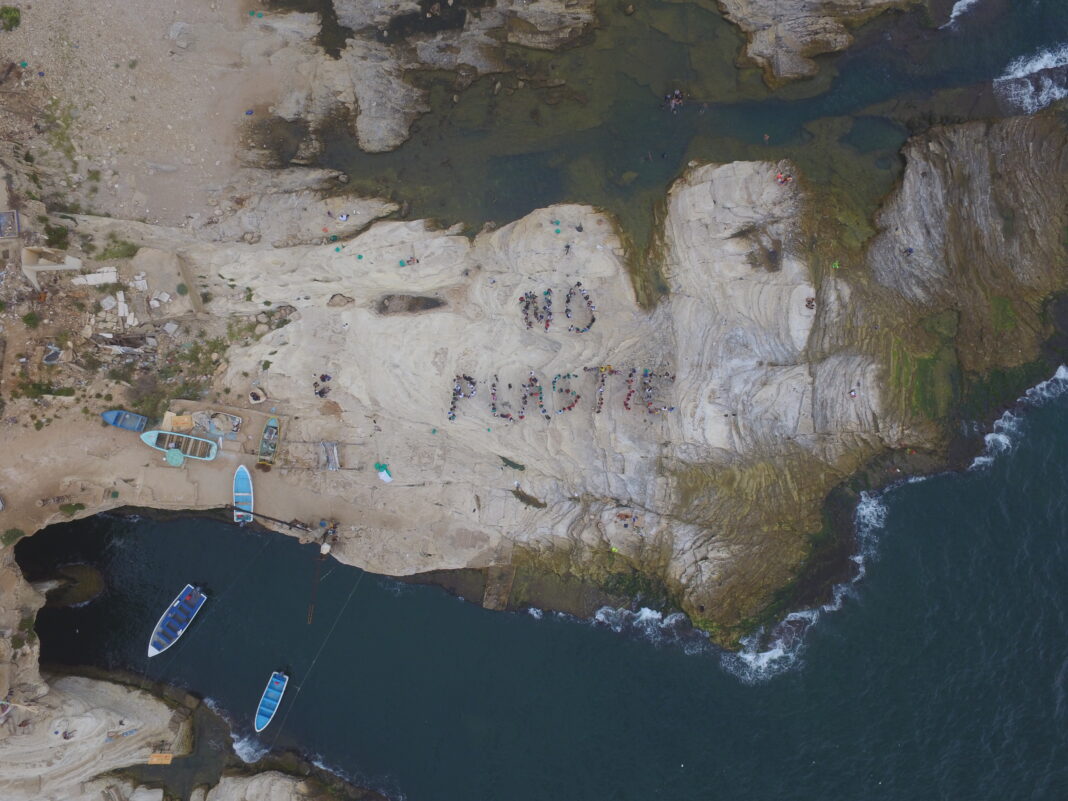
- If you are selling products and services, make real deal claims. Don’t pollute this planet. Think about plastics and that according to this Greenpeace report sent to us, plastics aren’t really recyclable. Help people make it better.
Wrapping it all up
The urgency of slowing down climate change has helped us discover issues in everything we use, especially the websites we browse. Since internet surfing is causing greenhouse gas emissions to increase, website optimisation is crucial to minimise the energy consumed on slow-loading pages and poor web design. What do you think about this strategy?