Cannabis and autism

charlotte figi, cannabis oil, epilepsy
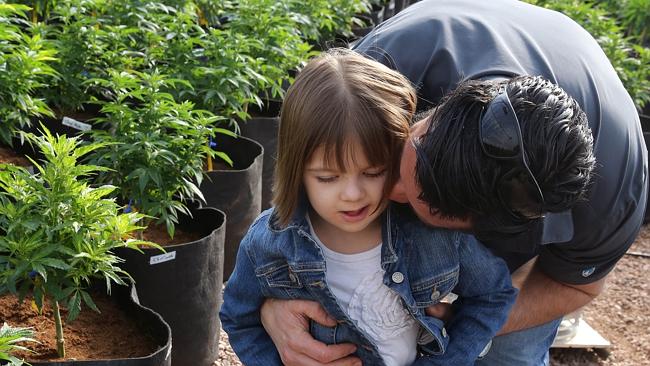
Charlotte Figi was an American girl with Dravet syndrome who took cannabidiol oil to prevent seizures and inspired the name of the medical cannabis strain called Charlotte’s Web.

For some people cannabis is a drug for stoners. For a growing number of people it offers a lifeline of hope against pain or for treating chronic conditions. Israel has been on the leading edge of cannabis research since the 1960s when Raphael Mechoulam, a chemist, studied its molecular compounds and pointed to its potential for fighting epilepsy and other illnesses.

Since, the country’s scientists have been inspired and have plugged away at new channels of research, even being the first in the world to come up with a pain drug based on cannabis (the company was called Pharmos, but the drug never made it on the market). This month the prestigious science journal Nature reports on breaking news in one of its publications Translational Psychology: that cannabis might treat autism. 

PhD student Shani Poleg with Prof. Daniel Offen have successfully treated autism in lab mice using medical cannabis oil. The researchers found that this treatment improves both behavioral and biochemical parameters of autism. 

“The usual process for testing new medications involves research in petri dishes, followed by animal models and finally a clinical study in humans,” explains Prof. Offen:

“With medicinal cannabis the process has been reversed: treatments began in humans. Since cannabis is not defined as a medication, trials have already been conducted in children and adolescents with autism – without any preliminary studies addressing issues like the effect of cannabis on biochemical processes in the brain, spinal fluid or blood, and who can benefit from which type of cannabis oil.

“There is a great deal of misinformation on the subject of medicinal cannabis and autism, and Shani Peleg’s doctoral project represents pioneering basic research with regard to treating autism with cannabis oil.”

Autism is a neurodevelopmental disease, and its main symptoms are social deficiencies and compulsive behaviors. Cases range from mild to severe, and causes are both genetic and environmental. In about 1% of all autism cases, a mutation in a single gene, called Shank3, is associated.

In the current study researchers at Tel Aviv University in Israel used animal models with a mutation in Shank3 to test the effectiveness of cannabis oil for alleviating symptoms of autism.

“We saw that cannabis oil has a favorable effect on compulsive and anxious behaviors in model animals,” says Poleg. “According to the prevailing theory, autism involves over-arousal of the brain which causes compulsive behavior.

“In the lab, in addition to the behavioral results, we saw a significant decrease in the concentration of the arousing neurotransmitter glutamate in the spinal fluid – which can explain the reduction in behavioral symptoms.”

Attempting to determine which components of cannabis oil alleviate symptoms of autism, the researchers found that THC, which is responsible for the euphoric sensation associated with the use of cannabis (and which was first isolated and identified by an Israeli researcher Mechoulam), is effective in treating autism, possibly even in small quantities.
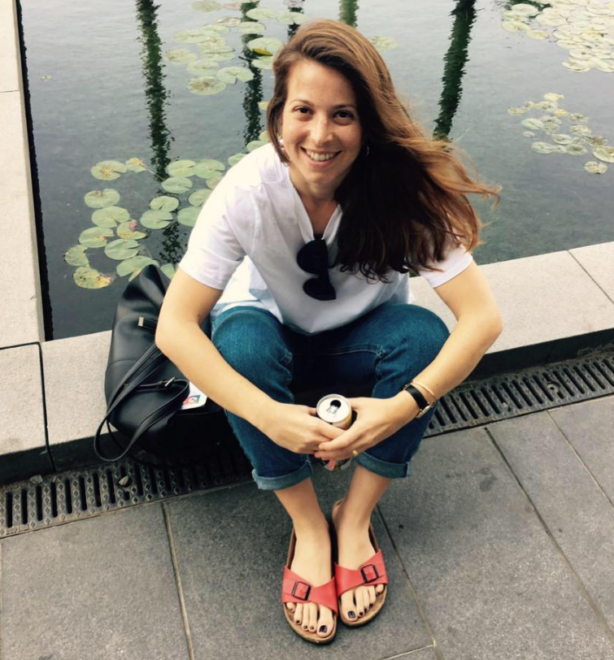
shani poleg thc treats autism
Shani Poleg finds that THC treats autism

“Clinical trials testing cannabis treatments for autism usually involve strains containing very large amounts of CBD or the cannabidiol molecule– due to this substance’s anti-inflammatory properties, and because it does not produce a sense of euphoria,” says Poleg.

“The strains used for treating autism usually contain very little THC, due to apprehension regarding both the euphoria and possible long-term effects. In the second stage of our study we inquired which active substance in cannabis causes the behavioral improvement, and were surprised to discover that treatment with cannabis oil that contains THC but does not contain CBD produces equal or even better effects – both behavioral and biochemical. Moreover, our results suggest that CBD alone has no impact on the behavior of model animals.”

“This is of course an initial study,” concludes Poleg. “But we hope that through our basic research we will be able to improve clinical treatments. Our study shows that when treating autism with medicinal cannabis oil there is no need for high contents of either CBD or THC.

“We observed significant improvement in behavioral tests following treatments with cannabis oil containing small amounts of THC and observed no long-term effects in cognitive or emotional tests conducted a month and a half after the treatment began.”

Karin Kloosterman
Karin Kloostermanhttp://www.greenprophet.com
Karin Kloosterman is an award-winning journalist, innovation strategist, and founder of Green Prophet, one of the Middle East’s pioneering sustainability platforms. She has ranked in the Top 10 of Verizon innovation competitions, participated in NASA-linked challenges, and spoken worldwide on climate, food security, and future resilience. With an IoT technology patent, features in Canada’s National Post, and leadership inside teams building next-generation agricultural and planetary systems — including Mars-farming concepts — Karin operates at the intersection of storytelling, science, and systems change. She doesn’t report on the future – she helps design it. Reach out directly to [email protected]

LEAVE A REPLY

Please enter your comment!
Please enter your name here

TRENDING

Stoned and driving? High THC levels might not mean you are impaired

Based on the results from the driving simulation, participants with elevated baseline concentrations of THC did no worse on a driving simulator compared with participants who were below per se cut-off points. Altogether, the results add to a growing body of evidence showing that current per se THC blood limit laws lack scientific credibility as face-value evidence of impairment.

American college trains medical students on how to treat with cannabis

Students also gain hands-on experience in caring for patients using cannabis, as well as any other medications and illicit substances, after they begin their clinical rotations, he added. 

Half of all medical cannabis doses labeled incorrectly

Products were considered “accurately labeled” if they contained within 15% of the THC amount shown on the label—the same threshold the state uses. About 44% percent of flower products failed to meet that standard, with 54 of those products inflating their THC content and 23 containing more THC than the label indicated. Only four concentrate products were labeled inaccurately.

Ayahuasca in 2025: Where the Sacred Vine Still Grows

But with popularity comes complexity. Indigenous leaders and activists have raised concerns about cultural appropriation, overharvesting of ayahuasca vines, and the commercialization of sacred traditions. Some Amazonian communities are pushing back, creating frameworks for reciprocity and ethical sourcing.  Organizations like The Indigenous Medicine Conservation Fund are advocating for fair compensation, intellectual property protection, and cultural sovereignty for the original stewards of the medicine.

Medical Cannabis Offers Chronic Pain Relief Without Sacrificing Mental Clarity, Study Finds

A growing number of chronic pain patients are turning...

Qatar’s climate hypocrisy rides the London Underground

Qatar remains a master of doublethink—burning gas by the megaton while selling “sustainability” to a world desperate for clean air. Wake up from your slumber people.

How Quality of Hire Shapes Modern Recruitment

A 2024 survey by Deloitte found that 76% of talent leaders now consider long-term retention and workforce contribution among their most important hiring success metrics—far surpassing time-to-fill or cost-per-hire. As the expectations for new hires deepen, companies must also confront the inherent challenges in redefining and accurately measuring hiring quality.

8 Team-Building Exercises to Start the Week Off 

Team building to change the world! The best renewable energy companies are ones that function.

Thank you, LinkedIn — and what your Jobs on the Rise report means for sustainable careers

While “green jobs” aren’t always labeled as such, many of the fastest-growing roles are directly enabling the energy transition, climate resilience, and lower-carbon systems: Number one on their list is Artificial Intelligence engineers. But what does that mean? Vibe coding Claude? 

Somali pirates steal oil tankers

The pirates often stage their heists out of Somalia, a lawless country, with a weak central government that is grappling with a violent Islamist insurgency. Using speedboats that swarm the targets, the machine-gun-toting pirates take control of merchant ships and then hold the vessels, crew and cargo for ransom.

Leopoldo Alejandro Betancourt López Turned Ocean Plastic Into Profitable Sunglasses

Few fashion accessories carry the environmental burden of sunglasses. Most frames are constructed from petroleum-based plastics and acrylic polymers that linger in landfills for centuries, shedding microplastics into soil and waterways long after they've been discarded. Leopoldo Alejandro Betancourt López, president of the Spanish eyewear brand Hawkers, saw this problem differently than most industry executives.

Why Dr. Tony Jacob Sees Texas Business Egos as Warning Signs

Everything's bigger in Texas. Except business egos.  Dr. Tony Jacob figured...

Israel and America Sign Renewable Energy Cooperation Deal

Other announcements made at the conference include the Timna Renewable Energy Park, which will be a center for R&D, and the AORA Solar Thermal Module at Kibbutz Samar, the world's first commercial hybrid solar gas-turbine power plant that is already nearing completion. Solel Solar Systems announced it was beginning construction of a 50 MW solar field in Lebrija, Spain, and Brightsource Energy made a pre-conference announcement that it had inked the world's largest solar deal to date with Southern California Edison (SCE).

Related Articles

Popular Categories