
As promoters of sustainable living and solar energy, we get this question all the time. Should I go solar? And if you look around solar panels are everywhere today. You can even find them at Costco along with a riding lawnmower and a she-cave.
Solar panels mean light or darkness to a family living in Africa or a family living off-grid in Texas or California. But since Covid-19, we’ve all started thinking a little bit about contingency plans. There is definitely new momentum for being self-reliant and sustainable and we all come to the question of solar panels for our own reasons –– even if we are not treehuggers. Some of us want to save the planet by using endless clean power from the sun, some want to save a lot of money on monthly power bills and earn attractive 30% federal tax rebates. Some just want reliable electricity for living off the grid.
Solar panels sound like an amazing idea for a home or cottage. And it can increase the resale value. But Can I install the solar panels myself? The easy answer is, yes you can in the United States, but no if you live in Australia. The bigger question you need to ask yourself is Am I willing to take the risks? And — are you planning on feeding into your local energy grid? Will you live in your home all year long –– and how much electricity do you estimate you will need?
Along with academic experts from a research paper writing service, we created a DIY solar panel guide pros and cons to help you through the early decision-making process. Once you read this, it will be worth going to a company that offers a solar calculator to help you assess your power needs and how much a system will cost with and without installation costs.

So if you’ve come looking for a bit of solar advice without all the talk of kilowatt hours that make your head spin, we’ve put together some of the basic pros and cons of DIY –– or doing it yourself solar panel installation. We are going to use 2 case studies of friends we have in Canada who installed solar panels on their own homes and tried to maintain these solar systems on their own, and what can happen if you do it alone.
Before you jump on the wagon of installing a single solar panel on your home consider speaking with a local professional to understand all the legal issues and zoning laws before you build, plug and connect.
Will you live in your home all year long –– and how much electricity do you estimate you will need? Solar panels can be easily scaled up by adding more panels, versus something like a gas generator which is limited by the average gas tank size.
Not every home-owner has the same needs and family situation. Some home owners will want enough power to power a few lights and charge cellphone batteries at night. Other homes might have more power needs that run dishwashers, televisions and refrigerators. Some homes will be occupied year round which helps cycle through the battery, while other solar panel systems will need to be maintained in a special way if the home isn’t being used continually. Will you want to rent out your property with VRBO or AirBNB? Would that work if you are the only person who can run the solar system?
7 steps to DIY solar panels
- Design your system based on your energy needs
- Buy your solar system equipment: solar panels, inverters, racks
- Install a physical mount for your solar panels on a roof or in your garden
- Connect the solar panels
- Install and connect the solar inverter and battery
- Connect to your main electrical board
- Notify the local utility and request for PTO (Permission to Turn-On and connect to the grid – if applicable)
DIY solar PV panel installation – Pros

A case study: my friend R. runs a small solar panel system to power lights, her cellphone and a laptop battery in Ontario, Canada. Her fresh spring water is brought to the home and she uses compost toilets, so no need for power to run pumps. When her partner died she was worried about maintaining the DIY solar system her partner had built and maintained over the years.
Some days she was running around the property looking for the energy hog (an unplugged light draining the battery?) and she needed some battery education from some local friends. In the end she was really pleased that she could maintain the system herself and be self-reliant, all on her own.

Saving money:
The do it yourself (DIY) solar PV (photovoltaic) panel kits can potentially save you a meaningful amount of money as panel installations cost between $2,000 to $5,000 in the United States, or even more like $10,000 when you are working with large solar panel installations. This number can vary widely depending on where you live.
Less time investment:
The DIY solar kit solution you might find at a local hardware store or online is ideal for people who have a seasonal property as you can buy a less complex system and battery and have it running quickly. Just make sure it has a warrantee.
You become self-sufficient:
Installing a solar system can give you a great amount of pride and when something goes wrong you can learn about what works and how to fix it. Your skills can be traded or donated to other people in your community and when you have children you can pass this important life skill to them as well.
Put solar panels on your outhouse!
Want a sun powered toilet? Some power in an old barn or toolshed? If you are installing the panels yourself you have more freedom to choose unusual locations. Maybe on an RV roof? Your boat? Solarpunk up your chicken coop?
DIY solar panel installation – Cons
A case study: My friend Finn bought a DIY solar energy system for $20,000 to power his off-grid old lodge that he purchased in a forest in Canada. There was no other source of power and he wanted power for water pumps, lights, small appliances. Finn decided that he could install, run and maintain the solar system himself. That worked for the first summer he and his wife was at the lodge. After a winter away Finn realized that he had not cycled through the batteries correctly before the winter and his entire system was fried needed replaced. That was a painful lesson. And it happened twice.
Risks of electrocution, damaging home, falling from heights:
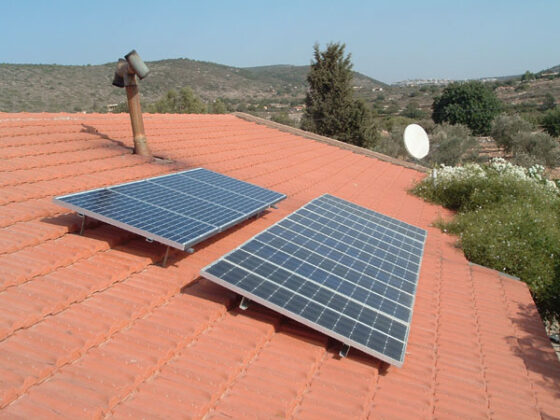
Solar panels produce electricity and for that reason can put you and your property at risk from faulty circuits. Most systems need to be installed as a roof mount or ground mount and installing them at certain heights needed to collect the sun can be dangerous if you fall or if something falls on you. In some countries, installing your own system is illegal.
Knowing where to install:
Every mount needs to be directed to collect the most sun, most of the year. Unless your mount can rotate you better make sure you know how a sundial works before you choose the location of your roof and backyard. You want to collect most of the solar rays during most of the year.
Poorer quality PV panels:
If you buy one of the systems on Amazon or your local Costco, chances are the consumer brands aren’t as robust as the systems purchased by solar panel installation companies who can buy better, in bulk. If you want your system to last for a decade or a bit more this solution is probably fine. The more robust systems are expected to last up to 30 years.
Need to know some engineering:
If you think an AC/DC current is a rock band from the 70s you might want to ask for professional help.
You have high energy needs:
If you have high or erratic energy needs such as washing machines, refrigerators, or televisions, consider that increased energy needs – especially in winter – calls for a more complex electrical system. Consider hiring a professional who can help you manage storage needs and cycle your battery properly when your energy needs vary.
Limits on tax credits, feed-in tariffs:
If you buy the DIY solar panel solution, you will limit your ability to connect to the electricity grid company near you. This means you won’t benefit from tax credits or earn passive income by selling your unused power back to the power company. If that’s not an option for you anyway, then you are good to go.
Vacation properties:
We rented a house that was running on solar power and the instructions for using it were complicated and uncertain because it was a home-built system. There were some knobs behind the coffee machine on the wall and we were never sure if they were at the right settings. Professional builds might give unfamiliar end-users more confidence that they are in a safe and well-run AirBNB or VRBO home rental and that they will be able to enjoy the creature comforts that they expect, minus the air conditioning –– because, solar! On that note your solar powered home might be a great filter for the kind of eco-clients you want to come and stay in it.
Paperwork:
Unless you are operating a small system in a cozy cabin in the woods (well in the open area of the forest to catch the sun!), you will need to file some paperwork for the local authorities. Solar panel companies who do this daily can file paperwork when they are sleeping. You, probably not. Look into what this means for you and the state where you plan on installing the solar panels.
Paying inflated prices for labor:
If you look at a residential solar installation teams are sent in on build days. Look online and do the math. While solar installation companies say they only charge 10% for labor, in many instances the labor is priced on par with the cost of the equipment. Do your due diligence. Then again, it’s not a bad thing to create some local jobs.
Takeaways on DIY solar pros and cons –– should I install the panels myself?
- A DIY system is possible and it will come at a much lower price than a professional solar panel installation
- Going the DIY route means you will need to learn a lot and file some paperwork, likely
- If you are a handy kind of person or fancy yourself as someone who wants to be and you have the time and energy, go the DIY solar panel route
- If you are looking for a good solution for a residential home, we suggest you contact a local solar panel company for a quote. You will earn feed-in tariffs and get tax credits which will pay for your system in about 10 to 15 years
This article was updated June, 2024