New lab test for antibiotic resistance better times treatment

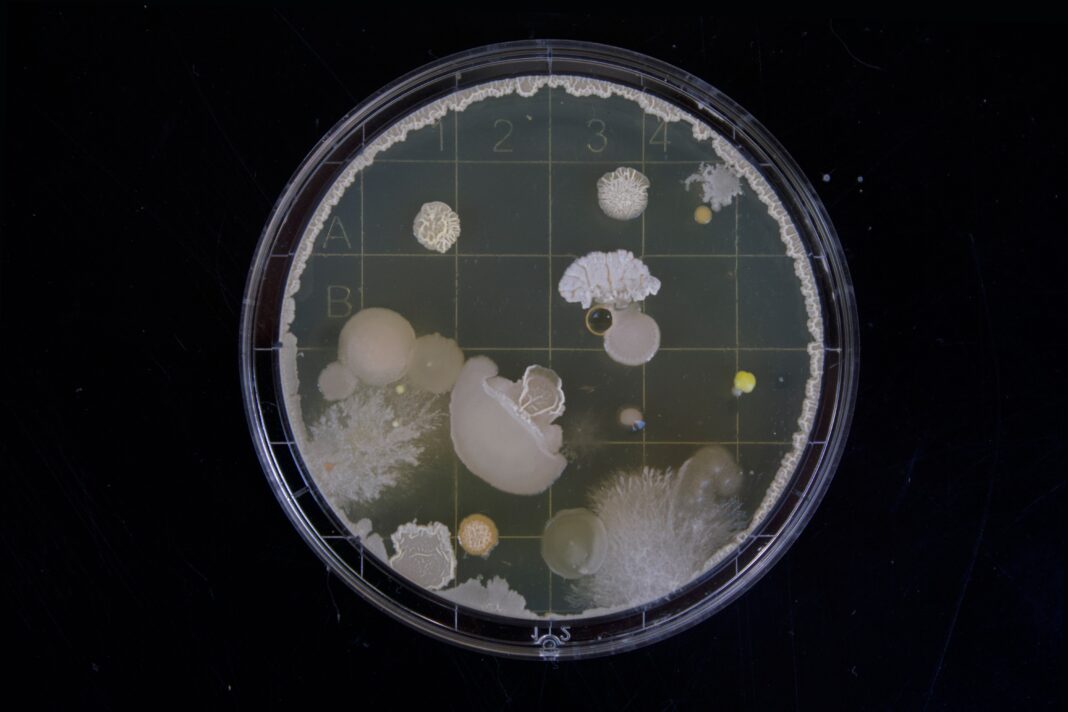
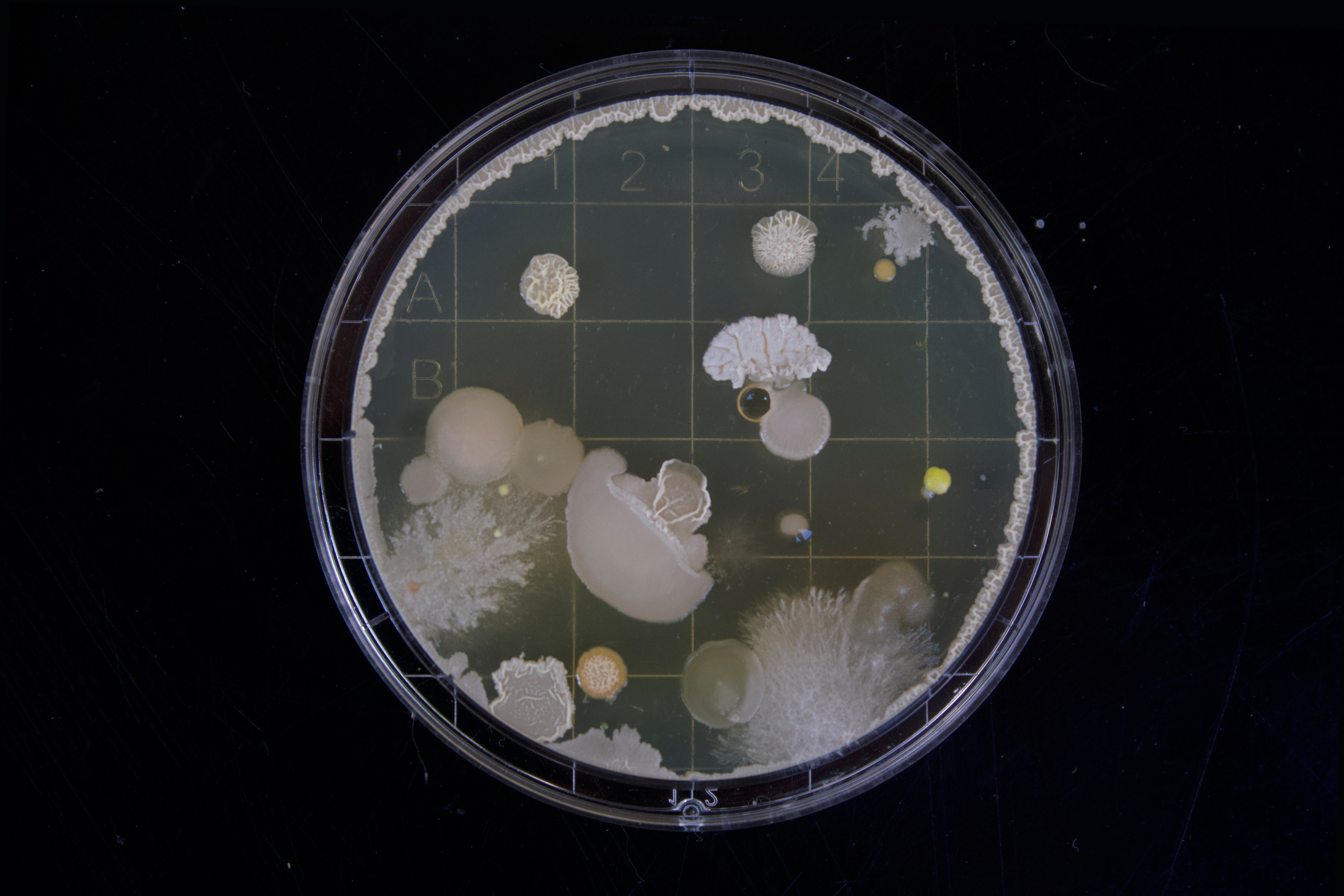
bacterial in petri dishResearchers in Jerusalem have found they can test for antibiotic resistance to better treat sepsis and even target cancer treatments better 

Is it just us or do we seem to get sicker and sicker every winter? This last few months we have been at home sick more than we have been without. Indeed superbugs like the bird and swine flu virus H1N1 are reported to be going around, suggesting why everyone is getting a vaccine to try and beat it. But that’s a virus. When it comes to bacterial infections antibiotics are the only relief. 

Every year in the United States, more than 35,000 people die and 2.8 million get sick from antibiotic-resistant infections.  The medicine we have isn’t good enough.

Israeli tech to tackle bacteria resistant to antibiotics

But new research may prevent some unwanted deaths due to infections like pneumonia. It is published in the prestigious journal Scient. The team led by Hebrew University of Jerusalem (HU)’s Professor Nathalie Balaban and Shaarei Zedek Medical Center’s Dr. Maskit Bar-Meir describe their approach. 

Like all living organisms, germs like bacteria develop defenses against hostile elements in their environment.  One common tactic is “tolerance”, that is, lying dormant during antibiotic treatment.  In this way, bacteria evade antibiotic treatment because antibiotics can only spot and kill growing targets.  However, this intermediary stage called “antibiotic tolerance” lasts only a few days and cannot be detected in standard medical labs.  Therefore, doctors miss the tolerance window and with it the opportunity to treat a serious infection before it becomes altogether resistant.  This short window does not affect most healthy adults but for those patients fighting off a blood infection with a weakened immune system, this window is critical and could mean the difference between life and death.

Math tests if antibiotics will be effective

In a previous study, Balaban and student Irit Levin-Reisman studied lab-controlled bacteria.  They developed a mathematical model that successfully described, measured and predicted when bacteria would develop tolerance to a particular antibiotic. 
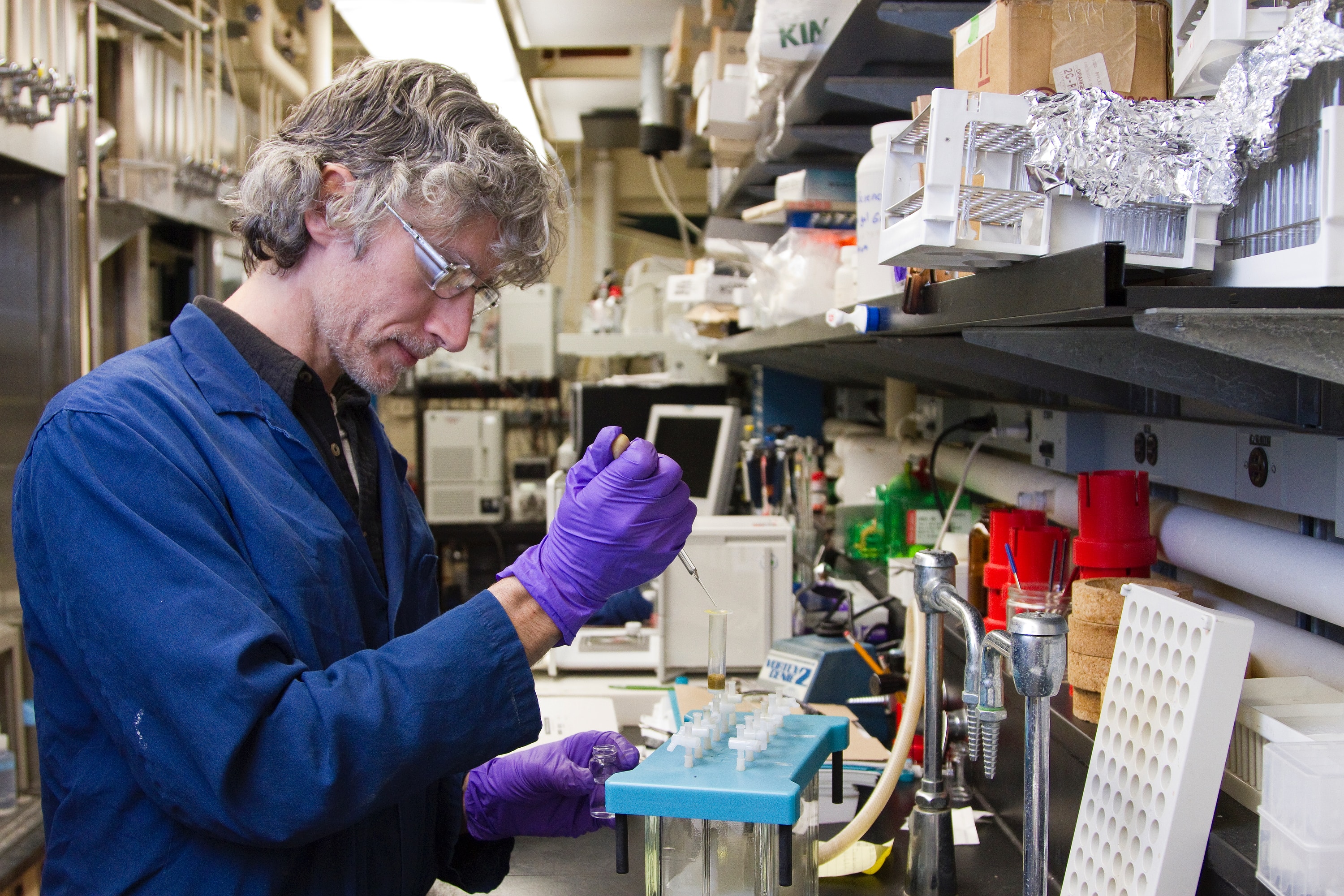
man testing bacteria resistance with pipettes in lab

Further, they observed that when bacteria developed tolerance to one antibiotic, they were more likely to develop tolerance to other antibiotics in the cocktail.  “We observed that bacteria acquired tolerance within a few days. These tolerance mutations then acted as a stepping stone to acquire resistance and, ultimately, treatment failure,” described Balaban.

Now, as published in the latest edition of Science, HU’s Balaban lab and Dr. Jiafeng Liu teamed up with Bar-Meir and repeated their study and tolerance test technique.  Only this time, they analyzed daily bacterial samples from hospitalized patients with life-threatening, persistent MRSA (methicillin-resistant Staphylococcus aureus) infections.  The pattern that they found was strikingly similar to their lab findings: First, the patients’ bacteria developed tolerance, then resistance, and ultimately antibiotic treatment failed. 

Applications for testing in cancer treatment

Looking ahead, Balaban believes that the same evolutionary processes involved in the development of antibiotic tolerance and resistance are likely at play in cancer and might be used to inform treatment.  For example, tumor cells might first become tolerant of chemotherapy, develop resistance to it, and then develop resistance to other cancer drugs, as well.

In the short term, Balaban and Bar-Meir would like to give new hope for patients with life-threatening infections by encouraging medical centers to adopt the laboratory test they developed which gauges antibiotic tolerance. 

This readout would enable doctors to quickly and easily detect whether a patient’s bacteria are tolerant of a planned antibiotic treatment before it’s administered.  Further, based on the patient’s bacteria profile, doctors could handpick antibiotics with a greater chance of success that, as is currently done, blindly choose antibiotics for which the patient may have already developed a tolerance.

“Using the right combination of available antibiotic drugs at the outset could dramatically increase a patients’ survival rate before their infection becomes tolerant to all the antibiotics in our arsenal,” Balaban concluded.


Karin Kloosterman
Karin Kloostermanhttp://www.greenprophet.com
Karin Kloosterman is an award-winning journalist, innovation strategist, and founder of Green Prophet, one of the Middle East’s pioneering sustainability platforms. She has ranked in the Top 10 of Verizon innovation competitions, participated in NASA-linked challenges, and spoken worldwide on climate, food security, and future resilience. With an IoT technology patent, features in Canada’s National Post, and leadership inside teams building next-generation agricultural and planetary systems — including Mars-farming concepts — Karin operates at the intersection of storytelling, science, and systems change. She doesn’t report on the future – she helps design it. Reach out directly to [email protected]

LEAVE A REPLY

Please enter your comment!
Please enter your name here

TRENDING

Oil pollution in Basrah’s soil is 1,200% higher than it should be

Soil pollution levels in parts of Basra are 1,200% to 3,300% higher than those typically measured in cities like Toronto or New York, according to new comparative soil data. It's getting into water.

Factors That Determine the Payout of Asbestos Cases

Asbestos is found in eye shadow and talc. Know your rights of this deadly environmental hazard.

Mini medical machines destroy pancreas cancer cells in new study

The idea of using MENPs to wirelessly control local electric fields was first proposed by Khizroev and Liang in 2011. Over the past decade, the concept evolved through global research partnerships and technological breakthroughs, culminating in this study.

Can Herpes Kill Cancer? A Modified Virus Offers New Hope for Skin Cancer Patients

So, can herpes kill cancer? Not the kind you catch on a bad date. But a lab-modified version of the virus might just save lives, turning a once-feared pathogen into a new kind of precision weapon in oncology.

A blood test to diagnose leukemia

What if a blood test could reveal the pace of our aging – and the diseases that may lie ahead?

Qatar’s climate hypocrisy rides the London Underground

Qatar remains a master of doublethink—burning gas by the megaton while selling “sustainability” to a world desperate for clean air. Wake up from your slumber people.

How Quality of Hire Shapes Modern Recruitment

A 2024 survey by Deloitte found that 76% of talent leaders now consider long-term retention and workforce contribution among their most important hiring success metrics—far surpassing time-to-fill or cost-per-hire. As the expectations for new hires deepen, companies must also confront the inherent challenges in redefining and accurately measuring hiring quality.

8 Team-Building Exercises to Start the Week Off 

Team building to change the world! The best renewable energy companies are ones that function.

Thank you, LinkedIn — and what your Jobs on the Rise report means for sustainable careers

While “green jobs” aren’t always labeled as such, many of the fastest-growing roles are directly enabling the energy transition, climate resilience, and lower-carbon systems: Number one on their list is Artificial Intelligence engineers. But what does that mean? Vibe coding Claude? 

Somali pirates steal oil tankers

The pirates often stage their heists out of Somalia, a lawless country, with a weak central government that is grappling with a violent Islamist insurgency. Using speedboats that swarm the targets, the machine-gun-toting pirates take control of merchant ships and then hold the vessels, crew and cargo for ransom.

Leopoldo Alejandro Betancourt López Turned Ocean Plastic Into Profitable Sunglasses

Few fashion accessories carry the environmental burden of sunglasses. Most frames are constructed from petroleum-based plastics and acrylic polymers that linger in landfills for centuries, shedding microplastics into soil and waterways long after they've been discarded. Leopoldo Alejandro Betancourt López, president of the Spanish eyewear brand Hawkers, saw this problem differently than most industry executives.

Why Dr. Tony Jacob Sees Texas Business Egos as Warning Signs

Everything's bigger in Texas. Except business egos.  Dr. Tony Jacob figured...

Israel and America Sign Renewable Energy Cooperation Deal

Other announcements made at the conference include the Timna Renewable Energy Park, which will be a center for R&D, and the AORA Solar Thermal Module at Kibbutz Samar, the world's first commercial hybrid solar gas-turbine power plant that is already nearing completion. Solel Solar Systems announced it was beginning construction of a 50 MW solar field in Lebrija, Spain, and Brightsource Energy made a pre-conference announcement that it had inked the world's largest solar deal to date with Southern California Edison (SCE).

Related Articles

Popular Categories