Flying Sushi iTrays First Step to Flying Carpets

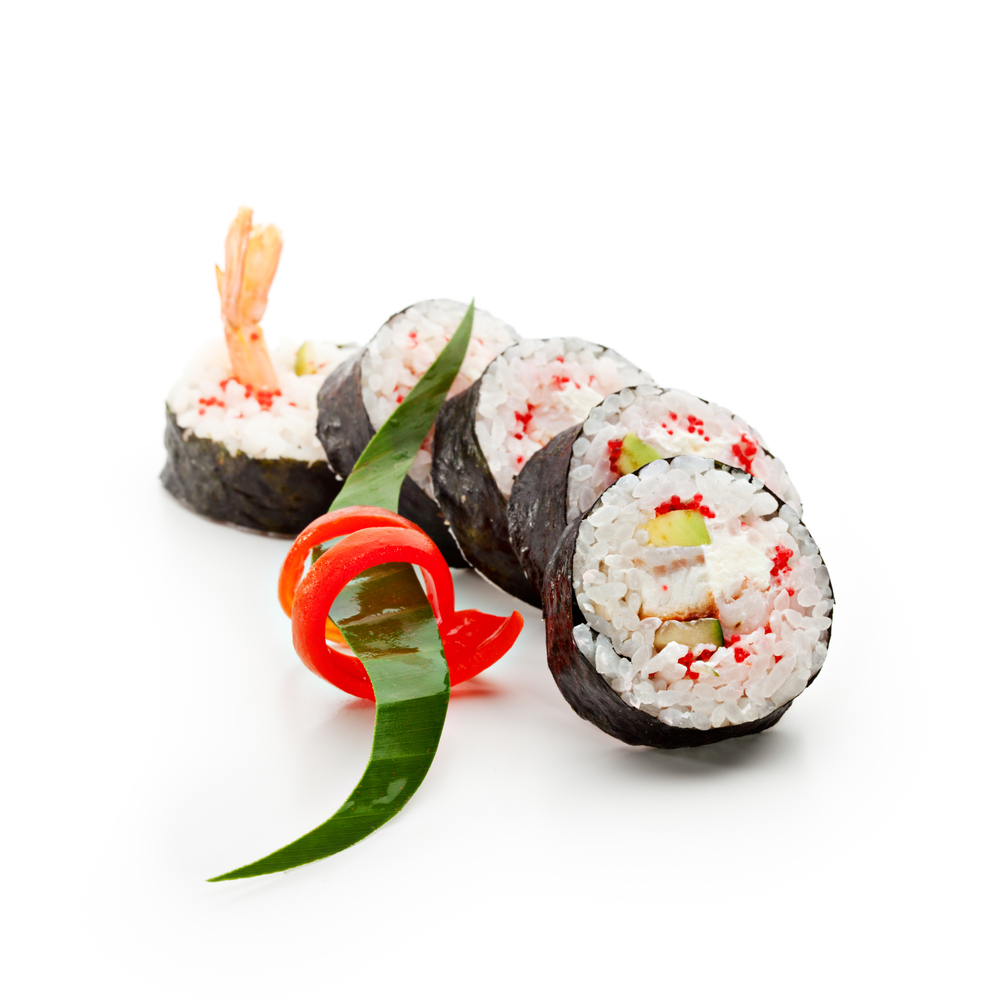
sushi with eel prawn tobiko flying fish egg

America’s bumbling fictional super spy Maxwell Smart had a good point when he would say of the villain, “If only he had used his evil genius for niceness.” We’ve heard far too many tragic stories of drones being used as weapons of war. Wouldn’t it be nice if someone figured out how to beat this modern age sword into a plowshare? The people at the Yo Sushi! restaurant have done just that. Known for introducing the concept of a Japanese ‘kaitan’ sushi bar to Britain and delivering tasty dishes via a conveyer belt, it shouldn’t surprise is to hear that this hip restaurant has found a new way to raise our eyebrows, if not shear them off with the high-speed propellers of an unmanned aerial vehicle.

To emphasize the light weight and low calorie count of their new rice burgers, Yo Sushi! waiters plan to deliver them via  an iPad-controlled quadrocopter they call iTray.

Yo Sushi is piloting this jet-age food delivery service at their SOHO location in London. No word yet as to whether Heathrow airport will need to hire extra air traffic controllers to manage unidentified flying sushi or whether this service will be expanded to Yo Sushi restaurants in Dubai and Bahrain.

[youtube]http://www.youtube.com/watch?v=uKPpTi7nEnA[/youtube]

Until flying sushi carpets are perfected, prudent diners might want to settle for the crunchy orange tobiko (flying fish eggs) coating some types of ordinary sushi. But if you’re adventurous, bring a raincoat the next time you visit London’s SOHO district and enjoy the buzz of this new type of restaurant service.

Sushi photo from Shutterstock

Brian Nitz
Brian Nitzhttp://www.greenprophet.com
Brian remembers when a single tear dredged up a nation's guilt. The tear belonged to an Italian-American actor known as Iron-Eyes Cody, the guilt was displaced from centuries of Native American mistreatment and redirected into a new environmental awareness. A 10-year-old Brian wondered, 'What are they... No, what are we doing to this country?' From a family of engineers, farmers and tinkerers Brian's father was a physics teacher. He remembers the day his father drove up to watch a coal power plant's new scrubbers turn smoke from dirty grey-back to steamy white. Surely technology would solve every problem. But then he noticed that breathing was difficult when the wind blew a certain way. While sailing, he often saw a yellow-brown line on the horizon. The stars were beginning to disappear. Gas mileage peaked when Reagan was still president. Solar panels installed in the 1970s were torn from roofs as they were no longer cost-effective to maintain. Racism, public policy and low oil prices transformed suburban life and cities began to sprawl out and absorb farmland. Brian only began to understand the root causes of "doughnut cities" when he moved to Ireland in 2001 and watched history repeat itself. Brian doesn't think environmentalism is 'rocket science', but understanding how to apply it within a society requires wisdom and education. In his travels through Europe, North America, Asia and the Middle East, Brian has learned that great ideas come from everywhere and that sharing mistakes is just as important as sharing ideas.
1 COMMENT

LEAVE A REPLY

Please enter your comment!
Please enter your name here

TRENDING

Sushi Lovers Might Not Have to Give up Endangered Bluefin Tuna

It's hard to convince a sushi lover that the...

Masdar City Desert Delivery: Organic Food & Sushi

Who knew? Now you can get sushi and organic...

6 Payment Processors With the Fastest Onboarding for SMBs

Get your SMB up and running fast with these 6 payment processors. Compare the quickest onboarding options to start accepting customer payments without delay.

Qatar’s climate hypocrisy rides the London Underground

Qatar remains a master of doublethink—burning gas by the megaton while selling “sustainability” to a world desperate for clean air. Wake up from your slumber people.

How Quality of Hire Shapes Modern Recruitment

A 2024 survey by Deloitte found that 76% of talent leaders now consider long-term retention and workforce contribution among their most important hiring success metrics—far surpassing time-to-fill or cost-per-hire. As the expectations for new hires deepen, companies must also confront the inherent challenges in redefining and accurately measuring hiring quality.

8 Team-Building Exercises to Start the Week Off 

Team building to change the world! The best renewable energy companies are ones that function.

Thank you, LinkedIn — and what your Jobs on the Rise report means for sustainable careers

While “green jobs” aren’t always labeled as such, many of the fastest-growing roles are directly enabling the energy transition, climate resilience, and lower-carbon systems: Number one on their list is Artificial Intelligence engineers. But what does that mean? Vibe coding Claude? 

Somali pirates steal oil tankers

The pirates often stage their heists out of Somalia, a lawless country, with a weak central government that is grappling with a violent Islamist insurgency. Using speedboats that swarm the targets, the machine-gun-toting pirates take control of merchant ships and then hold the vessels, crew and cargo for ransom.

Leopoldo Alejandro Betancourt López Turned Ocean Plastic Into Profitable Sunglasses

Few fashion accessories carry the environmental burden of sunglasses. Most frames are constructed from petroleum-based plastics and acrylic polymers that linger in landfills for centuries, shedding microplastics into soil and waterways long after they've been discarded. Leopoldo Alejandro Betancourt López, president of the Spanish eyewear brand Hawkers, saw this problem differently than most industry executives.

Why Dr. Tony Jacob Sees Texas Business Egos as Warning Signs

Everything's bigger in Texas. Except business egos.  Dr. Tony Jacob figured...

Related Articles

Popular Categories