The Middle East Environmental Law Project Kickstarted By Vermont Lawyers

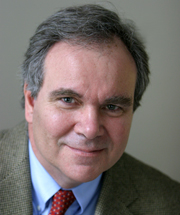
John D. Echeverria vermont law school

Environmental law has proven to be quite dynamic in the Middle East.  Some countries have made great strides toward protecting resources and preventing pollution.  Others have done little to tackle environmental problems head on due to competing interests or public funding shortfalls.  Although the majority of countries in the Middle East are Arab and Muslim, each has a different approach to its regulatory system.  Vermont Law School, recognizing the complex issues surrounding environmental law in the region, recently launched the Middle East Environmental Law Project (MEEL).  We caught up with John Echeverria, Director of Vermont Law School’s Environmental Law Center.  He explains why environmental law is important in the region, and what MEEL is doing to advance it.

Green Prophet’s Joshua:  What was the impetus to develop the MEEL project?

Professor John Echeverria:  People around the world hear a great deal about the Middle East region, but they know little about the magnificent natural resources in the region , apart from oil and natural gas, or the serious environmental problems the region faces.

The MEEL project, initiated by Vermont Law School LLM student Seyed Mohammad Hosseini, is designed to help fill this gap by educating the media, legal scholars, policy makers, and the general public about the overlooked environmental challenges in this part of the world.  In addition, the MEEL initiative seeks to promote the development of environmental law in the region.  The goal is to reach out to national, regional and international organizations in the field, especially educational centers and institutions, to promote the importance of environmental law not only for the sake of protecting the environment itself, but as the necessary foundation for sustainable economic development.

Joshua:  What does the MEEL project hope to accomplish?

Professor Echeverria:  The MEEL project hopes to serve as an educational resource for people in the Middle East region and around the world who are interested in the environmental laws and regulations of the region. Ultimately, the hope is that it will serve as a spring board for the development of environmental law in individual countries in the region and for multilateral cooperation on environmental issues across the region.

Joshua:  Which countries does the project focus on and how were they chosen?

Professor Echeverria:  Although the Middle East region has been defined in different ways for different purposes,  the MEEL initiative seeks to include all of the countries in the traditional definition of the Middle East region. Some North African countries will also be included.  The MEEL website is a work in progress and not all of the countries in the region have been included to date.

Joshua:  Have you found that these countries have disparate or similar environmental laws and/or enforcement regimes?

Professor Echeverria:  Since the MEEL project is in the early stages of development, it is difficult to offer a definitive response to this question. However, because Islam is the major religion in the region’s countries, it stands to reason that there will be some similarities among many countries in their approaches to legal protection for the environment.  Needless to say, there are also many differences between the countries in the region, reflecting the different economic and political situation in each country, as well as other factors.

Joshua:  What factors do you think inhibit these countries from establishing effective environmental laws?

Professor Echeverria:  Some Middle Eastern countries have very advanced environmental laws which are very effective. However, some developing countries in the region are pursuing economic development priorities that are sometimes perceived to be in conflict with environmental protection.  Also, the political structure of any particular country plays an important role in determining the character of its environmental laws and regulations.  It is clear that environmental officials do not always possess sufficient authority and resources to carry out their missions.

Joshua:  What have you discovered about environmental law in the Middle East through this project that gives you hope?

Professor Echeverria:  Given the nature of the environmental problems facing the region, there is a huge potential for cooperation among the different countries in the region, as well as universities and other educational institutions, to advance the cause of environmental protection. The MEEL is a resource to help foster this cooperation within the region and across the world.


Joshua Basofin
Joshua Basofinhttp://www.greenprophet.com
Joshua is an environmental attorney and writer living in Tel Aviv. He has worked for several conservation groups in his native United States, including The Nature Conservancy and Defenders of Wildlife. Joshua specializes in laws and policies aimed at protecting natural areas. He has a particular interest in freshwater and marine habitats. Growing up in the suburbs of Middle America, Joshua learned to escape into nature and leave the strip malls and parking lots behind. He has hiked and explored around the world, from South America to Australia to Thailand. Joshua is fascinated by the often polarizing worlds of tradition and modernity. He thrives on studying the intersection of environmental conservation, religion, and human culture. And he may have found his greatest challenge yet in Israel.
1 COMMENT
  1. Creating the Middle East Environmental Law Project is all well and good but wouldn’t it have been better if was created by a university in the Middle East rather than in Vermont? Surely there are universities there that offer law degrees that could have set up this project.

LEAVE A REPLY

Please enter your comment!
Please enter your name here

TRENDING

Fishermen sue tire manufacturers on behalf of the salmon

A federal trial in San Francisco has brought US tire manufacturers, fishing groups, and environmental scientists into court over a chemical most drivers have never heard of — but which scientists say may be silently reshaping aquatic ecosystems.

Factors That Determine the Payout of Asbestos Cases

Asbestos is found in eye shadow and talc. Know your rights of this deadly environmental hazard.

Life-Cycle Thinking Under Fire: Industrial Ecology Mission Amid Geopolitical Conflict

the relationship between the natural environment and industrial processes to promote sustainable development. The aim of this idea is to minimize environmental impacts and promote efficiency by integrating production and consumption development.

Your Sweat is Unlocking Toxins in Plastic—Here’s Why Natural Fibers Matter

Natural fibers like organic cotton, hemp, and wood-based fabrics such as Tencel and modal offer a safer, breathable alternative to synthetic materials. These fabrics don’t shed microplastics, don’t contain toxic flame retardants, and allow your skin to breathe without the risk of chemical exposure.

Selling your Tesla for a conventional car? Think of the silent pollutant

By choosing an electric car, you’re not just supporting a brand or a CEO. You’re making a statement about the future you want to create. A future with cleaner air, healthier communities, and less pollution. You’re helping reduce harmful brake dust, which poses a hidden health risk to millions of people. And you’re reducing the demand for fossil fuels, contributing to a broader movement toward renewable energy and environmental sustainability.

6 Payment Processors With the Fastest Onboarding for SMBs

Get your SMB up and running fast with these 6 payment processors. Compare the quickest onboarding options to start accepting customer payments without delay.

Qatar’s climate hypocrisy rides the London Underground

Qatar remains a master of doublethink—burning gas by the megaton while selling “sustainability” to a world desperate for clean air. Wake up from your slumber people.

How Quality of Hire Shapes Modern Recruitment

A 2024 survey by Deloitte found that 76% of talent leaders now consider long-term retention and workforce contribution among their most important hiring success metrics—far surpassing time-to-fill or cost-per-hire. As the expectations for new hires deepen, companies must also confront the inherent challenges in redefining and accurately measuring hiring quality.

8 Team-Building Exercises to Start the Week Off 

Team building to change the world! The best renewable energy companies are ones that function.

Thank you, LinkedIn — and what your Jobs on the Rise report means for sustainable careers

While “green jobs” aren’t always labeled as such, many of the fastest-growing roles are directly enabling the energy transition, climate resilience, and lower-carbon systems: Number one on their list is Artificial Intelligence engineers. But what does that mean? Vibe coding Claude? 

Somali pirates steal oil tankers

The pirates often stage their heists out of Somalia, a lawless country, with a weak central government that is grappling with a violent Islamist insurgency. Using speedboats that swarm the targets, the machine-gun-toting pirates take control of merchant ships and then hold the vessels, crew and cargo for ransom.

Leopoldo Alejandro Betancourt López Turned Ocean Plastic Into Profitable Sunglasses

Few fashion accessories carry the environmental burden of sunglasses. Most frames are constructed from petroleum-based plastics and acrylic polymers that linger in landfills for centuries, shedding microplastics into soil and waterways long after they've been discarded. Leopoldo Alejandro Betancourt López, president of the Spanish eyewear brand Hawkers, saw this problem differently than most industry executives.

Why Dr. Tony Jacob Sees Texas Business Egos as Warning Signs

Everything's bigger in Texas. Except business egos.  Dr. Tony Jacob figured...

Related Articles

Popular Categories