
Gulf Coastal Ecosystems At Growing Risk Due To Development

gulf coast riskUN scientists say rapid coastal development, booming populations and the fossil fuel industry is wreaking havoc in the Arabian Gulf

The Arabian Gulf, which is also known as the Persian Gulf, is a semi-enclosed area of sea in the Middle East region that has eight bordering countries from Iraq down to Oman. As a major shipping route for the oil industry and the site of various up-scale residential developments (Qatar’s resorts and Dubai’s Islands), it is at growing risk from environmental degradation. According to a report by scientists at the United Nations University Institute for Water, Environment and Health, the Gulf is at risk from various types of environmental degradation and the current protection policies are simply inadequate.

Polluting Impact of Oil Industry

 The UN report collated data from various researchers and UN scientists and focused on eight Gulf nations– Bahrain, Kuwait, Iran, Iraq, Oman, Qatar, Saudi Arabia, and the United Arab Emirates. It charted the impacts of overfishing, pollution and the growing population of Gulf States on the coastal ecosystems of the Arabian Gulf.

The Gulf region contains around 55 percent of the world’s crude oil reserves and around 33 percent of the world’s oil supplies. As such, the report found “persistently high levels of hydrocarbon pollution throughout the Gulf, predominantly along the Iranian coastline.” The high-rate of fossil fuel use, which we have previously covered, also means that the carbon emissions of the region are three times the world average.

Desalination and The Death Of Coral Reefs

As well as oil tankers weaving their way across the Arabian Gulf and causing pollution, desalination was highlighted as a problem as plants ‘deliver toxic brine into the Gulf’. The report estimated that 79-90 percent of freshwater in the Gulf states was delivered through desalination plants which remove salt from water to make it potable but leave behind a salty by-product.

Another worrying impact of development on the marine ecosystem was illustrated by the degradation of the coral reefs. Using complied data, the report found that 70 percent of original reefs has been affected by dredging and could disappear altogether without “aggressive steps” to ameliorate the impacts of development.

Recognise and Manage Environmental Risk

Due to the rapid rate of growth and development in oil-rich Gulf States, regulation, which could help protect important ecosystems, is just not there. For example, the report states that due to the lack of infrastructure waste is frequently dumped directly into the Gulf or riverbeds or wetlands where it then seeps into shallow aquifers and coastal waters.

To deal with these problems, the report points out that Gulf nations need to build greater awareness of the ecological risks of taking the Gulf for granted, enact better legislation and encourage environmental science in the region.

::Al Arabiya

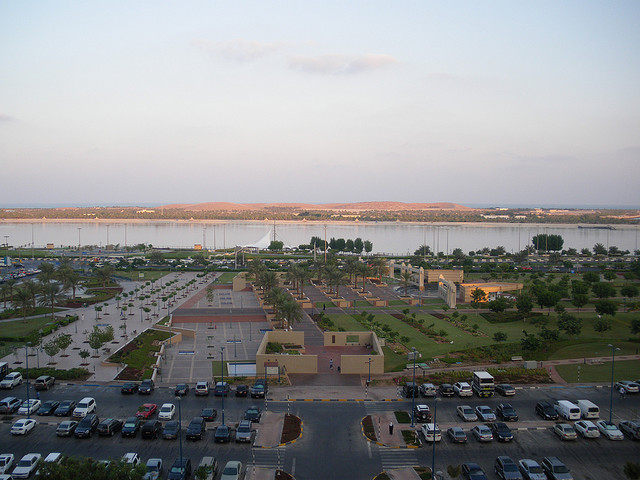
Image via Uggboy/flickr.

For more information on the marine environment see:

Kuwait Marine Life Degrading At Alarming Rate

Q&A with Greenpeace Campaigners Raefah Makki

Loss of Marine Life Could Lead To Ecosystem Collapse

Hope Amidst Dubai’s Marine Destruction

A Day In The Life Of A Marine Scientists- Interview With Rima Jabado
Arwa Aburawa
Arwa Aburawahttp://www.greenprophet.com
Arwa is a Muslim freelance writer who is interested in everything climate change related and how Islam can inspire more people to care for their planet and take active steps to save it while we can. She is endlessly suspicious of all politicians and their ceaseless meetings, especially as they make normal people believe that they are not part of the solution when they are the ONLY solution. Her Indian auntie is her model eco-warrier, and when Arwa is not busy helping out in the neighborhood alleyway garden, swap shopping or attempting fusion vegetarian dishes- with mixed success, she’d like to add- she can be found sipping on foraged nettle tea.

LEAVE A REPLY

Please enter your comment!
Please enter your name here

TRENDING

Astro uses AI to help procure land for renewable energy

For oil-rich, environmentally vigilant Gulf states, Astro isn’t just another startup story. It is a blueprint for accelerating an energy transition that is now existential, not optional.

The Science Behind How Elite Marathon Runners Train

Discover the science behind elite marathon training. Explore techniques, nutrition, and mental strategies that propel top runners to success.

Earth building with Dead Sea salt bricks

Researchers develop a brick made largely from recycled Dead Sea salt—offering a potential alternative to carbon-intensive cement.

The Christ’s thorn (sidr tree) is also a well-known folk medicine

Christ’s thorn jujube (Ziziphus spina-christi) also known as the sidr tree is a real, identifiable tree native to the Middle East, and it appears—directly or indirectly—in Islam, Judaism, and later Christian tradition. The connections between the three faiths are not theological agreements but overlapping uses, names, and symbolic associations rooted in the same landscape.

Farm To Table Israel Connects People To The Land

Farm To Table Israel is transforming the traditional dining experience into a hands-on journey.

Qatar’s climate hypocrisy rides the London Underground

Qatar remains a master of doublethink—burning gas by the megaton while selling “sustainability” to a world desperate for clean air. Wake up from your slumber people.

How Quality of Hire Shapes Modern Recruitment

A 2024 survey by Deloitte found that 76% of talent leaders now consider long-term retention and workforce contribution among their most important hiring success metrics—far surpassing time-to-fill or cost-per-hire. As the expectations for new hires deepen, companies must also confront the inherent challenges in redefining and accurately measuring hiring quality.

8 Team-Building Exercises to Start the Week Off 

Team building to change the world! The best renewable energy companies are ones that function.

Thank you, LinkedIn — and what your Jobs on the Rise report means for sustainable careers

While “green jobs” aren’t always labeled as such, many of the fastest-growing roles are directly enabling the energy transition, climate resilience, and lower-carbon systems: Number one on their list is Artificial Intelligence engineers. But what does that mean? Vibe coding Claude? 

Somali pirates steal oil tankers

The pirates often stage their heists out of Somalia, a lawless country, with a weak central government that is grappling with a violent Islamist insurgency. Using speedboats that swarm the targets, the machine-gun-toting pirates take control of merchant ships and then hold the vessels, crew and cargo for ransom.

Leopoldo Alejandro Betancourt López Turned Ocean Plastic Into Profitable Sunglasses

Few fashion accessories carry the environmental burden of sunglasses. Most frames are constructed from petroleum-based plastics and acrylic polymers that linger in landfills for centuries, shedding microplastics into soil and waterways long after they've been discarded. Leopoldo Alejandro Betancourt López, president of the Spanish eyewear brand Hawkers, saw this problem differently than most industry executives.

Why Dr. Tony Jacob Sees Texas Business Egos as Warning Signs

Everything's bigger in Texas. Except business egos.  Dr. Tony Jacob figured...

Israel and America Sign Renewable Energy Cooperation Deal

Other announcements made at the conference include the Timna Renewable Energy Park, which will be a center for R&D, and the AORA Solar Thermal Module at Kibbutz Samar, the world's first commercial hybrid solar gas-turbine power plant that is already nearing completion. Solel Solar Systems announced it was beginning construction of a 50 MW solar field in Lebrija, Spain, and Brightsource Energy made a pre-conference announcement that it had inked the world's largest solar deal to date with Southern California Edison (SCE).

Related Articles

Popular Categories