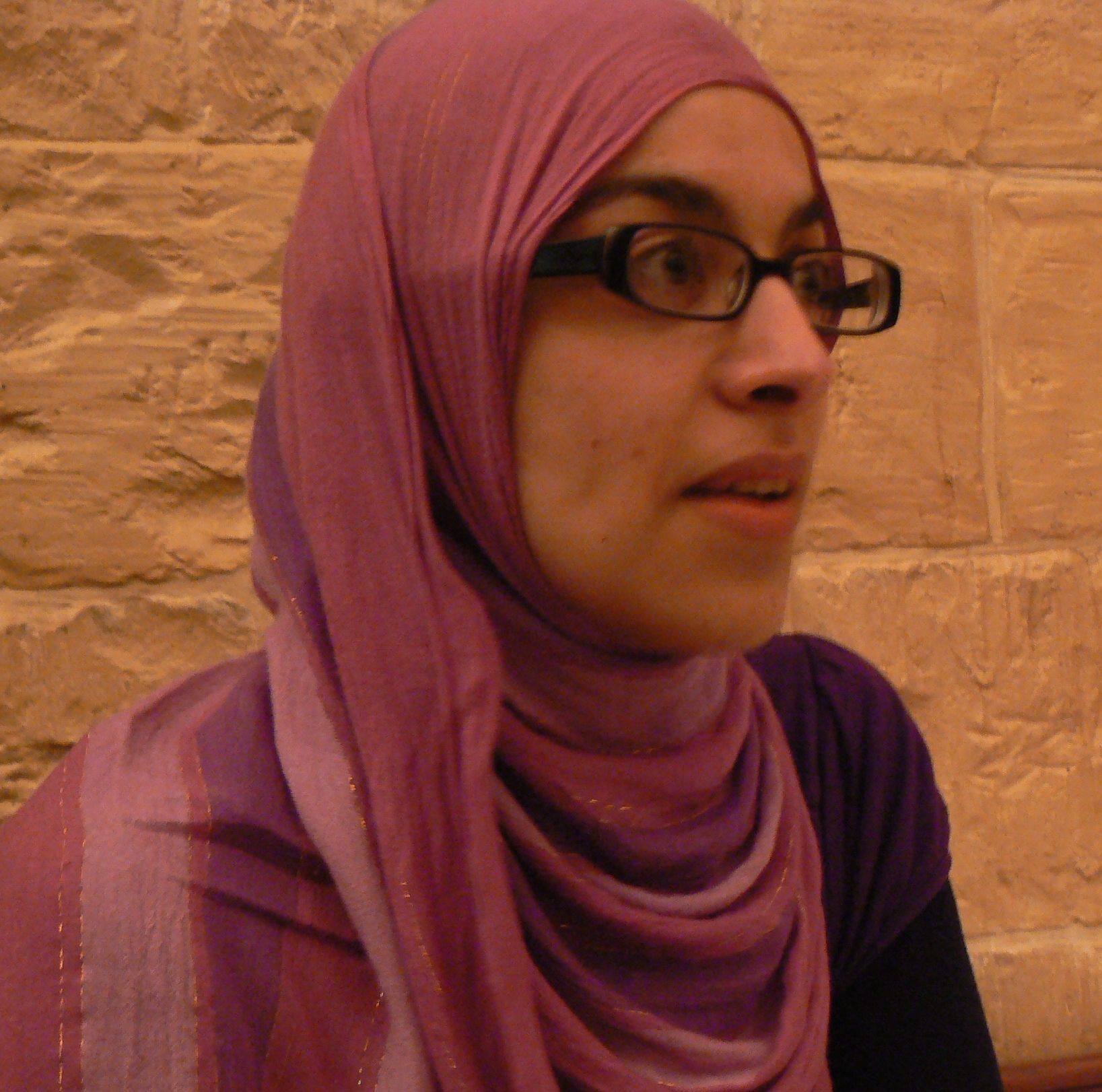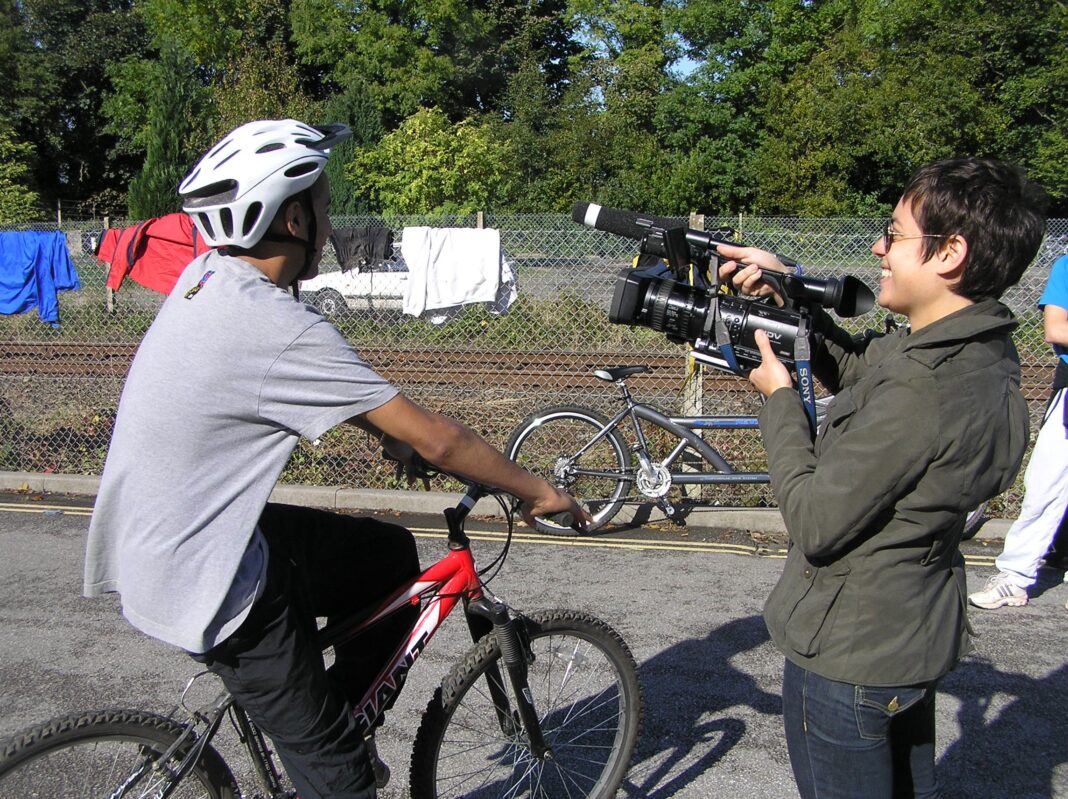

 We speak to the Zeina Aboul Hosn, an environmental filmmaker based in the Middle East about sharks, working on the Age of Stupid and the challenges she faces in her work
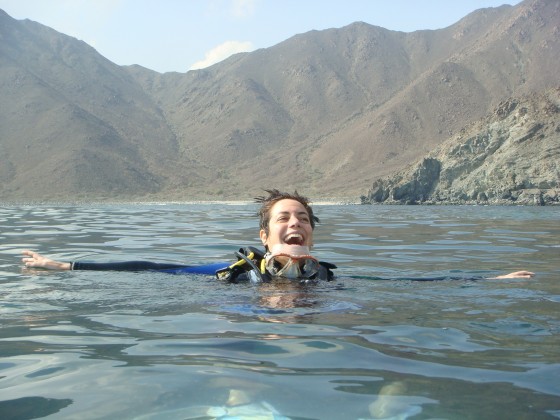
Shortlisted for the Amnesty International 2008 Media Award for journalists covering human rights, Zeina Aboul Hosn is clearly passionate about the world around her and conveying important messages through her films. As well as working on the widely influential Age of Stupid film, she has participated in an expedition to study sharks in the Gulf which was filmed by Al Jazeera and has also worked in TV across the Middle East. I caught up with her between some turtle conservation work in Dubai and a trip to Beirut, where she was born, to talk about her path into film-making.
Tell us a little about yourself, where you born, where did you grow up and how did you get into film-making?
I was born in Beirut on the 21st of December 1979, but we left to Dubai when I was 2 years old because of the war. I moved back to Beirut to go to university. I was always very passionate about environmental issues so I studied environmental health at American University of Beirut. It was by total chance that I ended up in the world of television. A new channel targeting Arab youth was just about to open in Beirut, and they took me on to present a program where I got to talk about environmental issues among other things. I really believed in the power of TV and the media to change people’s perspectives and behavior, so that made up my mind to do make documentaries.
You have been involved in a couple of projects looking at environmental awareness such as looking at the shark population s in Kuwait and also the Age of Stupid. Why is conservation and protecting nature important to you?
My love for nature and conservation started with a fascination with marine life. The beauty and variety of life in the seas and oceans inspired me to care about the environment and look into what humans are doing to threaten it, and what they can do to protect it. It seemed self- evident to me that in order to survive as a species, we need to be in balance with the nature that surrounds us. Nature is beautiful to look at and be in, plus is it essential for the balance of life on the planet – there is also a lot that we can learn from nature and from other species. The need for conservation then becomes a no-brainer.
Part of your work with Age of Stupid was to look at the attitudes towards climate change in the UAE. It was pretty obvious that a lot of people simply didn’t know or didn’t care about protecting the environment. Do you think that attitudes have changed over the last couple of years?
Only very slightly. I would say people are more aware today, so attitudes are starting to change. But there is still a large gulf between attitudes and actions. What we need is attitudes translating into action, and that is a massive challenge.
Do you feel that films can really have an impact on people’s attitudes and inspire them to treat the planet better?
The reason why the Age of Stupid had such an impact on so many people is that people simply didn’t know – they didn’t know how close we are to disrupting our ecosystem beyond repair. You see people recycling more, choosing more eco-friendly products, switching off light bulbs… These are important steps for sure, but certainly still basic. We need guidance in our efforts to become more green as a civilization – we need to know how.
I saw that too when I was making the film about sharks in Kuwait; the coastguard who was helping us on the boat thought we were silly to want to protect and understand sharks. By the end of the film, he was converted and wanted to carry on the work we had started. Films certainly can inspire people by giving them knowledge – but they need to be coupled with information on how to apply this knowledge.
[youtube]http://www.youtube.com/watch?v=fwDTPsxm_W4[/youtube]
What has been the most challenging project that you worked on?
Making films is hard work. Every project brings its own challenges- every challenge at the time seems like the biggest and most immense. And then you finish the project and you move on, and you forget all the hardships. Like they say with childbirth – if women remembered the pain of childbirth they would not keep having kids.
What has been the proudest moment of your career so far?
I’d like to think that my proudest moment is yet to come.
What projects are you working on now and what we can expect from you in the future?
The projects are many because the subject material is very rich: we are surrounded by so many ecological issues in the Middle East; there is no shortage of stories to make films about. The trouble is finding broadcasters who are interested in environmental films. Politics and current affairs always take precedent in the region and environmental issues always get pushed to the side. I hope this will change in the future. Maybe I will write some articles for the Green Prophet? The work you guys are doing is great.
:: Images via Zeina Aboul Hosn.
For more on environmental film-making in the Middle East see:
How Sharks Keep Us Breathing: An Interview With Filmmaker Jonathan Ali Khan
EcoOcean’s Director Andreas Weil Goes Swimming With The Whales in Tonga
EKON, Environmental Sci-fi Film From United Arab Emirates
Dead Sea Worker Exposes Environmental Disaster Through Film