

 Already on her way to international acclaim, Israeli designer Anna Braverman talks to Tafline about the designboom competition, the philosophy of design, and life as a student in Japan.
The winner of the Tokyo Designers Week in Japan and designboom endangered species competition, Anna was chosen out of 2,078 participants from 86 different countries. The competition called for entries that would draw attention to the plight of endangered species in a fresh and inspiring way. In a way that would catalyze positive action.
Called “Living Tracks”, Anna’s entry depicts the footprint of various species of plant and animal and human gradually diminishing to one shoe print – driving home how homo sapiens have effected such widespread destruction of biodiversity. It’s just one of several powerful pieces that Anna has under her sleeve. Here she shares a few more, along with a glimpse into her brilliant design mind.
 You are from Israel originally. Can you tell us why you decided to move to Japan and what it is you are studying?
I’m currently pursuing my master degree in Architectural design in the University of Tokyo. Japan has a very vivid and modern architecture scene and also a rich history, so it has been a very enriching
experience so far.
What are some of the challenges you have faced since moving? Are you learning Japanese?
Leaving to a different country, especially one with such a different language was challenging. But many foreign students here face the same situations of daily life, school application procedures etc. so it is
easy to find support and share information. The international community is very diverse and friendly, allowing to create a home away from home. I have been studying Japanese since I moved here, and now trying to communicate with non-English speakers; though it is still a challenge it is a great opportunity to get to know Japanese culture first hand.
You recently won the designboom/Tokyo design week endangered species competition with your “Life Tracks” design. Can you tell us about that particular piece? What your thought process was?
“Living Tracks” for me is a reminder of our own responsibility towards the situation right now. I didn’t want to create a shocking image, that awakens strong emotions – the fear and desperation is paralyzing,
and leaves us helpless against the problem.
Instead the purpose was to create something graphic, a pattern, that is not perceived at once and gives the observer an opportunity to think about the occurrence of things and his own place in the general picture. I was thinking how to represent the general problem, and tracks seemed like a good representation – not too specific but still recognizable.
I received a lot of second opinions from my fiance during the work, helping me to create a clear and strong message.
What are you planning to do with the prize money?
I intend to treat the money as a scholarship grant, and invest it self-development and studies. Travel and study architectural projects – my major interest is sustainable housing, hopefully I can find out
more through visiting built projects and taking some courses on art and design. Hopefully I might be able to make a bigger change if I pursue my original goal of understanding how sustainable living is
feasible in our society today.
What role do you think design can play, in general, in changing people’s perceptions towards our environmental problems and loss of biodiversity?
This is a very big question – of course design can increase the awareness through strong images, but I don’t think its role ends here. The collaboration between different disciplines – design/material engineering/environmental engineering and so on probably bring better results then the isolation between the fields we’ve experienced mostly until now. Also, I think the designer has a role of a “dreamer”, a concept maker that can envision a solution or a situation that still is not possible today but can give power to the beginning of a process.
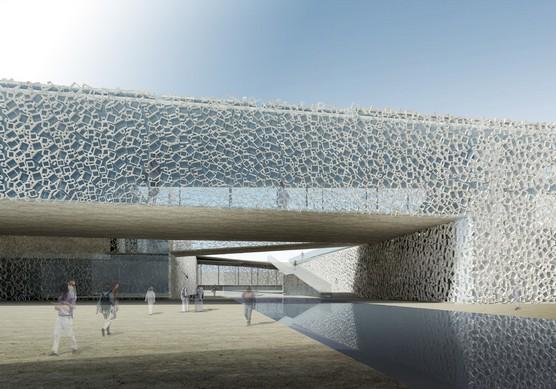
E-JUST Omar Rabie, Nahoko Yoshii, Yoshia Kashima, Shoichi Murai, Kaon Ko, Yoko Ushioda, Adriasola Renato Andres, Anna Braverman, Salvator-John Liotta, Year: 2010, Studio: Kengo Kuma Laboratory
Institution: University of Tokyo
Do you have a favorite designer or design institution that inspires you?
For me an inspiring example is the High Line project in Manhattan, turning an urban nuisance into a great advantage and opportunity. When I visited a rural area of japan I was captured by the beautiful
simplicity of a local restaurant building and the way it fit into its surroundings. I had to walk in for lunch and discover the experience from the inside too. Later I found out it was the Soba Restaurant at
Togakushi Shrine by Kengo Kuma & Associates…truly a rewarding design.
What, in your view, is good design?
A good design for me is something that looks simple and not strained but perfect in its functionality, appearance and idea – I think it could be taken into any sphere of design. It is a bit narrow
definition, but I take it as the basic one.
What advice do you have for young Israeli students who are interested in pursuing a career in design?
Mmm…I don’t think I’m in any position to give advice – since I’m still an young Israeli student myself. But if it has to be one thing it would be to trust in your ideas if you truly believe they are good, and go through with them.
And if you were to recommend one book for budding artists, what would it be?
Two books that really influences my perception were given to me by my general design course teacher in the beginning of the bachelor degree – No Logo by Naomi Klein and Cradle to Cradle by William McDonough & Michael Braungart. I think those are really thought stimulating.
Finally, when and where are you planning to get married?
First I have graduate and go back home.
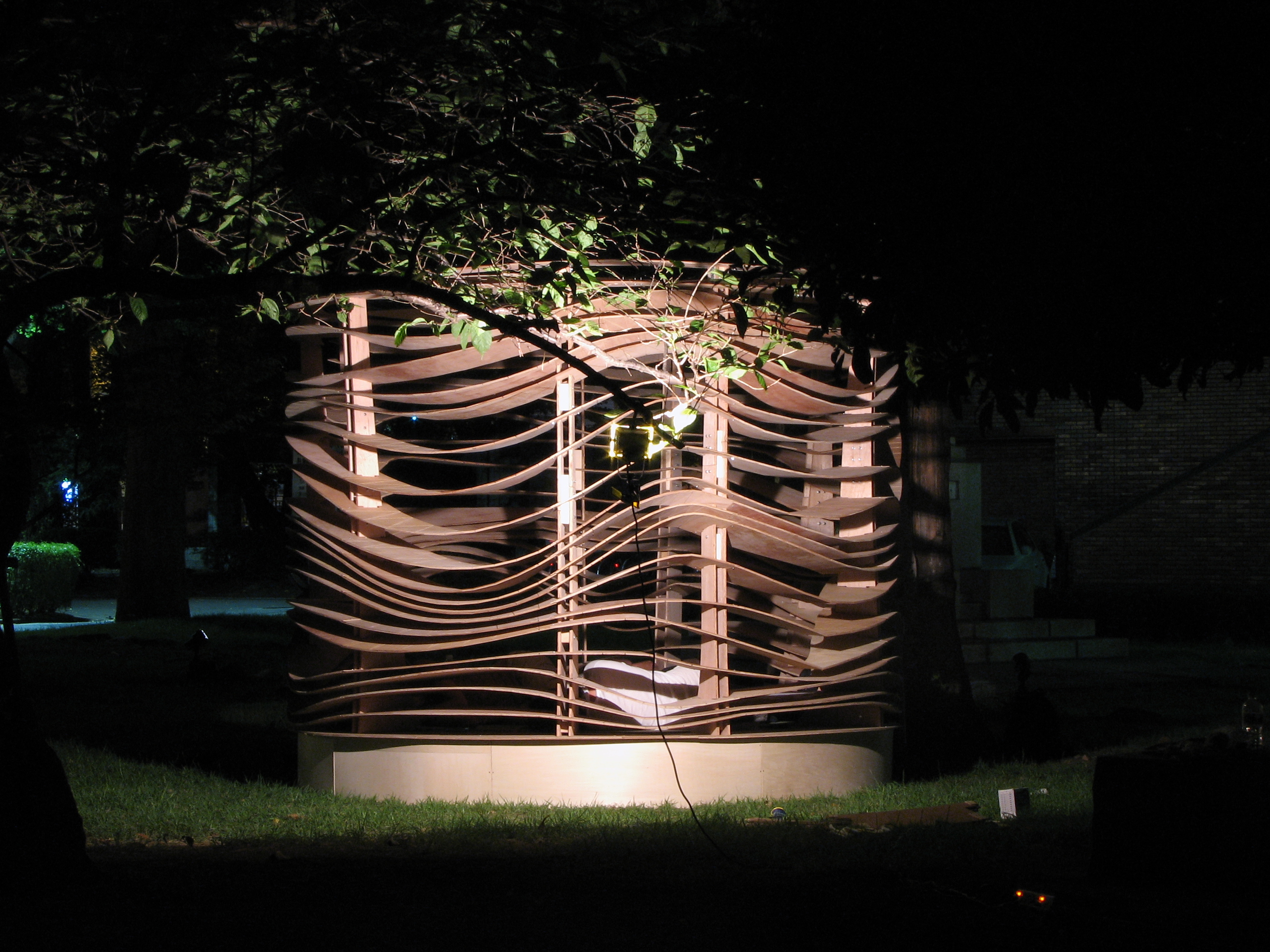
Naminoma (team members: Tanaka Yukihiro, Nikolovski Nikola, Braverman Anna, Hamada Akinori, Furukawa Kazami, Ito Yuuta), Digital Tea House Workshop UTDA+GSAPP (University of Tokyo and
Columbia university) 08/2010
All images via Anna Braverman
More Israeli Designers:
Are Kobi Levi’s Tongue Shoes Fit For Dancing?
Mey & Boaz Kahn’s “ecooler” Beats The Middle Eastern Heat




“a glimpse into her brilliant design mind”
Thank you for this – it sure is incredible 🙂
Sounds like a biased parent to me 🙂