
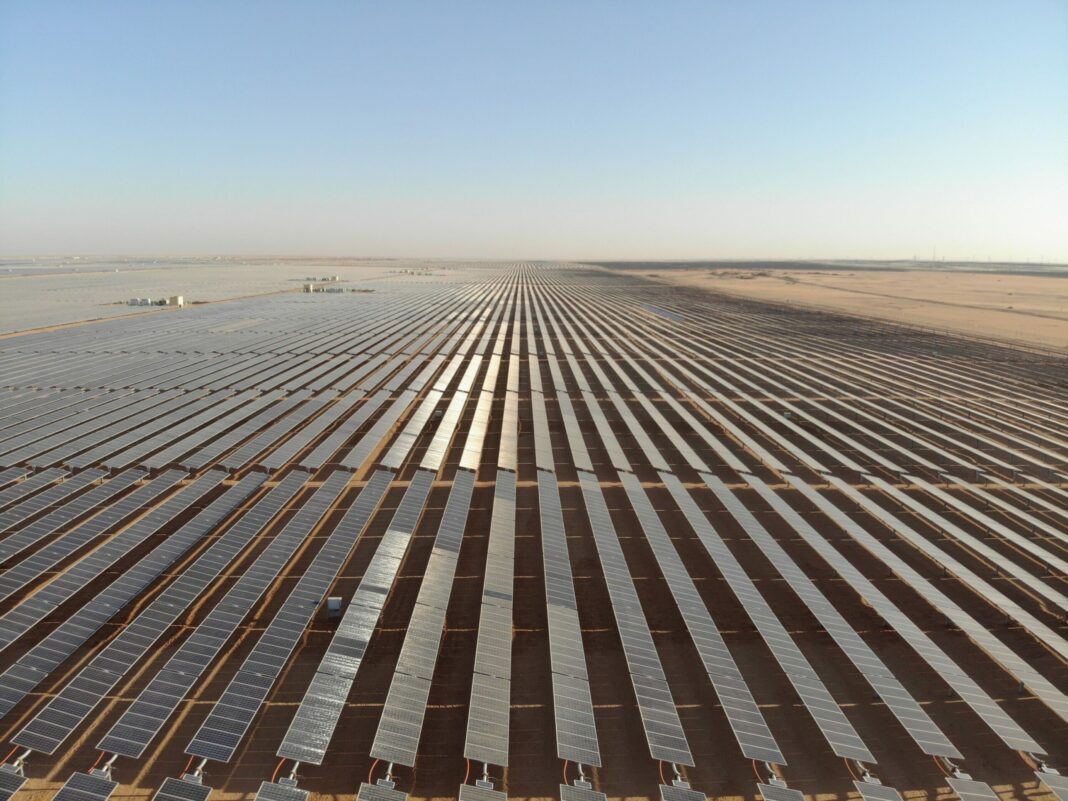


In the deserts near Aswan, Egypt the Benban Solar Park stands as one of the world’s largest renewable-energy experiments — a massive solar ecosystem that behaves less like a single power station and more like a telecommunications network. With a total installed capacity of 1.65 gigawatts (GW) and annual generation of about 3.8 terawatt-hours, Benban is big enough to change how Egypt powers its homes, industries, and future.
The idea for Benban began taking shape around 2014, when Egypt launched an ambitious plan to transform its energy mix through a national Feed-in Tariff (FiT) program. Construction accelerated between 2016 and 2018, with 41 separate solar plants being developed simultaneously by dozens of companies. The park began coming online in phases starting in 2018, and full commercial operation was achieved in 2019, marking a turning point in Egypt’s renewable-energy landscape.
Benban isn’t a single solar plant at all, but a collection of 41 facilities, each developed by different companies but connected through shared infrastructure. This structure is what makes Benban unique: dozens of developers working like nodes in a vast energy network, each feeding electricity into shared substations and Egypt’s national grid. In telecom terms, each company operates its own “tower,” but the backbone system is shared, coordinated, and standardized so the entire network functions seamlessly.
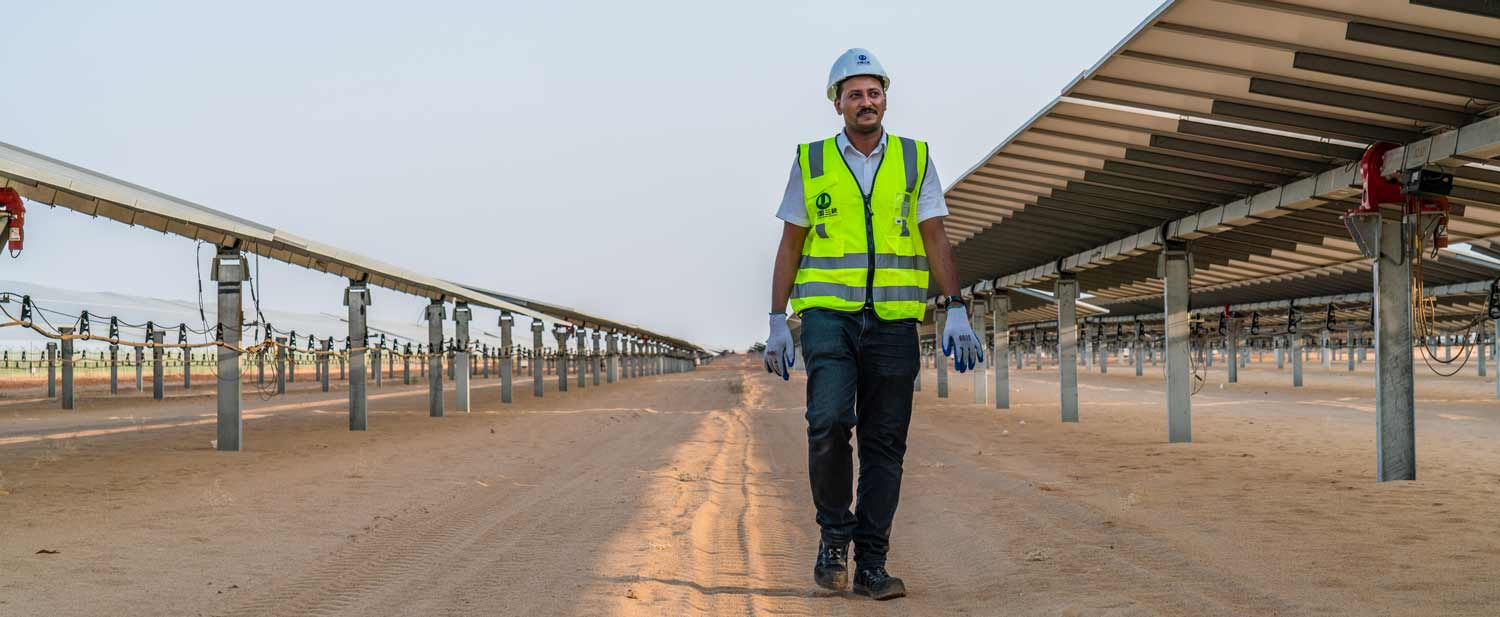
“The first time I came here, there was nothing but sand,” recalls Mostafa Abdelfatah, the project manager at Benban. “But the sunshine immediately struck me as a great opportunity to produce clean energy. Benban is now one of the largest solar parks in the world, with millions of photovoltaic panels, providing electricity to more than one million homes,” he said.

A wide range of companies helped create the Benban complex, from global renewable-energy giants to regional and local developers. Major players include Scatec, ACWA Power, EDF Renewables, Infinity Power, Hassan Allam, and ElSewedy Electric. These developers financed, built, and now operate their respective slices of Benban under Egypt’s FiT framework and long-term power purchase agreements with the national electricity utility. The FiT scheme originally offered rates of 14.34 US cents per kilowatt-hour, later adjusted to around 8.4 cents, reflecting declining solar costs and competitive tenders.
For investors in solar energy, these long-term, government-backed contracts created a rare combination in an emerging market: stable returns, predictable cash flow, and strong multilateral support from development banks. For Egypt, it meant unlocking billions in renewable-energy investment without burdening the state with upfront capital costs.
The benefits extend far beyond balance sheets. Benban provides enough clean electricity to power over one million Egyptian homes. Individual plants generate enough energy for tens of thousands of households, creating a cumulative national impact. For everyday Egyptians — particularly lower-income families vulnerable to grid instability, rising diesel costs, or seasonal electricity cuts — Benban represents a major step toward more reliable, stable, and affordable power.
The structure of Benban offers several strategic advantages. Shared infrastructure reduces construction costs and environmental footprints. If one plant requires maintenance, dozens of others continue operating, ensuring steady output. Standardized engineering requirements mean that all plants align to the same grid specifications and safety protocols, reducing risks of outages or instability. It is the same logic used in telecommunications: many operators, one harmonized network.
Consider Banban a model and a training hub
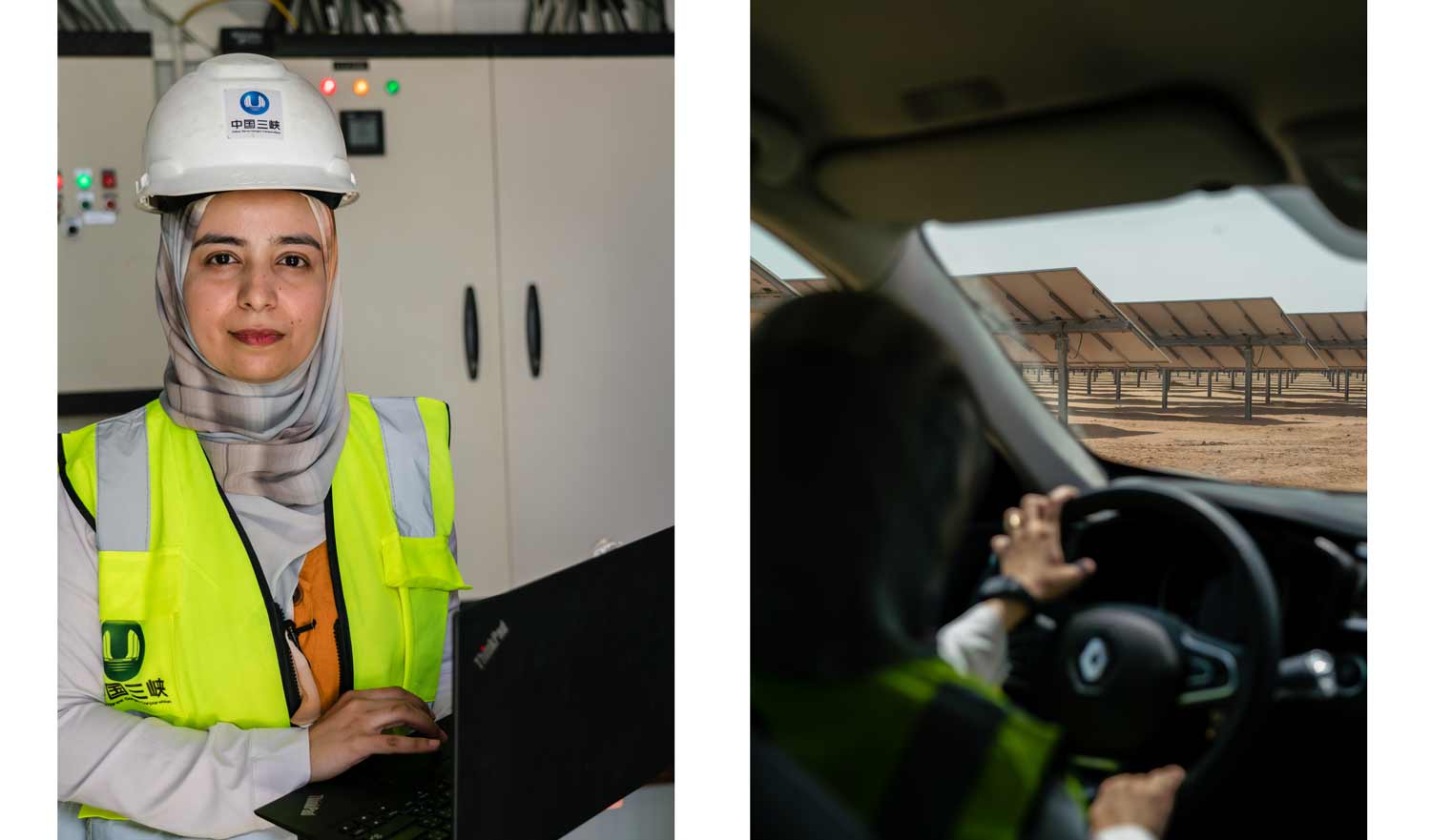
Benban has also become a critical training ground for Egypt’s next generation of solar engineers, technicians, and energy managers. Thousands of Egyptians were employed in construction and operations, and many now work across the Middle East and Africa on new solar ventures, exporting Egypt’s clean-energy expertise.
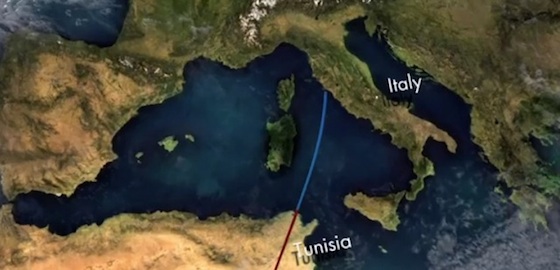
Perhaps through Benban the old Desertec idea of uniting all of Africa using solar energy, can be re-ignited.
On a national scale, Benban reduces Egypt’s dependence on imported fossil fuels and frees up natural gas for industrial use or export. Solar power provides price stability, helping insulate poorer households from global fuel market volatility. Many Egyptian homes still burn polluting bitumen to cook their food. It also advances national climate targets by avoiding millions of tons of carbon emissions over its lifetime.
How investors can get involved in Egypt’s solar future?
Even though Benban is complete, Egypt’s solar opportunity is not. Investors can participate through:
- New utility-scale tenders — Egypt continues to commission large solar plants, especially around Aswan, Kom Ombo, and the Red Sea.
- IPP (Independent Power Producer) models — Private developers can propose and build solar facilities with long-term power purchase agreements.
- Distributed solar — Schools, factories, farms, and commercial buildings in Egypt are increasingly adopting rooftop solar, often with private financing.
- Green bonds and renewable-energy funds — Egyptian and regional banks issue climate-oriented financial instruments linked to solar expansion.
- Partnerships with local companies — Firms like Infinity, ElSewedy Electric, and Hassan Allam frequently collaborate with foreign investors and technology partners.
For international investors, Egypt offers stable demand, abundant sunlight, a government keen on energy diversification, and a proven track record of delivering large-scale solar projects. For everyday Egyptians, each new solar facility strengthens the grid and makes energy access fairer and more resilient. Consider investments in Sinai that could benefit Gaza as it’s being rebuilt?


