Bees are turned off by pesticides at first glance

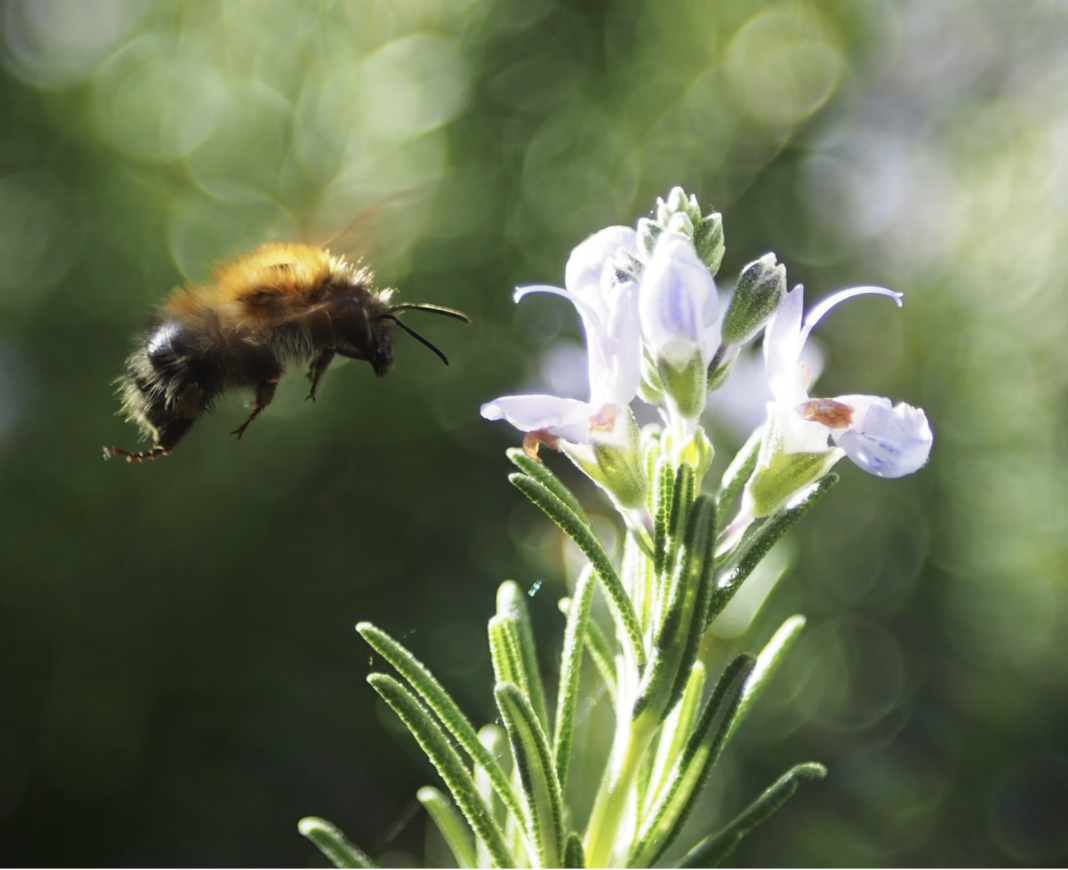
bee pollinates rosemary flower
Bees are turned off by the electrical changes created by pesticides. A study offers a new perspective on how human-made chemicals disturb the natural environment.

Pollinators are less likely to land on flowers sprayed with fertilisers or pesticides as they can detect electric field changes around the flower, researchers have recently discovered. While science has proven that pesticides are toxic, they know little about how they affect the immediate interaction between plants and pollinators. A new study sheds light on how chemicals immediately alter feeding action of pollinators. 

A study, published in PNAS Nexus, shows that chemical sprays alter the electric field around flowers for up to 25 minutes after exposure. This impact lasts substantially longer than natural fluctuations, such as those caused by wind, and causes a reduction in bee feeding effort in nature. That means, this is a sound argument for the immediate and direct effects of pesticides on pollinators. 

Ellard Hunting at the University of Bristol and his team noted that fertilisers did not affect the vision and smell of the bees, and set out to mimic the electrical changes caused by fertilisers and pesticides in the field by electrically manipulating flowers. This showed that bumblebees were able to detect and discriminate against the small and dynamic electric field alterations that are caused by the chemicals.

Hunting said: “We know that chemicals are toxic, but we know little about how they affect the immediate interaction between plants and pollinators. Flowers have a range of cues that attract bees to promote feeding and pollination. For instance, bees use cues like flower odour and colour, but they also use electric fields to identify plants.

“A big issue is thus – agrochemical application can distort floral cues and modify behaviour in pollinators like bees.”

Other airborne materials that affect bees and other pollinators

Various other airborne particles such as nanoparticles, car and factory exhaust, nano-plastics, and viral particles may have similar impacts, affecting a wide array of organisms that use the electric fields that are virtually everywhere in the environment.

Co-author, Bristol’s Sam England, explained: “What makes this study important is that it’s the first known example of anthropogenic ‘noise’  interfering with a terrestrial animal’s electrical sense.

”It’s much like motorboat noise that hinders the ability of fish to detect their predators, or artificial light at night that confuses moths; the fertilisers are a source of noise to bees trying to detect floral electrical cues.

“This widens our understanding of the multifaceted ways in which human activity is negatively impacting the natural world, which can seem quite depressing, but it will hopefully allow is to introduce or invent solutions to prevent the adverse effects that these chemicals may be having on bees.”

Want to do more for the bees and other pollinators? A home garden can help the bees. Read here.


Karin Kloosterman
Karin Kloostermanhttp://www.greenprophet.com
Karin Kloosterman is an award-winning journalist, innovation strategist, and founder of Green Prophet, one of the Middle East’s pioneering sustainability platforms. She has ranked in the Top 10 of Verizon innovation competitions, participated in NASA-linked challenges, and spoken worldwide on climate, food security, and future resilience. With an IoT technology patent, features in Canada’s National Post, and leadership inside teams building next-generation agricultural and planetary systems — including Mars-farming concepts — Karin operates at the intersection of storytelling, science, and systems change. She doesn’t report on the future – she helps design it. Reach out directly to [email protected]

LEAVE A REPLY

Please enter your comment!
Please enter your name here

TRENDING

Sustainability That Sells: How Profit and Purpose Come Together in the Hive

Whether you are a commercial grower, hobbyist beekeeper or retail equipment supplier, this system opens a new income stream with minimal environmental impact.

Toxins in tiny bodies: American children are carrying invisible chemical burden

Chemical exposures were highest among younger toddlers and racial/ethnic minorities, reflecting systemic environmental injustice. While some older chemicals like triclosan and certain phthalates are decreasing (likely due to public pressure and reformulations), new unregulated substitutes like DINCH and emerging pesticides are on the rise.

Honey gummies from the Land of Milk and Honey

A new gummy made with honey.

Bees for Peace in Israel uses biodynamic beekeeping to sweeten hearts

Israel is a global hotspot for plant and animal diversity. Bees as pollinators are crucial, biodynamic beekeeping, which sees the hive as one organism, growing in practice.

How bats help your babies

How bats are linked to the health of babies.

Qatar’s climate hypocrisy rides the London Underground

Qatar remains a master of doublethink—burning gas by the megaton while selling “sustainability” to a world desperate for clean air. Wake up from your slumber people.

How Quality of Hire Shapes Modern Recruitment

A 2024 survey by Deloitte found that 76% of talent leaders now consider long-term retention and workforce contribution among their most important hiring success metrics—far surpassing time-to-fill or cost-per-hire. As the expectations for new hires deepen, companies must also confront the inherent challenges in redefining and accurately measuring hiring quality.

8 Team-Building Exercises to Start the Week Off 

Team building to change the world! The best renewable energy companies are ones that function.

Thank you, LinkedIn — and what your Jobs on the Rise report means for sustainable careers

While “green jobs” aren’t always labeled as such, many of the fastest-growing roles are directly enabling the energy transition, climate resilience, and lower-carbon systems: Number one on their list is Artificial Intelligence engineers. But what does that mean? Vibe coding Claude? 

Somali pirates steal oil tankers

The pirates often stage their heists out of Somalia, a lawless country, with a weak central government that is grappling with a violent Islamist insurgency. Using speedboats that swarm the targets, the machine-gun-toting pirates take control of merchant ships and then hold the vessels, crew and cargo for ransom.

Leopoldo Alejandro Betancourt López Turned Ocean Plastic Into Profitable Sunglasses

Few fashion accessories carry the environmental burden of sunglasses. Most frames are constructed from petroleum-based plastics and acrylic polymers that linger in landfills for centuries, shedding microplastics into soil and waterways long after they've been discarded. Leopoldo Alejandro Betancourt López, president of the Spanish eyewear brand Hawkers, saw this problem differently than most industry executives.

Why Dr. Tony Jacob Sees Texas Business Egos as Warning Signs

Everything's bigger in Texas. Except business egos.  Dr. Tony Jacob figured...

Israel and America Sign Renewable Energy Cooperation Deal

Other announcements made at the conference include the Timna Renewable Energy Park, which will be a center for R&D, and the AORA Solar Thermal Module at Kibbutz Samar, the world's first commercial hybrid solar gas-turbine power plant that is already nearing completion. Solel Solar Systems announced it was beginning construction of a 50 MW solar field in Lebrija, Spain, and Brightsource Energy made a pre-conference announcement that it had inked the world's largest solar deal to date with Southern California Edison (SCE).

Related Articles

Popular Categories