How technology helps the direct store delivery model stay relevant now and in the future

"modular furniture store"

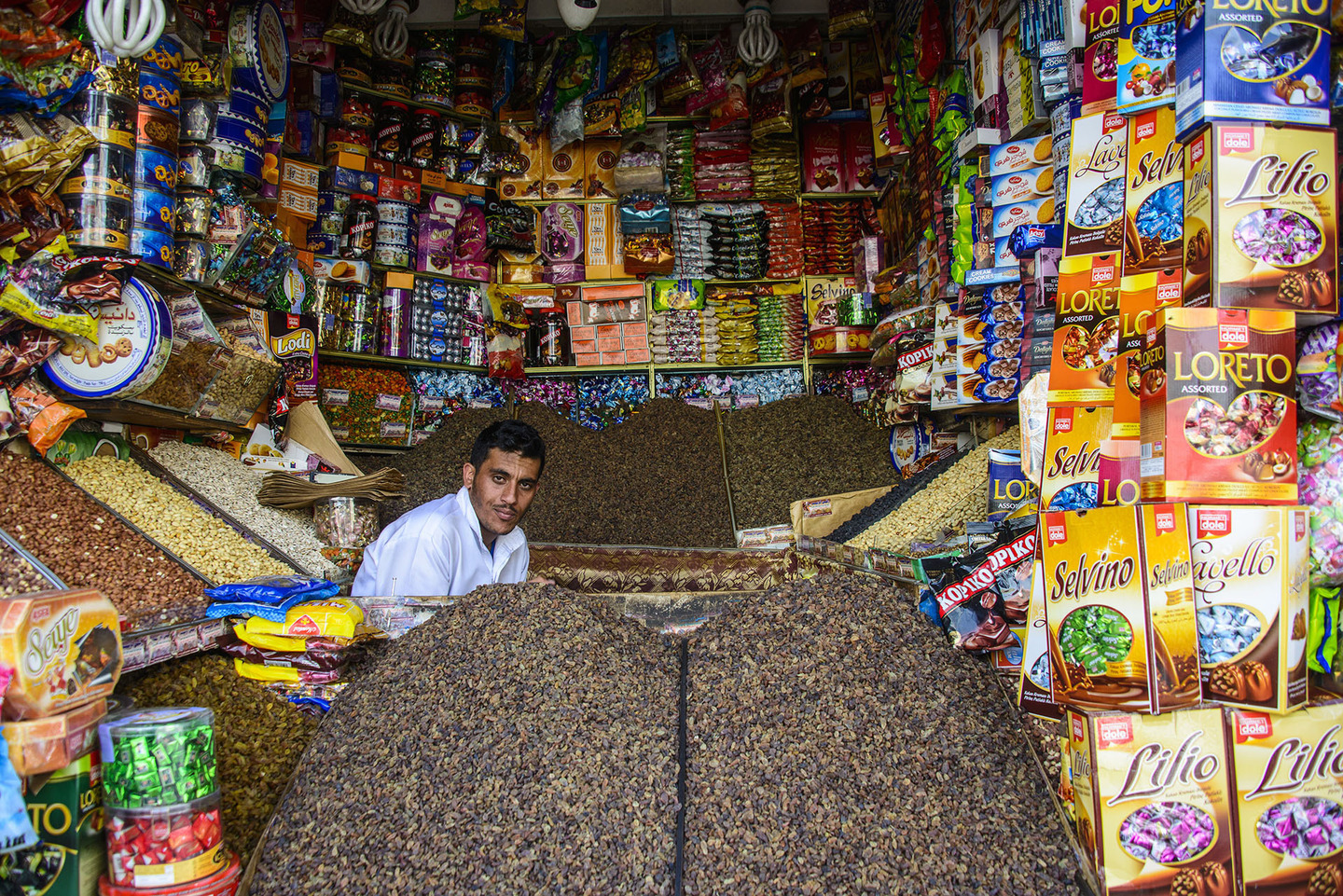
Direct store delivery (DSD) is the method of delivering products from a distributor directly to the retail store, bypassing a retailer’s warehouse, with the brand or wholesaler managing the product from order to shelf. It could shake up a dangerous unsustainable business model (against small businesses) now with direct to consumer Internet shopping taking over the world in rapid, fast to home delivery. We won’t mention the retailer here so they won’t get more Internet juice than we think they deserve. Because frankly we want real stores to stay in business.

Traditionally the key strengths of this DSD model are that it provides quicker distribution; increased flexibility and reduced out of stocks. However, due to the challenges we will discuss below, the direct store delivery model is now facing competition from alternative distribution options.
So, how can the model evolve to meet present-day challenges and remain a valuable tool?

Up until now, most brands and wholesalers have used processes that offer excellent direct store delivery logistics, but according to experts, future processes will need to combine the capabilities of those logistics with sales and marketing activities to stay relevant.

What are the challenges for the direct store delivery model

According to a survey by Honeywell, 49% of organizations feel increased transportation costs have severely impacted profit margins in the past 12 months. These costs include transport, labor and warehouse costs. In addition, retailers want lower prices due to the increase in competitors constantly attempting to take their market share.

Therefore, to reduce costs, many brands and wholesalers are looking to combine other aspects of the sales process with DSD.

What is the future of Direct Sales Delivery?

To answer this question effectively we can briefly look at the requirements of each of the stakeholders and see how technology can help the DSD model to solve the issues.

What are the objectives of the brand or wholesaler?

  1. To deliver the right quantities according to each order.
  2. To avoid empty shelves.
  3. To receive payment as per agreed credit terms.
  4. To collect point of purchase sales information.

The latest technology means that sales software is now well equipped to manage all of the above requirements. B2B sales reps can visit each customer in their region and gain a full 360° picture of all the goods and products they have. They can take new orders to ensure there are never empty shelves, check customer payment terms and collect all the point of purchase data they need. All from one device and one solution! In addition, all this information can be seamlessly synced with the office and management to help predict future sales.

What are the objectives of the retailer?

  1. For goods to be available in the store at the right place at the right time
  2. To reduce distribution costs
  3. To reduce losses/breakages during transportation

Again, DSD as a solution can help. It will ensure the right goods are delivered to the right place at the right time. With the DSD model, the supplier pays for the cost of transportation, meaning a reduction in the retailers’ distribution costs thus increasing his margins. By transporting the goods directly to the store there is less chance of damage.

What are the retailers customer’s objectives?

  1. To always find the goods they want on the shelves.
  2. To see presentable and attractive displays.

Part of the beauty of a modern DSD solution is that it always ensures the right goods are available at the right place and at the right time.

What does the future hold for DSD?

The direct store delivery model of the future offers much more than just delivery information. With the capability to boost field staff productivity, optimize distribution logistics, provide ERP inventory and sales information, and more, it’s a timeless solution.

Bhok Thompson
Bhok Thompsonhttp://www.greenprophet.com
Bhok Thompson is an “eco-tinkerer” who thrives at the intersection of sustainability, business, and cutting-edge technology. With a background in mechanical engineering and a deep fascination with renewable energy, Bhok has dedicated his career to developing innovative solutions that bridge environmental consciousness with profitability. A frequent contributor to Green Prophet, Bhok writes about futuristic green tech, urban sustainability, and the latest trends in eco-friendly startups. His passion for engineering meets his love for business as he mentors young entrepreneurs looking to create scalable, impact-driven companies. Beyond his work, Bhok is an avid collector of vintage mechanical watches, believing they represent an era of precision and craftsmanship that modern technology often overlooks. Reach out: [email protected]

LEAVE A REPLY

Please enter your comment!
Please enter your name here

TRENDING

Our hair shows that banning lead works

An analysis of hair samples conducted by University of Utah scientists shows precipitous reductions in lead levels since 1916.

Sony builds the world’s first global supply chain for renewable plastics in high-performance electronics

The supply chain includes chemical and materials heavyweights such as Mitsubishi Corporation, Neste Corporation, Toray Industries, Mitsui Chemicals, Idemitsu Kosan, ENEOS, Hanwha Impact, Formosa Chemicals & Fibre, and SK Geo Centric, among others.

6 Payment Processors With the Fastest Onboarding for SMBs

Get your SMB up and running fast with these 6 payment processors. Compare the quickest onboarding options to start accepting customer payments without delay.

Astro uses AI to help procure land for renewable energy

For oil-rich, environmentally vigilant Gulf states, Astro isn’t just another startup story. It is a blueprint for accelerating an energy transition that is now existential, not optional.

The Science Behind How Elite Marathon Runners Train

Discover the science behind elite marathon training. Explore techniques, nutrition, and mental strategies that propel top runners to success.

6 Payment Processors With the Fastest Onboarding for SMBs

Get your SMB up and running fast with these 6 payment processors. Compare the quickest onboarding options to start accepting customer payments without delay.

Qatar’s climate hypocrisy rides the London Underground

Qatar remains a master of doublethink—burning gas by the megaton while selling “sustainability” to a world desperate for clean air. Wake up from your slumber people.

How Quality of Hire Shapes Modern Recruitment

A 2024 survey by Deloitte found that 76% of talent leaders now consider long-term retention and workforce contribution among their most important hiring success metrics—far surpassing time-to-fill or cost-per-hire. As the expectations for new hires deepen, companies must also confront the inherent challenges in redefining and accurately measuring hiring quality.

8 Team-Building Exercises to Start the Week Off 

Team building to change the world! The best renewable energy companies are ones that function.

Thank you, LinkedIn — and what your Jobs on the Rise report means for sustainable careers

While “green jobs” aren’t always labeled as such, many of the fastest-growing roles are directly enabling the energy transition, climate resilience, and lower-carbon systems: Number one on their list is Artificial Intelligence engineers. But what does that mean? Vibe coding Claude? 

Somali pirates steal oil tankers

The pirates often stage their heists out of Somalia, a lawless country, with a weak central government that is grappling with a violent Islamist insurgency. Using speedboats that swarm the targets, the machine-gun-toting pirates take control of merchant ships and then hold the vessels, crew and cargo for ransom.

Leopoldo Alejandro Betancourt López Turned Ocean Plastic Into Profitable Sunglasses

Few fashion accessories carry the environmental burden of sunglasses. Most frames are constructed from petroleum-based plastics and acrylic polymers that linger in landfills for centuries, shedding microplastics into soil and waterways long after they've been discarded. Leopoldo Alejandro Betancourt López, president of the Spanish eyewear brand Hawkers, saw this problem differently than most industry executives.

Why Dr. Tony Jacob Sees Texas Business Egos as Warning Signs

Everything's bigger in Texas. Except business egos.  Dr. Tony Jacob figured...

Related Articles

Popular Categories