

Is there a Middle East nation with the chops to follow this public health leader?
Government scored a massive win over the tobacco industry in 2012 when the Australian High Court ruled in favor of plain packaging for cigarettes, making this the first country to require all tobacco products to be sold in plain, standardized packaging.
Australian prime minister Kevin Rudd told AlJazeera, “Cigarettes are not cool. Cigarettes kill people. Therefore, the government makes no apology whatsoever for what it’s doing.”
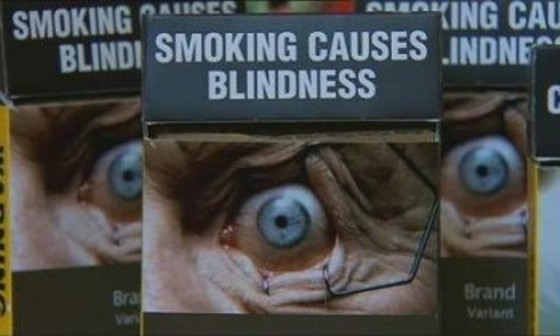
So starting last month, it’s goodbye brand-specific logos, symbols, and colors. The new packaging has a dull matt finish, with graphic health warnings printed against a drab brown background. Brand names are featured, but in a standard position, font size and style.
It works to deter people from smoking, especially young women and children, so says new research from BioMed Central, online publisher of peer-reviewed scientific research. It’s also expected to help smokers wishing to quit. Wildly unattractive, they leave no chance that people will be misled about the dangers of smoking.
The upshot is that the packaging’s most prominent feature is stark medical images.
Sanjid Amatya, a cashier at a Sydney newsagent, told The Jordan Times that many customers found the new packaging (which feature images such as a gangrenous foot, mouth cancer and a skeletal man dying of cancer) “off-putting”. Another retailer said customers select the least offensive images (a hand stubbing out a cigarette), or opt to buy cigarette cases so they can toss out original packaging.
Stafford Sanders from Action on Smoking and Health Australia told AFP, “The images are supposed to be disturbing, be confronting. If the images stop one child from taking up smoking, hasn’t it been worth you being offended by it?”
Other countries are considering the Australian example.
Last summer, American courts ruled against use of similar imagery saying it went beyond offering up information that cigarette smokers need to know. The tobacco industry fought the change, claiming the horrific pictures limited freedom of expression which is guaranteed by the first amendment of the United States constitution. The US Food and Drug Administration had planned to post the photos on cigarette packages beginning in September 2012. It’s uncertain if the FDA will appeal the decision at the Supreme Court.
Irish Cancer Society (ICS) head of advocacy and communications Kathleen O’Meara said the society would be seeking to progress the issue of plain packaging with the Ministry of Health, “perhaps becoming the first European country to introduce plain packaging”, she told The Irish Examiner. The ICS conducted focus groups that found cigarette packages targeting female smokers did not look as if they could cause any harm and were viewed more like a fashion accessory.
Last August, to comply with World Health Organization treaty obligations, packaging on cigarettes sold in Jordan and Egypt began to feature vivid photos of smoking health risks. It’s a big step for countries where public discussion on the evils of tobacco is nearly nonexistent. The American Cancer Society says smoking grew 8.6% in the Middle East over the past year. Jordanians spend half a billion US dollars annually on tobacco. This, in a nation where 25% of households earn less than $6,000 per year. The associated costs due to lost productivity, chronic illness and death are incalculable.
We hope Middle Eastern governments will calmly review the evidence emerging from the Australian action, not be swayed by the distorted misinformation put out by the tobacco industry and its allies, and implement similar public health protections.