

This popular Egyptian soup made with minced Jute leaves is nutritious and delicious over rice and chicken (or tofu!)
Whatever faith and holiday you celebrate, there is no better way to enjoy them all than be eating some classic Egyptian food delicacies, some of which have been popular since the time of the Pharaohs.
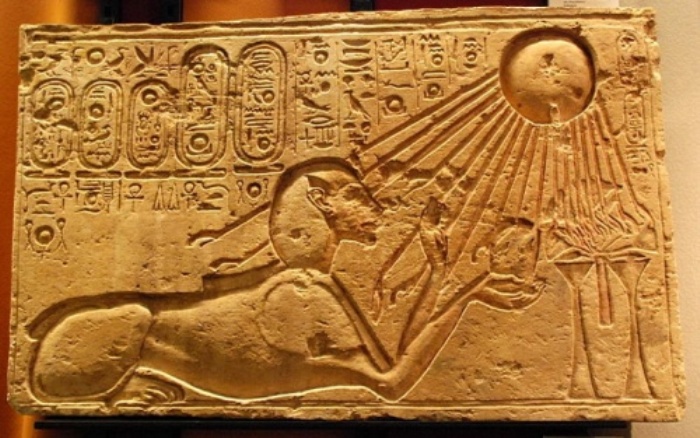
One of the most popular is a vegetable and meat soup known as molokhia or mulukhiyah; a dish so popular that many Egyptians consider it to be one of their country’s national dishes. Another name for the leaves is jute. You can grow them indoors in a hydroponic garden year round, or sew some seeds in your garden in spring.

Mulukhiyah is made from the leaves of a leafy plant that bears the same name and is usually found only in parts of the Middle East. Not available in most supermarkets or even in many open air markets, molucheya leaves have to be sought after, and then prepared while the leaves are still fresh.
One of the best recipes I know comes from my own mother-in-law, who is originally from Alexandria and spent many years living in Cairo. The preparation of molucheya soup is a cherished family tradition that is lovingly passed down from mother to daughter.
To prepare mulukhiyah soup:
1. Grind about 1/2 kg of molokhia leaves in either a food processor or hand grinder until the leaves almost resemble a green paste.
2. Fry 4 or 5 large garlic “teeth” in olive oil, and add about a tablespoon of chopped coriander, known to locals as “cusbara”.
3. Have either a meat or chicken stock ready to use to mix the molucheya paste and other ingredients in.
4. Add veggie, beef or chicken soup stock with the other ingredients and add pieces of either boiled meat or chicken (or tofu!), and cook all the ingredients together in a pot on a low fire for 10 to 15 minutes. You can add other spices like black pepper, cumin, and salt to taste.
Mulukhiyah soup is best served hot with a lot of rice added. It takes a bit getting used to, but once you do, it’s easy to understand why this ancient dish was once a favorite of the Pharaohs.
Mulukhiyah, molokhia, mulukhiyya, malukhiyah, nalita, or Jew’s mallow (Arabic: ملوخية) is the leaves of jute and related Corchorusspecies used as a vegetable in Middle Eastern, East African, North African, and South Asian cuisine.
BONUS desert!
More Middle Eastern food ideas:
Za’tar Pesto Recipe from Israel’s Premiere Slow Food Chef
Silky White Malabi, Middle Eastern Milk Pudding
Taking on the Middle East: Baba Ganoush Classic Eggplant Recipe

Author: Maurice Picow
Maurice Picow grew up in Oklahoma City, U.S.A., where he received a B.S. Degree in Business Administration. Following graduation, Maurice embarked on a career as a real estate broker before making the decision to move to Israel. After arriving in Israel, he came involved in the insurance agency business and later in the moving and international relocation fields. Maurice became interested in writing news and commentary articles in the late 1990’s, and now writes feature articles for the The Jerusalem Post as well as being a regular contributor to Green Prophet. He has also written a non-fiction study on Islam, a two volume adventure novel, and is completing a romance novel about a forbidden love affair. Writing topics of particular interest for Green Prophet are those dealing with global warming and climate change, as well as clean technology - particularly electric cars.



Hi, quick question regarding your Savta’s Basbusa recipe. do you have to bake it? 🙂
Has anyone tried these recipes? We did the balahat and it turned out pretty good. Any feedback will be good to hear.