How many leading environmentalists like Canada’s David Suzuki have stopped flying to reduce their personal greenhouse gas emissions? He could just donate offsets and plant some trees. But aware consumers know that carbon offsets for flying a private jet or globe-trotting is controversial. The best way to travel sustainably is by reducing one’s carbon footprint from the source, which is why SAFs –– or sustainable aviation fuels made from biofuels –– have been so appealing in energy markets.
US-based XCF Global Capital, is poised to make significant strides in bolstering America’s SAFs industry with its latest move towards a going public through a special purpose acquisition company (SPAC).
Global Aviation Biofuel SAF Industry Research Report in 2024 estimates the market to reach $51.23 billion USD by 2028.
“At XCF, we see tremendous growth potential from SAF and renewables. We are very bullish on the sector,” said Mihir Dange, CEO of XCF Global. “We live in an exciting time with so many compelling green energy platforms racing to reduce the globe’s carbon footprint.”
XFC Global Capital
“We are in the very beginning stages of SAF in the United States and XCF is committed to being a leader in this space. Our goal is to change the world for the better while delivering world class returns. We welcome strategic relationships and discussions with all the carriers in this industry and look forward to further defining this landscape.”
Consider that US airlines such as Delta plan on replacing 10% of its jet fuel with SAFs by 2030, while United plans to purchase 10 million gallons of sustainable aviation fuel over the next two years. European energy companies and Middle East oil and gas companies are already in the market: Emirates Airline and Neste, a Finnish oil refining company, are supplying over 3 million gallons of blended Neste MY Sustainable Aviation Fuel this year through to 2025 as part of a pilot.
XCF Global aims to be a leading producer of SAFs with an initial annual production capacity of 38 million gallons following the acquisition of New Rise Renewables, which owns a flagship plant and adjacent site in Reno, Nevada.
XCF will be the only pure-play public SAF producer in the US market, with competition mainly coming from legacy crude oil providers.
What exactly is SAF?
Neste’s SAF biofuel tested in Boeing Emirates flight in 2023
Sustainable aviation fuel is synthetic kerosene derived from non-food feedstocks such as waste oils and fats, green and municipal waste and non-food crops. SAF is able to recycle CO2 absorbed by biomass during its lifetime rather than injecting new carbon into the system, reducing emissions by up to 80%. It easily integrates with existing aviation infrastructure.
The market and appetite for SAFs is growing in the US: In September 2021, the US Government launched the Sustainable Aviation Fuel Grand Challenge, a partnership between the U.S. Departments of Energy, Transportation, Agriculture, and others to achieve full decarbonization in aviation by 2050. The aim is to scale up the production of SAF to 35 billion gallons per year by 2050, with an interim goal of at least three billion gallons per year by 2030.
While it sounds like a dream of Daryl Hannah driving her El Camino by recycled chip truck oil back in 2003, the idea of biofuels from plants or biowaste isn’t far-fetched at all: Studies by McKinsey and The Vacationer note that 40% of consumers are willing to pay 2% more for carbon-neutral tickets, amounting to an average of $20 per $1,000 round-trip. About 80% of consumers say sustainable travel is important to them.
With an estimated billion passengers expected to travel by 2050, the demand for SAFs will be extraordinary and XCF seeks to address the aviation industry’s burgeoning demand with an initial production capacity of 38 million gallons in 2024 and anticipates expanding to over 150 million gallons per year within the next 5 years – positioning the company to be a leading producer of SAF in North America.
XCF Global is based in New York and owns multiple facilities in North America. The company expects to rapidly scale by acquiring more strategically located, smaller-footprint sites and quickly converting them into SAF production facilities.
XCF recently acquired two strategic locations in Wilson, North Carolina and Ft. Myers, Florida. As blended fuel, XCF could produce over 200 million gallons of jet ready SAF from each of these four sites, or altogether nearly one billion gallons of blended SAF per year.
XCF recently announced a definitive business combination agreement to merge with Focus Impact BH3 Acquisition Co. (Nasdaq: BHAC), a publicly traded special purpose acquisition company, which is expected to result in a newly formed holding company of XCF becoming publicly-listed. Read more about the opportunity here.
I’m wild about asparagus. But I never expected to find wild asparagus growing close to – and even in – urban areas near home. But it does, and I’ve found it growing freely in parks and hillsides in the cooler hilly areas of Israel. Some have reported foraging wild asparagus even around Tel Aviv.
The late Leda Meredith, foraging expert and author, showed me a tall, thorny bush growing in a Jerusalem park, and casually identified it as asparagus. I was surprised, almost unbelieving, until Leda showed me to look at the base of the plant, where the young, edible shoots had popped up.
The spears are almost unnoticeable, unless you’ve got your eye peeled for them. Then pick them; don’t wait. Once mature, they become too tough to eat. Given time to flower, they develop prickles that deceive you into thinking that nothing edible can be growing there.
The trick is to look for them in season, which is in winter and early spring, and as Leda showed me, to search among the roots of the plant.
It’s almost past the time when you can forage young asparagus in the Levant; April is the last month you’ll find it, before full summer arrives. You’ll have best luck searching in woodlands, because the asparagus plant likes to root itself under shady trees.
Asparagus is a seasonal treat. We have some good asparagus recipes for you to enjoy. And you can enjoy asparagus every day without concern. The season is short, and the vegetable is so rich in antioxidants and anti-inflammatory, and anti-viral properties that you can consider it a nutritional supplement. Unless you just want to enjoy its delicious flavor while the season lasts.
I love asparagus simply steamed, with a little butter drizzled over. A vegan alternative is olive oil and lemon juice dressing. But here are asparagus recipes you might enjoy cooking:
Iranian authorities’ decades-long systematic repression of Baha’is amounts to the crime against humanity of persecution, Human Rights Watch said in a report released today.
The Bahai people are among the most peaceful in the world. Its founder, an Iranian, combined all the world religions into a new practice united Judaism, Islam, Christianity and more into one faith. The world center is in Israel. The Baháʼí World Centre is the name given to the spiritual and administrative centre of the Baháʼí Faith in the city of Acre, Israel.
Human Rights Watch found that Baha’is face a spectrum of abuses. Government agencies arrest and imprison Baha’is arbitrarily, confiscate their property, restrict their education and employment opportunities, and even deny them dignified burial. We met a Bahai in Toronto last summer working as an Uber driver, who confirmed these allegations. Bahai’s in Egypt also face prosecution.
“Iranian authorities deprive Baha’is of their fundamental rights in every aspect of their lives, not due to their actions, but simply for belonging to a faith group,” said Michael Page, deputy Middle East director at Human Rights Watch. “It is critically important to increase international pressure on Iran to end this crime against humanity.”
Bahai temple in Chile
The report, released from Beirut, draws on extensive documentation by Human Rights Watch and Iranian human rights groups regarding violations against Baha’is in Iran. Researchers reviewed government policies, court documents, and communications with Baha’is. Information was accessed through the Archive of the Persecution of Baha’is in Iran and documents from the Human Rights Activists News Agency. Human Rights Watch also conducted interviews with 14 Baha’is remotely in Persian, both within Iran and abroad place between May 2022 and March 2023.
Baha’is are the largest unrecognized religious minority in Iran. They have been the target of harsh, state-backed repression since their religion was established in the 19th century. After the 1979 revolution, Iranian authorities executed or forcibly disappeared hundreds of Baha’is, including their community leaders. Thousands more have lost their jobs and pensions or were forced to leave their homes or country.
Since 1979, the Islamic Republic of Iran has codified its repression of Baha’is into law and official government policy, vigorously enforced by security forces and judicial authorities. Judicial authorities interpret vague national security laws to label Baha’is an outlawed religious minority, branding them as a threat to national security. Human Rights Watch says it believes that this sustained systematic repression deliberately deprives Baha’is of their basic rights, constituting the crime against humanity of persecution.
Baha’is spoke to Human Rights Watch described their persecution as a series of violations that begin with their first encounters with the Iranian state and affect every aspect of their lives, including education, employment, and marriage.
“[When I left Iran to continue my education], I did not intend to emigrate,” said Negar Sabet, 38-year-old daughter of Mahvash Sabet Shahriari, a prominent member of the Baha’i community currently imprisoned in Iran. She said:
“But my experience at the university outside of the country was very different, as if for the first time a burden was lifted off my shoulders and the boot on my neck had disappeared … There [abroad] I experienced a strange freedom, and for the first time I was equal with other people, and no one was pulling themselves away from me.”
The world’s renewable electricity capacity hit a record 473 GW in 2023, according to International Renewable Energy Agency (IRENA). And, no Turkey, nuclear energy is not renewable energy.
In their latest report China’s share in green power additions was a whopping 62.9%. The organization is based in the United Arab Emirates.
Photovoltaics nominally took over from hydropower as the biggest renewables segment.
Global solar power capacity surged 32.4% to 1.42 TW and had a 73% share in annual additions.
Total wind power surpassed 1 TW last year.
The organization warned that many countries are cut off from the benefits of the energy transition. The Renewable Capacity Statistics 2024 report shows that 2023 set a new record in renewables deployment in the power sector by reaching a total capacity of 3.87 TW globally.
Renewables accounted for 86% of all capacity additions.
However, growth is unevenly distributed across the world and the goal to triple renewable power by 2030 is still out of reach.
The 13.9% renewables expansion rate (473 GW) is led by China. The country accounted for 62.9% of the entire increase, with its 298 GW. Its own expansion amounted to 25.7%, to 1.45 TW.
For comparison, global growth was 10% in 2022.
“Policy interventions and a global course correction are urgently needed to effectively overcome structural barriers and create local value in emerging market and developing economies, many of which are still left behind in this progress. The patterns of concentration in both geography and technology threaten to intensify the decarbonisation divide and pose a significant risk to achieving the tripling target,” said Director-General of IRENA Francesco La Camera.
The Akkuyu Nuclear Power Plant is a large nuclear power plant in Turkey under construction located in Akkuyu, Büyükeceli, Mersin Province. It is expected to generate around 10% of the country's electricity when completed.
The Akkuyu Nuclear Power Plant is a large nuclear power plant in Turkey under construction located in Akkuyu, Büyükeceli, Mersin Province. It is expected to generate around 10% of the country’s electricity when completed.
At a recent forum in Sochi, Russia, Turkey’s Energy and Natural resources minister Alparslan Bayraktar announced that nuclear energy would play a “critical role” in Turkey’s journey towards achieving net-zero emissions by 2053. Like Greta Thunberg, Turkey and Russia consider nuclear energy renewable energy.
“We aim to reach a total of 12 reactors and a nuclear power of 15,000 megawatts, with probably four reactors in three different locations in Turkey,” he said.
Bayraktar said the country’s aim was to install two additional nuclear plants alongside the Akkuyu Nuclear Power Plant, currently under construction in the Mersin province. Environmentalists in Turkey have been against the plant, built in collaboration with Russia, from the outset.
The Turkish Government view nuclear energy as renewable energy. Nuclear is not a renewable energy source, but it is an alternative to fossil fuels because it does not emit greenhouse gases. Environmental groups usually consider nuclear as a non-renewable energy source.
The Akkuyu Nuclear Power Plant is a large nuclear power plant in Turkey under construction located in Akkuyu, Büyükeceli, Mersin Province. It is expected to generate around 10% of the country’s electricity when completed.
“We have a great potential for renewables and energy efficiency, but we absolutely need to add nuclear energy into our energy mix,” Bayraktar said.
Some thought leaders at the Dayan Center believe that while Turkey has agreed as part of NATO to be a non-nuclear state, the use of nuclear as domestic energy will give Turkey an easy in for developing nuclear weapons. Erdogen said in 2019 said, “Some countries have missiles with nuclear warheads, not one or two. But I can’t have missiles with nuclear heads. I cannot accept this.”
Is nuclear energy renewable energy?
Nuclear energy is often misconstrued as renewable due to its low greenhouse gas emissions and continuous power generation. However, it is not classified as renewable for several reasons. Firstly, nuclear power relies on the extraction of uranium, a finite resource that must be mined, processed, and refined. Although uranium reserves are substantial, they are not limitless, and extraction entails environmental impacts such as habitat destruction and water pollution.
Nuclear energy produces hazardous radioactive waste that remains harmful for thousands of years, requiring careful disposal and management. Unlike renewable sources like solar and wind, which generate power through natural processes that are indefinitely available, nuclear reactors rely on controlled nuclear fission, a process that consumes uranium fuel and generates waste.
The construction and decommissioning of nuclear power plants involve significant energy inputs and environmental costs, making them less sustainable than truly renewable alternatives. While nuclear energy provides low-carbon electricity, its reliance on finite resources and generation of long-lived radioactive waste preclude it from being classified as a renewable energy source. Thus, while nuclear energy may contribute to reducing carbon emissions in the short term, it is not a sustainable solution for meeting long-term energy needs.
Has Turkey misread the room by calling nuclear energy renewable energy? The proposed expansion aims to reach 7.2 gigawatts (GW) of nuclear capacity by 2035 and up to 20GW by 2050.
Bayraktar has described plans for incorporating small modular reactors, which could potentially contribute some 5GW over the next few decades.
The minister also expressed the necessity of developing a balanced energy mix, combining renewable sources with stable base load power, particularly citing the intermittent nature of solar and wind energy.
A solar energy plant in Turkey
Turkey’s sunny climate offers a high solar energy potential, specifically in the South Eastern Anatolia and Mediterranean regions. Solar power is a growing part of renewable energy in the country, with 12 gigawatts (GW) of solar panels generating 6% of the country’s electricity.
Wind power generates about 10% of Turkey’s electricity, mainly in the west in the Aegean and Marmara regions, and is gradually becoming a larger share of renewable energy in the country. As of 2024, Turkey has 12 gigawatts (GW) of wind turbines.
Being on the side of the planet doesn’t pay in Turkey. You can go to jail for speaking up against pollution or high cancer rates in children. Turkey’s leader supports Hamas and terror groups publicly. Are these the kind of society you want using nuclear power?
Just a reminder to Turkey:
Chernobyl Disaster (1986): The Chernobyl nuclear power plant explosion in Ukraine remains one of the worst nuclear accidents in history. A combination of design flaws and operator errors led to a catastrophic explosion in reactor 4, releasing a massive amount of radioactive materials into the atmosphere. The disaster resulted in immediate deaths, widespread radiation exposure, and long-term health effects for thousands of people. The affected area remains largely uninhabitable to this day.
Fukushima Daiichi Nuclear Disaster (2011): Following a devastating earthquake and tsunami in Japan, the Fukushima Daiichi nuclear power plant experienced multiple reactor meltdowns, hydrogen explosions, and the release of radioactive materials. The disaster led to widespread evacuations, contamination of soil and water, and long-term health concerns for residents and workers. It reignited global debates on nuclear safety and prompted a reassessment of nuclear power policies worldwide.
Three Mile Island Accident (1979): The partial meltdown of a reactor at the Three Mile Island nuclear power plant in Pennsylvania, USA, marked a significant nuclear accident in history. Equipment malfunctions and human errors led to a loss of coolant and partial core meltdown in reactor 2. While the incident resulted in limited off-site radiation releases and no immediate fatalities, it caused public panic, raised safety concerns, and led to stricter regulations for nuclear power plants in the United States.
Want to reach out to the Turkish energy ministry. Contact them here.
In a long-term study, unprecedented in its kind and scope, researchers from Tel Aviv University examined the association between a greener environment, which is most likely saturated with vegetation, and the mortality rate of coronary heart patients after undergoing bypass surgery – which is considered a traumatic event from both the physical and mental aspects.
The study, which was carried out on thousands of patients who live all over the State of Israel and followed them over a period of more than 10 years, found that the survival rate of bypass surgery heart patients who live in greener areas is significantly greater than those whose living environment is devoid of greenery. Israel’s unique healthcare system collects digital health data on its entire population which can be licensed, anonymously, for use in medical studies after the fact. That’s how Israel has so much data on medical cannabis patients over time. In the US much of this data is only hand-written and never digitalized.
The study was conducted by PhD student Maya Sadeh under the guidance of Prof. Rachel Dankner. The research was carried out with the support of the Environment and Health Fund and the Israel Science Foundation, and was published in the prestigious journal Epidemiology.
Prof. Dankner: “The current study was based on a database we built at the Gertner Institute about 20 years ago for another study: 3,128 heart patients who underwent bypass surgery in seven medical centers in Israel, from Haifa to Beer Sheva, between the years 2004-2007. Using data from the Ministry of the Interior Affairs we found that 1,442 (46%) of them died of various causes by the year 2021.
“In this study, we wanted to examine to what extent (if at all) the life expectancy of heart patients after surgery is associated with the amount of green vegetation in their residential area.”
For the purpose of the study, the researchers cross-referenced the patients’ residential address data with data from NASA’s Landsat satellites, which photograph the Earth and are able to locate the color green with a very high resolution and within a range of up to 30×30 meters from the residential address – which allows identification of vegetation even within urban areas.
NASA image of Israel and Lebanon’s green spaces from spaceLandsat image of Israel’s Galilee region
The researchers worked to accurately account for the amount of greenery in a radius of up to 300m around the address of each of the patients, and placed this figure against the dates of death or survival of the patients, over 14 years from the date of surgery.
They performed a detailed statistical analysis of the data, including adjustments for a variety of variables, such as: age, sex, ethnicity, socioeconomic status, urgency of the hospitalization (elective, semi-elective, or emergency surgery), living in the periphery/center, air pollution, and living distance from the Mediterranean Sea.
About 90% of the research participants lived in urban areas, 80% in the coastal plain from the center to Haifa, 15% in the Jerusalem area, and 5% in the southern Beer Sheva area.
Maya Sadeh: “We divided the residential addresses of the patients into three groups, according to the amount of vegetation in their surroundings, and found a clear significant association between a green environment and the survival of the patients – that is, how many years they continued to live after the operation.
The results revealed that during the mean time of 12 years following the operation, the risk of mortality for those who lived in a very green environment was lower on average by 7% compared to those who live in a non-green environment. We also found that the beneficial relationship is more pronounced among women, who made up 23% of the cohort, and were older at the time of the surgery (69.5 years old on average) compared to men (63.8 years ).”
The researchers conclude: “In this study, we examined the survival of coronary heart patients after undergoing bypass surgery, and found that living in a greener environment is associated with better chances of survival. We hypothesize that there are a variety of reasons for this: in a green environment, people breathe cleaner air and engage in more physical activity, the atmosphere may be calmer, and the quality of life is better overall.
“It is possible that the research findings are particularly relevant to the current period in Israel: implying that exposure to a green environment may be a beneficial factor in recovering from trauma.”
Air powered shades from the sun. A new pilot project from a Dutch startup that aims to create shade that mimics the movement of leaves, begging the question – why not invest in planting trees?
The world’s best sun shades are trees in the city. Have you ever sat under the shade of a tree and then the heat trapping shade of a plastic awning? But if you are in the heat of Abu Dhabi the next best thing is artificial sun shades drawn back when the sun sets.
Using the natural expansion of air when it heats is a Dutch invention is getting tried out in a Persian Gulf Emirates state.
In the arena of sustainable innovation, Airshade Technologies, a Dutch startup, has unveiled its latest creation – The Airshade. Inspired by the graceful movement of tree leaves, this pioneering prototype has undergone extensive testing at the Masdar City solar power plant over the past eight months. It is located near Abu Dhabi.
Pilot of the first air powered shading system
“The ‘Airshade’ system started with a simple conversation at the World Future Energy Summit. That conversation developed into an idea for collaboration, and then that idea turned into a prototype that we tested in Masdar City,” said Chris Wan, Associate Director of Sustainability and Corporate Social Responsibility at Masdar City.
“We are currently researching potential applications for a shading system that is the first of its kind that does not require the use of electricity, a motor or connecting cables. Our collaboration with dozens of startups to find innovative solutions to climate change is common in Masdar City, as small companies can do big things.”
Harnessing the subtle fluctuations in air temperature, the Airshade’s design elegantly opens and closes, mirroring the organic sway of branches to provide shade in the desert sun. Notably, this innovation operates without the need for sensors, motors, or electricity, relying solely on the forces of nature.
Masdar City, trying hard to create technology sustainable urban development, serves as an ideal testing ground for such forward-thinking solutions. Chris Wan, Associate Director of Sustainability and Corporate Social Responsibility at Masdar City, reflects on the collaborative journey that led to the Airshade’s development, tracing it back to a simple conversation at the World Future Energy Summit.
Masdar invests in technology but the zero-energy city in its namesake was a flop.
With promising results and recognition, the Airshade aims to expand its potential applications, potentially transforming into a large-scale architectural feature offering dynamic shading in community spaces and enhancing energy efficiency in building facades.The passive energy system needs no electricity. We can imagine the technology would work great in greenhouses.
Let's say you have created a new film about plastics and water - how do you get more followers on social media?
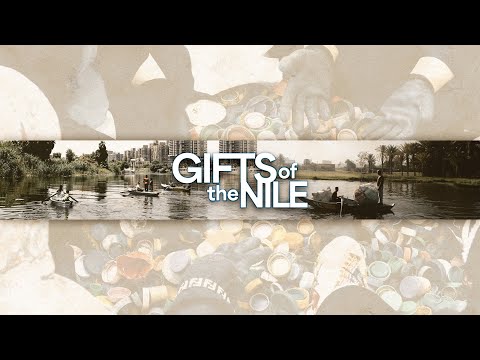
The film Gifts of the Nile takes us to Qursaya Island in Cairo, Egypt along the Nile River. This film takes us on a journey alongside River Hero Alban De Ménonville and his team at VeryNile as they work to remove plastics from the Nile River, while also educating the community and raising awareness around the importance of conservation in our waterways.
After noticing that the communities’ traditional ways of fishing were becoming more challenging due to the amount of plastic that entered the river, VeryNile quickly took action launching the “Reviving Cairo Fishermen” project. This project utilizes local fishermen and women and their knowledge of the river to assist in cleaning out any plastic, and in turn, pays them an above-average wage for putting in the work. This allows the river to be cleaned on a grassroots level by those who grew up on the riverbank and provides additional sources of income for the local community.
The film also follows artisan worker Loza Mahmoud and her fisherman husband, Hamed Aly Hamed, as they show their day-to-day lifestyle raising three children on Qursaya Island and depending on the Nile River to make a living for their family. As Hamed heads out to the fishery each morning with his young son, they focus on net fishing before switching their focus to plastic removal along the river.
After realizing that the fish tend to come and go, but the plastic is always there, Hamed makes it a priority to pull bags of plastic out of the river and bring them to a sorting facility. These sorting facilities are employed by locals from the VeryNile organization and are able to compact, package and store the plastic until its ready to be upcycled.
We are then introduced to Salma Ellakany, a VeryNile educator, who focuses on teaching the next generation the importance of conservation. Raising awareness amongst the youth in the area will give these declining ecosystems a chance as the next generation learns to use their passion to help their local community.
To come full circle, these bags of plastic that are stored after being removed from the river are then broken down and processed into colorful textiles, purses, hats and other home goods, allowing locals to sell these products as artists and creators. This has brought community locals together, working in unison with one topic of focus – sustainability.
“We have 40 full-time people (artisans, plastic operators) and we are working with around 100 fishermen; so that’s a total of 140 local families benefiting directly from this project,“ said Alban De Ménonville. “We translate a problem into opportunities that positively affect our communities and the health of the Nile River.”
A new study has used artificial intelligence (AI) technology to prove for the first time that ship noise affects dolphins.
Maritime traffic has a very strong impact on the environment and public health in general and on the marine environment in particular, and is a factor that motivates the migration of species from one marine environment to another. Until now, it was not known whether dolphins were affected by ship noise; the evidence in this regard was mainly anecdotal and visual. The main difficulty is to systematically determine the behavior of dolphins encountering ship noise.
“Although it seems obvious, until now there was no empirical evidence that dolphins are affected by ship noise. Using AI, we were able to show that dolphins communicate in a unique way when ship noise is nearby. The influence of ship noise on communication between dolphins can cause them to move away from noise sources, which in some cases are their feeding grounds,” explains Prof. Roee Diamant and Dr. Aviad Scheinin, two of the authors of the study.
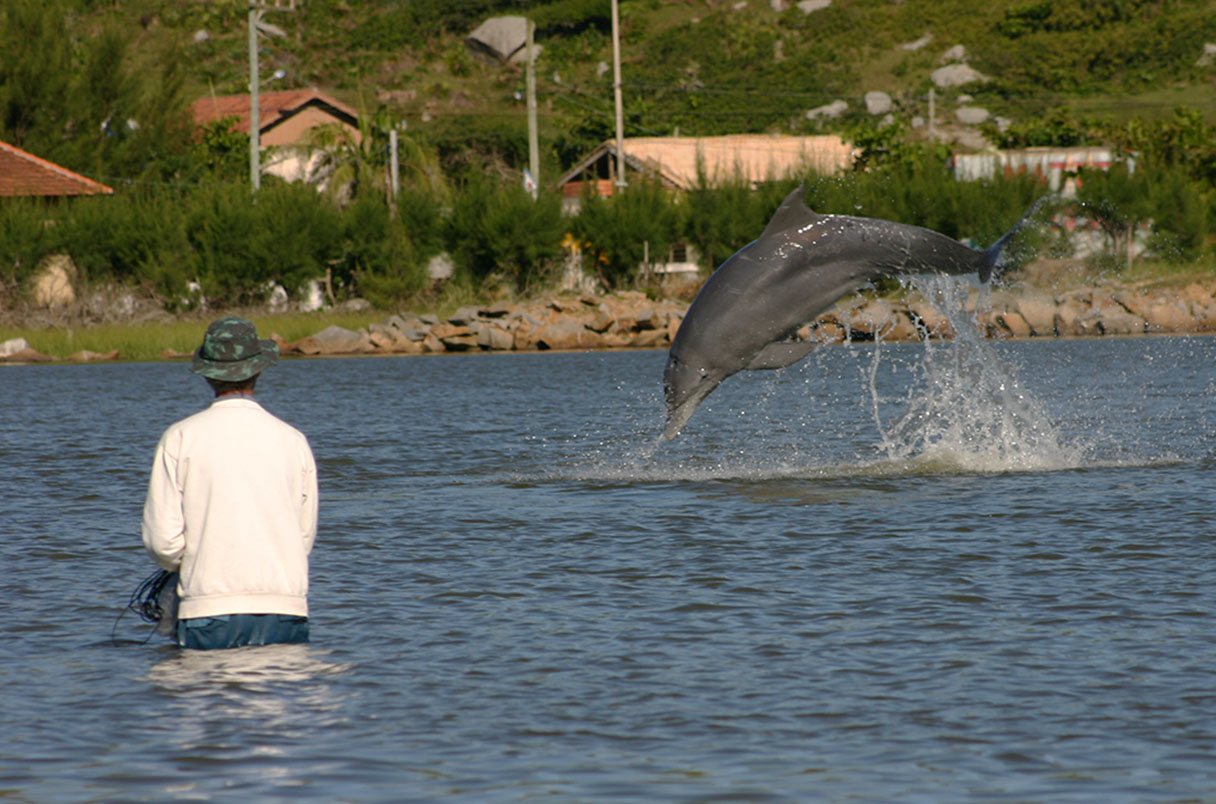
Researchers have confirmed how people and dolphins benefit from a centuries-old practice of fishing together in southern Brazil.
The current study, supported by the Data Science center at the University of Haifa, was conducted in collaboration between the Underwater Acoustic and Navigation Laboratory (ANL), headed by Prof. Diamant, and the Marine Apex predator laboratory, headed by Dr. Scheinin. The researchers combined acoustic studies of dolphin whistles (the form of communication used by the mammals) with AI software that searched for patterns in the cries.
As mentioned earlier, one of the main problems with studies of this type is observing the dolphins’ behavior, firstly when there is no ship noise and secondly when there is. This is the only way to determine whether the same dolphin behaves differently in each case.
For this purpose, the researchers chose a location close to the dolphin reef in Eilat, where Common bottlenose (Tursiops truncatus) dolphins are regularly found. Recording devices placed at a depth of 50 meters continuously recorded the sounds of nearby dolphins and shipping noise.
From all the recorded sounds, the researchers filtered out 12,000 dolphin whistles and were able to assign them to the dolphins that were at that location. The algorithm developed by the researchers identified around 60,000 dolphin whistles when a ship was nearby, and the same number of whistles where identified when no ships were present.
According to Prof. Diamant, not visual inspection of the signals nor direct feature extraction were able to distinguish between the two groups of whistles – with and without presence of a ship. Instead, this was analyzed by a deep learning algorithm.
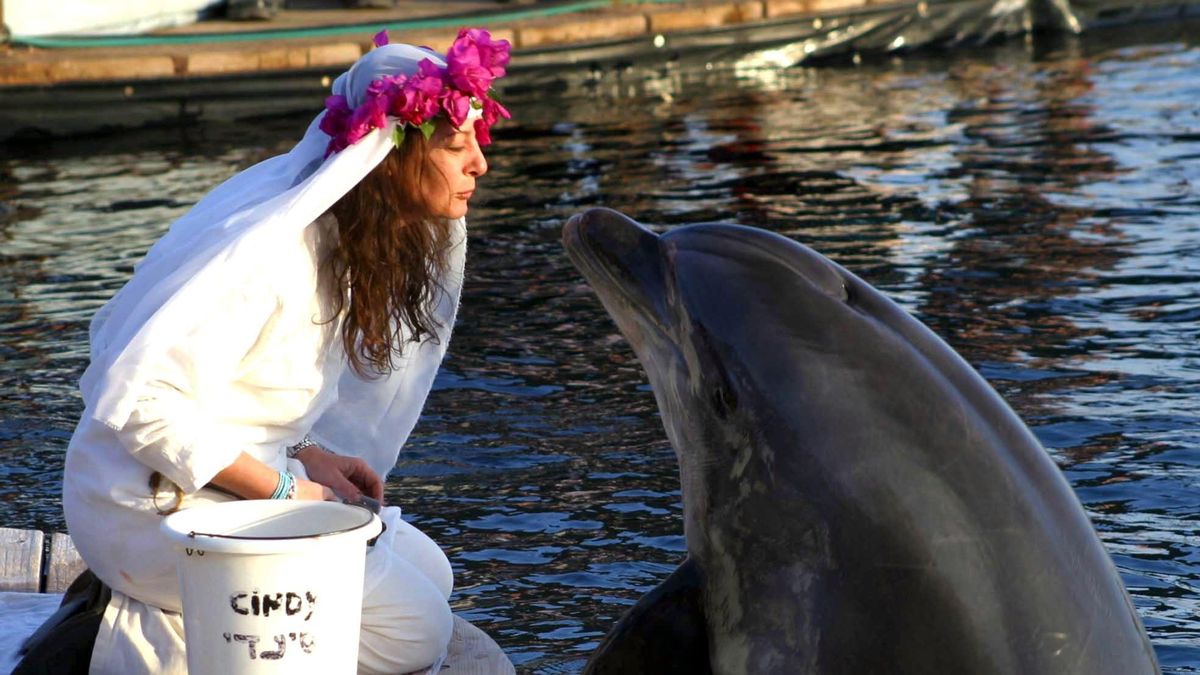
Woman marries dolphin in Eilat
This algorithm was trained over 20% of the whistle database and tested on the remaining whistles. The result was a 90% success rate in classifying between the two sets. In other words, the AI was able to recognize a certain pattern in the whistles of the dolphins exposed to shipping noise, well above the chance level. The researchers concluded from this result that a clear impact on the dolphins occurs when vessels were around.
“The problem with deep learning is that it’s a kind of a ‘black box’ and it’s hard to associate the classification result to a physical meaning within the signal. We still don’t know what unique pattern the AI system has recognized, but we know that it is related to the type of communication they make, and previous studies have already shown that changes in vocal behavior can be the result of stress and distress. In other words, dolphins communicate in a different way and change their vocal behavior when they encounter ship noise. In our upcoming studies, we will try to understand the nature of the effects,” the researchers conclude.
The research was conducted at the Charney School of Marine Sciences at the University of Haifa was published in the Nature Group journal Scientific Reports
Surgeons in Boston, Massachusetts, perform the first transplant of a pig kidney into a living person.Credit: Massachusetts General Hospital
A pig kidney is unpacked for transplant into 62-year-old Richard Slayman of Massachusetts. Credit: Massachusetts General Hospital
A 62-year-old man with end-stage renal failure has become the first living person to receive a pig kidney transplant at Massachusetts General Hospital in Boston, USA. The world has made advances in transplants since we reported a human uterus transplant in 2011.
The kidney was taken from a miniature pig carrying a record 69 genomic edits, which were aimed at preventing rejection of the donated organ and reducing the risk that a virus lurking in the organ could infect the recipient.
So far, the patient is recovering well and the pig kidney is producing urine and showing other signs of a working organ. This early success has raised researchers’ hopes for larger clinical trials involving pig organs. It follows from news last week that surgeons say they have transplanted a genetically modified pig liver into a person for the first time.
Transplanting pig organs into humans, a process known as xenotransplantation, presents challenges stemming from both biological and ethical considerations.
Biologically, the differences between pig and human physiology pose significant obstacles to successful organ transplantation. While pigs can be genetically engineered to reduce the risk of organ rejection, there are still fundamental disparities in immune compatibility and physiological function between the two species. For instance, the human immune system might recognize pig cells as foreign and mount a vigorous immune response, leading to organ rejection.
Surgeons in Boston, Massachusetts, perform the first transplant of a pig kidney into a living person.Credit: Massachusetts General Hospital
Pig organs may carry the risk of transmitting infectious diseases to humans, such as porcine endogenous retroviruses (PERVs), which are integrated into the pig genome. Despite efforts to mitigate this risk through genetic modification and stringent screening processes, concerns persist about the potential for cross-species transmission of pathogens.
Pigs are used in heart valve replacement in humans. The valve from the pig is completely cleaned from biological factors that would cause an immune response, but complex organs can’t be dealt with in this way.
From an ethical perspective, the prospect of using pig organs raises complex moral questions, particularly for religious communities such as Muslims and Jews. Both religions have dietary laws that prohibit the consumption of pork, and while the transplantation of pig organs may not necessarily violate these laws directly, it raises concerns about the sanctity of human life and the permissible limits of medical intervention.
According to Judaism it is allowed and you are even allowed to eat pork in medicine if it will save your life.
In Islam, Imam Ibn Uthaymeen permitted it when he was asked about putting an artery from a pig into a person’s heart, and he replied by saying, “There is nothing wrong with it, and one should look at what is most suitable for his heart because this is not food, and this is out of necessity.”
Our source says, “It is clear here that it is permissible to benefit unless one finds benefit in a pure thing. If the benefit is found in a pure thing, it is forbidden to benefit from what is impure.
Some vegans may view xenotransplantation as an exploitation of animals.
Looking ahead, the horizon of xenotransplantation remains both promising and uncertain. Advances in genetic engineering and immunosuppressive therapies offer hope for overcoming biological barriers to pig-to-human organ transplantation.
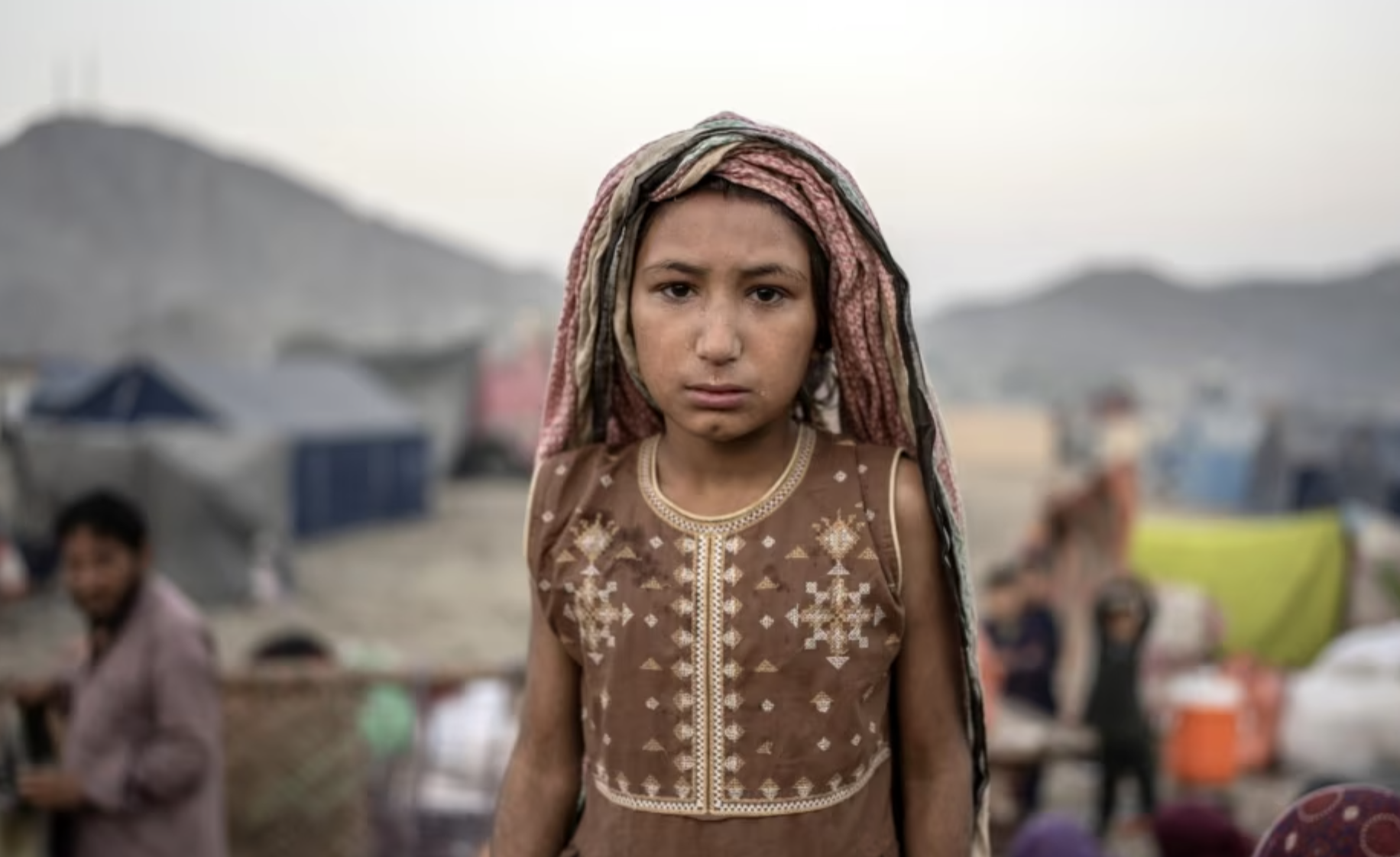
A child in Yemen by Carl Waldmeier, licensed by CC.
A child in Yemen by Carl Waldmeier, licensed by CC.
The Yemeni Houthis are a problem as they blow up ships passing through the Red Sea toward the manmade Suez Canal. The Houthis astarving out their own people. They use water as a weapon in their war against the west. In a recent UN report by UN Food and Agriculture Organization (FAO), they estimate that all of Yemen’s freshwater resources will be depleted by 2030.
It said that most conflicts revolve over water in Yemen, which remains the poorest in the world in terms of water resources. In a report entitled “To leverage Water for Peace,” FAO said Yemen urgently needs to fully understand the water governance systems, how resources are extracted, used, shared and replenished.
“Our experience in Yemen has shown glaring gaps between policy and the ultimate use of the precious commodity. Another gap is limited funding to replicate best water management practices which have been piloted and proven effective,” the report said.
Also, Yemen is the poorest country in the world in terms of water resources.
The annual per capita share of water is a lowly 83 cubic meters compared to the absolute threshold of 500 cubic meters.
According to FAO, the agricultural sector accounts for about 90% of water use, most of it going to qat growing. It added that groundwater is being depleted at twice the rate it is being replenished and that groundwater resources are being used randomly.
“At the current extraction rate, by 2030, the water basins will be depleted,” the report warned, “This will be catastrophic for a country where 70% of the rural community practice agriculture.”
Yemen women
Also, the agri-food systems transformation agenda will be lost with the depletion of water resources in Yemen, it noted.
Climate change and rapid population growth have also put additional pressure on Yemen’s limited water resources.
FAO said about 14.5 million people in Yemen are without access to safe drinking water and reliable sanitation facilities. “Women bear the brunt of this water situation which not only affect their crop and livestock production but entails more labor and time is used to travel to collect, store, and distribute water,” the report explained.
Houthi terror rockets affecting dire humanitarian situation in Yemen – the UN warns
The escalation of the Houthis Red Sea attacks where they sink ships with fertilizer, is poised to accelerate the increase in shipping costs, delay the delivery of essential food or lead to a complete suspension of trade routes and closure of Yemeni ports, a new report released by the Food and Agriculture Organization of the United Nations (FAO) finds. Yemeni people who struggle to afford essential food items will be at a dire risk for starvation.
According to the Potential Impacts of Red Sea Crisis Escalation on Food Insecurity in Yemen report, the food security situation in Yemen is already fragile and further shocks emanating from the Houthi attacks will cause additional harm to an already dire situation that can be described as one of the worst humanitarian emergencies in the world.
Almost 5 million people or 45 percent of the population analyzed in the Government of Yemen’s controlled areas is estimated to be in Crisis or worse.
Yemen relies heavily on imports for the food requirements of its population, with around 90 percent of its needs in staple cereals imported. According to the FAO report, if the current escalation is sustained for the next three months, imports will most likely slow down, affecting food availability and prices in the domestic markets.
While commenting on the key findings of the report, the FAO Representative in Yemen, Hussein Gadain, urged the international community to address the possible deterioration of the already severe humanitarian crisis in Yemen. He emphasized that the Red Sea conflict has erupted at a time when focus on Yemen is receding as humanitarian actors shift their attention and resources to other global hotspots, including Ukraine, Gaza and the Sudan.
“We cannot afford to wait until the humanitarian emergency worsens even further. This is the time to coordinate efforts and de-escalate the Red Sea crisis,” Gadain said. “We should facilitate an uninterrupted flow of commercial and essential humanitarian food supplies. This crisis, if not attended to, threatens to reverse the gains we have made in restoring livelihoods of Yemenis since the start of the conflict eight years ago.”
The report warned that a further escalation of the crisis will also disrupt livelihoods and certain value chains. Fishermen, for example, may abandon their activities due to increased insecurity at sea and at landing sites, which would not only impact their income opportunities and livelihoods but also affect the availability of fish – an important source of protein – in the market.
Additionally, increased military activities in the Red Sea may lead to the destruction of critical infrastructure, including ports and storage facilities, further hampering efficient distribution and storage of food in the country and aggravating food insecurity.
Yemenis are often overrun by locusts which attack their food supply.
In the latest release from the FAO where Yemenis are facing starvation from lack of impacts, they do not mention the Houthis by name, but rather mention a “Red Sea” crisis ongoing which also makes no mention of terror operatives hurting their own people. Sounds like Greenpeace’s inability to condemn the Houthis. On one hand Greenpeace and the UN supports terror, but they can’t say so publicly. The plus side to all the Houthi attacks: the world now knows that Yemen exists. That it’s one of the world’s driest countries and that it’s been facing acute starvation for decades. In 2022 there was the locust crisis.
Filling jerrycans from the water tank built by YECRP in Quhal, Iyal Surayh district, Amran. | Photo Credit: UNDP Yemen/2021
On her way to collect water. Photo Credit: UNDP Yemen/2021
In Yemen there are “girls who don’t have an education because they must spend their entire day walking hours to carry back water that is far too heavy for their bodies.”
In a bid to control and subvert the nonviolent people in Yemen, Houthi rebels use water as a weapon, says a new report. Women and younger women are especially put in harm’s way.
According to New Security Beat the Houthis are blocking and restricting water to the Yemeni population.
“Water has absolutely had an impact on women in a much more acute way in Yemen,” says report co-author, Niku Jafarnia. “It’s an area where the gender discrepancy is obvious, particularly among younger girls.
“One large impact is that girls have had to drop out of school to go and get water. We published a short piece in November on a lack of water and electricity in Aden, where there’s evidence that girls have dropped out of school. Aden is the most well off and stable part of the country, yet you still see girls who don’t have an education because they must spend their entire day walking hours to carry back water that is far too heavy for their bodies.
Filling jerrycans from the water tank built by YECRP in Quhal, Iyal Surayh district, Amran. | Photo Credit: UNDP Yemen/2021
“It’s a treacherous journey. Just by virtue of walking long distances in rural areas, there’s a higher likelihood that you might run into a landmine. There’s also obviously potential for encountering sexual and gender-based violence. Activists have told us that this wasn’t as large of an issue in the past, but has become more widespread recently.
“Globally, women are usually in charge of the household, and are the caretakers, and so they will be the last ones to drink and eat when there’s a shortage of something. So I would imagine across the board, it’s hard to track these sorts of impacts. But it’s going to have an impact on women’s health as well, based on the fact that they’ll probably be the last ones to take water for themselves.”
Yemen has been water-starved for decades and was the first to have the world’s only waterless capital. If we want to help the starving, oppressed Yemeni people, the world needs to help stop the Houthis. They are global terrorists, the same as ISIS, Boko Haram, the Muslim Brotherhood, Hamas, Islamic Jihad and Al Qaeda.
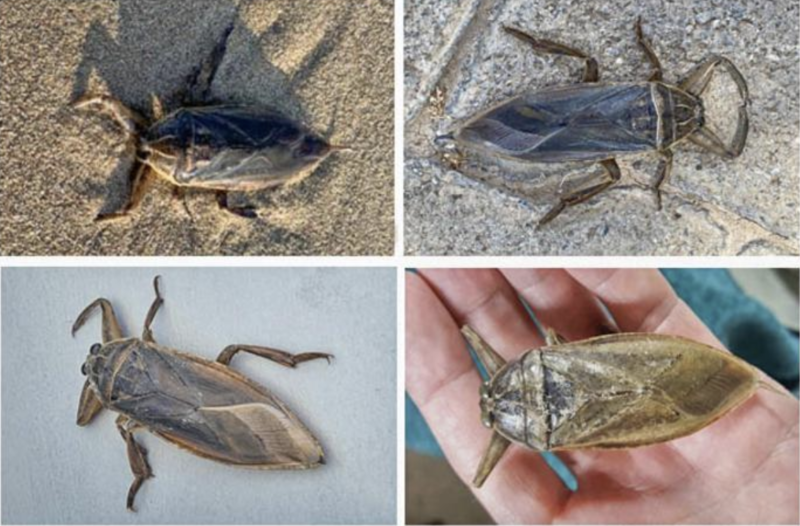
Eyes open and toes out of water: how a giant water bug reached the island of Cyprus
The island of Cyprus, although considered a hotspot for biodiversity in the Mediterranean (and occupied by Turkey on its northern border), is more famous for its beautiful sunny coasts than for its insect fauna. Some visitors of its highly populated beaches, with their observations and curiosity, have provided important information for a species never recorded before on the island: a the giant water bug, also known as a toe biter.
Scientists Michael Hadjiconstantis from the Association for the Protection of Natural Heritage and Biodiversity of Cyprus, Iakovos Tziortzis from the Ministry of Agriculture, Rural Development and Environment of Cyprus, and Kadir Boğaç Kunt from the Cyprus Wildlife Research Institute collected information and specimens from an increasing number of records of the giant water bug on the east coastline of the island in late spring and summer of 2020 and 2021.
The species, known for inhabiting ponds and slowly moving freshwaters, had never been recorded on the island before, although established populations are known in adjacent Mediterranean countries such as Greece, Turkey, and Israel.
Also referred to as Electric light bug, this giant water bug is described as a vicious hunter, praying on invertebrates, fish, turtles, and even birds.
What is even scarier, as the largest European true bug and the largest European water insect and measuring up to 12 cm, it has a reputation of inflicting very painful bites when handled carelessly.
Its appearance, mainly on the eastern coastal front of the island, was initially recorded by swimmers, who were surprised by the fearsome looks and size of the bug. They either directly contacted the experts or published photos and videos online, mainly on Facebook groups related to biodiversity.
The authors collected some of the specimens for further study.
They also proceeded with an extensive online search on relevant online observation platforms (i.e. iNaturalist) in order to track any other reports of the species on the island.
In addition, they sampled nearby wetlands, but did not spot the bug.
More about giant water bugs
One of the most intriguing features of giant water bugs is their predatory prowess. Despite their name, they are not true bugs but rather aquatic insects known for their voracious appetite. Armed with piercing mouthparts, they ambush and capture a variety of prey, including small fish, amphibians, and even other insects.
Moreover, giant water bugs play a crucial role in freshwater ecosystems as top predators, helping to regulate populations of smaller organisms and maintain ecological balance. Their presence serves as an indicator of environmental health, making them important subjects of study for scientists and conservationists alike.
In addition to their ecological significance, giant water bugs captivate with their unique reproductive behavior. Females deposit eggs on the backs of males, who then carry them until they hatch—a remarkable example of paternal care in the animal kingdom.
Slow Train, in the style of the Orient Express to be built in Egypt
Slow Train, in the style of the Orient Express to be built in Egypt
Luxurious Slow Travel: A Sustainable Journey through Egypt’s Ancient Splendor
Travelers usually take a slow boat down the Nile but soon a new luxury slow mode of travel will be available for seeing Egypt’s ancient sites and wonders:
In a world where speed often reigns supreme, there’s a growing appreciation for the unhurried elegance of slow everything. Slow food, slow parenting like Waldorf education which is in demand for elite and down to earth environmentalists, and there is also slow travel.
Egypt’s Ministry of Tourism & Antiquities, the Ministry of Transportation, and ‘Arsenale’, the renowned luxury hospitality group, heralds the arrival of a new era in opulent exploration: the Land of the Pharaohs luxury train experience.
Scheduled to debut in 2026 the journey will invite travelers to embark on an odyssey from Cairo to Upper Egypt, tracing a path through the storied landscapes of Luxor, Aswan, and Abu Simbel. Each stop along the way is carefully curated to offer an immersive encounter with Egypt’s timeless wonders.
As the world eagerly anticipates the unveiling of the Land of the Pharaohs, one cannot help but marvel at the vision behind this project. At its core lies a commitment to sustainable luxury—a concept that melds indulgence with responsibility, promising a harmonious coexistence with the environment and local communities.
The Land of the Pharaohs luxury train epitomizes this ethos. Crafted with meticulous attention to detail, its forty lavishly appointed cabins offer a sanctuary of refinement and comfort, where guests can unwind amidst opulent surroundings. As the train meanders alongside the majestic Nile, travelers are encouraged to embrace the art of leisure, savoring moments of tranquility as they gaze upon the ever-changing vistas outside their windows.
As peace efforts are bolstered between the allies of Egypt, Jordan, Israel and Saudi Arabia we are hoping that this luxury train will be able to start in Cairo and end in Saudi Arabia.
What truly sets this venture apart is its profound reverence for the ancient wonders that dot Egypt’s landscape. With each stop, travelers are granted the opportunity to explore iconic landmarks such as the majestic temples of Luxor, the serene waters of Lake Nasser, and the awe-inspiring temples of Abu Simbel.
In embracing sustainable slow travel, the Land of the Pharaohs luxury train embodies a holistic approach to tourism—one that seeks to minimize its ecological footprint while maximizing its positive impact on local communities.
The seventh edition of the El Gouna Film Festival (GFF) has been officially announced, scheduled to take place from October 24th to November 1st. The festival disclosed the dates for the upcoming edition in a statement, reaffirming their dedication to bolstering the Arab film industry. The previous edition of GFF was held from December 14th to December 21st.
The El Gouna Film Festival (GFF), founded in 2017, in Egypt serves not only as a platform for cinematic celebration but also as a catalyst for addressing pressing global issues, particularly those concerning sustainability and the environment. Amidst its vibrant tapestry of films, the festival emphasizes the power of art to foster awareness and dialogue about ecological challenges while promoting cultural exchange and understanding.
This year is a good time to support the film festival with a visit because the Hamas attack on Israel has desatbilized the region and tourism has tanked in Egypt.
Within the realm of Arab cinema, there has been a notable emergence of films that delve into themes of ecology, the planet, and renewable energy, shedding light on the intricate relationship between humans and the natural world. These cinematic works not only entertain but also provoke thought and inspire action towards a more sustainable future.
Consider Arab films like Theeb, a Jordanian drama set against the backdrop of the Arabian Desert during World War I, offers a compelling exploration of humanity’s impact on fragile ecosystems. As the character embarks on a perilous journey through the unforgiving landscape, the film confronts themes of survival, exploitation, and the consequences of environmental degradation. By immersing viewers in the harsh beauty of the desert, Theeb prompts reflection on the need for responsible stewardship of natural habitats and resources.
Sand Storm, an acclaimed drama from Israel’s Negev Desert, delves into the complexities of gender dynamics and environmental conservation within Bedouin society. Through its intimate portrayal of a mother-daughter relationship and the tensions that arise when tradition clashes with modernity, the film offers insights into the socio-cultural forces shaping attitudes towards the environment. Sand Storm underscores the importance of fostering inclusive dialogues and empowering marginalized communities to participate in efforts towards sustainable development.
There is Raha Shirazi’s film Acqua, almost guaranteed to make you never take water for granted again. In it, a woman walks through snow in search of water with a jar on her back. Everywhere there is water, but after reaching a specific destination, she experiences some kind of trauma that especially resonates with us given the region’s tremendous water scarcity.
Beyond the realm of narrative cinema, Arab filmmakers have also embraced the documentary format to explore environmental issues in depth. For instance, Rafea: Solar Mama follows the journey of a Bedouin woman from Jordan as she trains to become a solar engineer, challenging gender norms and advocating for renewable energy solutions in her community. Through her inspiring story, the documentary showcases the transformative potential of renewable technologies in empowering marginalized populations and mitigating the impacts of climate change.
Solar Mama
The El Gouna Film Festival serves as a platform for amplifying voices that champion environmental stewardship and sustainable development in the Arab world and beyond. By showcasing films that tackle ecological issues with nuance and empathy, the festival harnesses the power of art to inspire collective action and promote a deeper understanding of our interconnectedness with the planet.
While the festival isn’t selling itself as an eco film festival, artists can certainly exert their influence by submitting films of this nature. The festival does offer a $10,000 prize for films in the “green star” category. More on that here.
“A lot of people think the use of lithium-ion batteries is a good thing right now, but it is important to explore the effects that may be coming down the road.”
From cell phones to watches to electric cars, lithium-ion rechargeable batteries power a plethora of devices. The increased use of this technology means more lithium could find its way into the environment as consumers discard electronic products. Now, researchers describe how lithium can accumulate in a common Southern crustacean: the crawfish. As the season for catching and eating mudbugs comes into full swing, the researchers’ findings highlight the potential implications for public health and the environment.
The researchers will present their results today at the spring meeting of the American Chemical Society.
“As aquatic organisms, crawfish can take up large amounts of lithium dissolved in water. Because other creatures — including people — eat crawfish, looking at them allows us to see how lithium moves through the food chain, and potentially into us,” says Joseph Kazery, a professor of biology.
Joseph Kazery,
Two undergraduate students in Kazery’s lab at Mississippi College, Andrew Doubert and Javian Ervin, are presenting results of their experiments on uptake of ionic lithium by different crawfish organs, as well as the impact of seasonal temperatures. “If crawfish are raised near a landfill or a polluted site, runoff could expose them to lithium, with effects we don’t yet fully understand,” Ervin says. “I myself eat crawfish, so this issue is important to me.”
Lithium contamination is not new. Even before lithium-ion batteries became widespread, lithium was, and still is, used as a medication to treat mood disorders. It enters the water supply in those applications because typical wastewater treatment does not remove drug contaminants. At high levels, lithium can have toxic effects on human health, including potentially damaging heart muscle cells, as well as causing confusion and speech impairment. In other animals, it can cause kidney damage and hypothyroidism. Studies have also shown that when lithium accumulates in plants, it can inhibit their growth, Kazery says.
Although the U.S. Environmental Protection Agency recommends discarding lithium-ion batteries at dedicated collection points, Kazery says they often end up in landfills. Soaring demand along with lax disposal practices suggests lithium is on the verge of becoming a significant environmental contaminant, he says.
As fully aquatic organisms that spend their lives within a relatively small area, crawfish (Procambarus clarkii) reflect local lithium contamination and could serve as powerful bioindicators of its presence in an environment. The lithium they contain could be passed through the food chain to predators, including humans, either directly or indirectly through crawfish-eating fish that people consume.
For its experiments, the team purchased crawfish bred for research. Knowing that the liver collects toxins from the human body for subsequent removal, Doubert wondered whether lithium would accumulate in the crawfish version of this organ: the hepatopancreas. To find out, he added ionic lithium to food for five crawfish, while giving another five lithium-free food. He then examined the amount of lithium present in four of their organs after one week. He found, on average, the most lithium in the gastrointestinal (GI) tract, followed by the gills, the hepatopancreas and, finally, the abdominal muscle in the tail.
The researchers think the GI tract likely contained the highest level because the lithium-spiked food remains there during digestion. Meanwhile, the gills and the hepatopancreas both pick it up while removing it from the body. People predominantly eat the tail, which appears to take up lithium, but not as readily as the other body parts studied.
Doubert also found that 27.5% of the lithium he fed them had passed from the animals’ GI tracts into other tissues. Animals further up the food chain can accumulate higher levels of toxic substances if they eat contaminated prey, so lithium will likely become more concentrated in the predators of crawfish. The researchers expect the high rate of absorption Doubert saw to exacerbate this accumulation in both humans and the other animals that eat crawfish.
Water temperature that crawfish inhabit varies significantly throughout the year. Those shifts affect the animals’ metabolism, even causing them to become inactive during winter. Knowing this, Ervin decided to look at the effects of temperature on lithium uptake. He placed crawfish in tanks kept at temperatures as low as 50 degrees Fahrenheit and as high as 90 degrees Fahrenheit and added a consistent concentration of ionic lithium to the water. After five days, he found that lithium uptake by the abdominal muscle and a part of the crawfish that Doubert did not study — the animals’ exoskeleton — increased in the warmest tank. These results suggest that the animals may contain the most lithium during the warm months, according to Ervin.
The crawfishes’ weight also decreased in warmer water. At this point, it’s not clear how or whether the crawfishes’ weight loss was connected to the lithium they accumulated, Ervin says, noting that the team plans to follow up on these results.
“A lot of people think the use of lithium-ion batteries is a good thing right now, but it is important to explore the effects that may be coming down the road,” Doubert says.
In Beirut, solar panels and water tanks tell a story of decline
In Beirut, solar panels and water tanks tell a story of decline
In the midst of upheaval and uncertainty, explosions and the Hezbollah, there emerges a narrative of resilience and innovation, captured through the lens of Dia Mrad, a photographer from Lebanon.
Returning to the vibrant streets of Beirut in 2019, Mrad found himself amidst a backdrop of societal discontent and economic strife, where the echoes of the 17 October Revolution reverberated through the city’s alleys.
The October 17 Revolution, also known as the Lebanese Revolution, started on October 17, 2019, as a response to decades of systemic corruption, sectarian politics, and economic mismanagement in Lebanon. Sparked by proposed taxes on services such as WhatsApp calls, the uprising swiftly evolved into a nationwide movement demanding fundamental change.
There is no regular power in Lebanon. People have turned to solar power.
Protesters from diverse backgrounds flooded the streets of Beirut and other cities, united in their call for the downfall of the ruling elite and the establishment of a new political order based on transparency, accountability, and social justice.
Armed with an architectural background and a passion for visual storytelling, Mrad’s photographic journey took on a new dimension telling stories from the streets as he witnessed Lebanon’s economic crisis. His ongoing project, “Utilities,” serves as a testament to the ingenuity and resourcefulness of a people facing adversity head-on.
Mrad’s lens becomes a window into a world where necessity breeds innovation. Against the backdrop of crumbling infrastructure and dilapidated streets, he captures moments of quiet resilience and defiant creativity. From impromptu solar panels adorning rooftops to communal water collection systems fashioned from repurposed materials, each frame tells a story of adaptation and survival.
For Mrad, photography transcends mere documentation; it becomes a form of activism, a means of amplifying the voices of those often overlooked in times of crisis. Through his keen eye and unwavering determination, he offers a glimpse into a world where style meets substance, where resilience becomes the ultimate statement.
In every image, Mrad invites us to witness the beauty of resilience, to embrace the transformative power of innovation amidst chaos. As we navigate the turbulent waters of uncertainty, let us draw inspiration from the indomitable spirit captured within each frame, for in the face of adversity, true style knows no bounds.
On April 8, 2024, 40 million people across the United States, Canada, and Mexico will have the opportunity to experience a true celestial spectacle, a rare total solar eclipse as the moon passes between the sun and the Earth, blocking daylight for several minutes.
Viewing an eclipse can be an awe-inspiring event but proper precautions, including wearing specialized eye protection, should be taken to safeguard sight from harmful solar energy, according to the American Society of Retina Specialists (ASRS).
“The excitement of viewing a natural phenomenon like a total solar eclipse is understandable, but taking steps to view the eclipse safely is crucial to protect healthy vision,” said retina specialist Geoffrey G. Emerson, MD, PhD, FASRS, a member of the ASRS Board of Directors. “Sadly, people across the globe have experienced temporary and even permanent vision loss from improperly viewing a solar eclipse, but this damage from solar retinopathy is preventable with proper precautions.”
The eclipse will be partially visible throughout the 48 contiguous US States, while the path of totality, where a full view of the moon covering the sun is possible, covers a 115-mile-wide strip extending diagonally 8,000 miles across Mexico, Canada, and the United States.
Viewing an eclipse without proper eye protection can damage the retina, the delicate, light-sensing tissue that is responsible for sight. Solar retinopathy occurs when the retina is burned and its light-sensing photoreceptors are destroyed. Depending on the extent of the injury, people can suffer residual blurring and/or distortion, temporary or even permanent vision loss.
Solar retinopathy occurs more commonly around the time of a solar eclipse but can occur at any time due to incidents such as having a laser presentation pointer shined in the eye or from sun gazing due to psychiatric conditions or purposeful self-harm.
For direct viewing of the sun during a partial eclipse, special filters are required. The easiest and least expensive option is to buy commercially available eclipse glasses manufactured specifically for solar observation.
NASA recommends the use of International Organization for Standardization (ISO) 12312-2 certified eclipse glasses or pinhole projection for viewing the eclipse. Inspect eclipse glasses before use and discard them if you notice they are torn, scratched, or otherwise damaged.
It is not safe to view an eclipse with other types of filters, such as:
Camera lens, binoculars, or a telescope without a special-purpose solar filter secured over the front of the optics
Sunglasses or smoked glass
Color or black-and-white film and photo negatives such as X-ray film
Polarizing filters or neutral-density films
Should you experience vision changes during or following the viewing of an eclipse, seek immediate consultation with an eye physician, such as an ophthalmologist or retina specialist.
More and more states in the US are legalizing recreational cannabis, leading to concerns that teen use will increase. Tobacco consumption among high school students, including vaping and e-cigarettes, is a concerning 12.6%. Researchers at UC Davis were interested in learning how the combined use of these two products — cannabis and tobacco — might impact high school students in California.
In a new study published in The Journal of Pediatrics, they found high school students who use both tobacco and cannabis products miss more school and have lower grades compared to students who don’t use either product or who use the products individually (tobacco or cannabis) but don’t combine them.
“Substance use is a main predictor of educational outcomes, including absenteeism,” said Melanie Dove, an assistant adjunct professor in the Department of Public Health Sciences and first author of the paper. “These results highlight the need for comprehensive efforts to prevent and reduce substance use from both cannabis and tobacco products among youth.”
The researchers analyzed data from the 2021-22 California Healthy Kids Survey. The anonymous, confidential survey administered by the California Department of Education asks questions about wellness, resiliency, school climate and safety. The study reviewed responses from 287,653 high school students in ninth and 11th grade.
The researchers found that among high school students in California:
Students who used both tobacco and cannabis reported the highest percentage of absenteeism. On average, they missed three days of school in the past month — almost one and a half more days of absenteeism than teens who didn’t use both products. Students who co-used tobacco and cannabis were also more likely to have lower grades than students who did not use either product.
The US Surgeon General released a report describing the health risks of e-cigarettes on youth and young adults. It explains how habits formed in youth, when the brain is still developing and learning, can result in teens getting addicted more easily.
“We know that using tobacco and cannabis puts young people at risk for longer-term addiction, behavioral issues and respiratory health problems,” said Elisa Tong, a co-author of the study. Tong is a physician at UC Davis Health and director of the Tobacco Cessation Policy Research Center. “For young people who are not current users but are exposed to use by others, the aerosol from these products is not harmless, and contains potentially harmful chemicals, heavy metals and fine particulates,” Tong said.
Schools and parents can help prevent tobacco use
The researchers noted some limitations of their study. The survey is not representative of all high school students in California. Students who were absent on the day of the survey were not included. Another limitation is that the data is based on students’ self-reported responses; even though the survey was anonymous, students may feel uncomfortable sharing their actual substance use or absence patterns and may have underreported them.
Another consideration is that the percentage of California high school students who report using any tobacco product is 6.6%, according to the 2022 California Youth Tobacco Survey. This percentage is well below the national average (12.6%) and may reflect California’s rigorous anti-smoking campaigns and the adoption of non-smoking public spaces dating back to the mid-1990s.
“While certain school factors — like peer pressure — can contribute to teen tobacco and cannabis use, schools also play a critical role in prevention, especially in partnership with families,” said Kevin Gee, a professor at the UC Davis School of Education and senior author of the paper. “One important tool available to California’s schools is the Tobacco Use Prevention Education program that, when strategically invested in intervention and cessation activities, has shown promise in reducing tobacco use among teens.”
Stuttering is common: about 1 in 100 people have a stutter worldwide. Traditional speech therapies can see relapses, but a new program using a drama and theatre technique called improv can create better long-lasting results for stutterers, researchers find. And while stutterers can live normal lives, any interventions to decrease the stutter makes it easier to work and build relationships with people.
Mock ‘Ninja knife throwing’, ‘Gibberish’, or the fast and furious ‘Zap’ – they’re all favorite theatre games designed to break ice and boost confidence. But add speech therapy to theatre sports and you get a brand-new experience that’s hoping to deliver positive changes for people with a stutter. In a new University of South Australia study, researchers are trialling group improvisation (‘improv’) to help improve communicative confidence and reduce anxiety among teens and adults who stutter.
Improv is a form of theatre sport, where performers spontaneously create scenes, characters, and dialogue without a script or predetermined plot. Partnering with Swift Speech, Stuttering & Voice, the 9-week group improv program Unscripted Confidence, is designed to help participants positively engage in a range of activities and social situations to help build their confidence and communication abilities in a risk-free supportive environment.
UniSA Bachelor of Speech Pathology research honors student Damien Aston says the study will take a holistic approach to therapy, ensuring people feel comfortable, safe and supported.
“In Australia, one in 100 people have a stutter; and while it’s a relatively common speech difference, it can significantly affect a person’s confidence, social connections and anxiety levels,” Aston says.
“Improv provides an opportunity for a person with a stutter to have fun speaking with others, to learn to focus on the communicative aspects of speaking – such as eye contact and body language – rather than how they are speaking, and helps them learn to be ok with failure.
“While it may seem counterintuitive for someone with a stutter to participate in ‘on the spot’ games, spontaneous performances can be a powerful tool for building confidence and overcoming anxiety and stuttering.
“The sessions encourage people to engage and connect with others in a supportive, non-judgemental space where they learn to look beyond words – making sense doesn’t matter, it’s the risk that’s valuable and the fact that people are communicating and having fun at the same time.”
People who identify as lesbian, gay and bisexual – particularly women – respond more positively to tobacco marketing, are more inclined to smoke cigarettes daily and may have a more difficult time quitting, according to two studies by a Rutgers Health researcher. Smoking is far more popular in the Middle East where about 8% of women smoke, and an estimated 40% of men do. Smoking a shisha pipe is a common past-time.
The studies, published in the Annals of LGBTQ Public and Population Health and Preventive Medicine Reports, investigated how some among the LGBTQ population respond to tobacco marketing, how they use tobacco and their history of quitting using two large national datasets in the US.
Ollie Ganz, a faculty member at the Rutgers Institute for Nicotine and Tobacco Studies and an assistant professor at the Rutgers School of Public Health who is lead author of the studies, discussed the significance of the findings to future policy.
Smoking hookha pipe
Why is specifically studying how sexual minority populations receive tobacco marketing important?
From previous studies, we know that sexual minority individuals are more likely to use tobacco products than heterosexual individuals. This may be because tobacco companies have targeted this population with advertising and promotions, but the impact of this has not been studied extensively. The main thing we wanted to understand in this study is, given that sexual minority individuals are exposed to more tobacco advertising than heterosexual individuals, are there also differences in terms of how receptive they are to the ads, such as having a positive response to the ads.
Ollie Ganz
What did your study find regarding tobacco marketing among sexual minority individuals?
What was unique about our study is that we were able to look at subsets of the LGB population – gay men, bisexual men, lesbian/gay women and bisexual women – rather than looking at them as one group. By looking at these subgroups we discovered that lesbian/gay and bisexual women were more likely to be receptive to marketing for tobacco products overall, and that bisexual women – but not lesbian/gay women – were more likely to be receptive to marketing for cigarettes, cigars, e-cigarettes and smokeless tobacco, compared with heterosexual women.
Among men, we discovered that gay men, but not bisexual men, were more likely to be receptive to cigar advertising compared with heterosexual men. We also found that gay and bisexual men were more likely to be receptive to e-cigarette advertising compared with heterosexual men.
In the Preventive Medicine Reports study, you also looked at subsets of the LGB population, but focused on cigarette use behaviors. What were your findings?
We discovered that sexual minority women – particularly bisexual women – are smoking at higher rates and are having a harder time quitting compared with heterosexual women. We also found that the differences in prevalence of cigarette smoking between lesbian/gay and bisexual women and heterosexual women was much greater than between the prevalence between sexual minority men and heterosexual men.
These findings show that we need more support to specifically help sexual minority women quit smoking –particularly bisexual women. This population presents unique challenges, such as greater mental health problems, and there is a need for more resources and tailored interventions to support them in quitting smoking.
How can these findings inform future policy?
In order for tobacco control policies and regulations and public education campaigns to be effective, they need to be able to identify the populations that are at greatest risk for tobacco use. They also need a body of evidence that identifies the factors that are driving elevated use among those populations so effective messages and policies can be developed that directly address those factors.
Organization of Relais & Châteaux gives the Drisco hotel and its restaurant entry into the luxury group’s offerings. The hotel was built by Christians from America in the 1800s.
In 1866 a group of 157 men, women and children of the Christian Lovers of Zion left Maine and traveled to Israel. Their mission was to develop the Land of Israel and prepare Israel for the establishment of a Jewish nation in the Promised Land. Christian Zionism is an ideology that, in a Christian context, espouses the return of the Jewish people to the Holy Land.
Today one of their landmark sites in Jaffa is home to a luxury hotel, the Drisco.
Drisco hotel built by Christian Zionists in the 1800s
The Drisco is situated in the American Colony in Tel Aviv-Jaffa and includes 42 rooms and suites decorated to reflect the magnificent history of the hotel, first opened in 1866. In the hotel there are original murals from the year 1925, a bar, a rooftop facing the beaches of Tel Aviv, a gym, rooms for indulging spa treatments, a nurtured garden etc.
The global organization Relais & Châteaux chose the Drisco to be part of its collection of unique hotels, and 340 Michelin star restaurants around the world.
Drisco hotel in Tel Aviv, join the Organization of Relais & Châteaux
Relais & Châteaux was founded in 1954, and since its foundation the organization promotes a large number of luxury hospitality properties and culinary traditions, enhancing their prosperity, and acts for the preservation of local heritage and surroundings of each property.
Each year, more than 500 requests to join Relais & Châteaux are submitted, less than 2% of them actually get to join the prestigious organization.
The Drisco includes an elite restaurant the George & John restaurant, led by Chef Tomer Tal, which was graded among the 50 best restaurants in the Middle East, according to “50 BEST” (2022 to 2024).
Voices of Yemen, Yemen Jews from Israel sing a song for the Houthis.
Voices of Yemen, Yemen Jews from Israel sing a song for the Houthis.
The Voices of Yemen, a group of Yemenite Jews who sing Jewish liturgical songs from Yemen, are tired of the Houthis attacking ships in the Red Sea. On Tuesday this week, a Houthi missile, in solidarity with the Hamas, hit Israel’s southernmost town, Eilat.
Last week the Yemeni Jews were challenged to write a song for the Houthis before a recent performance at the East West House in Jaffa. And on short notice, they delivered. Watch the video below.
The Houthis are known for their vile antisemitism and wrote a song for Israelis and Jews in 2022. You can see the video here: “We will let them taste our might and the heat of the piercing swords, and tomorrow we will see Jerusalem cleansed of the filth of the Jews.”
The lyrics in the Jewish Yemenite song repeat:
Houthis in Yemen I feel sorrow and mercy for you
We want your songs
Not your rockets
Voices of Yemen was created in 2021 by Ravid Kahalani of Yemen Blues.
Born in Israel to a Yemenite family, Ravid was steeped in the rich tapestry of his ancestry from an early age. Yet, it was the music of his roots that truly captivated him. With each note sung by his grandmother, he felt the essence of Yemen coursing through his veins, a connection to a land he had never seen.
As he grew, Ravid’s passion for music flourished. He immersed himself in the diverse sounds of the world, from the soulful rhythms of Africa to the haunting melodies of the Middle East. His voice became a vessel for storytelling, a conduit for the experiences of his people.
It was this unwavering commitment that led Ravid to form the groundbreaking band, “Yemen Blues.” With its eclectic fusion of genres, the group quickly garnered international acclaim, captivating audiences from Tel Aviv to Tokyo. Through their music, they celebrated the beauty of diversity, inviting listeners to embrace cultures beyond their own.
Yet, for Ravid, the true measure of success lay not in fame or fortune, but in the connections forged through his art. Whether performing on stage or teaching workshops in underserved communities, he sought to inspire others to find their voice and embrace their heritage with pride.
Today, as the echoes of Ravid’s songs continue to resonate around the world, his legacy endures as a testament to the power of music to bridge divides and foster understanding.
Ravid Kahalani
Can a wish for music bring a more peaceful future?
Construction is ongoing at New Alamein for three universities, fifteen skyscrapers and high rise towers, and 10,000 hotel rooms. Work has begun on Phase II of the New Alamein megaproject, which includes ten additional coastal towers.
Construction is ongoing at New Alamein for three universities, fifteen skyscrapers and high rise towers, and 10,000 hotel rooms. Work has begun on Phase II of the New Alamein megaproject, which includes ten additional coastal towers.
Everyone loves a Mediterranean city like Cannes, Athens, Venice, Malta and Tel Aviv. But the Arab world comes up short when it comes to pleasing western tourists. While the UAE is trying and Saudi Arabia trying even harder, Egypt thinks it can do better. The country, roiling from loss in tourism from the Hamas-Israel War hopes to make a comeback.
The country which relies on tourism for its GDP is building a new $183 billion seaside mega city, called New Alamein, in Egypt. They hope it will be become the crown jewel of the Mediterranean, luring tourists away from traditional European holiday destinations such as France, Greece, Italy and Spain.
Nestled along the north coast and the Mediterranean Sea, the New Alamein City of Egypt will vie for tourist numbers in the Mediterranean. It will have white sandy beaches, the Mediterranean climate and presents a vision of modernity – offering a salad of cultural richness and luxury.
Al Alamein New City located in a site named after a battle that took place during the Second World War (WWII 1942).The Egyptian Government selected thew site, with government material touting it to be “a sustainable city”. In fact, the site is rich with its natural, and historical resources; however, achieving sustainable development in Egypt implies overcoming multiple challenges. The most pressing challenges are institutional, financial, and managerial.
Last week I hiked around the Migdal Tzedek National Park, located near Rosh HaAyin in Central Israel. It’s prime time for flowering plants in the Mediterranean basin and the Middle East. Soon enough, summer weather will set in and dry up the landscape. I wrote about foraging wild edibles like wild beet greens at this time of year too.
Dozen of edible and medicinal herbs grow alongside the trail, but the one that especially caught my eye was the beautiful pink and blue prickly alkanet (Anchusa strigosa). If you look closely, you’ll see that the leaves are shaped like the tongue of a cow. Its Hebrew name is lashon ha par, meaning “ox tongue.”
Prickly alkanet has many sub-species, all of which flower in different colors. That can make it hard to identify when you’re wondering if that white flower is the right one, or the blue, or the vari-colored one. One characteristic you can’t miss is the prickles that cover the stems and leaves of the plant.
The leaves and young shoots of prickly alkanet are said to be edible, with reports from the early 20th-century scholar Gustaf Dalman of local Arabs boiling, chopping, and sautéeing them. I’m not aware if eating prickly alknet is still common practice. Many traditional foods cooked from wild herbs have fallen out of use, although you might like this recipe for chickpea and wild beet greens soup.
I do know that who does love a good alkanet nosh are bees and other pollinators. I’d cultivate alkanet in my garden for that reason alone. It’s great to support pollinators in this bee-endangered world. Honey from rich prickly alkanet nectar was once a cottage industry in this region.
Folk medicine says that an ointment made of chopped prickly alkanet leaves and olive oil heals burns and chapped skin. The herb has anti-inflammatory properties that line up perfectly with those claims. It’s also said that the crushed fresh leaves will heal wounds, by which I assume that it applies to irritations like nettle stings and mosquito bites.
Some go further and say that some skin diseases may be cured by applications of alkanet ointment; but as we know that skin disease is the manifestation of deeper illness, I’d say that the herb relieves discomfort rather than cures disease.
Strong tea of prickly alkanet has been used to expel worms. Maimonides, the Jewish physician and scholar of the twelfth century, wrote of it as a useful drug, after its leaves are dried, powdered, and infused in hot water.
Today, the plant is still used in ointment form to treat cuts and bruises. Tea made from the leaves and flowers is used to treat coughs and excessive phlegm. A homeopathic remedy is made from it to treat stomach and duodenal ulcers.
Artisans who prefer to use all-natural colors know that alkanet root tea makes a reddish color for dying yarn. Soapmakers also infuse the powdered root into their oil to obtain red or blue color. It may be used to color food red, which was popular in the kitchens of the medieval wealthy. Since we don’t know what a safe dose is, I’d use caution with alkanet if I wanted to dye my food red. Or paprika, or tomato paste.
Myself, I’d bring prickly alkanet into my garden for its beauty alone. This the variety I found on my hike.
A species of amphibian is the first observed to nourish its young with a milk-like product, which it squirts from the cloaca, a combined rear opening for its reproductive and digestive systems.
Siphonops annulatus is a blind, worm-like caecilian that lives underground. Lactation is considered a key characteristic of mammals, but a handful of other animals — including some birds, fish, insects and even spiders — produce nutrient-rich liquid for their offspring.
The finding that S. annulatus is “both a skin feeder and now a milk producer is pretty amazing”, says Marvalee Wake, an evolutionary biologist at the University of California, Berkeley. It is probably just one of the caecilians’ many biological quirks. “Most species have not been studied at this level of detail,” says Wake. “So, who knows what else they’re doing.”
Middle East mall in the UAE is the most visited site in the world in 2023.
In a sad state of affairs for humanity, a mall in Dubai has become the most visited place in the world, in 2023. Dubai Mall said it achieved a record-breaking 105 million visitors in 2023, a 19% increase from the previous year, making it the most visited place globally. The Eiffel Tower saw 6.3 million people in the same time frame, the Giza pyramid, 14 million, and a Muslim pilgrimage to Mecca, called Hajj, attracted 13.5 pilgrims in 2023.
New figures released by the Dubai Mall on Tuesday also showed a staggering 20 million people visited the mall in the first two months of this year alone, with 2024 set to be another record year. Events like the Dubai Shopping Festival and digital engagement have been key to its success.
“These numbers reflect Dubai Mall’s impressive status and mirrors the forward-thinking leadership and strong economy of Dubai. Our mall embodies the city’s vibrant spirit and dedication to excellence, turning the leadership’s vision into a reality. Being an integral part of Dubai’s economic fabric, we play a crucial role in the city’s success and innovation,” said Emaar founder Mohamed Alabbar.
Dubai Mall entrance at twilight
There is no clearer symbol of Dubai’s excess than the world’s tallest tower, the Burj Khalifa, which stands in close proximity to the mall. Nor is there a more appropriate example of the Emirate’s shabby urban planning. It has approximately 160 floors and no.on-site.human.waste.system! Instead of flowing through a network of carefully-laid piping to a municipal waste treatment center, every day some poor unfortunate soul has to truck approximately 8 tonnes of human waste from this skyscraper and sit in line for up to 24 hours to have it dumped.
How does a Dubai Mall compare to other world sites of interest?
The Vatican
The Vatican City in Rome is the smallest country in the world, and its own city-state ruled by the Pope. According to statistics sent out by the Vatican it receives over 5 million visitors a year.
The Eiffel Tower
In 2023, the year in which France celebrated the 100th anniversary of Gustave Eiffel’s passing, the Eiffel Tower welcomed 6.3 million visitors. Both national and international tourists seem to be fond of the monument and, with the Olympics coming to Paris in 2024, a promising new touristic year has started for the Eiffel Tower.
Pyramids of Giza
Over 14 million people visited the Pyramids of Giza last year making it one of the most popular tourist sites in the world. Additionally, Giza is known for it’s punishing desert heat.
The Old City of Jerusalem
Estimates suggest about 3 to 4 million people visited Israel last year, and most of those visitors saw Jerusalem, and the Western Wall, and the Dome of the Rock in the Old City.
Mecca
There are 2 billion Muslims in the world, and Saudi Arabia has reported that over 13.5 million Muslims undertook the Umrah pilgrimage to Mecca in 2023, marking a record-breaking year for Islam’s holiest city and representing a 58% increase in international pilgrims compared to 2022.
In a country that honors the private vehicle and its wealth from oil and gas, in a twist of opposite expectations Qatar says it plans on making all public transportation electric by 2030. Qatar’s Ministry of Transport (MoT) has boasted a significant milestone: 70% of public buses are now electric, with an ambitious goal of a fully electric fleet by 2030. Qatar also wants 35% of all cars to be electric cars in this same time frame.
According to Arabian Gulf Business Insight, electric vehicle sales could make up 20 percent of the total auto market in Qatar by 2032, experts forecast, as the Gulf state launches its first EV brand.
Doha and the rest of Qatar are dominated by cars. Get a job offer in Qatar (if you aren’t from Pakistan, India or Sudan in construction) and you will get a car, and a house as a part of the deal. Everybody drives in Qatar where the private vehicle reigns, and while public transport technically “exists” in the form of buses and a brand new Doha Metro system, taxis are still the easiest way of getting around if you have cash. Much of the time it is too hot outside to walk far.
So still in a dream stage his eco-friendly shift promises a significant impact: cleaner air, reduced energy consumption, and a smaller carbon footprint.
The environmental benefits are substantial but only when the electric power itself is derived from clean and renewable energy sources.
Whether you’re taking a bus in Doha or the tram in Lusail, the public transport network in Qatar means there are plenty of options for your daily commute to work.
Electric buses produce zero tailpipe emissions, drastically reducing air pollution in urban centers heavily reliant on public transport.
Additionally, the switch from fossil fuels to electricity translates to lower energy consumption and a reduced national carbon footprint, aligning with Qatar’s commitment to combating climate change. MoT’s Director of Land Transport Licensing, Hamad Ali Al Marri, emphasized these benefits during a recent ceremony.
He pointed to the creation of an integrated infrastructure – likely a network of strategically placed charging stations – to support the electric bus operation.
This electrification initiative coincides with the launch of “Environmental Sustainability in Qatar: Achievements and Challenges.”
Qatar-based Ecotranzit showcased the first prototypes of its Vim-branded electric vehicle in 2023. They are manufactured under its exclusive intellectual property rights deal with partners including China-based Beijing Automotive Works. The company plans to design and build its own electric cars in the future and has started to invest in assembly plants and preliminary production lines, according to Qatar News Agency.
The Qatari Gulf state ranks behind the UAE and Saudi Arabia in electric vehicle production, where multi-billion dollar investments have been made to set up factories and attract big-name players such as Lucid.
The €40 million project by Israel-based Tikun Olam, located near Corinth, will be built on a land parcel of six hectares. The facility includes 21,000 square meters of state-of-the-art hybrid greenhouses, a vertically integrated production plant and a fully equipped R&D department.
The €40 million project by Israel-based Tikun Olam, located near Corinth, will be built on a land parcel of six hectares. The facility includes 21,000 square meters of state-of-the-art hybrid greenhouses, a vertically integrated production plant and a fully equipped R&D department.
In patient Greek style, with seven years of delays, Greece has finally legalized medical grade cannabis. Zorba would be proud. Patients will get licenses in situations where medical cannabis has proven to be effective in areas such as relief from chemotherapy, therapy against HIV or hepatitis C, chronic pain, MS and in palliative care to help with appetite.
The Greek market is expected to be about $330 million USD, and will be a good place for new grow ops to start operations. The first medical grade cannabis plant opened in January at Examilia, in Corinth under an investment from Tikun Europe, a subsidiary of Tikun Olam from Israel.
“A new era is beginning for our country with the operation of our Tikun Europe facility, paving the way for Greece to become one of the main players in the field of production and export of medical cannabis products,” said Greek Development and Investments Minister Adonis Georgiadis who said Greek patients will benefit from these products, despite cannabis “having a difficult history due to its nature as a narcotic.”
The Greek facility aims to be an export hub to all of Europe, reviving Greek’s agriculture industry. But also the Pharma business.
Pharmaceutical manufacturing is one of Greece’s main industrial sectors, comprising dozens of local and foreign companies and accounting for roughly 10% of employment. The country exports around €3 billion worth of medicines a year to some 140 countries, making it Greece’s second-largest export sector. Much of the global supply of antibiotics, and medicines for treating cholesterol and diabetes, are produced in Greece.
Several international drug companies – like Germany’s Boehringer Ingelheim – have invested heavily in their Greek production facilities with an eye to exporting more. Overall, approximately €1.2 billion is now being invested in a dozen new production units and 18 new research centers that are expected to further boost production and exports.
The development of a plant focusing on medical cannabis represents a major investment in what is expected to be a growing market worldwide. Two other such production facilities, by investors from Europe and North America, are also planned at different locations in Greece.
Greece had already inaugurated its first ever production facility for medical cannabis − the largest such facility in Europe − and the latest in a string investments that are boosting the country’s position as a leading exporter of pharmaceutical products to the world.
The specialist doctors able to prescribe cannabis in Greece include medical cannabis include anaesthetists, neurologists, and pathologists specializing in cancer, infections, and rheumatism.
Treatments for medical cannabis will not yet fall under state insurance, so high costs of $90.03 for 5-grams (0.17 ounces) might just lead people to obtain it through illegal channels. Lavipharm and Pharmaserve-Lilly will be dispensing the cannabis.
Anna Paga, a 60-year-old mother of three with psoriatic arthritis told the Athens Macedonian News Agency: “What can I say about this day? A very big thank you, relief, vindication, freedom to live. I was among the first to get the prescription via the electronic prescription system and I didn’t expect it, I couldn’t believe it. I burst into tears … an end to the risks and fear.”
Greek patient advocacy group Mamaka says it will still fight for the right for people to cultivate at home for personal use.
Israeli American physician Alan Shackelford was the first to treat children, using CBD. He helped legalize cannabis as medicine in Colorado where he practices.
Are you interested in sustainable investment and generational wealth? Green Prophet is working with 36North, an investment advisory in Canada on how to teach you how to build generational wealth. Email 36north@greenprophet.com for an introduction.
Island nations are at risk for climate change. A new solar plant will enable Barbuda to reduce annual diesel fuel consumption by 406,000 litres and cut carbon dioxide emissions by over 1 million kg.
The United Arab Emirates UAE-Caribbean Renewable Energy Fund (UAE-CREF) announced that the hurricane-resistant power project developed by Masdar for Antigua and Barbuda to withstand even the fiercest winds, is now operational.
In the wake of Hurricane Irma, which destroyed 95 percent of Barbuda on 6th September, 2017, and forced all 1,800 residents to be evacuated to Antigua, the climate-resistant plant is designed to survive 265 km-per-hour winds and provide a safe, reliable, and sustainable supply of electrical power for the island.
Some of Green Prophet’s family members were airlifted out of Dominica after a hurricane destroyed the island.
The hybrid solar, batteries, and back-up diesel project is already helping to support the twin-island nation’s objective of meeting 86 percent of its electricity sources from renewable energy by 2030. The Green Barbuda project was formally inaugurated at an event on the island of Barbuda by Gaston Browne, Prime Minister of Antigua and Barbuda, Hazza Ahmed Al Kaabi, UAE Ambassador to the Republic of Cuba, and Ambassador Brian Challenger from Ministry of Energy of Antigua and Barbuda, accompanied by a delegation from local and state entities.
Masdar developed and implemented the Green Barbuda project as part of its work under UAE-CREF, the largest renewable energy investment of its type in the region.
Masdar’s model eco city just outside Abu Dhabi
Fully financed by the Abu Dhabi Fund for Development (ADFD), the US$50 million UAE-CREF was launched at Abu Dhabi Sustainability Week 2017 as a partnership between the Ministry of Foreign Affairs (MoFA), ADFD and Masdar. New Zealand, Antigua and Barbuda and the CARICOM Development Fund (CDF) also provided funding for the project.
Mohamed Saif Al Suwaidi, Director-General of ADFD, said, “It is a landmark achievement for the UAE-CREF to have driven an energy transformation in Antigua and Barbuda at such a scale. The project took into consideration the country’s high dependence on fossil fuel imports for energy needs despite having the potential to exploit its solar, wind and geothermal power. This initiative highlights the extraordinary capability of clean energy to drive socioeconomic development. This is why ADFD is multiplying its effort to accelerate the energy transition in the developing world, as the UAE leads the way to a low-carbon and zero-emission future.”
Renewable energy plays a key role in enhancing energy security within emerging markets, especially in small island countries that are vulnerable to the consequences of climate change.
The Prime Minister of Antigua and Barbuda, Gaston Browne, said, “The Government and people of Antigua and Barbuda are extremely appreciative of the assistance from the UAE in our efforts to achieve sustainable development. In that regard, the Green Barbuda electricity project has been a truly transformative one for Barbuda. It harnesses our indigenous renewable energy resources and has provided for the transfer of cutting-edge technologies as well as capacity building at the local level to manage the project.
The project supports Antigua and Barbuda’s efforts to reduce its dependence on costly and volatile imported petroleum fuels and to develop our own renewable energy resources. At the same time, it also enables us in both adapting to and mitigating the adverse impacts of climate change. We look forward to continuing to collaborate with the UAE and other partners in expanding this project as a showcase of sustainable energy in the Caribbean.”
The project combines a hybrid solar photovoltaic (PV) plant, featuring 720 kilowatts-peak (kWp) of solar PV panels, connected to an 863 kilowatt-hour (kWh) battery, and capable of fully meeting the island’s current daytime energy demand. The plant will enable Barbuda to reduce annual diesel fuel consumption by 406,000 litres and cut carbon dioxide emissions by over 1 million kg.
The UAE-CREF initiative intends to deploy renewable energy projects in 16 Caribbean countries in three cycles to reduce energy costs, increase energy access, and enhance climate resilience.
Projects have already been successfully launched in the Bahamas, Barbados, and Saint Vincent and the Grenadines.
ADVERTISEMENT
Are you interested in sustainable investment and generational wealth? Green Prophet is working with 36North, an investment advisory in Canada on how to teach you how to build generational wealth. Email 36north@greenprophet.com for an introduction.
Nazish Qureshi, the founder of Muslim Climate Watch says that the Muslim-fasting month of Ramadan offers “a wonderful pathway towards rejection of a culture of consumption and wastefulness, factors that have contributed to Earth’s pollution and accelerated global warming.
“Abstaining from food and choices that impede our self-actualization enables us to transcend the vices of greed and envy, which thrive in the realm of overindulgence and consumerism,” she says.
Green Muslims create a calendar for Ramadan
She founded Muslim Climate Watch to empower Muslims with the education and resources to lead the climate justice movement as khalifa on Earth. “We advocate for climate action rooted in Islamic principles and inspired by the teachings of Prophet Muhammad (pbuh).
“Through research-based education and advocacy, we amplify the voices of marginalized Muslims disproportionately affected by climate change.
As we enter this holy time for Muslims, Qureshi shares a resource developed together with Green Muslims, Green Ramadan, and Interfaith Power & Light –– a Ramadan Creation Care calendar, to print and post in your masjid or at home.
Cannabis has been found anecdotally to treat epilepsy. The mode of action is inhibiting neurotransmitters in the brain. But turning parts of a plant into an actual pharmaceutical can take years, even decades to figure out dosing, efficacy and to check safety protocols. An Israeli-Canadian company Innocan, traded on the Canadian stock exchange (CSE: INNO) (FSE: IP4) (OTCQB: INNPF) is trying to tackle pain relief and epilepsy by injected a CBD formulation along with a lipid so it can linger longer in the body.
In a new study in animals they say their CBD-based injection that can last several weeks in the blood, passing through to the brain where it can offer relief potentially for weeks.
The proof-of-concept study found that CBD could be found in the brains of both mice and rabbits weeks after a formulation of CBD and liposomes was subcutaneously injected to them. These results show a strong correlation between the prolonged blood exposure of CBD and its brain distribution. Their delivery technology called LPT keeps the CBD in the bloodstream enabling CBD to pass the blood brain barrier (BBB) and deliver long brain exposure over time.
“The company is encouraged by these study results,” said Eyal Kalo, Innocan’s R&D Director. Sufficient exposure of CBD in the brain is the hallmark of CBD therapy associated with various neurological conditions, he says.
CBD or cannabidiol has demonstrated positive effects in association with various neurological disorders. Besides its well-established anti-epileptic activity, CBD can also protect brains pathology via the activation of anti-inflammatory and antioxidant mechanisms.
For example, CBD was demonstrated to efficiently protect brain cells from Alzheimer-induced degeneration, reducing the onset of the diseases. In addition, CBD can protect from damage that occurs following an ischemic brain stroke leading to better tissue regeneration and patient recuperation. CBD was shown to have strong beneficial effects in other neurological conditions such as autism or schizophrenia emphasizing its high contribution in improving behavioral impairment usually associated with such pathologies.
The fact that LPT-CBD successively delivers CBD to the brain in a long-lasting manner opens a big venue for the treatment of various neurological disorders.
According to physicians Green Prophet has interviewed, they suggest a small amount of THC administered to each therapy in order for the CBD to have a maximum effect. THC is the pyscho-active compound in cannabis and its use is still illegal in some US states. Medical marijuana and recreational cannabis is legal in Canada making it easier for approvals for Health Canada to oversee studies and regulations.
CBD is typically take in drops infused in oil but once the compound hits the stomach it is quickly digested by gut enzymes, leaving less of the treatment to enter the blood system. Delivering the drug this way makes it harder to dose patients and a drug would need to be taken several times a day for efficacy. Innocan, in theory, offer a drug delivery mechanism for all types of CBD therapies tackling a wide range of needs.
A volunteer with the Committee Against Bird Slaughter frees a bird snared in a mist net in Sardinia. Suspended between two poles, the nets are made of thread so fine that birds in flight don’t see them.
Finch trapping was banned in Malta in 2018, but conservation groups say it hasn’t stopped.
A new report coming out of Cyprus alleges that more than 400,000 songbirds were trapped illegally in the autumn of 2023, poached for an illegal dish. And animal rights activists there say the practice is on the rise.
“Illegal bird trapping has become a demand-driven wildlife crime, with the trading of trapped birds in lawbreaking restaurants being the key economic driver for organised trappers, who, as is generally acknowledged, make thousands of euros of illegal profit every year,” says BirdLife Cyprus.
Songbirds are trapped in nets and then cooked into what is known as ambelopoulia, a controversial dish of grilled, fried, pickled or boiled songbirds. It is a traditional dish enjoyed by native Cypriots and you can find it in some restaurants.
BirdLife Cyprus, who conducted the study found that “illegal bird trapping with mist nets showed an apparent increase during autumn 2023, based on the survey data. Despite this increase, the enforcement efforts of both the SBA police and the Game and Fauna Service are fully acknowledged.
“Autumn 2023 was a good case study of what would happen if resources are removed/ or diverted too soon. Pressure and sufficient enforcement resources committed to tackling bird trapping need to be maintained for many years, to ensure that trapping levels remain low. Any relaxation could undo the positive progress recorded over the last few seasons,” they recommend.
Mark Thomas, the head of the bird group RSPB investigations, said organised trappers are continuing to make huge profits for little risk. “We cannot allow the progress we have made to be undone and the shocking levels of songbird killings to return to the abhorrent levels we once saw,” he said.
The death death toll estimates do not take into consideration any illegal bird trapping taking place into the Turkish occupied part of Cyprus.
Trapping songbirds is currently illegal in Cyprus as it involves trapping wild birds such as blackcaps and European robins. As spring begins in the Middle East and Africa, and migratory birds head to Europe be cautious to not support this illegal dish. While some countries ban the consumption of wildlife to protect it, there is often a problem enforcing the law – as is the case with shark fin soup.
A songbird poacher net in Cyprus
You can also find songbirds for sale in restaurants in Italy and Malta, and according to BirdLife Italy it is estimated that more than 5 million birds are hunted illegally in Italy every year. Some are killed for use in traditional dishes and others, particularly songbirds, are kept alive to be smuggled into Malta.
In northern Italy, “polenta uccelli” is a traditional autumn dish. The birds are grilled on a spit and served with a portion of polenta, as well as a local sausage.
In France a songbird Ortolan Bunting is eaten and is called the sin plate. To hide their shame, people eat it with their heads covered in napkins to hide their sin from God. It is banned in France, but the practice continues.
The french eating songbirds, ortolon. Source: unknownAccording to a Reddit submission: Roast Ortolan, an adorable bird the size of a man’s thumb and weighs less than an ounce. It is meant to be eaten feet first with the beak and head being last so you can enjoy the subtle flavours of the brain when the little skull breaks between your teeth. It’s a French delicacy.
What’s a person to do? Keep an eye our for bird poaching nets when on hikes in Cyprus, Turkey-occupied Cyprus, Italy, and Malta. If you find the nets or this illegal dish for sale in a restaurant, contact BirdLife Cyprus or BirdLife International. The group also offers ideas for you to do your part, like how to protect songbird nests. last thing: never order a wild bird for dinner.
In my foraging walks during late winter and spring, I’m always glad to find Navelwort (Umbelicus rupestris). It’s a fleshy, light-green plant often rooted in damp old walls and piles of rocks. Navelwort, also known as pennywort, is becoming rare.
I collect a few of the juicy leaves for use in my moisturizing formula, where they’ll add soothing, anti-inflammatory properties. Is navelwort edible? Yes, and if by chance I come across a place where navelwort grows abundantly, I’ll bring a few more leaves home to eat raw in salad – to be honest, more because I enjoy the experience than because of their flavor, which is mild and neutral.
For the hungry forager, we have a post about a tastier, more easily found wild edible: beet greens.
The seventeenth-century herbalist Nicholas Culpepper knew and appreciated navelwort, saying this of it:
“The juice or the distilled water being drank, is very effectual for all inflammations and unnatural heats, to cool a fainting hot stomach, a hot liver, or the bowels: the herb, juice, or distilled water thereof, outwardly applied, heals pimples, St. Anthony’s fire, and other outward heats.
“The said juice or water helps to heal sore kidneys, torn or fretted by the stone, or exulcerated within; it also provokes urine, is available for the dropsy, and helps to break the stone. Being used as a bath, or made into an ointment, it cools the painful piles or hæmorrhoidal veins. It is no less effectual to give ease to the pains of the gout, the sciatica, and helps the kernels or knots in the neck or throat, called the king’s evil: healing kibes (ulcerated chilblains) and chilblains if they be bathed with the juice, or anointed with ointment made thereof, and some of the skin of the leaf upon them: it is also used in green wounds to stay the blood, and to heal them quickly.”
According to the Plants For A Future Plant Database (PFAF), navelwort can be found in leaf all year, in flower from June to August. The seeds ripen from July to September. The species is hermaphrodite (has both male and female organs) and is self-fertile. The flowers turn red if the plant grows in a sunny spot.
Keep in mind that PFAF’s articles concern plants growing in the UK and Europe, not often mentioning growing conditions in the Levant. In Israel, where I live, navelwort has dried up and disappeared by July.
If you’re intrigued enough to try cultivating Navelwort, it’s (again, via the PFAF database) suitable for light (sandy) and medium (loamy) soils and prefers well-drained soil. Suitable pH: mildly acid, neutral and basic (mildly alkaline) soils. It can grow in semi-shade (light woodland) or no shade. It prefers moist soil.
I myself don’t think of cultivating navelwort; it’s too dry and hot where I live. But when I lived in the cool north of the country, where there are still many uncultivated green spots and ancient, fallen-down stone houses, I’d love to find the round leaves, that look like a collection of belly-buttons, poking up from some old wall. Those ancient Romans had a knack for naming things: umbilicus meaning navel, and rupestris, of the wall.
Or you can imagine that a long-ago someone poked a finger into the leaves to leave a dimple in the middle.
I cherish navelwort not only for the uses I put it to, but because of its growing rarity. The places that favor its growth are fast disappearing under urban construction.
It recalls a much earlier time, when a kindlier climate allowed these innocent herbs to thrive undisturbed, and humans in their foraging took only what they needed and left the rest alone.
“If you remove all the scum suckers in the great fish tank of Earth, you’re going to get a dirty tank eventually”
Known as the rainforests of the sea, coral reefs create habitats for 25% of all marine organisms, despite only covering less than 1% of the ocean’s area. Coral patches the width and height of basketball arenas used to be common throughout the world’s oceans. But due to numerous human-generated stresses and coral disease, which is known to be associated with ocean sediments, most of the world’s coral is gone.
“It’s like if all the pine trees in Georgia disappeared over a period of 30 to 40 years,” said Mark Hay, Regents’ Chair and the Harry and Anna Teasley Chair in Environmental Biology in the School of Biological Sciences at the Georgia Institute of Technology. “Just imagine how that affects biodiversity and ecosystems of the ocean.”
In first-of-its-kind research, Hay, along with research scientist Cody Clements, discovered a crucial missing element that plays a profound role in keeping coral healthy — an animal of overlooked importance known as a sea cucumber.
Their study, undertaken in remote tropical islands in the Pacific, investigated the role that sea cucumbers play in coral health. The small, unassuming, sediment-eating organisms function like autonomous vacuum cleaners of the ocean floor.
But, because they have been overharvested for decades for food and cannot reproduce effectively when in low densities, they are now rare and slow to recover following harvests. They have been gone so long that it wasn’t known exactly how important they are — until now.
“We knew that removing big predators has cascading effects that commonly change how ecosystems are organized and how they function,” said Hay. “What we didn’t know is what would happen following removal of detritivores — or as we like to call them, the janitors of the system.”
The team’s research was published in the journal Nature Communications.
A Missing Component
The idea began when Hay saw an etching of a 19th-century sailing ship in a Fiji museum. The caption explained that the ship was leaving Fiji carrying many tons of dried sea cucumbers. Hay realized that the creatures he would rarely see while diving and working around reefs had likely once covered the bottom of shallow tropical oceans.
Sea cucumbers are invertebrate sea animals that come in all different sizes, colors, and shapes. They lie on and burrow under the sand all day, sucking, digesting, and excreting sediment, consuming bacteria and other organics. Hay and Clements were curious about the role sea cucumbers played when they were abundant. But it wasn’t until Clements was doing unrelated field work in Mo’orea, a tropical island in French Polynesia, that an opportunity presented itself.
Clements, who has worked in coral restoration for years, has planted upwards of 10,000 corals in his career. He was planting corals in the sand just off the island shore, in an area where many sea cucumbers were present. He decided to clear out the sea cucumbers from the area because there were so many.
He noticed that the corals started to die, which seemed unusual.
“I’ve planted a lot of corals in my day, and my corals generally don’t die,” Clements said. “So I thought there must be something to this.”
Hay and Clements set up patches to monitor coral health with and without the presence of sea cucumbers. They marked the patches via GPS and went to check them daily.
For the patches without sea cucumbers, they often observed a white band developing at the base of the corals, which would work its way up and eventually kill the entire colony. It was a hallmark of sediment-associated coral diseases seen around the world.
“If you remove all the scum suckers in the great fish tank of Earth, you’re going to get a dirty tank eventually,” Clements said. “People have paid lip service to the idea that sea cucumbers could be important for a long time, but we didn’t know the scale of their importance until now.
“Basically, we’ve been polluting our environs at the same time that we’ve removed all the janitors,” Hay said.
Hay and Clements hope their findings will encourage communities to limit harvesting and begin to repopulate sea cucumber species.
Migrants are moving around Africa because of drought
Migrants are moving around Africa because of drought
In a study recently published in the journal Ecology, University of California, Irvine scientists uncover the intricate dance between drought, wildfires and invasive species in Southern California’s coastal sage scrub ecosystems. The research, led by Sarah Kimball, director of the Center for Environmental Biology at UCI, sheds light on the critical interplay of these factors and its profound implications for ecosystem health.
The research, conducted at the Loma Ridge Global Change Experiment, showcases how prolonged drought acts as a catalyst, influencing not only the severity of wildfires but also paving the way for invasive species to take center stage. By simulating drought conditions, the study clarifies connections between climate change, wildfire dynamics, and shifts in plant communities.
Reduced fire severity associated with drought creates an environment conducive to invasive species. Non-native grasses, in particular, thrive in these conditions, potentially leading to a transformation of the landscape and abundance and diversity of native species.
The findings carry significant implications for managing these vulnerable ecosystems. The study advocates for strategies that carefully consider the frequency of wildfires and the control of invasive species post-fire. Controlled burns, commonly used in other ecosystems, are not recommended for coastal sage scrub systems, as they can inadvertently promote invasive species.
“This study is unique in that replicate experimental plots were subjected to several years of different precipitation regimes prior to the wildfire, allowing an opportunity to test how a range of pre-fire weather conditions influenced fire severity and resulting plant community composition,” says Kimball: “We found feedbacks between invasive species and low-severity wildfire, indicating that control burns should not be conducted in this system.”
Beyond academic circles, the research holds significance for the public. As wildfires increasingly impact communities, comprehending the factors influencing their severity becomes paramount. The study prompts a reevaluation of traditional wildfire management approaches, highlighting the urgent need to address climate change for the preservation of natural ecosystems.
The 3.2 million panel solar farm, Kalyon Karapınar Solar Power Plant, in Turkey will give power to more than 2 million people.
The Ottomans controlled the Levant’s Lebanon, Israel and Syria from the 1500s until the end of World War I in 1918. The Ottoman Empire, from Turkey, was known for its notable architecture of domes and design. These are buildings that last until today. Good architecture is sustainable because people like to protect beautiful buildings. This is what we are seeing in a rare instance where design meets an industrial solar power plant in Turkey. The 3.2 million panel solar farm, Kalyon Karapınar Solar Power Plant, is one of the largest in the region.
Istanbul-based studio Bilgin Architects have designed the the solar farm’s offices and hub called the Central Control Building and have covered it in shimmering steel panels. It is the nerve center for one of the region’s largest solar farms.
We love that Turkey is using local architects –– important so that vision matches culture and sensibilities. This is not the case in Saudi Arabia, which hires starchitects from the west to build Neom.
The Central Control Building is more than just a utilitarian structure; it is a study in contrasts. The shimmering steel panels are in stark juxtaposition to the arid landscape that surrounds it. The metallic skin, composed of 7,200 stainless steel panels, is not merely a design choice but a strategic decision to integrate the building with its environment.
A facade of shimmering steel panels envelops this control centre that Istanbul studio Bilgin Architects has created in the plains of Karapinar, Turkey. Named Central Control Building, it is designed by Bilgin Architects to act as a centralised location from which to monitor and control the expansive field of 3.2 million solar panels.
Caner Bilgin, the studio’s founding partner, explains that the high reflectance levels of the facade allow the building to blend seamlessly into the horizon, creating a visual continuity that is both striking and harmonious. The building became operational in 2023.
But the facade is more than just a static element; it is a dynamic interplay of light and shadow, transparency and opacity. Perforations in the steel panels create varying levels of transparency, resulting in an ever-changing pattern that interacts with the shifting light and weather conditions.
From the inside, the facade acts as a semi-transparent screen, veiling the outside landscape during the day and revealing the internal spaces at night. This interplay of light not only enhances the building’s aesthetic appeal but also serves practical purposes, optimizing airflow and minimizing heat absorption.
The design of the Central Control Building is not confined to its exterior; it extends inward to create a space that is both functional and inviting. Offices and meeting spaces for engineering and management teams are housed within its walls, while public areas serve as venues for educational events and exhibitions, inviting visitors to engage with solar technology firsthand.
It’s a place people will want to work, show their friends and family and where visitors and prospective investors can feel the power and performance of solar energy.
At the heart of the steel-mirrored building lies a central courtyard, and a green roof planted with local species that thrive in the harsh desert climate. This oasis not only provides a refuge from the sun but also contributes to the building’s energy efficiency, acting as a natural cooling system that reduces the need for artificial ventilation.
In contrast to the sprawling field of solar panels that stretches to the horizon, the courtyard and interiors of the Central Control Building offer a sense of human scale and connection to nature. Visitors can find solace in the shade of a tree.
Solar energy business
“Türkiye will no longer be a country in need of energy resources but will rather be a country capable of energy export,” Recep Tayyip Erdoğan said in inauguration ceremony in 2023. Developed by Kalyon Energy, the solar plant in the central province of Konya boasts an installed capacity of 1,350 megawatts (MW). It promises to help Turkey curb its vast energy imports.
More than 3.2 million solar panels at the facility are to generate 3 million kilowatt-hours of electricity annually, enough to provide power to 2 million people and prevent the consumption of fossil fuel resources equivalent to $450 million USD.
The $1 billion plant has already started producing electricity, and will prevent 1.5 million tons of carbon emissions annually and increase the share of solar energy in Turkey’s total energy production by 20%.
Kalyon Holding, in August last year, agreed to sell a 50% stake in Kalyon Energy to the Abu Dhabi conglomerate International Holding Co (IHC) for about $490 million. The transaction included the solar power project in Karapınar, in addition to another one in the Gaziantep region and a wind power project in Ankara.
Turkey’s current renewable capacity accounts for over half of its total installed power capacity at 104,488mw. Hydropower capacity stands at around 31,600mw, followed by wind at 11,490mw. Solar power generation reached 9,820mw.
Scientists reveal secrets to Earth’s magnificent desert star dunes, found in Asia, African –– and on Mars
Star dunes, or pyramid dunes, have fascinated historians and captured the imaginations of indigenous people seeking wisdom and meaning. They can be found in Asia, Africa and on Mars and they move around from time to time, rising up to about 1000 feet at their peak. Scientists believe they understand the mechanics of star dunes, by observing a star dune in eastern Morocco called Lala Lallia, meaning ‘highest sacred point’ in local Berber tongue.
Berbers in Morocco
The researchers used radar to look inside the dune applying luminescence dating to determine how long Lala Lallia has taken to form, a method that looks at the amount of energy trapped inside the grains of sand. The answer: it started growing about 13,000 years ago, shifted directions and 900 years ago started accumulating roughly 6,400 metric tons of sand annually as wind relentlessly blows sand through the desert.
Only about 10% of the world’s sand dunes are star dunes. Driving on sand dunes is a past-time in the Sahara and the Middle East. But Green Prophet’s writer Ajmal bashes dune bashing saying it destroys nature. Trekking by camel or on foot is better, and if you are flexible, watch what you can do on sand dunes below.
“I first encountered star dunes in Namibia 20 years ago, and was instantly amazed at the size of them. I have a vivid memory of the long climb to the top, struggling up very loose sand in the heat of the day,” said geographer Geoff Duller of Aberystwyth University in Wales, co-author of the study published in the journal Scientific Reports.
“I find desert dunes very beautiful,” Duller added. “The sight of the sinuous curves, and the way that the light and shadow changes with the sun mean that they always look different, whether that is in the cool of the morning, the midday sun or near sunset. The different colours of sand in different deserts are also very striking, with yellow, white, red and even black dunes in different parts of the world.”
Rub’ al Khali, Empty Quarter, Saudi Arabia (Wikipedia)
Earth’s largest star dunes can be found in the the Badain Jaran desert in western China. There are also sand seas in Algeria such as the Grand Erg Oriental and Grand Erg Occidental, and Rub’ al Khali in Saudi Arabia.
The US Navy confirms that the British-owned bulk carrier M/V Rubymar has sunk. It was struck by a Houthi missile two weeks ago and the published this picture below is showing the vessel sunk on a sandbank in the Red Sea. It went down with 21,000 metric tons of fertilizer.
The US Central Command (CENTCOM) confirmed late Saturday that the vessel “sank in the Red Sea after being struck” by an anti-ship ballistic missile last month.
“The approximately 21,000 metric tons of ammonium phosphate sulfate fertilizer that the vessel was carrying presents an environmental risk in the Red Sea,” CENTCOM said in a statement. “As the ship sinks it also presents a subsurface impact risk to other ships transiting the busy shipping lanes of the waterway,” it added.
The Yemen-based terror group, known as the Houthis, were holding an oil tank, the FSO Safer, hostage until this past summer when international organizations finally negotiated a rescue deal.
Greenpeace Middle East North Africa (MENA) which works independently from Greenpeace, or Greenpeace International have not condemned the Houthis and their persistent attacks against cargo ships and oil tankers in the Red Sea since the October 7, terror attack by Hamas in the Gaza Strip.
Green Prophet reached out to Greenpeace MENA in late December, and several times thereafter, and there has been no response to the attacks on naval traffic heading to the Suez Canal. A statement came out only after the ship had sunk. Greenpeace MENA released a statement yesterday they were “concerned”.
Lebanon-based Julien Jreissati, Programme Director at Greenpeace MENA said: “This disruption could have far-reaching consequences, affecting various species that depend on these ecosystems and, in turn, potentially impacting the very livelihoods of coastal communities. Immediate access to the shipwreck site is imperative for an expert response team to assess the situation and swiftly devise and implement an emergency plan.”
The coral reefs in the Red Sea are the most northerly reef on the planet. Thousands of divers go to Sinai, Egypt every year on dive trips to sites like Abu Galum and the Blue Hole, near Dahab. Saudi Arabia is building its future tourism industry on Red Sea coastal resorts and towns like The Line. The Houthis have been firing at Saudi Arabia indiscriminately for the last several years while a majority of ordinary Yemenites starve.
Trankila Beach in Sinai is surrounded by coral reefs that aren’t doing well.
Post-revolution sites like Dahab have since recovered since the 2011 uprisings in Cairo. The ongoing Hamas-Israel war presents an uncertain future for future Red Sea tourism, certainly at beach camps in Sinai which have little security and where terror operatives can find refuge.
“Yemen will continue to sink more British ships, and any repercussions or other damages will be added to Britain’s bill,” Hussein al-Ezzi, a head terror operative said said in a post on X. “It is a rogue state that attacks Yemen and partners with America in sponsoring ongoing crimes against civilians in Gaza.”
Toray Industries from Japan announces it will supply the membranes for a new reverse osmosis desalination plant in the Kingdom of Saudi Arabia. This will be the Kingdom’s first seawater reverse osmosis desalination plant using clean energy under a public-private-partnership (PPP) structure.
The Yanbu 4 desalination plant is located 100 miles of Saudi’s Madinah province, near the town of Ar Rayyis. With the production capacity of 450,000 cubic meters per day of potable water once it is completed, the plant will supply drinking water to the Makkah and Madinah regions respectively. This is where millions of Muslims go on a Hajj pilgrimage. Good green news in advance of Ramadan which starts next week.
United Arab Emirates astronaut Sultan Al Neyadi shared this picture of Mecca during the annual Hajj pilgrimage on June 26, 2023. (UAE Space Agency)
Toray will supply the RO elements and provide technical services and will help alleviate water shortages not only in Makkah and Madinah regions but in the Middle East and North Africa.
Over the years, Toray has expanded RO membrane sales, production, and technical support to help resolve global water issues. Applications extend from desalination and waste water reclamation to industrial usage. The aggregate water production capacity of Toray RO membranes is 120,000,000 cubic meters per day. That is enough to serve the water needs of 840 million people.
Providing access to clean water is pivotal to the Toray Group Sustainability Vision, representing a roadmap to the World as Envisioned by Toray Group in 2050, and embodies Toray Vision 2030, through which the Group pursues sound, sustainable growth.
Toray will continue to provide RO membranes and other advanced membrane technologies and strengthen technical services to cater to local demand. It will thereby help resolve water issues in the Middle East and other regions in which industrial and population expansions will likely boost water demand.
In my small yard, in central Israel, I count at least seven edible wild species: mustard; nettles; chickweed; sow thistle; goosefoot; mallows, and wild beets. These, and other wild edibles, are native to the Mediterranean. We’ve written about nettles and mallows, and about growing chickweed at home. Today I’m focusing on wild beet greens.
Right now, late winter in the Levant, is prime time to forage beet leaves. I’ll keep harvesting them until mid- or late March. In North America and Europe, wild beets (and many other wild edibles) become available months later, in springtime through summer.
I love popping out of the house in the morning, still in pajamas, making my way to the tangled plot where the wild beets raise their leaves. Quickly, I cut enough young greens to fill a quiche, enhance a soup, or make a simple stir-fry. I leave the root alone as hardly being worthwhile harvesting: it’s a spindly white thing, best left in the soil to push up a a new cluster again next year.
If I get worried that I’m over-harvesting my yard, all I have to do is take a walk around my neighborhood, and I’ll find plenty of wild beets. The soil here is heavy, a mix of clay and sand, which beets love. I find them in abandoned lots and on the side of roads, some already quite mature.
These wild beets are the foremothers of Swiss Chard, known here as Mangold. They grow from a single point in the ground, and their leaves vary in size, the young ones being smaller and lower down on the stalk. They’re triangular to oval, with scalloped edges, very glossy and dark green, with deep, lighter-colored veins running through them. As the plant matures, the stalks take on the familiar red color.
And no, beet greens aren’t related to spinach, nor do they taste like spinach. Their taste is similar to Swiss chard, naturally. Still, you can swap beet greens for spinach in any recipe: soup, quiche, omelets and fritattas – you name it.
Nutrition? Beet greens have plenty of vitamins K, C, and A. Minerals in them worth mentioning are magnesium, some iron, and calcium. Lots of fresh green fiber, too.
I’m already thinking of summer, when the landscape here will be sere and brown, and the late-winter greens will have died away. To preserve some for the summer, I cut more greens than I need, rinse them in cool water and examine them for any little freeloaders like snails, which also love the warm, damp conditions of the Mediterranean late winter.
Then I chop the greens, sauté them with onions and garlic in olive oil, and freeze them. Now they’re ready to use in just about any dish. Alternatively, I set the leaves out in a dry, shady place and let them dry thoroughly. I crumble the dried leaves into soups and stews.
There’s only one safety warning with wild beet greens themselves: the large, mature leaves are are best avoided by people with kidney stone issues, as they have a relatively high oxalic acid content. The small, younger leaves growing farther down the stalks are fine. I eat the young leaves as often as I like, with no harm done.
However, it’s important to keep in mind that at first glance, some very toxic wild plants resemble wild beets. For example, lords and ladies, known here as loof. I’ve read reports of people gathering wild mandrake leaves too, mistaking them for wild beets. Look for dark-green, very glossy leaves. Other plants are not so glossy.
Always make 100% sure that you’ve identified your foraged greens correctly.
Moroccan chickpea soup. Hearty and comforting.
I love the Moroccan-based chickpea and spinach soup, in which I swap wild beet greens for the spinach. Find the recipe here.
This soup originated in Morocco, where home cooks usually use spinach. But I’ve adapted it to include the abundant wild beet greens that grow in my yard. It’s rich, satisfying, and vegan. Part of it’s charm is that the greens are added last to each bowl. This keeps the greens’ flavor fresh.
Water availability, urban heat island effect, and energy use are major concerns shared by desert cities around the world. Taking place on 5th and 6th March 2024 at Expo 2023 Doha Qatar, the AIPH Green City Conference will showcase urban greening strategies that cities in arid zones can adopt to create liveable environments.
Water availability, urban heat island effect, and energy use are major concerns shared by desert cities around the world. Taking place on 5th and 6th March 2024 at Expo 2023 Doha Qatar, the AIPH Green City Conference will showcase urban greening strategies that cities in arid zones can adopt to create liveable environments.
The Conference is organised by the International Association of Horticultural Producers (AIPH) with the support of Host Expo 2023 Doha Qatar and Headline Sponsor Biblo. Prominent speakers from around the world will present on the Conference theme of ‘city greening solutions for arid environments’.
In the opening session, AIPH is pleased to welcome Prof David Simon, Professor of Development Geography at Royal Holloway, University of London. Prof Simon’s research focuses on cities, climate change and sustainability, and the relationships between development theory, policy and practice. His recent book ‘Sustainable Human Settlements within the Global Urban Agenda’ explores the dynamics of the UN’s SDG 11 – Sustainable Cities and Communities – and how it is understood in different regional and national contexts. This opening presentation will showcase Prof Simon’s work with Earthna on arid cities.
Museum of Islamic Art, Doha Qatar
The second speaker in the opening session is Kishor Rajhansa, Chief Operating Officer of the Global Carbon Council (GCC). Based in Qatar, Mr Rajhansa is a climate change, energy, and sustainability leader with 28 years of experience. He is responsible for operating GCC, a carbon-offsetting programme that assists organisations in reducing their carbon footprint. This is achieved by developing stringent but simplified standards and establishing transparent certification processes.
Jordan’s dry climate design
During the second session, the Conference will focus on local and regional initiatives that combat challenges that arise in desert cities. Founder and Chair of the Society of Sustainability & Green Materials (SSGM), Dr Ali Al Jassim will present the non-profit’s work to raise awareness and improve knowledge sharing in sustainability, green materials, and circular economy in the UAE. The Society’s work involves supporting the development of policies and regulations that advance these goals.
The Fog Collection Project successfully collected 350,000 gallons of water from fog during the Khareef. In Doha
Joining Dr Al Jassim in this session is Jala Makhzoumi, Vice President of the International Federation of Landscape Architects (IFLA) and Acting President of IFLA Middle East. In her presentation, Ms Makhzoumi will motivate the focus of greening to go beyond the physical space to embrace intangible processes and consider perceptual and emotional perspectives of urban nature. Through this, an enduring stewardship of natural resources in cities and globally can be achieved. Dr Saeed Alhassan Alkhazraji continues the theme of caring for natural resources to describe innovative research for solving water issues using nature. Technologies developed at Manhat produce water by mimicking the natural water cycle.
Doha Tower
The issues faced by arid cities are not unique. In the afternoon session of the Conference, speakers from other regions will present the living green solutions being employed to combat shared issues. Speakers will showcase the initiatives being employed to mitigate urban heat in Asia, re-naturing cities through nature-based solutions, and how AI can offer easy access to nature data.
Conference speakers include:
Prof. David Simon, Professor of Development Geography at Royal Holloway, University of London, and author of ‘Sustainable Human Settlements within the Global Urban Agenda’
Kishor Rajhansa, Chief Operating Officer, Global Carbon Council
Dr Ali Al Jassim, Chair of the Society of Sustainability & Green Materials (SSGM)
Jala Makhzoumi, Vice President of the International Federation of Landscape Architects (IFLA) and Acting President of IFLA Middle East
Huda Shaka, Director of Urban Strategy and Planning, Gehl
Dr Saeed Alhassan Alkhazraji, Founder, Manhat
Dr Mario V Balzan, Senior Lecturer at the Malta College of Arts, Science and Technology (MCAST), and Managing Director at Ecostack Innovations
Diane Lee, Media Relations Manager – Asia Region, AIPH
Thomas Gooch – Founder/CEO of Office of Planetary Observations (OPO)
On the second day of the Conference, on 6th March 2024, delegates will visit key green city sites in the Doha municipality. For more information about the speakers and the program, and to book your place at this inspiring meeting, visit the AIPH Website.
Does ESG have a place in war? Russian and Ukrainian armies report weapons failing because rats are eating eco-cables
Not so long after Hamas attacked Israel and the Israel-Gaza war begun, newspapers in England were discussing the environmental footprint of war, begging the question – should war also consider the ecological consequences of harm to the planet done while fighting? Agent orange, nuclear bombs at Hiroshima. The world has learned that even in war there are limits. But should we be okaying weapons made with eco-materials that are sub-par with real plastics?
The argument from green organizations should be consistent but it seems absurd that when the Houthis are sinking ships carrying oil, Greenpeace does nothing to condemn them. It is also absurd now that armies of Russia and the Ukraine are battling a third front on the war against each other: rodents are coming out in full force, causing weaponry to fail. The cause?
New ESG regulations called for corn starch-based insulation cables in the weapons – cables that the mice like to eat. Remember Israel’s car eating camels and the Susita?
“European countries have supplied weapon systems The dilemma of ensuring electrical insulation durability is a problem for modern weapons. The issue affects countries where ESG (Environmental, Social & Corporate Governance) guidelines are making their way into the arms industry”
Reports of European weaponry systems failing in Ukraine due to ESG policies entering Western weapons industries.
Cable insulation is increasingly made out of corn fiber instead of synthetic materials.
Members of communities have reportedly been denied access to clean and safe water for decades: “Even as DuPont and Chemours had information about the toxic impacts of PFAS on human health and drinking water, the companies continued to produce and discharge PFAS,” experts from the UN said in a press statement: “DuPont and Chemours have produced, marketed and profited from PFAS for decades, contributing to a global toxic contamination problem.”
What are Forever Chemicals and where do they come from?
Personal care products like shampoo or dental floss and cosmetics like nail polish and eye makeup as well as some plastics, grease-resistant paper, fast food containers, stain-resistant coatings on carpets, upholstery and other fabrics, all contain PFAS. PFAS are a class of toxic chemicals also known as forever chemicals because they are highly persistent, meaning that they do not easily degrade in nature and can cause harm for decades, even centuries.
The UN experts expressed alarm at the exports of PFAS-hazardous waste from The Netherlands to the United States, in a breach of international law.
“DuPont and Chemours appear to have impermissibly captured the U.S. Environmental Protection Agency and delayed its efforts to properly regulate PFAS chemicals,” the UN added, accusing the US of human rights abuses.
“Health and environmental regulators in the United States have fallen short in their duty to protect against business-related human rights abuses, including providing the public, particularly affected communities in North Carolina, with the type and amount of information necessary to prevent harm and seek reparation. Where legal action has been taken against the two companies, enforcement and remediation measures have been inadequate,” the UN experts said.
Shortcomings by the U.S. Environmental Protection Agency, the North Carolina Department of Environmental Quality, and the courts undermine community’s right to information and their right to an effective remedy. The experts raised these concerns with the US Government which is yet to reply.
The UN experts sent letters to DuPont and Chemours. In their replies, DuPont and Chemoursexplained how they have changed their corporate structures and operations. In this regard, the experts expressed their apprehension at how this corporate restructuring has posed further obstacles to achieving accountability and effective remedies. Corporate restructuring should not lead to impunity for human rights abuses, the experts said.
The UN experts also expressed grave concern at reports that Chemours had applied to the North Carolina Department of Environmental Quality for an air permit to expand its PFAS production.
American environmental lawyer Marcos A. Orellana, Special Rapporteur on toxics and human rights; Canadian “warrior lawyer” David R. Boyd, Special Rapporteur on human rights and the environment; Spanish lawyer Pedro Arrojo-Agudo, Special Rapporteur on the human rights to safe drinking water and sanitation; Special Rapporteur on the right to food; Nigerian lawyer Damilola Olawuyi (Chairperson), Robert McCorquodale (Vice-Chairperson), Elżbieta Karska, Fernanda Hopenhaym, and Pichamon Yeophantong, Working Group on the issue of human rights and transnational corporations and other business enterprises.
The Special Rapporteurs are part of what is known as the Special Procedures of the Human Rights Council.
The flowers and leaves here in Khirbet Urva connect us with our ancestors who lived on this hilltop here millennia ago. Notice the rows of stones, the remainders of Urva’s walls. Under that unnatural-looking mound in the center left lies an ancient house or something.
Israel Is Both Sick and Healthy – In the midst of a tragic war, this winter’s rains are remarkably balanced.
These are strange times in Israel. Israel the People are perhaps in more trouble than anytime since the Holocaust. Our nation is in pain, alone and afraid. Yet Israel the Land is healthier than ever, because this year’s winter rains are falling hard and steady, balanced and healthy.
Healthy Israel
Throughout the Torah, the Land of Israel’s state of health is expressed by the winter rain cycle. When they come on time, nurturing the year’s new life, Israel is healthy and thriving, and supports its children with bountiful harvests. When they don’t arrive, or if they come at the wrong time, Israel falls ill, and its children, in turn, suffer from drought.
Here is the Torah’s first blessing for those who follow its ways faithfully:
I’ll give the rains in their time, and the land will give its harvest, and the trees of the orchard will give their fruits (Leviticus 26:3)
To which the Ramban (Nachmanides) commented: “He began with the rains, because when they come on time, as is proper, the air will be pure and good, and the springs and rivers good. This will bring health to physical bodies, and all the fruits will be plentiful and blessed by them [the rains].”
Then people won’t get sick, and they and their animals won’t miscarry or be barren. Their days will be full, because when bodies are large and healthy, they survive their whole lifespan. This is the greatest of blessings.
Israel the Land is healthy from balanced rain, because health means balance. A healthy Israel, in turn, supports healthy and balanced lives for Israel the Nation. Therefore, Jews gather during the fall festival of Sukkos for a special rain-prayer, and gather again in the spring festival of Pesach to pray for dew instead of rain.
Healthy rain, like we’re experiencing this year, is spread out evenly along the winter months. Every week or two, there’s a few days of rain, then a break to allow Natural Israel to absorb the blessing and grow its plants. The ground isn’t parched nor a muddy morass.
When we’re out on foraging walks these days, Israel shouts its vibrant health from the countless leaves, flowers, and shrubs in every corner of the countryside. New, fresh life greets us at every turn.
Khirbet Urva
Last week, we were foraging on Khirbet Urva, a lovely hilltop village near Bet Shemesh that dates back at least to the Second Temple Period. Khirbet Urva isn’t particularly well known; I doubt it receives more than a few dozen visitors a year. When every second hill in the area sports millennia-old settlements, only a select few get famous, often simply because they are the most accessible by car.
In places like Khirbet Urva, the verdant foliage between the rows of ancient stones bonds together the places and people of the past, present, and future. Foraging here makes Israel come alive; our heritage isn’t just half-buried buildings and walls, because local wild plants silently bear witness to the march of time. We roam around eating the plants whose ancestors were eaten by our ancestors right here.
One of my favorite annual plants, milk thistle, guzzles huge quantities of water in its upward rush. The milk thistle now is in the “celery stage,” where we forage the juicy stalks.
Take a look at one of Khirbet Urva’s scores of milk thistle patches:
Both Sick and Healthy
I don’t know how to resolve God’s conflicting signals to Israel: terrible war but thriving healthy rain.
But I don’t really think it’s a problem, because both are true. Inside the midst of tragedy, God is sending us a message of comfort and hope with the pitter-patter of raindrops on our windows.
For that we can be grateful.
Rain-life Today
Maybe you’re wondering why you should care about Israel’s rainfall in the 21th century when most of the country’s water comes from desalination?
In my new book, Land of Health: Israel’s War for Wellness, I explain how rain is the model of livelihood that descends as a gift from heaven, as opposed to river-based life which we wrest away from nature. Land of Health is available now on Amazon, in bookstores in Israel, and directly from me in Bet Shemesh, Israel.
Upcoming Foraging Walk in RBS
Would you like to join me on a foraging walk in Natural Israel?
Hawthorne berries in IsraelBible
Contact me today to book your private walk. I’m also guiding a discounted open walk in Ramat Bet Shemesh on Election Day (Tuesday, February 27). The walk will have two parts: an easy walk in the local Yarmut Park, followed by an easy hike on a nearby hill that sports a Second Temple Period clay lamp factory and town.
Shmuel Chaim Naiman is a health teacher and foraging guide in Ramat Bet Shemesh. He writes about healthy Jewish living and Israel’s natural world, teaches the nightly Healthy Jew class at Yeshivas Lev Hatorah, guides popular foraging walks, and offers personalized health coaching. He recently published a book, Land of Health: Israel’s War for Wellness, which is available on Amazon and in bookstores (in Israel). Learn more at healthyjew.org, and contact him at scnaiman@healthyjew.org.
After finishing reading your newspaper, have you ever wondered what to do with it? This is given that you are reading a print edition: Well, a Japanese publisher of The Mainichi Shimbusha newspaper has introduced a novel initiative called the ‘green’ newspaper, offering a unique solution: you can plant the newspaper once you’re done with it. It has seeds embedded in the paper.
Why was this concept developed? As a means of tidying up urban areas while also contributing to environmental efforts, the Green Newspaper by the Japanese Daily was conceived. it’s a way to also teach people about climate change and sustainability issues.
First introduced on ‘Greenery Day’ on May 4th, 2016 in Japan this special edition was dedicated solely to environmental news and printed on 100% biodegradable paper with plant-based inks. Each page contained embedded seeds that, when planted, would sprout into flowers attracting butterflies and other pollinators.
Some copies even had seeds for growing herbs! Instructions were included for tearing used newspapers into smaller pieces and planting them in soil. With print advertising’s branding being 185% stronger than digital according to Newswoks’ report on Print vs Digital Advertising (2020), incorporating plantable pages adds an extra allure to the printed word.
Who came up with this idea? The concept originated from Dentsu Inc, one of Japan’s largest advertising agencies, collaborating with The Mainichi, publisher of The Japanese Daily.
Has it been effective? The Green Newspaper is not the first environmental initiative undertaken by The Japanese Daily. They’ve earned a reputation through previous campaigns, such as water donation drives for populations facing drought and unsafe drinking water.
Their eco-friendly newspaper has seen significant success, with a daily circulation exceeding four million copies nationwide and revenues surpassing eighty million yen, equivalent to over £500,000.
The initiative has involved schools, educating children and raising awareness about current environmental issues, thereby instilling the importance of recycling in the next generation.
The Japanese Daily isn’t alone in embracing sustainable planting initiatives. With Europe boasting a recycling rate of 74%, innovative recycling methods are gaining popularity. Plantable greeting cards are increasingly common in stationary shops and supermarkets. Businesses are also adopting eco-friendly promotional materials like seed sticks and plantable papers for business cards, leaflets, and flyers. Plus, you can make them at home. Or make seed bombs which also fun.
How is seed paper made?
Seed paper isn’t a novel concept but rather a slow-growing trend. It’s a simple mixture of recycled paper, water, and small flower or herb seeds. You can even make it at home. Here are the steps:
Tear up your old paper of choice and put it in a blender.
Fill blender with warm water.
Blend until there are no visible paper chunks.
Stir in the seeds. Choose tiny seeds like parsley, lettuce, or za’atar – or flowers.
Strain the mixture to remove excess water. Very important.
Spread the pulp thinly to dry.
Once dry, use it for various purposes like cards or tags, knowing that wherever it ends up, it will eventually bloom into flowers.
So, next time you’re done with a newspaper or come across one during your travels, consider recycling it into something new. And for special occasions, opt for plantable cards, knowing you’re contributing to the planet’s well-being, one page at a time. Oh and kids love making paper. It’s the number one activity we have done with kids over the years. Consider turning your paper into greeting cards, birthday cards or Ramadan cards.
The third edition of World Conference on Climate Change & Sustainability will provide an opportunity to focus attention on the opportunities, challenges and solutions towards net zero worldwide. It will follow up on the first and second edition, held in 2022 and 2023 in Frankfurt and Rome respectively. Climate Week 2024 aims to accelerate collaboration and integrate climate action into global pandemic recovery. Building forward opens an opportunity to address social inequalities and invest in sustainability development that is good for humanity and nature.
The 3rd World Conference on Climate Change & Sustainability, scheduled to take place from October 21-23, 2024, in Barcelona, Spain.
The theme for our upcoming conference is “Tech and Tomorrow: Charting Progress in Climate Change & Sustainability.”
Joining this year’s Climate Week 2024 Barcelona event you’ll learn how people are affected by climate change – from Midwest farmers to coastal residents and urban dwellers. Everyone is a climate stakeholder. You’ll also learn about the people who are finding solutions to climate change, and you’ll get ideas of how to take action to help address climate change.
Measuring climate change and assessing environmental, economic and social impacts
Exploring mechanisms for effective environmental planning and sustainable resource management
Advancing strategies and techniques for climate change mitigation and adaptation
Enhancing the involvement and integration of different stakeholders across international, national, state, city, and community levels for environmental sustainability
Reporting pilot cases and exemplars that can help address climate change issues.
Outlining public and private sector investment goals to combat the climate crisis around the world.
This Climate Week would illustrate that more countries, businesses, and citizens are stepping up to meet the challenges of the climate emergency.
The core objective of Climate Week 2024 is to provide a vibrant platform for discussions on climate and sustainability societies. The aim is to foster an environment that sparks innovative ideas and lays out clear pathways for their practical implementation. As one of the leading european conference in this field, attendees can expect to delve into the most recent developments and issues related to climate change. This three-day scientific gathering will feature keynote sessions covering a wide spectrum, including the effects of climate change, climate policies (such as clean energy policies), air quality measures, subsidy reform, smart agriculture, sustainable food systems, educational and civil society involvement, nature-based solutions, and more.
Climate Week 2024 has been designed to bring together a diverse range of exploration and case studies from around the world, offers contemporaneous sessions and numerous networking opportunities. Attendees will engage with leading experts from organizations, agencies, business leaders, scientists, global and regional companies, investors, academia, entrepreneurs, and more. The focus is on collaborative efforts to deliberate and mitigate the climate crisis through sustainable business solutions, disruptive technology, and advanced knowledge.
Importance of Topic
A solar PV plant in California
These changes in climate have far-reaching consequences, affecting not only our health but also the ecosystems we rely on. Human-induced climate change is already affecting various weather and extremes climate globally. There are many evidences of climate change like heatwaves, heavy precipitation, droughts, and tropical cyclones, with a growing acknowledgment of their connection to human activities. Projections indicate that climate change will exacerbate the frequency, intensity, and impacts of certain extreme weather events. Taking action to limit global warming to 1.5°C, as opposed to 2°C, could potentially spare around 420 million people from frequent exposure to extreme heatwaves.
The primary focus of Climate Week 2024 is to engage the scientific community toward the next frontier of research—exploring the intricate relationship between earth and climate change. This global conference provides a platform to learn about the latest developments and challenges in areas related to climate change & sustainability. Conference sessions will cover the health co-benefits associated with a broad spectrum of climate policies, spanning clean energy, air quality measures, subsidy reform, smart agriculture, sustainable food systems, educational and civil society involvement, nature-based solutions, and more, during the three-day experts gathering.
The Organising Committee and Scientific Steering Committee of this event extend an invitation to all those actively engaged in addressing climate change and sustainability development. They encourage participants to embrace and build upon the research and climate science presented, integrating perspectives from their respective constituencies. The goal is to make the findings from this conference to the unique contexts of different locations.
The conference seeks participation from decision-makers, regulators, experts, scholars, public figures, and stakeholders across Member States, international organizations, industry, academia, and non-governmental organizations involved in nuclear energy, climate change, environment, economic, and social development portfolios. The event anticipates the engagement of invited speakers, who will deliver valuable presentations and/or participate in panel discussions, enriching the collective discourse on climate action.
Take a moment to behold a marvel destined to vanish from sight—an ephemeral masterpiece unveiled amidst the boundless expanse of the Saudi desert, nestled within the UNESCO World Heritage Site of Hegra in AlUla. A pair of hands that fade back into the sand. This is the ultimate in sustainable art.
New York artist, David Popa: ephemeral earth frescoes created with earth pigments, charcoal and water.
Dubbed “Hands from Sands” by David Popa, the sculpture was commissioned for the I Care campaign. This initiative, orchestrated by the Royal Commission of AlUla, serves as a clarion call to safeguarding Saudi Arabia’s cultural legacy.
Crafted from sustainable materials “Hands from Sands” epitomizes preservation, echoing the campaign’s overarching mission to nurture and conserve the country’s historical tapestry. It’s a mixed message, since Saudi Arabia is also building the 15-minute-city, The Line and other extravagant cities and holiday destinations.
More about the site: Once a bustling node along ancient trade routes, Hegra now stands as an open-air museum, boasting over a hundred meticulously preserved tombs and rock carvings.
In the canvas of Hegra, “Hands from Sands” spans over a hundred meters. For Popa, the process transcends mere creation; it is a communion with nature, a dance with the elements. Employing only natural materials, delicately mixed with source water, the artist imbues his creation with the spiritual.
Fertility may be enhanced by more sun exposure, finds new study
Fertility may be enhanced by more sun exposure, finds new study
Women who are late to find a partner or who put a focus on a career, usually have a harder time getting pregnant in their 30s and certainly in their 40s as they become less fertile. But a new study suggests the sun might give your egg follicles a boost.
A research team looked at seasonal fluctuations in AMH (anti-Müllerian hormone) levels. Their pioneering study revealed that during the summer, women of late reproductive age — between the ages of 30 and 40 — experience increased secretion of the hormone from their ovaries. This phenomenon is suggested to be attributed to heightened exposure to ultraviolet (UV) radiation from the sun.
“The ovaries secrete the anti-Müllerian hormone, and its level in the bloodstream is linked to ovarian function,” explains Dr. Ruth Percik from the Institute of Endocrinology at Sheba Medical Center. The results of the study were published in the journal Steroids. It may be used to help improve IFV success rates.
She adds: “While the hormone level is specific to an individual woman at a given point in time and does not provide a definitive assessment of the status of her fertility, evaluating its value, trend, and comparison to the age group is the best indicator of fertility that we have. For this reason, every woman who wants to get pregnant, or is trying to, is sent for an AMH test. In Israel, all of these tests are directed to the central laboratory in Sheba. Our research group investigated the seasonal variability of the AMH tests in order to gauge how the ovaries respond to UV radiation.”
The researchers compared the AMH results of 2,235 Israeli women to the recorded levels of UV radiation. For younger women, aged 20-29, no statistical relationship was found between UV exposure and AMH level. On the other hand, among older fertile women, aged 30 to 40, a statistically significant seasonal pattern emerged: These women, whose egg reserves are in decline, responded positively to sun exposure.
Dr. Carmit Levy, Tel Aviv University
The groundbreaking research was led by Prof. Carmit Levy of the Department of Human Genetics and Biochemistry, in a team effort of Ph.D. student Roma Parikh and Prof. Yftach Gepner of the School of Public Health, all from the Faculty of Medicine at Tel Aviv University.
“This is a preliminary, pioneering human epidemiological study,” says Prof. Levy, “and we need to be cautious about inferring a causal relationship between fertility in women and exposure to UV radiation.
“Our research suggests that the female reproductive system is indeed more fertile in the summer, but we still have no information on the mechanism or actual success rates.”
Particularly interesting is the absence of this effect among younger women in their 20s. According to Dr. Percik, this may be attributed to the ample egg reserve found in young women. “Based on my interpretation of the findings, women at the onset of their reproductive age are less in need of signals from the sun, which affect hormonal pathways that have not yet been sufficiently studied.
This effect was most pronounced among women aged 35 and older. One caveat: Exposure to the sun’s UV radiation should always be done in moderation, and further research is required in order to determine whether such exposure actually helps fertility, and how much exposure is needed. And just to be safe, you can make your own organic sunblock using this recipe.
Artificial reefs help preserve coral reefs by shifting divers away from the natural ones, according to new long-term study in the Red Sea
If you were lucky to dive into the Red Sea 25 years ago the undersea life was much different to today where Red Sea coral reefs have turned brown, and corals are dead and dying. Busy shipping lanes in the Red Sea, pollution, sunscreen, extra lights and global warming are leading to the decline of Red Sea coral.
When Green Prophet visited Egypt’s national park, Ras Abu Galum in Sinai, this past fall, beginner snorkelers from Egypt and around the world crowded through a small entry point and at every point of the couple of hours that we were there, snorkelers were standing on the reef.
Coral Reef seed bank proposed for Australia
This, researchers hope, can stop – if they make more artificial reefs for snorkelers and divers to play on –– allowing the natural reefs to recover. Divers are essentially tourists who truly love coral reefs and invest a lot of time and effort to watch them. But divers also cause damage to corals, often unintentionally, through disturbing and re-suspending sand, touching them, hitting them with their equipment, and scaring fish away.
Artificial reefs have been proposed as a means of diverting diving pressure from the natural reef to alternative sites, thus preserving both dive tourism and the coral reef.
Red Sea diver Faris is a professional snorkeler and diver at Abu Galum. He tells Green Prophet that he tries to educate the locals in Egypt about standing on the reef but it doesn’t help.
The problem was noticed years ago in Eilat, Israel on the Red Sea and, as a result, in cooperation with the Nature and Parks Authority, Prof. Nadav Shashar of Ben-Gurion University’s Marine Biology and Biotechnology Program and the OBS company, an artificial reef was established there on the border of the nature reserve enclosing the natural coral reefs.
The artificial reef was established in 2006 and, in 2007, corals, which were grown in a special coral nursery, were planted on it. Since then, it has attracted many species of reef fish and other invertebrates that are difficult to find on the natural reef.
Artificial coral reef in Eilat
The new long-term study, just published in Oceans, tracked the movement of dives before and after the placement of the reef. Before its installation, the introductory diving instructors had to lead their trainees into the reserve to enjoy the dive. However, afterwards, it became a magnet for divers, especially guided dives, and introductory dives. Since introductory dives to the natural coral reefs in the reserve have almost completely stopped.
See how the artificial reef serves as a detour site to the natural reef.
What’s more, the reef remains as attractive as ever 15 years after its installation, thus deciding the question of whether an artificial site would be attractive even after it was no longer a novelty.
Do you buy bottled water? Your plastic consumption is worse than you can imagine.
A new microscopic technique zeroes in on the poorly explored world of nanoplastics, which can pass into blood, cells, and your brain
We buy bottled water, mineral or cleaned, in order to optimize our health. Yet people don’t think about the plastics in the bottle or for how many days they sit under the hot sun before you buy the bottles. Turns out a new study at Columbia University is shedding light on just how much microplastics are coming with your serving of water. A new study suggests that bottled water can contain up to an astonishing 240,000 nanoplastic particles per liter.
These minuscule particles are small enough to potentially enter our bloodstream and organs, posing unknown risks to our health and the implications of consuming these tiny particles are yet to be fully understood. The particles are so small that they can pass the blood brain barrier.
Thanks to our addiction to plastic, microplastics are showing up basically everywhere on Earth, from polar ice to soil, drinking water and food. Formed when plastics break down into progressively smaller bits, these particles are being consumed by humans and other creatures, with unknown potential health and ecosystem effects. One focus of research: bottled water, which has been shown to contain tens of thousands of identifiable fragments in each container.
Now, using newly refined technology, researchers have entered a whole new plastic world: the poorly known realm of nanoplastics, which are the spawn of microplastics that have broken down even further. For the first time, they counted and identified these minute particles in bottled water. They found that on average, a liter contained some 240,000 detectable plastic fragments—10 to 100 times greater than previous estimates, which were based mainly on larger sizes.
The study by researchers at Columbia University Lamont-Doherty Earth Observatory, Columbia University, and Columbia Mailman School of Public Health was just published in the journal Proceedings of the National Academy of Sciences.
The researchers say that nanoplastics are so tiny that, unlike microplastics, they can pass through the intestines and lungs directly into the bloodstream and travel from there to organs including the heart and brain. They can invade individual cells, and cross through the placenta to the bodies of unborn babies. Medical scientists are racing to study the possible effects on a wide variety of biological systems.
“Previously this was just a dark area, uncharted. Toxicity studies were just guessing what’s in there,” said study coauthor Beizhan Yan, an environmental chemist at Columbia University’s Lamont-Doherty Earth Observatory. “This opens a window where we can look into a world that was not exposed to us before.”
What are nanoplastics?
The gold dust bought at Walmart may make your graduation photo pretty. But one blow and it’s forever cycling as microplastics that will get into our lungs.
Microplastics are defined as fragments ranging from 5 millimeters (less than a quarter inch) down to 1 micrometer, which is 1 millionth of a meter, or 1/25,000th of an inch. (A human hair is about 70 micrometers across.) Nanoplastics, which are particles below 1 micrometer, are measured in billionths of a meter.
Plastics in bottled water became a public issue largely after a 2018 study detected an average of 325 particles per liter; later studies multiplied that number many times over. Scientists suspected there were even more than they had counted, but good estimates stopped at sizes below 1 micrometer—the boundary of the nano world.
“People developed methods to see nano particles, but they didn’t know what they were looking at,” said the new study’s lead author, Naixin Qian, a Columbia graduate student in chemistry. She noted that previous studies could provide bulk estimates of nano mass, but for the most part could not count individual particles, nor identify which were plastics or something else.
The new study uses a technique called stimulated Raman scattering microscopy, which was co-invented by study coauthor Wei Min, a Columbia biophysicist. This involves probing samples with two simultaneous lasers that are tuned to make specific molecules resonate. Targeting seven common plastics, the researchers created a data-driven algorithm to interpret the results. “It is one thing to detect, but another to know what you are detecting,” said Min.
The researchers tested three popular brands of bottled water sold in the United States (they declined to name which ones), analyzing plastic particles down to just 100 nanometers in size. They spotted 110,000 to 370,000 particles in each liter, 90% of which were nanoplastics; the rest were microplastics. They also determined which of the seven specific plastics they were, and charted their shapes—qualities that could be valuable in biomedical research.
One common one was polyethylene terephthalate or PET. This was not surprising, since that is what many water bottles are made of. (It is also used for bottled sodas, sports drinks and condiments such as ketchup and mayonnaise.) It probably gets into the water as bits slough off when the bottle is squeezed or gets exposed to heat. One recent study suggests that many particles enter the water when you repeatedly open or close the cap, and tiny bits abrade.
However, PET was outnumbered by polyamide, a type of nylon. Ironically, said Beizhan Yan, that probably comes from plastic filters used to supposedly purify the water before it is bottled. Other common plastics the researchers found: polystyrene, polyvinyl chloride and polymethyl methacrylate, all used in various industrial processes.
A somewhat disturbing thought: the seven plastic types the researchers searched for accounted for only about 10% of all the nanoparticles they found in samples; they have no idea what the rest are. If they are all nanoplastics, that means they could number in the tens of millions per liter. But they could be almost anything, “indicating the complicated particle composition inside the seemingly simple water sample,” the authors write. “The common existence of natural organic matter certainly requires prudent distinguishment.”
The researchers are already reaching beyond bottled water. “There is a huge world of nanoplastics to be studied,” said Min. He noted that by mass, nanoplastics comprise far less than microplastics, but “it’s not size that matters. It’s the numbers, because the smaller things are, the more easily they can get inside us.”
Among other things, the team plans to look at tap water, which also has been shown to contain microplastics, though far less than bottled water The researchers are now studying microplastics and nanoplastics generated when people do laundry, which end up in wastewater—so far, by a count of millions per 10-pound load, coming off synthetic materials that comprise many items of clothing.
Turkey has declared a significant advancement in its renewable energy sector, allocating 7,500 megawatts (MW) of renewable capacity for industrial use this year. Turkey is emphasising the role of renewables in reducing foreign oil and gas dependence and lowering the current account deficit, said Energy and Natural Resources Minister Alparslan Bayraktar. He stated that $5 billion USD in investments would be made for renewables starting immediately.
With an addition of over 2,800 MW in renewable energy capacity installations last year, Turkey increased the share of renewables in electricity production to 42% of its total energy needs. Bayraktar highlighted the national target of 5,000 MW of annual renewable energy additions, aligning with Turkey’s strategy to address the current account deficit and tackle climate change.
As the carbon border adjustment looms in 2026, he urged manufacturers to cut carbon emissions, underscoring the crucial role of renewable energy in this effort.
Solar power is a growing part of renewable energy Turley, with 10 gigawatts (GW) of solar panels generating 5% of the country’s electricity. Solar thermal is also important. These are the solar panels that heat water on home roofs. Although similarly sunny as Spain, Turkey has installed far less solar power than Spain.
Winter time is tea time. What’s more comforting than sipping a mug of hot tea when it’s freezing outside? There’s a wide range of herbal teas to enjoy, but let’s go past the usual mint and chamomile (delicious though they are) to something a little unconventional: hibiscus flower tea. I saw a reference to hibiscus tea and sherbet in this post about meeting Egyptian architect Hassan Fathy, and found the recipes.
Most hibiscus flowers are edible, but not all. If you live where the variety known as Roselle (Hibiscus sabdariffa) grows, pick it freely, and make tea from the fresh or dried flowers. Give other hibiscus varieties a pass, unless you have an authoritative source affirming that they’re safe to consume. In any case, you’ll probably want to pick up the dried flowers at a health food store. They last 6 months if stored in an airtight container, away from light.
Roselle makes a beautiful, deep red tea, and its flavor is sweet and sour, like cranberries.
Health benefits of hibiscus?
Hibiscus contains melatonin, which helps you get a night’s sleep. Have a small snack with a cup of hibiscus tea before bed time, and you’ll sleep better for it.
The flowers are loaded with vitamin C, perfect for a hot winter drink.
Hibiscus is known to bring blood pressure down, which brings a caveat: if you’re already taking meds to reduce blood pressure, avoid this flowery tea.
The tea is somewhat diuretic, helping to flush toxins and bugs out when you’re sick.
Another caveat: hibiscus flowers have phytoestrogens that may cause early labor for pregnant women. Drinking a lot of hibiscus tea (more than 1 cup daily) may also affect the performance of birth control pills.
Making hibiscus tea is like using any other herbal: steep 1 teaspoon dried flowers in 1 cup of boiling water for 5 minutes, then strain into a mug and drink. Add lemon or lime juice if desired, and sweeten with honey.
Now how about a delicious hibiscus sorbet? Don’t save this light, floral sorbet for the summer. Serve it after any rich meal for a refreshing dessert. And it’s vegan.
In a small pot over medium heat, whisk 3½ cups (800 grams) cold water, the sugar, and the hibiscus flowers. Bring to a boil, stirring occasionally until the sugar dissolves. Turn off the heat and stir in the ginger. Cover the pot and refrigerate until completely cooled, about 1 hour.
STEP 2
When you are ready to churn the sorbet, set a fine mesh strainer over the bowl of an ice cream maker. Strain the hibiscus mixture, pressing on the solids to extract as much liquid as possible, then discard the solids. Churn the mixture according to the manufacturer’s directions until the sorbet is thick and frozen, with the consistency of soft serve, about 30 minutes. Transfer to an airtight metal or plastic container and freeze until set, at least 3–4 hours.
STEP 3
To serve, dip an ice cream scoop or spoon in hot water, or temper the sorbet in the refrigerator for 20 minutes before scooping. Serve immediately.
Notes
Red hibiscus sorbet from Sudan tea or karkade
You can punch up this sherbet with 2 tablespoons of tequila, rum, or gin, if you want. Add after Step 1.
Professor Ozdemir, we had our last interview immediately after the publication of your book Care for Creation; An Islamic Perspective, at the end of 2022. In the meantime several things happened in the Islamic world and, nowadays, the terrible war in Palestine is getting most of the attention. Focusing on the relationship between Islam and ecology, the topic of your book, the 13th of December 2023 ended COP28. Let’s start from here: did you attend the Conference and, in general, what’s your opinion about its results?
The discussions and commitments made at COP28, including initiatives and funding for sustainable development and climate adaptation, particularly in vulnerable regions, reflect a growing acknowledgment of the urgency of our environmental crisis. This aligns with the principles highlighted in my book, Care for Creation; An Islamic Perspective, where I advocate for a proactive and faith-based approach to environmental stewardship.
The challenges highlighted by the current geopolitical tensions, including the war in Palestine, underscore the interconnectedness of peace, justice, and environmental sustainability. It’s crucial that we, especially in the Islamic world, continue to push for comprehensive solutions that address not only the symptoms of our environmental issues but also their root causes, including conflict and inequality.
I am hopeful about the future because the engagement and dialogue generated by COP28, despite its imperfections, demonstrate a collective will to confront environmental challenges. It’s essential that we build on this momentum, incorporating Islamic environmental ethics, which emphasize balance, compassion, and stewardship, into our global and local environmental actions. The path forward requires unity, innovative solutions, and a commitment to justice and sustainability for all creatures and ecosystems.
Which kind of progresses are you seeing, in the Islamic world, in terms of environmental awareness? We know, from your book, Islam is a “genetically environmentalist religion” and we know also that, from a practical point of view, there is still a remarkable amount of work ahead of us. Are there some encouraging signs?
The Mausoleum of Prophet Mohammud in Medina. The Green dome in the painting symbolises the love of the Prophet for the nature. In the end of the 6th century C.E., there was a patch of greenery on the barren desert lands, which happened to be Medina. Artist unknown.
In the Islamic world, there are indeed encouraging signs of progress in terms of environmental awareness, as highlighted by the principles and examples set forth in Islamic teachings and history. Islamic teachings emphasize the importance of caring for creation, including the preservation of nature, the responsible use of resources, and kindness towards animals. Historical examples from the Islamic world showcase efforts to establish sanctuaries for wildlife, conservation of green spaces, and the creation of public fountains and gardens. Additionally, the Islamic tradition of cleanliness and conservation is evident in teachings that discourage wastefulness and encourage the sustainable use of natural resources.
Evidence for the continuation of a tradition of mechanical engineering is provided by a book on machines written by Taqi al-Din about the year 1552.
These principles are not only integral to Islamic faith but also provide a foundation for addressing contemporary environmental challenges. The increasing engagement with these teachings and the growing recognition of environmental issues within the Islamic community are positive signs of progress towards a greater environmental stewardship.
In the Islamic world, there is a strong environmental worldview presented by Islam, emphasizing care for creation, sustainability, and conservation as core principles. Despite this, the awareness among Muslims about global environmental problems is still developing. This growing consciousness is a positive sign, albeit gradual. It’s important to recognize that environmental awareness is intertwined with broader societal factors, including democracy and the rule of law.
Bees in the Quran and apitherapy in Arabic
As these aspects strengthen within societies, they can further enhance the commitment to environmental stewardship, highlighting the relationship between governance, societal values, and environmental action. This evolving awareness, coupled with the foundational environmental ethics of Islam, suggests a path forward where increased environmental consciousness can lead to meaningful actions and policies.
Since a couple of years you are living and teaching in the US. How is the relation between ecology and Islam in that country?
In the United States, the relationship between ecology and Islam is experiencing a revival, particularly among younger generations such as Generation Z and Millennials (Generation Y). This demographic is increasingly engaging with environmental issues through the lens of their Islamic faith, finding in environmental stewardship a nonpolitical cause that resonates with their spiritual values and offers a platform for action.
This revival is not only about fighting for environmental causes but also about presenting their worldviews to their peers, showcasing how Islamic teachings align with contemporary environmental concerns. However, this movement is still in its formative stages, with young Muslims at the forefront of integrating ecological consciousness with their religious identity, indicating a promising direction for the future.
Plants of the Koran: names and diagrams of various plants and herbs with medicinal properties in the books written by scholars from 12th to 15th century.
In the United States, initiatives like Eco-Fab Living, Green Deen and Eco-Islam are prominent examples of the burgeoning relationship between ecology and Islam, particularly resonating with the younger Muslim demographics. These movements encapsulate the essence of integrating Islamic teachings with environmental stewardship, serving as conduits for young Muslims to advocate for ecological sustainability, present their faith-informed perspectives on environmental issues, and engage in nonpolitical environmental activism.
These initiatives are part of a broader, emerging trend where environmental consciousness within the Islamic community is gaining momentum, illustrating the dynamic interplay between faith and ecological responsibility. There are numerous other organizations and movements within the Islamic world that also contribute to this growing awareness and action towards environmental sustainability, each adding unique insights and approaches to the discourse on eco-Islam.
What about Muslim countries? We know that Indonesia , the most populous Muslim country is paying a lot of attention to ecology in its agenda. Could you please give us some more information about ecological initiatives in Indonesia and in other Muslim countries, for example your own country: Turkey?
In Indonesia, the most populous Muslim country, there is a significant emphasis on integrating ecological concerns into national policies and initiatives. The country has embarked on various environmental projects, including reforestation efforts, wildlife conservation, and initiatives to reduce plastic pollution. Indonesia’s approach often blends traditional Islamic teachings with contemporary environmental challenges, leveraging the widespread faith in the country to promote stewardship of the earth.
Turkey, another country with a majority Muslim population, is also seeing a growing interest in ecological initiatives. Efforts there include the expansion of renewable energy sources, such as solar and wind power, and campaigns for cleaner transportation options. The country is also involved in reforestation projects and the preservation of biodiversity through the establishment of national parks and protected areas.
Both countries demonstrate how Islamic principles of caring for the Earth are being interpreted and applied in modern environmental efforts, showcasing a blend of faith-based motivation and contemporary ecological practices.
The Templeton Foundation funded a project aimed at Strengthening the Integration of Islam and Environmental Science in Islamic Boarding Schools through the Ekopesantren Program, which has been hailed as a success story. This initiative underscores the potential for integrating religious teachings with contemporary environmental education, demonstrating a practical approach to fostering ecological awareness and action within religious educational settings. The success of the Ekopesantren Program exemplifies how faith-based institutions can play a pivotal role in advancing environmental stewardship and sustainability efforts.
In Turkey, the European Climate Foundation funded a significant project in cooperation with Üsküdar University’s Forum on Environmental Ethics, aimed at promoting the message and making of al-Mizan: A Covenant for Earth. This project represents a notable effort to intertwine Islamic environmental ethics with modern ecological concerns, fostering a deeper understanding and commitment to environmental stewardship within the Muslim community. Through such initiatives, the linkage between faith-based values and environmental sustainability is strengthened, showcasing innovative approaches to addressing global ecological challenges.
What do you advice eco-Muslims around the world? Maybe a stronger networking work should be done?
To eco-Muslims around the world, drawing inspiration from Care for Creation and al-Mizan: A Covenant for Earth, a key piece of advice would be to deepen their engagement with the principles of environmental stewardship as outlined in Islamic teachings. These texts underscore the profound connection between Islam and environmental ethics, emphasizing the responsibility of Muslims to protect the planet and live in harmony with nature.
Strengthening networking efforts among eco-Muslims and beyond is indeed vital. Here are a few specific recommendations inspired by these guiding documents:
Eco-Muslims should seek to build stronger networks both within the Islamic community and with other faith-based and secular environmental groups. Collaborating on common goals can lead to a greater impact, pooling resources, knowledge, and influence to address environmental challenges more effectively.
Utilize platforms, both online and offline, to share knowledge about the Islamic perspective on environmentalism. Workshops, seminars, and social media campaigns can help spread awareness and inspire action based on the teachings of Care for Creation and al-Mizan: A Covenant for Earth.
Engage with policymakers to advocate for environmentally friendly policies. Use the moral and ethical arguments presented in Islamic environmental teachings to push for changes that can lead to sustainable development and conservation efforts.
Encourage the adoption of sustainable practices within individual lifestyles, communities, and institutions. Initiatives can range from promoting renewable energy and reducing waste to supporting local conservation projects.
Given the universal message of environmental stewardship, seek opportunities for interfaith dialogue and cooperation on ecological issues. Such partnerships can amplify the call for action and demonstrate a united front against environmental degradation.
By focusing on these areas, eco-Muslims can leverage their faith to make a meaningful contribution to the environmental movement. Care for Creation and al-Mizan: A Covenant for Earth provide a rich framework for understanding and action, highlighting the critical role of faith in motivating and guiding efforts to safeguard the environment for future generations.
11 books for sustainable Muslims
Could you please suggest to our readers some crucial books on the relationship between Islam and ecology?
Here are some crucial books on the relationship between Islam and ecology, reflecting the growing interest in how Islamic teachings intersect with environmental stewardship:
“Islam and Ecology: A Bestowed Trust” – Edited by Richard C. Foltz, Frederick M. Denny, and Azizan Baharuddin: This anthology delves into the ethical, theological, and practical dimensions of environmentalism in Islam, offering a comprehensive overview of Islamic environmental ethics. Sustainable Muslims should read it to understand their religious responsibilities towards the environment.
“Green Deen: What Islam Teaches about Protecting the Planet” by Ibrahim Abdul-Matin: Exploring Islamic teachings on environmental protection, this book provides practical advice for Muslims to contribute to sustainability efforts. It’s a valuable resource for those seeking to align their faith with eco-conscious actions.
“Animals in the Qur’an” by Sarra Tlili: Delving into the Qur’anic depiction of animals, this comprehensive exploration examines their roles and symbolic significance within Islamic teachings and ethics. Sustainable Muslims should read it to deepen their understanding of the sanctity of all creation.
“Man and Nature: The Spiritual Crisis of Modern Man” by Seyyed Hossein Nasr: This book delves into the spiritual dimensions of the ecological crisis, offering insights into the interconnection between humanity and the natural world. It’s essential reading for Muslims concerned about the environmental challenges of our time. It has a special Sufi dimension.
“Eco-Jihad: Linking Ecology and Islam” by Tarik M. Quadir: Advocating for environmental conservation through Islamic principles, this book calls for an “eco-jihad” against degradation. It’s a crucial read for sustainable Muslims looking to integrate their faith with ecological activism.
“Muslim Environmentalisms: Religious and Social Foundations” by Anna M. Gade: Exploring the various ways Muslims engage with environmental issues, this book highlights the religious and social roots of Islamic environmentalism. It offers valuable insights for those interested in the intersection of faith and ecology.
“Islamic Environmentalism: Activism in the United States and Great Britain” by Rosemary Hancock: Examining how Western Muslim communities are involved in environmental activism, this book sheds light on the fusion of faith and ecological action. It’s a must-read for Muslims seeking to engage in environmental advocacy.
“Care for Creation; An Islamic Perspective” by Ibrahim Ozdemir: Offering an Islamic perspective on environmental stewardship, this book emphasizes the importance of caring for the Earth. It provides guidance for sustainable Muslims striving to fulfill their religious obligations towards creation.
“The Environmental Dimensions of Islam” by Mawil Y. Izzi Dien: This book explores the environmental teachings embedded within Islam, revealing the ecological wisdom present in Islamic tradition. It’s a valuable resource for Muslims seeking to deepen their eco-spirituality.
“Signs on the Earth: Islam, Modernity, and the Climate Crisis” by Fazlun M. Khalid: Investigating the intersection of Islam, modernity, and climate change, this book offers insights into addressing environmental challenges through Islamic principles. It’s essential reading for Muslims concerned about the planet’s future.
“The Need for a Sacred Science” by Seyyed Hossein Nasr: This book explores the necessity of integrating sacred knowledge with scientific inquiry, offering a holistic approach to understanding the natural world. It provides a foundational framework for sustainable Muslims seeking to harmonize faith and ecological wisdom.
Thank you Professor Ozdemir for your answers. Have you any final remarks?
Let me finish with some good news: The United Nations Environment Programme (UNEP) is thrilled to announce the upcoming publication of Al-Mizan – A Covenant for the Earth in Nairobi on 27 February 2024. This groundbreaking document represents a pivotal moment in the dialogue between Islam and environmentalism, offering a restatement of the principles that have historically governed the protection of nature within Islamic teachings, now reimagined to address the pressing environmental challenges of our times.
Al-Mizan – A Covenant for the Earth is a testament to the rich environmental heritage of Islam, articulating a comprehensive vision for sustainable living that resonates with both Muslim environmentalists and the global environmental community. This publication underscores the vital role of faith-based initiatives in promoting ecological sustainability and highlights the unique contributions of Islamic ecological ethics to contemporary environmental discourse.
The announcement is poised to be a watershed moment, marking a significant contribution to the global environmental movement. It promises to inspire action and foster a deeper understanding of the intrinsic connection between Islamic values and the stewardship of the planet.
Manuel Olivares
Manuel Olivares is an Italian author and publisher living between Italy and the UK. He is mainly interested in ecology and comparative religion. He spent several years in Asia, mostly in India, devoting a remarkable amount of time studying Eastern religions.
More recently he has strongly supported the campaign for an eco-friendly Ramadan which had an excellent, international response. For more information visit his web site www.viverealtrimenti.com.
New research suggests ADHD is a great asset for the entrepreneur
There is a long-standing debate on whether ADHD is a condition or a normal reaction to a stimulating world. Now a new offering to those who can’t think still: the brains of people with ADHD function in ways that can benefit them as entrepreneurs, according to research from the West Virginia University John Chambers College of Business and Economics.
Associate Professor Nancy McIntyre says we need to switch to from “if ADHD functions” to “how ADHD functions.” The paper is based on a study demonstrating an entrepreneur with ADHD is able to use routines, patterns and habits like a big net that captures and stores stimuli from the environment for later use. Consider that many ADHD people may just need more sleep.
“My coauthors and I are advancing the idea that ADHD is not a cognitive deficit or disability when considering entrepreneurship,” she said. “Someone with ADHD and high entrepreneurial intent might go to a big event and meet person after person with knowledge, advice, contact information, venture capital or other resources to offer. Because their mind tends to hop all over the place, they’re making lots of connections and filing them in a way that allows them to use those resources in the future.
“Their net becomes thicker and thicker with resources that could be used to start or support their company.”
McIntyre is the former owner of an advertising agency and has ADHD herself. She said that “in one-on-one conversations and larger meetings, the ADHD created a constant rattle in my brain: ‘Boy, it’s cold in here. Are those new glasses he’s wearing? Would our client like red on that brochure more than blue? Are the kids having fun at day care?’”
Like McIntyre, many people with ADHD find it especially difficult not to immediately attend to new information. They’re predisposed to speedy cognitive processing and quick decisions, bouncing from stimulus to stimulus, continually scanning their environments and swiftly shifting their attention from old data to new.
To deal with the constant influx of information, people with ADHD often develop habits, routines, processes or shortcuts that help them assimilate all that data without becoming exhausted by it. Those routines are examples of what McIntyre calls “resource-induced coping heuristics.”
She has developed her own set of heuristics to help her cope with the massive quantity of information streaming into her mind.
“In the morning, my executive assistant provided me with a schedule. At the end of each day, she provided me with a summary and action items. She was always at my side taking notes, or if she wasn’t available, she had a recorder on the table so I could review the tape later. Those routines helped me use my resources to focus on the important information.”
McIntyre explained a cognitive heuristic takes the load off your brain. A “walking” heuristic, for example, allows a person to walk without thinking about every step as they take it. A “driving” heuristic allows someone to start the car, fasten their seatbelt, step on the brake and shift into gear more or less automatically.
Everyone uses heuristic routines to perform common tasks efficiently, without thinking through or about each part of the process. But McIntyre’s research reveals that for entrepreneurs with ADHD, heuristics can be critical to three key qualities for their success: alertness, adaptability and entrepreneurial intent.
McIntyre identified individuals with ADHD among 581 survey respondents who answered questions about those qualities.
Let’s say you have a startup that aims to change the world for growing more food, saving water, solving health problems. Start with an original idea and grow with resources at hand.
Alert entrepreneurs were good at recognizing the business opportunities around them, reading voraciously and interacting with others in order to have an ear to the ground. Those who were adaptable could change course when appropriate, challenging their own assumptions and double checking their comprehension about a problem or task. And those with high entrepreneurial intent were committed to establishing their own business, searching actively for start-up opportunities. ADHD helped drive each of these positive outcomes, McIntyre found.
She said she was interested in ADHD in a specifically entrepreneurial context because, while traditional employment rarely leaves much room for “running off in a lot of directions,” she believes entrepreneurship can offer those with ADHD the freedom to fail and try again.
“We need to get rid of the word ‘disability’ and learn to value differences and adapt to them as a society,” McIntyre said. “Even in the world of traditional employment, many companies — Ernst & Young, Goldman Sachs, IBM, JPMorgan Chase, Microsoft — are starting to look for job candidates with cognitive differences because those differences make them very skilled at certain tasks. Those with ADHD are known to be more curious, creative, imaginative and innovative.
“For people with ADHD who do want to pursue entrepreneurial careers, this research shows the more they can do to strengthen their net of routines for gathering and organizing information, the better.”
There are a slew of new ADHD clinics opening in the US and Canada using telemedicine to help diagnose and dispense drugs. Consider ditching it all and starting your own business?
Hydroquinine, an organic compound found in the bark of some trees, is known to have bacterial killing activity against Pseudomonas aeruginosa and several other clinically important germs, including Staphylococcus aureus, Escherichia coli, and Klebsiella pneumoniae.
Hydroquinine, an organic compound found in the bark of some trees, and a drug used to treat malaria, is known to have bacterial killing activity which may help contact lens wearers.
A new study suggests a naturally-occurring material is an effective disinfectant for contact lenses, worn by millions of people worldwide. Microbial keratitis is one of the most serious potential complications for contact lens wearers. It’s an infection of the cornea that is caused by bacteria; the most common being Pseudomonas aeruginosa.
Previous studies have found that existing disinfecting solutions are not effective for preventing biofilm, which are clusters of bacteria that attach to the surface of lenses.
Hydroquinine, an organic compound found in the bark of some trees, is known to have bacterial killing activity against Pseudomonas aeruginosa and several other clinically important germs, including Staphylococcus aureus, Escherichia coli, and Klebsiella pneumoniae.
The team behind the discovery, from the University of Portsmouth in England and Naresuan and Pibulsongkram Rajabhat universities in Thailand, has now explored the potential use of multipurpose formulas containing hydroquinine as a disinfectant for contact lenses.
They examined the antibacterial, anti-adhesion, and anti-biofilm properties of hydroquinine-formulated multi-purpose solutions (MPSs), and then compared it to two commercial MPSs; Opti-free Replenish and Q-eye. The natural compound killed 99.9 per cent of bacteria at the time of disinfection.
The paper, published in Antibiotics, says these findings may aid in the development of novel disinfectants aimed at combating the P. aeruginosa bacteria.
Dr Robert Baldock from the School of Pharmacy and Biomedical Sciences at the University of Portsmouth, said: “Commercially available disinfecting solutions, which are made up of a number of chemicals, can sometimes cause reactions with painful side-effects.
“We hoped to demonstrate that new agents made from natural products may be an excellent option to limit or reduce the risk of contact lens contamination.
“It is exciting to see how this research has progressed; from discovery to exploring potential applications.”
Hydroquinine is already known to be an effective agent against malaria in humans, and it is also being used in the Netherlands to treat nocturnal muscle cramps. Until now, there has been little investigation into its drug-resistant properties.
Lowe income people do better when they are out in nature
Lowe income people do better when they are out in nature
Data from a representative sample of the Austrian population suggests that the relationship between nature contact and well-being is consistently stronger for people on lower than higher incomes. However, this pattern was only found when people actively visited nature and not when they merely lived near greenspaces.
Findings suggest the availability, accessibility and use of green and blue spaces can play an important role in reducing income-related health inequalities. The study was led by researchers of the University of Vienna in collaboration with the University of Natural Resources and Life Sciences Vienna and was recently published in the journal Health & Place.
Cultures around the world know that nature is healing. Shinrin-Yoku is the Japanese word directly translated as “forest bathing”. A visit to the forest for relaxation. Friluftsliv, translated as “open-air living”, this Swedish word describes the ancient Nordic philosophy of outdoor life. And waldeinsamkeit is the German for a feeling of forest solitude, being alone in the woods and a connectedness to nature.
We know nature is healing but can it help you when you are really down and out? Personally speaking we say yes. Now the researchers agree: people on low incomes are at a particularly high risk of suffering from mental health problems such as depression or anxiety. One way to promote good mental and physical health is through nature contact. Time spent in nature is associated with reduced stress levels, better immune functioning, improved cognitive functioning, better sleep and greater life satisfaction. However, these associations do not seem to be the same for everyone.
What you do is more important than where you live
Forest bathing can help mental health and your relationships.
As part of a study funded by Austrian and European funding agencies, researchers surveyed 2,300 individuals across Austria representative on age, gender and region. The findings suggest that while people with higher incomes generally reported higher well-being, regardless of how often they visited nature, well-being among the poorest in society was much higher among those who visited nature often.
In fact, poorer individuals who visited several times a week had well-being levels nearly as high as the richest respondents. This pattern was clearly shown for both Austria as a whole and for those living in urban Vienna.
“What the results show is that the well-being benefits from visiting nature at least once a week across the whole year are similar to those from an increase in 1,000 Euros of income per year,” summarises doctoral student and lead author Leonie Fian from the University of Vienna.
Interestingly, these associations were only found for actively visiting nature, but not for the amount of greenness around people’s homes. In other words, what people did, appeared more important than where they lived. From a public health perspective, it is therefore important to both create greener neighbourhoods and natural recreation areas, and to ensure that they are accessible and used, especially by socio-economically disadvantaged groups.
“Especially for people on lower incomes, information about attractive natural recreation areas nearby and their accessibility by public transport plays an important role. They should therefore also be easily accessible by public transport at weekends,” says Arne Arnberger from the University of Natural Resources and Life Sciences Vienna.
Ben-Gurion University of the Negev in Israel will create The National Institute for Climate Policy Research to promote science-based policy. By translating scientific knowledge into best practices, the Institute aims to pioneer evidence-based policy solutions, ensuring sustainability and prosperity across all levels of governance and industry. Climate change policy in Israel is lacking.
This new Institute will empower national and local decision makers as well as the private sector to foster impactful climate policies that benefit humanity and society. The new Institute will be headed by former Environmental Protection Minister Tamar Zandberg.
The confluence of climate change and the need to build the western Negev back better demands a climate policy institute at the country’s premier environmental research university. The new Institute will bridge academia, local and national government, and industry. It will develop policy papers based on over 50 years of environmental research conducted at the University and will also work with government and industry to help them elucidate and solve their climate mitigation needs.
The Institute will be part of the new Goldman Sonnenfeldt School of Sustainability and Climate Change in conjunction with the Guilford Glazer Faculty of Business and Management.
“At a time of threats and challenges, the climate crisis is a challenge that is not being marginalized and is not going anywhere. Climate research and science in Israel and around the world are advancing rapidly, and we must design science derived policies that will affect reality in the most effective and shortest way possible,” Zandberg said.
“The climate crisis is worse than we thought, and we have already reached the middle of the ‘decisive decade’ in which humanity must change direction. This means that we must act now but do it in the most appropriate way. In the near future, the Institute will emphasize the climate contexts of the renewed development of Israel and the region.”
As environmental protection minister, the focus of her term was climate change mitigation and adaptation, leading Israel to unprecedented achievements. In 2021, Israel adopted a net zero GHG emissions target by 2050, and in 2022, the government adopted a climate law for the first time in Israel’s history.
Zandberg promoted the investment of billions of shekels by the Israeli government in climate adaptation, nature-based solutions and climate technology and innovation, elements that were not part of the national budget and policy before her term.
Under her leadership, the government introduced a thorough reform in formal and informal environmental education, and significantly advanced private-public partnership as a vital key to achieving climate goals, including promotion of climate innovation, implicatory research and development and a voluntary framework for reducing carbon emissions in the business sector.
It’s been nearly 130 years since Italian inventor Guglielmo Marconi generated the first radio transmission on the Isle of Wight off the coast of England. And yet, despite the amazing digital innovations that have revolutionized global communications since that historic broadcast, radio continues to be one of the most popular forms of media in the world.
This is certainly the case in Somalia, where the Food and Agriculture Organization of the United Nations (FAO) is using this trusted medium to help farmers increase production and deal with the extreme weather conditions – from droughts to erratic rain and floods – that regularly affect this arid and semi-arid eastern African country.
Launched at the height of the COVID-19 crisis as a way of dealing with the restrictions imposed during the pandemic, FAO’s radio training modules cover a broad range of topics, such as good agricultural practices, value chain development, climate smart agriculture, nutrition, fishery, livestock and financial education.
The use of such technology is suited for Somalia, a country with a rich oral tradition but poor internet penetration rates, especially in rural areas.
Radio is the most important and effective communication channel and the most popular type of mass media here. There are more than 60 radio stations in this sprawling country. It is also considered a credible and trustworthy source of information, as listeners can interact first-hand with this medium through call-ins or even in-person visits to the broadcasting station.
There’s also a gender element at play: most households own a portable radio, which typically requires just a couple of batteries to operate. Smart phones, by contrast, are less widespread and are generally owned by men, though the online media landscape is rapidly changing and offering new opportunities for disseminating information. At the moment, however, radio still represents the fundamental communication channel in the country.
FAO on air
Since 2021, FAO has produced and broadcast an average of 736 episodes per year, corresponding to approximatively 14 700 minutes on air. Each episode lasts about 20 minutes and is drafted by FAO experts in English using simple, everyday vocabulary.
The episodes are then translated into the two main spoken languages in Somalia, Maaxa Tiri and Maay, and are then broadcast by 21 radio stations spread across the country, including the Public Service Broadcaster in Somaliland.
An episode focusing on water management within the context of FAO’s Climate Smart Agriculture tells farmers how best to water their crops and how to harvest rainwater that can be used during the dry season. This efficient water use approach combined with careful crop selection can help offset the impact of a changing climate.
Another episode explains to farmers how to add value to their crops by packaging produce into containers and in particular quantities in readiness for storage and transportation; and labelling the produce to allow easy identification in stores and markets.
Hassan Fathy, vernacular architect for the people of Egypt
Hassan Fathy, vernacular architect for the people of Egypt
THE CORD
Musad Taj
A personal view by H. Masud Taj, 1980
A flight of wide stone steps. Through the ages its centre has flattened into a ramp. By the side, an ancient structure, the colour of sand, and ahead in the hazy heights the citadel touching the sky.
Turning left into a short lane, dusty and unpaved — urchins playing about in the nine o’clock heat. A little further, a massive wooden door. There is no knocker or bell so I push and it opens rather smoothly.
It is dark and cool. My eyes adjust; I am in a courtyard a Thousand and One Arabian Nights in its details. I call out the name of Hassan Fathy; no one answers. There is an earthen pot in the centre and a low arch opposite. Through it, I emerge into another courtyard, cooler and less dark.
By a stairway sways a slim white cord. I pull. Somewhere above a tinkling sound. Bells. I had heard them all through my travels. In the remote islands of Yugoslavia at the stroke of every hour; the electrically-controlled bells in Ronchamp, France; low octave ones round the neck of Swiss cows, and the usually out-of-tune Big Ben.
I pull again, and again the delicious sound. Yesterday I was in Athens, in the library of Doxiadis leafing through magazines and papers. I came across an article on bricks. It was simple and refreshing. The author was Hassan Fathy. I got his address from the librarian, it was in Cairo. Although Egypt was not on my schedule, I decided on impulse to visit it.
I pull the cord again. Perhaps he isn’t at home, but I decide to linger awhile. There is a serenity about this courtyard which I want to soak in before facing the Cairo outside — chaotic, dusty, exuberant, abounding with life and people.
I pick up a piece of paper and address it to Fathy. I am a student in search of Architecture. I’m here for two days and will be leaving tomorrow evening. I am engrossed in writing and look up to find him next to me. I greet him in Arabic and spontaneously hand over the note. He smiles. Although nearing eighty there is a childlike innocence about him. Immaculately dressed in earthy browns, it is his eyes that impress – dreamy and very expressive. I was wrong about leaving the next evening. I stayed for a month.
THE MUSICALITY
The Garden City is a modern zone in Cairo. On the map, it appears like a tangled mass of rope that some town-planner forgot to pick up. Once inside you lose all sense of direction.
Garden city, Cairo, Egypt. Photo by: Nour Elmassry
Fathy and I are heading for the Arab League’s Headquarters. “What a mess,” he tells me. “These streets, like the car, are ambiguous — you can hardly tell the front from the rear. For town-planning, look at the trees. See how the main trunk flows into branches, twigs, stems, and veins of the leaf — there is hierarchy and you know where you are.”
He pauses. “Academic training is nonsense, schools turn out student machines with no imagination. It took me ten years to purge myself of it,” he says. Again the leaf, before it joins the twig there is the stem — the stem is the transition; like the musician who moves from the mode to the melody — there is a system of connection. In fact, I’m trying to introduce musicality in the teaching of town-planning in schools. A music composition has more to do with melodies than with scales; likewise, architecture is more to do with space than with shape — it is the space between the walls and not the walls themselves.
Music is important to Fathy; someone told me that he is an able violinist. In the first few days, he said he had difficulty getting accustomed to the musicality of my voice — I suppose he meant my accent. One night after dinner Fathy put a Brahms on the stereo. The western classical was not out of place in the Arab setting. He then sat down and continued to work on a township he was planning around the oasis of El Kharga. He worked late into the night. I watched. I began to understand through his drawing what I had been unable to grasp in his words.
Oasis of El Kharga, Hassan Fathy
THE GLASS BOWL
We speed towards the ancient city of Alexandria in a black six-seater. Fathy has designed a house there which I think he particularly likes. Perhaps that is why he wants me to see it. We pass a factory, a concrete box squatting uneasily in the desert sand. Fathy looks away — he does not like what he sees, and I understand.
There were certain areas, however, where I tended to disagree with his viewpoint. To give an instance, there are many structures in the West which I have seen and for which I have regard. I like Corbusier’s Ronchamp Chapel very much and he does not. Fathy also feels strongly about the car. The man behind the wheel, he says, is reduced to a mechanist being.
Corbusier’s Ronchamp Chapel
“But,” I interrupted, “were it not for the car it would have been impossible for us to go all the way to Alexandria to see a house you’ve designed, and return the same day.”
“Not so,” he smiles. “In that case, the house would never have been that far, it would be within a radius of half a day’s walk and then we would be strolling through breezy lanes and trees instead of being confined in a machine for three hours.”
The house; like all Fathy’s houses, is remarkably cool. The mud-brick dome is pierced with round holes that have colored glass panes. When I climb to the top of the dome I find them to be merely colored glass bowls that were fixed inverted, covering the holes. I had seen them being sold in plenty by the street side, in Cairo’s crowded bazaars. From dusty pavements to the top of the dome — such transformations are characteristic of Fathy’s style. The interior of the house is bare. Fathy is asking the caretaker what has happened to all the curtains, tapestries, and carpets. The man gives evasive answers — it is clear that he is behind it all. But Fathy does not accuse, only his eyes show his surprise. He is hurt. And so it has been throughout his life. If it is not the officialdom, it is the petty thief.
When we leave, Fathy asks me what I think of the house. I tell him, also saying that it needed looking after.
“And yet noble,” he adds. When we reach the road, a short distance away, I can no longer see the house. It is hidden by a dune.
THE NICHE
Fathy’s diet is ascetic but he dines like a king. The cutlery is a good example of Turkish silver craftsmanship. The translucent dishes and bowls, I think, are Alexandrian. Chicken broth with breadsticks. Followed by sweetened guavas. And a red sherbet from Sudan made of dried petals. We eat in silence, his cat Mish-mish at our feet. In the wall behind him is a niche with a lamp. The niche is covered by a hinged traditional wooden screen (mushrabeya) which diffuses the light. When he needs more light he simply opens the screen. Next to it is one of Fathy’s miniature paintings.
Red hibiscus sorbet from Sudan tea or karkade
My eyes are on it while I eat. I find it puzzling. It shows a dome and vaulted building as seen from the front, and yet the courtyard of the same building is as if viewed from the top. Both viewpoints in the same scene. “Is that building in plan or elevation?” I ask Fathy.
He does not like my question. “That is irrelevant,” he says. Through subsequent discussions, I began to understand. A perspective views the world from a particular standpoint and in doing so imposes its own order. Things appear big or small, important or trivial depending on the relative position of the viewer. It is subjective. The miniature painting, on the other hand, is ‘realist’ in the sense that it strives to capture the essence of things and not merely their appearances.
A week later Fathy gives me the keys to his house in Gourna, where I stay for some time before moving in deeper into the Valley of the Dead. There I come across the ramped Temple of Deir El Bahri with a backdrop of a sheer rise of limestone mountains and the intense blue sky above. In its colonnade, I notice a bas-relief. It shows Queen Hatshepsut’s ship as viewed from the side with a row of oarsmen dipping their oars in the water which with its variety of fish swimming in it all shown as if viewed from above. Both viewpoints in the same continuous scene.
THE TWILIGHT
It is one of my last meetings with Fathy, and he is rather silent. The sun begins to set. “Come,” he says, “I shall show you my piece of sky.” The sight from his terrace is stunning. The house is at a height and we stand level with the top of the gigantic ancient mosques. The sun’s rays are bursting from behind a minaret.
“The Earth must meet the Sky,” he says, “the body with the soul. Look at the crestings running upon the length of the wall. The shape of their Earth-mass is a replica of the shape of the sky-void between them. The shape itself is that of a tri-foil lily (brides of the sky’ the Arabs call them). With the cresting, the contact is made on an individual level, with the minaret it is on a community level.”
The sky was now a spreading red, the silhouette of the mosques and minarets stood defined dark and powerful. “See how the minaret accelerates your vision upwards. It is divided into sections that rhythmically shorten the higher you go, like an accelerando in music. And the sections keep getting narrower and their shapes also change — from square to octagonal to cylindrical, adding to the acceleration.”
Fathy talked on till twilight merged into darkness and the stars gathered their intensity.
A personal view by H. Masud Taj, 1980, Inside Outside Magazine. Reprinted with permission.
H Masud Taj is an award winning adjunct professor at Azreili School of Architecture & Urbanism with both his studios and seminars being premised on the ethics of alterity. His lecture courses at Carleton’s Centre for Initiatives in Education are on topics of Muslim Civilizations. He delivered the Keynote Address on the Ka’aba at the 2nd International Conference of Islamic Art and Architecture, Jamia Millia Islamia University, New Delhi and was the series’ invited speaker in Lahore and Isfahan (he has since circumnavigated the globe on a lecture-tour). He has delivered annual talks on the occasion of the Islamic History Month Canada (2017-2021); including a cross-cultural reading of Leonardo da Vinci in a triad series during Carleton University’s Cinquecento Celebration. His involvement with the ‘other’ extends to animals: his book Alphabestiary (with exegesis by Bruce Meyer) featured at the International Festival of Authors in Toronto 2011.
His post-professional dissertation analyzed insightful moments of “the other ” in scholarship, chess, films and architecture via the oeuvre of Stanley Kubrick. As an architect licensed in India, he was mentored by the visionary Hassan Fathy in Egypt, and as a calligrapher by the Italic master David Hosbrough. His book on Nari Gandhi (2009) apprentice to Frank Lloyd Wright, is archived in MacOdrum Library’s Special Collections while his intercultural and interdisciplinary tri-lingual book Embassy of Liminal Spaces (2009), that synthesized his poetry, calligraphy and architecture, is a permanent installation at Canadian Chancery in Bangalore, India and inducted into the Library of Parliament, Canada.
In Canada, only 1 in 5 children who need mental health services receive them. Clinical and psychiatric programs, while effective, can involve long wait times and prohibitive costs. A new study involving McGill University researchers points to a solution to fill the gap: a low-cost, community-based program that has seen inspiring results.
Children exposed to violence are known to face higher risks of violence in the future, either as perpetrators, survivors, or witnesses. LOVE Quebec works with youth who have experienced violence to help break the cycle. In a previous study of its after-school program, participants reported an 80 percent decrease in violence in their lives and increased retention in school, while also promoting their overall mental health more broadly.
To unlock the key to its success, researchers from McGill, Université du Québec à Montréal, and Université de Sherbrooke studied LOVE’s Media Arts Program (MAP) in two Quebec urban high schools between 2018 and 2019. The program involves photography, writing, and poetry, among other activities.
Playfulness: The perfect prescription?
In the face of the participants’ profound and challenging life circumstances, the results indicate that adopting a playful approach is instrumental in fostering their willingness to share their experiences.
“There’s an important element of playfulness, which is modelled by LOVE staff,” says Franco Carnevale, a professor at McGill’s Ingram School of Nursing and the study’s principal investigator. “The outcome is an extraordinary non-clinical approach to mental health promotion and wellness that helps young people without making them feel like patients.”
The researchers propose that play sparks a positive cycle by reducing stress levels, allowing youth to change their relationship with vulnerability—by expressing it in a safe space.
The findings build upon team’s previous study about LOVE’s MAP after-school program. The mounting body of evidence demands a closer look at how low-cost community programs can help elicit the voices of children, whose experiences may be difficult to understand.
“I think we should see youth well-being as a public health priority with more active government support and more widescale mobilization,” explains Carnevale. “LOVE provides a highly impactful model, and it might just be the perfect prescription for some of the mental health challenges faced by youth today.”
Air pollution makes the scent of a night-blooming plant less enticing to pollinating moths. Researchers in a Science study discovered that nitrate radicals severely degrade key odour components that attract pollinating insects to the pale evening primrose (Oenothera pallida).
Nitrate radicals, which can come from various sources including vehicle emissions, are particularly abundant when there’s no sunlight to break them down.
Artificial flowers spiked with the pollution-degraded scent received 70% fewer visits from wild hawkmoths than fake flowers with intact odour. Because hawkmoths are some of the primrose’s main pollinators this could reduce the plant’s fruit production by almost 30%.
Moths and car exhaust
The study is a bit scary for pollinators like bees and moths, as the perils of air pollution are widely acknowledged, spanning from its contribution to global warming to its detrimental effects on human health. This study tells the impact on the relationship between flowers and pollinating insects.
According to researchers, these nitrate radicals, prevalent in urban nighttime air, can significantly diminish the fragrance emitted by flowers, thereby deterring visits from crucial pollinators like hawk moths.
Sensory pollution could disrupt plant reproduction processes, potentially leading to decreased fruit production. Moreover, it poses a threat to pollinators themselves, exacerbating the already alarming global decline in their populations.
Joel Thornton, an atmospheric chemist at the University of Washington and co-author of the study, emphasizes the significance of these findings, stating, “We worry a lot about exposure of humans to air pollution, but there’s a whole life system out there that’s also exposed to the same pollutants.”
The research team, led by Dr. Thornton, along with his colleague Jeff Riffell, a sensory neurobiologist and ecologist at the University of Washington, and their former doctoral student, Jeremy Chan, who is now a researcher at the University of Naples, conducted extensive experiments focusing on the pale evening primrose, a plant reliant on nocturnal pollinators like hawk moths.
Dr. Riffell explains the sensitivity of hawk moths’ olfactory system, likening it to that of a dog’s. Through their experiments, the researchers identified 22 chemical compounds comprising the primrose scent, with particular attention to monoterpenes, which are crucial for attracting hawk moths.
To simulate the effects of pollution on flower fragrance, the scientists introduced ozone and nitrate radicals to the scent. While ozone exhibited some degradation of scent compounds, nitrate radicals proved significantly more damaging, leading to an 84 percent reduction in key moth attractants.
Further experiments conducted in wind tunnels and natural environments confirmed the detrimental impact of pollution on moth behavior and flower visitation rates. Flowers emitting a pollution-degraded fragrance received significantly fewer moth visits compared to those with an intact scent, potentially leading to a notable decrease in fruit production.
Dr. Riffell underscores the broader implications of their findings, suggesting that the problem extends beyond the specific interaction between hawk moths and primroses. Many pollinators rely on similar scent cues, indicating a potential widespread impact on ecological communities.
Through computational modeling, the researchers also estimate that pollution has drastically reduced scent-detection distances in cities worldwide since the preindustrial era, further emphasizing the pervasive nature of this issue.
In conclusion, the study highlights the intricate interplay between air pollution, floral fragrance, and pollinator behavior. By elucidating the profound effects of pollution on ecological systems, it underscores the urgent need for comprehensive strategies to mitigate air pollution and safeguard biodiversity.
Genes from a bioluminescent fungus allow the glowing petunia to produce enzymes that can convert caffeic acid (an intermediate in the biosynthesis of lignin) into the light-emitting molecule luciferin and then recycle it back into caffeic acid.
Glowing plant hits the US market
Plant lovers in the United States will soon be able to buy glowing petunias (Petunia hybrida).
The $29 US plant, sold by biotech firm Light Bio, contains genes from a bioluminescent mushroom (Neonothopanus nambi).
Because this type of petunia is not native to North America and is not considered an invasive species, the chances of the modified genes spreading should be minimal – says the company.
This is a “groundbreaking event”, says plant biologist Diego Orzáez. He suggests that having “something people can touch and bring home” could even help people to be less scared of genetic engineering.
Man poses with photo of trees he helped restore
Do you think genetic engineering should be taken this lightly and that plants that glow should be sent home to teach kids about how “cool” genetic engineering is? We should be teaching kids about protecting the diversity of plant life, and help them celebrate people who plant forests, and who save apple varieties across the United States.
Once you’re down with flu, all the standard advice applies: rest, stay warm, drink lots of warm fluids, take something to relieve the symptoms. And have patience. With care and about a week, the bug will fade away.
Before you reach for the usual pain-killers and fever reducers, inspect your spice cupboard. I’ll bet at least a few natural helpers are lurking there. Read more about medicinal spices in our Middle-Eastern Spices and Medicine Guide. Bay leafs, peppercorns and sage will come to the rescue.
Chills. If you’re shivering with chills, try bay leaf tea to warm the body and encourage sweating. Break up a couple of leaves and steep them in hot water for 10 minutes, covered. Stir in a teaspoon of honey and drink. The taste is mild and pleasantly spicy, and the effect warming and comforting. My mother use to make this tea for me when I was a teenager suffering menstrual cramps. It helped, because bay leaf tea encourages blood circulation.
Hoarseness. Losing your voice? Grind 6 or 7 black peppercorns up – you can crush them in a metal or plastic bowl, with the bottom of a bottle. Cover the crushed peppercorns with honey and swallow it all down. The mixture opens up the throat and chest.
Mouth sores and sore throat. Sage infusion is a reliable germ-killer that has an affinity for the mucus membranes. Make a healing gargle with the silvery-green leaves. Steep a teaspoon of finely chopped sage leaves in boiling water, covered. Cool the infusion and gargle with it twice; then repeat twice more over the next 12 hours.
Mucus dripping into the throat while you’re sick is often the cause of infection. Blow your nose often, and gargle with sage the minute you feel that scratch in your throat.
Warning:
Sage has mild hormonal and drying properties. Pregnant and nursing women shouldn’t drink sage tea, nor eat food cooked with large amounts of it. Children, especially girls, should gargle with it, but not attempt to drink it. They won’t want to anyway; sage tea is bitter.
Headache. A cup or two of rosemary tea soothes the tired, achey head, due to its high calcium content. Make an infusion the same way as with bay leaves; steeped in hot water for 10 minutes. Sweeten to taste. Rosemary also clears brain fog for a while.
Pregnant women should avoid rosemary, as it tends to “clean out” the body. But nursing women can benefit from its high calcium content: one-half cup twice daily for no longer than three days.
Keep the vitamin C up with lovely mint tea. My Moroccan friends give their kids mint tea year round, and claim their kids never get runny noses. Drink it hot or cool, made with fresh leaves or dried. Sweeten to taste.
Loss of appetite. Sometimes a sick person just can’t face food. In that case, it’s crucial to stay hydrated with warm teas. Chamomile, being anti-inflammatory and especially soothing, is a great choice. Sweeten to taste and drink freely.
And remember the mystical healing properties of good soup. Chicken or miso soup are light and nutritious. If you’re not up to making your own, ask a friend to fix it.
A winter salad for flu-ey people: Peel an orange and slice it thinly. Layer the slices with fresh mint leaves and if available, sliced tomatoes. Drizzle olive oil and lemon juice over the dish, sprinkling a little salt over all. Or use your favorite salad dressing. The orange, green, and red colors are a delight to the eyes and wake up even a waning appetite. Your body will enjoy a huge hit of vitamin C.
This post doesn’t replace professional medical advice. Consult a doctor if the symptoms are unusually strong or prolonged, or if there’s high fever.
These cheese-filled dates make a piquant addition to a cheese platter. And the recipe can’t be easier: about 10 minutes of preparation should do it, then another 12 or so minutes in the oven. And – you can prepare the dates up to 24 hours in advance and have them ready to pop in the oven just as your guests arrive. Add a tray with small glasses and a bottle of arak, and you have a party. (Try our incredible arak and pomelo cocktail.)
On the family side, this is an indulgent snack for hungry people of all ages, especially those who have to wait for dinner. Serve with a small glass of buttermilk or refreshing aryan for great nutrition and that soothing, satisfied feeling.
It’s easy to understand why dates, coming from hot climates of ancient Mesopotamia, are loved throughout Arabic culture. Food historian Nawal Nasrallah, in Dates, A Global History, writes that the ancients claimed 360 uses for the date palm, including house construction, fences, thatching, irrigation pipes, among others. Nutritious dates have also been considered medicinal. That’s without what first comes to mind when thinking of dates: food. Date syrup, filling for cookies, poultry and meat cooked with dates, date shakes, and much more. And then, surprisingly – dates as an aphrodisiac. Grooms are advised to eat dates before the wedding, to ensure a lively night.
Browsing through her encyclopedic Delights From The Garden of Eden, I came across this romantic quote, where Poet Badir Shakir al-Sayyab compares his love’s eyes to date palms:
Your eyes are like two date-palm groves
at the time of dusk,
Or two balconies from which
the full moon is receding.
So to ensure happy nights, forget the blue pill and nosh up some dates. A little poetry on the side won’t hurt, either.
An easy and unusual way to serve dates, as appetizer or snack.
Course Appetizer, Snack
Cuisine Arabic
Keyword Easy, Recipe
Prep Time 10 minutesminutes
Cook Time 12 minutesminutes
Total Time 22 minutesminutes
Servings 6
Equipment
1 shallow baking pan or baking dish
1 sheet baking parchment
1 small, sharp knife
Ingredients
1tablespoonolive oil
2tablespoonsfine dried bread crumbs
24Medjool dates
125grams– 1/4 lb. soft goat cheese
12walnuts
Instructions
Preheat oven to 375°F. - 180 °C
Line a shallow baking sheet with baking parchment, or lightly oil it.
Warm the olive oil in a skillet, over medium heat. Stir in the bread crumbs and continue stirring until the bread crumbs are golden brown, about 1 1/2 minutes. Spoon the browned crumbs onto a plate and allow to cool.
Make a small lengthwise incision in each date. Carefully remove the pits. Stuff 1 tsp. of the goat cheese into each pit-free date. Place the dates, cheese side up, in a single layer on the baking sheet.
Sprinkle the bread crumbs evenly over the top. (The dates can be prepared up to this point up to 24 hours in advance. Store, tightly covered, in the refrigerator.)
Bake the dates until warmed through, 10 to 12 minutes.
In the meantime, chop each walnut in half.
When the dates are warm and the cheese melting, press half a walnut onto the cheese.
AI deciphers the text of 2,000-year-old charred papyrus scripts, unveiling musings on music and capers.
Student researchers have used machine learning to read text hidden inside charred, unopenable scrolls from the ancient Roman city of Herculaneum. The charred scroll was buried 2,000 years ago by the eruption of Mount Vesuvius.
The newly revealed passages, using software and scanning called virtual unwrapping, discuss sources of pleasure including music, the colour purple and the taste of capers. The team trained an algorithm on tiny differences in texture where the ink had been, based on three-dimensional computed tomography scans of the scrolls.
The scroll is one of hundreds of intact papyri excavated in the eighteenth century from a luxury Roman villa in Herculaneum, Italy. These lumps of carbonized ash — known as the Herculaneum scrolls — are the only library that survives from the ancient world, but are too fragile to open.
Charred papyrus, too fragile to open
The winning entry, announced on 5 February, reveals hundreds of words across more than 15 columns of text, corresponding to around 5% of an entire scroll. “The contest has cleared the air on all the people saying will this even work,” says Brent Seales, a computer scientist at the University of Kentucky, Lexington, and co-founder of the prize. “Nobody doubts that anymore.”
Ancient papyrus scrolls read using AI
Luke Farritor, an undergraduate studying computer science at the University of Nebraska-Lincoln, used the crackle to train a machine-learning algorithm, revealing the word porphyras, ‘purple’, which won him the prize for unveiling the first letters in late October. An Egyptian PhD student in Berlin, Youssef Nader, who followed with even clearer images of the text, came second.
A team of researchers used machine-learning to image the shapes of ink on the rolled-up scroll.Credit: Vesuvius Challenge
The content of most of the previously opened Herculaneum scrolls relates to the Epicurean school of philosophy, and seems to have formed the working library of a follower of the Athenian philosopher Epicurus, who lived from 341 to 270 BC, named Philodemus.
AI looks at Vesuvius papyrus scroll to look inside
The new text revealed in the contest doesn’t name the author but, from a rough first read, researchers predict it is by Philodemus. As well as pleasurable tastes and sights, the scroll includes a figure called Xenophantus, possibly a flute-player of that name mentioned by the ancient authors Seneca and Plutarch, whose evocative playing apparently caused Alexander the Great to reach for his weapons.
Researcher Seales has been trying to read these concealed texts for nearly 20 years. His team developed software to “virtually unwrap” the surfaces of rolled-up papyri using three-dimensional computed tomography (CT) images. In 2019, he carried two of the scrolls from the Institut de France in Paris to the Diamond Light Source particle accelerator near Oxford to make high-resolution scans.
Seales team read Dead Sea scrolls from the Ein Gedi region in Israel. The Dead Sea Scrolls, also called the Qumran Caves Scrolls, are a set of ancient Jewish manuscripts from the Second Temple period. They were discovered over a period of 10 years, between 1946 and 1956, at the Qumran Caves near Ein Feshkha on the northern shore of the Dead Sea, Israel.
Corals don’t do well in shipping lanes. They don’t do well when people step on them or when they are met with oil spills. Coral reefs the world over are threatened and now an international team is looking to deep dive into the research that could impact laws around them. As countries like Saudi Arabia ramp up tourism in the Red Sea with Neom and The Line, and Vision 2030, and as the Houthis threaten to blow up oil tankers, the world wants to know: how do stressors like light and noise impact the reefs?
Prof. Oren Levy, Director of the Laboratory for Molecular Marine Ecology at Bar-Ilan University, is a member of a newly-launched EU project to improve our comprehension of how biodiversity is being impacted by Light and Noise Pollution (LNP) in aquatic environments such as rivers, lakes, coastal and offshore waters.
Funded by the Horizon Europe program, AquaPLAN (Aquatic Pollution from Light and Anthropogenic Noise: Management of Impacts on Biodiversity) aims to quantify the combined impacts of LNP on aquatic biodiversity in European waters and facilitate the implementation of empirically sound strategies for managing these pollutants through novel interdisciplinary approaches.
Illustrated image of The Line, Red Sea, Saudi Arabia
Prof. Levy’s contribution to the project focuses on the unique environment of tropical coral reefs in the Red Sea, where he examines the impact of light pollution on vital ecological aspects. His research targets the synchronization of coral spawning, a critical event for reef regeneration, which can be disrupted by artificial lighting. Additionally, he studies how light pollution affects the behavior of tropical fish and the colonization patterns of invertebrates in light-polluted areas, providing insights into the broader ecological impact.
Alongside colleagues from the consortium, Levy also extends his research to include the effects of noise pollution on these marine ecosystems, exploring how both light and noise pollution jointly influence coral reefs, fish behavior, and invertebrate colonization.
Understanding how LNP affects aquatic biodiversity has dramatically improved in recent decades. Evidence suggests that these effects are prevalent globally, in all types of aquatic ecosystems, from rivers and lakes to the seafloor. Despite growing knowledge and access to a range of technologies, best practice methodologies and policy interventions, there are still many critical knowledge gaps that, if addressed, would allow us to better manage and reduce these impacts.
Trankila Beach in Sinai is surrounded by coral reefs that aren’t doing well.
Project coordinator Prof. Elena Maggi from University of Pisa said, “Currently, existing regulations on the emission of Artificial Light At Night (ALAN) and anthropogenic noise are highly fragmented in inland, coastal and offshore waters. Moreover, we still need good datasets to understand how to monitor, protect and restore aquatic biodiversity effectively.”
AquaPLAN will run for four years. It is coordinated by the University of Pisa (UNIPI) and comprises a multi-actor, transdisciplinary team of 13 organizations from nine countries. The consortium recently gathered in Pisa, Italy for the project’s kickoff meeting.
Green roofs also insulate. These ones are in the Faroe Islands
A green roof is a beautiful idea for cities. They feel good, look good, they clean the air and reduce temperatures inside in the summer, increase them in the winter. They are good for the birds and the bees. But green roofs are cut off from the great web of information and possibilities found in soil attached to the earth. Scientists have a new idea: Mycorrhizal fungi.
In the US green roofs are typically planted with non-native plants in sterile soils, and their effectiveness declines over time. A Dartmouth-led research team set out to determine if managing green roof soil microbes could boost healthy urban soil development, a methodology that could be applied to support climate resilience in cities.
The team created an experimental green roof in Chicago to test how enhancing soil with native prairie microbes would change the soil microbial community over time. They were particularly interested in tracking the presence of beneficial mycorrhizal fungi.
Mycorrhizal fungi are well-known to live in roots and support plants in a symbiotic underground relationship, delivering nutrients and water to them in exchange for plant sugars. Mycorrhizal fungi could be particularly helpful to plants in green roofs that have to endure high temperatures, intense sun, and periodic flooding.
The researchers added soil rich with native mycorrhizal fungi obtained from a local restored prairie, referred to as “inoculum,” to the experimental green roof’s soil. They planted inoculated and untreated soil with native prairie plants and green roof succulents. Over two years, the team tracked changes in the mycorrhizal fungal community of the green roof. They also compared the green roof fungal species identified to those present in the inoculum and in the air.
Their findings demonstrate that active management of green roof mycorrhizal fungi accelerates soil development faster than if mycorrhizal fungal communities are left to passively reestablish on their own. Green roofs treated with mycorrhizal fungi foster a more diverse soil community that is more likely to support long-term green roof sustainability, according to the results published in New Phytologist.
“In this urban rooftop setting, we saw more diversity in the fungal communities of the inoculated soil,” said lead author Paul Metzler, soil ecology lab manager in the Department of Environmental Studies at Dartmouth. “The long-term and consistent effects of the inoculum were quite surprising, as it’s not necessarily something you would expect when working with such small microorganisms.”
Using a molecular technique called “DNA metabarcoding,” which enables the identification of multiple organisms in one sample, the researchers could identify fungi present in the green roof soils as well as potential sources of these fungi. Many fungi came from the inoculum while other species got there through some other vector such as wind.
The co-authors state that their study was different than most of its kind, as few studies track mycorrhizal community shifts over time post-inoculation and even fewer attempt to track the sources of species pools. The team also had a number of species in their green roof that likely arrived via unmeasured vectors such birds, insects, or even rats.
Green roof, Faroe island
Still, the most diverse fungal communities were those that had been treated with the inoculum, illustrating how mycorrhizal fungi could be used to improve soil health in green roofs. The results suggest that active management of soil microbial communities is effective and worth the effort and resources in cities.
“Green roofs have a shelf life and they’re not always the self-sustaining ecosystems that we think they are,” says senior author Bala Chaudhary, an associate professor of environmental studies at Dartmouth. “They can be beneficial to urban areas but tend to lose their efficacy over time.”
While green roofs are marketed as “set it and forget it,” the co-authors explain that ecological thought should be incorporated into their design, construction, and maintenance to maximize the benefits and role that green roofs play in the climate resilience of urban areas.
“Our cities could be a window into the future,” says Chaudhary. “They are experiencing the impacts of climate change—warming temperatures and increased drought and flooding—in an intensified way, which make them a great microcosm to study some of these impacts below ground.”
Call it a tajine if you own one of those lovely clay pots. Or simply regard this dish as a hearty winter stew. Either way, you’ll be enchanted with the spicy fragrance and deep colors of this Middle Eastern way with winter vegetables. Don’t hesitate to substitute canned tomatoes or frozen green beans if fresh aren’t available. And the truth is, you can cook up almost any other veg you want here: carrots, sweet potatoes, sliced red cabbage, for example.
Loaded with butternut squash and varied greens; aromatic with Midde-Eastern spices
Course Main Course
Cuisine Vegan, Vegetarian
Keyword tajine, vegan
Prep Time 30 minutesminutes
Cook Time 45 minutesminutes
Total Time 1 hourhour15 minutesminutes
Servings 6people
Author Miriam Kresh
Equipment
1 large, heavy pot or tajine cooking pot
1 small bowl
1 large bowl
Ingredients
Tajine Spice Mix
1Tablespooncardamom powder
1Tablespooncoriander powder
1Tablespooncumin powder
1/2teaspoonground fennel seeds
3/4teaspooncayenneomit for non-spicy
1 -1.5teaspoonturmeric
1/2teaspoonground cloves
1/2teaspoonground ginger
For The Tajine
4tablespoonsolive oil
1red onion sliced;sub any type of onion
2or 3 garlic clovesfinely minced
1lb.600g/ butternut squash1/2 a small, peeled, cut into 2.5cm / 1" cubes
Small eggplantcut into 2.5cm / 1/2" cubes
Small cauliflower headsmall, cut into bite size florets
1bell peppercut into 2.5cm / 1" pieces (red or yellow)
2tomatoesseeds removed, cut into 1cm / 1/3" dice
2 ¾cupswater
1.5teaspoonsalt
1/2teaspoonblack pepper
10.5oz/ 300g/ canned chickpeasdrained
45oz/150g green beanscut into 3.5cm / 1.5" pieces (~2 cups cut)
Zest of 1 lemon
1.5tablespoonlemon juice
Garnishes / for serving:
Handful of slivered almondstoasted
1/4cupcoriander / cilantroroughly chopped
Plain yogurt
Pinchof paprika or cayenne pepper
Instructions
Combine spice mix ingredients.
Preheat oven to 180°C/350°F.
Heat 1 tablespoon oil in a large pot over medium high heat. Add garlic and onion, cook until onion is wilted, about 1 1/2 minutes, then remove to a large bowl.
Add squash to the pan and cook, stirring, for 3 minutes or until lightly golden. Remove to same bowl.
Add 2 tablespoons olive oil. Cook eggplant for 3 minutes until softened slighty. Remove to same bowl.
Add 1 tablespoon oil; stir.
Add bell pepper and cauliflower, cook for 2 minutes until the cauliflower is golden on the edges. Remove into bowl.
Add tomato and cook for 1 minute.
Add spice mix. Stir for 1 minute.
Add all vegetables back to pot. Add water. It should just cover the vegetables, no more. Add salt and pepper.
Stir, bring to simmer on stove, then transfer to oven for 30 minutes. Or continue simmering on the stove, covered, at low heat, instead.
Remove from oven, add beans and chickpeas. Simmer for 15 minutes uncovered on stove on medium-low to cook the beans and reduce the sauce.
Stir the lemon juice and zest in. The sauce will thicken with stirring a little.
Before serving, sprinkle almonds, chopped cilantro, and a pinch of paprika over the top. Have a bowl of yogurt on the table for those who want to top their dish with it.
Serve over rice or couscous.
This tajine will keep for 5 days, refrigerated. It also freezes well, up to 3 months.
A simple method for destroying PFAS using hydrogen and UV light
An insidious category of carcinogenic pollutants known as “forever chemicals” or PFAS may not be so permanent after all University of California, Riverside, chemical engineering and environmental scientists recently published new methods to chemically break up these harmful substances found in drinking water into smaller compounds that are essentially harmless.
Theprocess infuses contaminated water with hydrogen, then blasts the water with high-energy, short-wavelength ultraviolet light. The hydrogen polarizes water molecules to make them more reactive, while the light catalyzes chemical reactions that destroy the pollutants, known as PFAS or poly- and per-fluoroalkyl substances.
This one-two punch breaks the strong fluorine-to-carbon chemicals bonds that make these pollutants so persistent and accumulative in the environment. In fact, the molecular destruction of PFAS increased from 10% to nearly 100% when compared to other ultraviolet water-treatment methods, while no other undesirable byproducts or impurities are generated, the UCR scientists reported in a paper recently published in the Journal of Hazardous Materials Letters.
Haizhou Liu
What’s more, the cleanup technology is green.
“After the interaction, hydrogen will become water. The advantage of this technology is that it is very sustainable,” said Haizhou Liu, an associate professor in UCR’s Department of Chemical and Environmental Engineering and the corresponding author of the paper.
PFAS are a family of thousands of chemical compounds characterized by fully fluorinated carbon atoms with stubbornly strong chemical bonds that last indefinitely in the environment – hence the moniker “forever chemicals.”
These compounds came into widespread use in thousands of consumer products starting in the 1940s because of their ability to resist heat, water, and lipids.
Examples of PFAS-containing products include grease-resistant paper wrappers and containers such as microwave popcorn bags, pizza boxes, and candy wrappers; stain and water repellents used on carpets, upholstery, clothing, and other fabrics; cleaning products; non-stick cookware; and paints, varnishes, and sealants, according to the U.S. Environmental Protection Agency, or EPA.
Since these compounds persist and accumulate in the environment, dairy products and meat from animals exposed to PFAS are also sources of these compounds. In fact, PFAS are so ubiquitous, scientists have found them in the blood of nearly all people tested, according to a California legislative analysis. Germans find them in their drinking water.
Studies have linked exposure to certain levels of PFAS to many ill health effects, including increased risk for prostate, kidney, and testicular cancers, according to the EPA.
Exposure to these pollutants also may lead to decreased fertility or increased high blood pressure in pregnant women, developmental effects or delays in children, low birth weight, and accelerated puberty. PFAS compounds also have been found to compromise the immune system’s ability to fight infections and to interfere with hormone function.
Because of these health effects, federal and state officials are promulgating new cleanup standards for PFAS in drinking water and in groundwater below or emanating from toxic cleanup sites.
The EPA this fall took public comments on plans to designate two PFAS substances — perfluorooctanoic acid and perfluorooctanesulfonic acid — as hazardous substances under the federal Superfund toxic site cleanup laws. If this regulation is approved, it would hold polluters accountable for cleaning up their contamination.
In California, the State Water Resources Control Board issued an order this year for public drinking water providers to test for PFAS. If the testing exceeds specified levels, the providers must issue public notifications, remove the source or sources, or treat or blend the water.
“We are optimizing it by trying to make this technology versatile for a wide range of PFAS-contaminated source waters,” Liu said. “The technology has shown very promising results in the destruction of PFAS in both drinking water and different types of industrial wastewater.”
The other option entirely is to find clean, fresh springwater and gather water at the source.
The book Care for Creation: An Islamic Perspective, has recently been authored by the prominent Turkish environmentalist Professor İbrahim Özdemir. The topic couldn’t be more crucial nowadays; Europe has planned to slash carbon emissions to net zero by 2050 and the need of a global effort to tackle, in several manners, climate change is increasingly discussed on mass media an social media, day by day.
In his book Professor Özdemir proves that Islam is a “genetically environmentalist religion”.
That is to say: with God’s creation as it is clearly affirmed in the following verses in the Holy Quran:
In the name of God, the Gracious, the Merciful.
The Compassionate. Has taught the Quran. He created man. And taught him clear expression. The sun and the moon move according to plan. And the stars and the trees prostrate themselves. And the sky, He raised, and He set up the balance. So do not transgress in the balance. But maintain the weights with justice, and do not violate the balance.
(The Holy Quran, 55:1-9)
When we reflect on the moral implications of these verses, highlights Professor Özdemir, we will see that they would be enough for developing an environmental ethic and sustainability from the Holy Quran itself. First, justice and balance are universal; second, this universal balance is created and sustained by God, and third, humans must both attempt to comprehend and to protect this universal balance.
Indeed, how we can read again in the Holy Quran, as human beings we have been entrusted with conserving and developing (in a balanced way) our planet:
He who has made you successors (Khalifa) upon the earth.
(The Holy Quran, 6:165).
In his book Care for Creation; An Islamic Perspective, Professor Özdemir explains in detail how a good Muslim should behave to respect the environment in tune with the prescriptions of the Holy Quran and of the Sunna, mentioning the preservation of the cleanliness in public spaces, the preservation of trees, woodland and green areas, the protection of the animals (the famous French writer Montaigne touched on this subject when he said: “The Muslim Turks found hospitals and pious foundations for animals even”, to report only one example) and the need to be strongly mindful managing consumption and waste.
As history as well as Western travellers of Muslim lands observe, writes Professor Ozdemir, “Islam attaches the greatest importance to the conservation of the environment as a whole. For the environment and all the living beings within it are created by God.
“The conservation of the environment is therefore not only a human obligation but also a religious obligation.”
How profound are Yunus Emre’s, the Turkish poet of 13th century, words: “We love creatures for the sake of their Creator!”
No concerned and believing Muslim individual will forget that he is answerable for how he treats not only men but also all creatures, or that one day he will be called to account for how he acted. With the following verse, the Holy Quran warns all Muslims: “Whoever does an atom’s weight of good shall see it, And whoever does an atom’s weight of evil, shall see it” (The Holy Quran, 99: 7-8).
At the end of Care for Creation; An Islamic Perspective is reported the integral text of The Islamic Declaration on Global Climate Change, drafted in 2015. Among the members of the Islamic Declaration Team there was Professor Özdemir himself.
Nowadays Care for Creation; An Islamic Perspective can be an important source of inspiration for the growing number of Muslims engaged in environmental activities. Since it has been published (at the end of 2022) it has attracted growing interest internationally.
Five copies of Care for Creation; An Islamic Perspective have been requested by the Agency for the Legal Deposit Libraries in the UK for the catalogue of National Library of Scotland, the Bodleian Library of Oxford University, the National Library of Wales, Cambridge University Library and the library of Trinity College in Dublin.
The book will soon be available in the catalogue of the British Library as well, the most important in the world.
Care for Creation; An Islamic Perspective has been published both in paper and digital formats and it is easily available on line. We are doing our best to spread its contents and to give our small contribution to support the “brown to green” revolution. Of course there is still much theoretical and practical work to be done but we hope the publication of this book has been one of the first, crucial steps.
Manuel Olivares
Manuel Olivares is an Italian author and publisher living between Italy and the UK. He is mainly interested in ecology and comparative religion. He spent several years in Asia, mostly in India, devoting a remarkable amount of time studying Eastern religions.
More recently he has strongly supported the campaign for an eco-friendly Ramadan which had an excellent, international response. For more information visit his web site www.viverealtrimenti.com.
Saudi Arabia unveils high-end rail travel: Saudi Arabia Railways has collaborated with Italy's Arsenale Group to launch a luxurious "Dream of the Desert" train, marking the kingdom's foray into the luxury train market. Starting operations in late 2025, this train will offer scenic journeys across Saudi Arabia's deserts from Riyadh to Qurayyat, featuring 40 custom luxury cabins and embracing the growing trend of sustainable, slow travel.
Starting operations in 2025, this train will offer scenic journeys across Saudi Arabia’s deserts from Riyadh to Qurayyat in 40 custom luxury cabins, embracing the growing trend of sustainable, slow travel.
In the realm of travel, speed often reigns supreme. From bullet trains hurtling across continents to supersonic flights whisking passengers across oceans, the modern traveler is accustomed to reaching their destination swiftly and efficiently. Trains are the most common way of getting around countries in Europe and between cities in India, but it isn’t so for more places in the world.
But as luxury standards change to sustainable and slow a new train is emerging from the sands of Saudi Arabia – a country renowned for its opulence and penchant for the extravagant – where plans are underway for a leisurely journey aboard the “Dream of the Desert,” the kingdom’s first luxury slow train experience.
Scheduled to start at the end of 2025, the Dream of the Desert is crafted in Italy by the prestigious hospitality company Arsenale Group, and commissioned by Saudi Arabia Railways (SAR), this 40 cabin train promises to traverse the kingdom’s awe-inspiring desert interior at a leisurely pace, offering passengers an unparalleled blend of comfort, luxury, and cultural immersion.
Start in Saudi Arabia, head to Jordan and then step over the Allenby Bridge and the Jordan River to the Holy Land, Israel.
Spanning 800 miles of existing railway lines, the Dream of the Desert will embark on a journey from the capital city of Riyadh to Al Qurayyat in the northern province of Al Jawf, with stops along the way. The meticulously planned route, spanning one to two days, will encompass cultural gems such as Al Qassim, Hail, and Al Jouf, culminating near the border with Jordan, close to the King Salman bin Abdulaziz Nature Reserve.
Interestingly, the inception of the Dream of the Desert comes at a time when the global travel landscape is undergoing a paradigm shift. As the world emerges from the shadow of the Covid-19 pandemic, travelers are increasingly seeking meaningful and immersive experiences that are authentic.
One of 40 cabins, interior of Dream of the Desert
Luxury train cruising, with its emphasis on unhurried exploration and indulgent hospitality, is poised to emerge as a prominent trend in post-pandemic travel, offering discerning travelers an opportunity to savor the journey as much as the destination.
With aspirations to attract 150 million visitors by the end of the decade, the kingdom has embarked on a flurry of initiatives aimed at showcasing its diverse landscapes, rich cultural heritage, and boundless hospitality.
Step aboard the Orient Express, and you’re instantly transported to a bygone era of glamour and intrigue. This legendary train has been synonymous with luxury travel since its inaugural journey from Paris to Istanbul in 1883. With its plush carriages, sumptuous interiors, and attentive service, the Orient Express epitomizes the golden age of rail travel.
Today, the Orient Express continues to captivate travelers with its meticulously curated itineraries through Europe’s most enchanting destinations. From the romance of Venice to the grandeur of Budapest, passengers can immerse themselves in the rich history and culture of the continent while indulging in gourmet cuisine and fine wines.
2. The Marrakesh Express:
Venture into the heart of Morocco aboard the Marrakesh Express, a train journey that embodies the vibrant spirit of North Africa. Departing from the bustling city of Marrakesh, this iconic train winds its way through the scenic landscapes of the Atlas Mountains, offering breathtaking views of rugged terrain and traditional Berber villages.
As the train meanders towards its destination, passengers are treated to a sensory feast of sights, sounds, and flavors. From the bustling souks of Marrakesh to the serene beauty of the Moroccan countryside, each moment aboard the Marrakesh Express is an exploration of the country’s rich cultural heritage and natural beauty.
3. The Trans-Siberian Railway:
Spanning over 9,000 kilometers across Russia, the Trans-Siberian Railway is the ultimate rail adventure, offering a journey through the vast expanse of Siberia and beyond. From the bustling streets of Moscow to the remote wilderness of Siberia, this epic train journey traverses diverse landscapes, including dense forests, sweeping plains, and majestic mountains.
Passengers aboard the Trans-Siberian Railway can immerse themselves in the rich history and culture of Russia while enjoying the comfort and luxury of the train’s cabins. Whether savoring traditional Russian cuisine in the dining car or gazing at the endless horizon from the comfort of their compartment, travelers are bound to be enchanted by the beauty and grandeur of this iconic railway.
4. The Blue Train (South Africa):
In South Africa, the Blue Train is synonymous with elegance, luxury, and unparalleled hospitality. Journeying between Pretoria and Cape Town, this iconic train offers a glamorous way to explore the stunning landscapes and vibrant culture of the country.
With its opulent furnishings, gourmet cuisine, and attentive service, the Blue Train promises an unforgettable experience from start to finish. Whether sipping champagne in the lounge car or marveling at the rugged beauty of the South African countryside, passengers aboard the Blue Train are treated to a journey of a lifetime.
5. The Glacier Express (Switzerland):
For travelers seeking a scenic escape, the Glacier Express offers a breathtaking journey through the Swiss Alps. Connecting Zermatt with St. Moritz, this iconic train winds its way through snow-capped peaks, lush valleys, and picturesque villages, offering panoramic views of Switzerland’s most stunning landscapes.
As the train makes its leisurely journey through the heart of the Alps, passengers can relax in the comfort of their seats and soak in the beauty of their surroundings. From the iconic Matterhorn to the majestic Rhine Gorge, every moment aboard the Glacier Express is a celebration of Switzerland’s natural beauty and alpine charm.
6. The Royal Scotsman (Scotland):
Step aboard the Royal Scotsman, and you’re transported to a world of luxury and refinement amidst the breathtaking landscapes of Scotland. This boutique train offers an intimate and exclusive way to explore the country’s rich cultural heritage, from historic castles to whisky distilleries and scenic landmarks.
With its elegant furnishings, gourmet dining, and personalized service, the Royal Scotsman promises an unforgettable journey through the heart of Scotland. Whether enjoying a traditional Scottish ceilidh or savoring a dram of single malt whisky, passengers aboard the Royal Scotsman are treated to a truly immersive experience that captures the essence of Scotland’s charm and hospitality.
Nestled in the heart of the Nalut District in northwestern Libya lies Ghadames, a captivating oasis Berber town that whispers tales of resilience and ingenuity through its labyrinthine streets and mud-brick buildings. Steeped in history and surrounded by the vastness of the Sahara Desert, Ghadames stands as a living testament to the harmonious coexistence between humanity and nature, showcasing the enduring beauty of sustainable architecture and vernacular building concepts.
Ghadamès is one of the oldest and most celebrated Saharan cities, also called the ‘Pearl of the Desert’, (Jawhart Al-Sahra) in Arabic. It has played a key role in the cultural and economic life of the region as an important and peaceful hub for caravan trade as part of the trans-Saharan network.
Ghadames, also known as Ghadamis, has long been celebrated for its unique architectural heritage, characterized by its distinctive mud-brick structures, narrow alleyways, and intricately designed courtyards. The town’s layout, with its interconnected buildings and covered passageways, serves as a natural defense against the scorching desert sun and sandstorms, while also fostering a sense of community and solidarity among its inhabitants.
A Lesson in Sustainable Architecture
Ghadamès is one of the oldest and most celebrated Saharan cities, called the ‘Pearl of the Desert’, (Jawhart Al-Sahra) by Arab sources. It has played a key role in the cultural and economic life of the region as an important and peaceful hub for caravan trade as part of the trans-Saharan network.
At the heart of Ghadames’ architectural marvel lies the ingenious use of locally sourced materials, primarily mud, which offers natural insulation against extreme temperatures. The mud-brick construction, known as “tutufa,” not only regulates indoor temperatures but also provides a sustainable solution to the challenges posed by the desert environment.
By harnessing the thermal mass properties of mud, the buildings in Ghadames remain cool during the blistering heat of the day and retain warmth during chilly desert nights, without relying on modern heating or cooling systems.
The traditional architectural design of Ghadames prioritizes passive cooling techniques, such as narrow streets and shaded alleys, which promote natural ventilation and airflow. Courtyards, adorned with lush vegetation and cascading fountains, serve as tranquil retreats, offering respite from the relentless desert heat while promoting biodiversity within the urban landscape.
UNESCO says it is one of the oldest pre-Saharan cities and an outstanding example of a traditional settlement. Its domestic architecture is characterized by a vertical division of functions: the ground floor used to store supplies; then another floor for the family, overhanging covered alleys that create what is almost an underground network of passageways; and, at the top, open-air terraces reserved for the women.
In an era marked by rapid urbanization and the proliferation of modern construction techniques, the preservation of ancient building techniques found at Ghadames assumes paramount importance, despite lack of funds or conflicts in the Middle East. The town stands as a living testament to the sustainable practices of generations past, offering invaluable lessons in resourcefulness, adaptability, and environmental stewardship.
Passive air conditioning in Ghadames
Natural ventilation, design and methods “traditional house” Daylight Boubekri, (2008) defined the daylight or sunlight as a vital component to life that plays fundamental, biological and psychological functions to humans and other creations on earth. Daylight is also known as natural light which is the amount of solar radiation stemmed from either the sun “direct sunlight” or the sky “diffused light”.
The mud-brick construction techniques employed in Ghadames offer valuable insights into the potential of vernacular building concepts to address contemporary challenges, including climate change and resource scarcity. By harnessing locally available materials and traditional building methods, communities can reduce their carbon footprint, minimize construction costs, and create structures that seamlessly integrate with the surrounding ecosystem.
Vernacular building techniques in North Africa
Vernacular building techniques in North Africa reflect centuries of adaptation to the region’s climate, culture, and available resources. Here are ten leading vernacular building techniques commonly found in North Africa:
Adobe Construction: Utilizing sun-dried mud bricks, adobe construction is prevalent across North Africa. Adobe bricks, made from a mixture of clay, sand, water, and sometimes straw, are stacked and dried in the sun to form walls. This method provides excellent thermal insulation and is particularly suited to hot and arid climates.
Rammed Earth: Rammed earth construction involves compressing moistened earth into solid walls. This technique is durable, environmentally friendly, and offers good thermal mass, making it suitable for regions with varying climates, including North Africa.
Cob Building: Cob construction involves mixing clay-rich soil with straw or other fibrous materials to create a thick, malleable mixture. Builders then hand-sculpt this mixture into walls, which are left to dry naturally. Cob buildings are known for their durability and thermal properties.
Pise Construction: Pise de terre, or pisé, is a technique similar to rammed earth construction but involves forming walls by layering moistened earth within temporary wooden frames. Once compacted, the walls are left to dry, creating sturdy and well-insulated structures.
Stone Masonry: Stone masonry is a traditional building technique widely used across North Africa, particularly in regions with abundant natural stone resources. Builders use locally sourced stone, carefully fitting and stacking them to create solid walls and structures.
Thatched Roofing: Thatched roofs, typically made from dried palm leaves or grasses, are a common feature of vernacular architecture in North Africa. Thatching provides natural insulation and ventilation while offering protection from the sun and rain.
Vaulted and Domed Architecture: North African architecture often incorporates vaulted and domed structures, utilizing techniques such as brick or stone masonry to create intricate arches, domes, and vaults. These architectural features not only enhance aesthetic appeal but also provide structural stability and climate control.
Courtyard Design: Many traditional North African buildings feature central courtyards, surrounded by rooms or living spaces. This design maximizes natural light and ventilation while providing privacy and protection from the elements.
Mud Plastering: Mud plastering involves coating walls with a mixture of mud, clay, and straw to provide additional insulation, weatherproofing, and aesthetic finish. This technique is commonly used to enhance the durability and appearance of adobe or rammed earth structures.
Windcatchers: In some North African regions, windcatchers, also known as Malqaf or Barjeel, are incorporated into buildings to capture and direct airflow for natural ventilation and cooling. These architectural elements harness prevailing winds to improve indoor comfort, particularly during hot summer months.
Amanita or fly agaric is a psychotropic mushroom found widely in Canada
Amanita or fly agaric is a psychotropic mushroom found widely in Canada
Nearly 4 out of 5 Canadians believe that the use of psilocybin, the active ingredient in hallucinogenic mushrooms, is an acceptable medical approach to treat existential distress in patients suffering from a serious and incurable disease. This is the main conclusion of an online survey of 2,800 people conducted by a research team led by Michel Dorval, professor at Université Laval’s Faculty of Pharmacy and researcher at the CHU de Québec-Université Laval Research Center.
The results have just been published in the journal Palliative Medicine.
The main objective of the survey was to measure the degree of social acceptability of this intervention when delivered by healthcare professionals. “Studies have already shown that psilocybin, combined with psychotherapy, produces rapid, robust and lasting anxiolytic and antidepressant effects in patients suffering from advanced cancer, reminds Professor Dorval. This substance can bring about a profound awareness that leads the patient to view existence from a different perspective. Treatment with psilocybin, combined with psychotherapy, can produce relief for up to six months.”
Hunt for mushrooms with an expert. Only eat if you can ID them in a book and if your mushroom expert is certain they are safe.
When our dad was dying of cancer in a Toronto hospital 5 years ago we couldn’t even mention palliative care with cannabis without getting an eyeroll from the hospital staff.
Canadian law allows cannabis but currently prohibits the production, sale or possession of psilocybin. Psychotropic mushrooms are easy to find in northern Canadian forests. We have collected many for friends over the years and my children know how to identify them and point them out.
Since January 2022, however, a special access program has made it possible to obtain an exemption from Health Canada for medical or scientific reasons. A doctor can apply on behalf of a patient if psychotherapy, antidepressants or anxiolytics have failed, or if the patient’s condition requires urgent intervention.
a basket of mushrooms collected in Ontario, Canada
Researchers surveyed 1,000 residents of Québec and 1,800 residents of Ontario, Alberta and British Columbia to find out their opinion on the potential easing of rules surrounding the medical use of psilocybin. Analysis of their answers shows that 79% of respondents consider psilocybin-assisted therapy a reasonable medical choice to treat existential distress in patients at the end of life.
“Our results seem to indicate that the social acceptability of this intervention is high in the Canadian population,” comments Professor Dorval. If we consider only Québec respondents, the acceptability rate is similar to the national average.”
Support for psilocybin is higher among respondents who have already been exposed to palliative care. “Having been close to loved ones at the end of life, or having witnessed their distress, could explain this openness to new approaches designed to help people at this stage of their life,” suggests Dorval.
Support is also higher among respondents who have already used psilocybin. “There are still many prejudices against psychedelic substances, says the researcher. Familiarity with these substances probably helps to better understand their true effects as well as their therapeutic potential.”
Euthanasia is also legal in Canada so take this news with a dose of magic mushrooms.
Knowing the trajectories of death can better plan end of life care
Knowing the trajectories of death can better plan end of life care
A Rutgers Health analysis of millions of Medicare records in the United States has laid the groundwork for improving end-of-life care by demonstrating that nearly all older Americans follow one of nine trajectories in their last three years of life. Will you die at home, land up in a nursing home or spend your last few years on a beach in Thailand?
“Identifying which paths people actually take is a necessary precursor to identifying which factors send different people down different paths and designing interventions that send more people down whatever path is right for them,” said Olga Jarrín, the Hunterdon Professor of Nursing Research at Rutgers and corresponding author of the study published in BMC Geriatrics.
The team pulled the final three years of clinical records from a randomly selected 10 percent of all 2 million Medicare beneficiaries who died in 2018. Analysis of how much personal care each patient received and where they received care revealed three major care clusters – home, skilled home care and institutional care. Each cluster contains three distinct trajectories.
Roughly 59 percent of patients fell into the “home” cluster, meaning they spent most of their last three years at home while friends and family helped them with any tasks they couldn’t do for themselves. Such patients typically received little professional care, either in their own homes or in nursing homes, until the last year of life.
Another 27 percent of patients fell into the “skilled home care” cluster, meaning nurses and other skilled professionals helped friends and family care for them inside their own homes for most of their final three years.
The final 14 percent of patients fell in the “institutional care” cluster and spent most of their final three years either in hospitals or (more commonly) nursing homes, receiving nearly all necessary care from paid professionals.
The researchers used a group-based trajectory modeling approach, evaluating associations between care trajectories and both sociodemographic and health-related metrics. Patients in both the skilled home care and institutional care clusters were more likely than patients in the home cluster to be female, Black, enrolled in Medicaid or suffering from dementia. Extensive use of skilled home care was more prevalent in Southern states, while extensive use of institutional care was more common in Midwestern states.
The study is the first of several the researchers plan to base on their analysis of the Medicare data. Now that they have identified the trajectories that people actually follow in their last years of life, they will look for the key factors that direct people down each path and interventions that will help more people stick to the path they prefer.
For most but not all people, that means one of the paths in the home cluster.
“Most people want to stay at home with minimal professional help,” said Jarrín, who also is the director of the Community Health and Aging Outcomes Laboratory within Rutgers Institute for Health, Health Care Policy, and Aging Research. “However, the goal for a significant minority of people is to avoid being a burden to family and friends, and such people tend to want professional care.”
Jarrín added: “Our goal isn’t forcing people toward any particular type of care. It’s helping them to plan for and get the care that’s right for them.”
Alcoholism is not the biggest problem in the Middle East, where the majority of the culture there (Islam) prohibits consuming alcohol. Likely this prohibition came about from the dangers of drinking too much. If you are already out of control, consider drinking less or quitting - for your health
Research in the last few years suggests no amount of alcohol may be good for us, but a new study has found that alcohol does play a role in removing contaminants like arsenic out of our body. Can a shot of vodka be your next detox treatment?
A study published in Eco-Environment & Health has revealed some fascinating insights into the interaction between alcohol consumption and arsenic accumulation in the body. Led by Dr. Hongbo Li, the research team set out to explore how alcohol influences the absorption and distribution of arsenic in bodily tissues.
Arsenic can be found naturally in certain foods and can also contaminate food through environmental factors such as soil, water, and air pollution. Some foods that may contain arsenic include:
Rice: Arsenic can accumulate in rice more than in other grains due to its cultivation in flooded fields where arsenic in the soil is more readily taken up by the plant.
Seafood: Some seafood, particularly certain types of fish like tuna, cod, and shellfish, can contain arsenic, primarily in the form of organic arsenic compounds.
Drinking water: Arsenic contamination in groundwater, particularly in areas with natural deposits of arsenic or industrial pollution, can lead to arsenic entering drinking water supplies.
Fruits and vegetables: Arsenic can be present in small amounts in fruits and vegetables, although levels are typically lower compared to rice. Leafy greens, apples, and root vegetables like carrots may contain trace amounts.
Poultry and meat: Arsenic-based compounds have been historically used in poultry and livestock farming to promote growth and prevent disease. While this practice has been restricted in many countries, trace amounts of arsenic may still be found in poultry and meat products.
Giving mice shots of Chinese spirits to change gut microbiotics
Mice models suggests alcohol may be used for detoxing arsenic
Surprisingly, the researchers found that although alcohol increased arsenic absorption in the gut, it actually decreased its accumulation in vital organs. This unexpected outcome was attributed to alcohol’s impact on intestinal barriers and changes in gut microbiota, which facilitated arsenic’s entry into the bloodstream.
Additionally, alcohol consumption was found to enhance kidney filtration and reduce antidiuretic hormone levels, leading to increased arsenic excretion through urine.
Dr. Hongbo Li, the corresponding author of the study, emphasized the importance of understanding the complex relationship between alcohol and arsenic bioavailability. He highlighted the need to grasp how these substances interact within the body to better predict and mitigate associated health risks.
In summary, while alcohol intake may boost arsenic absorption, it also accelerates its elimination from the body, potentially reducing its harmful effects. This finding holds significant implications, particularly for populations exposed to both arsenic and alcohol, providing valuable insights into managing associated health risks.
TIPA and Wyld are teaming up to package legal edibles in home-compostable laminate and take steps to keep hard-to-recyclable, single-use flexible plastics out of the environment.
TIPA and Wyld are teaming up to package legal edibles in home-compostable laminate and take steps to keep hard-to-recyclable, single-use flexible plastics out of the environment.
Israel’s Tipa, a sustainable plastics company that creates plastics from plants, has started working with Wyld, a cannabis edibles company based in the US. Wyld is adopting TIPA’s 608 home-compostable laminate for its edibles packaging, as well as pouches and outer parcels. The laminate was recently brought to North America for local production and is set to package Wyld’s products across the US and Canada this year.
Tipa’s plastic is TÜV OK Home Compost certified which means it can be placed in home composters at end-of-life to break down into nutrient-rich soil and leave no waste behind. The laminate produced by TIpa is also said to run on most conventional plastic packaging machinery.
Edibles are cannabis products for recreation and medicine that come in all shapes and sizes, usually as gummies or candies, and can be infused with medical grade marijuana supplements such as THC and also CBD which gives pain-relief and perhaps a sense of calm, without the high. Budder, Lumi, and Kiva are other brands operating in this space.
Wyld, based in the Pacific Northwest was founded in 2016 and is now a leading edible brand in the US, and is now found in Canada too where cannabis is legal recreationally. Wyld’s Good Tide line, an innovative line of tropical-flavored hash rosin gummies was introduced in 2022.
What sets one edibles company apart from the next in a very competitive industry where Google does not allow the companies to promote products with THC in them online, is to set oneself apart in branding and marketing. Smart move Wyld.
“This marks a significant milestone in both companies’ commitment to environmental responsibility and underscores our dedication to meeting the evolving demands of sustainability-conscious consumers,” says Rodrigo Castaneda, TIPA’s VP and GM North America. “This collaboration is poised to make a positive impact not only on the edibles industry but also on the larger movement to move away from traditional single-use flexible plastics for the benefit of our planet.”
Wyld decided to do better with its packaging solution: We know that most of all the plastics produced in the United States are never recycled and those that are contribute to a serious amount of pollution and toxins to the environment and the people working in these facilities. Plastics remain as forever chemicals and then become part of our drinking water as PFAS. The only solution to plastics seems to be ones that are biodegradable in the real sense of the world. Not just break up into little bits of plastic when they go to a composter.
I was one of the first people to write about Tipa when they just started (we later covered them here) as an idea and how they have grown.
The edibles market in the United States
The new adult-use markets have put the legal edibles industry on track to more than quadruple by 2032 at an estimated $37.1billion value. As the market booms, so does demand for sophisticated sustainable packaging that meets both rigorous safety and compliance standards as well as high brand standards. Demand for alternative packaging is largely driven by consumers and businesses seeking to reduce reliance on single-use flexible plastics in the face America’s more than 40 million tons of plastic waste a year, with less than 5% of which is recycled.
Wyld’s journey, marked by a relentless commitment to sustainability, is a narrative of constant evolution and dedication. “Having been part of an industry known for its excessive single-use packaging that cannot be easily recycled, we searched for compostable materials that met our brand standards and provided product stability. That’s when we found TIPA”, says Kale Gray, Sr. Brand Manager at Wyld.
“By partnering with TIPA, Wyld has redefined packaging norms in the cannabis sector”, says Gray. “Our move to compostable packaging, as a Climate Neutral Certified brand, highlights our eco-friendly practices like using renewable energy and implementing waste diversion in our facilities.”
“The response to the new compostable packaging from customers and retail partners has been overwhelmingly positive, embracing Wyld’s transition to sustainable packaging”, adds Gray. “By using compostable packaging for our products, we have set a new industry standard.“
Wyld’s story with TIPA’s compostable packaging is more than a business move; it’s a statement of purpose, they say.
The next evolution in this deal, we think, is creating edible packaging from edibles. They probably heard that joke before.
In other news Brandmydispo has implemented smart packaging features into its own very expensive white label cannabis packaging, including QR codes, real-time freshness indicators, and state-of-the-art near-field communication (NFC) technology. A good solution if you can buy in bulk.
Red Sea helps farmers prosper near dead or dying aquifers
RedSea LLC, a company founded in the heat of Saudi Arabia has cracked the code for sustainably growing plants in high heat conditions. They offer the answer to increasing cultivation on dead and dying aquifers.
Growing food in greenhouses in a European winter makes sense. The Dutch invented the idea in the 1800s when botanist Charles Lucien Bonaparte wanted to grow medicinal plants in Leiden. These greenhouses retain heat in the enclosures, allowing cultivation even during the cold Northern European winter months.
Hydroponics –– or growing trees and plants in a water medium with nutrients –– is having a moment now but it started with a California botanist in the 1800s and was perfected in the 90s by cannabis growers in Canada. Hydroponics tech is now used for growing salads in food deserts everywhere. Hydro-grown has its challenges, and high costs, however.
Drip irrigation, designed to precisely control the delivery of scarce water and costly fertilizer directly to plant roots is credited to the Polish-Israeli agronomist Simcha Blass. This solution allowed cultivation in arid climates where the growing season was limited. More recently, American-Israeli Daniel Hillel received the World Food Prize for devising drip irrigation systems in the developing world and this technology, delivered by companies like Netafim and Rivulis, is now a multi-billion dollar global business.
Redsea grafts more desirable plants onto graft-stock which is saline resistant
Climate change and increasing world temperatures now presents additional challenges for agriculture –– especially where climates are becoming more hostile, and water less available. A growing world population, and concerns over food security in the hottest countries in the world has shifted the focus of innovators to ask the question of how to sustainably feed this growing population, and how to overcome the challenges of cultivating in increasingly arid climates.
RedSea LLC, a company founded in the heat of Saudi Arabia, has cracked the code for sustainably growing plants in high heat conditions and they offer the answer to increasing cultivation on dead and dying aquifers.
The founders include an Australian plant biologist Prof. Mark Tester, known as the Indiana Jones of the plant world, Prof. Derya Baran, a leading materials scientist and Dr. Ryan Lefers, an expert on water systems and water preservation in agriculture. The trio have built a platform of technologies that adapts the best of the innovative pioneers before them in materials, AI, hydroponics, smart farms, and drip irrigation and have applied know-how in materials, water and plant genetics to sustainably grow crops in hot and dry climates.
Founders Mark Tester, Ryan Lefers (right)Derya Baran, a RedSea founder
This starts with the water, as access to fresh water is an increasing challenge with agriculture currently using up to 70% of available fresh water to grow crops. The challenge was how to grow plants in increasingly arid conditions on dead or dying aquifers. Tester went to the Galapagos on a mission to figure it out and came home inspired by the tomato plants that he found there growing on rocks right next to the sea.
Darwin Lake in the Galapagos is twice as salty as the sea. Plants that grow there must be salt tolerant.
He tells Green Prophet that he questioned whether these tomato plants could handle the salt, and if so, could they be modified to be grown commercially while reducing the draw of fresh water resources? Brackish water is saltier than water that comes from the tap and plants don’t like it. It is the water found in estuaries where rivers meet the sea. It is also the water found in aquifers near the sea or in deserts –– or in areas where climate change, and overpopulation has depleted aquifers.
Mark Tester, Indiana Jones of the Plants on the Galapagos
In all parts of our drought-facing world, and especially in the dry Middle East and regions of California and Texas, brackish water in damaged and dead aquifers is common. Tester has made it his life mission, and with his co-founders established a successful company now scaling into new markets, to grow food on dead and dying aquifers.
“It really depends on the crop, but when our technologies are combined this means you can build greenhouses near dead or dying aquifers. In reality there are a lot of factors in play, but this is the idea,” says Tester, pointing to a suite of agri-climate technologies RedSea has built: “The fundamental idea to address is to reduce the use of freshwater for producing fresh food and if we can do that by using more saltwater, then that is definitely a useful contribution.”
Tester was educated in the UK at Cambridge. He is a research professor at KAUST, King Abdullah University of Science and Technology, Saudi Arabia.
But Tester’s background is in plant biology, not just tech, furthering the understanding of salt tolerance in plants for desert agriculture. He has developed methods for developing new types of seeds that are used as a hearty rootstock which can handle brackish water. Other plants, which are not as tough, but which are tasty can be then grafted onto these rootstocks.
“I am a plant guy and in this company I am delivering the fruits of my lifetime’s research which is fundamental science: how plants move solutes in and out of the plants, and applying it to salinity tolerance. With my co-founders Ryan Lefers and Derya Baran a suite of products was developed and commercialised that can leverage this research,” he tells Green Prophet.
Grafting is used with many varieties of plants, such as apples, cherries, roses, watermelons, nut trees, and tomato plants. Developing new types of rootstocks that can handle brackish water and other challenges such as heat and drought is the aim –– and “then we graft the edible bits on top,” says Tester.
In some cases, RedSea can graft across species, but only closely related ones: “We can graft a tomato onto a wild tomato, an eggplant onto a wild eggplant, and sometimes even a tomato onto a wild eggplant, but we can’t graft an orange onto an apple, for example. They have to be fairly closely related.”
The work of grafting also allows the farmer to extend the growing period of the plant, says Tester: “We can help tomatoes be economically productive for longer, such as from 10 months to 11 months in a greenhouse.”
The RedSea technology works on a soil-based substrate, hydroponics or on open fields in soil: “We are developing rootstocks for all of these conditions,” says Tester.
“In tomatoes, for instance, we are working with brackish water, which is more dilute than seawater but more salty that you and I can drink, is the reality is that in many places around around the world a lot of our food is grown using groundwater and every major aquifer is being depleted. As it gets depleted, it gets salty.
“We have few aquifers straight outside our university that have been abandoned because of that – now we can access water that’s currently not being used.”
Turning greenhouses inside out
Apart from the unique rootstocks that RedSea is providing, the company has a number of technologies now being sold in export markets. While greenhouses typically need to be heated in Holland or Canada, in the Middle East, the reverse is true. It gets too hot. So RedSea has also helped solve that problem.
They have developed a range of heat blocking greenhouse covers. These are based on additives that can be incorporated into any polymer based cover that blocks damaging heat from penetrating into the greenhouses –– a product called iyris SecondSky which incorporates a nanoparticle technology invented by Baran. “Derya developed a nanoparticle that when dispersed in plastics absorbs near infrared radiation – which in layman’s terms translates to heat. This absorption of the heat load that would otherwise be damaging to plant health delivers a huge reduction of the resources that are needed in such structures to control the climate and manage plant health in the greenhouse,” says Tester.
RedSea facilities in Saudi Arabia at KAUST
The technology can be easily Integrated into standard plastic greenhouse covers, be that polycarbonate, polyethylene or net, resulting in a product that is a one for one replacement of standard greenhouse covers – just better – because the heat blocking is already integrated into the plastic during the manufacturing process. This means that there is very little compromising impact on the PAR (photosynthetic active radiation) transmission through the cover compared to alternative heat blocking methods.
Alternative heat blocking solutions include additional reflective films, chalking or internal shade screens, which are, in the case of films, expensive, an operational nuisance and potentially degrading to the plastic. In the case of chalking and compromise the PAR transmission within the greenhouse. Results achieved with the use of SecondSky have been impressive, Tester reports.
Ryan Lefers, the CEO of RedSea explained more about the potential of how disruptive this integrated heat blocking can be within high heat regions: “Greenhouse technology has become highly developed in Northern European countries such as the Netherlands, offering a solution to keep heat in winter so that crops could be grown out of season, but here in the Middle East and over vast areas of the planet we need to keep the heat out in summer, so our thinking was to take the original greenhouse and turn it inside out,” he tells Green Prophet.
“Water scarcity is another major challenge, so finding ways to operate farms with a lower environmental impact, while empowering farmers to continue to farm without an expectation that they make fundamental changes in the way that they farm was a key driver for us.”
The saltwater greenhouse dream
In facilities where SecondSky is installed, farmers can save up to 30% on water and fertilizer use when compared to hydroponic systems and up to 90% compared to soil based cultivation. Many farms also use a reverse pressure pad and fan cooling system in the region to assist in coping with the extreme temperatures. Farmers can save up to an additional 32% in energy costs once a SecondSky cover is installed.
RedSea has developed an add-on to their technology suite that enables farmers to use brackish water in these cooling systems further reducing the environmental impact of farming in hot climates.
Kairos saltwater greenhouse cooling tech made by RedSea
RedSea was founded in 2018, and to date has raised a total of about $36.5 million USD. Saudi Arabia’s oil company Aramco through their investment fund Wa’ed is among the investors. A new Series A funding round will close shortly, adding investors and additional funds for the company’s planned expansion.
Rapid growth of sales and revenues is the company’s focus at the moment, with expansions into other countries. RedSea technology is being sold through manufacturers and distributors, but also directly to farms. There are installations in 16 countries to date and this number is growing.
But Tester, a plant guy at heart with a passion for the environment, has his eye on the bigger prize: “We wanted to have a company that is profitable and truly sustainable and highly impactful –– where we are across the world developing and selling technologies to reduce the environmental footprint of our food productions in both developed and developing countries.
“And that’s where we came from –– Ryan and me. We started with this idea of increasing sustainability in agriculture in developing countries –– that’s in the DNA of the company.”
Responding to the pressing need to decarbonize aviation, a team of SAF and climate experts, are creating a faster path to reach net-zero goals through Future Energy Global, led by former GE Capital Aviation Services (GECAS) Head of Portfolio Strategy Natasha Mann. She has launched a financial ecosystem to accelerate the production and uptake of SAF.
Natasha Mann, co-founder of SAF Future Energy Global group
“The future is now,” said Mann. “Given the size, scope and urgency of the need to scale SAF, collaboration is crucial. Future Energy Global’s pre-purchasing ecosystem brings investors, suppliers and buyers together, unlocking the capital to make that a reality.”
To reach net zero, SAF production needs to scale one thousandfold from 500 million liters to 500 billion liters between now and 2050, she says. Future Energy Global, based in Ireland aims to accelerate the more than trillion dollars of infrastructure investment needed to enact it.
Joining Mann is Isabel Galiana, a climate change economist and entrepreneur who led and founded NeuroFlex, a now global medical device company. Galiana has consulted for various governments, the Commission for Environmental Cooperation, the United Nations and the Copenhagen Consensus as well as published numerous papers on the challenges of accelerating low-carbon technological change.
Isabel Galiana a co-founder of SAF Future Energy Global group
An advisory team composed of recognized SAF, aviation, investment, and sustainability experts, includes:
Thorsten Lange, former EVP of Neste’s renewable aviation business
Dr. Liam Cheung, Founder and Director of VC Investments for Tactico
Magni Arge, former CEO of Atlantic Airways and Co-Founder of Ocean Rainforest, a leading seaweed company backed by the WWF
Patrick Edmond, Managing Director of Altair Advisory and Advisory Board member of Green Mobility Magazine
What is SAF made from?
Neste’s Singapore SAF plant home to world’s largest production facility for jet fuel made from waste materials
SAF can be produced from non-petroleum-based renewable feedstocks including, but not limited to, the food and yard waste portion of municipal solid waste, woody biomass, fats/greases/oils, and other feedstocks. Neste’s SAF is produced from 100% renewable waste and residue raw materials, such as used cooking oil and animal fat waste. The Finns eat reindeer so consider that reindeer far may be powering the next SAF flight. A good story for the kids.
Help kids, tweens and teens reach for simpler snack choices. Today's non-sugar sweeteners may not be good for their bodies.
Help kids, tweens and teens reach for simpler snack choices. Today’s non-sugar sweeteners may not be good for their bodies.
Diet sodas and other snack foods can contain artificial sweeteners linked to health issues, believe researchers who have written about the ongoing concerns and health impacts of non-sugar sweeteners such as aspartame, sucralose and stevia. Food companies like Cargill sell stevia as a safe and natural alternative to sugar but no one knows the health effects on children and this worries nutritionists in the US.
These sweeteners are increasingly found in a variety of foods and beverages, including those aimed at children, the researchers report.
Allison Slvetsky
“Given the continued uncertainty about their role in the diet and accumulating evidence suggesting the potential for unfavorable health effects, a cautious approach to non-sugar sweeteners is warranted–especially when it comes to children,” said lead author of the viewpoint, Allison Sylvetsky, an associate professor of exercise and nutrition sciences at the George Washington University Milken Institute School of Public Health.
Sylvetsky and her team propose that the US Food and Drug Administration restrict use of non-sugar sweeteners in food and beverage products marketed to children until there is more definitive evidence of benefit or harm.
A viewpoint published in JAMA Pediatrics by three experts on the topic emphasizes that research on the health effects of non-sugar sweeteners in children is urgently needed.
Studies in adults demonstrate links between consumption of non-sugar sweeteners and type 2 diabetes, cardiovascular disease and all-cause mortality. However, few researchers have examined health impacts of non-sugar sweeteners when used by children.
At the same time, more and more foods and beverages with non-sugar sweeteners are consumed by children.
Parents often do not realize that products contain non-sugar sweeteners, Sylvetsky says. Parents may choose foods and beverages with non-sugar sweeteners thinking they are healthier, she adds.
Instead of choosing such products, Sylvetsky suggests parents focus on the healthfulness of the overall diet and choose fresh fruit and veggies, whole grains and limit provision of foods and beverages high in added sugars. Instead of buying fruit drinks sweetened with non-sugar sweeteners, stick to water or other unsweetened alternatives, she says.
Other options for parents: buy real food, cook at home and help children enjoy healthy snack habits from food that arrives in nature’s packaging.
Neste's SAF biofuel tested in Boeing Emirates flight in 2023
Neste’s SAF biofuel tested in Boeing Emirates flight in 2023
Emirates airline and Neste, a Finnish oil refining and marketing company, have expanded their partnership by strengthening their collaboration for the supply of over 3 million gallons of blended Neste MY Sustainable Aviation Fuel in 2024 and 2025.
The sustainable aviation fuel (SAF), which will be blended with conventional jet fuel, will be supplied over the course of 2024 and 2025 for Emirates’ flights departing from Amsterdam Schiphol and Singapore Changi airports.
Neste Oyj is an oil refining and marketing company located in Espoo, Finland. The company produces, refines and markets bioful oil products, and provides engineering services and operations in 14 countries. Neste shares are listed on the Nasdaq Helsinki.
Biggest sale of biofuels to the Middle East to date
Emirates’ expanded partnership with Neste represents the largest volume of SAF to be uplifted of any airline based in the Middle East and Africa to date. The blended SAF will comprise over 1 million gallons of neat SAF. This represents a blended ratio of over 30% neat SAF combined with conventional Jet A-1 fuel.
By the end of 2023, the airline used SAF for the first time from its Dubai hub. SAF reduces carbon emissions of air travel by up to 80% over the fuel’s life cycle when compared to using conventional jet fuel.
“It’s also one of the many initiatives we are focused on to reduce our carbon emissions, which includes operating fuel-efficient aircraft, stepping up our fleet renewal from 2024, in addition to driving operational fuel efficiency,” said Tim Clark, President, Emirates Airline. “Our ongoing partnership with Neste also demonstrates our active engagement and support of the rapidly developing SAF industry, and we hope that the robust demand coming from Emirates and other airlines encourages the scaling up of SAF and other emerging clean propulsion technologies.”
Alexander Kueper, Vice President EMEA from the Renewable Aviation business unit at Neste said: “Sustainable aviation fuel is a readily available solution for reducing the greenhouse gas emissions from air travel. We are proud to expand our existing cooperation with Emirates into 2024 as we are ramping up our global SAF production and continue to support their commitment to reduce emissions by supplying our Neste MY Sustainable Aviation Fuel.”
Earlier in 2023, Emirates, in partnership with Neste and other industry stakeholders, successfully completed the first 100% SAF-powered demonstration flight in the region, utilising a Boeing 777-300ER operating on 100% SAF in one engine.
The airline has made significant strides along with its industry partners around the technical analysis and certification requirements that support standardization and future approval of 100% SAF flying.
Neste refinery in Finland switching to SAF
Last month, Neste employees went on strike for labor reforms. In Decemeber, 2023, Neste partnered with Coleman Oil Company in the US to enable cities and businesses to have easier access to Neste MY Renewable Diesel in the state of Washington in the US. Neste has also completed the strategic study and begins a gradual transformation of its crude oil refinery in Porvoo into a renewable and circular solutions refining hub.
“The COP28 declaration is a strong signal to all of us, and we want to be in the forefront of accelerating the green transition with our renewable and circular solutions,” says Matti Lehmus, the President and CEO of Neste. “The long term transformation of the Porvoo refinery is a key element in our renewables growth strategy, completing Neste’s journey to a 100% renewable and circular solutions provider when finalized.”
New Jersey blew up its last coal-fired plant this month. We welcome the transformation to renewable energy and hope progress is made faster, with people working in these industries earning a fair wage.
Leaving child-rearing until mid-way through a woman’s career might be the best decision or the worst as more and ore women turn to IVF and freezing eggs for future implantation. But what if we could just extend the reproductive life of women from 45 up until 60 or longer? A new study from the University of Utah predicts some hope.
At birth, ovaries in girls can contain about a million tiny structures called primordial follicles, each of which contains an egg cell. As girls grow and experience adulthood, most of these follicles will die while only one follicle will survive each month to ovulate a mature egg. When the loss of primordial follicles is nearly complete, and only hundreds remain, women experience menopause, a time when menstrual cycles have ceased for 12 months.
New research based on a mathematical model developed by a University of Utah mathematician, suggests that it is possible to delay the onset of menopause, perhaps indefinitely, by implanting a woman’s own previously harvested ovarian tissue back into her body. This technique has been successfully used to restore fertility in cancer patients, according to Sean Lawley, associate professor of mathematics and co-author of a study published Friday in the American Journal of Obstetrics and Gynecology, or AJOG.
This interdisciplinary work is a collaboration between Lawley, Joshua Johnson, an ovarian biologist at the University of Colorado School of Medicine; Jay Emerson, professor of statistics and data science at Yale University; and Kutluk Oktay, a prominent physician, professor of obstetrics, gynecology, and reproductive sciences and ovarian biologist at Yale School of Medicine.
In the late 1990s, Oktay developed ways to harvest ovarian tissue from young cancer patients, freeze it (“cryopreserve” it), and then transplant it after she has undergone cancer treatments that would have left her menopausal and infertile. This the technique is referred to as “ovarian tissue cryopreservation and transplantation.”
The technique has enabled hundreds of cancer survivors to conceive and have children. It is substantially different from the common procedure of freezing eggs, which is effective in helping older women conceive through in vitro fertilization, but has no impact on menopause.
“A lot of the interest behind delaying menopause is fertility, but a lot of it also comes from the idea that functioning ovaries are better for a woman’s health,” Lawley said. “Menopause is associated with many health issues relating to cardiovascular disease, bone density, obesity, etc. Keeping ovaries functioning longer might delay or even prevent these health issues from starting.
“Math is being used to address the question of how long you can delay menopause and how that depends on different factors. We have developed a model of how ovaries age. The data comes from a number of places, chiefly from primordial follicle counts inside ovaries.”
Oktay, the world’s leading expert in fertility preservation, wondered if the ovarian tissue cryopreservation and transplantation procedure could be applied to healthy women to forestall menopause and its negative effects.
“In the past few years, we’ve been developing mathematical models of how the ovaries age and what triggers menopause,” Lawley said. “It was extremely exciting when he [Oktay] contacted our group to see if our model could be used to help explore whether this procedure could be used to delay menopause.”
It turned out Lawley’s model helped a lot. The new AJOG study concluded that the procedures Oktay pioneered for cancer patients would be likely to delay menopause in healthy women under certain conditions.
How long can your fertility be delayed? Take the test
“We were faced with a number of important questions. The first is, will it work? Will it delay menopause and by how much?” Lawley said. “Next, how do you optimize the procedure? Are there age ranges that tissue should be removed? How does the number of follicles in a woman’s ovarian tissue influence how long the tissue will function?”
The team developed ways to address these questions using mathematical modeling during the AJOG study. This included the development of an online calculator that indicates how many years a woman’s menopause would be delayed by the procedure according to modifications to four key data points: the woman’s age at time the tissue is preserved; the fraction of ovarian cortex tissue that is removed and preserved; the percentage of primordial follicles that survive; and the number of replacement procedures later in life.
uData in the paper and use of the online calculator show that all else being equal, the younger the woman is when the tissue is preserved, the longer her menopause would be delayed, from a median 19.4 years for a 21-year-old woman to 3.4 years for a 40-year-old. That’s assuming a single replacement where 25% of the cortex is removed and 80% of the follicles survive.
“If ovarian tissue can be frozen under the age 30 years, in theory, menopause can even be eliminated in some cases,” the study said. “However, the feasibility and safety of delaying menopause beyond age 60 need to be clinically evaluated.”
German drinking water is full of forever chemicals
German drinking water is full of forever chemicals
If Germany has a problem with polluted water and PFAS levels, what could that mean for the rest of the world?
In a landmark study Eco-Environment & Health, researchers screened German drinking water for 26 per- and polyfluoroalkyl substances (PFAS).
The latest study involved collecting 89 drinking water samples from various locations in Germany, analyzing them for 26 different PFAS using high-performance liquid chromatography with tandem mass spectrometry (HPLC-MS/MS). The findings revealed that while the 20 recently regulated PFAS were below the detection limit, the sum concentrations varied widely, with some samples exceeding the threshold for certain PFAS.
Comprising more than 4,700 chemicals, perfluorinated and polyfluorinated alkyl substances (PFAS) are a group of widely used, man-made chemicals that accumulate over time in humans and in the environment. They are known as ‘forever chemicals’ as they are extremely persistent in our environment and bodies.
This effort, notably supported by residents, marks a significant step in understanding PFAS presence in drinking water.This research is pivotal in informing future regulatory decisions and public health guidelines, the researchers note. It highlights the need for ongoing surveillance and stricter controls on PFAS in drinking water.
Dr. Aki Sebastian Ruhl from Berlin emphasizes the importance of this study in providing a comprehensive view of PFAS distribution in drinking water across Germany, a crucial aspect in evaluating environmental and health risks.
The collaborative effort in this study has provided valuable insights into PFAS levels in German drinking water, laying the groundwork for future environmental and public health initiatives, and underscores the necessity for further research to understand the long-term implications of PFAS in drinking water and to develop more efficient removal methods.
Next question for readers and entrepreneurs? The most common in-home water filters that remove PFAS are activated carbon and reverse osmosis. Dual stage filters (activated carbon + reverse osmosis) are also an option.
What filters can remove PFAS from drinking water? Does a Brita do?
Snoring and mouth-breathing may be a sign your ADHD kids is actually just sleep deprived. ADHD medication may be doing harm
Parents turn to physicians to get an ADHD diagnosis to explain troubles at school or play with friends. And more and more adults are coughing up $600 in Canada to get an adult ADHD diagnosis online through clinics like Frida. But before you dispense the Brillia or get a prescription for Ritalin or Concerta for your kid’s ADHD, there may be other causes in play, finds a new study that points to sleep:
“There is a high probability that many children who receive medication for ADHD actually suffer from breathing disorders during their sleep. Due to the incorrect diagnosis, the real problem is left untreated, and the unnecessary treatment may even worsen the situation,” say researchers from Tel Aviv University.
The study’s findings showed that children who suffer from breathing disorders during sleep received ADHD medication at a rate 7 times higher than children who don’t suffer from sleep-disordered breathing.
Dr. Shani Kaminsky-Kurtz, Dr. Sigalit Blumer, Prof. Ilana Eli, Dr. Alona Emodi-Perlman, and Dr. Yarden Shreiber-Fridman, all from the Goldschleger School of Dental Medicine at Tel Aviv University carried out the research.
“People with ADHD may experience sleep issues, such as insomnia or circadian rhythm disorders,” say specialists on the Frida website: “These issues may cause delayed sleep patterns, poor sleep quality, and difficulty waking up in the morning.”
Dr. Blumer explains: “For the most part, sleep breathing disorders in children usually manifest as snoring (according to various studies, between 8% to 27% of children snore in their sleep) and/or partial or as complete interruptions of breathing (between 2% to 3% of children suffer from an extreme state of obstructive respiratory arrest during sleep).
These disorders disrupt the oxygen saturation levels in the blood during sleep, which is especially important in children, because most of the growth and development processes take place during sleep. The lack of oxygen in the blood can harm the growth and development of the brain and cause cognitive and behavioral disorders while awake – such as learning difficulties, hyperactivity, fatigue and lack of concentration.
These symptoms are similar to the characteristics of ADHD or ADD, which often leads to a misdiagnosis and treatment with drugs such as Ritalin, which is ineffective and causes side effects.”
Dr. Shani Kurtz-Kaminsky: “Despite the great significance of sleep-disordered breathing, there is still a considerable under-diagnosis of the phenomenon among children, in the world in general and in Israel in particular. The most reliable way of diagnosis is by monitoring them in a sleep lab, but this is an expensive procedure with limited availability, and is also unsuited for children.
For this reason, a reliable and more accessible diagnostic tool was developed in the US, which has been proven to be simple and effective: the Pediatric Sleep Questionnaire (PSQ). The questionnaire, which is addressed to the child’s parents, includes 22 yes/no questions and refers to three main categories: snoring and breathing problems during sleep, alertness levels during the day, and behavior during the day. Answering ‘yes’ to 8 or more questions requires further investigation.
The study was conducted among 227 children aged 4-12 who were treated at the children’s clinic of the TAU School of Dentistry in the years 2020-2022. The children underwent a comprehensive clinical examination of the oral cavity, and their parents were asked to fill out a PSQ questionnaire, alongside a questionnaire surveying the child’s general health.
A statistical analysis of the findings of the tests and questionnaires revealed an unequivocal picture: children who suffer from sleep-disordered breathing were taking ADHD medication at a rate 7 times higher than children without sleep-disordered breathing. In addition, the findings indicated clear correlations between the disorder and the symptoms of discontinuous sleep (6 times higher than their counterparts), mouth breathing (5 times higher), and snoring (3 times higher).
Dr. Emodi and Prof. Eli warn that “Our findings raise a red flag: there is a high probability that many of the children who suffer from sleep breathing disorders are receiving medication for ADHD due to a misdiagnosis. And so, not only is the real problem being left untreated, but the unnecessary treatment may even make the situation worse.
Following the study, we compiled a list of 4 characteristics related to sleep-disordered breathing, which can be identified with the help of a few simple questions presented to parents: taking medications for ADHD, discontinuous sleep, snoring, and mouth-breathing. We wish to shine a spotlight on the phenomenon and its dire consequences, and recommend that medical professionals who treat children – dentists, family doctors, pediatricians and others – ask a simple series of questions for each patient. A positive finding should raise a red flag, and requires further inquiries.”
So, I’ve been on this green mobility kick for years as you probably all know by now, helping friends and parents finding ways to ease their city commutes – be it for shopping or shuttling the little ones to school. An electric bike, or e-bike, has become a must for any city parent, and it’s even more convenient and eco-friendly when opting for a previously used e-bike from a cool French company called Upway.
What stands out, on top of what you love as adults, is the options for parents with kids under 9: their selection of electric cargo bikes. Swap out the SUV for an electric cargo bike this year – one that lets you charge and pedal when you want to. It’s fun for the kids, cost-effective for your gas bill, and is a simple way to transport both groceries and the family to their destinations. Upway, with its focus on used electric bikes and a bike they call the Cargo One, is a good stop.
Used electric bikes from Upway are real game-changers for parents. Cargo bikes, originally invented by the Dutch and particularly effective in flat cities like Amsterdam, have been a feature over the years. However, when it’s hot, rainy, and you’re tired, a little electric assistance can make a big difference, especially when it comes with visors and protection for the little ones.
A refurbished, used electric bike isn’t just about convenience; it’s about reusing and doing good for the planet. Now, when your kids ask, you can tell them that choosing a used electric bike means you’re contributing to a sustainable lifestyle.
Cargo Bikes: Ideal for Parents and the Planet
The dream front range cargo bike can fit infants up to young kids, pets and groceries.
So, what exactly is a cargo bike? It’s a bike designed to carry a substantial load, either in the front or back. Upway’s solution places the children in the front – a safer spot for you to keep an eye on them. It’s a joy for children to ride around with friends, and smaller ones can even take a nap on longer rides, a luxury not possible on regular bike seats.
Cargo bikes are emerging as a sustainable solution to urban transportation challenges, offering environmental, economic, and social benefits. Equipped with sturdy cargo compartments, these bicycles are transforming the way goods are moved in busy city streets.
From an environmental perspective, cargo bikes are a breath of fresh air, operating on human power and, in the case of e-bikes, electric assistance. This significantly reduces carbon emissions and air pollution compared to traditional delivery vans or trucks running on fossil fuels.
The compact nature of cargo bikes addresses urban congestion issues, navigating narrow streets and bypassing traffic for reduced congestion and smoother traffic flow. Moreover, when your kids are at school, a cargo bike can serve your delivery business effectively, offering a cost-effective alternative to hiring vans, along with insurance costs.
Beyond the economic advantages, cargo bikes foster a sense of community and make cities more liveable. The only downside? Be ready for people to keep asking you where you got it.
Cargo Bike Safety Tips for Driving With Kids:
Helmet First: Ensure your child wears a properly fitting helmet at all times when riding in a cargo bike.
Secure Seating: Use a well-designed and appropriately sized child seat or harness system to secure your child comfortably within the cargo area.
Balance the Load: Distribute weight evenly within the cargo space to maintain the bike’s stability and prevent tipping. Heavier items should be placed at the bike’s center of gravity.
Visibility Matters: Attach reflective materials or lights to the cargo bike to enhance visibility, especially during low-light conditions.
Teach Hand Signals: Educate your child on basic hand signals for turning and stopping. This helps create awareness for those around the cargo bike.
Practice Loading and Unloading: Practice getting on and off the cargo bike with your child in a controlled environment. Familiarity reduces the risk of accidents during stops.
Mind Your Speed: Maintain a moderate and controlled speed, especially when turning or navigating uneven terrain. Sudden movements can affect the stability of the cargo bike. The safest place for you and your family is on bike lanes, not on the street.
Regular Maintenance: Ensure the cargo bike is in good condition. Regularly check brakes, tires, and other components to guarantee a safe and smooth ride for your child.
Ormat Technologies, a family energy business from Israel, has big plans for geothermal and recovered energy generation and the energy storage market
BHI, a full-service commercial bank, announced that it has entered into an agreement with Reno, Nevada-based Ormat Technologies (NYSE: ORA) to provide a new $75 million term loan for the company.
When I interviewed Ormat’s then CEO Yehudit ‘Dita’ Bronicki (in 2007), she told me that she started the company with her husband Lucien: “We started working in clean technology a long time ago – in 1965 well before anyone had ever heard of this market. We were never hippies, though. We were always square people with a clear vision that we wanted to do something in which Israel could excel.”
Today Ormat has realized its vision. It is one of the most important alternative and renewable energy companies in the world, especially in the areas of geothermal energy and energy recovery.
Fast forward: With over five decades of experience, and started in Israel, Ormat Technologies is a leading geothermal company and the only vertically integrated company engaged in geothermal and recovered energy generation (“REG”), with plans to accelerate long-term growth in the energy storage market and to establish a leading position in the US energy storage market.
Ormat has engineered, manufactured and constructed power plants, which it currently owns or has installed for utilities and developers worldwide, totaling approximately 3,200 MW of gross capacity. Ormat’s current total generating portfolio is 1,385 MW with a 1,215 MW geothermal and solar generation portfolio and a 170 MW energy storage portfolio.
Ormat will use the proceeds for general corporate purposes, including the acquisition of Italian power and gas giant, Enel Group for $271 million. BHI will also continue its long-standing relationship with Ormat, serving as a depository bank while maintaining an active dialogue with the entire global management team as the company continues to pursue its strategic portfolio expansion and assess ways that their equipment can further optimize facility operations.
“Ormat’s highly experienced management team has positioned the company with a strong balance sheet and capital structure along with a geographically diverse plant portfolio, supported by long-term Power Purchase Agreements, which provide highly visible, secure cash flows,” said Uri Shusterman, First Vice President & Head of International C&I at BHI.
“We anticipate that this strategic foresight, coupled with favorable regulatory and policy tailwinds, will help further propel the company as it continues to pursue expansion plans and strategies to utilize their equipment to enhance the efficiencies and output of their growing portfolio of power plant assets.”
ESG environment social governance investment business concept. Women use a computer to analyze ESG, surrounded by ESG icons .close to the computer screen in business investment strategy concept.
ESG environment social governance software.
IBM (NYSE:IBM) has a new way to help companies accelerate the capture, calculation and analysis of Scope 3 greenhouse gas (GHG) emissions through an AI tool it developed called Envizi. The new text classification capabilities in this software is designed to help enable a leap forward in efficiency and accuracy by helping organizations automatically ingest, organize and manage the spend data required for emissions calculations and external disclosures.
Taking stock of greenhouse gases is a liability and a headache but when you do it right you can also get good green press and earn a Butterfly Mark (Positive Luxury) or B Corp status. Companies like Estee Lauder have taken it very seriously, aiming to not buy carbon credits but stop them at the source by using upgrades like solar energy.
Findings released in the the IBM 2023 Sustainable Business Snapshot revealed that there’s a perception gap among corporate sustainability professionals, including sustainability and IT decision-makers. Some 93% of respondents think their company is somewhat or very mature in using data to track sustainability progress. But only 45% say they are ready to report on Scope 3 emissions. The sample included 250 participants from 13 markets, including US, UK, UAE, Australia, Brazil, France, Germany, India, Italy, Japan, Mexico, Singapore, and Spain.
Applying AI to green the gaps
IBM’s new AI and emissions reporting tool called called Envizi has been helping organizations to collect, calculate, analyze and report on GHG emissions for over a decade. The product isn’t a new startup promising the moon: it offers coverage for all 15 Scope 3 categories, using a calculation engine to apply GHG Protocol calculation methods that are underpinned by a robust data management system, says material provided by IMB.
IBM sustainability GHG dashboard
It includes automated data capture, supplier survey data capture, Scope 3 emissions factor libraries, reporting framework templates, a dedicated Scope 3 analytics dashboard, audit tools and functionality to support supplier benchmarking analysis.
A spend-based emissions factor library that is harmonized across over 180 countries, creating uniformity in Scope 3 calculations for purchased good and services. These datasets are designed to help organizations to produce their emissions calculations quickly, accurately and efficiently.
“Growing regulatory requirements and external interests are driving organizations to disclose GHG emissions, including those from Scope 3,” said Christina Shim, VP and and Global Head, Product Management and Strategy, IBM Sustainability Software. “As requirements increase and as organizations prioritize enhancing operational insights, so does the need for robust, auditable data management, calculation, and reporting processes. IBM Envizi is now integrated with the new capabilities to help organizations seamlessly garner insights from spend data to facilitate Scope 3 emissions calculations for ESG reporting.”
For example, a manufacturer may buy computer and electronic components from various suppliers. In one entry, these components may be recorded as ‘chips,’ and in another, they may be called ‘hard drives.’ Ultimately, they all need to be in the category of ‘computer and electronic components’ so the correct emissions factor can be applied.
This application of text classification can help to automatically categorize potentially thousands of lines of spend data so teams can focus on higher value work.
Green Prophet is covering new ground in sustainability by featuring companies using AI in sustainable development. Have an MBA, software, company idea to share? AI@greenprophet.com
Yemen Honey from the Sidr tree, magical honey from paradise according to the Quran
Socotra Island and dragon trees that bleed
Yemen is all over the news the last couple of months as the Houthi terrorists play a role in Israel’s war against Hamas. As a sustainable news reporter, I’ve been interested in Yemen because as much of the Middle East progresses, Yemen with its internal conflicts remains one of the world’s driest and hungriest cultures.
What I have learned over the years is that Yemen has a treasure trove of food traditions, natural building traditions and unspoiled nature and natural medicines for the world to explore.
Here’s an overview of what I have learned and what could be sustainable development target goals for any leader or group that wants to put the Houthis out of power. These are soft approaches that could help the local people earn income from cottage industry products, tourism and passing on sustainable building methods.
Yemen Honey from the Sidr tree, magical honey from paradise according to the Quran
Yemen has a special island called Socotra, home to a unique tree that bleeds when cut. The dragon blood tree is medicine. It was an impossible mission to get to Socotra Island in the good days. These days, forget about it. Conflict does have a way of protecting nature from over-tourism.
Zhug makes every dish betterMake two-fingered Yemeni pita. Via Karin Kloosterman
Make your own fresh, whole wheat pita the Yemini way – with two fingers, one hand, and instructions from a Yemenite grand-daughter who taught us this step by step method. Learn the way!
When a Jewish Orthodox grandmother from Israel pulls a Vice move to find ghat in Israel––> This is what she learned. More than 10 years ago, drinking the Yemenite habit was for hipsters in Tel Aviv. It’s still one of the countries where addictive ghat is not exactly banned.
Yemenite woman on Socotra Island
Yemen has a promising oil and natural gas industry for exports but Houthis who hold oil tankers hostage and possibly sabotage pipelines make it difficult for Yemen to be taken seriously. Yemen is one of the poorest countries in the world and UNICEF says people are at risk for starvation. Climate change is making it one of the driest.
Yemen Honey from the Sidr tree, magical honey from paradise according to the Quran
In the enchanting tapestry of nature, the Sidr tree (Ziziphus spina-christi), known by various names such as Lote tree, Christ’s Thorn, the Jujube, or Nabkh tree, and it is a tree weaves a story that transcends religious boundaries. Beyond its status in Islam and Christianity, the Sidr tree plays a unique role in Jewish traditions, the beginning of monotheism and which Christianity and Islam is based.
According to the Jewish Library two species of jujube grow wild in Israel: the wild jujube (Zizyphus spina-Christi) and the lotus jujube (Zizyphus lotus). The first is a tall tropical tree with dense, prickly branches (from which, according to Christian tradition, Jesus’ crown of thorns was made, hence its scientific name), growing in the hot regions of Israel.
The second is a prickly desert bush, bearing small floury fruit; it grows wild in North Africa where the people make bread from it. These are “the lotus eaters” mentioned by Herodotus (Historiae, 4:177).
Also growing in Israel is the cultivated jujube (Zizyphus vulgaris) which produces a large fruit with an excellent flavor. This is the sheizaf of rabbinic literature which is commonly grafted on to the wild jujube, called rimin, the two species being counted as diverse kinds (kilayim) according to halakhah (Kil. 1:4). The fruits of the wild jujube are tasty but were not highly thought of (cf.Dem. 1.1).
Natural medicine from the jujube or Sidr tree
This tree, widespread in the wadis of the Arabah and the Jordan Valley, is identified with the ze’elim (lotus trees, AV “shady trees”) ofJob 40:21–22 under which the behemoth lies near the banks of the Jordan. Near Ein Hazevah in the Arabah grows a huge wild jujube which is counted among the oldest trees in Israel.
The Wondrous Sidr Honey and its Healing Powers
At the heart of the Sidr tree’s significance lies the mystical Sidr honey, cherished for its unique properties across cultures. The Sidr tree, resilient and deep-rooted, grows in coastal, desert, and semi-desert areas, spanning regions from India and Pakistan to Ethiopia, Egypt, Libya, Sudan, and the southern Arabian Peninsula. Yemen’s sidr honey makers are very well known.
Yemen beekeepers keep ancient tradition alive. Now they get support from the UN/credit FAO
From the leaves of the jujube (sidr) to its fruits, roots, and bark, the sidr tree is a treasure trove of medicinal wonders:
The leaves, rich in calcium, iron, and magnesium, hold therapeutic prowess, serving as components in natural wound disinfectants and herbal shampoos.
The fruits, with protein-rich seeds, offer high nutritional value, boosting energy and fortifying the immune system. Even the ashes of the Sidr tree find purpose in treating snakebites, showcasing its versatile role in traditional medicine. Here are some folk medicines from Bedouin in Israel.
Sidr is Allah’s tree and it could stop climate change
A testament to resilience, the Sidr tree has weathered ancient floods and stands tall alongside the Tamarisk and the Mustard Tree. Belonging to the Ziziphus family of plants, it reaches an average height of 7-8 meters, with soft, gray-yellowish branches, yellow flowers, and round fruits turning reddish when ripe.
In Islam, the Sidr tree is mentioned four times in the Quran, signifying both earthly and heavenly connections. The Sidr tree is considered sacred because it is mentioned in the Quran as being one of the plants in Paradise.
The sidr tree is also believed to be a great candidate for slowing climate change. The plant has a rare ability to thrive in harsh desert communities. It can do well in intense sunlight and without much water in the Middle East.
Midjourney, glaze recipe for potters and ceramic artists on Mars
Midjourney, glaze recipe for potters and ceramic artists on Mars. How about mixing up some Martian Mirth Magma?
Ever since I had a startup in machine learning and AI (an agtech robot) I’ve been challenged by how we can use new tools to sift through data and help us create new products and developments without the painstaking process of reaching out to individuals. While I love and cherish my one-on-time with people I love, and nothing beats the creative process with someone smarter than you, sometimes we want to let our imagination soar. I held an event in Tel Aviv about 6 years ago Mars Farm (and this event on future farming where I was invited) which made us think of solutions for growing food with existing Martian minerals and nutrients. The EU-funded event asked how we could create closed loop systems for farms aboard a spaceship and when we land on Mars. How would our farms look, our diet? Would there be medical cannabis?
You could ask that about any part of life, and I love to spend potting in my backyard studio. So my mind wanders: What would my pottery studio look on Mars? Surely everything would be red? Would the material move differently? Would working on the wheel be easier or harder? What about ceramic casting?
We’d probably have to make as much as we can on Mars since raw materials are heavy and wouldn’t be easily transported. Martian soil is expected to be high in iron and given what we know and maybe with a dash of what we don’t, artificial intelligence created a glaze recipe for Mars potters.
Anyone willing to try it out, and throw in a dash of what you can find local to you as the Martian Regolith (Simulated)?
Creating a glaze recipe for ceramics that can work with the minerals found on Mars involves some speculation since the exact composition of Martian minerals is not fully known. However, we can make an educated guess based on the information available about Martian soil and rocks.
Ingredients for Martian Mirth Magma glaze
Red Iron Oxide: Mars is famously known for its reddish appearance, which is due to the presence of iron oxide (rust). Incorporating red iron oxide into your glaze can help mimic the Martian color.
Silica: Silica is a common component in glazes and can be found on Mars. It helps with the melting process and contributes to the overall texture of the glaze.
Aluminum Oxide: This compound can add stability to the glaze and affect its color. It is also likely to be present in Martian soil.
Magnesium Oxide: Magnesium is known to be present on Mars, and including magnesium oxide in your glaze can provide interesting effects.
Calcium Oxide: Calcium is another element found in Martian soil, and adding calcium oxide can enhance the stability and durability of the glaze.
Martian Regolith (Simulated): If available, you may consider using a simulated Martian regolith, which is a mixture of various minerals found on Mars. This can provide a more authentic touch to your glaze.
Boron (optional): Depending on the specific mineral composition you’re aiming for, you might consider adding boron to adjust the glaze’s melting point and improve its durability.
Basic Glaze Recipe – Martian Mirth Magma:
30% Red Iron Oxide
30% Silica
15% Aluminum Oxide
10% Magnesium Oxide
10% Calcium Oxide
5% Martian Regolith (simulated)
Instructions:
Mix the dry ingredients thoroughly in a well-ventilated area to avoid inhaling fine particles.
Gradually add the dry mix to water until it is absorbed and the add water until the right density is achieved. Feedback on that?
Stir and strain glaze.
Apply the glaze to your ceramics using your preferred method (dipping, brushing, spraying).
Fire the ceramics in a kiln according to standard ceramic firing procedures. Experiment with different firing temperatures to achieve the desired results. This is currently unknown how we will do this on Mars.
Keep in mind that this is a speculative recipe, and the actual mineral composition on Mars may vary. It’s also essential to conduct tests on a small scale before applying the glaze to a larger project. Have you tried out the recipe? Are you will to provide feedback? If yes, let us know mars@greenprophet.com
Midjourney generated ceramic cups made rom Martian materials.Midjourney generated ceramic cup sketches made rom Martian materials.Midjourney
Possible names for this glaze? ChatGTP came up with a few:
Martian Mirth Magma
Red Planet Razzle-Dazzle
Alien Tease Glaze
Cosmic Chuckle Coating
Extraterrestrial Euphoria EnameLol
Red Dust Delight
Mars Mockery Mix
Laughing Lava Glint
Interplanetary Jest Glaze
Quirk of the Cosmos Coating
Sketches of pottery studios on Mars
Pottery, ceramic art studio on Mars, created by artificial intelligence.
Cradle to CradleWilliam McDonough, 2002 An industry-defying perspective on sustainable manufacturing, urging a shift from the traditional “cradle to grave” approach, making it essential for those in manufacturing to rethink their ecological impact.
Doughnut EconomicsKate Raworth, 2017 Offering a radical economic paradigm, this book challenges conventional views on development, making it crucial for economists and policymakers seeking sustainable solutions for global challenges.
Drawdown2017 Focused on solutions, Drawdown provides a comprehensive guide to reversing global warming, a must-read for environmentalists and policymakers striving for effective climate change mitigation.
Green GiantsFreya Williams By exploring successful sustainable business models, Green Giants provides insights for business leaders, showcasing the profitability and impact of integrating sustainability into corporate strategies.
Green SwansJohn Elkington, 2020 As a guide to the future of regenerative capitalism, Green Swans is indispensable for business leaders navigating the challenges of sustainability, offering insights from the acclaimed “Godfather of Sustainability.”
Grow the PieAlex Edmans, 2020 Demonstrating the profitability of socially responsible businesses, Grow the Pie is a valuable resource for corporate leaders looking to integrate purpose into their practices for long-term success.
How to Avoid a Climate DisasterBill Gates, 2021 Bill Gates provides an engineer’s perspective on climate change, making this book essential for those in the technology and engineering fields seeking innovative solutions to address the climate crisis.
Material ValueJulia L. F. Goldstein, 2019 Material Value serves as an indispensable reference for those in manufacturing, offering practical insights into sustainable and less wasteful production methods.
Our Next EvolutionLaura Calandrella, 2020 For leadership professionals, Our Next Evolution delves into the challenges of implementing lasting change within organizations, offering unique perspectives from both a leadership strategist and conservation biologist.
ScaleGeoffrey West, 2017 Exploring universal laws of growth, Scale is a thought-provoking read for sustainability professionals, connecting the principles of biology to the challenges faced by companies and cities.
Small is BeautifulE. F. Schumacher, 1973 Small Is Beautiful challenges conventional economic thinking, making it relevant for economists and policymakers advocating for sustainable alternatives and reduced consumption.
Sustainability: A HistoryJeremy L. Caradonna, 2014 From the 1600s to the present day, Sustainability: A History provides valuable context for professionals across disciplines, helping them understand the historical roots of the contemporary sustainability movement.
The Ecology of CommercePaul Hawken, 1993 A visionary declaration of sustainability, The Ecology of Commerce appeals to business leaders and environmentalists alike, envisioning a restorative economy that balances ecological and commercial needs.
The Evolution of a Corporate IdealistChristine Bader, 2015 The Evolution of a Corporate Idealist offers insights into corporate responsibility, making it essential for CSR professionals and those pushing for sustainable practices within large corporations.
The Future We ChooseChristina Figueres, Tom Rivett-Carnac, 2020 Leaders in climate negotiations and policy should read The Future We Choose, providing two scenarios for our planet’s future and proposing actionable steps to address the climate crisis.
The GridGretchen Bakke, 2016 An enlightening exploration of America’s power grid, The Grid is crucial for sustainability professionals in the energy sector, offering insights into its development, flaws, and challenges.
The Sixth ExtinctionElizabeth Kolbert, 2014 Focused on man-made extinction threats, The Sixth Extinction is vital for those in environmental science, conservation, and policymaking, providing a sobering analysis of climate change impacts.
The Uninhabitable EarthDavid Wallace-Wells, 2019 A sobering look at the consequences of global warming, The Uninhabitable Earth is a rallying call for climate action, urging individuals and policymakers to address the urgent challenges posed by climate change.
The UpcycleWilliam McDonough, Michael Braungart, 2013 A sequel to Cradle to Cradle, The Upcycle envisions an ecologically improved future, making it a must-read for those involved in sustainable design and environmental innovation.
There is No Planet BMike Berners-Lee, 2019 Providing a comprehensive guide to climate action, There is No Planet B is indispensable for individuals and policymakers seeking practical solutions to address the urgent challenges of global warming.
UnstoppableBill Nye Written by the renowned Science Guy, Unstoppable harnesses science for climate change solutions, making it an inspiring read for science enthusiasts, educators, and anyone passionate about changing the world.
Wisdom for a Livable PlanetVarious Contributors Wisdom for a Livable Planet presents environmental issues through the perspectives of visionaries, offering inspiration for individuals from all walks of life to join the fight for a sustainable planet.
Braiding SweetgrassRobin Wall Kimmerer, 2013 Drawing on indigenous wisdom, Braiding Sweetgrass is a must-read for environmentalists, scientists, and policymakers seeking holistic perspectives on sustainability and the interconnectedness of nature and culture.
101 Ways to Go Zero WasteKathryn Kellogg, 2018 A practical guide to reducing waste, 101 Ways to Go Zero Waste is essential for individuals looking to adopt sustainable practices, making it an accessible resource for those seeking a low-impact lifestyle.
The Conscious ClosetElizabeth L. Cline, 2019 The Conscious Closet is a revolutionary guide for fashion enthusiasts, offering insights into sustainable and ethical clothing choices, making it a must-read for those seeking a more conscious approach to fashion.
The Waste-Free WorldRon Gonen, 2021 The Waste-Free World is an essential read for individuals and policymakers, providing insights into the circular economy and how it can contribute to less wasteful production and consumption.
WildingIsabella Tree, 2018 Wilding explores the return of nature to agriculture, making it essential for farmers, conservationists, and policymakers interested in regenerative farming practices and the coexistence of agriculture and nature.
The Story of StuffAnnie Leonard, 2010 A critical exploration of our obsession with consumerism, The Story of Stuff is essential for individuals seeking a deeper understanding of the environmental and social impact of our consumption habits.
Give a Sh*tAshlee Piper, 2018 Give a Sh*t is a call to action for individuals to live a better, more environmentally conscious life, making it a motivational read for anyone seeking practical advice on sustainable living.
Third Culture Kids of the WorldPriyanka Surio, 2020 Third Culture Kids of the World provides valuable insights for educators, parents, and individuals navigating the challenges of a multicultural world, offering perspectives on identity and belonging.
Farming While BlackLeah Penniman, 2018 Farming While Black is a practical guide for farmers and activists, offering insights into liberation on the land and sustainable farming practices, making it essential for those passionate about agricultural justice.
Net PositivePaul Polman, 2021 Net Positive is a transformative read for business leaders, advocating for companies to give more than they take, making it essential for those interested in aligning business success with positive social and environmental impact.
A Life on Our PlanetDavid Attenborough, 2020 David Attenborough’s A Life on Our Planet is a must-read for nature enthusiasts and policymakers alike, providing a compelling narrative on the urgent need for environmental conservation and sustainable practices.
Plan B 4.0: Mobilizing To Save CivilizationLester R. Brown, 2009 Plan B 4.0 is an essential read for policymakers and environmentalists, providing a mobilization plan to address global challenges and save civilization from environmental degradation.
#futuregen: Lessons from a Small CountryJane Davidson, 2020 #futuregen is crucial for policymakers and educators, offering lessons from a small country on sustainable development and the intergenerational responsibility of shaping a positive future.
Climate JusticeMary Robinson, 2018 Climate Justice is a must-read for advocates and policymakers, providing insights into the fight for a sustainable future, human rights, and resilience in the face of climate challenges.
Limits to GrowthDonella Meadows, 1972 A foundational work in environmental science, Limits to Growth is essential for policymakers and scientists, offering insights into the challenges and conditions that shape sustainable development.
Sustainability for the Rest of UsJohn Pabon, 2020 Sustainability for the Rest of Us provides a practical and accessible approach to saving the planet, making it an ideal read for individuals interested in sustainable living without overwhelming jargon.
Zero Waste HomeBea Johnson, 2013 Bea Johnson’s Zero Waste Home is a guide for individuals aspiring to reduce their environmental footprint, making it a valuable resource for those interested in adopting a zero-waste lifestyle.
Natural CapitalismAmory Lovins, 1999 Natural Capitalism is a seminal work for business leaders and policymakers, advocating for an economic model that values natural resources and sustainability, providing a blueprint for a regenerative economy.
FashionopolisDana Thomas, 2019 Fashionopolis is essential for those in the fashion industry, shedding light on the environmental impact of fast fashion and offering a vision for a more sustainable future in the world of clothing.
The Story of MoreHope Jahren, 2020 Scientist Hope Jahren’s open letter on climate change is a powerful read for the general public, offering both scientific insights and personal reflections on the path to climate change and its consequences.
The Weather Makers by Tim Flannery, 2005 Exploring the impact of human activity on the climate, The Weather Makers is a compelling read for those interested in understanding the science and consequences of climate change.
Alaska by James Michener, 1988
A sweeping historical novel, Alaska by James Michener provides an epic exploration of the history and culture of Alaska, offering insights into the complex relationship between humans and the environment in this vast and rugged landscapes.
The End of Nature by Bill McKibben, 1989
Published in 1989, The End of Nature is one of the first books to popularize the concept of global warming. McKibben warns of the dire consequences of unrestricted burning of fossil fuels, leading to an irreversible warming of the planet. The book played a crucial role in forming the environmental organization 350.org and galvanizing a global movement to fight climate change. (Kelly Mason, TheTutor)
A Sand County Almanac by Aldo Leopold, 1949
Published in 1949, A Sand County Almanac is a classic of environmental literature. It consists of essays about Leopold’s experiences in the Wisconsin countryside and his observations of the beauty and fragility of nature. Credited with introducing the concept of a “land ethic,” it advocates treating the environment with the same respect and care as a human being. The book is often credited with shaping the modern environmental movement.
Let My People Go Surfing by Yvon Chouinard, 2005
Yvon Chouinard’s Let My People Go Surfing is a business memoir and manifesto for responsible capitalism. It outlines Chouinard’s journey in building the outdoor clothing company Patagonia and advocates for sustainable and environmentally conscious business practices. (This book and the next 15 or so were suggested by Verineia Codrean, Startup Norway)
How to Spend a Trillion Dollars
An exploration of the potential impact of large-scale financial investments, How to Spend a Trillion Dollars prompts readers to consider the ethical and sustainable deployment of significant financial resources.
Growth for Good by Alessio Terzi, 2021
Alessio Terzi’s Growth for Good explores the intersection of economic growth and societal well-being, offering insights into how businesses can contribute positively to both financial prosperity and the common good.
Nature’s Fortune by Mark Tercek, 2013
Mark Tercek’s Nature’s Fortune delves into the economic value of nature and argues for the inclusion of nature conservation in business and economic decision-making.
BONUS BOOKS
Speed & Scale by John Doerr, 2022
This book discusses the urgency and magnitude required to address global challenges, emphasizing the need for rapid and widespread solutions.
All In: The Future of Business Leadership
An exploration of the evolving role of business leaders in creating a positive impact, All In: The Future of Business Leadership provides insights into the changing landscape of corporate leadership.
Chief Sustainability Officers at Work by Chrissa Pagitsas, 2019
Chrissa Pagitsas’ Chief Sustainability Officers at Work provides a behind-the-scenes look at the role of Chief Sustainability Officers, offering practical insights and perspectives on driving sustainability within organizations.
Saving Us by Katharine Hayhoe, 2022
Saving Us by Katharine Hayhoe explores the intersection of climate science, faith, and humanity, offering a hopeful perspective on addressing the challenges of climate change.
Bewilderment by Richard Powers, 2021
Richard Powers’ Bewilderment is a novel that weaves together environmental themes and explores the complex relationship between humans and the natural world.
How Bad Are Bananas? by Mike Berners-Lee, 2010
How Bad Are Bananas? by Mike Berners-Lee is a guide that quantifies the carbon footprint of various activities, products, and choices, offering practical insights for reducing individual environmental impact.
Leverage Points: Places to Intervene in a System by Donella Meadows, 1999
Donella Meadows’ Leverage Points provides a systems thinking perspective, identifying strategic points for intervention to create positive change in complex systems.
Prosperity Without Growth by Tim Jackson, 2009
Tim Jackson’s Prosperity Without Growth challenges the conventional notion of continuous economic growth and explores alternative models for achieving prosperity within ecological limits.
Winners Take All by Anand Giridharadas, 2018
Anand Giridharadas’ Winners Take All critiques the role of philanthropy and elite initiatives in addressing social issues, questioning the effectiveness of top-down approaches to societal challenges.
Confessions of a Recovering Environmentalist by Paul Kingsnorth, 2017
Confessions of a Recovering Environmentalist by Paul Kingsnorth is a reflective exploration of environmental activism and personal convictions, offering insights into the complexities of advocating for sustainability.
The Ministry for the Future
The Ministry for the Future is a speculative fiction novel by Kim Stanley Robinson that explores the potential future scenarios and challenges of climate change mitigation.
Banker to the Poor by Muhammad Yunus, 1997
Muhammad Yunus’ Banker to the Poor narrates the story of Yunus’ journey in founding the Grameen Bank and pioneering microfinance, emphasizing financial inclusion and poverty alleviation.
What Works by Iris Bohnet, 2016
Iris Bohnet’s What Works delves into behavioral design and interventions aimed at addressing gender inequality, providing evidence-based strategies for promoting diversity and inclusion.
Hot, Flat & Crowded by Thomas L. Friedman
Hot, Flat & Crowded by Thomas L. Friedman explores the interconnections between climate change, globalization, and the need for sustainable solutions in a world facing environmental challenges.
Flourishing: A Frank Conversation about Sustainability
Flourishing: A Frank Conversation about Sustainability offers a candid exploration of sustainability, discussing challenges and opportunities for creating a flourishing and regenerative future.
Sustainability by Design by John Ehrenfeld, 2008
John Ehrenfeld’s Sustainability by Design explores the concept of sustainability from a design perspective, offering insights into integrating sustainable practices into the core of product and system design.
The Overstory by Richard Powers, 2018
The Overstory by Richard Powers is a novel that weaves together the stories of individuals connected by their deep relationships with trees, exploring themes of environmentalism, activism, and the interconnectedness.
The Eco Bible by Yonatan Neril, Leo Dee, 2020 Eco Bible is your guide to creating a more sustainable life in pursuit of recreating paradise here on earth.
We have been roaming the Earth since long before you arrived, but maybe you haven’t noticed. We are referred to as the heroes of deserts and highlands for we can survive the toughest of climates. We create some of the world’s healthiest milks and the most comfy wools. We are camels and camelids.
In celebration of the International Year of Camelids 2024, the Food and Agriculture Organization of the United Nations is collaborating with partners to highlight the important role camelids play in community livelihoods and in building resilience to climate change – particularly in mountains and arid and semi-arid lands. They are at risk of death when they eat plastics in Dubai. So be mindful of your environment.
Camels and camelids live in over 90 countries and are crucial to the livelihoods of millions. They are a part of people’s cultures, livelihoods and identities and are working animals, supporting Indigenous Peoples and local communities. Our products contribute to nutrition, food security and economic growth all over the world.
There are several different types of us and more than you can count.
The Bactrian camel
I am a Bactrian camel, and I have two humps on my back.I am the largest living camelid, able to adapt to both climates of the desert and semi-desert regions. Much like the dromedary camels, I can travel for long periods of time without food or water by using the fat stored in my humps and turning it into energy.
Do not confuse us with wild camels, however. They are a separate species only found in the remote desert areas between China and Mongolia. Like all other camelids, I am a sturdy and resilient creature, constantly serving people in times of need.
Even in extreme climatic conditions, I continue to provide nutritious food and fibre. Like dromedaries, I am called a “ship of the desert” thanks to my ability to survive in challenging circumstances, which is why both we and dromedaries are crucial to nomadic and dryland communities.
The dromedary camel
I am the one humped camel, and you can distinguish me by my long-curved neck and narrow chest. I have difficulty travelling through mountainous regions, which is why I am referred to as a camel of the plains. I exist in Africa and Asia. You might find e chasing a taxi near the Dead Sea in Jordan or in a Bedouin camp in Israel.
I travel vast distances like the Bactrian camels, surviving long periods without water. This may be why I make the ideal companion through the vastness of deserts.
The llama
A tall, horse-shaped animal with a short tail is what I am. My ears are rather long and slightly curved inward like bananas.
There are four million of us today with half of us residing in Bolivia. Yarn made from our fibres is light but will keep you exceptionally warm.
Like our other camelid friends, I appeared in South America about 45 million years ago, and I am an integral part of the identity of many cultures and societies.
The alpaca
An alpaca is what they call me, and you can spot me for I have a long neck and legs and no top front teeth. Like other South American camelids, I have soft and padded feet, so I don’t damage the grasses that feed me.
I am a social creature and love to be around other alpacas and other animals. I communicate with my body language so you can read my mood by just watching my movements and behaviour.
Spanning back to pre-Hispanic times, we alpacas and our llama brethren, were the main working animals. We also provided fibre and meat to the communities.
We alpacas and llamas are the only South American camelids to have been domesticated.
The guanaco
I am one of the largest terrestrial wild mammals in South America. You can identify me by my slender body and large pointed ears. Unlike my llama relatives, my coat colour varies very little, from only a light to a dark shade of brown, with some white underneath.
We are speedy creatures, able to run from our predators. Did you know we can run about 35 miles an hour? That’s almost as fast as a tiger! Like my other camelid counterparts, I am important to local communities for my fibre.
The vicuña
I am a vicuña, the national animal of Peru. I have woolly brown coat on my back, while my chest hair is white. Many say that I provide some of the finest fibre in the world.
I can live in cold temperatures regardless of my thin wool because my body traps the sun’s heat during the daytime keeping me warm throughout the night.
We vicuñas, like the other South American camelids – llamas, alpacas and guanacos- are also called New World camelids, and we are considered unique indigenous mammals from the continent. We are a spiritual and cultural part of Indigenous Peoples’ and local communities’ identities in the Andean highlands, much like how the Bactrian and dromedary camels are culturally and socially significant in the arid and semi-arid lands of Africa and Asia.
Communities around the world depend on camelid products and services for their livelihoods. This is why recognition and support for camelids is crucial for community livelihoods and the environment, fostering sustainable jobs and equality. Let the heroes of deserts and highlands help transform communities and cultures everywhere.
Leonardo DiCaprio invests in Israel's meatless meat company, Aleph Farms
Leonardo DiCaprio will be happy. He invested in Israel’s meatless meat company, Aleph Farms.
In a world first, Israel advances alternative proteins –– beef without using animals was approved for sale in Israel
Cultured meat, cellular agriculture, lab meat –– there is a way to create real meat without an animal, using a cellular growing system. The result is a protein that looks like steak, tastes like steak, in fact is steak, but without the use of an animal to grow this muscle tissue. In an historic world first, the Israeli Government has decided to allow the sale of cultured meat. There are dozens of companies in Israel working on cultured or lab-grown animal products such as milk, fish, eel, beef and pork. The news is a step in making lab meet a thing of now and not just the future.
Regulatory permits were issued this year for the production of milk without using cows, and – today – meat without using animals.
“This is a global breakthrough in the field of alternative protein and important news for food security, environmental protection and concern for animals,” said Prime Minister Benjamin Netanyahu who formed a team to advance the field of alternative proteins based on the understanding that it would lead to innovative economic strengthening of the State of Israel, provide food security and food safety, and promote animal welfare.
The team, led by the PMO Director General, included the Health Ministry, the Innovation Authority, the Science Ministry, the Economy Ministry and the Agriculture Ministry.
Prime Minister Netanyahu tastes some Aleph lab steak
For many years the benefits of lab-grown meat were told to include less greenhouse gas emissions. A recent study at UC Davis suggests we are still far away from realizing that goal. However, given the other benefits of reducing animal suffering and working towards reducing greenhouse gas emissions and keeping rainforests in the Amazon intact, we are in favor of lab meat.
The ultimate is vegetarianism, or eating meat rarely or just eating meat from regenerative farming systems. Until we get there – let cultured meat thrive.
The top cultivated meat companies from Israel
Believer Meats
Believer Meats formerly known as Future Meat Technologies, is a cultivated meat company excited to scale to feed the world. Driven by a mission to ensure that all future generations can enjoy real and delicious meat, Believer’s technology and process will make meat accessible and affordable to all. Believer Meats culture meat from chicken cells and is working on cultured lamb kebabs and beef burgers. Based in Israel, its main office is located in Jerusalem, while its primary production facility is operating in Rehovot.
Aleph Farms invested in by people like Leonardo DiCaprio, grows cultivated beef steaks, from non-genetically engineered cells, that are not immortalized, isolated from a living cow, without slaughtering the animal and with a significantly reduced impact to the environment.
Didier Toubia, Aleph Farms
The company was co-founded in 2017 by Didier Toubia, The Kitchen Hub of the Strauss Group, and Professor Shulamit Levenberg from the Biomedical Engineering Faculty at the Technion – Israel Institute of Technology. The company’s vision is to provide unconditional nutrition for anyone, anytime, anywhere.
SuperMeat
SuperMeat also from Israel is developing cultivated chicken meat, grown directly from cells, in a sustainable and animal-friendly process.
Israel-based alt-protein company SuperMeat took that idea a step further and opened an entire restaurant dedicated to testing cell-based chicken products.
BioBetter
BioBetter is creating complex proteins for the cultivated meat industry. They apply advances uses in the lab for making vaccines in tabacco plants to procure proteins that can be used for cultivated meat companies. Consider them a raw material supplier to the alt meat industry.
BioBetter new advances for tobacco and meat industry
Steakholder Farms
Steakholder Foods, formerly MeaTech 3D “STKH” (formerly MITC), is developing a slaughter-free solution for producing a variety of beef, and seafood products — both as raw materials and whole cuts — as an alternative to industrialized farming and fishing. The company sells machines for companies and restaurants to print their own meat.
SteakHolder makes ink packs to print eel, fish and steak
The “inks” currently available are for beef, fish and eel. Since eel, a European delicacy, is now an endangered product, it might be time for Steakholder foods to fill that void. Eel fishing is currently not allowed in Europe and it is banned for commercial fisheries for the next 6 months, according to a report sent to us and confirmation from a UN source.
Bio print your own meat, eel and fish with BioPrinter
The history of lab-grown meat
Lab-grown or cultured meat is also known as “lab meat.” This approach was championed by pioneers such as Dr. Mark Post of Maastricht University and Dr. Shoji Takeuchi of the University of Tokyo, and addressed environmental concerns tied to traditional animal farming while meeting the growing demand for cruelty-free alternatives.
The roots of lab-grown meat can be traced back to the early 20th century, with initial research on cultivating animal cells in controlled environments. However, it wasn’t until the 21st century that notable technological advancements, spearheaded by institutions like Maastricht University and the University of Tokyo, propelled cellular agriculture into the spotlight.
Lab-grown meat represents a cruelty-free revolution, providing an ethical alternative to conventional animal farming practices. Dr. Mark Post’s pioneering work in 2013, where he produced the first lab-grown burger, showcased the viability of this innovative approach. By extracting a small sample of animal cells and cultivating them in a controlled environment, scientists can generate biologically identical meat without the ethical drawbacks associated with traditional methods.
Beyond ethical considerations, lab meat also addresses environmental sustainability issues. Traditional livestock farming is resource-intensive, requiring vast amounts of land, water, and feed. In contrast, lab-grown meat significantly reduces the environmental footprint of meat production, aligning with the vision set forth by pioneers in cellular agriculture.
The impact of cellular agriculture extends beyond the food industry, reaching into various sectors such as cosmetics. Cosmetic brands are now integrating lab-grown ingredients into their formulations, responding to consumer demands for cruelty-free products. The strides made in this direction reflect the innovative work carried out by institutions and researchers dedicated to sustainable and ethical practices.
Want to explore innovations in Israel and need help reaching the companies and researchers? Green Prophet’s research team can help: email bizdev@greenprophet.com
Trains are by far the best way to travel through Europe, unless you have a bike and a rent a tent kit packed behind you as you cycle through Holland. Cars aren’t needed for getting to most destinations in Europe where trains can reach the smallest villages and sometimes mountain passes –– on time.
Save A Train, a company developed in Israel and now operated out of Holland is an app that makes it easy to book trains and travel through 33 countries and 33,000 destinations in Europe in a seamless way. It used to be that one train pass might not work in another EU country.
Or students would have to renew student cards once they enter a new rail line. Save A Train, a leader in digital B2B Rail ticketing worldwide and the largest rail distributor, has further expanded its global rail offering by adding Eurail and Interrail Passes to its offerings. With a Eurail or Interrail Pass (for non-European and European citizens respectively), travellers of all ages can use an expansive network of train and ferry connections in Europe on one app “The time is ripe for further expansion of our product offering by adding the Eurail and Interrail Passes to our product platform. Not only has the interest and the demand for affordable and flexible rail travel within Europe grown considerably from our under 16 and over 60 years of age clientele over the past years, with the number of high-speed connections within Europe set to grow substantially in the coming years and rail increasingly becoming the preferred way to travel,” says Udi Sharir, CEO of Save A Train.
“We are very proud to now being able to offer these highly popular and excellent value for money rail passes as all our travelers are looking for the best price and easiest way to book online. We will offer them the quickest, most secure booking experience and guaranteed best price in combination with our highly regarded customer service,” he adds.
“Save A Train provides a perfect combination of tailor-made rail products for European and international travelers. Their extensive global rail booking platform and international rail management experience make them ideal distribution agents for us,” offers a statement by Eurorail.
Founded in 2016 with HQ’s in Israel and The Netherlands, Save A Train is digitising and simplifying train travel for travellers and B2B partners and with its substantial rail booking platform it acts as the backbone/GDS of train ticketing globally.
Exterior of the 400m by 400m by 400m structure to be built in Riyadh by 2030.
Exterior of the 400m by 400m by 400m structure, the Makuub to be built in Riyadh by 2030.
Saudi Arabia’s Crown Prince Mohammed bin Salman has announced yet another plan for a massive structure in Saudi Arabia in the Saudi capital Riyadh. The structure called the Mukaab, and which resembles the holy kaaba in Mecca, will be the center of The New Murabba, a neighborhood being built to entice tourists to a new kind of commercial Mecca. And because, as Saudi’s on Reddit are saying, mall culture is one of the only things to do in a hot and dry city.
Big enough to fit 20 Empire State buildings inside, consider the Mukaab a shape-shifting fantasy block where you enter realms of the multiverse, without the goggles.
Cut through of the Mukaab in the heart of New Murabba, Riyadh
This oil-funded plan does include green spaces as the renderings suggest and Saudi Arabia has been undergoing plans to plant 1 million mangrove trees. But instead of a multiverse, why not make your city center one of nature and trees like in Paris or New York City? Trees act as a carbon sink and can lower local temps by 5 to 10 degrees sometimes.
According to press material the Mukaab will serve as the focal point in the city’s new downtown, called the New Murabba and in total the land area will be about a third of the size of Manhattan, at seven square miles. The cube will “have it all” namely tourist attractions and smart hotels with 100,000 residential units and 1.4 million square metres of office space.
Below are some simulated images of how the Mukaab will look to visitors:
Like The Line on the Red Sea, the Mukaab promises that everything you need will be a 15-minute walk and just a 20-minute drive the airport. That part we like. But in experimental cities, even on small scale and in a more open-minded society like around Abu Dhabi, their $22 billion zero-energy city experiment known as Masdar failed.
Maybe the starchitects the Saudis have hired know something I don’t but the only way I can see humanity surviving the next 100 years is by getting out in nature, real nature, not a hologram of nature, and by getting away from building monoliths to smaller family-own farms and land. Support agri-tourism, boutique hotels run by locals. Like the Berber hotel I stayed at in Morocco. Owned by a British fellow, run by locals.
Exterior of The Mukaab
Maybe this is too much for the Saudis who in just a few decades have been so removed from their simpler ways of life thanks to oil wealth.
Can the Saudis help the world make a breakthrough on harnessing energy from nature (free energy for all! Instead we hear of human rights violations at places like Neom on the Red Sea.
Trojena, a new ski resort planned for Saudi Arabia
Meanwhile, the Middle East Monitor has collected some interested quotes from Saudis and what they think of the new Riyadh. Some are against the similarity of the project to the Kaaba in Mecca, and others say that cubes are just common building shapes in Saudi Arabia – so don’t get excited.
As Saudi Arabia is fairly unaccessible to foreign journalists, we won’t know until the Saudi Prince invites us for a visit.
Darwin asked, and science answered. Now we should be praying for rain to keep diversity.
An international research group wanted to answer the centuries long question that Darwin asked: why there are more animal and plant species in the tropics?
In the most comprehensive study to this date on species richness of land vertebrates, the researchers explored patterns in the number of species – all across the world – using comprehensive data for tens of thousands of species of amphibians, birds, mammals, and reptiles.
The scientists highlighted again the dominance of tropical regions, close to the equator, as centers of high biodiversity. When investigating the reasons behind these patterns, they found that the combination of climate and topography was key in explaining them.
However, while larger amounts of rainfall contribute to higher richness for amphibians, birds, and mammals, more reptiles are found in warmer regions, regardless of rainfall. Patterns are even more complex as species numbers increase with rainfall almost everywhere in the world – but in cold regions temperature has a more dominant effect.
Prof. Uri Roll, involved in the study says: “We live in an age of the biodiversity crisis! If trends continue as they are, many of the plants and animals that share the Earth with us will not be here by the end of the 21st century due to destruction of their habitats, climate change, and other human effects.
“A better understanding of where biodiversity is found, and why we find it there, is fundamental for our efforts to conserve it. Moreover, works such as this highlight how life on Earth is a truly miraculous phenomenon, and should serve as a call to action to everyone to protect it.”
Shai Meiri
The research was led by PhD student Tal Raz and Prof. Shai Meiri from Tel Aviv University’s School of Zoology at the Wise Faculty of Life Sciences and the Steinhardt Museum of Natural History, along with Prof. Uri Roll from the Mitrani Department of Desert Ecology at Ben-Gurion University of the Negev. The research encompassed 5,983 amphibian, 9,630 avian, 5,004 mammal and 8,939 reptile species and was published in the Journal of Zoology
“Until recently, we didn’t have enough data on where land vertebrates are found and thus on how many species are actually found in different areas of the world. Now, we have detailed data for reptiles, which we made available, along with publicly available data for other land vertebrate groups,” says Raz.
“This allows us to accurately study global patterns and how they relate to the environment. The relationship between temperature, precipitation, and topography in shaping ecosystems is fascinating. In regions where environmental factors are diverse, they tend to have a more pronounced influence on the number of species.
“In Africa, for instance—where temperatures are quite high all over, the varying rainfall plays a crucial role in determining the number of species. In Eurasia, both temperature and rainfall are highly diverse, making them both influential for species richness. But with all that, amphibians never forget their connection to rainfall, and reptiles hold onto their affinity for warmth”, said Tal Raz.
The researchers found that reptiles have a slightly different species-richness pattern that is more influenced by temperature and less by rainfall.
Prof. Shai Meiri from Tel Aviv University explained that “reptiles can do with very little water, because their metabolism is much slower compared to birds and mammals and because, unlike amphibians, they have highly efficient mechanisms to prevent water loss.
“But reptiles are highly sensitive to temperatures and cannot readily function in cold regions. Therefore, we see relatively high numbers of reptiles in deserts worldwide, where mammals, birds and, especially, amphibians, are scarce.” Prof. Meiri added “in recent years we have made tremendous efforts to map the global distributions of about 12,000 species of reptiles (as part of the Global Assessment of Reptile Distributions). Such efforts enable us to ask such broad-scale fundamental questions regarding the ecology and evolution of life on our planet.”
Rainfall and biodiversity map
Which environmental factor explains most of the variation in the number of species?
Here you can see whether rainfall, temperature, or height determines the number of species in different places in the world. The size of the circle depicts the importance of the factor. The two most important factors are presented for each animal group. The dragon represents all land vertebrates together (birds, mammals, amphibians, and reptiles combined). For example, temperature explains most of the variation in the number of species in North America for all animal groups, while rainfall and range of heights are the most important in South-East Asia.
Biodiversity patterns world
Patterns of the number of species worldwide. Red means many species, yellow means an intermediate number, and blue means few species. The top map (a) represents all land vertebrates together (birds, mammals, amphibians, and reptiles combined). The bottom maps (c-e) are species-richness patterns of each group individually. For example, for all animal groups there are many species in the Amazon Forest, and few species in the Sahara Desert. You can also see some differences among group like in Australia – where there are many reptile species but few amphibians and mammals.
An extremely rare 2,550 tear old coin discovered in the Judean Hills from a Return to Zion period when 50,000 exiled Jews returned to Israel from Persian empire.
Following a decree by the Persian King Cyrus, conqueror of the Babylonian empire (538 BCE), some 50,000 Jews set out on the first return to the Land of Israel, led by Zerubbabel, a descendant of the House of David. Dating from around this time, 2550 years ago, antiquity researchers have found both a one shekel weight and fragments of a silver coin. It was found in the Judean Hills outside Jerusalem in the course of infrastructure works undertaken by the Netivei Israel National Transport Infrastructure Company. A building from the First Temple Period was also unearthed.
Site of excavation
The rare coin was discovered by Semyon Gendler, the Acting Judean District Archaeologist of the Israel Antiquities Authority. The coin, found intentionally broken, was minted with a square stamp embedded into one face; later, more sophisticated techniques produced coins with protruding rather than sunken stamps.
According to Dr. Robert Kool, Head of the Israel Antiquities Authority Numismatic Department, “The coin is extremely rare, joining only half a dozen coins of its type that have been found in archaeological excavations in the country. The coin was minted in a period when the use of coins had just begun.
Rare shekel Zionist-era weight from 2500 years ago
The rare find contributes information concerning the way trade was carried out, and the process whereby global commerce moved from payment by weighing silver pieces, to the use of coins. The coin belongs to a group of very early coins that were minted outside Israel, in the regions of ancient Greece, Cyprus and Turkey. In the 6th to 5th centuries BCE, such coins began to appear at sites in the Land of Israel.
An additional indication of the gradual process is the fact that, although the silver coin was minted as a coin, it was found intentionally cut into two. This indicates that in the 4th century BCE, it was used as a weighed piece of silver, rather than as a coin, even though coins were current in this period.
According to Michal Mermelstein and Danny Benayoun, Excavation directors on behalf of the Israel Antiquities Authority, “The site was situated in the rural area of the Kingdom of Judah, whose capital was in Jerusalem. It was first settled in the First Temple period, in the 7th century BCE (2,700 years ago), during the reigns of the kings of Judah, Hezekiah, Manasseh, Amon and Josiah, a peak settlement period in the kingdom of Judah.
A characteristic ‘four-room house’ was uncovered from this period, and the sheqel weight, found on the floor of one of the rooms in the house, provides early evidence for trade. The dome-shaped stone weight would have been used for weighing metals, spices, and other expensive commodities.
The sign on the weight was an ancient Egyptian (hieratic) abbreviation for the word sheqel, and the single incised stroke represents one sheqel. The weight weighs 11.07 g. “This was in effect a standard weight in the region of the kingdom of Judah, showing that commodities were carefully weighed in the markets,” say the archaeologists.
Better Juice partners with Ingredion for less sugar in juice
Better Juice partners with Ingredion for less sugar in juice
FoodTech start-up Better Juice from Israel is collaborating with Ingredion (NYSE: INGR), a publicly traded company of specialty ingredients to the food and beverage industry. Better Juice creates a sugar replacement, non GMO, which ca reduce sugars in juice by 80%.
Ingredion Ventures, Ingredion’s venture investment arm, will lead the Series A funding round for Better Juice which will fast-track penetration of its breakthrough sugar reduction solution into the US juice market.
Better Juice’s innovative sugar reduction technology removes simple sugars in juice-based beverages, concentrates and other natural sugar-containing liquids.
The Company developed an enzymatic technology, which converts sugars into non-digestible compounds, such as dietary fibers and non-digestible sugars, while maintaining the natural profile of vitamins, minerals and organic acids in the final product.
“The Better Juice technology adds a completely new dimension to our portfolio of sugar reduction solutions for food and beverage brands on a mission to meet increased consumer demand for less sugar,” says Nate Yates, Sugar Reduction Business Leader at Ingredion. “This technology also provides manufacturers with more options to successfully reduce sugar without compromising on great taste or nutrition.”
Non GMO
The environmentally friendly clean-label conversion process applies proprietary beads composed of non-GMO microorganisms which produce enzymes. These enzymes convert the juice’s composition of fruit sugars including sucrose, glucose, and fructose into better-for-you prebiotic fibers and other non-digestible molecules. This enables sugar reduction by 30 to 80 percent.
“This alliance will accelerate our go-to-market journey,” explains Eran Blachinsky, PhD, co-founder and co-CEO of Better Juice. “Ingredion’s capital support will allow us to extend the technology to other liquids with natural sources of sugar, such as milk, beer, and wine.”
This achievement follows Better Juice’s well-established partnership with GEA Group, one of the largest suppliers of food processing technology.
Better Juice’s solution has successfully advanced to commercial scale in the US. In recent years, it demonstrated its full proof of concept in collaboration with juice manufacturers in the US and Asia. These companies are now poised to progress to the next stage of commercialization.
Better Juice is now fully prepped for market entry, with a capacity to process 250 million liters of sugar reduced juice per year.
Since 2022, the groundbreaking GEA Better Juice Sugar Converter Skid is included in GEA’s test center in Ahaus, Germany.Better Juice collaborates with GEA for manufacturing the bioreactor, and together they install the technology in customers’ facilities.
The Better Juice team
Better Juice, Ltd., was founded in 2018 by a team of biochemists and microbiologists from industry and from The Hebrew University in Jerusalem with the aim of helping beverage manufacturers produce better-for-you, lower-sugar fruit juice.
Their technology has accrued several patents and was initially funded and supported by The Kitchen Hub, Strauss Group’s food-tech incubator, and has raised $8 million in seed-round investments.
Better Juice partners include: The Kitchen Hub, part of Strauss Group, iAngels, Maverick Ventures Israel, NEOME–Women’s Investing Club, Semillero Partners LLC, theFoodTechLab (TFTL) and S. Schestowitz. Most of the investors who participated in the seed round will also join Round A. These include Emil Capital Partners from Connecticut.
Physically, the building acts as a gateway between the university campus and city – its dynamic social spaces and laboratory facilities are designed to attract exceptional scientists, as well as to foster an interest in the centre’s research activities within the wider community.
The building is arranged as two parallel wings around a central courtyard. The upper levels house twenty-eight highly flexible laboratories linked by social hubs, which are conceived to encourage interaction and the exchange of ideas between students and staff. At ground floor, there are teaching facilities, a 200-seat auditorium, a library, café and a gallery for the display of brain art.
Foster + Partners in Israel
Design tip: help make windows wash themselves
Orange trees help passively heat and cool
The courtyard at the heart of the scheme unites these different functions, establishes new circulation routes through the campus and draws the greenery of the surrounding landscape into the building. Planted with citrus trees and with a water feature along its length, the courtyard forms a quiet, reflective space and a cool microclimate, which can be further mediated by a retractable ETFE roof.
The centre’s progressive environmental strategy makes use of passive techniques to naturally reduce energy use. Local materials, such as Jerusalem stone, are utilised where possible, and the building is orientated east-west to reduce solar gain.
The upper three levels are shaded by a perforated aluminium screen, with a pattern derived from the neurological brain structure. Further passive cooling of the building is provided by translucent ETFE canopies to the west and east, which form distinctive markers for the main entrances.
Suicidal thoughts are linked to sleep deprivation: new study
Suicidal thoughts are linked to sleep deprivation: new study. Prevention of suicide might include a better sleep plan
Teens who attempt suicide or even think about it might actually be sleep deprived, finds a new study which found a link between the minutes of sleep at night and suicidal ideation. The study is published in the journal European Child & Adolescent Psychiatry.
Suicide is the leading cause of death among American youth aged 15 to 24 and finding risk factors to stop suicide is a major issue among parents and health practitioners globally.
The new study comes out of the Hebrew University in Jerusalem and has found that sleep deprivation and next-day suicidal ideation in high-risk youth has a link. It is not the first study to look at the risk of lack of sleep and suicide but it is the first to study suicidal teens as young as 12 in an in-patient setting.
The study was led by child psychiatrists Dr. Roy Ratzon and child Dr. Amit Shalev, both affiliated with the Hebrew University of Jerusalem.
Green Prophet interviewed Dr. Shalev: “There is a scarcity of research concerning youth and suicide and today we are not good enough in preventing suicide,” he says. “Most research that has come out in this area is about adults. The other aspect that makes our study unique is the population –– we are talking about youth at high risk for suicide, which gives us a very rare or important opportunity to see how they are doing. We can examine our interventions to see if they have an important thing to say about this specific population admitted to inpatient care.
“This is the highest risk group I can think of with certainty. We have those who have attempted suicide multiple times, and we are working with them in a highly guarded and closed ward.
“The bottom line is that sleep is a very important target for monitoring as a proximal risk factor for suicidal youth,” says Shalev. “If I understand that suicidal youth do not sleep well we can help them better.”
The researchers interviewed 29 adolescents, 12 to 18 years old, admitted to the inpatient psychiatric ward after a suicide attempt or after expressing suicidal intent within the previous month. They conducted objective (actigraphy) and subjective sleep pattern assessments over ten consecutive days using a sleep diary.
Daily suicidal ideation was evaluated using a questionnaire and the researchers found a significant positive association was observed between sleep onset and expressing a “death wish” the following day, with each minute of not being able to fall asleep increasing the risk for a death wish the following day by 6%.
A marginally significant negative association was observed between total sleep time and expressing a “death wish” the following day, with each one-hour decrease in objectively measured total sleep time increasing the odds of a death wish by 43%.
“There is so much in psychiatry that is not measurable. Sleep patterns is an important direction for intervention,” says Shalev who is working with the University of Pittsburgh to better examine the efficacy of sleep intervention for youth. Does TSC or the trans diagnostic sleep circadian rhythm help prevent suicide in youth? This is a question he wants to answer.
Shalev’s is part of a bigger study that aims to examine the efficacy of novel interventions developed for BRITE –– an app and program was developed by researchers and faculty in psychiatry and psychology at the University of Pittsburgh and University of Texas Southwestern (UTSW).
Tips for helping teens get better sleep
Some take home ideas to educators and parents? Start the school day later in the day for high-school students. According to the National Educators Association the majority of teenagers do not get the recommended 8 to 10 hours of sleep. Inadequate sleep can lead to countless negative health consequences that impact students’ ability to learn.
Many experts have advocated for later school start times—sometimes up to an hour later, to help students get the sleep they need. In 2022, California became the first state to mandate a later school start time.
Shalev, who counsels patients and parents, says that parents can help teens by emphasising the importance of sleep: “Parents shouldn’t be too strict about it, but they should give good sleep hygiene advice,” he tells Green Prophet.
Other tips? “Use a blue light filter at night on your screens, and tell your teens you prefer them not to sleep with their phone in the room,” he says. “Maintaining a deadline for bedtime along with time limits on smartphone and social media use is a good idea,” Shalev adds.
One should let children who do not sleep well know they can be helped. There are sleep doctors and people who specialise in sleep and can help parents as well.
Teens change their sleep patterns throughout their development with a natural shift in their sleep times. Melatonin is secreted later in the day in teens, so they tend to sleep later at night and longer in the morning. And there is something natural in that, Shalev explains. But the magnitude of the shift is important to monitor and this is where therapists and physicians can help.
In Israel, Shira Barzilay and Michal Zohar are working on an app to prevent suicide risk using big data. Globally, on the next frontier of artificial intelligence, sleep and health Carnegie Melon is applying data to predict suicidal risk with researcher David Brand.
LOS ANGELES, CALIFORNIA - DECEMBER 03: Henry Louis Gates Jr. attends the 16th Annual National Arts & Entertainment Journalism Awards Gala at Millennium Biltmore Hotel Los Angeles on December 03, 2023 in Los Angeles, California. (Photo by David Livingston/Getty Images)
Saving black churches with a new fund. “The heart of our spiritual world is the Black church”
Martin Luther King would be proud: as the US commemorates the life and impact of Reverend Dr. Martin Luther King Jr., the National Trust for Historic Preservation’s African American Cultural Heritage Action Fund is awarding $4 million in its second round of Preserving Black Churches grants to 31 historic Black churches across the US. With over $95 million in funding, the Action Fund is the largest American resource dedicated to preserving historic African American places. Since launching the Preserving Black Churches in 2022, the Action Fund has provided over $9.8 million in grants to over 80 historic churches. Even though signs of Christianity may be wavering in some communities, the church should stand for community and be a place to gather.
Black churches stand as timeless bastions of faith, resilience, and achievement in communities across America. These sacred spaces have been the birthplace of movements, the planning grounds for change, and a refuge for those seeking solace, says press material from the fund. “We created the Preserving Black Churches program to ensure the historic Black church’s legacy is told and secured.
“That these cultural assets can continue to foster community resilience and drive meaningful change in our society,” said Brent Leggs, Executive Director of the African American Cultural Heritage Action Fund. Preserving Black Churches is a $20 Million Action Fund program that equips historic Black churches and their congregations with the critical resources and technical preservation expertise to protect the historic assets and legacies they steward.
With this round’s grants ranging from $50,000 to $200,000, the Preserving Black Churches program helps congregations solve urgent and ongoing preservation threats such as deferred maintenance, insufficient funding, demolition, water filtration, and mold contamination.
Henry Louis Gates Jr. attends the 16th Annual National Arts & Entertainment Journalism Awards Gala at Millennium Biltmore Hotel Los Angeles on December 03, 2023 in Los Angeles, California. (Photo by David Livingston/Getty Images)
“Black churches have been at the forefront of meaningful democratic reform since this nation’s founding. They’re a living testament to the resilience of our ancestors in the face of unimaginably daunting challenges,” said Henry Louis Gates, Jr., historian and advisor to the Action Fund. He is the host of the PBS program Finding Your Roots. “The heart of our spiritual world is the Black church. These places of worship, these sacred cultural centers, must exist for future generations to understand who we were as a people.” Sites selected for this year’s Preserving Black Churches grants include historic sites such as:
Founded by a group of freedmen, St. James is the oldest Black Protestant church in New Orleans. It served as the headquarters for the Louisiana Native Guards, Black Union soldiers during the Civil War, and was a staging site for marches during the Civil Rights movement. Funding will allow the church to make roof repairs that will stop 18 years of water intrusion in the upper sanctuary balcony and restore the church’s historic facade.
Town Clock Church in New Albany, Indiana
Town Clock Church in New Albany. Image by Brent Moore
Built in 1852 as Second Presbyterian Church, the building served as a station on the Underground Railroad. Oral histories claims that the structure’s basement hid fugitives and an adjoining tunnel led from the north side of the building to what was once a hotel across the street. Funding will support endowment growth to ensure that the 2014 restoration and preservation efforts are sustained in the future.
Big Bethel African Methodist Episcopal Church in Atlanta, Georgia
The oldest predominantly African American congregation in the Atlanta metropolitan area, Big Bethel AME Church was founded in 1847 and is the birthplace of Morris Brown College—the first educational institution in Georgia to be owned and operated entirely by African Americans. The Church hosted the first National Convention of the National Association for the Advancement of Colored People (NAACP) in 1920. Funding will support time-critical structural repairs and remedy safety concerns due to severe interior and exterior water damage.
Henderson Chapel AME Zion Church
Henderson Chapel AME Zion Church
The church was constructed in 1890, and its front gable form represents the architectural style of rural churches built between 1870 and 1950. The church served as a center of cultural activity throughout the Jim Crow Era as the site of lectures, community picnics, and other social activities. The building is not currently in use due to structural issues. Funding will support an architectural assessment and comprehensive preservation plan to restore the chapel so that it may serve as a place of worship, community event space, and tourist attraction.
Sehmus Erginoglu poses with photo of trees he helped restore. (All pictures by Murat Bayram/MEE)
A beautiful story to carry one’s legacy and to make Miss Rumphius proud: a man in Turkey has single-handedly restored a forest in his hometown. Sehmus Erginoglu now in his early 70s decided to do something about an area of wasteland in his home city of Mardin in southern Turkey.
According to the Middle East Eye he began by clearing out rubbish from the site about 30 years ago, and then he installed water pipes and eventually started to plant saplings. Today the site is home to a small forest of around 11,000 trees, with thousands more planted in areas nearby.
Sehmus Erginoglu
In a world breeding so much intolerance and hatred for the “other” inside Turkey and the Middle East at large, let’s take Erginoglu’s example and make the world a bit better than the way we found it.
As a teen in French class in Canada we read The Man Who Planted Trees (L’homme qui plantait des arbres). The story of Elzéard Bouffier is an allegorical tale by French author Jean Giono, published in 1953 which tells the story of one shepherd’s long and successful effort to re-forest a desolate valley in the foothills of the Alps, near Provence, throughout the first half of the 20th century.
Erginoglu has taken the cue: “I have built 50 spring water fountains in Mardin. I have only planted 10,000 saplings in Savurkapı, and I keep going further. I come every day to water the saplings,” he told Hurriyet, a Turkish newspaper.
His only request to visitors was not to damage the trees.
Turkey’s Agriculture and Forestry Minister Bekir Pakdemirli has shared showing him as an example in the public eyes. But we do know that forest protectors in Turkey have been murdered. And you can go to jail if you are reporting about toxicity in the soil.
The story of Erginoglu is an inspiration for ecological regeneration brought about by man. And if you are wondering Miss Alice Rumphius is a children’s story about a woman who sought a way to make the world more beautiful and found it in planting lupines.
Pollination is big business in the United States. Pollination from bees, beetles, flies and birds makes sure that olive trees and agriculture crops such as strawberries and almonds will grow. In fact 75% of all pollination comes from bees. But about 40% of managed honey bee colonies in the US were lost between 2021 to 2022, a problem for farms and farmers.
Part of the reason the bees are being lost –– or colonies dying –– I am acutely aware, is because of the conventional farming system that creates monoculture crops and which uses pesticides. However, beekeeping for honey and as a pollinator service is big business in the United States, expected to grow to about $700 million USD by 2027.
A startup from Israel called BeeHero, based now in California with an R&D office in Tel Aviv, is using sensors and data to help conventional beekeepers maintain healthy hives. A sensor in the hive that monitors conditions paired with data inputs from research and a sharing app helps commercial beekeepers keep track of their hives in the field, real time.
In 2022 BeeHero had already raised $42 million USD. This year they are voted one of 100 companies of the year by the CleanTech Group. The Cleantech Group totaled 25,435 nominations from over 65 countries to offers a fair representation of global innovation and private company creation.
Beeher’s latest $42M Series B funding round led by Convent Capital was joined by General Mills, Cibus Capital (formerly ADM Capital), Rabobank, MS&AD, Firstime, J-Ventures, Plug&Play, iAngels, Gaingels, UpWest, and more. By that point they had raised $64M.
BeeHero creates what they call a Healthy Hive Score, a metric for measuring bee health that promotes bee welfare management. Their beehive sensors collectively saved a quarter of a billion bees this past year, according to their data, and beekeepers using BeeHero’s technology have reported 33% fewer colony losses compared to the US national average.
BeeHero screengrab
As the human population continues to rise, growers are faced with the challenge of producing more food with fewer resources. Bee pollination is indispensable to this production of the world’s most valuable and nutritious foods, providing $18 billion annually in value to US agricultural crops alone.
BeeHero currently runs the largest database of bee behavior in existence, according to the company. They have amassed data from hundreds of thousands of monitored colonies, and existing academic research, to give beekeepers a way to assess colony health based on colony growth, brood health, and queen presence, normalized against weather conditions and flight hours.
Beehives in the Banias, Israel. Photo by Karin Kloosterman for Green Prophet
For growers, they can decide where and when to place bees for better pollination rates: “While beekeepers and growers depend upon strong and healthy hives, they have long struggled to accurately see inside their hives to better understand and care for their colonies, leaving both their crop yields and bottom lines at risk,” says Omer Davidi, the CEO of BeeHero. This is especially true in the United States and Canada where a significant number of colonies do not withstand winter. Other stressors include disease and climate change.
We wrote about the problems with almonds and almond milk here. And our demanding almond milk is also part of the problem. California supplies 80% of the world’s almonds. In 2019, that amounted to 2.5 billion pounds of the nuts. And the demand rises, with companies especially eyeing the growing Chinese market. California farmers have ripped out citrus trees and planted almond groves that cover over 1000,000 acres – an area comparable to the size of Delaware.
While Americans eat plenty of almonds – an estimated 900 grams every year – it’s the demand for almond milk that’s driving the industry. At sales of $1.2 billion yearly, hugely topping other non-dairy milks, it’s easy to see why.
The catch is that almond farmers can’t rely on native bees to pollinate their orchards. There aren’t enough of them, and they can’t be counted on to pollinate a predictable number of trees. The farmers contract commercial beekeepers to transport their hives to the orchards while the trees blossom. 1.6 million hives are needed to make USA almond trees produce every spring – over ten times what other crops, like apples, demand.
And this is where BeeHero hopes to fit into the market.
The first application of BeeHero’s Healthy Hive Score was during the 2023 almond pollination season in California. Growers received scores based on analysis of each of the orchards pollinated by hives under BeeHero management. Based on the average outcome of almonds per acre, growers that worked with BeeHero during this season collectively produced about 270 million pounds of almonds all grown under bee-friendly conditions.
Aquellum is a new Araqa area giga project by Neom on the Red Sea
Aquellum is a new Aqaba-area giga project by Neom on the Red Sea
It seems like every week Neom, the Saudi Arabian-run company building The Line, the world’s first 15-minute city, is coming up with a new idea. Last week the fantasy was about Leyja, “sustainable” hotels in the desert. This week the fantasy is about Aquellum, a futuristic community for global nomads that will be completely encased in a mountain, invisible to anyone outside. But accessible from the Aqaba coast on the Red Sea though a “secret” location.
The coastal destination will be a hub for hotels, apartments, retail spaces, leisure and entertainment zones and innovative hubs, all in a vertical format, says Neom.
Some press bites about Aquellum: “A signature space, dubbed The Generator, houses unique research labs for disruptors, innovators, and creative thinkers, offering a platform where the future is reimagined.
“An omnidirectional internal transit system facilitates easy access to upper floors, transporting residents and visitors to their homes and hotels, ascending to rooftop gardens with breathtaking coastal views.”
Fun ideas, but nothing will be developed or populated by foreigners if Saudi Arabia can’t reign in Iran and the troubles with the Yemeni Houthi terrorists. The Houthis have been highjacking ships and firing at Saudi Arabia for years, and most recently taking the opportunity of the Hamas war with Israel to start shooting at Israeli-linked tankers. The Houthis held an oil tanker hostage for years and released it to international bodies just this summer to drain the oil cargo before it leaked into the sea. This was after several years of campaigns to get the Houthis to let the ship go.
Deforestation in the Amazon is causing fewer storms
Deforestation in the Amazon is causing fewer storms
For the first time scientists have determined that due to the ongoing deforestation in the Amazon basin in recent decades, the number of thunderstorms and rain in the region has decreased significantly, and the area over which they occur has shrunk.
This is opposite to what happens in other places, says climate change expert Colin Price: “In most areas of the world, global warming has resulted in an increase in the number of thunderstorms, but in this study we discovered that precisely in those areas where deforestation has increased the number of storms actually decreased, even with rising temperatures,” he says.
These findings are worrying because a decrease in the amount of storms leads to a decrease in the amount of rain, which in turn causes further damage to the forests. This is a dangerous feedback loop, which could severely damage the forests that provide the earth with a significant portion of the oxygen in the atmosphere and absorb a large portion of the carbon dioxide emitted by us into the atmosphere.”
What’s happening here? Price who has studied weather events and climate change for decades, postulates: “The Amazon tropical rainforests are the largest in the world and play a critical role in regulating the earth’s climate. These forests are often called ‘the lungs of the earth’, because through the process of photosynthesis the forests produce a significant portion of the oxygen in the atmosphere and absorb a large amount of its carbon dioxide – a greenhouse gas that makes a significant contribution to climate change.”
Cutting down the rainmakers
The rainforests themselves produce their own rain,” says Price. “The trees emit water vapor via evaporation into the air that eventually condenses and forms clouds and rain above the rainforests. The forests influence the local and regional rainfall.”
The researchers point out that these important processes are currently in danger due to the extensive activity of deforestation in the Amazon, from cutting down trees for wood and clearing areas for agriculture, infrastructure development, and mining.
In the 30 years between 1990 and 2020, forests whose total area is larger than the entire continent of Europe were destroyed in the Amazon basin. To sum up: the destruction of rainforests impacts global oxygen levels, while increasing the greenhouse gases in the atmosphere, and disrupts natural rainfall patterns that may lead to further drought in some areas. In addition, the trees that have been cut down are often burned, releasing additional carbon dioxide into the air and contributing to global warming.
In this study the researchers tracked changes in thunderstorms in the Amazon basin in recent decades using a variety of mapping and tracking technologies.
“We expected to find an increase in the number of storms due to global warming, as has been observed in many regions of the world, but to our surprise we found the opposite trend: a decrease of 8% over 40 years.
“Further analysis revealed that most of the decrease was observed precisely in those areas where the rainforests were replaced by agriculture or other human activity. The decrease can be explained by the fact that the absence of the forests significantly reduced the moisture in the air, which is the source of energy and moisture needed for the formation of thunderstorms.
“The result is fewer thunderstorms, fewer clouds, less rain, and consequently less growth of the forest. This creates a dangerous feedback loop that can cause the forests to dry out and significantly reduce the vital contribution of the ‘Lungs of the Earth’ to oxygen production and carbon dioxide absorption.”
Where is the Amazon Forest and how can you help?
The Amazon is a vast biome that spans eight rapidly developing countries—Brazil, Bolivia, Peru, Ecuador, Colombia, Venezuela, Guyana, and Suriname—and French Guiana, an overseas territory of France.
Take deforestation from your diet
Many of the foods we eat are grown on land cleared for beef and soy and palm oil. Eat less beef, palm and soy and it will help.
Buy Amazon Land for preservation
Find a local group near you pooling funds to buy Amazon forests that can be reserved for preservation.
Find ways to support indigenous people
Decision makers and corporations create the fate for the Amazon. Support local people and help them develop sustainable incomes that don’t require slashing and burning the lungs of the planet.
Sitting in a field in the heart of Uzbekistan’s Fergana Valley, Shaodatkhon Oripova’s greenhouse isn’t just the simple structure it used to be. It’s now alive with digital sensors connected to the internet, through which the 62-year-old farmer can control the temperature, humidity, light and soil moisture. Uzbek farmers also work with drip irrigation.
“In the past,” she said, “a lot of my earnings would disappear into paying for utility bills and buying fertilizers,” says the mother of three, whose farm produces herbs, tomatoes, lemons, corn and clover.
Now, Shaodatkhon can better regulate these inputs through the sensors. If anything needs to be adjusted in the greenhouse, her mobile phone buzzes to alert her.
New “smart” farming techniques and technologies, like drip irrigation and pest traps, are helping farmers in Uzbekistan revolutionize their greenhouses, save water and increase their crop yields and incomes.
These sensors were particularly useful over the summer when extreme heat and lack of water impacted production from her greenhouse. While other farmers sustained great losses, she was able to maintain her production at close to last year’s levels.
Shaodatkhon has been used to the hard work and highs and lows of farming. “I was born into a family of farmers, and I have been a farmer my whole life, but it has not been easy,” she said.
It is a different type of farming now. Shaodatkhon describes how every day is a new learning experience with digital technology. She can now free up more time for other things such as marketing her produce, spending time with her family and improving her education and quality of life.
Shaodatkhon is one of the farmers taking part in the Smart Farming for the Future Generations project of the Food and Agriculture Organization of the United Nations (FAO). It is closely aligned with the Digital Villages Initiative, which was introduced in the villages of Novkent and Yuksalish in the Fergana Valley of Uzbekistan in 2023.
The Digital Villages Initiative is a flagship programme of FAO aiming to transform at least 1 000 villages around the world into digital hubs. The initiative seeks to foster rural transformation and empower communities through digitalization and participatory approaches to combat hunger, poverty and inequality. The Digital Village Initiative helps farmers access technology to boost production, access rural services and improve livelihoods.
But it’s not just farmers who are getting involved. FAO is also offering training programmes to local young people. A coding camp helped train youth in replicating smart sensor devices. In the culmination of the training programmes, a Digital Villages Hackathon took place in November 2023 yielding an array of innovative agritech solutions to the challenges faced by rural people in the Fergana Valley.
The continuation of regular collaborative innovation workshops, known as “living labs”, also provides a vital platform for exchange among farmers, experts and innovators. During these sessions, farmers like Shaodatkhon and her family discuss the challenges they face, for example heating the greenhouse against the biting winter cold. Other topics brainstormed with a range of local actors and experts have included water scarcity, a lack of infrastructure and limited access to reliable extension services.
The shisha pipe is also known as a hookah pipe. It's also known as a bong when used for smoking cannabis, for medical reasons of course.
Smoking is still a big deal in the Middle East. Tel Aviv smokes like Paris in the 80s, and the hookah and shisha pipe is going strong in every city where the taste of apple tobacco makes you forget that the smoke is bad for your lungs. Vaping is pretty much everywhere in the world. Parents typically shoo the kids outside or smoke on the balcony but the residue from smoking can also do harm, finds a new study, citing third-hand smoke.
In a new study, published in the Journal of Exposure Science & Environmental Epidemiology, researchers tested the surfaces in smoking households where children reside and found troubling results, says Ashley Merianos, a tobacco researcher at the University of Cincinnati who led the study.
Researchers found nicotine on surfaces in all of the children’s homes and detected the presence of a tobacco-specific carcinogen (called NNK) in nearly half of the homes, she says. The study reported that the NNK levels on surfaces and vacuumed dust were similar, which Merianos says indicates that surfaces and dust can be similar reservoirs and sources of thirdhand smoke exposure for children.
Ashley Merianos
“This is critically important and concerning, since NNK is considered the most potent carcinogen for tobacco-induced cancers,” says Merianos, an associate professor in UC’s School of Human Services.
Nicotine affects poorer families
Children living in lower-income households had higher levels of NNK and nicotine found on home surfaces.
Children living in homes that did not ban indoor smoking had higher levels of NNK and nicotine found on surfaces.
Merianos says that NNK and nicotine were still detected in homes with voluntary indoor smoking bans, which highlights the persistence of thirdhand smoke pollutants on surfaces in children’s homes: “This research highlights that home smoking bans do not fully protect children and their families from the dangers of tobacco,” she adds.
The enzyme that makes urine yellow has been finally identified. It has been known for more than 125 years that a compound called urobilin is responsible for urine’s yellow colour. But it was unclear how exactly it is created from the red-orange bilirubin.
“It’s remarkable that an everyday biological phenomenon went unexplained for so long, and our team is excited to be able to explain it,” Brantley Hall, an assistant professor in the University of Maryland’s Department of Cell Biology and Molecular Genetics, said in a news statement.
This waste product from degraded red blood cells can lead to jaundice and neurological damage if too much of it builds up in the body.
The enzyme, bilirubin reductase, is made by gut microbes and converts bilirubin into colourless urobilinogen, which breaks down further into yellow urobilin.
“Gut microbes encode the enzyme bilirubin reductase that converts bilirubin into a colorless byproduct called urobilinogen,” Hall, the study’s lead author, said. “Urobilinogen then spontaneously degrades into a molecule called urobilin, which is responsible for the yellow color we are all familiar with.”
The study authors said that before their research, scientists thought there were multiple enzymes involved, rather than a single enzyme.
A steak grown in the lab made by Aleph Farms. Is it a pharmaceutical product or a food product?
Lab-grown meat companies such as US–based Mission Barns and Israel-based Aleph Farms (includes Leonardo Dicaprio as investor), are making cultured meat from animal cells. This process is often marketed to be more environmentally friendly than beef because it’s predicted to need less land, water and greenhouse gases than raising cattle.
But in a preprint, not yet peer-reviewed, researchers at the University of California, Davis, have found that lab-grown or “cultivated” meat’s environmental impact is likely to be “orders of magnitude” higher than retail beef based on current and near-term production methods.
Researchers conducted a life-cycle assessment of the energy needed and greenhouse gases emitted in all stages of production and compared that with beef. One of the current challenges with lab-grown meat is the use of highly refined or purified growth media, the ingredients needed to help animal cells multiply. Currently, this method is similar to the biotechnology used to make pharmaceuticals. This sets up a critical question for cultured meat production: Is it a pharmaceutical product or a food product?
“If companies are having to purify growth media to pharmaceutical levels, it uses more resources, which then increases global warming potential,” said lead author and doctoral graduate Derrick Risner, UC Davis Department of Food Science and Technology. “If this product continues to be produced using the “pharma” approach, it’s going to be worse for the environment and more expensive than conventional beef production.”
The scientists defined the global warming potential as the carbon dioxide equivalents emitted for each kilogram of meat produced. The study found that the global warming potential of lab-based meat using these purified media is four to 25 times greater than the average for retail beef.
A more climate friendly burger in the future?
Beyond Meat, a flailing meat alternative company that uses pea protein, uses the lab to refine its ingredients for Beyond Burger, but is not considered lab-based meat
One of the goals of the industry is to eventually create lab-grown meat using primarily food-grade ingredients or cultures without the use of expensive and energy-intensive pharmaceutical grade ingredients and processes.
Under that scenario, researchers found cultured meat is much more environmentally competitive, but with a wide range. Cultured meat’s global warming potential could be between 80% lower to 26% above that of conventional beef production, they calculate. While these results are more promising, the leap from “pharma to food” still represents a significant technical challenge for system scale-up.
“Our findings suggest that cultured meat is not inherently better for the environment than conventional beef. It’s not a panacea,” said corresponding author Edward Spang, an associate professor in the Department of Food Science and Technology. “It’s possible we could reduce its environmental impact in the future, but it will require significant technical advancement to simultaneously increase the performance and decrease the cost of the cell culture media.”
Even the most efficient beef production systems reviewed in the study outperform cultured meat across all scenarios (both food and pharma), suggesting that investments to advance more climate-friendly beef production may yield greater reductions in emissions more quickly than investments in cultured meat.
Risner said even if lab-based meat doesn’t result in a more climate-friendly burger, there is still valuable science to be learned from the endeavor.
“It may not lead to environmentally friendly commodity meat, but it could lead to less expensive pharmaceuticals, for example,” said Risner. “My concern would just be scaling this up too quickly and doing something harmful for the environment.”
Garbage collectors in Ankara have turned an abandoned brick factory into a community library full of discarded books.
As a daughter of a garbage collector and reseller, and grand-daughter of a garbage dump manager, I am pretty thrilled to find other garbage collectors appreciate the value in things thrown out. Garbage collectors in Ankara, Turkey, see things the same way and have collected books thrown out in the trash and have created an underground library for all the books. They use the library before and after their shifts.
Initially, the books were only for employees and their families to borrow. But as the collection grew and interest spread throughout the community, the library was eventually opened to the public in 2017. Locals now give books directly to the library.
“We started to discuss the idea of creating a library from these books. And when everyone supported it, this project happened,” said Çankaya Mayor Alper Tasdelen, whose local government oversaw the opening of the library.
Today, the library has over 6,000 books ranging from literature to nonfiction. Garbage collectors in the Turkish capital have opened a public library comprised entirely of books once destined for the landfills.
The library, if you are looking for it, is located in the Çankaya district of Ankara.
A perfect storm of inflation, supply chain disruption, spiralling interest rates and delays in connection to the UK’s national grid means that the swathe of solar farms approved and going through planning permission in the UK are likely to be severely delayed or cancelled undermining any hopes of achieving a government target of a fivefold increase to 70GW by 2035.
A new study by Huw Evans, an Energy Consultant and former Head of Global Economics for BG Group suggests that under the current macro-Economic conditions and impasse at obtaining connection to the National Grid, any chance of these solar farms being viable in the near future is negligible.
The UK government has gambled heavily on promoting solar energy to achieve its stated goal to be carbon neutral by 2035, he says.
In his report, Evans goes on to say that despite greatly increased prices offered by the Government in their Contract for Difference (CfD) allocation round, to encourage Renewable Energy, where prices have been increased by 30% for Solar Energy, solar developers will still struggle to make any return on their investment.
That is before you take into any account delays in connecting to the national grid. “The UK Government has vastly underestimated the increasing costs to develop solar farms, where their assumptions suggest the UK can develop Solar Energy cheaper than anywhere else in the world; based on published data, which is clearly unrealistic!” he says.
The UK not ideal for solar power
Within the report, Evans points to International Renewable Energy Agency (IRENA) data that shows that given the UK’s climate, solar energy is within the worst 5% areas in the world to develop solar electricity, as only 10%-11% of the capacity of Solar Farms will ever be generated annually compared to double that in places such as Spain, Australia and parts of the US.
For Grid connection, as of November 2023, there are 1,300 projects that are awaiting connection to the grid which amounts to 400 Giga Watts (GW) of Grid access requirements. Companies applying for Grid access have been told they have to wait 15 years before any electricity they produce can be sold.
New rules issued by The National Grid to alleviate the backlog of connections which effectively are “get on, get back or get out of the energy queue” are in danger of creating thousands of acres of White Elephants, as grid connections continue to be delayed with diggers tearing up the landscape and then being suspended as projects are put on hold pending a grid connection date.
Evans points out that this as already happened in Torquay Devon where diggers have already cleared the site only to be told that Grid connection will be at least 5 years and there are indications that that could slip into the mid 2030s.
He further notes that Centrica have said that approximately 80% of the 300 substations across England and Wales need upgrading and “supergrid transformers are huge bits of kit that weigh several hundred tonnes, and it takes years to install them.
“We’re talking five to eight years for each one of these.”
For projects to progress they will probably need an allocation of a Contract for Difference (CfD) in the auction rounds, which come with a deadline of when the project needs to come on stream, a date from The National Grid to be connected which may or may not be in line with the deadline set by the CfD and provide the investor and financiers with a viable return on their investment which in the current climate is very doubtful.
Vulture in captivity learns to join the flock with biologist Ron Efrat
We know from watching the movie Fly Away Home with Anna Paquin that Canadian geese bred in captivity identify and imprint on the first mother they see. We also learn that Canadian geese can learn to fly with airplanes, and then evetually rewild. True story. Does the Fly Away Home theory really work for all birds?
Bird biologists from Israel say there are two types of experiences affect the behavioral skills of animals: the animal’s environment during its early development but also its acquired experience. The researchers wanted to understand how migration is impacted when captive birds are released and how fast vultures they studied could acquire experience.
The biologists attached two groups of vultures with trackers –– one group was born in the wild, a second group was born in captivity. Could captive birds catch up with their wild counter-parts? The researchers find out the answer is yes, but it takes time.
The researchers, led by Ron Efrat from the Ben-Gurion University of the Negev, followed Egyptian vultures during migration, a critical and challenging period for them, and investigated how their flying skills developed by examining their performance using high resolution tracking. Egypt borders Israel in the southern tip.
“We were able to generate data on the vultures’ migration and flying skills. The data made it possible to learn about the value of early experience and acquired experience and their impact on the ability of birds to cope with challenging periods such as migration,” explained Efrat, one of the lead investigators. “It seems that birds, like humans, are also affected by their life experience,” he said.falcon
The flight skills of two groups of birds of the species Egyptian vulture (Neophron percnopterus), a long-distance soaring raptor, were assessed using GPS transmitters for autumn migrations of 65 individuals.
The two groups were quite different in terms of their early life experiences: one group was raised in captivity and the other in the wild. The birds in both groups improved their flight and migration performance as they gained experience. However, the improvements observed were most evident for vultures raised in captivity.
During their first migration, the captive-bred birds were less efficient but were able to catch up with the migration performance of those raised in the wild as early as the second migration. Thus, the experience gained helped offset the shortcomings of their early life experience at an early stage.
Just as it is harder for humans to learn a language in old age, the vultures that hatched in captivity and were set free at a later age found it difficult to learn the necessary flying and roaming skills, but eventually caught up with those that learned earlier.
Vultures are being bred in Israel part of a new $7 million USD program to help their population. The plan includes breeding programs, safe nesting zones, feeding stations and the removal of poisoned animal carcasses from their habitats. Bedouin communities in the Negev and Arab farmers in the Wadi Ara area, Galilee have been laying out poison traps to target wolves, jackals and foxes that attack livestock. But the poison bait is inadvertently killing vultures.
The research group in the latest vulture release research includes Prof. Nir Sapir from the University of Haifa, Prof. Thomas Mueller from Frankfurt University, and the Senckenberg Research Center in Germany, and Ohad Hatzofe, Bird Ecologist of the Israel Nature and Parks Authority.
Their findings were published in the journal Current Biology last month.
How many oz in a bottle of wine? Time to ask how many in a wooden cask or can?
Would you be happy to pour your friends a glass of wine from a wooden cask or sip your favourite rose from an aluminium can? Are there more sustainable wine drinking options for consumers and will they go for them? This is a questions marketing researchers at an Australian business school are asking.
While alcohol is forbidden in Islam, there is a growing wine market in Mediterranean countries, such as Israel, which is emerging as boutique wine tastemaker. Winemakers in Canada have started using plastic corks which you can still find on European-sold wine (cork is being depleted faster than it grows) and people have gotten used to them. But can drinking habits accept a flask made from wood, from pottery or from terapacks?
Conventional glass wine bottles are the wine industry’s largest source of carbon emissions, with the manufacture of a single bottle generating 1.25kg of carbon dioxide. In total, the production and transport of glass wine bottles make up more than two thirds of the wine industry’s total carbon output. Here are 10 ways to lower your personal carbon footprint, in case you are wondering.
Traditional glass bottles have long been the preferred choice of packaging among wine lovers due to the belief that wine looks and tastes better in glass. While glass bottles have been the wine industry’s go-to for centuries, they are not the most carbon-friendly option available. They are however a better alternative to plastic which does not break down and which probably won’t be recycled. In America only 5% of plastics are actually recycled.
Making wine at boutique winery. A sense of purpose. Will custom-made champagne bottles be a thing of the past?
Researcher Jakob Mesidis says previous wine packaging research has largely focused on wine label and closure (cork or screw-top) preferences, but little attention has been paid to the format of the packaging. He says, “We knew that consumers weren’t buying alternatively packaged wine at the same rate they were buying it bottled, so we wanted to know what we should change to motivate them to choose more sustainable options.”
Australia’s main alternative wine packaging formats are the ‘bag-in-box’ (also known as cask wine) and aluminium cans, although new formats, such as flat plastic wine bottles, are gradually entering the market each day. Consumers might also be curious about the effect of plastics and the acidic environment of wine leaving toxins into the final sip.
These alternative formats are up to 51% more carbon efficient than glass, but Mesidis says Australian consumers are resistant when it comes to these more environmentally friendly options. He does not provide data on MENA, European or North American consumers in countries like Canada or France. “There are some underlying prejudices in relation to alternative wine packages as they are seen as the cheaper, low-quality option when compared to glass bottles, which come with a sense of heritage and luxury,” he says.
So, what can the wine industry do to bring consumers on board?
In a survey of 1200 Australians, the Ehrenberg-Bass Institute found that cask wine and flat plastic wine bottles were the most preferred formats after traditional glass bottles. Cans were the least preferred, as they were closely tied to specific occasions, such as drinking outdoors. There was no creative options such as hand-made pottery which could be converted into jars for other purposes, mentioned in the survey.
It will be hard to get the French to stop drinking wine from bottles.
Results found that package format was the biggest influence on people’s choices. Price came second, while the importance of brand and eco-messaging varied depending on the respondent’s age and how many eco-friendly behaviours they claimed to engage in.
Alternative wine formats were also typically bought more by younger people. Consumers were found to be more likely to choose alternative wine packaging when it is priced at a mid-to-low price range and if it comes from a well-known, prestigious brand.
“If a smaller, less-known winery’s mission is to grow its brand as much as possible, relying solely on alternatively packaged wines is not the way to go. Most Australians—for the time being—are still going to reach for a glass bottle when they’re at the shops,” Mesidis says.
“Larger, more prestigious brands are likely to see more success with alternatively packaged wine. Ultimately, this research provides wine marketers with a foundation for their low-carbon wine packaging strategies, rather than blindly navigating this relatively new field.
Maalexi, the UAE-based dynamic risk management platform for SME agri-businesses, announces its completion of a $3 million pre-Series A fund raise. The funding round was led exclusively by Global Ventures – MENA’s leading venture capital firm – which joins existing venture capital investors Rockstart (Amsterdam) and Ankurit Capital (New Delhi).
The proceeds will be deployed by Maalexi for tech development – to enhance its full-stack platform to help SME agri-buyers procure faster, cheaper, and safer from globally placed SME sellers; and to drive customer acquisition – specifically more buyers in the UAE and Saudi Arabia and to add sellers from 50+ origin countries.
Tomatoes growing at RedSea farms, Saudi Arabia
Maalexi’s platform helps the millions of small agri-businesses active in the $3 trillion USD global, cross-border food trading market. Despite the market growing at 6% CAGR in the last five years – such businesses often suffer from an inability to manage trade risks, and get access to finance.
Maalexi’s technology has embedded risk management tools such as digital contracts, AI enhanced inspections, and blockchain-authenticated documentation – all on a user-friendly web platform. Maalexi’s solution increases participation and automates trade – leading to higher customer revenues, more bankability, and more sustainable enterprises.
Maalexi founders Rohit Majhi (left) and Azam Pasha
Maalexi has grown significantly in 2023 recording a Cumulative Monthly Growth Rate of 60%, adding hundreds of users, and helping SME buyers procure millions of kilograms of food supplies – across 70 products, from 27 countries.
Maalexi’s management team includes two co-founders with stellar backgrounds in supply chain management, technologies, and finance. Azam Pasha, the CEO, has over two decades as a head and senior advisor on food and agricultural supply-chain management and trade finance, and has worked with world-renowned conglomerates in this space. Rohit Majhi, the CTO, has a background in Management Consulting at Deloitte and led the technology function at US-based supply chain startups during his career.
Queen Soraya Tarzi, Queen of Afghanistan was a voice for feminism
Did you know women in Afghanistan got the right to vote before women in countries like USA, France, Ireland, UK and Sweden? It was one of the first reforms King Amanullah and Queen Soraya put into action, after declaring Afghanistan’s independence in 1919. The young Royal Couple were eager and enthusiastic to build their new nation; a nation where women should be equal to men. With the Queen as Minister of Education; secular schools for girls and boys were built, also a hospital for women in Kabul and a theatre.
King Amanullah of Afghanistan
A women’s magazine and a women’s organization to protect girls/women from abuse and domestic violence were also founded by Queen Soraya, the Muslim world’s first feminist, who also arranged for young Afghan men and women to take higher education abroad.
Queen Soraya of Afghanistan was the first feminist of the Arab world
The King and Queen gave Afghanistan its first Constitution in 1923; where slavery and child marriage were forbidden. Women should have the right to choose their own husband, so forced marriage was outlawed. Polygamy and use of veil and burka head coverings were discouraged. Afghanistan’s promising start lasted only a decade. The liberal reforms were not received kindly by the ultra-conservative Islamists; who orchestrated a widespread rebellion in 1928. In order to spare the country and people from the horrors of a long civil war; the King abdicated and went into exile with his family in 1929. The picture below is one of their beautiful daughters; Princess Adela.
Princess Adela of Afghanistan, the daughter of Queen Soraya and King Amanullah
Who was Queen Soraya?
Queen Soraya Tarzi of Afghanistan was born on November 24, 1899 in Damascus, Ottoman-ruled Syria and she played a significant role as the Queen of Afghanistan from February 28, 1919, to January 14, 1929. She was the daughter of Asma Rasmiya and Mahmud Tarzi, a prominent intellectual and politician advocating for the modernization of Afghanistan. From the Pashtun Barakzai tribe, Queen Soraya received her education from her forward-thinking father, setting the stage for her future as a trailblazer.
The Tarzi family’s return to Afghanistan coincided with the ascension of Amanullah Khan to the throne in 1919. Amanullah Khan’s father, Amir Habibullah Khan, had called upon Afghan exiles to return to their homeland. It was during this time that Queen Soraya met Amanullah Khan and they were married in 1913. This union marked the beginning of a powerful partnership that would shape the destiny of Afghanistan. Queen Soraya, unlike her predecessors, emerged as a true partner to her husband.
As King Amanullah Khan led the nation through a period of transformation, Soraya stood by his side at various events, from national gatherings to hunting parties and cabinet meetings. Notably, she broke new ground as the first Muslim wife to appear publicly with her husband.
Her influence extended beyond Afghanistan, capturing the attention of the entire Muslim world. In 1928, Queen Soraya received an honorary degree from Oxford University, highlighting her global recognition and the respect she garnered in academic circles. Despite her achievements, the rapid modernization efforts spearheaded by the monarchy faced resistance in more traditional provinces.
Fearing rebellion, King Amanullah Khan made the difficult decision to abdicate, leading the royal family into exile in Rome, Italy. Their last daughter alive, Princess India, daughter of King Amanullah Khan and Queen Soraya, died at 94 in 2023 in Rome. If you look around a Rome you may find the grand-children of King Amanullah Khan and Queen Soraya.
Princess India, the youngest daughter of the Afghanistan royal family who died in 2023
Queen Soraya continued her advocacy for women’s rights and education during the exile, remaining a compassionate and dedicated figure. Her efforts, however, were overshadowed by the challenges faced by the modernization initiatives in Afghanistan. The queen passed away at the age of 68 in Rome, leaving behind a legacy of progressive ideals and dedication to her nation.
Today, Queen Soraya Tarzi is remembered as a pioneering queen who played a crucial role in Afghanistan’s journey towards modernization. Her burial in the Bagh-e-Shaheed mausoleum in Jalalabad, alongside King Amanullah Khan, serves as a reminder of their enduring impact on Afghan history.
All land mammals have tear glands in their eyes, but the human tearing experience was until recently considered unique. After all, we are the only animal to shed a tear while watching Beaches. Now a new Weizmann Institute of Science study reveals that human tears have much more in common with those of other animals than previously thought: They contain chemicals that reduce aggression in others, as do the tears of, for example, mice and blind mole rats. The study, published today in PLOS Biology, showed that sniffing women’s tears lowered brain activity related to aggression in men, reducing aggressive behavior.
The study addressed the long-standing mystery of why we cry. Charles Darwin was puzzled by emotional tearing, which appeared to have no useful function – beyond the role that tears play in lubricating the eye – so he concluded that such tearing must have evolved in humans by chance. Since then, however, numerous studies, particularly in rodents, have shown that mammalian tears contain chemicals serving as social signals that can be emitted on demand. One of their most common purposes is to reduce aggression. The tear liquid of female mice, for example, contains chemicals that affect aggression networks in the brain, thereby reducing fighting among male mice. Subordinate males of blind mole rats smear themselves in tears to reduce the dominant male’s aggressive behavior toward them.
Prof. Noam Sobel and Shani Agron
Prof. Noam Sobel, whose lab in Weizmann’s Brain Sciences Department studies olfaction, the sense of smell, has hypothesized that human tears also contain chemicals that serve as social signals. Back in 2011, in research published in Science, his team had shown that sniffing women’s emotional tears reduced testosterone levels in men, resulting in somewhat diminished levels of sexual arousal.
In the new study, researchers led by PhD student Shani Agron from Sobel’s lab wanted to determine whether tears have the same aggression-blocking affect in people as they do in rodents. In a series of experiments, men were exposed to either women’s emotional tears or saline, without knowing what they were sniffing and without being able to distinguish between the two, since both are odorless. Next, they played a two-person game. The game was designed to elicit aggressive behavior in one player toward the other player, who the men were led to believe was cheating. When given the opportunity, the men could get revenge on the other players by causing them to lose money, though they themselves gained nothing.
“We’ve shown that tears activate olfactory receptors and that they alter aggression-related brain circuits, significantly reducing aggressive behavior”
After the men sniffed women’s emotional tears, their revenge-seeking aggressive behavior during the game dropped by about 44 percent – that is, nearly in half.
This seemed equivalent to the effect observed in rodents, but rodents have a structure in their noses called the vomeronasal organ, which picks up the social chemical signals. Humans don’t have this organ, so how do they sense the social chemicals? To find an answer, the researchers applied the tears to 62 human olfactory receptors in a laboratory dish and found that four of these receptors were activated by the tears, even though tears are odorless.
Furthermore, the researchers repeated the experiments while examining the men’s brains in an MRI scanner. Functional imaging showed that two aggression-related brain regions – the prefrontal cortex and the anterior insula – were less active when the men were sniffing the tears. The greater the difference in this brain activity between saline and tears, the less often the player took revenge during the game.
In each experiment, the researchers used nearly 1.5 ml of tears per participant. The entire study required more than 160 ml of emotional tears. They were collected in about 125 donation sessions from 6 female volunteers in their 20s, who were selected for their ability to cry easily.
“We’ve shown that tears activate olfactory receptors and that they alter aggression-related brain circuits, significantly reducing aggressive behavior,” Sobel says. “These findings suggest that tears are a chemical blanket offering protection against aggression – and that this effect is common to rodents and humans, and perhaps to other mammals as well.”
In fact, recent studies have found that dogs also shed emotional tears. However, more research is needed to determine whether these tears contain chemical signals that can be picked up by other dogs or by humans.
As for social interactions among humans, future research will explore whether the new study’s findings apply to women. “When we looked for volunteers who could donate tears, we found mostly women, because for them it’s much more socially acceptable to cry,” Agron says. “We knew that sniffing tears lowers testosterone, and that lowering testosterone has a greater effect on aggression in men than in women, so we began by studying the impact of tears on men because this gave us higher chances of seeing an effect. Now, however, we must extend this research to include women, to obtain a fuller picture of this impact.”
Agron adds that this effect is likely to gain in importance when verbal communication is impossible, for example in interactions with babies: “Infants can’t talk, so for them relying on chemical signals to protect themselves against aggression can be critical.”
The study was conducted in collaboration with Prof. Hiroaki Matsunami of Duke University School of Medicine, whose former postdoctoral fellow, Dr. Claire A. de March, led the research together with Agron. Study participants also included Reut Weissgross, Dr. Eva Mishor, Lior Gorodisky and Dr. Tali Weiss of Weizmann’s Brain Sciences Department, and Dr. Edna Furman-Haran of Weizmann’s Life Sciences Core Facilities Department.
Mária Telkes, a solar energy pioneer. The Hungarian-American biophysicist and inventorMária Telkes pioneered solar energy by inventing a solar oven, a solar desalination kit and, in the late 1940s, she helped design one of the first solar-heated houses.
Mária Telkes, born on December 12, 1900, in Budapest, Hungary, emerged as a solar energy pioneer long before the world would turn to renewable energy. She invented a solar oven, a solar desalination kit and, in the late 1940s, she helped design one of the first solar-heated houses. She is known as the Sun Queen.
Telkes, who came from a Jewish family that converted to Christianity, studied at the University of Budapest and then later in Switzerland at the University of Geneva where she mastered chemistry and physics, and earned a Ph.D. in 1924.
In 1925, while visiting her uncle in Cleveland, USA, she worked along the renowned surgeon George Washington Crile who performed the first successful blood transfusion.
Telkes dedicated the next 12 years of her life to researching the energy changes cells undergo during death or cancer, resulting in the publication of their findings in a collaborative book.
Upon becoming an American in 1937, Telkes joined Westinghouse Electric, where her focus shifted towards solar energy in 1939 upon becoming a member of the Massachusetts Institute of Technology’s (MIT) Solar Energy Conversion project.
As the world grappled with the Second World War, Telkes was enlisted by the Office of Scientific Research and Development (OSRD), which worked on the Manhattan Project. Her task was to leverage solar energy to transform salty water into drinkable water, addressing the critical issue of dehydration faced by soldiers at sea.
Maria Telkes solar energy invention so soldiers could drink water at sea
In response, Telkes invented the first solar water distillation device, capable of producing one liter of drinkable water per day using seawater. This innovation quickly became a standard component in every soldier’s pack, earning her a merit from OSRD for her invaluable contribution.
Maria Telkes dscribed the science of solar desalination in this paper from 1953
However, Telkes’ most renowned invention was the creation of the first solar house in 1948, the Dover Sun House, near Boston, designed by Eleanor Raymond and tested by the Némethy family, Telkes’ relatives.
Maria Telkes and the Dover Sun House. The large windows faced the sun and collected heat and stored the energy in salts. Dover Sun House was one of the world’s first solar-heated houses. It was designed by architect Eleanor Raymond and had a heating system developed by physicist Mária Telkes. Client Amelia Peabody made it noteworthy for being “exclusively a feminine project.”
To tackle the challenge of storing solar energy for use on cloudy days, Telkes ingeniously employed a glauber salt solution (natrium sulfuricium) with a low melting point (32 °C) and high enthalpy of fusion, capable of storing solar energy for up to ten days.
Despite initial challenges – the unusually cold winter of 1948 and subsequent leakage in the solution tanks in 1953 – the solar house laid the groundwork for the acceptance of solar energy as a viable heating source.
“It was a proof of premise, a radical idea for her to be thinking that broadly and to think that far ahead and actually create a liveable house as an experiment,” says Andrew Nemethy, who was a boy who lived in the Dover Sun House growing up. “She needed astronauts, and I guess we were the lucky ones,” he said in a PBS documentary.
This marked a significant shift, considering that sustainable development was not yet a recognized term. People began incorporating solar panels into house designs, often complemented by traditional heating systems in areas with insufficient sunny days.
The Dover Sun House was demolished in 2010. A PBS documentary explores the contribution of Telkers and the Dover Sun House that would be heated only by the sun in a New England winter.
Maria Telkes outside the Dover Sun House in the PBS documentary about the Dover Sun House.
Telkes received the Society of Women Engineers Award in 1952, earning the moniker “The Sun Queen” in the United States.
In 1953, when Telkes was at New York University, she received a Ford Foundation grant to develop a solar stove that could be used in developing countries. Like the designs previous, she took a simple approach.
The stove was constructed as an insulated metal box equipped with doors on both ends, topped with glass over the food placement area. Harnessing the sun’s rays, the glass amplified their intensity, aided by four metal plates strategically angled at 60 degrees.
Diagram of Maria Telkes solar cooker
Triangular mirrors positioned between the plates further enhanced the amplification of solar wavelengths. Remarkably, the stove could reach temperatures of 400 degrees, requiring no specialized materials for its construction and boasting an affordable price tag of merely four dollars.
Dr. Maria Telkes, “world’s most famous woman inventor in solar energy,” speaks with Dr. J.E. Hobson (left) and Thomas K. Hitch.
Its user-friendly design (you can download the instructions here) found a welcoming market in midcentury India, precisely the tropical climate its inventor had envisioned. Telkes enthusiastically praised its merits to a reporter during a cooking demonstration, expressing, “Everything seems to taste so much better when it is cooked by the sun.”
In 1977, the American Solar Energy Society honored her with the Charles Greeley Abbot Award. At the age of 90 in 1990, Telkes submitted her last invention, leaving an indelible mark on the field.
Returning to her hometown, Budapest, after 70 years, Telkes passed away on December 2, 1995, at the age of 94. In recognition of her unparalleled contributions, she was posthumously inducted into the National Inventors Hall of Fame in 2012, alongside physicist Dénes Gábor.
Mária Telkes’ legacy endures as an inspiration for future innovators and a testament to the transformative power of solar energy in shaping a sustainable future.
Model Sophia Hadjipanteli sports a unibrow year round
Body hair is a big issue especially for those who have it. Some cultures adore body hair on women and men, others deny that women actually grow body hair on their arms, legs, face, and even chest. Muslims have a haram and halal guide to body hair, and Jewish women remove theirs every month before they go to the mikva when relations with their husband can resume.
Women’s chest hair, armpits, legs and bikini areas. Let it grow!
Middle Eastern women can be hairy and those not wanting it use threading and sugar wax or sugaring to remove it. Removing hair, as men who shave daily, know, is a big hassle. Some get it removed permanently but that could be a big mistake as Januhairy and a new body hair trend is coming back stronger than Brooke Shield’s eyebrows in the 80s.
Sophia-Hadjipanteli
What’s a woman to do? Like Movember when men started growing moustaches for a cause, a new movement called Januhairy is encouraging women to stop removing their body hair. Look at Cypriot-American model Sophia Hadjipanteli and her unibrow. And the TikToker Unibrow Girl. Will you join the movement?
If you look to Takijistan a woman’s beauty is measured by the size of eyebrows. Traditional Tajikistan songs including Bukaran songs by Jewish Tajikis extol women and their large eyebrows. Tajikistan women paint their eyebrows a la Frida Kahlo to appear more attractive.
A unibrow is a sign of beauty in Tajikistan and among Bukharan Jewish culture. Image via El-Len
Egyptians are credited with inventing sugaring, believed to predate shaving. It’s similar to waxing, but uses a sugar-syrup paste that gets spread onto skin. When the mixture cools, it’s quickly peeled off, yanking hair out at the roots. You can eat the sweet pre-product if you use our recipe.
But why bother shaving? Women leading the Januhairy movement like Queen Esie believe that body hair can help a woman reclaim her body and redefine what is beautiful.
She offers some tips, “Most women have shaved and removed their body hair all their life that they don’t know what they look like natural, and feel shame when they body hair slowly starts growing back. If you want to stop be afraid or ashamed of your body hair and slowly start embracing it, here are a few tips:
Tip 1: Accept that you’re a hairy woman & that’s ok 💗 Tip 2: Wear clothes that reveal your body hair in the comfort of your home🌷 Tip 3: Compliment your hairy body in the mirror ☀️ Tip 4: Let your body hair grow during the winter
“Once you get use to seeing body hair on your body you will slowly stop feeling shame.”
Queen Esie via Instagram
If you lived past the 90s and notice some women have bald eyebrows, that’s because women over-removed their eyebrows and they never grew back. Some women, already back then and it’s always been more common in Europe, have stopped removing armpit hair, leg hair, nipple hair and all hair down there.
Queen Esie via Instagram
Say no to a Brazil body wax
What is a Brazilian wax? In a Brazilian wax common in the west pubic hair is removed from around the external genitals, between the upper thighs, and around the anus. Some women can choose to remove all hair in the area or leave a small strip of hair in the front.
For the last 15 years or the Brazil body wax has made it common for women to remove their pubic hair as though they are pre-pubescent women. The Januhairy movement is encouraging women to keep all their growth, personal and down their intact and to embrace one’s body as it is: hairy and beautiful. It starts with a few women but if women of the world unite, you can stop shaving forever. The other option: get married and save yourself the hassle.
“Female body hair challenges not only the world’s status quo on a superficial, visual level but also our deeper stigmas and beliefs surrounding female pleasure and sex,” says Caley Draws, who discusses sex and hair.
Forget about buying carbon credits: a medical device company in the US becoming the carbon credits for its own manufacturing facilities, saving money and becoming less risk averse.
Staar Surgical (NASDAQ: SAAA) is a leading manufacturer of implantable lenses used in ophthalmic surgery has decided to power its manufacturing plant with solar energy. It has inaugurated a 1.1MW grid-tied microgrid on its production facility in Lake Forest, California.
Now operational, the system was installed to meet three important goals: reduce energy costs, improve sustainability, and, most importantly of all, safeguard production in the event of grid outages caused by extreme weather events.
The microgrid is powered by a 780kW SolarEdge DC-optimized inverter solar system located on the facility’s roof and two newly-constructed carports. The 1752-module system is expected to cut Staar Surgical’s energy costs by approximately 50%, representing an annual saving of around $325,000.
However, this figure could be a drop in the ocean compared to the savings that could potentially be achieved by preventing spoiled production runs.
Jay Cutting, Snr., President of building and solar contractor, ReVamp Energy, which designed, installed and will maintain the microgrid, explains: “Manufacturing contact lenses is a highly energy-intensive process that requires each lens to be heated in an industrial kiln continuously for several days.
SolarEdge nuder the hood
“Any reduction in power of more than a few seconds has the potential to ruin an entire production run, leading to losses of potentially hundreds or thousands of dollars. The increasing frequency of red flag weather events in California necessitated that Staar Surgical address the mission-critical challenge of identifying a cost-effective and sustainable method to safeguard production.”
Excess solar energy produced during the day will be stored in a 450kW battery to power the site’s 24/7 production lines and provide essential backup in the event of power outages. The battery is expected to provide between eight and 24 hours of back-up power, dependent upon the manufacturing facility’s load requirements. In the rare event that an outage lasts even longer, the system also includes a generator, giving Staar Surgical the ability to maintain production.
To ensure seamless operation, ReVamp Energy designed custom-made switchgear that will automatically switch the site’s energy supply to back-up power in the event of a power outage. For added convenience, the microgrid is manageable via the SolarEdge monitoring platform. This will enable Staar Surgical and ReVamp Energy to track a variety of key parameters such as solar energy production, consumption and battery energy levels in real-time and from a single platform.
Cutting, Snr. comments: “We have worked with Staar Surgical on several solar installations and for each one we have used SolarEdge technology – it is a key component of realising the client’s requirement for high energy production, reliability, and intelligent control.
“This starts with the use of Power Optimizers to pull more power from the solar arrays, and extends through to the generation of highly-granular performance data that will enable us to operate and maintain not just the solar installation, but the entire microgrid, in the most efficient and cost-effective way possible.”
Dulse contains calcium and potassium which helps your bones. Dulse lowers your blood pressure, improve your eye sight and improves the health of your thyroid gland as it is a natural detox plant.
In the realm of superfoods, one stands out for detoxifying potential – dulse. Harvested from the cold waters of the North Atlantic and Pacific Oceans, dulse, scientifically known as Palmaria palmata, is a red seaweed gaining popularity for its impressive health benefits. It takes heavy metals from the body and people are snacking on the salty seaweed likes it’s a bag of chips.
Rich in vitamins like C, B-vitamins, and A, dulse plays a crucial role in supporting immune function, energy metabolism, and maintaining healthy skin. Dulse boasts a significant mineral content, including iodine, iron, potassium, magnesium, and calcium, making it a well-rounded addition to a balanced diet.
Dulse is believed to be an important detoxifying agent that can pull heavy metals from the body. Heavy metals, such as mercury, lead, and cadmium, can accumulate in the body over time, posing serious health risks. Dulse contains compounds known as polysaccharides, which have been studied for their chelating properties – the ability to bind to and remove heavy metals from the bloodstream and tissues.
By supporting optimal thyroid function, dulse indirectly contributes to the body’s natural detoxification processes.
Dulse is a rich source of antioxidants.The polyphenols, flavonoids, and carotenoids found in dulse contribute to its potent antioxidant profile.
Dulse promotes heart health through various mechanisms. The fiber content aids in cholesterol regulation by helping to lower levels of LDL (bad) cholesterol. Maintaining healthy cholesterol levels is crucial for cardiovascular well-being, reducing the risk of heart disease.
Dulse in the wild, via Wikipedia
The mineral composition of dulse, particularly potassium, magnesium, and calcium, contributes to electrolyte balance in the body. Electrolytes are essential for proper muscle function, nerve communication, and overall cellular health.
Eating dulse – tastes like bacon
Dulse has a unique, umami-rich flavor that can enhance the taste of various dishes. Vegans use it as a bacon alternative or as a meat substitute when added to curry or rice dishes. It gives off a wonderful flavour to many dishes: you can sprinkle dried dulse flakes onto salads, stir them into soups like you would use miso, or use them as a nutritious seasoning in any food for a savory kick. Our friends in the forest in Canada just munch on it like they are eating a bag of chips. It grows on you.
“Dulse is a superfood, with twice the nutritional value of kale,” Chuck Toombs, a researcher on dulse who sees its potential in the human-food market.
“There hasn’t been a lot of interest in using it in a fresh form. But this stuff is pretty amazing,” said chief researcher Chris Langdon. “When you fry it, which I have done, it tastes like bacon, not seaweed. And it’s a pretty strong bacon flavor.”
Lake Urmia, an inland salt lake in Iran has dried up completely this past summer and Iranians are blaming electric cars for this environmental tragedy: “Flamingos won’t be visiting Iran anymore,” says Iranian activist Siavash Safavi who has been arrested in Iran for holding hands with his girlfriend. He now lives in Canada and can talk freely against the regime without getting arrested: “The mullahs in Iran have dried out Urmia Lake, the biggest salt lake in the world, so that the Chinese can get lithium from the lake bed.
“This regime is not just killing Iranians. It’s killing Iran.”
Some of these minerals may include lithium that will be sold to China for electric vehicle batteries. As there is no free press in Iran, and researchers are in danger if they report the truth, we can’t know for certain.
Why has Lake Urmia dried up?
Experts in Iran, and at NASA, believe that excessive and illegal groundwater extraction and using the water of the once bountiful Zarrineh Rud − which feeds Urmia Lake − for irrigating their apple trees have contributed to the lake shrinking by nearly 95 percent in volume over the past 20 years.
Chris Perry, a water irrigation expert who worked for the World Bank tells Green Prophet: “The lake has dried up because of excessive, uncontrolled access to groundwater.
“The water is used for irrigation, and the transpiration from the crops is lost to the local hydrological system. Converting to drip to “save” water allows a larger area to be irrigated and hence an increase in consumption. The attached report (links to PDF) addresses this issue in many countries including Iran.”
See a time lapse of Lake Urmia disappearing:
Lake Urmia mineral extraction for EVs or just plain old salt? Activists say that Iran is selling lithium to China.
In 2015 Iran started a water transfer to replenish Lake Urmia, and water can be seen returning to the lake in 2020. But by 2023 NASA had captured that Lake Urmia was completely dry.
Lake Urmia over time from 2000 to 2020.
A few years after a fresh influx of water raised its levels, the large lake has nearly gone dry and dried out completely in August 2023.
Lake Urmia was the largest lake in the Middle East and was one of the largest hypersaline lakes.
According to NASA the reasons are several. Consecutive droughts due to climate change, agricultural water use, and dam construction on rivers feeding into the lake have contributed to the decline.
A shrinking Lake Urmia has implications for ecological and human health, says NASA: “The lake, its islands, and surrounding wetlands comprise valuable habitat and are recognized as a UNESCO Biosphere Reserve, Ramsar site, and national park. The area provides breeding grounds for waterbirds such as flamingos, white pelicans, and white-headed ducks, as well as a stopover for migratory species.
“However, with low lake levels, what water remains becomes more saline and taxes the populations of brine shrimp and other food sources for larger animals.”
A shrinking lake also increases the likelihood of dust from the exposed lakebed becoming swept up by winds and degrading air quality. And recentstudies have linked the low water levels in Lake Urmia with respiratory health impacts among the locals.
On September 7, 2023, the OLI-2 (Operational Land Imager-2) on Landsat 9 captured this image (above) of the desiccated lakebed. It stands in contrast to the image from three years earlier, acquired by the OLI on Landsat 8 on September 8, 2020, when water filled most of the basin and salt deposits were only visible around the perimeter of the lake. The replenishment followed a period of above-average precipitation that sent a surge of freshwater into the basin, expanding its watery footprint. Drier conditions have since brought levels back down.
They must be hoping the Houthis of Yemen stop hijacking ships on the Red Sea as Saudi Arabia’s Neom steps up its mission to make Saudi Arabia a world tourism site. The latest from Neom, the company that developed the linear city The Line, is Leyja, being touted as a sustainable tourism destination.
Steeped in history and mythology (will there be jinns?), Leyja is a string of hotels starts from the Gulf of Aqaba coast and its alluring waters in the west, then winds inland to form a magnificent natural valley carved between 400m-high mountains that have been crafted over long centuries by the power of nature and water.
Aligned with NEOM’s strategy to designate the majority of its land across its destinations and cities as a nature reserve, 95% of Leyja will be preserved for nature and will combine innovative, ecological design and construction techniques to ensure the development seamlessly blends into the landscape.
Leyja’s three hotels have been intelligently and sensitively designed by world-leading architects to complement the surrounding nature, operate sustainably, and provide distinct experiences. The three properties will offer 120 elegant boutique rooms and suites, split equally with 40 keys at each.
The first property is tailor-made for active adventure. The deconstructed design ascends the walls of the wadi like a staircase, its structure effortlessly tracing the topography with minimal disturbance of the terrain’s natural lines. Its unique location, folded into the cliff top and valley sides, lends itself to those seeking rock climbing and other high-octane experiences in the surrounding area.
The second property rises from the rock to sit prominently at the heart of the wadi’s largest oasis, functioning as an enchanting gateway to discovery and exploration of the valley that continues beyond. The impressive staircase ascending from the canyon to the entrance of the property is a journey of discovery, offering unrivalled views of the valley in all its beauty.
The third property is an immersive wellness retreat that promotes longevity, with a high-tech, reflective façade mirroring the surrounding beauty and valley walls. This allows the wadi’s natural passage through the property’s center, providing visitors with a unique and interactive experience.
Once developed, Leyja will offer an extensive selection of refined experiences and activities, including fine dining and contemporary restaurants presented by world-renowned chefs. Wellness facilities and rooftop infinity-style pools across the three properties are also key features. Extensive guided wadi walks, and enthralling hiking trails set in the valley’s dramatic mountain landscapes await guests, with mountain biking and climbing on offer for those looking for adventure.
Expanding the edge of what is possible to deliver to the next generation of autonomous vehicles.
Expanding the edge of what is possible to deliver to the next generation of autonomous vehicles.
Dubai-based robotics startup Micropolis develops autonomous vehicles and is now raising $37 million in an IPO. The electric vehicle startup intends to list its shares on the New York Stock Exchange (NYSE). In its submission to the US Securities and Exchange Commission (SEC), Micropolis disclosed plans to offer 8.2 million shares at a price range of $4 to $5 per share, potentially placing the company’s valuation at around $172 million, the company announced.
Established in 2014 and located in Dubai Production City, Micropolis develops of autonomous mobile robots (AMRs) utilizing wheeled electric vehicle (EV) platforms. The company is strategically capitalizing on the burgeoning robotics industry in the Gulf Cooperation Council. They have started collaborating with the Dubai police. We are used to seeing unusual cars out of the UAE – from gold Mercedes on the streets being pulled over by police driving Lambos. But who needs to work and drive if it can be all electric and police by itself?
Headquarters in Dubai
The United Arab Emirates is positioning itself as a leader in robotics innovation, particularly in the realm of developing autonomous systems for diverse industries. The police vehicle feels like it’s part of the Neom dystopian universe in Saudi Arabia.
The robots, according to the company possess the capability to function autonomously, finding applications across various sectors such as security, hospitality, real estate, retail, sanitation, and logistics. Notably, the company collaborated with Dubai Police to implement self-driving patrols, enhancing security surveillance operations.
It took 65 engineers 5 years of research to build the vehicle named Autonomous Police Patrol M02, which according to its makers can function with an accuracy rate of 99.9 percent.
Additionally, Micropolis has designed a surveillance robot equipped with a surveillance camera and a drone launcher, catering to the needs of the Saudi Arabia Ministry of Interior.
Would you invite these cars into your neighborhood?
Who was Daniel Hillel and how has he forever changed water’s relationship to food? He was an American who moved to Palestine in the 1940s. He then pioneered desert agriculture in Israel’s Negev Desert.
Daniel Hillel was born the youngest of five children in Los Angeles, California, at the beginning of the Great Depression. His father died in 1931 when Daniel was one year old, and shortly thereafter his mother moved the family to live with her parents in Palestine, a part of which eventually became the State of Israel in 1948.
At the age of nine, Daniel was sent to live in the countryside on a kibbutz. His experience in this dry, agrarian setting inspired his lifelong appreciation of the land and the need to protect its resources, leading him to pursue an academic and professional career in agriculture.
Daniel Hillel
In 1946, the teenaged Hillel returned to the United States to attend high school in Charleston, South Carolina, the former hometown of his maternal grandparents. He earned a Bachelor of Science degree in agronomy from the University of Georgia in 1950, and a Master of Science degree in earth sciences from Rutgers University in 1951.
Hillel’s first posting upon returning to the nascent state of Israel in 1951 was with the Israeli Ministry of Agriculture, where he took part in the first mapping of the country’s soil and irrigation resources.
He soon left the Ministry to join a group of idealistic settlers dedicated to creating a viable agricultural community in the Negev Desert highlands by nurturing the region’s meager but vital resources.
In 1952, he took part in establishing the Negev settlement of Sde Boker. When the country’s first Prime Minister, David Ben Gurion, toured the area with his wife a year later, he was so impressed by that venture that he resigned from the government and became a member of Sde Boker.
David Ben Gurion
Ben Gurion and Hillel became close friends as they worked together on the kibbutz. Recognizing the young scientist’s exceptional capabilities, Ben Gurion sent him on goodwill missions to promote sustainable agricultural techniques in developing countries. In 1956, Hillel was sent to Burma on his first assignment to help develop the country’s frontier.
Later, in 1957, he earned a Ph.D. in soil physics and ecology at Hebrew University of Jerusalem, then did post-doctoral work at the University of California in soil physics and hydrology from 1959 to 1961.
He pioneered drip irrigation
Throughout his work, Hillel pioneered a new approach to irrigation that led to a dramatic shift away from the prevailing method used in the first half of the 20th century, which applied water in brief periodic episodes of flooding to saturate the soil, followed by longer, drying out periods. The new, innovative method developed and disseminated by Hillel and others in Israel applied water continuously, in small amounts, directly to the plant roots, with dramatic results in plant production and water conservation.
Hillel is featured in the film Symphony of Soil
Hillel’s development and promotion of better land and water management clearly demonstrated that farmers no longer needed to depend on the soil’s ability to store water, as was the case when using the age-old method of high volume, low frequency irrigation.
Hillel proved that plants grown in continuously moist soil, achieved through micro-irrigation, produce higher yields than plants grown under the old flooding or sprinkler irrigation methods. Using less water in agriculture per unit of land not only conserves a scarce resource in arid and semi-arid regions, but also results in significantly “more crop per drop,” with the successful cultivation of field crops and fruit trees – even in coarse sands and gravel.
An Israeli-American company, Rivulis applies principals developed by Simcha Blass and David Hillel
By integrating complex scientific principles, designing practical applications, and achieving wide outreach to farmers, communities, researchers, and agricultural policymakers in more than 30 countries, Hillel has impacted the lives of millions.
His water management concepts—promoted by the UN Food and Agriculture Organization as HELPFUL (High-frequency, Efficient, Low-volume, Partial-area, Farm-unit, Low-cost)—have spread from Israel to Asia, Africa, Australia, and the Americas. HELPFUL irrigation technology is now used to produce high-yielding, nutritious food on more than six million hectares worldwide.
Harvesting rainwater
Hillel also helped devise a range of other adaptable, sustainable water management techniques for arid regions, specifically, harvesting rainwater by inducing and collecting runoff from sloping ground, which could allow farmers to grow crops on previously barren lands.
His innovative approaches to enhancing infiltration and reducing evaporation through soil surface treatments have enhanced agricultural productivity. He has defined ways to control the leaching of solutes, the water-logging of root zones, and the erosion of topsoil by precisely determining the supply of water required with only small increments of percolation and drainage needed to prevent salt accumulation.
Hillel participated in many missions around the world, working for and with international agencies and organizations such as the World Bank, the UN Food and Agriculture Organization (FAO), and the U.S. Agency for International Development to promote water-use efficiency in dozens of countries in Africa, Asia, and South America. He also worked with the International Food Policy Research Institute in Washington D.C. and the International Development Research Center of Canada.
He held positions as a Senior Research Scientist at the Center for Climate Systems Research, part of the Earth Institute of Columbia University, and with NASA/Goddard Institute for Space Studies.
Along with his international field and development work, Hillel embarked on a career in academia as a researcher and professor at the Hebrew University in Jerusalem, the University of Massachusetts, Columbia University, and other major research centers worldwide.
He wrote or edited more than 20 books on soil and water science; his seminal textbooks have been translated into 12 languages. He has published more than 300 scientific papers, research reports, and practical manuals, and authored books for the general public on the vital role of soil and water in healthy agro-ecosystems.
Daniel Hillel, Out of the Earth
Hillel demonstrated the synergistic linkages across food production, water management, and soil science. His achievements have been and will continue to be essential to extending the Green Revolution and confronting the many global challenges in fighting hunger and poverty into the next century.
For his critical work in developing new micro-irrigation systems and disseminating this revolutionary approach to more than 30 countries, he was awarded The World Food Prize in 2012. Significantly, his nomination included letters of support from individuals from three Arab countries.
Israeli irrigation expert Dr. Daniel Hillel with Palestinian leaders.
At the ceremony at which he received The World Food Prize, the Secretary General of the United Nations, H.E. Ban Ki-moon joined in presenting the sculpture to him, and Princess Haya bint Al Hussein and Sheikh Hamad Bin Ali Bin Jassim Al-Thani of Qatar were also in the audience.
“Water has been a very big topic of concern here in the State Department,” said then Secretary of State Hillary Rodham Clinton. “We have tried to focus our government’s attention and the world’s attention on the importance of getting ahead of what will be a devastating water crisis if we are not smarter and more purposeful in addressing the problems now. It’s especially fitting that we honor today someone who has made such contributions because he understood the critical role that water plays in agriculture and the importance of getting every last drop used efficiently.”
Hillel said in a statement on winning the award: “My joy and gratitude at being granted the World Food Prize this year is tempered by the realization that the work this award recognizes is far from complete. The task of improving the sustainable management of the Earth’s finite and vulnerable soil, water, and energy resources for the benefit of humanity while sustaining the natural biotic community and its overall environmental integrity is an ongoing and increasingly urgent challenge for our generation and for future generations.
“Meeting this challenge will require enhanced global cooperation and integrated scientific research. It is a task, indeed a collective responsibility, that we cannot shirk and must indeed broaden and intensify.”
Daniel, sadly, passed away in 2021 and was given a tribute by World Scientific Publishing, where he published a number of books. Using less water in agriculture per unit of land not only conserves a scarce resource in arid and semi-arid regions, but also results in significantly “more crop per drop”.
Hillel was also a dedicated teacher who, through his signature textbooks, literally taught thousands of students the fundamentals (or as he would say, “Da Mental Fun”) of soil and water processes.
Mia Schem Instagram photo. Mia Schem was kidnapped to Gaza on Oct 7 and used her Jewish skills to survive. Cooking was one of those skills.
Mia Schem Instagram photo. Mia Schem was kidnapped to Gaza on Oct 7 and used her Jewish skills to survive. Cooking was one of those skills.
A Jewish woman named Rachel kept a number of Hamas terrorists calm by preparing them cookies on the Oct 7 terror attack on Israeli communities outside the Gaza Strip. Jewish women do have their wiles, most apparent when it comes to cooking. Jewish women from North African countries such as Morocco, Tunisia and Libya are known for the tastiest food. Jewish traditions found in Israeli cooking incorporate flavors from the Diaspora. When Mia Schem (her Instagram is here), the Israeli-French national kidnapped by Hamas terrorists wanted to keep herself alive, she did what she knew best: she cooked Jewish food like her mother taught her and like her life depended on it.
Although she had only one functional arm, she instructed a group of Hamas terrorists what they needed to buy at the market, she said on the half hour video she released in Israel. She was going to cook for them a Libyan dish known as tbeha. Libyan food or Tripoli food, as it’s sometimes known in Israel, is rich with long-simmering sauces that include paprika (hot and sweet), cumin and maybe some baharat. They are North African stews best enjoyed with a chunk of fresh bread or a bowl of fluffy couscous.
Do you want to learn to cook to save your life? Try the life-saving meal, tbeha cooked by Mia Schem. This is a Green Prophet version of the tasty dish that can be cooked with chicken, beef or for protein you can add tofu or chick peas. Feel free to load up on the olive oil. It’s only good for you. Once you have the sauce down pat you can pretty much make plenty of variations adding potato, zucchini, chickpeas, English peas, and haricot vert. My favorite is with green peas and potatoes, plain and simple without the meat. The key is to cook and simmer for a long time, hours if you have the time.
In Jewish households it is customary to have pots of hot food simmering on a blech overnight well into the next day as religious or observant Jews do all their cooking before the Sabbath starts. This way, a real rest for all can be had, with bullies full and satisfied.
Ingredients for tebha:
Tebha can save your life. This Libyan dish was prepared by Mia Schem as a way to keep the Hamas terrorists keeping her in Gaza both calm and happy. Image via The MD Chef
2 pounds chicken, cut into pieces
3 large potatoes, peeled and chopped
2 large onions, finely chopped
4 cloves of garlic, minced
small can of tomato paste
1 cup chickpeas cooked (canned or frozen is okay)
1/4 cup olive oil or more. You can lighten buy adding any tasteless vegetable oil.
optional variations: 1 pound green peas, green beans, green or brown lentils. Tomato chunks.
Instructions:
Sauté Vegetables:
In a large wide pan, heat olive oil over medium heat.
Add chopped onions and minced garlic, sauté until softened.
Incorporate tomato paste, spices, salt, and pepper. Stir well.
Cook Chicken:
In a separate pot, brown the chicken or beef pieces on all sides with a bit of oil.
Once browned, add meet to sauce
Combine and Simmer:
Mix the ingredients well, ensuring the chicken is coated with the spices.
Pour in enough water to cover the ingredients and bring the mixture to a simmer.
Add potatoes, and also add vegetables such as peas, green beans, lentils.
Let it cook over low heat until the chicken or beef is tender, and the flavors meld. You can make a variation with tofu or any other kind of vegan protein such as adding more chickpeas.
Adjust Seasoning:
Taste and adjust the seasoning as needed. Add more salt, pepper, or spices to suit your preferences. We sometimes add a teaspoon of vegan soup mix for extra flavor. A dash of white wine or red never hurt anyone.
Serve:
Once the tbeha is cooked and the flavors have melded, it’s ready to be served.
Garnish with fresh coriander or parsley before serving on a fluffy bed of couscous.
Libyan cuisine is a reflection of the country’s rich history from North African, Jewish, Berber and Arab and Ottoman influences along with Italian cultures. In Libya, tbeha is a staple dish enjoyed during family gatherings and celebrations. It showcases the country’s agricultural abundance, with ingredients like chickpeas, lentils, and tomatoes being widely produced.
Couscous, great for saving money on meals or an easy dish that satisfies in the winter
Want to know more about Libya’s sustainability initiatives and the environment there? Dive in here. Looking for more food? Here is an Iftar-inspired vegetarian couscous dish. Couscous common in North Africa is the national dish of Libya.
Plastic Soup draws an atlas of plastics and where they are accumulating around the world.
Plastics are washing up everywhere. A Greek-Israeli architect explores the problem while on daily walks. And offers solutions and people driving innovation.
For the past three months we’ve been living on a Greek island, Aegina island, a marine-dependent community and economy. In my morning walks along the sea front, I meet neighbors, dog owners, couples, and joggers, who enjoy the outdoors in a climate-changed warm winter.
My walk passes by rocky and sandy beaches, and small docks with fishing boats. It also passes by sculptures by renowned artists Yiannis Moralis, and Christos Kapralos, the former residence of author of “Zorba the Greek”, Nikos Kazantzakis, overlooking the Saronic sea.
Elias Messinas collects plastics washed up from the Saronic Sea
I also pass by the Bouzas lighthouse, exquisite chapels like Aghia Filothei and Agioi Apostoloi, studios of artists, like Christos Kapralos and Nikos Nikolaou, and the former residences of archaeologists Gabriel Welter, and Belle Mazur, who studied and published the ancient mosaic of the local synagogue dating from the 4th century CE.
The morning walk is like a history tour. With such a legacy on the island, it is difficult to remain indifferent when encountering a plastic bag or a plastic bottle or a white piece of polystyrene foam stuck between the rocks or lying on the sand on the seashore. Especially near one of these important cultural heritage sites.
Living in a sea-dependent community, one realizes the practical meaning of the Cradle-to Cradle cycles. The technical cycle, such as the manmade environment, where waste must be carefully disposed and reused. The biological cycle, or the natural environment, where organic waste free of chemicals is absorbed back into the natural ecosystems. Biological cycles can also be generated by human activity, like composting household organic waste at home.
In reality, keeping the two cycles apart, seems like a Herculean feat, especially in communities who still struggle with basic household waste management. So, the system has flaws. Leading to waste entering the biological or natural cycle, in particular the marine environment, and in particular, through plastic waste pollution. It may prove to be a ticking bomb, as polluting marine life and habitats in the sea and seashore threatens the human food chain through the consumption of local fish.
This local community of 14,000, growing to 40,000 or more in the summer, is a small percentage of the global more-than 6.4 billion people who live in coastal communities in 192 countries. Collectively, they generate 99.5 million tons of plastic waste discarded within 50 km of the ocean. Although, 8.3 billion tons of plastics were produced in the past sixty years, only 9.5% were recycled. The numbers are certainly a reason to worry. With an estimated 150 million tons of plastic already polluting the world’s oceans, 9.1 million tons are added every year, with an estimated growth of 5% annually. Studies estimate that by 2025 plastics will be equal to one third of fish (by weight), and in 2050, plastic waste will weigh more than fish stock.
Plastics in the sea, decompose and break into tiny fragments, called microplastics, thatthreaten sea life. Plastic waste pollutes the beaches and is often riding the waves. But, can also sink in the seafloor, affecting marine organisms in their reproduction. Plastic waste may cause injuries and death of marine species. Studies show that plastic waste has affected at least 267 species worldwide. Further, the human food chain, and the local economy, are also affected, as coastal tourism is directly dependent on the quality and health of fish, sea and seashore.
As I observe plastic polystyrene pieces and fragments, plastic bottles, bottle cups, straws, lighters, ropes, hangers, wraps, bags, and wrappers, in my morning walks, I often try to imagine ways of dealing with this worrying issue. I would prioritize the reduction of plastic production and consumption. Some countries, like Canada, are already considering such moves, although the COVID pandemic caused a serious regression in phasing out single-use plastics in many countries.
The gold dust bought at Walmart may make your graduation photo pretty. But one blow and it’s forever cycling as microplastics that will get into our lungs.
Another solution would be to substitute plastics with bio-degradable materials. On the island some businesses already use bio-degradable bags. However, most businesses still opt for the cheap plastic choice. Education is key in raising awareness to prevent irresponsible disposal of plastics. Education can also encourage people to substitute single-use plastics and plastic products in their daily routine.
Local and national governments could tax the use of specific plastic products, considering the damage they cause at local marine ecosystems. I often think of the day when consumers’ IDs will be printed on the plastic product, container or wrapper, and consumers would be subject to fines. Finally, the day may come when plastics are banned, or replaced by bio-based alternatives.
These actions would certainly tackle the problem. However, they would take may years to realize and bring results. This is why many organizations choose immediate action.
For example, the Aikaterini Laskaridis Foundation in collaboration with the Netherlands based design firm The New Raw, have initiated the BlueCycle initiative to collect and reuse plastic waste from shipping and fishing activities. They create raw material to produce high quality 3D printed urban furniture and other design products. [Listen to ECOWEEK Green Talks podcast with architect Panos Sakkas of The New Raw]
PetMat, a Prague based NGO that upcycles plastics
Prague-based NGO PETMAT focuses on the reuse of plastics, in the form of recycled PET in 3D printing of architectural projects, in creating the ‘PET(b)rick’ through recycled plastic blow molding, and through design pieces constructed of empty water bottles. [Listen to ECOWEEK Green Talks podcast with Katerina Novakova of PETMAT]
The New Raw recycled plastics from fishing
The Polish Recycling Band young musicians build and perform in instruments created in collaborative workshops, by using plastic containers that otherwise would be sent to a landfill, or pollute the sea.
At ECOWEEK workshops, we guided young architects and designers to engage in circular practices in design and reuse waste such as plastic bottles, furniture, ceramic pots, wood, and wooden decks and pallets. They used these materials to upgrade the school yard of a public elementary school in Crete, Greece and to construct a wooden outdoor exhibition space in an urban park in Milano, Italy.
ECOWEEK 2016 in Crete, Greece – Plastic bottes and reused materials upgrade a public school yard
There is also much to do on an individual level. For example, at the island, in my morning walks, when I see plastic waste by the sea, I stop and collect it. It has become part of my daily routine, a sort of meditation that does good both ways. It is also a great way to socialize. One morning, for example, I was joined by two young activists from Canada.
Cyrielle Noel and Georgina Faber are both active environmental advocates who engage in marine and coastal planning and design, research and consultation, and community engagement.
Through Eau daCité, their social enterprise, they reconnect cities, citizens, and companies to their original source of urbanization: waterways. Eau daCité promotes waterway literacy, activate sustainable development and connect social ecological transformation.
Inspired by this unexpected visit this Christmas, I invite readers to join me in Greece, or create your own group in your community, to remove plastics from the marine environment. It is truly fulfilling and empowering to know that you can intervene in reducing plastic pollution right now. To clean up natural ecosystems and reduce human exposure to plastic pollution. We can make our world a cleaner and better place.
—-
Elias Messinas
Elias Messinas a Yale-educated architect, urban planner and author, creator of ECOWEEKand Senior Lecturer at the Design Faculty of HIT, where he teaches sustainable design and coordinates the new SINCERE EU Horizon program, which aims to optimize the carbonfootprint of cultural heritage buildings, through innovative, sustainable, and cost-effectiverestoration materials and practices, energy harvesting, ICT tools and socially innovativeapproaches. www.ecoama.com and www.ecoweek.org
In some areas of Canada people think about the value of stuff in terms of cost of a case of beer. If you have ever visited Finland or know any Finns, they speak about the value of things in terms of saunas. How many saunas would that cost? they might ask in understanding the price of a car.
Saunas, health experts agree, are good for your health. In a study from Finland in 2022, researchers found that saunas combined with exercise is good for heart health.
A barrel sauna with a panoramic window. Saunas may be the new longevity hack.
The study from the University of Jyväskylä, Finland, found that a sauna together with exercise is a viable preemptive combination for improving cardiovascular health and lowering the risk of CVD. In short
“The results of this study lend support for the regular use of sauna bathing with regular exercise, and shows promise as a therapeutic adjunct, particularly for those with lower exercise capacities,” says Earric Lee, a Doctoral Researcher in the Faculty of Sport and Health Sciences at the university.
The exercise protocol used for the study adhered to well-established international and national guidelines: 50 minutes of exercise, three times a week. Each session consisted of 20 minutes of resistance exercise, followed by 30 minutes of aerobic exercise.
The participants in the exercise and sauna group went for 15 minutes of a typical Finnish sauna bathing after the exercise session. Maybe a run or a vigorous canoe?
CVD is the major contributor to morbidity and mortality in the world. Annually, it costs the public healthcare system in Finland tremendous amounts of money. “Any approach that has the potential to alleviate the burden, and work alongside other preventative strategies such as exercise is really worth further consideration,” Lee points out.
So saunas are good and this is the one we want: A barrel sauna built in Canada with a large dome window is both energy efficient and pleasing. Barrel saunas are naturally energy efficient saunas because as the cedar heats up it expands in an even way around the sauna.
The circular design causes the warm air to rise continuously and cool air to fall so the air is constantly moving and being reheated, allowing it to maintain internal temperatures more effectively. The round womb-like structure lends a coziness that feels human.
How long can a barrel sauna last?
Manufacturers say that the average lifespan of a barrel sauna can range from 10 to 20 years depending on the climate and how you maintain the sauna. The barrel sauna keeps its shape over time as it expands and contracts with the climate and weather, but it does not have insulation or a protected roof. If it’s for a summer residence cover it with a tarp in the winter to prevent moisture buildup over the winter.
Other tips: vacuum out the sauna regularly to prevent dust, dirt, or tracked-in leaves. If you live in a wet or snowy climate, check the sauna every few months for water seepage. The barrel bands can be tightened after you first assemble your barrel sauna. If the bands are loose, you can add extra staves to seal the exterior tightly.
Migrants are moving around Africa because of drought
Migrants are moving around Africa because of drought
In 80% of African countries people moved toward rivers and into cities during or following drought, increasing the number of people living in flood-risk areas in recent decades, according to a new study. This resettlement pattern will likely intensify in coming decades as climate change is expected to make droughts more frequent and severe. And this is a major concern as more African migrants flee Africa through North Africa to Europe as the climate crisis gets worse.
Climate refugees literally risk their lives as they travail dangerous sea passages hoping for safety and food security in Europe.
“It’s a cycle that exacerbates how many people are negatively impacted by drought, and not only in the ways we might normally expect,” said Serena Ceola, a hydrologist at the University of Bologna in Italy who led the study.
“As regional climates change and both droughts and floods become bigger problems, more people will struggle to find a safe place to settle. People may move from one drought-affected place to another or move somewhere that just poses different climate risks.”
In Somalia, for example more than 3.8 million people have been displaced in part by drought over the last three years. Many of those climate refugees sought shelter near rivers, where farming could resume, but heavy rains and flash floods then displaced more than half a million people.
The study was published in Earth’s Future, which publishes interdisciplinary research on the past, present and future of our planet and its inhabitants. Prior to this study, research on drought-driven migrations in Africa focused on single countries or specific drought events, limiting scientists’ understanding of how drought influences patterns of human settlements at large scales.
The new study is the first to examine changes in human settlement patterns associated with droughts on a continental scale.
“We want the whole society to be aware of just how many people are moving from one climate threat to another,” Ceola said.
Untangling drought and linking it to conflict
Droughts may push people closer to rivers to continue agricultural activities, and others may adapt by moving to cities, which offer diverse economic opportunities when drought limits agriculture. Scientists have hypothesized that drought can be a main driver of human displacement, but many factors — often inextricably linked to drought itself — can contribute to displacement.
Drought can exacerbate conflict, political violence and food and job insecurity, each of which can prompt mass migrations on their own. This happened before the civil war in Syria. People were not able to farm because conditions had changed.
The researchers chose to focus on drought alone due to its potential impact on many different factors. They used two indices, EM-DAT and SPEI-12, which respectively reflect socioeconomic and evapotranspiration impacts of drought, to look for droughts in 50 African countries from 1992 to 2013.
They included in their analyses the years preceding and following the drought to test for strength of the drought signal and lingering effects of drought on human movement.
To determine whether people moved to rivers, the researchers used satellite-based nighttime light detection to check for either changes in existing settlements’ luminosities or the development of new settlements. They used annual, country-based World Bank census data to track populations in urban centers.
To the river or the city?
The study found people moved toward rivers or urban centers in up to 80% of African countries experiencing droughts as indicated by at least one of the two indices used. During drought years identified by at least one of the indices, about half to three-quarters of all studied countries had settlements move closer to rivers, and one-third to half of countries had urban populations grow. The urban-growth signal could have been weaker than river-based migration because people may move to cities for many reasons, Ceola said.
Seventeen countries experienced droughts according to both drought indices during the study period. Up to 65% of those countries saw increased human movement toward rivers during drought years when the pre-drought year was included in the analysis.
Notably, all countries in southern Africa saw drought-related migration toward rivers based on at least one drought index over the study period.
Ceola pointed to Burundi, Guinea Bissau and Namibia as particularly interesting.
The methods have some limitations. Nighttime lights are used as a proxy for human settlements and activities, meaning that the amount of observed light may not reflect the number of people. Smaller concentrations of lights may not show up, and it might leave out the poorest groups that lack enough lights to appear. Limited data for many regions and populations on the continent mean scientists have to get creative with the sources of information available to prepare people and governments for current and future hazards, Ceola said.
“Policy makers need data and detailed information in order to implement strategic planning, support sustainable development and increase the resilience of people living in vulnerable areas. Likewise, people living in those areas need to be aware of the risks and should have the opportunity to freely move to safer locations,” Ceola said.
A company in Cork, Ireland rents out Christmas trees.
Measuring the chemicals emitted by a Christmas tree in the lab
Jingle Bells, what’s that smell? Many families enjoy not only having a live tree inside their homes but also smelling the fresh fragrance it creates at Christmas. That smell comes from chemicals produced by the tree called volatile organic compounds (VOCs). And they may have health effects, perhaps not all positive.
Dustin Poppendieck, an environmental engineer at the National Institute of Standards and Technology (NIST) looked into it. He took a common type of Christmas tree — a Douglas fir— and sealed it inside a chamber. He and his team measured the amount and type of VOCs it emitted over 17 days and how they related to indoor air quality.
“Our nose is a good chemical sensor,” says Poppendieck. “We know that these trees are emitting something, and the question then becomes: How big of a source is it?
“We wanted to explore which chemicals are emitted and how much, and to put that into the context of other sources of chemicals in a house.”
The fresh smell that is commonly associated with Christmas trees comes from a group of VOCs called monoterpenes, he says, which are also found in air fresheners, candles and some personal care products. In the outdoors, conifers, the group of plants that includes most Christmas trees, release natural monoterpenes, and they can affect outdoor air quality.
But little is known about how much monoterpene is released when a tree is cut down and placed indoors.
In their experiment, the researchers simulated a home environment. They decorated the tree in a typical holiday lighting setup and shone bright lights on it to mimic the day-night cycle. They turned off the lights every 12 hours and watered the tree every day. They brought in outside air at a rate typical for households, and constantly measured chemicals in the indoor air.
Monoterpenes, they found, were the most abundant VOC emitted from the tree. They peaked during the first day before diminishing significantly by the third day. Their concentration was initially at the same level of a plug-in air freshener or newly constructed house before it quickly dropped by nearly 10 times its original amount, said Poppendieck. The researchers detected 52 distinct types of monoterpenes in their sampling.
Researchers then injected ozone into the chamber to see how it affected indoor air chemistry. They found that ozone reacted with the monoterpenes, forming byproducts such as formaldehyde, another type of VOC, as well as other reactive chemicals.
A case for allergies at Christmas time?
The monoterpene concentration diminished even more with the introduction of ozone, the researchers found, while formaldehyde levels rose, which showed an impact on indoor air chemistry. However, the amount of formaldehyde created was relatively small at around 1 part per billion. Typical US houses have formaldehyde concentrations ranging from 20 to 30 parts per billion. Sources include treated wood, furniture and paint. Other chemicals that may affect the tree, and then you are pesticides. Is the tree from a chemical free, organic farm?
For people who are sensitive to VOCs, Christmas trees could be one possible cause for watery eyes and noses, especially when the cut trees are brought indoors. In that case, Poppendieck suggests, opening a window near the tree will reduce exposure. In addition, newly cut trees can be left outdoors or in a garage for three days before bringing them into the home as the emission strength naturally decays over time.
“But for most people,” Poppendieck said, “this shouldn’t be a major concern. I’m still going to have a Christmas tree in my house.”
Don’t forget to water your Christmas tree every day, he adds. The greatest risk is a dried-out tree, which can become a fire hazard for your home.
The team’s findings have been published in the journal Indoor Environments.
Non-plastic alternatives to cut trees? Trees in a pot
In Cork, Ireland you can rent a Christmas tree. Maybe they will give off less aggressive VOCs because they aren’t in pain and dying?
You can find the services in Paris, Cork, Ireland and in some cities in Germany –– companies renting out Christmas trees in the pot every year. You rent a tree and then return it alive after the holidays. The trees last about 7 years and when they get too big for the home, they are planted in the forest.
Are potted Christmas trees off-gassing less than cut trees?
There are more that planetary reasons to save 30 million Christmas trees every year in America. Trees are a carbon sink and the more we keep them growing, the better it is for greenhouse gas emissions.
We asked Christmas tree researcher Poppendieck if the potted trees might be healthier in terms of volatile compounds and off-gassing. But the verdict is out:
“Since the described tree is still alive,” he tells Green Prophet, “I would expect the long-term emissions to remain constant and higher than the long-term emissions from a tree that has been cut and is dying. However, it would require more testing to determine if this level would be higher, the same or lower than the initial emission we measured for the cut tree.
“A cut tree has a biological response that may or may not increase the emission of the chemicals we measured relative to a live tree.”
Colm Crowley from Christmas Tree says: “It’s a very sustainable way to celebrate Christmas as the Christmas tree gets to live on, and it’s something I’m really passionate about.”
A specimen of the beetle that brings the world a new beer opener
A specimen of the beetle that brings the world a new beer opener
Penises are more prevalent in some lines of work than others. And for researchers who study biodiversity of insects, penises play a significant role in their daily workload – for good reason.
“Genitalia are the organs in insects that evolve to be different in every species. As such, they are often the best way to identify a species. That’s why entomologists like us are always quick to examine insect genitalia when describing a species. The unique shape of each species’ genitals ensures that it can only reproduce with the same species,” says biologist Aslak Kappel Hansen of the Natural History Museum of Denmark, whose work entails describing insect species.
Illustration of a beetle penis that can inspire us to make better bottle openers
By studying beetle specimens that have been hidden in the museum for decades, Aslak and colleagues have discovered six new species of the rove beetle genus Loncovilius. The sexual organ of one of the six beetles immediately drew associations among the researchers.
“This species is characterised, among other things, by the fact that the male’s sexual organ is shaped remarkably like a bottle opener.
“Therefore, we thought it is obvious to dedicate this species to the Carlsberg Foundation, which has generously supported independent research for many years. Their support for various projects, expeditions, or purchase of the scientific instruments at the Natural History Museum of Denmark contributes to the discovery of new species on our planet,” states Aslak Kappel Hansen.
While the researchers have no inkling as to why the penis of this certain beetle evolved as it did, its shape has earned it the name Loncovilius carlsbergi.
This is why entomologists are weirdos. Don’t trust them. They make bottle openers out of penis shaped beetle parts. Their research was funded by Carlesberg.
“It is estimated that as many as 85% of all species on Earth are still not formally named and described. Many species go extinct without ever having been named or recognized by science and as a consequence by humanity as a whole. A taxonomic name is important because nature conservation relies on knowledge about species in particular areas. Without such a description, species are often left out of conservation efforts,” explains Josh Jenkins Shaw.
The researchers hope that the penis of Loncovilius carlsbergi might sparkle a broader interest to insects and make a difference. It doesn’t just look like an opener – it can actually pop open a cold beer now! That’s because the researchers had a model of the beetle’s sexual organ made in stainless steel.
“It’s important that we recognise the vast wealth of yet to be researched species around us before it’s too late. We would like for people around the world to talk about the crisis facing our planet’s species. A move towards serious learning and awareness may be sparkled by a light chat that takes place over a beer,” concludes Aslak Kappel Hansen.
The researchers are now working on putting the bottle-opener into production. Would you buy one?
Have you thought about keeping an octopus as a pet?
Have you thought about keeping an octopus as a pet?
So, you’ve heard about keeping an octopus as a pet, and it sounds super cool, right? Well, let’s dive into it and see if it’s as awesome as it seems.
Octopuses are wicked smart and love checking out their surroundings. People who own them say they can even learn tricks and recognize their owners. It’s like having a brainy underwater friend. But, here’s the catch—it’s more like having a pet for show and less like having a cuddly cat or dog.
Octopuses need a fancy setup to live happily, and that means a big tank and lots of special equipment. The tank alone can cost a fortune up to $1,000 and if you have seen any videos online, you will notice that an octopus is good at escaping. They are also picky eaters and prefer live prey like shrimp, crayfish, and crabs. They can eat frozen food if they have to.
Now, here’s the not-so-great stuff. Octopuses are wild animals, and keeping them in tanks might stress them out. Some experts say they get bored and even hurt themselves. Also, they’re not like your average fish; they aren’t a fish at all. They may not live long in captivity, even with the best care.
Another thing is, they’re escape artists! Octopuses can squeeze through tiny spaces, so you need a secure lid for their tank. And guess what? They’re messy eaters, so keeping their water clean is a bit of a hassle.
What to tell a friend who want an octopus
Some people say it’s not cool to keep octopuses as pets because they’re so smart and keeping them in tanks isn’t great for their happiness. They argue that octopuses are meant to be in the ocean, not our living rooms. Others think it’s possible to take good care of them and enjoy their company. But even the best owners admit that having an octopus is more of a show than a petting zoo experience. It takes time to build a connection, and some octopuses never really get used to being in captivity.
What’s the Alternative?
There are people like Giovanni DiGarimore, who think the best place for octopuses is the ocean. He bought a giant octopus named Fred and set him free in the sea.
Degarimore, who owns a fish market, told a Californian news station that he had a change of heart about selling or consuming octopus after learning about their intelligence and an experience he had playing hide-and-seek with one while scuba diving in Fiji. His dock manager called him about a local fisherman selling an octopus caught in a crab trap.
Degarimore couldn’t bear the thought of it being cut up. So he bought it, named it Fred and kept it in a tank for a few days before releasing it back into the ocean. “It’s just been a culmination of events through the last 10 years. Essentially, we played a game of hide and seek for 15 minutes under the ocean. It was an experience I’ll never forget.
A good teaching moment is the film My Octopus Teacher.
Mohammed bin Rashid Al Maktoum Solar Park, in Dubai, is a leading solar energy project with innovative technologies, boasting significant capacity
Mohammed bin Rashid Al Maktoum Solar Park, in Dubai, is a leading solar energy project with innovative technologies, boasting significant capacity
In recent years, the Middle East has become a focal point for sustainable energy initiatives, with the United Arab Emirates (UAE) at the forefront of pioneering projects as it divests away from oil and natural gas. Among these initiatives, the Mohammed bin Rashid Al Maktoum Solar Park stands as a testament to Dubai’s commitment to clean energy. This massive undertaking aligns with the UAE’s ambitious goal of achieving net-zero emissions by 2050, as outlined in the ongoing Cop28 climate conference in Dubai.
On December 7, 2023, Sheikh Mohammed bin Rashid, the rule of Dubai officially inaugurated the world’s largest concentrated solar park. This momentous occasion marked the completion of the fourth phase of the Mohammed bin Rashid Al Maktoum Solar Park, representing a significant stride towards Dubai’s clean energy aspirations.
With a staggering investment of Dh15.78 billion (USD 4.3 billion), the fourth phase covers an expansive area of 44 square kilometers. Boasting a remarkable capacity of 2.8GW a new addition of 950 MW will provide renewable energy to approximately 320,000 households in the UAE. More impressively, it is expected to contribute to an annual reduction of carbon emissions by an estimated 1.6 million tonnes.
Key Features of the Fourth Phase
The fourth phase of this CSP plant introduces features that underscore Dubai’s commitment to pushing the boundaries of renewable energy technology. Notably, it features the world’s tallest solar tower, standing at over 263 meters, and a record-setting thermal energy storage capacity of 5,907 MWh. This innovative approach reflects the convergence of three hybrid technologies – 600 MW from a parabolic basin complex, 100 MW from the tower, and 250 MW from photovoltaic (PV) solar panels.
Sheikh Mohammed bin Rashid highlighted the significance of the solar park in achieving sustainability goals, emphasizing its role in the global effort to combat climate change. This sentiment resonates with the objectives of the Cop28 climate conference, where nations gather to discuss strategies for mitigating the impacts of climate change.
Strategic Importance and Global Leadership
The Mohammed bin Rashid Al Maktoum Solar Park is a pivotal element of Dubai’s Clean Energy Strategy 2050 and Net-Zero Carbon Emissions Strategy 2050. These strategic roadmaps aim to achieve 100 percent energy production from clean sources by the middle of the century. Spearheaded by the Dubai Electricity and Water Authority (DEWA), the solar park is set to reach a total capacity of 5,000 MW and reduce carbon emissions by 6.5 million tonnes annually upon its completion in 2030.
The fourth phase has already commissioned 717 MW, incorporating over 790,000 PV solar panels and integrating 70,000 mirrors that dynamically track the sun’s movement.
Noor Energy 1, a consortium led by DEWA and Saudi Arabia’s ACWA Power, played a pivotal role in designing, building, and operating the fourth phase. This collaboration further solidifies Dubai’s status at the forefront of the clean energy revolution, showcasing its commitment to sustainable development and global leadership in the renewable energy sector.
The latest phase of construction brought the farm’s total capacity up to 2.8GW, comparable to the capacity of the Golmud Solar Park in China, the largest solar farm by capacity.
The differences between CSP and PV solar
Concentrated Solar Power (CSP) and Photovoltaic (PV) solar technologies are distinct approaches to collecting solar energy. CSP systems concentrate sunlight using mirrors or lenses to generate heat, which is then used to produce steam and drive turbines for electricity generation. This technology is particularly effective in areas with high direct sunlight, offering the advantage of energy storage capabilities through the use of thermal storage systems.
CSP solar system by Aora. The company founded in 2002, Israel appears to be no longer in business
On the other hand, PV solar systems convert sunlight directly into electricity through the photovoltaic effect, where semiconductor materials in solar cells generate an electric current when exposed to sunlight. PV technology is versatile, scalable, and widely applicable, making it suitable for various installations, from small residential rooftop systems to large-scale solar farms. PV systems do not require water for operation, making them well-suited for arid regions.
PV solar panels
Successful CSP plants around the world
Several large Concentrated Solar Power (CSP) installations around the world showcase the immense potential of this technology in harnessing solar energy for electricity generation.
Ivanpah Solar Power Facility, USA: Located in the Mojave Desert in California, Ivanpah is one of the largest CSP installations globally. With a capacity of 392 megawatts (MW), it utilizes three centralized solar thermal power plants to produce electricity by focusing sunlight on tower-mounted receivers.
Noor Complex, Morocco: The Noor Complex in Ouarzazate is a series of CSP plants, with Noor III being the standout. It has a capacity of 150 MW and employs a solar power tower technology to generate electricity. The entire Noor Complex is expected to have a total capacity of 580 MW.
Solana Generating Station, USA: Situated in Arizona, Solana has a capacity of 280 MW. It utilizes parabolic trough technology with thermal energy storage, allowing it to provide electricity even when the sun is not shining.
Ilanga-1, South Africa: Ilanga-1, located near Upington, has a capacity of 100 MW. It uses parabolic trough technology and contributes to South Africa’s efforts to increase renewable energy capacity.
Shouhang Dunhuang, China: The Shouhang Dunhuang project in Gansu Province, China, is a 100 MW molten salt tower CSP installation. It incorporates advanced energy storage technologies, enhancing its ability to supply electricity consistently.
Israel’s Ashalim Power Station is a notable CSP plant. Combining parabolic troughs and a solar tower, it has a capacity of 300 MW, contributing substantially to Israel’s renewable energy goals.
Softening hard water might be better for your body
Hard water is common in many households and it happens when rainwater percolates through mineral-rich rock formations, particularly those abundant in calcium and magnesium. While these minerals are generally harmless and even beneficial for health, their heightened concentrations can trigger various issues, ranging from limescale accumulation in your appliances to soap not working. Ever see people who bathe in natural springs that are naturally soft water? Their hair shines. Let’s uncover six natural ways to soften hard water at home.
What makes water hard?
Hard water means by elevated mineral content such as limestone, chalk, or gypsum. The primary minerals responsible for water hardness are calcium (Ca2+) and magnesium (Mg2+). In industrial settings, hard water can lead to boiler malfunctions, while in homes, it may manifest as soap scum and clog up laundry and shower valves. Your machines might stop working.
Considering the health implications of consuming hard water, there is a delicate balance between positive and negative effects inside our bodies. On the positive side, hard water can serve as a nutrient source, providing essential minerals like calcium and magnesium that contribute to healthy bones, teeth, and overall bodily functions. Studies suggest there may be potential cardiovascular benefits, indicating that minerals like magnesium in hard water might offer protection against heart disease. Some people might prefer the taste of hard water.
On the flip side, excessive mineral content in hard water can lead to digestive issues, kidney stone formation, and adverse effects on the skin and hair. The mineral deposits left on the skin and hair by hard water can result in dryness and a less-than-smooth texture, particularly problematic for individuals with certain skin conditions.
Benefits of Soft Water
Castille sopa by Dr. Bronner is not very soapy so to get more lather, use soft water
The choice between soft and hard water often hinges on personal preferences and the specific needs of a household. Soft water, achieved by reducing the mineral content, offers several advantages:
Improved Lathering: Soft water allows for more effective lathering, facilitating the use of less soap for various purposes, from washing dishes and clothes to personal hygiene. You get get soapier!
Reduced Scale Buildup: Unlike hard water, soft water doesn’t leave behind mineral deposits such as limescale on fixtures, appliances, and plumbing.
Extended Appliance Lifespan: Soft water contributes to the longevity of appliances like water heaters, dishwashers, and washing machines by reducing scale buildup and maintenance requirements.
Efficient Cleaning: Cleaning chemicals are more effective in soft water as they don’t react with minerals, ensuring a more thorough and efficient cleaning process.
6 Natural Ways to Soften Hard Water
While the installation of a water softener is a direct solution to hard water, you can collect soft water from air conditioners, and there are also natural methods to consider:
Boiling and Cooling: Boiling hard water for a few minutes and letting it cool before use can improve its taste temporarily. Though it doesn’t eliminate minerals entirely, it provides a quick remedy. You will see a buildup on the kettle indicating that the hardness is coming out of your water.
Using Baking Soda: Adding half a cup of baking soda to the washing machine along with regular detergent minimizes the effects of hard water on laundry. It will allow you to use less soap as well. Go for an ecological kind if you can. Ecover or Dr. Bronner is popular at health food stores.
Vinegar Treatment: Adding a cup of vinegar to the washing machine during the rinse cycle softens clothes, and soaking faucets and showerheads in vinegar overnight dissolves mineral deposits. If buildup is happening in your toilet causing a dark stain in the bottom of the bowl, attempt to drain the water from the bowl and add the highest concentration of vinegar you can find. Allow it to dissolve the hardness for an hour or so.
Using Citrus Fruits: Applying lemon juice to faucets and fixtures and rinsing with water helps combat limescale and adds a pleasant scent.
Distillation: Boiling water to create steam, which is then condensed to remove unwanted minerals, offers a methodical approach to softening water. However, it’s energy-intensive. But water distillation is a great water treatment idea if you are using a product like Mayu for remineralizing your water.
Using the rain. For those with regulations permitting, collecting rainwater for household purposes, such as watering plants and outdoor cleaning, offers a sustainable alternative to relying on hard tap water.
Guy Lane, Vita Sapiens founder. Can this new religion save the planet?
Normally, I am upbeat about all this environmental stuff, but today, I feel glum. Maybe I am hung-over from the session of wine and talk with my friend, last night. We were up until all-hours discussing the abruptness of climate change, biosphere collapse, and the near total absence of transition to a sustainable global economy.
Fortunately, I know this glumness will soon pass because I have a powerful antidote to the sadness that comes from being awake to the reality of the Anthropocene.
You see, I am Vitan which means that I follow Vita Sapien Organization (VISO) that advances Vita Worldview, Lifewise Philosophy, and Vita Religion.
Vita is very different from the normal sort of religion we are familiar with as it doesn’t hold a position on the existence of God/s or an eternal soul. Instead, it is a nature-based religion devoted to our Living Planet.
Vita Religion teaches all life on Earth – plus the ocean, atmosphere, and soil – form part of a single living being called Vitae-planeta, of which we humans are part. Some readers will recognize this concept by other names such as Gaia, Mother Nature, Pachamama and so one. It’s the idea that the biosphere is a single living entity
Vita Religion teaches that all the living things on Earth – including we humans – are cells in the body of Vitae-planeta and that she maintains the temperature and chemistry of the ocean and atmosphere to foster an abundance of life on Earth. She has been doing this successfully for billions of years.
Guy Lane, Vita Sapien
When Vitae-planeta is in good health, Planet Earth is an abundant home for humans providing everything that we need to live healthy, happy, and productive lives.
Vita Religion does not regard Vitae-planeta as a God, or a deity. Vitae-planeta is not conscious or self-aware. Vitae-planeta didn’t create the Universe, and Vitae-planeta doesn’t observe you or make judgements about your behavior.
Instead, Vitae-planeta is an emergent property of the natural laws of the Universe playing out through the tapestry of life on Earth. Vitae-planeta is Planet Earth’s version of Pananima, and there are probably trillions of Pananimas throughout the Universe on planets that are in the Habitable Zone of their star where liquid water exists.
Vita Religion details how you can live a meaningful life, a happy, contented life. Which brings me back to my gloomy disposition, today.
Vita Sapien, Guy Lane creates a new religion, a nature-based religion devoted to our Living Planet
As a follower of Vita Religion, I choose not to close my eyes to what we humans are doing to Living Planet, of which I am a part.
Fortunately, Vita’s philosophical foundation offers enlightenment on these matters.
To be enlightened is to understand how things really are, and Vita is a unique religion in that its teachings are grounded in environmental science and framed by ecological spirituality.
Furthermore, unlike most religions that have a fixed texts, Vita Religion’s texts are continually being written in scientific research institutes around the world. In addition, the core texts are planned to drift overtime to keep in synch with the cultural zeitgeist of the time.
This is important as the adherence to science allows Vita Religion to offer an evidence-based pathway for humans and the other species of Earth to co-exist deep into the Long Future.
The concept of the Long Future says that our planet will be habitable for life for several billions of years if it is not destroyed by human agency, first.
If we humans can radically change our ways, it is conceivable that our race could exist for millions more years on this Earth.
However, for this to happen we need to learn how to become wise stewards of the whole Earth system.
Can we do this? I believe we can.
Will we do this? I’m listening to the oil men plotting our future at COP28. It’s not looking good, right now.
If you read the science of climate, Planetary Boundaries, and the Anthropocene, you will understand that we humans have triggered a perfect storm that may yet be fatal. We may have already passed major climactic tipping points that will set our biosphere on the path towards a rerun of the Permian Extinction – the Great Dying – that killed-off more than 80 percent of all living things on Earth, some 253 million years ago.
While this may be the case, it also may not. So, while we are still breathing, we should make haste to implement the antidote for these human-caused woes. The antidote is action, and lots of it.
If enough people believe, know and practice accordingly, we may be able to avert this looming extinction and instead live to enjoy the Verdant Age, the time when humans and the Living Planet thrive in synergy.
It is believed that there are around 53 million people who would adopt Vita Worldview, Lifewise Philosophy, and maybe even Vita Religion once the idea is put before them in a compelling manner. One aspect of this enrolment is fostering rapid, mass-ecophany.
Ecophany is the idea of a spiritual, intellectual, or emotional awaking to the wonder of our Living Planet and the dread of what will befall us if we let her remain in ill health.
Vita Sapien Organisation is developing Ecophany Programs to help millions of people wake and stand up for the Living Planet.
53 million people is a lot of people. That’s 8% of the Western Adults. To put this number into context, Extinction Rebellion literature suggests that no non-violent rebellion has failed with 3.5% of the public were actively involved.
Vita Sapien Organization believes that only a spiritual awakening to nature in tens of millions of people can prevent the heat death of the human race. Vita Worldview, Lifewise Philosophy and Vita Religion can help make this happen.
Given that baboons we associated with the ancient Egyptian gods of Thoth and Babi, you would guess that captive baboons in ancient Egypt lived like a pharaoh or at least a prince.
Yet a new study of baboon remains mummified 2500 to 2800 years ago at a sacred animal necropolis near Luxor, Egypt published in the journal PLOS ONE, suggests otherwise.
Out of 36 baboon skeletons analyzed (including skulls pictured above), researchers found all but four of them showed evidence of metabolic diseases and deformed bones, typical of conditions such as rickets that stem from vitamin D deficiency.
The study suggests that the apes’ captors fed them an unbalanced diet and kept them indoors all the time without sunlight—possibly to prevent them from escaping. This was no isolated incident: Baboon remains mummified elsewhere in Egypt around the same time carry similar bone deformations, the study researchers say.
Animal rights is a relatively new concept. And still hundreds of millions of farms animals are still being kept in tiny cages.
Related: Turks try to revive Thoth – the Syrian bald ibis. According to local legend in the Birecik area of Turkey, the northern bald ibis was one of the first birds that Noah released from the Ark as a symbol of fertility.
Cop28 Jonathan Neril and his friends of faith in the UAE
An interfaith walk from the Faith Pavilion at COP28 in Dubai, UAE
To promote interfaith climate action, faith communities came together to host the first-ever robust Faith Pavilion at a UN climate conference, COP28. The Faith Pavilion featured 65 sessions and 325 speakers, and took place at COP28, the UN climate conference that concluded last week in Dubai, UAE. Among the speakers were Pope Francis (via video), Sadhguru, Sri Sri Ravi Shankar, the Grand Imam of Al Azar El Tayeb (via video), and Chief Rabbi David Rosen.
The first chapter of Genesis records that after creating the world, God saw creation and ‘behold it was very good.’ Out of our love for this wondrous and majestic world that we are blessed to live in can emerge a call to protect it and take responsibility for it. You can read Eco Bible for a new Jewish take on planet and faith. It was co-authored by Rabbis Yonatan Neril and Leo Dee.
Eco Bible
The Faith Pavilion mobilized faith leaders and communities to call for urgent climate action, inspire the world with solutions, and demonstrate the pivotal role of faith communities in tackling the climate crisis in support of people and the planet. During COP28, faith communities issued a Call to Action urging for more ambitious agreements, reflecting the values of justice, interconnectedness and compassion for those most affected.
Situated at the heart of COP28, adjacent to the Global Climate Action Hub, the Faith Pavilion brought together religious and other civil society representatives, Indigenous Peoples, scientists, youth, and political leaders. As a hub for sessions, advocacy and media, the Faith Pavilion furthered the leadership role of religion and spirituality in the climate movement.
The case of Samira Sabzian didn’t end well. The child bride from Iran was married at 15 and then jailed at 19 after murdering her abusive husband. She was in prison for 10 years and was executed yesterday, age 29, in the Ghezel Hesar prison in Karaj, said the Norway-based Iran Human Rights (IHR) group. She was executed by hanging.
“Samira was a victim of years of gender apartheid, child marriage and domestic violence, and today she fell victim to the incompetent and corrupt regime’s killing machine,” IHR director Mahmood-Amiry Moghaddam said.
Samira Sabzian
During her detention Sabzian was denied meeting her children according to Iranian activists, one who shared her jail cell. And this was a source of great suffering to her.
Sabzian was hanged at dawn yesterday based on Iran’s sharia murder laws that come from a principle of ‘qesas’ (retribution in kind).
Human rights groups say the laws don’t take domestic violence into consideration. The victim’s family, however, can choose whether to accept the death penalty or ask for financial compensation. Sabzian’s husband’s parents asked for the death penalty.
According to IHR,18 women have been executed this year including Samira Sabzian. The rights groups says there is a surge in executions in Iran that put 115 people put to death in November alone. Amnesty International said Iran is authoring a “horrific state-sanctioned killing spree”.
Niloufar Mardani, a world leading athlete and veterinarian was threatened by the regime when she competed without a hijab.
Following the 1979 revolution, Islamic sharia law came into effect and the hijab, or full body covering, became a compulsory dress code for women in Iran. Since then, women have been required to wear the hijab, or face harassment and legal consequences from the morality police. Iran is also using face ID technology to catch women “criminals”.
Women who don’t comply might also be “disappeared” and whisked away into vans. This is what has happened in the past to well-known bloggers Green Prophet has interviewed like Hossein Derakhshan and to Faranak Farid who was beaten and tortured for trying to protect a disappearing salt lake, Lake Orumieh.
Bread holds a special place in Middle Eastern culture, serving not only as a staple food but also as a symbol of hospitality, community, and tradition. The diverse and rich history of the Middle East is reflected in its bread-making techniques, which vary across regions. In this guide, we’ll explore the fascinating world of Middle Eastern bread traditions, from the ingredients used to the methods employed in creating these delectable staples.
Varieties of Middle Eastern Bread: Middle Eastern countries boast a wide array of bread varieties, each with its unique flavor, texture, and purpose. Some of the most prominent types include:
Naan: A leavened, oven-baked flatbread common in Iran, Central Asia, and parts of the Middle East.
Lavash: A thin, unleavened flatbread with a soft texture, often used for wrapping or dipping. Lavash is one of the most widespread types of bread in Armenia, Azerbaijan, Iran and Turkey.
Markook: Also known as “Arabian Mountain Bread,” this thin, unleavened bread is commonly enjoyed in Levantine countries. Markook shrak is a type of thin bread. The dough is unleavened and usually made with only flour, water, and salt, and after being rested and divided into round portions, flattened and spread across a round cushion until it is thin then flipped onto the saj. It is often folded and put in bags before being sold.
Jump down to the bottom of this article where you will get recipes for breads from Morocco, Yemen, Iraq, The Emirates, Yemen, Israel and Jordan.
Traditional Techniques:
Haguy Ben Yehuda making emmer wheat into sourdough bread
Tandoor Oven: In some regions, bread is baked in a traditional tandoor oven, which imparts a unique smoky flavor and a characteristic texture.
Griddle Baking: Flatbreads like pita and lavash are often cooked on a griddle or saj (convex griddle), allowing for quick and even cooking.
Sourdough Fermentation: Some traditional breads, such as Persian Barbari, use natural sourdough fermentation for leavening, resulting in a tangy flavor.
Ceremonial and Festive Breads:
Oriental bread moulds used for Christenings, Eid or good celebrations. Image via Lebanon Postcard.
Eid Bread: During festive occasions like Eid, special bread varieties are prepared, such as the sweet Iranian Noon-e Sheereen. They resemble the festive bread of the Bukharian Jews.
Wedding Bread: In many Middle Eastern cultures, weddings are celebrated with elaborate bread designs and decorations, symbolizing prosperity and fertility. In Spain there is wedding bread dance where the bread goes on the head.
Culinary Customs:
Bread as a Utensil: In some Middle Eastern countries, bread is used as a utensil for scooping up food, emphasizing communal eating.
This is a couple eating hummus.
Bread and Dips: Various breads are served alongside an assortment of dips, like hummus, baba ganoush, and tahini.
Middle Eastern bread traditions are deeply rooted in history, reflecting the diverse cultures and culinary practices of the region. Whether it’s the comforting aroma of baking bread in a tandoor or the joy of tearing into a freshly baked pita, the bread culture in the Middle East is a testament to the importance of this humble yet essential food item in daily life. As you delve into the world of Middle Eastern bread, you’ll discover not only delicious flavors but also a rich tapestry of traditions that have stood the test of time.
So you are a fan of olives. Or at least olive trees. You’ve been to Italy, France, Lebanon or Greece and you want to remember that Mediterranean feeling? Or you live in the Med region and want some trees for your garden or home. We got a lovely olive tree in a pot once for a birthday gift and after a couple of months, it died. Verdict? Too much love.
You have planted an olive tree in a pot or container to keep indoors or on your walkway and it’s been a couple of years. How can you take care of your potted tree in the long run? Here is a quick guide.
The A-Z of Potting Olive Trees at Home
A dwarf olive tree. Bring it out in the sun when the weather is pleasant
In the world of gardening, the olive tree stands as an iconic symbol, known not only for its bountiful fruit but also for its silvery-green foliage and associations with peace and longevity. While the prospect of cultivating these magnificent trees may seem daunting, especially if space or climate constraints come into play, the concept of potting olive trees emerges as a versatile solution.
Whether you’re a seasoned gardener expanding your botanical repertoire or a novice eager to embark on a new green adventure, this guide equips you with the knowledge to infuse a touch of the Mediterranean into your living space.
Selecting the Right Olive Tree
Choosing the right olive tree is a crucial first step toward successful cultivation. Not all varieties are equally suited for pot cultivation, and considerations such as climate, pot size, and available sunlight should influence your choice.
Understanding Your Conditions
Before making a selection, assess your growing conditions. Olive trees generally prefer a warm, sunny, and dry Mediterranean climate. If you plan to keep the tree indoors or in a colder region, choose a variety adapted to those conditions.
The Arbequina olive tree, originating from Spain, is recognized as an excellent choice for indoor cultivation and container growth. Its compact size, hardiness, and quick fruiting make it a standout variety. Another suitable option is the Picholine olive tree, known for its compact nature and excellent table olives. For smaller spaces, consider dwarf varieties like the ‘Little Ollie,’ which provides the ornamental appeal of an olive tree without the size or fruit. Don’t be surprised if your indoor tree does not produce fruit. It takes a number of years for an outdoor tree to be robust.
Consider the age of the tree. While mature trees in pots offer instant visual impact, they can be more expensive and challenging to handle. Young trees require more time to reach maturity but are often more affordable and offer the satisfaction of watching them grow.
Essential Requirements for Growing Olive Trees
If you live in a Mediterrean climate you can keep the trees outdoors
Despite their hardiness, olive trees have specific needs that must be met for optimal growth. Understanding these requirements is crucial for successfully growing olive trees in pots.
Selecting an appropriate pot is critical. Ensure the pot is large enough to accommodate the root ball and has adequate drainage holes. A diameter approximately 10 cm larger than the root ball is a good starting point. Olive trees dislike waterlogged roots, so proper drainage is essential.
Olive trees are sun-lovers, needing at least six hours of sunlight daily. Place them in a sunny spot near a south-facing window if grown indoors or in a south-facing garden if outdoors. Adequate sunlight is crucial for their health and productivity.
Olive trees prefer a Mediterranean climate with hot, dry summers and cool, wet winters. Maintain a stable temperature between 60 and 80 degrees Fahrenheit for indoor trees. Olive trees can tolerate some humidity, but in exceptionally dry indoor conditions, consider providing additional moisture with a humidifier.
While olive trees are drought-tolerant, they still require regular watering. Water deeply but infrequently, allowing the top inch of soil to dry out between waterings. Apply a balanced, slow-release fertilizer in spring and mid-summer to support growth and fruit production.
Olive trees thrive in well-draining soil rich in organic matter. Commercial potting mixes with perlite or vermiculite work well, and some gardeners find success with cactus or succulent mixes.
How to Plant an Olive Tree in a Pot
Indoors or out. Olives are timeless in any season
Whether planting for the first time or repotting mature trees, the planting process is a rewarding experience. Follow these steps for successful planting:
Select a pot that is 2-3 inches larger in diameter than the root ball. Ensure it has adequate drainage holes to prevent waterlogging.
Create a well-draining soil mix by combining standard potting soil with a grittier material like cactus soil or perlite.
Start by placing a layer of the soil mix in the pot, providing a base for the olive tree.
Gently tap the sides of the container to loosen the soil, and carefully remove the olive tree from its current pot, taking care not to damage the root ball.
Position the tree in the center of the new pot, ensuring the top of the root ball is level with the rim of the pot or slightly lower.
Fill the pot with the remaining soil mix, firming it gently around the base of the tree.
Water the tree thoroughly, allowing water to drain out of the bottom of the pot to settle the soil around the roots.
Place the pot in a sunny spot and follow olive tree care guidelines, including regular watering, maintaining the appropriate temperature, and providing balanced slow-release fertilizer during the growing season.
Indoor Olive Tree Care
Growing olive trees indoors presents unique challenges, but with the right care, indoor trees can thrive. Focus on light, temperature, watering, fertilizing, pruning, and repotting for successful indoor cultivation.
Ensure your indoor olive tree receives at least six hours of sunlight daily. Place it near a south-facing window or use a grow light to supplement natural light. Maintain a stable temperature between 60 and 80 degrees Fahrenheit.
Olive tree indoors in a big pot
Troubleshooting Guide for Growing Olive Trees in Pots: Do’s and Don’ts
Cultivating olive trees in pots can be a rewarding endeavor, but it comes with its own set of challenges. From watering woes to potential pests, troubleshooting is a crucial aspect of ensuring the health and vitality of your potted olive tree. In this guide, we’ll explore common issues, what to avoid, and essential actions to take when things go awry.
What You Should Never Do:
Overwatering:
Signs: Yellowing leaves, wilting, and a soggy soil surface.
Never Do: Allow the soil to remain constantly wet. Olive trees prefer well-draining soil, and overwatering can lead to root rot.
Do: Check the moisture level before watering. Only water when the top inch of soil is dry. Ensure proper drainage by choosing the right pot and soil mix.
Underwatering:
Signs: Drooping leaves, leaf scorching, and dry, crumbly soil.
Never Do: Neglect regular watering. While olive trees are drought-tolerant, they still need consistent moisture.
Do: Establish a watering schedule, especially during hot and dry periods. Water deeply but infrequently to promote healthy root growth.
Ignoring Drainage Issues:
Signs: Waterlogged soil, foul odors, and wilting despite adequate watering.
Never Do: Use pots without drainage holes or neglect proper potting mix with good drainage.
Do: Ensure your pot has sufficient drainage holes, and consider adding materials like perlite or gravel to improve drainage.
Choosing the Wrong Pot:
Signs: Root circling, stunted growth, and instability.
Never Do: Opt for pots that are too small or lack stability.
Do: Select a pot that is 2-3 inches larger in diameter than the root ball. Choose sturdy pots to prevent toppling.
Neglecting Sunlight:
Signs: Sparse foliage, leggy growth, and overall poor vigor.
Never Do: Place the olive tree in a shaded or poorly lit area.
Do: Ensure your potted olive tree receives at least six hours of sunlight daily. If indoors, position it near a south-facing window or use supplemental lighting.
What You Should Do:
Monitor for Pests:
Signs: Yellowing leaves, distorted growth, or visible pests.
Do: Regularly inspect your olive tree for pests such as scale, aphids, or mealybugs. Treat infestations promptly with insecticidal soap or neem oil.
Addressing Root Issues:
Signs: Circling roots, yellowing leaves, and poor growth.
Do: Repot your olive tree every 2-3 years to prevent root binding. Tease apart circling roots when repotting to encourage outward growth.
Protecting from Extreme Cold:
Signs: Frost damage, wilting, and leaf discoloration.
Do: Insulate the pot with bubble wrap or burlap in colder months. If possible, move potted olive trees indoors during freezing temperatures.
Appropriate Pruning:
Signs: Overgrown branches, uneven canopy, or lack of fruiting.
Do: Prune your olive tree in late winter or early spring. Remove dead or diseased branches and shape the tree for a balanced appearance.
Fertilizing Wisely:
Signs: Yellowing leaves, poor growth, or nutrient deficiency.
Do: Apply a balanced, slow-release fertilizer in spring and mid-summer. Avoid excessive fertilization, as olive trees are not heavy feeders.
Regular Inspection:
Signs: Unhealthy leaves, abnormal growth patterns, or changes in color.
Do: Regularly inspect your potted olive tree for any signs of stress or disease. Prompt identification and action can prevent larger issues.
Winter Care:
Signs: Frost damage, leaf drop, or wilting in cold temperatures.
Do: Provide winter care by insulating the pot, moving indoors if possible, and reducing watering frequency during dormant periods.
Growing olive trees in pots involves a combination of attentive care and timely interventions. By avoiding common pitfalls and addressing issues promptly, you can ensure your potted olive tree thrives, bringing the charm of the Mediterranean to your home or garden.
An Emirati develops a beautiful pavillion from arish
Environmentalists have been stressing the problems of modern construction and architecture for decades. Some of the biggest concerns are the use of concrete –– its impact on sand and carbon emissions, and its poor thermal capabilities. Or the fact that local materials just aren’t used enough. If you look at the rapid expansion of cities like Dubai, the problems are obvious: starchitects brought in from abroad to build a glittering city meant to support “the high life” and create a feeling of abundance among the sand dunes. As though sand dunes and deserts aren’t glorious enough.
What you get in Habitat, updated just last year, is a world of possibilities as we look forward to new sustainable practices that mesh with nature and the humanity in us. You get proven examples of low-cost sustainable architecture for every geographic and climatic region on this planet. You also get modern takes of vernacular values, and applications providing inspiration for architecture firms young and old.
An Emirati develops a beautiful pavillion from arish, date palm this year at Dubai Design Week. Not featured in the book, but a shining example of vernacular in the UAE
Your life as an architect or student can not be complete without owning a copy of this masterpiece of a book.
The problem I see in architecture today is a disconnect between architects, the investors in architecture and the approach to culture and place. Big firms still get the highest bids for so-called sustainable architecture, with firms like Foster + Partners and Zaha Hadid‘s firm winning the bids even when the plans for cities in Saudi Arabia could mean wiping out an island’s ecosystem or making no sense for the climate. There will be ski hills in the hot desert or a linear city that transects a mile of desert on the Red Sea. We learn from the ultra-modern zero-waste Masdar City that no-one wants to live in futuristic ideas alone. We also learn from Hasan Fathy that a local architect’s vision of mud housing may not fit the cultural needs of a people. How can we create a better fit? HABITAT offers some clues.
If you are an architect who wants a crash course on sustainable architecture this book is an antidote to the troubles to today’s senseless planning and construction industry.
HABITAT Vernacular Architecture for a Changing Climate
What I get from the book as I was thumbing through it: people need a human-scale approach to housing: that’s why we seek balconies, terraces and small gardens in the city. We feel better around trees and nature in any instance, and if you have had the chance to sleep in a home made from natural materials, you will agree it impacts your sleep and overall mood.
I’ve stayed in vernacular homes in Normandy, France (built with no nails); in mud and stone palaces in Syria, in caves in Cappadocia, in my own vernacularly built pioneer home in Canada; in Bedouin tents in Israel; I’ve stayed in strawbale homes with Bill and Athena Steen in Arizona, and I’d spent plenty of nights bamboo huts and homes in Thailand.
Laayoune Technology School in Morocco
What links all these remarkable dwellings is the local: homes and shelter built without architects or designers, built with local materials such as stones and wood, wool, mud and bamboo, and in a way anchored with ancient wisdom that kept climate in mind because that’s how people survived.
Every architecture student, practitioner and teacher needs to read Habitat: Vernacular Architecture for a Changing World by Thames & Hudson: It is a breathtaking and astounding encyclopaedia of natural building that can save our planet. Professionally speaking indigenous architecture is also called vernacular architecture. Vernacular is a great way to describe indigenous architecture as it can include materials from the built environment, as we see in images and descriptions of slums in Brazil and Africa.
Slums of Freetown, Sierra Leone
South Africa, Drakensberg, traditional Zulu hut
Habitat, recently updated in May 2023 since its original publication in 2017, and edited by architect Sandra Piesik, shows you the power of a dedicated publishing house in this book. It is a landmark publication signalling to every nation and people in the world to start cataloguing their vernacular before it it is lost. HABITAT can be the basis for a series of vernacular architecture books from every corner of the world.
Habitat contains over 1000 illustration, organised by the five major climate zones, covering polar, temperate, tropical, desert and continental, and more than eighty countries worldwide. The book reveals how people and cultures have adapted to their environment to make the best use of indigenous materials and construction techniques, and stresses the importance of preserving disappearing craftsmanship and local knowledge before it is too late. It is an invaluable resource document for the future generation who will shape our built environment.
Over in the Middle East we know that Hassan Fathy devoted decades of his life to building New Gourna, a model as architecture for the people. His experiment worked as a concept but did not spread as much as he would have wanted. An almost 500 pages of this book, includes the vernacular greats like Fathy, but it also serves to show the reader highly unusual and sometimes temporary structures built by tribes in the jungle, like the stilt houses of the Korowai people in New Guinea.
What gives the book credibility is the approximate 100 authors and researchers, leaders in their fields of sustainable architecture giving an historical, climatic and materials overview to their geographical sections. If you are dealing with climates and materials you can search in the notes and bibliography according to geography, climate regions, learning more than you thought you could know about local architecture around the world.
Cabana, Habitat and Lo-TEK books at home
A series of helpful essays and photos gives us a glance at how we can apply contemporary vernacular in today’s buildings, with a look at Morocco’s Technology School of Guelmim or Sabla’s Palm Leaf Shelter’s in Abu Dhabi. If I have one complaint about Habitat is that the photos are too incredible, the essays too information-filled that it makes reading the book from cover to cover an impossible task. It is the grandmother book to Lo-TEK, a book I own that covers radical indigenism in building, as the author puts it, or rather, radical ways to build using natural building materials and knowledge at hand.
Fenghuang, Xiangxi, China
Productive healthy, happy people need a roof over their heads –– one that offers an honorable, comfortable and secure place to live is something that everyone everywhere needs. If you have traveled to any desert in the Middle East or even Egypt, you will see people living in hobbled-together tin shacks, barely keeping out the freezing wind at night or the debilitating sun by day. Better-loved vernacular practices can show the people how to build better, and maintain the homes with local materials.
Don’t think this is just an idea for developing countries. The tiny home and global nomad movements in America, Europe and Canada are fuelled by economics. People don’t want to spend their lives working for the home they don’t get time to live in. People want to live not to spend their lives working.
An interview with the editor of HABITAT Sandra Piesek
Sandra Piesek
Sandra Piesik is an award-winning architect, author, and scientist specialising in a diverse range of subjects from art and design to the implementation of global sustainable legislation, nature-based solutions, innovation, technology transfer, and contemporary adaptation of traditional knowledge. She is the founder of 3 ideas, an Amsterdam-based consultancy, a member of the New European Bauhaus EU initiative, an advisor to UNFCCC, and a former senior consultant to UNFCCC, UNCCD, and UN-HABITAT Global Solutions Division on territorial integration. She’s also edited a book on Arish – Palm leaf architecture.
Here is our interview with her:
What inspired you to start this massive undertaking of cataloguing the world’s vernacular architecture.
I was invited by Thames & Hudson to edit HABITAT in London in 2012, following our previous book ‘Arish: Palm – Leaf Architecture’, which coincided with the first European Exhibition on Date Palm Leaf Architecture in the United Arab Emirates at The Royal Geographical Society in London in 2012. The genesis of understanding vernacular architecture came from my research in the UAE focused on date palm architecture and conviction that it holds solutions to some of the pressing challenges of our times.
HABITAT seems very neutral. What is your approach with the book?
HABITAT is structured around five climate zones of the planet, based on the Köppen Geiger climate classification. We focused on the geography and ecosystems, and by doing so we provided evidence of an intrinsic relationship and co-dependency of the built environment with individual climate zones, their natural resources, and the built environment. I have to credit 143 contributors from over 50 countries and the Thames & Hudson editorial team.
Despite your neutrality, do you have 3 favorite vernacular architects? Who are they?
Moist clay conical house, Bolovia and above people from the Chipaya salt flats via GSTIC
Vernacular architecture is ‘architecture without architects’ in other words indigenous peoples of the past were all architects creating bio-design masterpieces based on one fundamental skill: their capacity to observe nature. My favorite case studies are from Bolivia, where Chipaya indigenous peoples worked as civil engineers at the regional scale redirecting rivers and intervening in the ecology of the salt flats in Bolivia, vernacular architecture there is a by-product of environmental activities. In China, Kam communities embraced agroforestry, and their spectacular drum towers as well as timber architecture reflect the regional bioeconomy. I must also mention Liwa Oasis in the United Arab Emirates and a date palm leaf architecture by Bedouin tribes of the Rub Al Khali desert, whom I had the privilege to meet in person.
What are the biggest lessons architecture students can take from this book?
The intrinsic relationship and interconnectedness of the built environment with its natural ecosystems and climate zones. Contextualization of architecture and urbanism within bio-economic activities, giving birth to bio-circular economy and bioregional approaches 12,000 years ago. Frugal innovation derived from the observation of nature and shaping an identity of the place through ornamentation and design.
We see catastrophic situations for refugees and migrants around the world. In Gaza, Syria, Afghanistan. What kinds of projects could scale quickly to get decent and local housing for people in a crisis? Do you have any thoughts for architects building shelter?
Abeer Seikaly’s Woven Shelters for refugees in concept only
The fundamental issue here is to bring geography to the discussion on climate change, which has been absent in recent years. Understanding the interconnectedness between climate change, agriculture, provision of jobs, and livelihood strategies would reduce migration and allow for holistic approaches. The demand for emergency accommodation is increasing all over the world. Cities like New York work within the existing urban fabric, historically the Gulf basin cities provided accommodation for the refugees in the peri-urban areas and what is needed are livelihood strategies in addition to housing alone, as well as a socio-economic mix to building shelters.
What would you like to see less of in architecture?
De-globalization and de-westernisation of architecture will lead us to new bio-regional models of urbanism which the planet and its peoples desperately need. Narrow and sectorial approaches to the built environment limit our capacity to address the multidimensional challenges of our time, and I hope that the future will bring broader perspectives. I also think that quantitative approaches to sustainability focusing purely on metrics limit the role of architects’ qualitative and creative approaches and this is what historically we as architects had to offer.
I would like to see more bio-regional initiatives such as the New European Bauhaus embracing sustainability, inclusion, and beauty adopted by various regions across the world within their own ecological, cultural, and social domains. I would like to see more of the plurality of approaches, where once again we will be able to co-create new forms of regional cultures. I hope that in 2024 and the future, we will be able to base all our actions and decisions on the positive impact we are making on nature and each other.
About the publisher of Habitat
Thames & Hudson is a publisher of illustrated books in all visually creative categories: art, architecture, design, photography, fashion, film, and the performing arts. It also publishes books on archaeology, history, and popular culture.
Flooring options play a significant role in the environmental impact of our living spaces. As concerns about climate change and resource depletion grow, consumers are increasingly seeking sustainable alternatives. In this article, we will explore three popular sustainable flooring options: bamboo, carpet, linoleum, rubber, cork or new or upcycled wood, and poured concrete, considering their environmental impact, certifications, and pros and cons.
Is Timber Flooring Sustainable?
Wood is a natural and renewable source of flooring, but its sustainability depends on responsible sourcing and harvesting practices. In the past, a significant portion of timber imports involved illegal logging, contributing to deforestation and environmental degradation. However, recent efforts have been made to address these issues.
Buying Recycled Timber
One of the most sustainable options is using recycled (reclaimed or upcycled) timber boards. These have a lower environmental impact than new plantation hardwood timbers, which can take up to a century to grow. Recycled timber also provides an opportunity to use rare hardwoods that are challenging to find in today’s market. Companies specializing in reclaimed floorboards or those selling boards from demolished buildings are good sources.
Certified Sustainable Timber
Another responsible choice is certified sustainable timber. The Forest Stewardship Council (FSC) is a globally recognized accreditation program that ensures timber comes from sustainably managed forests. FSC-certified timber, whether from a plantation or a native forest, indicates adherence to sustainable principles. Additionally, the Australian Forestry Standard (AFS) certification is recognized by the Programme for the Endorsement of Forest Certification Scheme (PEFC).
Ecospecifier’s “Green Tag” and Good Environmental Choice
Google search for eco-friendly floors and these are the options. Know any more? Earthen floors…
Ecospecifier’s “Green Tag” is an eco-label for green building materials, rating products based on their total life cycle. Another reliable certification is the Good Environmental Choice label, which indicates a product’s environmental performance from a holistic perspective. These certifications help consumers make informed choices when selecting sustainable flooring options.
Beware of False Claims
While certifications provide a level of assurance, it’s essential to be cautious of false eco-labels or green claims. Some products may have multiple wood layers, with only a fraction certified. Buyers should carefully read certification details and ask for proof from suppliers. Checking lists of certified timber suppliers on the websites of organizations like FSC, AFS, Greenpeace, and Ecospecifier can help ensure credibility.
Which Wooden Timbers Are Sustainable?
Certain types of timber are more sustainable than others. Rubberwood from old rubber trees, FSC-certified or Ecotimber, New Guinea teak, FSC-plantation eucalypt, and bamboo are considered sustainable choices. On the flip side, timbers like Burmese teak, African mahogany, merbau, ramin, and meranti are best avoided due to sustainability concerns.
Bamboo flooring has gained popularity as a sustainable alternative to traditional hardwood. Harvesting fast-growing bamboo is believed to have fewer environmental and greenhouse impacts compared to timber. However, some bamboo flooring is manufactured using glue that may emit volatile organic compounds (VOCs). Consumers should research and choose bamboo floorboards with low-emission glues to minimize environmental impact.
Environmental Considerations Around Flooring
Embodied Energy
Embodied energy refers to the energy used in producing a material. Choosing flooring with the least materials helps minimize environmental impact. For hard flooring like timber, avoiding additional carpeting is advised, as carpet production involves significant materials and energy.
Regular Floor Cleaning
The energy spent on cleaning floors is a substantial environmental consideration. Carpets, being high-maintenance surfaces, contribute more to environmental impact than hard floors like bamboo, stone, or concrete. Low-maintenance surfaces are preferable for sustainability. Look for eco-friendly cleaning options.
Durability
The durability of a flooring material influences its long-term environmental impact. Hard floors such as timber, stone, concrete, and tiles tend to last longer than carpets. Longer-lasting materials require fewer resources over time, contributing to sustainability.
Floor Finishes
Even eco-friendly flooring can be compromised by high-embodied energy finishes. Choosing natural-oil hard-finish coatings over potentially toxic polyurethane coatings enhances the sustainability of the overall flooring system.
Toxic Emissions
Certain floor coverings emit volatile organic compounds (VOCs), which can pose health risks. Adequate ventilation is essential, but avoiding materials known for high VOC emissions, such as some carpets, contributes to healthier indoor air quality.
Thermal Mass
Flooring materials with high thermal mass, like stone, tile, concrete, rammed earth, and bricks, contribute to energy efficiency. However, covering these materials with carpet or other finishes diminishes their thermal mass benefits. Consideration should be given to balancing insulation and thermal mass benefits.
Using Carpet Sustainably
For those who prefer carpet, sustainable options include buying second-hand carpets, choosing products made from recycled materials, and minimizing waste through systems like carpet tiles. Additionally, natural fiber carpets like coir, sisal, or seagrass from sustainable sources offer eco-friendly alternatives.
Pros and Cons of Different Sustainable Floor Types
Can contain toxic plasticizers and lead-based stabilizers that off gas.
Made from petroleum-based materials.
Not recyclable.
What floor choice is for you?
Sustainable flooring is a critical component of environmentally conscious living. By choosing eco-friendly options, consumers can contribute to a healthier planet. From recycled timber to bamboo and resilient floors, each sustainable flooring type has its advantages and considerations. As global awareness grows, and certifications become more widely recognized, it’s easier for consumers to make informed decisions about sustainable flooring. The global perspective on eco-friendly flooring emphasizes the importance of responsible sourcing, embodied energy, durability, and maintenance considerations.
Iran and the Hezbollah terror group under the leadership of Mohammad Ali Merhi were identified as the entities behind an attempted cyber attack on an Israeli hospital in November. The attack was on the Ziv Medical Center and was orchestrated by Iran and a Hezbollah cyber group meant to disrupt the functioning of the hospital. The attack failed but the cyber criminals did publish patient’s data online, according to a press release sent to Green Prophet.
Israel’s National Cyber Directorate, the IDF, and the Israeli Security Agency, investigated and found the attack was done by Iran’s Ministry of Intelligence, with the involvement of Hezbollah cyber unit. The attack happened about three weeks ago.
The attack was thwarted before it could successfully disrupt hospital operations and impact medical treatment, but the attackers managed to steal sensitive data stored in the hospital’s systems. In joint efforts with the State Prosecutor’s office to protect patients privacy, channels containing sensitive data were promptly removed, says a report issued bu Israel National Cyber Directorate.
Slaughterhouse pollution is harmful communities in America. Learn from the American experience to improve your laws locally.
Slaughterhouse pollution is harmful communities in America. Learn from the American experience to improve your laws locally.
More than 17,000 animals are killed each minute in slaughterhouses across the United States. Slaughterhouse byproducts such as fat, bone, blood, and feathers often are sent to rendering facilities for conversion into tallow, lard, animal meal, and other products. The runoff from byproducts harms people as it flows into rivers and streams eventually polluting the land and the people drinking from aquifers.
If you look at news around the world, slaughterhouses or abattoirs, are dumping waste with no regard to the environment. See Tunisia, India, England.
Both slaughterhouses and rendering facilities require a near-constant flow of water, and they discharge staggering quantities of dangerous and damaging water pollution into rivers and streams, including millions of pounds of nitrogen and phosphorus, along with bacteria, grease, and other pollutants.
Today, the US Environmental Protection Agency (known as the EPA) proposed new water pollution control standards for slaughterhouses and rendering facilities. This is after a victorious lawsuit started by a number of lawsuits from community and conservation organizations. The new rules could help to prevent at least 100 million pounds per year of water pollution by strengthening or imposing standards on a fraction of the country’s approximately 5,000 slaughterhouses and rendering facilities, which together are leading sources of nitrogen and phosphorus pollution.
Polluted water in Iraq
Water pollution from slaughterhouses and rendering facilities threatens human health and the environment. For instance, exposure to nitrogen compounds in drinking water can cause colorectal cancer, thyroid disease, birth defects, and—in infants under six months of age—methemoglobinemia, or “blue baby syndrome,” a potentially fatal condition. In addition, nitrogen and phosphorus pollution feed algal growth, which can render water unsafe for drinking, unfit for recreation, and uninhabitable for aquatic life.
As algae die and decompose, they consume oxygen, giving rise to “dead zones” in iconic waterways such as Chesapeake Bay and the Gulf of Mexico.
Alexis Andiman, Earthjustice attorney
“Pollution from slaughterhouses and rendering facilities disproportionately harms under-resourced communities, low-income communities, and communities of color,” said Earthjustice attorney Alexis Andiman.
Pollution from slaughterhouses and rendering facilities exacerbates environmental injustice. Most slaughterhouses and rendering facilities are located within one mile of populations that, on average, the EPA classifies as “low income,” “linguistically isolated,” or at high risk of exposure to toxic substances.
To make matters worse, slaughterhouses and rendering facilities are often located near additional slaughterhouses, rendering facilities, concentrated animal feeding operations, and other sources of pollution, compounding the risks they pose.
The federal Clean Water Act requires the EPA to set water pollution standards for all industries, including slaughterhouses and rendering facilities, and to review those standards each year to determine whether updates are appropriate to keep pace with advances in pollution-control technology.
Despite this clear mandate, the EPA has failed to revise standards for slaughterhouses and rendering facilities for at least 19 years. Some slaughterhouses and rendering facilities are still subject to standards established in the mid-1970s.
And the EPA has never published national standards applicable to the vast majority of slaughterhouses and rendering facilities, which discharge polluted wastewater indirectly through publicly-owned treatment works—also known as POTWs—even though the EPA has acknowledged for decades that, without adequate pretreatment, pollutants in slaughterhouses and rendering facility wastewater pass through many POTWs into our nation’s rivers and streams.
The victory was brought on by Earthjustice and the Environmental Integrity Project on behalf of Cape Fear River Watch, Rural Empowerment Association for Community Help, Waterkeepers Chesapeake, Waterkeeper Alliance, Humane Society of the United States, Food & Water Watch, Environment America, Comite Civico del Valle, Center for Biological Diversity, and Animal Legal Defense Fund.
This coalition initially challenged the Trump Administration’s decision not to update water pollution control standards for slaughterhouses and rendering facilities in 2019. In response to that challenge, the EPA pledged to strengthen its regulations—but it did not commit to a timeline for doing so. The coalition filed a second lawsuit in December 2022 to press the EPA to act promptly, resulting in an agreement that committed the EPA to propose new standards by December 2023 and publish final standards by August 2025.
“Today, the EPA took a major step towards reducing the massive flow of pollution that slaughterhouses dump into America’s rivers,” said John Rumpler, senior clean water director for Environment America. “If the agency follows through with a strong final rule, it will mark significant progress in reducing threats to wildlife and public health – including toxic algae, pathogens and nitrate contamination of drinking water sources.”
John Rumpler, senior clean water director for Environment America
Many publicly owned wastewater treatment plants are not equipped to treat the waste they receive from one or more of the estimated 3,708 indirectly discharging slaughterhouses and rendering plants across the country, likely contributing to 73% of these facilities violating their clean water permit limits for pollutants typically released by those dischargers, said Kelly Hunter Foster, a Waterkeeper Alliance Senior Attorney.
Larissa Liebmann, Animal Legal Defense Fund Senior Staff Attorney
“Lax regulations allow industrial animal agriculture to profit while burdening communities with pollution and causing animals immense suffering,” said Animal Legal Defense Fund Senior Staff Attorney Larissa Liebmann. “With these updated pollution standards, EPA is making slaughterhouses account for some of the costs of their unsustainable business model.”
Building better environmental regulation in your country, province, state or city? Look to the EPA guide for starters.
An Emirati develops a beautiful pavillion from arish
In Egypt, palm trees in furniture and architecture is known as arish and it has a rich history deeply embedded in the cultural fabric of the region. Emirati architect Abdalla Almulla’s (MULA) created the installation Of Palm, a pavilion at Dubai Design Week. Of Palm not only resonates with sustainable and vernacular architecture we celebrate in Sandra Piesek’s book Habitat but it also draws parallels with vernacular furniture in Egypt, Sinai and Saudi Arabia where palm trees have been a traditional resource for crafting functional and aesthetically pleasing pieces.
Abdalla Almulla’s vision transcends the borders of the UAE, finding resonance in the practices of craftsmen in the Middle East who have long recognized the versatility of palm trees.
The intricate weaving of palm fronds into leaf mats, a prominent feature in the pavilion’s ceilings, gives shade, beauty and comfort unlike plastic which breaks down quickly in the hot sun, you can see palm structures stand for decades, with parts replaced as needed.
The bark-clad trunks acting as pillars in the pavilion echo the structural elements found in historic Egyptian furniture, showcasing a harmonious blend of modern design and ancient craft.
Moreover, Almulla’s choice to use palm wood for furniture pieces within the circular pavilion aligns with the region’s age-old tradition of creating durable and elegant pieces from this readily available material. Darker wood panels form stools and display cases, emphasizing the enduring appeal of palm-based creations. Locals in the Middle East know how strong palm wood fibres are. Car accidents with palm trees tend to be more fatal than hitting a regular deciduous tree.
Almulla’s “Of Palm” pavilion in Dubai, pays homage to the shared heritage of palm tree. It serves as a contemporary reminder of the sustainable design principles deeply rooted in the history of furniture-making in the region.
As we celebrate the convergence of sustainable architecture and traditional craftsmanship, the story of palm tree furniture extends beyond the pavilion’s temporary existence. It intertwines with the narratives of local artisans, weaving a tapestry that spans centuries, connecting the past with a future where sustainable practices continue to shape the world of design.
If you love the look and possibilities of palm, Arish is a great book by Sanda Piesik to explore. She is also the editor of Habitat. In Arish she features traditional buildings made from palm which are called arish in some Middle East regions. These structures have provided shelter from the extreme climate of the Arabian peninsula for generations. Just as bamboo is central to many forms of Asian vernacular constructions, so is palm leaf in the United Arab Emirates, Egypt, Saudi Arabia and surrounding countries.
Marrying Tradition with Innovation, the Najdi-Inspired Opera House Shapes Diriyah’s Future
In a visionary nod to the past, architecture studio Snøhetta from Oslo, Norway has unveiled its design for the Royal Diriyah Opera House, set to grace the historic town of Diriyah on the outskirts of Riyadh, Saudi Arabia. Informed by the rich tapestry of traditional Najdi architecture (see the House of Saud), this ambitious project is poised to become a cultural landmark, contributing to the wider redevelopment masterplan of Diriyah. The ancient town, celebrated for its vernacular Najdi architecture characterized by mud-brick structures closely clustered to provide shade, will soon witness the emergence of a state-of-the-art opera house that seamlessly blends heritage with contemporary aspirations.
Scheduled for completion in 2028, the Royal Diriyah Opera House is envisioned as a distinguished venue capable of accommodating 3,500 visitors. The architectural marvel will house a 2,000-seat opera theater, two 450-seat multipurpose theaters, and a 450-seat covered rooftop amphitheater, providing a dynamic stage for the aspirations of future generations of performers.
Snøhetta’s design draws inspiration not only from Najdi architecture but also from the nearby riverbeds of the Wadi Hanifah valley. The result is a cluster of buildings characterized by textured facades constructed from locally sourced materials, including palm, stone, and earth. The deliberate choice of these materials not only pays homage to the traditional elements of the region but also ensures a sustainable and contextually sensitive approach to the architectural narrative.
What is Najdi Architecture?
Najdi architecture is an approach from the central Arabian Gulf region that combines three main factors –– from the people who lived there over the years including Bedouin tribes. Some of the Bedouin tribes migrated to other parts of the region including Jordan, Sinai, and present-day Israel. Najdi is built in harmony with nature and 1) works in hot desert climates; 2) it provides privacy in residential buildings as Muslims guard their privacy (see mashrabiya), and 3) uses locally available materials such as mud brick, stone and wood.
Kjetil Trædal Thorsen, co-founder of Snøhetta, expressed the studio’s vision for the project, stating, “This project aims to connect the area’s rich history with contemporary culture, highlighting the importance and integrity of arts when building future communities.”
The design concept is rooted in the idea of the earth from riverbeds, cracked by the relentless sun, molded by wind and rain, and ultimately assuming new shapes as separate forms. The resulting cluster of buildings appears to rise organically from the ground, featuring open passages that invite exploration and engagement.
Beyond its primary function as an opera house, the Royal Diriyah Opera House is conceived as a multifaceted cultural complex. In addition to the performance theaters, the facility will include a cafe, retail spaces, public gardens, and shaded outdoor areas. This strategic integration of public spaces serves to enrich both cultural and recreational experiences, elevating the intrinsic value of the location.
As part of a broader initiative to revitalize Diriyah, and entice Westerners to Saudi Arabia for investment and tourism, the Royal Diriyah Opera House aligns with the town’s historical roots while charting a course for a vibrant and progressive future. Diriyah, with its distinctive Najdi architecture, has long been a testament to the ingenious use of mud-brick structures that define the character of the town. The redevelopment masterplan acknowledges this heritage, ensuring that the new opera house not only stands as a symbol of cultural advancement but also harmonizes with the surrounding environment.
Snøhetta’s approach to the Royal Diriyah Opera House mirrors its global portfolio of culturally significant projects. From an elliptical planetarium in France to a mass-timber museum extension with an oculus in the United States, the studio has consistently demonstrated a commitment to pushing the boundaries of architectural innovation while respecting the cultural and historical context of each location.
Najdi architecture, prevalent in the central region of Saudi Arabia, is characterized by its distinctive use of materials and design elements that are adapted to the arid climate and the cultural traditions of the area. Here are five notable examples of Najdi architecture in Saudi Arabia, showcasing the enduring beauty and functional brilliance of this regional style.
Examples of Najdi architecture
Diriyah Historic Area:
Visitors to Diriyah Gate can explore its labyrinthine streets, visit museums, dine in traditional restaurants, and witness live performances in the historic At-Turaif district. The revitalization of Diriyah Gate not only preserves the architectural marvels of Najdi heritage but also positions Diriyah as a global cultural destination, inviting people to experience the intersection of the past and the present in the heart of Saudi Arabia.
The very location chosen for the Royal Diriyah Opera House is steeped in Najdi architecture. Diriyah’s historic area is a testament to the traditional Najdi style, featuring mud-brick structures closely clustered together. The use of these materials not only provides insulation against the harsh desert climate but also creates a charming aesthetic with narrow streets and shaded walkways.
Al Masmak Fortress:
Constructed from mud-brick and clay, Al-Masmak is characterized by its thick walls, watchtowers, and traditional Najdi architectural elements. The fortress has been meticulously preserved, offering visitors a journey through time. Inside, the Masmak Museum showcases artifacts and exhibits that narrate the historical events, bringing to life the story of King Abdulaziz’s triumphant capture of Riyadh.
Located in the heart of Riyadh, the capital city of Saudi Arabia, Al Masmak Fortress stands as a prime example of Najdi military architecture. Constructed in the 19th century, the fortress is made of clay and mud-brick, with thick walls that reflect the defensive needs of the time. The distinctive Najdi style is evident in the fortress’s simplicity, showcasing the practical approach to architecture in the region.
Historical Jeddah:
The unique charm of Historical Jeddah lies in its well-preserved coral houses, reflecting the traditional architecture of the region. The buildings, adorned with vibrant wooden detailing, feature enclosed courtyards and elevated wind towers that capture the essence of Najdi and Hejazi architectural styles. The city’s layout, characterized by narrow streets and hidden squares, invites exploration and reveals the influence of diverse cultures that have shaped Jeddah over the centuries.
While Najdi architecture is most closely associated with the central region, its influence can be seen in other parts of Saudi Arabia as well. In Historical Jeddah, the old city bears witness to the integration of Najdi elements in the design of traditional coral houses. The use of intricate wooden detailing, shaded courtyards, and narrow alleys reflects the adaptability of Najdi architecture to different environments.
Ushaiger Heritage Village:
Walking through Ushaiger, visitors encounter structures with distinctive features such as wind-catching towers designed to mitigate the region’s intense heat. The village’s layout, with its interconnected dwellings and shared walls, exemplifies the practicality and sustainability inherent in traditional Najdi design
Ushaiger, a well-preserved heritage village in the Najd region, is a living testament to the enduring charm of Najdi architecture. The village features mud-brick houses with distinctive geometric patterns, creating a harmonious blend of form and function. The layout of Ushaiger follows the traditional Najdi style, emphasizing communal spaces and interconnected dwellings.
House of Saud:
The House of Saud, made from mud
The House of Saud originated in the 18th century when Muhammad bin Saud, the emir of Diriyah, and the religious scholar Muhammad ibn Abd al-Wahhab formed an alliance. This collaboration, grounded in their shared commitment to Wahhabi Islam, marked the establishment of the first Saudi state.
The Royal Diriyah Opera House emerges as a beacon of cultural expression in an historic area, marrying the traditional nuances of Najdi architecture with the avant-garde vision of Snøhetta. As a testament to the evolving cultural landscape of Saudi Arabia, this architectural gem not only symbolizes a nod to the past but also paves the way for a harmonious coexistence of heritage and modernity in the heart of Diriyah.
Client: Diriyah Company and collaborators include Plan A Consultants, Syn Architects, JLL, Penguin Cube, Tricon, Arup, Saudi Diyar, Buro Happold, Schlaich Bergermann Partner, Theatre Projects, Spec Studio, Evergreen Adcon, Fractal Landscape, Transsolar, Maha Mullah.
Come 2028, the Royal Diriyah Opera House is poised to take center stage, inviting audiences to witness the seamless fusion of tradition and progress against the backdrop of Saudi Arabia’s rich cultural tapestry. Let ‘s home it is built with sustainable materials along with its vision.
A prairie university in Canada will be home to a new international water research hub run by the UN. We’d have assumed Israel with its water success research known the world over (read this article by a World Bank researcher) would be a smarter move but rising antisemitism and regional conflicts gives Israel a zero chance in such a UN-led endeavor.
Instead, the UN has chosen Canada given its neutrality on most issues and its overabundance of water, making it a sound and safe choice for the UN. And it will open up more sustainable developments to a region in Canada dependent on oil sands extraction and fracking for natural gas.
United Nations University, the academic arm of the United Nations, has chosen the University of Calgary as the home of the world’s first UNU hub, said Ed McCauley, president of the University of Calgary.
“It has very special significance for me not only as president of the host university, but as someone whose own academic career has been focused on water research,” said McCauley.
The two groups will together to develop the sustainable, scientific solutions and a skilled workforce needed to mitigate and adapt to climate change.
The hub will have four research clusters led by world-class scholars from across campus, collaborating to bring their expertise to bear on four essential areas of water studies: understanding changes in aquatic ecosystems, infectious diseases in a changing climate, environmental predictions for water sustainability, and resilience in Indigenous communities.
The clusters will build on Calgary’s institutional capacity and infrastructure in these areas, including the cross-institutional UNESCO Chair in Mountain Water Sustainability, One Health at Calgary, Advancing Canadian Water Assets, and the Biogeoscience Institute, says Fred Wrona, a professor in the Faculty of Science.
The research clusters will also create opportunities for new international partnerships and transdisciplinary collaborations to expand the reach of the UN.
Slow Food is a food movement in Europe that find the best Slow Cheese in Europe. So many organizations. So many labels. So many movements.
Slow Food is a food movement in Europe that find the best Slow Cheese in Europe. So many organizations. So many labels. So many movements.
The Slow Food movement which started in Italy says everything that we love about real food that is sustainable. Slow Food brings people, farmers, and systems-thinking in agriculture, along with the joy of farming and the pleasure of community. Slow Food has been featured on Green Prophet over the years. Check out this article on the best cheese in Europe and how they make it.
“This was supposed to be the Food COP, but the conclusions were not good neither for the future of the food systems nor for limiting the effects of climate change,” said Edward Mukiibi, Slow Food president.
Slow Food cheese
“The expectations around potentially positive efforts such as the Emirates Declaration on Sustainable Agriculture, signed by over 150 States, the Sharm el-Sheikh Joint Work on Agriculture and Food Security and the FAO Roadmap were failed by the lack of concrete and binding targets, the influence of major emitters in the agriculture sector and the postponement of the discussions to transform the food systems at the next meetings.”
The main outcome of /, namely the Global Stocktake, was largely void, with just one mention of food systems under the Adaptation section but excluded from the Mitigation section.
At last, after long negotiations, the mention of a transition away from fossil fuels has been included for the first time, but the deal is full of loopholes that will allow countries not to move as fast as needed to limit global heating to 1.5C above pre-industrial levels.
In addition, despite the different historical responsibility for emissions between developed and developing countries it does not properly differentiate their roles in the transition away from fossil fuels.
“Most disappointingly, as expected, agro-ecology was sidelined and did not emerge in policy discussions as a key element, nor was it mentioned as the solution which will allow us to reverse the course and fight against climate change.”
Translated, this means a further worrying delay in addressing the urgent climate challenges the planet is facing, ignoring crucial climate solutions through a meaningful food systems transformation.
Woody Harrelson stars as narrator in a documentary film about regenerative agriculture
The city of Tel Aviv on the Mediterranean Sea received the advanced grade A- in the ranking of the CDP, the largest international platform for measuring, managing and reporting the environmental data of companies and cities. This is a significant step up compared to the grades the municipality received in previous years, and its position is higher than the global average of all the reported cities.
The CDP is an international non-profit organisation based in the United Kingdom, Japan, India, China, Germany, Brazil and the United States that helps companies, cities, states, regions and public authorities disclose their environmental impact.
Tel Aviv has been reporting to the CDP voluntarily for a decade, and after joining C40 in 2018, an international network of cities committed to reducing the effects of the climate crisis and reducing greenhouse gas emissions, reporting became mandatory.
Cycling with the jacaranda trees in Tek Aviv by Lidor Goldbary
The report to the CDP includes the presentation of consumption and performance data on carbon emissions, energy consumption and runoff management, along with the presentation of a comprehensive climate plan that includes adaptation to climate change and mitigation of greenhouse gas emissions while meeting the municipal goals of this plan.
Tel Aviv is a city that makes a lot of sense in the face of climate change. First of all the moderate weather means less heating in the winter. The environmental footprint of city-goers is low thanks to e-scooters, above ground trains and buses. New projects make Tel Aviv very walkable. Food is hyper local, usually sourced from farms not more than 50 miles away. The Mediterranean Diet! Low key, low cost recreation at night and on the beach make it a great city for locals and travellers. You can live in flip-flops. There are impact investors and super cool startups dealing with climate and the environment.
We interviewed Tel Aviv visitors this summer about climate change. Here is what they say.
Tel Aviv’s mayor Ron Huldai says, “Thinking about sustainability, green energy, runoff management and climate change assessments is part of the DNA of the Tel Aviv-Yafo Municipality, and the significant increase in the ranking in the CDP index proves this.
“The city of Tel Aviv-Yafo is one of the leading cities in the world in climate protection policy and we are members of the C40 leadership organization along with a network of leading cities in the world, working together on the issue. These are not words, we are committed to actions. We will continue to promote and implement the urban climate plan, formulate new plans and expand the green areas in the city, to ensure that we, our children and grandchildren can continue to enjoy life in the city and in Israel as a whole.
A day at the beach in Jaffa, by Karin Kloosterman
There is no doubt that the municipal efforts that include climate risk assessment, the implementation of the action plan to prepare for climate change in broad municipal cooperation, together with the channels of action to reduce greenhouse gas emissions place the city of Tel Aviv-Yafo on the international map. Reporting to the CDP plays a significant role in promoting sustainability and corporate responsibility.
Having a great CDP score means taking responsibility on the urban carbon footprint and encourages it to take significant steps to improve performance and reduce emissions, including risk management from climate change. Investors are increasingly considering environmental, social and governance (ESG) factors when making investment decisions in the city. Reporting to the CDP demonstrates the municipality’s commitment to addressing climate-related risks and can improve investor confidence in the assets and companies that operate within it.
Outlining Tel Aviv’s journey
The first step jump in the Tel Aviv- Yafo municipality’s score in the CDP index occurred in 2020 after the publication of the action plan for preparing for climate change. This program is the first program in Israel for preparing for climate change, and was built after mapping the main threats that the city faces in the context of climate. The action plan focuses on two key tasks – cooling the city and water management.
The channels of action include a variety of nature-based solutions such as planting trees as part of an urban goal of 100,000 trees by 2030 (well Tel Aviv also wants to cut down important trees, let’s not forget) and improving natural percolation in the city by adding runoff retention ponds. This year’s report included a reference to all the actions that were taken, and the high score received indicates a good implementation of the plan in the municipality, and meeting the goals while referring to the climate risks.
We would like to add that this is the first year that the municipality has reported on actions included in the mitigation program to reduce greenhouse gas emissions. The plan will soon be published to the public and includes reference to three main sectors: energy, waste and transportation with measurable targets for reducing emissions. The goals set in the program are ambitious goals that are in line with leading cities in the world and refer to a 50% reduction in greenhouse gas emissions by 2030 and zero emissions by 2050.
The high rating received by the Tel Aviv- Yafo municipality in this year’s index indicates that it places the climate and sustainability field at the top of its priorities. The municipality invests resources in the field of climate and deals with it in a serious and professional manner; Both in terms of analyzing the risks and understanding them, setting ambitious long-term goals and in terms of applicable channels of action in the variety of sectors and arenas of action.
CDP-ICLEI Track is the world’s leading climate reporting platform and progress accountability mechanism for cities. Tracking over 1,100 cities’ climate action in 2021. There are now 119 cities on the ‘A List’, show that action to tackle climate change is becoming mainstream for many of the world’s urban areas, including in the Global South.
When you buy a sweater you are going to want it to last years not just a season. You will want it to be warm and sustainably made, so the obvious answer is a sweater from the Spanish company babaa.
I saw a babaa sweater in green online and I knew I had to have one. It started with the striking emerald colour, but then I heard the babaà story, how they raise their sheep and knit their products, and knew I wanted babaà to be my primary wool sweater for the winter. babaa speaks about the place where we need to go to slow down mass consumerism and lack of connection to ourselves.
Maybe the biggest joy this sweater gives me is knowing that it journeyed through the Spanish countryside and if I look hard enough, I can still find bits of nature where the sheep travelled.
Looking decent is important to me, but I want my clothes to represent my values. It’s hard for me to buy fast chain fashion: it doesn’t feel good, it doesn’t look right, it’s not the right thing to do. Educated readers know that the skills of fine craftspeople in fashion are disappearing in Europe and around the world, now that Zara and H&M can produce clothes and shoes for a throwaway, runaway plastic culture.
How do we slow down and recoup what we are losing? Supporting artisan designers and the farms and the craftspeople who keep them in business, of course.
Of course you can go to a local mall and likely find something decent, but babaà is more than just clothes. It’s connecting us to our past, present and future.
babaà is founded by Marta Bahillo (pictured below), from Madrid. She studied Fashion and Textile Design in Dublin, Ireland and after graduating – with a particular passion for knitwear and natural textiles – Marta moved to Argentina to design womenswear for a major fashion house before returning to Spain and founding babaà in 2012.
marta bahillo
According to Marta, “All the materials we use are 100% natural which means our yarns are not mixed with acrylics or any other synthetic fibres. Better quality material means warmer, longer lasting clothes that even improve with wear.”
A big part of their work in creating great sweaters is sourcing local providers and supporting the local textile industry. Their wool comes from sheep in the north of Spain where it compiled, processed, and dyed by Spanish artisans using traditional methods and tools, like the ones shown below.
According to Malta, “These sheep that you see all over Spain are the ones that provide our beautiful pure Spanish wool. Many of you see bits of nature in your babaà jumpers when you get them. Now you know where it comes from! We are very proud to support this traditional local industry so important for the biodiversity and the environment.”
The sheep are also brought out to pasture through a ritual called trashumancia –– the seasonal movement of people with their livestock between fixed summer and winter pastures.
The cotton for the cotton sweaters is sourced in Andalucia, in the south of Spain.The wool and cotton is then shipped to a workshop in Barcelona where it is knit. Designs are all oversized to make you feel cozy and to leave space for growing children.
How do you wash a Babaa sweater
The company suggests hand-washing wool pieces in cold water with a gentle, natural soap. Any organic soap that has little to no scent scent. Submerge your sweater in the water, rub any deep stains, and remove quickly. Lay flat to dry.
Babaa sweaters are a bit stiff. Do they get softer?
The wool comes straight from our sheep to you. In some cases it has never been treated or dyed. Because of this, some people may find the wool mildly abrasive at first. However the wool will soften naturally with each wearing as it adapts, softens and conforms to its new owner.
Rashid Al Khalifa moved from Bahrain to the UK in 1972. This is Reality is Timeless, 2023
In the heart of Cairo, where the ancient Pyramids of Giza stand as guardians of time, French-Egyptian curator Nadine Abdel Ghaffar orchestrates a symphony of art and heritage in the third edition of “Forever Is Now.” As the clock strikes noon, the bustling energy in Cairo is a testament to the monumental task ahead.
Abdel Ghaffar, the founder of the Egyptian arts platform Art D’Égypte, is not just organizing an art exhibition but crafting an immersive experience against the awe-inspiring backdrop of the Pyramids. Opening on Oct. 26, this site-specific installation transcended the boundaries of time, seamlessly blending contemporary art with the timeless tapestry of Egypt’s cultural heritage. It was the third edition of the event, but this time clouded with the war between Hamas and Israel to the north. Tourists were afraid to come to Egypt, but the show went on.
“The Pyramids, for me, are a token of hope for humanity,” Abdel Ghaffar shares, her voice echoing through the millennia. “It’s a world wonder that was not lost. It withstood pandemics, wars, different religions, and it’s still there.” Her sentiment resonates with the enduring spirit of the Pyramids, a beacon of resilience that has weathered the storms of history.
In the throes of the COVID pandemic, Abdel Ghaffar found solace in the words of veteran Egyptian archaeologist Dr. Zahi Hawass. “Look at the Pyramids,” he told her, “This will give you hope. It’s still there. So, humanity will not be erased. Don’t worry.” The Pyramids became a symbol of continuity, a source of strength during uncertain times.
Setting up an exhibition near the Pyramids is no small feat. It involves navigating through bureaucratic mazes involving the Secret Services, UNESCO, and the Ministry of Tourism and Antiquities. Ten days before the grand opening, a dedicated team of 150 workers, including architects and electricians, toils around the clock. Challenges abound, but the fruition of the exhibition each year is nothing short of a miracle. “On the night of the opening, everyone is blown away,” Abdel Ghaffar exclaims.
In past editions of “Forever Is Now,” visionary artists like JR, El-Seed, and Lorenzo Quinn left their indelible marks with sculptural installations. See some photos below. This year, the exhibition extends beyond the Pyramids, with cultural events in Downtown Cairo organized by Art D’Égypte. In response to recent violence in Gaza, the organization is taking a philanthropic stance by setting up Egyptian Red Crescent donation booths.
Amidst this cultural tapestry, sustainability takes center stage. The immersive experience at the interactive Giza exhibition is curated with environmental consciousness. Each installation, a delicate dance between modernity and history, aims to engage the audience in a dialogue about the interconnectedness of art, heritage, and the local environment.
This year’s “Forever Is Now” places a renewed emphasis on sustainability, weaving eco-friendly practices into the very fabric of the exhibition. From the materials used in installations, sourced responsibly and with minimal environmental impact, to the meticulous planning of waste reduction strategies, every aspect reflects a commitment to environmental stewardship.
In the third edition of the exhibition, the participation of 14 international artists adds a layer of cultural diversity and artistic exchange. Organized by CulturVator – Art D’Egypte, the event not only celebrates contemporary art against the backdrop of ancient wonders but also emphasizes the importance of cultural exchange among artists.
These artworks include a geometric sculpture by artist Dionysios titled “Meditation on Light,” employing artificial intelligence; a hyper-realistic sculpture by artist Carol Feuerman titled “Egyptian Woman in the Form of the Goddess Hathor,” evoking the ancient Egyptian deity of love and fertility; and parts of a maze by artist Rashid Al Khalifa, adorned with patterns inspired by the book “Tower of Babel” by Jesuit scholar Athanasius Kircher in 1679. The contemporary artworks vary in materials, including “fiberglass, steel, stone, marble,” offering an artful and environmentally friendly experience.
Nadine Abdel Ghaffar emphasized the significance of the exhibition, stating, “The ‘Forever Is Now’ exhibition has achieved outstanding success in attracting attention to contemporary art since its first edition. This year, the exhibition raises questions about the new era of technology and cultural change that the world is going through, by combining cultural heritage with the rich diversity of contemporary art practices.”
She expressed gratitude to contributors, institutions, and official partners, including the Ministries of Foreign Affairs, Tourism, Antiquities, Culture, and the Egyptian National Commission for UNESCO, among others. The support from various entities underscores the collaborative effort to promote Egyptian art and heritage on the global stage.
In the third edition of “Forever Is Now,” 14 local and international artists are participating, each bringing a unique perspective and artistic vision to the exhibition. Belgian Arne Quinze, Brazilian Arthur Lescher, Emirati Azza Al-Qubaisi, American Carol Feuerman, Greeks Dionysios and Costas Varotsos, French duo JR and Stephan Breuer, Egyptian Mohamed Banawy, Argentinean Pilar Zeta, Bahraini Rashid Al Khalifa, Saudi Rashed Al Shashai, Dutch Sabine Marcelis, and Egyptian-British Sam Shendi form a diverse ensemble of creative minds.
These artists express the importance of this global event, hoping that their artistic works receive positive and inspiring responses. The Egyptian artist Mohamed Banawy, for instance, finds it an exciting adventure to showcase his work alongside the great civilization of Egypt in one of the most significant archaeological areas in the world.
His work, titled ‘As Above, As Below,’ draws inspiration from the emerald tablets written by the god Thoth, symbolizing keys that speak to us from the realm of the spirit. Banawy’s installation invites viewers to contemplate the material world as a reflection of another world existing in a different dimension, connecting Lower and Upper Egypt in a symbolic journey.
French artist JR, participating for the first time, presents the project “From the Inside Out,” a platform that empowers communities worldwide to defend their beliefs and incite local global change through public art. This initiative, launched by JR after winning the TED Prize in 2011, encourages cooperation and dialogue between communities worldwide through large-scale black-and-white portraits displayed in public spaces.
Greek artist Dionysios contributes the project “Meditation on Light,” a meditative performance art exhibited at the millennial Giza Plateau. Using AI, Dionysios creates different invocations on the theme of light, reflecting Apollo, the god of light, conversing with Ra’a, the god of the sun. His installation invites viewers to envision the Giza plateau as a space for reflection and meditation on the concept of light, symbolizing a carpet on the ground following the trajectory of the sun from dusk till dawn.
Costas Varotsos, another Greek artist, presents “Horizon,” focusing on the relationship between the Nile River and the Giza Plateau. For Varotsos, the horizon is a prediction of the future, defining the concept in space while determining the position toward life. His project features eight circles representing the world’s revolutions, connecting the celestial dome and the cycle of life expressed through the geometric shape of the circle.
Bahraini artist Rashid Al Khalifa presents “Timeless Reality,” inspired by the greatness of Egypt. Using palm fronds, an ancient craft, Al Khalifa pays tribute to the history of the pyramids, providing a contemporary interpretation of their impact on the region’s development processes. His project, “The Transparent Pyramid,” blurs the lines between traditional and modern, renewing perceptions of art, heritage, science, and sustainable practices.
Dutch artist Sabine Marcelis contributes “Ra,” an installation inspired by the sun and the birthplace of the sundial. Marcelis’s artwork not only represents a sundial but harnesses the power of the sun, transforming it into energy. Her piece reflects deep respect for ancient Egyptian culture and their reverence for the sun god Ra.
Sabine Marcelis, Ra
Stephan Breuer, a French artist, presents “Temple •|•” for the first time in the exact axis of the pyramids. The triangular shape symbolizes the accomplishment of mastering technology in Ancient Egypt, conveying a testimony of human genius. “Temple •|•” represents a new era in human evolution, linked to digital technology and artificial intelligence, celebrating every human that interacts with it. His piece conveys both a strong material and spiritual message, preserving digital memories and offering a new visual expression of the Sublime.
Stephan Breuer, Temple
Egyptian-British artist Sam Shendi introduces “The Phantom Temple,” bridging the past and the future through sculptural works that transcend classifications. Shendi’s sculptures serve as vibrant reflections of the human condition, leaving an imprint on the land and transporting imagination beyond time.
Forever is now Edition III at the pyramids of Giza Art Title : The PhantomTemple by Sam Shendi
Argentinian artist Pilar Zeta presents “Mirror Gate,” a multidimensional portal connecting past and present, blending natural and artificial materials from the post-industrial era. Viewers are invited to reflect on their infinite potential when they see their reflections inside the pyramids, drawing connections to the limitless possibilities found in Egyptian mythology.
Pilar Zeta, Mirror Gate, 2023
The diverse artistic contributions extend from Argentina to the UAE, with Azza Al Qubaisi sharing her work titled “Treasures.” Al Qubaisi captures the secrets, shapes, and patterns of desert landscapes, incorporating cultural memories, stories, and ornaments from the past. Her artwork allows viewers to immerse themselves in an experience walking between the art piece and the sand dunes, symbolizing a journey through personal lives and hidden treasures within.
Azza Al Qubaisi, Treasures, 2023
Belgian artist Arne Quinze’s project, “The Gateway of Light,” offers an alternative perspective on the Pyramids of Giza, exploring the dynamics between the power of nature and its fragility. Quinze emphasizes the ancient and rich Egyptian culture where the sun has always played a crucial role, presenting the sun as the fundamental element for all forms of life within a sculpted circular frame.
Arne Quinze’s project, “The Gateway of Light,”
Arthur Lescher, although unable to attend, expresses his happiness about creating his artwork “The Observatory” to be exhibited on the Giza plateau. His artwork reframes the question of human connection with the universe, using the inner part of the pyramids as a benchmark to reflect the human scale in a new context.
Arthur Lescher, The Observatory
“CulturVator – Art D’Egypte” has been at the forefront of organizing groundbreaking exhibitions that merge the old and the new, changing the world’s perception of contemporary art in Egypt. The annual exhibitions by “Art d’Egypte” aim to promote Egyptian art globally, showcasing contemporary Egyptian art in heritage sites that link Egypt’s rich history with its creative present.
From “Eternal Light” at the Egyptian Museum in 2017 to “Narratives Rescued” at four historical sites on Moez Street in historic Cairo in 2019, these exhibitions have transformed the way contemporary art is perceived in Egypt. The prominent “Eternal Now” exhibitions held on the slopes of the historic Giza Pyramids in their first and second editions further solidify the commitment of “Culturevator – Art d’Egypte” to promoting Egyptian art on the global stage.
In the words of Nadine Abdel Ghaffar, the success of the “Forever Is Now” exhibition lies not only in its ability to attract attention to contemporary art but also in its capacity to pose essential questions about technology, cultural change, and the convergence of heritage with contemporary art practices. As the third edition unfolds against the timeless backdrop of the Pyramids of Giza, it serves as a beacon, illuminating a path towards a sustainable future where creativity and heritage thrive in harmony. The night sky over Giza not only showcases the brilliance of art but also holds the promise of a more sustainable and conscious tomorrow.
Nestled in the arid landscapes of Sharjah, United Arab Emirates, the Ad Madam Ghost Village whispers tales of a bygone era, a haunting reminder of the consequences of unsustainable urban development. As visitors explore its crumbling structures, the echoes of the past resonate with a poignant lesson—sustainable planning is not just a choice; it’s a necessity for the survival of our towns and villages. In this quest for sustainability, the visionary ideas of Egyptian architect Hassan Fathy shine as a guiding light, offering a blueprint for a future where planned villages may hold the key to resilient and harmonious communities.
Ad Madam’s Ghostly Chronicle:
No broom would be enough … The sand is eating up Ad Madam
Ad Madam, meaning “the home of the widows” in Arabic, weaves a tale of a once-thriving oasis settlement that succumbed to the ravages of time and unsustainable practices. The village, abandoned in the 20th century, stands as a stark testament to the perils of over-exploitation of natural resources, economic shifts, and inadequate waste management. Its deserted streets and dilapidated structures beckon tourists to reflect on the broader implications of such neglect, prompting the crucial question—how can we ensure our towns and villages stand resilient against the threat of abandonment?
Sustainable Lessons from the Past:
Nature takes over at Ad Madam
As we delve into the haunting beauty of Ad Madam, its ruins become a classroom where the curriculum is written in the remnants of a once-vibrant community. The village’s demise wasn’t just an isolated incident but a symptom of a global issue: unsustainable urbanization. Over-exploitation of resources, lack of environmental foresight, and economic instability are the ghosts that haunted Ad Madam, and they continue to haunt many communities today. The lesson is clear—sustainable development is not an ideal; it’s an imperative. It’s a great place to visit like the haunted Ottoman buildings in Lebanon, and the Disney village of palaces in Turkey.
The Visionary Legacy of Hassan Fathy:
Enter Hassan Fathy, an architect ahead of his time. In the mid-20th century, Fathy envisioned a radical departure from conventional urban planning, advocating for the creation of planned villages that harmonize with nature and culture. His ideas stand in stark contrast to the sprawling urban jungles that dominate our landscapes. Fathy’s model emphasizes compact, self-sufficient communities that integrate traditional building methods, locally-sourced materials, and sustainable technologies.
Fathy’s vision extends beyond bricks and mortar. It envisions a shift in mindset—a departure from the shortsightedness that led to the abandonment of places like Ad Madam. By decentralizing urban hubs and empowering communities, Fathy’s model seeks to create environments that are not only environmentally conscious but culturally rich and economically viable.
The Future in Planned Villages:
Fathy’s vision gains new relevance as we grapple with the challenges of the modern world. The haunting beauty of Ad Madam serves as a cautionary tale, urging us to reconsider our approach to urbanization. Planned villages, as envisioned by Fathy, may hold the key to a future where towns are not just structures but living, breathing organisms that adapt and thrive in harmony with their surroundings.
These villages, with their emphasis on sustainability and community engagement, offer a promising alternative to the sprawling, impersonal cities that often lead to the abandonment of smaller communities. By adopting Fathy’s principles, we can create environments that are not only environmentally sustainable but also socially and economically resilient.
Ad Madam, in its ghostly stillness, calls for responsible tourism that goes beyond mere observation. Tourists are not just visitors; they are custodians of the lessons embedded in the village’s ruins. Responsible tourism in Ad Madam involves engaging with local communities, understanding their challenges, and contributing to initiatives that promote sustainability.
Sharjah’s efforts to balance tourism with conservation in Ad Madam set a precedent for responsible development that respects the delicate balance between preservation and exploration.
In the dance between the ghosts of Ad Madam and the visionary legacy of Hassan Fathy, we find a roadmap for sustainable urban development. Ad Madam teaches us the consequences of neglect, urging us to rethink our approach to town planning. Hassan Fathy’s vision offers a hopeful alternative—a future where planned villages, rooted in sustainability and community, stand resilient against the ghosts of abandonment. As we navigate the challenges of the 21st century, Ad Madam and Fathy’s legacy beckon us to build not just structures but living, breathing communities that endure the test of time. It’s a call to embrace the past, shape the future, and ensure that the ghosts that haunt our towns are echoes, not warnings.
Above images except Hassan Fathy village via Bayt.com
Victoria Falls, Zimbabwe. Can 1/5 of a country be up for sale?
Victoria Falls, Zimbabwe. Can 1/5 of a country, the size of the UK, be up for sale?
In what the company says is a “landmark development for climate action and community empowerment”, Blue Carbon, a carbon credit company in Dubai, has made a deal with the Zimbabwe to buy about 20% of its land for a carbon offset project. The amount of land in the Zimbabwe deal equals the size of the UK.
The $1.5 Billion USD deal will develop carbon projects and sustainable initiatives in agriculture, forestry, and more on 7.5 million hectares, say partners in a public release statement hoping to get a lot of attention for the UAE as it hosts this year’s COP28, a UN event for climate change. The Zimbabwe-Blue Carbon deal falls under Article 6.2 of the Paris Agreement. Blue Carbon and the Government of Zimbabwe say that they will advance environmental conservation, the well-being of local communities, and the stimulation of economic growth in the African country.
Environmentalists no longer believe that carbon credits can spare the economy and the schemes simply give oil and gas polluters an easy pass, using cash, to get out of taking responsibility for polluting emissions. However, the UN says carbon credits and how they can be used will be ratified at COP28.
The UAE is hosting the UN climate change COP28 this year so they are looking to show meaningful projects to tout. Blue Carbon is one of them.
According to NBC News, the existing $414 billion voluntary carbon market has been plagued by accusations of fraud against businesses that claim to prevent deforestation and sell carbon credits by saving trees. And many carbon offsetting companies selling carbon credits overstate or completely miscalculate the amount of carbon offset, said Jonathan Crook, an expert at Carbon Market Watch, a nonprofit group that monitors carbon markets.
Other climate groups that are skeptical of the carbon market as a climate solution say that those attending COP28 should focus not on carbon credits but on cutting out fossil fuels. This is what students at American universities, like Colorado University have been doing, along with climate-progressive companies like Estee Lauder. The UN, with its many biases, may not be an honest broker in handling the climate crisis. In areas where western countries won’t go because of emissions ramifications, countries like the UAE are jumping in.
Controversial choice for COP28
SultanAl Jaber is the Emirati minister and businessman who will preside over the UN-backed COP28 climate talks in Dubai starting on November 30. His appointment as COP28’s leader has been met with fierce criticism from western countries – activists and media. While he serves as the UAE’s climate envoy and head of its renewables company, he also runs the state-owned Abu Dhabi National Oil Company (ADNOC). Over100 members of the US Congress and the European Parliament in called for him to be replaced as COP28 president-designate.
The COP28 climate event will run Nov 30 to Dec 12. And the UAE has no track record that it can manage its own country sustainably, let alone that in a vulnerable African country. Zimbabwe is experiencing a breakdown in living standards, life expectancy while political oppression has increased. The Council on Foreign Relations writes that the country’s current leader, now making deals with the UAE was elected non-democratically: “Voter suppression and intimidation directed by the government marred Zimbabwe’s elections, which reaffirmed incumbent Emmerson Mnangagwa’s power and will likely prolong the country’s dysfunction and severe economic woes.”
The US has denied any debt relief to Zimbabwe until it holds a fair election. The State Department in the US says the win for Emmerson Mnangagwa was marred by suppression and intimidation.
Migrant workers form 88 percent of the UAE population and often come from climate-vulnerable countries. UAE-based workers are exposed to escalating climate risks, especially extreme heat, which is linked to chronic health harms and even death.
Widespread labor abuses like exorbitant recruitment fees and wage theft limit workers’ ability to send financial support back home, including during climate-linked extreme weather events.
These abuses in the UAE, which is hosting the upcoming COP28 climate conference, contribute to climate injustice in multiple ways.
Beyond the immediate goal of carbon emissions reduction, the UAE carbon projects aims to have a grassroots impact. If this were Switzerland, I might believe the intent but the UAE has yet to prove it can be environmental stewards.
According to Blue Carbon, they will be doing what we would expect from the Africa country to do for its own people: and build Community Welfare Programs, where the capital received from carbon credits will be used, among other things, to finance various social projects tailored to uplift the living standards of the communities residing in the project areas.
Blue Carbon buys Zimbabwe for carbon credit scheme
This pioneering partnership aligns with the goals of the Paris Agreement and underscores the dedication of both Blue Carbon and the Government of Zimbabwe towards driving transformative change for a greener, sustainable, and more equitable future, says parties in the press release.
The signing ceremony occurred in Zimbabwe with the presence of Nqobizitha Mangaliso Ndhlovu, Minister of Environment, Climate, Tourism and Hospitality Industry and Josiane Sadaka, CEO of Blue Carbon.
“We believe that effective climate action should go hand in hand with community empowerment,” said Ndhlovu. “Through this collaboration with the Government of Zimbabwe, we are confident that our carbon projects will not only make a positive impact on the environment, but also lead to meaningful improvements in the lives of the people who need it the most.”
Blue Carbon is a Dubai based company under the patronage of the Member of Dubai Ruling Family Sheikh Ahmed Dalmook Al Maktoum, which was formed to create environmental assets, nature-based solutions and register carbon projects under eligible methodologies.
CNN says that Blue Carbon is a “new outfit, not even a year old, but its chief was no fledgling entrepreneur: he was an Emirati royal whose family had ruled Dubai for 190 years, flush with oil money.”
According to CNN the deal with a floundering Zimbabwe is a smokescreen so the UAE can keep pumping fossil fuels: “The flurry of forest conservation deals with Zimbabwe, Zambia, Kenya, Liberia and Tanzania were announced in the months ahead of the annual United Nations’ COP28 climate summit, being hosted this year in December by the United Arab Emirates.”
“These conservation deals are the latest attempt by the petrostate to use green initiatives as a smokescreen for its plans to continue pumping fossil fuels.
“At the same time, the UAE has said it plans to extract its very last barrel of oil 50 years from now, when its reserves are projected to dry up — decades beyond when scientists say society needs to be done with fossil fuel.”
Our writer Bushra Azhar in Saudi Arabia wrote in 2012 about the troubling case of Coldplay and carbon offset controversy in the Middle East: “The main reason I think an offset model cannot work for Saudi Arabia is because it does not address the real issue of carbon emissions in the first place.
“Consumers and companies in Saudi Arabia need to discover their environmental stance before they rethink it. In a country where the utilities are dirt cheap and the fuel costs less than a can of soda, the real problem is to wake people from their stupor. To make them realize that the resources are not unlimited and that the time is running out.”
RedSea, a climate controlled hydroponics greenhouse business that started in Saudi Arabia, has announced that its business is expanding. They have hired Bruno De Oliveira as VP East Africa and Egypt to help grow the business. He’s worked in Kenya, Egypt, Portugal, and the UAE.
RedSea uses science to design sustainable agriculture technologies for very hot climates. Hydroponics is a form of greenhouse agriculture that uses water and a nutrient medium to grow vegetables such as leafy greens in a controlled way. Israeli and Dutch companies tend to lead the space. See Infarm in Germany founded by an Israeli team. There is plenty of space and capital globally for new systems to be developed.
RedSea has proven it can do low-water needs agriculture in its 6-hectare facility near Riyadh, Saudi Arabia at its research and development facility in KAUST, the King Abdullah University of Science and Technology.
RedSea has seen an infusion of capital – almost $20MM USD this year at least. They are striving for hot climate markets where hydroponics technologies may have the greatest impact in saving water and energy as well as improving profitability for growers. It’s harder to prove the concept in cold climates with less sun as heating greenhouses requires a significant amount of resources. Hydroponics may be ideal for growing food in deserts. Saltwater and solar greenhouses have been a dream for Middle East and African nations. RedSa is working on perfecting the concept that has been in development for decades.
In recent months, RedSea worked with iyris SecondSky roofs have been installed on 30HA of a major government owned site in Egypt and an MOA has been signed with Magrabi Agriculture to supply genetically-favorable seeds and root stocks to the Egyptian market.
De Oliveira, the new hire, will be cased in Cairo. He has worked more than 30 years in commercial farming and business development.
Ryan Lefers, CEO of RedSea, said: “Our rapid growth in Egypt warrants positioning a key member of the RedSea team to focus exclusively on the East Africa and Egypt region. The ability to leverage such an experienced executive as Bruno, with a large professional network across that region, close to the market, will accelerate the growth of RedSea in territories that have suffered badly from an increasingly hot climate, and where our hot climate AgriClimate technology systems will bring higher profitability to farmers in a truly sustainable way.”
RedSea was founded in 2018 by Mark Tester and Ryan Lefers. It uses salt water and solar energy to grow local produce more sustainably to reduce carbon emission and food and water scarcity. First funding was led by a group of Saudi and UAE investors including the Aramco entrepreneurship arm Wa’ed (Aramco is the oil company owned by the Saudi family), the non-profit foundation Future Investment Initiative Institute, KAUST and Global Ventures, a UAE venture capital group. The funding is one of the first agritech investments for many of the participants.
Aramco, the Saudi oil giant, last year posted a net profit higher than the profits of Apple, Exxon, and Microsoft combined.
RedSea founders Mark Tester and Ryan Lefers
De Oliveira, says “I am excited to be able to give greater focus to a region in which I have been working for man years. In a way, it’s a coming back home for me. I know from years of hands-on experience of farming in this region the challenges that the growers face day to day. I joined RedSea because I recognized the unique competitive advantage of the technologies we bring to growers operating in this region. The potential and market opportunity to work with them to mitigate the impact of climate change is huge and I look forward to this new challenge.”
RedSea has developed and commercialized pioneering sustainable agriculture climate technologies for hot climates. Under the brands iyris, Kairos, and Volcano Plant Genetics.
Egyptian cotton farmer. Photo Credit: Magued Makram/UNIDO Egypt. Location: Kafr ElSheikh, Egypt 2019Some environmental advocates believe offering better conditions for small-hold farmers in Egypt that focus on regenerative farming and healing the soil, may give our planet a better chance for survival than energy-intensive greenhouses. Woody Harrelson thinks so too. An article in The Ecologist explains why hydroponics, divorced from the soil with unnatural mineral and oil industry nutrient inputs could never be organic:
“Given its apparent eco-credentials, there have been strong calls for hydroponics to be accepted under organic standards. But the Soil Association thinks this would take organic in the wrong direction, and is calling for the international organic movement to prohibit hydroponics in organic agriculture.
The world hit over a degree warming this past November
The world hit over a 2 degree warming this past November, twice
Earth briefly hit the 2 degree warming limit not once, but twice in November. Two degrees since pre-industrial times is the feared warming milestone that would cause ‘cascading effects’ of climate change over time. Increased flooding in Pakistan, forest fires in Canada. What’s it going to take for the world to wake up? This past Friday the globe hit 2 degrees Celsius (3.6 F) above the preindustrial levels of temperature for the first time in recorded history, said Samantha Burgess, the deputy director of Copernicus Climate Change Service. The next day, it broke the threshold again.
Provisional ERA5 global temperature for 17th November from was 1.17°C above 1991 to 2020 – the warmest on record, she said. “Our best estimate is that this was the first day when global temperature was more than 2°C above 1850-1900 (or pre-industrial) levels, at 2.06°C.”
She updates: “2.07°C above preindustrial and provisional data for 18th Nov at 2.06°C above preindustrial. Now two Nov 2023 days where global temperature exceeded 2°C in ERA5.”
That’s the exact temperature level the world has wanted to avoid, experts say: “A 2-degree rise in global temperatures is considered a critical threshold above which dangerous and cascading effects of human-generated climate change will occur,” according to NASA.
Indeed, one or even two days above 2 degrees of warming “does not mean that the Paris Agreement has been breached,” Burgess said in an interview with CNN, “but highlights how we are approaching those internationally agreed limits. We can expect to see increasing frequency of 1.5-degree and 2-degree days over the coming months and years.”
Kos Island, Greece. A sustainable synagogue remodel
Sanctity in circularity? How Jewish history and sustainable practices meet in Greece today. Kos Island, Greece. The Kahal Shalom synagogue gets a sustainable remodel by Israeli-Greek architect Elias Messinas.
The word Ecology combines two Greek words: oikos (οίκος, meaning ‘house’ or ‘dwelling place’) and logos (λόγος, meaning ‘the study of’). It describes how biological systems remain diverse and productive over time. To achieve this, we need to keep materials in cycles of reuse, and reduce the need for new extractions and the production of waste.
Architect William McDonough and chemist Michael Braungart in their revolutionary book ‘Cradle-to-Cradle: Remaking the Way We Make Things’ (2002) present how to adopt a circular economy model through design and science. Their work and examples of circular practices in architecture and industry, are presented in the 2002 documentary film ‘The Next Industrial Revolution’ by directors Shelley Morhaim and Christopher Bedford.
The construction sector plays an important role in the economy. In Europe, it generates almost 10 % of GDP and provides 20 million jobs. It also requires vast amounts of resources, producing greenhouse gas emissions in material extraction, manufacturing, transportation and construction. It is estimated at 5-12% of total national greenhouse gas emissions. Here I write about the problem with deep sea mining for concrete.
In terms of waste, construction and demolition waste amount to about 35% of total waste generation, and about 50% of all extracted materials. In Europe, construction and demolition waste recycling is about 50%, although some EU countries recycle up to 90%. Circular economy in the EU is a growing sector with around 4 million jobs.
The EU – and the rest of the world – aiming towards 50% reduction of greenhouse gas emissions by 2030 and net-zero greenhouse gas emissions by 2050, in order to reach the Paris commitment of keeping a global temperature rise well below 2 degrees Celsius compared to pre-industrial levels.
The construction sector requires bold moves by architects and designers to comply with this global goal. Not only towards reducing greenhouse gas emissions of producing new materials, but reducing waste production and illegal disposal of construction waste in nature, as well.
Circular practices – reuse of materials, reuse of construction waste, building materials disassembly, materials passport, urban mining for materials and others – are the way to go (see Rotterdam). Design for product and materials reuse and upcycling. To reach these ambitious goals one needs to start small and grow. Like the interior restoration project for the synagogue Kahal Shalom, on the island of Kos in the Aegean sea, in Greece. A small project aligning with a global ambition.
Inspired by leading architects on circular practices in Europe, such as Superuse studio and Rau Architects, this project explores the common ground between historic research, restoration and sanctity.
Applying Jewish laws in upcycling
According to Halakhah (Laws guiding Jewish life), based on the sanctity hierarchy of the Temple of Jerusalem, sanctity of a synagogue and its liturgical objects, requires upcycling. For example, a simple closet can be turned into an Aron Hakodesh, but not the opposite. Also, a simple desk can be turned into a Bimah. In a magical way, the reuse of these objects, based on a circular economy principle, raises their sanctity. These objects become at the same time more holy and the project more ecological. In other words, sanctity meet ecology on the Greek island of Kos.
The island of Kos is located in the Dodecanese complex in the eastern Aegean, near the coast of Turkey, near the island of Rhodes. It is known as the island of Hippocrates, the ‘father’ of medicine, who was born in Kos in 460 BCE. The island was under Italian rule from 1912 until 1943 and under German occupation between 1943 and 1945. In 1948, Kos and the Dodecanese, were incorporated to the Greek State.
The Nazis almost wiped out the Jewish population of Kos, which were about 150 people at the time. The synagogue was abandoned for a long period of time until 1984, when the municipality decided to buy it and use it as a cultural center. As the number of Israeli tourists increased, the municipality decided to turn the building into a synagogue again and restore it. The only problem was that there were no original documents on what the original house of worship looked like. Image by Elias Messinas.
In early 2022, with the increase of Israeli tourism on the island, the Municipality of Kos saw the need for a functioning synagogue to serve the growing demand for services and ceremonies. Until then, the alternative would be the nearby synagogue Kahal Shalom in Rhodes.
The synagogue Kahal Shalom in Kos, was designed in 1935 by Italian architects Armando Bernabiti and Rodolfo Petracco, and constructed by the Italian firm “De Martis-Sardelli”, in the Italian Colonial style. Kahal Shalom synagogue was erected after the previous synagogue of 1747 was destroyed in the earthquake of April 1933, which destroyed most of the island.
The Nazis made the Jews abandon their holy site
The synagogue functioned until the Nazis arrested, deported and annihilated the Jewish community in July 1944. After Liberation the synagogue was abandoned. In 1984 it was endangered with demolition. The Municipality, took a bold step and purchased the synagogue to preserve it as a cultural and exhibition hall. In 2022, in collaboration with the Central Board of Jewish Communities, a decision was made to restore the interior of the synagogue to serve, in a mixed-use, as a synagogue and a cultural center. Thus, serving tourists during the tourist and holiday season, and the local community during the rest of the year.
I am an architect and expert in the architecture, history, and restoration of Greek synagogues who undertook the restoration design and have been researching and documenting Greek synagogues for over 30 years. Since 2016, with my team of local expert architects, we have successfully restored the Monastirioton central synagogue and Yad LeZikaron synagogue in Thessaloniki (with KARD Architects D. Raidis and A. Kouloukouris), the Yavanim synagogue in Trikala (with Petros Koufopoulos), and are advancing the construction of a protective roof over the mosaic of an ancient Romaniote synagogue on the island of Aegina, dating from the 4th century CE (with engineer Argyris Chatzidis).
I also consult the Ministry of Culture in Greece, towards the enrichment of the official Archaeological Registry with more than 300 new entries of Jewish monuments and sites throughout Greece.
The restoration of the synagogue was based on research on Italian synagogues – including the Patras synagogue (1917) furnishings on display at the Jewish Museum of Greece in Athens, and the synagogue Conegliano Veneto (1701) at the Museum of Italian Jewish Art in Jerusalem. The synagogue design was also based on circular practices, primarily, through the reuse of existing furniture as a way to raise their sanctity, and reduce waste in the process. In addition, the project was both more economical and faster to implement.
Views of wooden desk and BIMAH: Evangelia Tsiaousi
The design process in a nut shell: once the commission proceeded, the initial attempt of the architect was to order furniture from one of the synagogue furniture suppliers in Israel. As the furniture was produced in Ukraine, the Russian invasion made delivery schedules unpredictable. Further, the total cost was beyond the set budget. The architect then tried to find existing historic furniture to reuse from demolished synagogues in Greece, Turkey, Italy and the US. Once this option was exhausted unsuccessfully, the architect suggested using existing furniture: an office closet for the Aron Hakodesh and an old wooden office desk for the Bimah.
The furniture, originally in use and in storage at the offices of the Jewish Community of Thessaloniki, was recruited for the task. For the remodeling of existing furniture, the architect also consulted with the Chief Rabbi of Thessaloniki Aaron Israel, who confirmed the remodeling as Halahically acceptable as long as the sanctity of the furniture was upward: from regular furniture to synagogue sacred furniture, and not the opposite.
Based on detailed remodeling drawings, the carpenter Manos-Tsiaousi Co. based in Serres – NE of Thessaloniki, was chosen for the implementation. A local contractor undertook some light work to enhance the interior restoration. The work was completed in less than four months, and nearly half the cost of ordering new furniture. The synagogue was ready on time for the summer tourist season for the island, and was officially re-dedicated in July 2023.
Today, this small synagogue of 124 sq. m. sanctifies the circular practice of reusing existing furniture in the most profound way. It applies the principles of sustainability in a religious building, such as a synagogue, and as a result not only sanctifies the space and furnishings, but it also protects ecology and aligns human activity to the limitations of the planet, as well.
The synagogue Kahal Shalom is open for visits and services. NGO ‘Ippokratis’, whose offices are located in the former rabbi residence adjacent to the synagogue, can be contacted regarding upkeep and visit to the synagogue. The Greek book “Kahal Shalom: The synagogue of Kos” by Messinas was published on the occasion of the completion of the project, to fully present the history of the synagogue and the process of restoration. An English translation of the book is in preparation.
Elias Messinas is a Yale-educated architect, urban planner and author, creator of ECOWEEK and Senior Lecturer at the Design Faculty of HIT, where he teaches sustainable design and coordinates the new SINCERE EU Horizon program, which aims to provide the tools for optimizing the carbon footprint and energy performance of cultural heritage buildings, by utilizing innovative, sustainable, and cost-effective restoration materials and practices, energy harvesting technologies, ICT tools and socially innovative approaches. . www.ecoama.com and www.ecoweek.org
Saudi Aramco discovered natural gas in the Eastern Province
Saudi Aramco discovered natural gas in the Eastern Province
Oil rich Saudi Arabia has announced discovering the lesser evil of fossil fuels, two natural gas fields in what they call the Empty Quarter, by Saudi Aramco, Saudi Arabia’s gas and oil business, the wealthiest company in the world owned by the Saudi royal family. Saudi Prince Abdulaziz bin Salman, announced the discovery yesterday.
The Al-Hiran natural gas field was discovered after natural gas flowed at a rate of 30 million standard cubic feet per day (mscf/d) from the Hanifa reservoir in the Al-Hiran-1 well, along with 1,600 barrels per day (bpd) of condensate. Natural gas also flowed at a rate of 3.1 million mscf/d from the Arab-C reservoir in the same field.
Meanwhile, natural gas flowed from the Al Mahakek-2 well at 0.85 mscf/d, resulting in the discovery of the Al Mahakek natural gas field in the Empty Quarter.
Natural gas was also discovered in five reservoirs in previously discovered fields, including the Al-Jalah reservoir in a field in the Empty Quarter, where natural gas flowed at 46 mscf/d, and an additional natural gas reservoir in the Shadoon field west of Markaz Haradh. Another exploration was made in the Unayzah-A reservoir as natural gas flowed at a rate of 15.5 mscf/d, accompanied by about 460 bpd of condensate.
In the Eastern Province, natural gas was discovered in the Unayzah B/C reservoir in the Mazalej field southwest of Dhahran, where gas flowed at 14 mscf/d, with about 4,150 bpd of condensate. Al-Sara reservoir also saw a natural gas discovery in Al-Wudhaihi field and Al-Qusaiba reservoir in Awtad field southwest of Al Hofuf, where natural gas flowed from Al-Sara reservoir at a rate of 11.7 mscf/d and from the Al-Qusaiba reservoir at a rate of 5.1 mscf/d, accompanied by about 57 bpd of condensate.
Three fish from this Tripole market stall were analyzed to determine the ammonium content inside them. The results revealed a very high concentration of ammonium.
Three fish from this Tripoli market stall were analyzed to determine the ammonium content inside them. The results revealed a very high concentration of ammonium.
While Lebanon is going through an historic financial crisis, fishermen are trying to survive by fishing with dynamite. A special Green Prophet report on a social and environmental disaster:
Sitting in the courtyard of his home in a port district of Tripoli, Sayed*, a fisherman in his sixties, enjoys a coffee prepared by his wife. The crutches that have helped him since a violent car accident are lying on the ground. In his damaged mouth, where only two teeth remain, is a cigarette, which he soon lights. With it, he demonstrates the effect of fire on ammonium nitrate. From a black bag, he extracts a handful of green powder which he placed on a plate. His family witnesses the sinister scene.
“This is what I make my dynamite with,” he says with a serious face. The old man pours the nitrate into a piece of plastic which he rolls up mechanically. His wife brings him some thread to tighten it. All he needs now is the detonator to finish the homemade preparation. Sayed is a former dynamite fisherman, an illegal practice. Even if he has not forgotten anything about its manufacturing, he claims he has withdrawn from the market.
In the early hours of the morning at the port of Al-Mina, the fish markets fill up with buyers and sellers. No one knows which fish have been caught in the legal or illegal way.
Sayed is a former dynamite fisherman. In this small plastic bag, he has kept some ammonium nitrate powder, the key ingredient in the fabrication of his homemade explosive.
Land of the cedar but also of the sea, Lebanon hosts 44 ports and a mostly artisanal fishing industry. Dynamite fishing has evolved throughout the tumults of history. During the civil war (1974 to 1990), sticks of dynamite were common currency. Today, it’s in Palestinian camps, such as in Nhar-al-Bared, 12 miles north of Tripoli, that you can find ready-to-use sticks. Other fishermen, like Sayed, prefer to make their own.
Also the recipes differ, they all use ammonium nitrate, a fertilizer sold in any agricultural store and the cause of the explosion at the port of Beirut in August 2020. “Homemade” dynamite also requires a detonator, banned from public sale but easily available on the black market. For the rest, everyone has their own tips. Some add sugar, others charcoal. With the crises of recent years, the techniques have been further refined.
Ammonium nitrate powder is used by dynamite fishermen on the Lebanese coast, and a spark is enough to set it on fire.
Artificial reefs made from car wrecks are created to make nurseries for fish. Others, for saving fuel, swim to sea pushing a floating tire loaded with dynamite and bombard the fishes. A 50 kg bag exploding at a depth of 60 meters has a radius of 50 meters and can harvest up to four tonnes of fish. After the explosion, the fishermen just need to wait until the dead fishes go back up to the surface.
“Fish are killed by the shock wave which causes hemorrhagic lesions of the gills,” analyzes Rami Khodr, technical director at the RBML Food Labs laboratory in Beirut. Particularly effective, dynamite fishing is well established in the poor regions of North Lebanon.
Surviving poverty
A multitude of fishing boats go out to sea in the waters near Tripoli, but it’s very difficult to get close to the illegal fishing boats, which flee as soon as they are approached by an unknown vessel.
Sitting under a sheet metal shelter with fishing companions, Amir*, 34, is waiting. Due to unstable weather, he was unable to go out to sea. The man lives in Aabdeh, in the Akkar region. The Syrian border is only 10 miles away. The surroundings are poor and abandoned, the smell of fish and diesel escapes from this small fishing port. “The fish are getting smaller and smaller and there are fewer and fewer of them, he says sadly. We sometimes have to go further to find it, but it costs a lot of diesel.”
So, for him, it is not surprising that some are turning to illegal fishing.
A two-hour drive north of Beirut, Tripoli is no longer the flourishing Phoenician city of the old days. The town was already poor before the economic crisis, but since 2019, Tripolitans have joined Syrian and Palestinian refugees in poverty. As day breaks over this desperate city, the port is bustling with activity. The fishing boats have returned from their night of hunting. On the market stalls, dozens of marine species lie in trays of ice. It’s hard to guess which ones were captured with the explosives. “Dynamite? None of that here!”, claims one of the sellers, clearly shocked by the question.
Lebanon’s shipwreck
An abandoned boat in the port of Aabdeh, in northern Lebanon, one of the poorest regions in the country.
If the pandemic followed by the explosion at the port of Beirut had already weakened the country, the economic crisis that occurred in 2019 and is still ongoing has destroyed much of the hope of the Lebanese population. The country is experiencing inflation which accelerated at the start of the year to reach 270% year-on-year in April, 2023. This crisis has plunged more than 80% of the Lebanese population into precarious living conditions, with half of them living in extreme poverty. To try to get by, people work night and day.
Thus, fishermen no longer belong only to the sea. They are also taxi drivers, café owners, bus drivers. Many had to sell their boats. “It is sad because fishing is a family tradition, a heritage,” adds Amir. Bassem is another fisherman from the port of Aabdeh. Sitting on a plastic chair in the hot sun, he relates his father’s accident in which he lost seven fingers while handling dynamite: “He was at sea. It was raining and windy. He lit a cigarette and the dynamite exploded. Since then he stopped using it.”
According to the Safadi Foundation, a structure that develops sustainable projects in Lebanon, 5% of fishermen use dynamite fishing. “In Tripoli, this technique was in decline for several years before increasing again in 2019, points out Samer Fatfat, consultant at the Safadi foundation. On the beaches of Akkar, it has remained constant.”
A failing state
The Safadi Foundation in Tripoli, a structure that develops sustainable projects in Lebanon. They study blast fishing, fish bombing, dynamite fishing or grenade fishing, a destructive fishing practice using explosives to stun or kill schools of fish for easy collection.
On 25 miles of coastline between Tripoli and Syria, the army was quickly overwhelmed. In Tripoli’s Al Mina port alone, more than 1,800 fishermen are registered. These wooden motorboats, less than seven meters long, enter and leave the port by means of a simple visual check by the army from the dyke. While the authorities clearly lack resources, not even having enough fuel to arrest illegal fishermen, they may also be in cahoots with the outlaws. In the port of Al Mina, illegal fishermen are known to everyone but the omerta, a southern Italian code of silence, hangs over anyone who dares to denounce them.
As for the president of the fishing union, crisscrossing the Corniche and the fish souks aboard his gleaming black Mercedes, he brushes the question aside: “It’s not our mission to arrest the fishermen and if they are arrested it is only for a few days in prison.”
Corruption, however, is costly to illegal fishermen. According to one of them, 40% of the revenue is intended for corruption and 60% is shared between him and his crew. However, a law governing the rules of fishing in Lebanon exists since 1929. Dynamite is strictly forbidden. But like a country that does not have a president since a year, the state is falling apart and the laws are not applied.
Some fishermen even bomb the Palm Islands Nature Reserve, in front of Tripoli, where all human activity is theoretically prohibited. Explosions not only damage the seabed but also contribute to the reduction of fish stocks without distinction between small and large fish. A toxicological analysis carried out by the RBML Food Labs laboratory, which tested three samples of fish from a market in Tripoli, demonstrated a significant quantity of ammonium inside the fish. But due to the massive use of this fertilizer in agriculture, it is difficult to know whether this pollution comes from dynamites or land runoff.
Every day, hundreds of bombs are dropped in Lebanese waters by fishermen, descendants of Phoenicians, renowned for their navigation skills. In these ravaged lands, the sea is a constant witness to tragedies. Each time a conflict has caused the closure of maritime space, fishermen have found a sea rich in fish. But the natural cycle is constantly overtaken by the death spiral. The president of the Al Mina union even dares a comparison: “It’s like Israel and Palestine, the sea is the enemy against whom the fishermen throw bombs to survive.”
Berrechid aquifer Morocco, FAO. To improve water governance, Sweden, the FAO and the Moroccan government install water meters to stop water theft by Moroccan farmers.
Over the past two decades, the plain has seen a disorderly intensification of irrigation. Between 2007 and 2017, carrot production, for instance, increased by about 500 percent. Despite the immediate economic gains, this process has been one of the causes of the over-exploitation of the Berrechid aquifer, whose more than 95 percent of pumped water goes to agriculture. The UN and partnering bodies determined in a recent study that by stopping illegal irrigation from farmers, they can slow the destruction of a life-giving aquifer. The answer: water meters.
Today, the Berrechid aquifer is one of the most depleted in Morocco. More water has been taken from the aquifer than its natural capacity to recharge. The reserve has recorded an annual deficit of 32 million cubic metres (the equivalent of 12 800 Olympic-size swimming pools) due to overuse and increasingly erratic rainfall patterns. The aquifer also suffers from increasing levels of pollution from agricultural activities. Drip irrigation, a modern method of farming developed by Israel, has increased in Morocco, making farming less of a back breaking job.
Drip irrigation, a marvel of agricultural technology, has its roots in the arid landscapes of Israel and the ancient ingenuity of desert farming. Simcha Blass, an Israeli engineer, drew inspiration from the ancient qanat system, a remarkable underground aqueduct system used by ancient civilizations, and introduced the concept of drip irrigation in the 1960s, with the pioneering support of companies like Netafim.
Rural communities and farmers in Berrechid rely on this essential aquifer to live and to grow the crops on which their household incomes and food security rely.
Though the country had established legal and institutional systems to regulate groundwater use, for several years, most wells in the area were neither declared nor monitored. Water charges were unpaid and illegal drilling accelerated the aquifer’s depletion.
“Life becomes more difficult with water shortages,” says Said Fikri, a farmer in Berrechid. “We need sustainable agriculture that does not deplete water, so our children can continue our work.”
Mounting pressure
The case in Berrechid sheds light on some of the major concerns about water management in Morocco at large. The country faces “structural water stress” due to population growth combined with climate change and growing urban and industrial demand for water.
Like in Morocco, water is incredibly precious in all of the Near East and North Africa. Freshwater availability in the region is around one-tenth of the global average, having decreased by 78 percent between 1962 and 2018, compared with a global reduction of 59 percent over the same period.
While a few decades ago, wells would pump water from 50 metres beneath the surface, now it is nearly three times deeper, compounding the difficulties in accessing water resources.
A watershed deal in a watershed plain
In 2011, the Hydraulic Basin Agency of Bouregreg and Chaouia (ABH-BC) – a governmental division overseeing the use of water in the Bouregreg and Chaouia areas, which includes the Berrechid aquifer – began negotiating a water governance arrangement to stem the groundwater deficit in Berrechid and ensure the sustainable management of these resources.
In November 2021, this process, facilitated by the Food and Agriculture Organization of the United Nations (FAO), resulted in the signing of two contracts between ABH-BC and two associations of water users, as a first step towards a broader contract that will go beyond agriculture and engage all concerned actors in the Berrechid watershed.
The contracts grant authorization and regulate the annual use of groundwater per hectare. Farmers are required to install water metres, pay fees and communicate the volumes consumed on a quarterly basis.
Funded by the Swedish International Development Cooperation Agency, FAO’s Water efficiency, productivity and sustainability in the NENA regions project supported the Moroccan government by providing scientific evidence on water availability and productivity and facilitating dialogue. FAO helped bring the different parties together to sensitize them about the gravity of the aquifer depletion, stress the importance of having a long-term agreement and facilitate their engagement.
The success of the agreement between the government and two private associations, represents a milestone for Morocco and the region at large.
“The governance process that took place over the past decade was a remarkable example of participatory process that culminated in a responsible way of looking at the aquifer, one that is conscious of future generations and reflects how different public and private actors can collaborate when they have the right motivation and conditions for it,” highlights Abdelhak Laiti, Assistant FAO Representative in Morocco.
Common ground
Throughout the years, the decreasing availability of the resource and increasing tensions and competition over groundwater have gradually given way to a spirit of cooperation between farmers and State regulators. The collection and dissemination of data on groundwater overexploitation has demonstrated that there is no time for disagreement.
This process also helped build understanding and trust between the government and the farmers. While previously farmers resisted signing an aquifer contract, today they are the ones who champion it.
To complement the governance process, FAO ran farmer field schools to support farmers in undertaking more sustainable management of natural resources.
“The project provided us with valuable information on irrigation issues and agricultural practices, allowing us to reduce quantities of water used, and therefore reduce production costs and improve our income,” says the owner of a carrot field in Jakma commune, Berrechid.
“Thanks to this, we have saved 50 percent of water compared to gravity irrigation,” exclaims Said.
Strengthening sustainable and inclusive water governance is a living process. Continued dialogue and transparency, as well as investment in accurate data, will be key to preventing any future conflicts that could arise due to lack of information or inequalities in access to water resources.
Bashar Assad and Asma Assad in China last month via SCMP
Asma Al-Assad, the Syrian president’s wife, is accused of playing a major role in the crimes of her husband and his regime during Syria’s 12-year war; she’s played no small role in the country’s $57B Captagon drug trade. Image via AFP
Asma al-Assad, the wife of Syria’s dictator Bashar al-Assad grew up in London attending a private school. She went to Queen’s College and studied with people like Ringo Starr’s daughter. Asma was described by a source we spoke with as pretty normal. So how does a girl from London with a career in investment banking at JP Morgan go to running a drug ring?
After years of the world forgetting how Asma and her husband Bashar killed 230,000 Syrians, and refugee’ed almost 7 million people, the two are are back in the game, making media appearances and attending conferences in China and the UAE.
Back in 2011, Asma was dressed to kill in a Vogue article debacle entitled “A Rose in the Desert” which served as a litmus test for cynicism when considered against the backdrop of mass-murder, torture and imprisonment of tens of thousands of Syrians that had occurred since the story was first published.
Some 6.7 million Syrian refugees have since moved to Turkey, Lebanon, and Jordan and probably will never go back. Canada accepted 40,000 of them. While Vogue took down the article after the Arab Spring riots took over, we found a copy of it. Vogue article – get the PDF
The Vogue article that disappeared online
In March, 2011, the 3,200-word story on Asma al-Assad praised the “wildly democratic” family-centric couple who vacation in Europe, nurture Christianity, (ignore their country’s “missing” Jews) and leave their security guards at home when cruising around Damascus with Brad and Angelina. The article’s author Joan Buck declared that “Syria is known as the safest country in the Middle East” and described the couple’s aim was to give Syria a “brand essence.”
With catastrophic mistiming, the story was published online right before Syria’s Arab Spring erupted. It was later revealed to be the result of a coordinated public relations effort managed by Brown Lloyd James, the same firm that handled media spin for Libya’s Qaddafi regime.
Asma said in the Vogue article about her business acumen:
“What I’ve been able to take away from banking was the transferable skills—the analytical thinking, understanding the business side of running a company—to run an NGO or to try and oversee a project.”
She runs her office like a business, chairs meeting after meeting, starts work many days at six, never breaks for lunch, and runs home to her children at four.
She also made a recent appearance in China. This FT article exposes Syria’s $57B Captagon drug ring, naming Asma as playing a major role in its operation. A USA Today article suggests Captagon was found on Hamas-linked Palestinian terrorists that attacked Israel on October 7. Palestinian-Hamas terrorists crossed over and raped women, killed babies in front of their children, and blew up families hiding in their bomb shelters. Were they high on Captagon while doing it?
Captagon is called many names, writes USA Today: The jihadi drug, Captain Courage, the Poor Man’s Cocaine. But were Hamas terrorists high on the synthetic stimulant Captagon when they attacked Israel on Oct. 7, brutally killing more than 1,200 people and kidnapping at least 240 more? The Israeli government won’t say but they did find bags of pills on the bodies of terrorists.
Washington’s regional allies, particularly Jordan, have lobbied Washington to take a more active role in stopping the drug’s proliferation. The 2022 defence spending bill included the Captagon Act, requiring the US government to devise a strategy to disrupt and dismantle Syria’s narcotics networks.
“Syria has become a global leader in the production of highly addictive Captagon, much of which is trafficked through Lebanon,” said Andrea Gacki, the senior Treasury official handling sanctions.
“With our allies, we will hold accountable those who support Bashar al-Assad’s regime with illicit drug revenue and other financial means that enable the regime’s continued repression of the Syrian people,” she added.
Prof. Eyal Zisser of Tel Aviv University, who specializes in the contemporary history of Syria and Lebanon says that after the economy of the Syrian regime collapsed, the entire country became a Captagon production laboratory. He told Globes: “The product is transported by drones and UAVs across borders. Saudi Arabia is flooded with it, Jordan is flooded with it.”
Asma’s presence underscored something little understood outside Syria: how a woman initially sidelined as an obstinate young newly-wed with lofty western ideals has since risen to become one of the most powerful people in the country, at the apex of the country’s ruthless ruling family.
In public, she styles herself as the Mother of the Nation, radiating maternal care as she tends to Syria’s military families, cancer-stricken children and survivors of the February 6 earthquake. She sports delicate ribbons in her hair, her petite frame draped in dresses sewn by the widows of men martyred in her husband’s war.
But privately, Asma has manoeuvred herself into a position of remarkable power, according to interviews with 18 people familiar with the regime’s operations, including heads of business, aid workers and former government officials. She now controls some of the key levers in Syria’s battered economy, both as policymaker and profiteer, helping consolidate the family’s grip over a country in bloodied ruin.
Experts say the couple is using new illicit revenue streams for the regime to help keep it afloat: weapons, oil smuggling, alcohol (which is prohibited by Islam) and sales of the illegal amphetamine Captagon.
When I visited Syria in 1999 the people were living very poorly, kids were playing in piles of rubble and locals were plundering archeological sites. I felt that I had entered a time machine going back to the 50s. Most people got around by mini-bus and I felt safe not because there was no crime but because Basher’s father’s face was plastered everywhere. The people were living in fear of Basher’s father and in fear of each other. If you did not express your featly to the regime you could disappear. The regime hated Jews so much that even saying the word Israel was punishable. Locals said to never say the word Israel. This made me want to visit Israel even more.
Israel: codeword Disneyland
The hotels did keep guidebooks on Israel, however, covered over with the code name Disneyland. Most tourists in Syria then were headed for Jordan, Israel, then Sinai. I met a number of loving, decent Syrians when I was there. They all were afraid to mention Bashar’s father name. They were prisoners to the regime and begged that I would send them art books or any notes from the outside world as no-one in Syria was allowed to use the internet then.
We had spies following us around when we were there. We did feel very safe in Syria and slept overnight by ourselves in a Crusader Castle. We were the only guests.
People in Syria are less afraid today and social media has opened up space for critique: According to the Middle East Institute, there is a notable trend that has emerged among Alawites in Syria’s regime-held areas, including those from powerful families. They are no longer allowing themselves to be silenced.
“Writers, journalists, and rank-and-file Alawites have taken to social media platforms to express their deep frustration with the regime’s economic policies and the centralized nature of the dictatorship under President Bashar al-Assad, as well as his wife Asma al-Assad’s outsized influence and corruption linked to her secretive “economic council.””
Some activists in Syria claim the Assads have gone so far as to start forest fires.
BBC offers a must-see investigative piece on Captagon in Syria and Lebanon. Warning: the video is age-restricted.
“Living conditions are hard and the people are manipulated,” says the Jordan army who attempts to hunt down infiltrators to their border carrying Captagon. He told BBC reporters that al-Assad’s regime uses children to smuggle drugs across the border.
“In April we reported the death of a child from the Ramthan tribe. Instead of carrying his school bag he was carrying a backpack of drugs. He met his death on the Syrian-Jordanian border.”
A BBC screenshot on Captagon
The average salary for a Syrian is $15 US a month. If they smuggle Captagon they can earn $15,000 – enough for a house and to get married.
In Jordan in 2022, a border officer was killed by drug traffickers from Syria and King Abdullah of Jordan said that border police could shoot and kill anyone that attempts to cross the border. Days later 27 Syrians were shot and killed.
Syrians interviewed said that most smuggling is done by civilians living in regime-controlled areas in Syria and they have connections to the regime. The regime also enlists women and children. The drugs are then exported to Gulf States, Turkey, Europe and Africa.
Hezbollah controls the Bekaa valley: BBC
The BBC documentary also links Captagon production and smuggling to the Hezbollah. They report that the Lebanese government has lost control of the Bekaa Valley where the production and smuggling of Captagon takes place. This is the area firing rockets into Israel currently.
The traditional olive harvest in southern Lebanon is a crucial economic activity to a battered economy (Lebanon can barely keep the lights on), and it faces severe disruption now because of the Islamic jihad group, the Hezbollah. The Israeli army is firing back in response to the Hezbollah rocket attacks meant as a provocation, and olive farmer Adel Khoury from Rachaya al Foukhar, in Lebanon’s Bekaa Valley is afraid for his life, he tells The Media Line.
He is afraid that Israeli surveillance might consider their harvesting activities as part of the Hezbollah terror group, and kill him in the crossfire.
Olive harvesting
Christians from Lebanon who became refugees in Israel told me that Christians in Lebanon are not able to speak out against the Hezbollah. Sharbel Salameh was from the south Lebanese village of Klayaa, and joined about 2,500 Lebanese Christian refugees who fled to Israel while trying to fight against the Hezbollah. The story is here. I also covered this story for the Catholic News Service.
Rachaya Al Foukhar is a Lebanese village in the district of Hasbaya in the Nabatiye Governorate in southern Lebanon. It is located on the western slopes of Mount Hermon.
Hezbollah is a Shiite Muslim political party and militant group based in Lebanon, where its extensive security apparatus, political organization, and social services network fostered its reputation as “a state within a state.” Founded in the chaos of the fifteen-year Lebanese Civil War, the Iran-backed group is driven by its opposition to Israel and its resistance to Western influence in the Middle East. Western means Europe and America.
Lebanese Agriculture Minister Abbas Hajj Hassan reported that around 12,000 hectares of olive orchards have been affected by the Hezbollah-Israel strikes. Riad Harb, head of the olive oil producers syndicate in southern Lebanon, said that about 60% of farmers have been unable to harvest their crops, urging for a truce under the United Nations Interim Force in Lebanon’s supervision to allow for safe harvesting before winter.
Spanning over 1,000 sq.ft., The North Star has been 3D printed by NYXO Visionary Design
The North Star has been 3D printed by NYXO
In5, part of TECOM Group, presents the region’s largest 3D printed exhibition stand, The North Star at Dubai Design Week, which opened doors at Dubai Design District on Nov. 7 and which closed on Nov 12.
Nyxo’s 3D printed pavilion
NYXO designed and built The North Star from recycled polyethylene terephthalate glycol (PETG) to showcase how recycling can be incorporated into real-world architecture.
Sheikh Mohammed bin Rashid Al Maktoum, Vice-President and Prime Minister of the UAE and Ruler of Dubai, stands in front of the the first world functional 3D printed offices during the official opening in Dubai May 23, 2016. REUTERS/Ahmed Jadallah
Spanning over 1,000 square feet The North Star represents pressing environmental challenges say its designers. An infinite loop generating four spaces and organising surfaces make up the pavilion, with the surfaces joining and folding together to create pockets that are continuously connected to signify in5’s legacy as start-up incubator.
The Tecom portfolio consists of 10 business districts catering to six vital knowledge-based economic sectors, including design, education, manufacturing, media, science, and technology. It provides a varied and tailor-made leasing portfolio – which includes offices, co-working spaces, warehouses, and land – to over 10,800 customers and more than 105,000 professionals.
Italian Designers Mirko and Michele Daneluzzo are also the founders of NYXO Visionary Design ( @nyxo_studio ), an architecture and product design studio based in Dubai. Via Nyxo Instagram.
The design house Nyxo has some other enchanting products, like Desert, a table 3D-printed to resemble the Emirati desert: “Desert is a table whose design is inspired by the fossil dunes of the Emirati desert. Printed with Foaming PLA, a lightweight, low-density material Desert is a sculptural coffee table whose organic curves are inspired by nature, in particular by the spontaneous fossil formations. Just as the layering of the sand over time created the fossils, so the layering of the 3d printing creates this table.”
Desert, a 3D printed table reminiscent of fossils in the Emirati desert
“The material has a porosity that graciously simulates the roughness of desert sand,” say the Italian designers at Nyxo, based in Dubai.
We also love Thigmo, a 3D designed porcelain cup set, “characterized by a relief surface that is inspired by the generative processes that we find in nature.”
Thigmo, 3D printed ceramic cup mold
Thigmo, 3D printed ceramic cup form
“The intricate veining surface is the result of a digital simulation of the behavior of growth of mycelium, the interweaving of filaments which constitutes the vegetative apparatus of fungi. The survey has a unique appearance and offers a tactile experience very stimulating, as well as allowing you to manipulate the cup in serenity even in the presence of a good hot coffee.”
A pasture system in Andorra, hay milk in Austria, areas growing chestnuts, white ginger and waxberries in China, flood-spreading gardens and a walnut cultivating region in Iran and an all-female fishery in the Republic of Korea –– these are all among the latest agricultural systems to be recognized by a UN group aiming to preserve and encourage traditional farming and fishing systems around the world. It’s like UNESCO but for food. The designation may help protect and fund such traditional cultures, but the UN groups have very little control in protecting systems, ecosystems and culture around the world.
We understood this when UNESCO heritage sites like Jonah’s tomb (from Jonah and the Whale in the Bible) were blown up in 2104 by the Islamic State of Iraq and Syria (ISIS). Terrorists went from town to town wiping out Jewish, Christian and other non-Sunni Muslim religious and cultural sites in 2014 and 2015, videotaping their exploits the way in a similar fashion to the Palestinians who joined the Hamas raid on October 7, did to Israelis and foreigners in kibbutzes and at the Supernova dance party. These people will never return and the heritage sites lost forever in the name of extremism.
But the UN says that by recognizing and supporting agricultural systems, this know-how can be passed down from generation to generation, alleviating poverty and giving people a better chance of avoiding a life in violence. The Slow Food movement is doing something in Europe. Read about the Slow Cheese Winners of the World.
Like UNESCO heritage sites, the UN is recognizing sites of agricultural significance. They are called Globally Important Agricultural Heritage Systems (GIAHS) – and are part of a new database created by the UN to recognize and support culturally-rich agricultural practices around the world.
The systems, formally designated during a meeting of the GIAHS Scientific Advisory Group taking place in Rome from November 7 to 10 included the first ones to be approved from Andorra and Austria. Meanwhile, additional sites in China, Iran and the Republic of Korea highlight the key role played by Asia’s traditional agricultural practices in food security and combating climate change and biodiversity loss.
Under the flagship programme of the Food and Agriculture Organization of the United Nations (FAO), the selection criteria stipulate that sites must be of global importance, have value as a public good, supporting food and livelihood security, agro-biodiversity, sustainable knowledge systems and practices, social values and culture as well as outstanding landscapes.
“Now over 20 years strong, GIAHS has proven to be a great model for showcasing longstanding practices to render agrifood systems more resilient to climate change,” said Maria Helena Semedo from the FAO.
With the newest addition to the global agricultural heritage systems list, FAO’s worldwide agricultural heritage network now consists of 86 systems in 26 countries around the globe.
The subalpine and supraforestal pastures of Andorra reflect the longstanding agropastoral system developed in this tiny landlocked country which lies almost 2,000 metres above sea level on average in the Pyrenees mountains. The local population has combined spontaneous pastures and cultivated feeding. This supports the production of livestock, bovines, ovines, horses, on free-range and extensive grazing, which can be traded for other goods and food with the neighbouring regions.
It is based on common lands and shared pastures, with the animals’ owners paying a shepherd or taking turns to protect herds from predators, freeing the rest of the farmers for other tasks.
The production of hay milk, from cattle fed on fresh grass and hay rather than fermented fodder, is as old as the keeping of dairy animals in Europe. Using hay as a nutrient-rich winter feed helps get ruminants through the vegetation-less cold season, thus ensuring the livelihood of farming families.
Hay milk used to make up most of Austria’s milk production but now it accounts for only 15 percent. Austria’s 6,500 hay milk farmers and 60 major processors have come together in the ARGE Heumilch Österreich community. It aims to preserve hay farming and communicate the benefits of this sustainable method so that a fair milk producer price can be obtained in the marketplace.
Chestnut, White Ginger and Waxberry heartlands in China
Kuancheng Traditional Chestnut Eco-Planting System in Hebei Province, China
The Kuancheng Traditional Chestnut Eco-Planting System in northern China’s Hebei Province is located in one of the first and most important areas in China to cultivate chestnuts, dating back to the Han Dynasty (206 BC to 220 CE). A traditional cultivation system with chestnuts as the core together with other crops, medicinal materials, and poultry industries was gradually established.
It forms an important part of the global chestnut variety resource bank and it is rich in cultural content, respecting nature and based on a form of social organisation that promotes agricultural production.
The Tongling White Ginger Plantation System forms an important part of Southern China’s ginger planting area. There are 17 varieties of ginger in the Tongling White Ginger Plantation System, and white ginger is the main variety. Semi-late rice is the main crop for rice cultivation in Tongling, with fewer early-season and late rice varieties. There are 31 main varieties of rice.
Tongling has developed key techniques for ginger plantation including ginger pavilions for seed-preserving and germination-accelerating. There are many processing recipes dating back over nearly 1,000 years such as Salt-pickled Ginger, Sauced Ginger, Sweet-and-Sour Ginger, and Sugared Ginger.
The Xianju Ancient Chinese Waxberry Composite System in eastern China’s Zhejiang Province is in an area where the cultivation of these fruit trees dates back more than 1,600 years, with many villagers tending them in combination with tea, chickens and bees. There are 100,000 farmers in the GIAHS site, of whom 26,000 are engaged in waxberry cultivation, composite planting and breeding, and other related industries.
The site has accumulated a large number of ancient waxberry genetic resources with diverse types and rich varieties. In May 2015, China’s first county-level biodiversity conservation action plan was released by the local government of Xianju County.
Flood-spreading gardens and walnut cultivation in Iran
Gardens of Qazvin Bāghestān. The traditional Gardens of Qazvin, called locally “Bāghestān-e Sonnatī” or simply “Bāghestān” are a flood-spreading system that dates back to thousands of years ago, when the city of Qazvin developed. Copyright: Mehdi Motamed
The traditional Gardens of Qazvin, northwest of Iran’s capital Tehran, are a flood-spreading system that dates back thousands of years. Situated in the foothills of the Alborz ranges, the creation of the gardens surrounding the city has protected its inhabitants from floods adapting to and taking advantage of the watershed to produce nuts and local delicacies.
By capturing, redirecting and sharing floodwaters, local communities have been able to cultivate and grow fruits all around Qazvin. Today, the system provides food and employment opportunities for people but also cools the temperature of the city and serves to replenish groundwater tables.
Traditional Walnut Agricultural System in Tuyserkan, Hamedan Province, Islamic Republic of Iran
The Traditional Walnut Agricultural System in Tuyserkan, Iran is known not just for its walnut orchards but also for its delicacies as well as its landscapes and historical monuments. Based on family-farming, the cultivation of walnuts supports the livelihoods of a major part of the households in the area.
This cultivation is mainly developed in valleys and is irrigated using water canals designed at different levels and fed mainly by rivers and springs as well as Qanats. Among the local practices is irrigating walnut trees in the cold and frost season, which farmers believe helps to eliminate pests and diseases.
Unique all-female se women fisheries in the Republic of Korea
All female fisheries Korea
The Jeju haenyeo fishing practice is a traditional subsistence fishing system predominantly carried out by women. The Haenyeo” (“sea women” in Korean) dive underwater without the aid of breathing apparatus and collect seafood such as disk abalone, horned turban, and sea mustard. They have long been engaged in a half-farming and half-fishery lifestyle.
This system is believed to be the sole fishery globally that is managed solely by women. Its primary purpose is to serve as a source of household sustenance rather than engaging in commercial fishing.The diving skills and traditional wisdom of Jeju haenyeo represent a living social system that has been listed as an intangible world heritage by UNESCO.
The Grazie Miles was sunk - attacked by some angry orcas
The Grazie Mama was sunk off the coast of Morocco – attacked by some angry orcas
They say that loose lips sink ships, and for the fourth time in two years, it’s not just lips but orca whales sinking ships. A pod of orcas attacked a sailing boat off the coast of Morocco on Oct. 31 and didn’t stop for 45 minutes until the boat sunk. Luckily the crew sent out a mayday and everyone on board was rescued in time. We wrote about avenging orcas just this past May and see the orcas have struck again.
It wasn’t a Halloween prank, says the company that runs cruises on Grazie Mamma — a sailing yacht owned by Polish cruise company Morskie Mile. Marine zoologists believe that a specific orca was attacked by a fishing boat some years ago. She carries her trauma and has taught other orcas how to help get revenge.
The company announced, “Yesterday in the Strait of Gibraltar early afternoon our yacht was attacked by a herd of orcas. They hit the steering fin for 45 minutes, causing major damage and leakage. Despite attempts to bring the yacht to the port by the captain, crew and rescuers, port tugs and the Moroccan Navy, the unit sunk near the entrance to the port of Tanger Med. The crew is safe, unharmed and safe in Spain.
It’s been reported that orcas in the Strait of Gibraltar have been harassing boats for over three years. Most of them don’t sink.
The orcas (Orcinus orca), also known as killer whales, hit the Polish yacht’s rudder causing major damage, allowing water to enter the hull.
Attacks have been reported as early as 2020, and all come from the Strait of Gibraltar — a narrow strait between Spain and Morocco that connects the Atlantic Ocean to the Mediterranean Sea.
The attack highlights the intelligence of killer whales.
Orca whales are attacking and sinking ships in the Strait of Gibraltar
Since 2020, this orca pod has been regularly harassing boats believed to be started by White Gladis, a female orca who may have been traumatized by a past boat collision. The whales are becoming better at sinking ships, sinking three boats since 2022. In June a rudder was ripped off a yacht in 15 minutes. We reported earlier how the whales appear to be teaching each other how to maximise damage.
“Lifeline” to be hung in every office and school in America; funds raised to rebuild a kibbutz community that terror ripped apart
It was 6:25 in the morning Oct. 7, and Gal-Lee Maroodi’s husband Omer put his ear to the window as dozens of rockets fired from Gaza hit his agricultural village, 3 miles from the Gaza Strip: “We were used to hiding in the safe rooms to protect us from rockets,” says Maroodi, 25, from Kibbutz Reim. “But this time it sounded different because there were rockets raining down on us non-stop. I told him it’s not safe by the window, but coming from a special guerilla unit in the IDF, he told me something doesn’t sound right. He heard AK-47s, machine guns that Israel would never use. He told me to take the baby and run.
Houses destroyed at Kibbutz Reim
“We dodged rockets and sped off down the road, warning others from the community that we are being attacked by terrorists. If we had been two minutes later on the road, we would have been shot,” says Maroodi, whose kibbutz is a community of 400 people that farm and run a factory for laser cut machine parts. Five people from the kibbutz were murdered; there are 6 hostages now in Gaza. She is the spokesperson for Lifeline –– an art print and historical project to document the painful communication between the kibbutz members on Oct. 7. They hope to raise money through sales of the prints to rebuild the kibbutz.
Lifeline terror text
They are coming closer. They are in my backyard. Urgent, urgent to Dvir’s house. Daria and Levi are alone. Dvir was murdered. Urgent. Please! Friends, lock the house and stay inside. Urgent, urgent. Please. The children are alone. Please.
These words are a sample from several hours of Whatsapp messages during the morning of the Hamas attack. They are inscribed on a high-quality art print, written in cursive Hebrew by kibbutz member Adi Drimer. She created the unique pattern, a mandala, as a form of therapy after the terror attack and now Kibbutz Reim members are hoping this historical print will be hung in every office, school and community center in the United States and Canada.
Mandala means ‘circle’ in Sanskrit. They are used as a spiritual guidance tool, in meditation or for creating a sacred space. For Kibbutz Reim and Jews everywhere, this mandala will be a symbol of not standing for terror, and as historical evidence that Oct. 7 will never be forgotten. All proceeds raised will go to rebuilding the kibbutz.
Art that is also an historical document
Lifeline, Kibbutz Reim
The name is Lifeline because the WhatsApp group chat was the actual lifeline for kibbutz members each in their own homes. Through the app, they managed to save two kids whose father and partner were murdered right in front of them. It helps the members tell their story: how they warned each other about invaders, about the heroic acts of men who ran through hellfire to rescue children who couldn’t close the door of the bomb shelter –– because their dad’s dead girlfriend’s arm was in the way.
While memories of the horror are still fresh, kibbutz members know they will need to rebuild their homes, and businesses, and Lifeline proceeds will help them do that: to repair factories, rebuild homes and educational centers. Every dollar raised will go towards rebuilding the community ripped apart by fire, grenades, looting and machine gun fire.
Gal-Lee Maroodi, spokesperson for Lifeline
“It’s a strange situation now because we are terrified about going back to the kibbutz, but we also miss it terribly because it’s our home,” says Maroodi whose home was used as a command center by Hamas. When her husband went back he found blood on the floor, pictures broken. “They went through everything. We heard them through our baby monitor.”
We won’t forget. We won’t let them win.
“It is such a beautiful area and we can’t let them win. If we don’t go back and rebuild the kibbutz, then they’ve won. So we need to rebuild even if it’s painful,” says Maroodi. “ She considers herself lucky as she wasn’t burned out of her safe room or murdered in front of her child:
“We could hear them tormenting people in their homes. Smacking their safe rooms and laughing. Burning their houses waiting for them to come out. One family stayed in the bomb shelter. They said, ‘We’d rather burn to death than, God knows what they will do to us, if we come out’.”
Lifeline is not an easy object to hold but it is essential:“We must never forget,” says Maroodi. “People risked their lives helping each other here. That’s the beauty of the kibbutz. We are really family. Everyone feels the pain of the other. As a Jew, or even non-Jew standing by our side, Lifeline is art that every single one of us should have; it looks like a fingerprint and it’s to make sure we will never forget Oct. 7,” she concludes.
Pakistan razing the mud home of Afghan refugees fleeing the Taliban, 2023 screenshot of video below
Pakistan razing the mud home of Afghan refugees fleeing the Taliban, 2023 screenshot of video below Radiofree Europe
Millions of Afghans had fled to Pakistan over the years as refugees – some from since the Taliban takeover in 2021, many from decades before. They have built homes and lives in Pakistan, some homes built from mud with their own hands, and believed they would be welcomed to stay, live and continue working in the Muslim-majority country of Pakistan. This past October, according to the BBC, Afghan refugees have have been told it’s time to return to Afghanistan.
Afghan refugee. Many were born in Pakistan but now they are being sent back to the Taliban. VOA
Pakistan is sending them back to the Taliban terror group, of which they are terrified, and is bulldozing mud homes that Afghan refugees have built over the years.
“I am very sad about leaving my house. I can’t express in words the pain I felt leaving it. Our house was made of mud, and we built it ourselves. I planted many trees there. My neighbours and friends were in tears [when I left] – It’s the cruel government that is making us leave,” says Abdullah, who has a family of 20 people all born in Pakistan, while speaking to the BBC.
Pakistan is conducting a nationwide return of Afghans and others who they say are in the country illegally. A decree was issued at the beginning of October this year that some 1.7 million Afghans must return to Afghanistan. Pakistan has seen an increase of terror attacks, of which they are linking to Afghans. But they are collectively punishing all Afghans for any Taliban involvement.
The United Nations and its aid agencies in Afghanistan posted a message on Tuesday that they urgently need funds to provide “post-arrival” assistance to hundreds of Afghan families returning from neighboring Pakistan daily to avoid arrest and deportation.
“More than 60% of arrivals are children,” a UN coordination agency said in a statement. “Their condition is desperate, with many having traveled for days, unclear of where to return to and stranded at the border.”
The Pakistani government, in early October, ordered the deportation of all foreigners without legal documents, including 1.7 million Afghans, warning those who remained in the country beyond November 1 would be arrested and expelled to their countries of origin.
Traditional mud house, Badakhshan, Afghanistan, April 16, 2021
The UN refugee agency UNHCR, migration agency IOM, together with children’s agency UNICEF, said they are “deeply concerned for the safety and well-being of children and families affected…and alarmed at the potential consequences of this plan’s implementation.”
Almost 30 million people require humanitarian assistance and 3.3 million are internally displaced inside Afghanistan amidst overlapping crises. According to the UN, since September 15, an estimated 160,000 Afghans have left Pakistan, with 86 percent of families reported fear of arrest as the most common reason for leaving.
According to the AP those that leave Pakistan come with nothing because all their property was seized at the border crossing from Pakistan. There is no food, housing, toilets on their return.
Arshad Malik, country director for Save the Children, said those returning are coming back without education documents, making it difficult for them to continue their learning, as well as lacking the local Afghan languages of Dari and Pashto because they studied Urdu and English in Pakistan.
He warned that child labor in Afghanistan as well as their involvement in smuggling are likely to increase due to poverty as most returning families were among the poorest migrants in Pakistan.
A girl in Kabul, Taliban-ruled Afghanistan, 2021
“Smuggling at Torkham by children was one of the concerns from the past, so the involvement of children in smuggling and illegal goods’ transfer will increase,” Malik said.
According to the UN, Afghans make up one of the largest refugee populations worldwide. There are 2.6 million registered Afghan refugees in the world, of whom 2.2 million are registered in Iran and Pakistan. Some are in the United States, and some are in Europe. According to Canada’s CBC news Canada has welcomed 30,000 Afghan refugees recently.
Another 3.5 million people are internally displaced, having fled their homes searching for refuge within the country. In light of the rapidly deteriorating security situation since the Taliban took over in 2021, the number of people fleeing will likely continue to rise. Meanwhile, the Taliban is visiting Iran looking to cooperate.
The Taliban returned to power in 2021 after capturing Kabul and overthrowing the government of the Islamic Republic of Afghanistan, ending the 2001–2021 war. In September 2021 the Taliban re-established the Islamic Emirate of Afghanistan. The Taliban government remains internationally unrecognized.
The sea in Sicily. What's underwater is not being protected.
As officials from Mediterranean countries gather this week for the the UN’s General Fisheries Commission for the Mediterranean (GFCM) annual session in Croatia. The FAO-based group are working with NGOs urging the adoption of measures that would allow the GFCM to tackle illegal, unreported and unregulated fishing and cases of non-compliance within its region – a call backed by a legal analysis published this week that shows that GFCM has the competency to impose such measures.
The Mediterranean is being overfished and damaging, illegal trawlers are killing undersea ecosystems. But with the UN’s poor track record in fighting and naming larger issues such as terrorism, it is likely that a UN group will have full faith buy-in for people fighting for fish.
The proposed system under discussion this week – which already exists in other regional fisheries management organisations – would allow the UN-run GFCM group to take action against countries that consistently disregard fishing regulations.
Several organisations of the Med Sea Alliance argue that creating a compliance mechanism is crucial for the Mediterranean’s biodiversity, fish stock recovery, and the communities that rely on marine resources.
“At the moment, the GFCM cannot act when countries systematically fail to follow its requirements on, for example, fleet control or properly reporting on their fishing activities, but with such a system in place, the GFCM could apply measures such as suspending fishing authorisations or requiring increased controls,” said Helena Álvarez, Senior Marine Scientist at Oceana in Europe. “This is a prerequisite for ensuring the survival of the Mediterranean’s unique biodiversity, to support the recovery of fish stocks and the communities that rely on marine resources”.
“The Mediterranean Sea, rich in biodiversity and vital to the livelihoods of countless fishermen, faces persistent challenges”, said Nils Courcy, Senior Jurist, Marine & Mediterranean, at ClientEarth. “Fishing rules and regulations are established through consensus, but implementation and enforcement often fall short. A compliance mechanism can help enforce regulations that prevent destructive fishing practices, such as bottom trawling, which can harm or destroy vital habitats, such as seagrass (Posidonia oceanica). This gap in enforcement endangers shared natural resources and the very existence of the fishermen who depend on them.”
A legal analysis by Professor Tullio Scovazzi – retired former professor of international law at the Universities of Parma, Genoa, Milan and Milan-Bicocca, Italy – and Professor Simone Vezzani, – professor of international and European law at the University of Perugia, Italy – confirms that the GFCM has the competency to impose corrective measures in cases of non-compliance.
The analysis was commissioned by the Med Sea Alliance, a coalition of non-governmental organisations working to improve the health and productivity of the Mediterranean Sea, in response to questions raised during the GFCM Compliance Committee meeting in May 2023 about the compatibility of such a system with international law. The legal analysis concludes that the current lack of a compliance mechanism is not a legal, but rather a political question.
“As this legal analysis shows, the only thing holding back GFCM from effectively dealing with states who don’t follow the rules is a matter of political will,” said Jesús Urios Culiañez, Environmental Justice Foundation’s lead campaigner for the Mediterranean. “This week, GFCM Members have an opportunity to make the meaningful change we need. By establishing a strong enforcement system for the conservation and management of the Mediterranean, they can protect marine ecosystems and support the livelihoods of those who rely on them. They must not let this opportunity slip away.”
In a Call to Action published during the GFCM High-level conference on MedFish4Ever initiatives, several member organisations of the Med Sea Alliance urged GFCM members to create a compliance mechanism, expand vessel tracking and that other tracking measures (AIS) and ensure that that trawl bans in the Mediterranean Sea are fully enforced and complied with to support the recovery of fish stocks and the protection of sensitive habitats.
In this image from surveillance video aired by Iranian state television, women pull 16-year-old Armita Geravand from a train car on the Tehran Metro in Tehran, Iran, October 1, 2023. (Iranian state television)
In this image from surveillance video aired by Iranian state television, women pull 16-year-old Armita Geravand from a train car on the Tehran Metro in Tehran, Iran, October 1, 2023. (Iranian state television)
The despotic enforcers of Iran’s “hijab law” have claimed another victim in the name of religion. In a mysterious incident reported a few weeks ago in international press, a young woman Armita Geravand, just 16 was injured going into the Tehran Metro in Iran. She was in a coma for a few weeks and has since died. Her death takes place a year after the death of 22-year-old Mahsa Amini which unleashed a flurry of protests in Iran: Mahsa was taken into custody, sustained injuries in some sort of mysterious way, and then died in the hands of the police not long after. Same story.
A teenage Iranian girl who fell into a coma after she was allegedly assaulted by the country’s morality police for not wearing a headscarf has died, according to Iranian state media.
Women who defy Iran’s mandatory headscarf-wearing, or hijab, law is a clear sign that they are unhappy with the Iranian regime. Iran is a theocracy that disappears environmental activists, whistleblowers, journalists (one we interviewed was later disappeared) and people who practice homosexuality. You will even go to jail if you dance in an Instagram or TikTok video in Iran. Or if you try to save lakes, like the protestors working to save Lake Urmia from dying up.
Iran drafted a Hijab and Chastity Bill—which is a draft law consisting of 70 articles—all which would increase punishments for those seen wearing a “western” dress code, and which challenges the ethics put in place by the Islamic Republic. Increased fines and jail time, and AI cameras to catch the violators is part of the Morality Police code of tools.
Armita Geravand
What happened to Geravand when she entered the train on October 1 remains a big question. A friend told a local TV station that she hit her head on the platform, but soundless footage offers no clues and it is likely that those who truly know are afraid of being silenced with a gun –– the same “silencing” that will happen to you in Gaza if you do not comply with the Hamas code, which is rule of the jungle.
TIME offers a great background on the law and how it can be enforced in Iran.
According to the Norway-based human rights group Hengaw which interviewed her two friends, Geravand was assaulted by the morality police for not wearing a head covering. She fell and hit her head and was admitted into the hospital with “severe brain injuries”. The Iranian regime have denied any physical confrontation took place. They said she fainted from low blood pressure, a similar stance taken after Mahsa Amini was murdered for the same offence.
Iran has a reputation for evaporating people, or for whisking them away and brainwashing them until they lose a part of themselves like the Godfather of blogging Hossein Derakhshan we interviewed in the past –– or Soheil Arabi who was sentenced to death for his Facebook posts.
What the footage did catch is Geravand’s limp body being carried away. Now she is dead for wanting her her free hair to blow in the wind.
This video shows why #ArmitaGaravand, Iranian schoolgirl got beaten by hijab police & killed.
Cameras are everywhere to identify & arrest unveiled women. But see how bravely she was walking unveiled to show her resistance to forced hijab.
She’s a hero.
Iranian journalist activist Masih Alinejad writes on X: “This regime excels at suppressing and killing women, all while negotiating and forging ties with Western politicians. How many more innocent girls need to perish before Western countries realize that this regime is irredeemable?
“This is the very regime that not only oppresses its citizens but also instigates unrest in Ukraine, Israel, Iraq, and Syria. After decades of atrocities by this totalitarian Islamic regime, the world must finally take a stand and hold them accountable.”
The Treetoscope sensor collects information about water and soil nutrients to turn on irrigation systems at the right time
The Treetoscope sensor collects information about water and soil nutrients to turn on irrigation systems at the right time
Plant stressor sensor Treetoscope has raised $7M USD in a seed fundraising round. The IoT device gives farmers information when using drip irrigation, helping them automate precise water and fertilizer use when the plants are hungry and thirsty. The tech can automate drip irrigation by applying AI and sensors to understand plant water needs real time. Investment will be applied towards expanding company sales and R&D.
Treetoscope’s technology gives insight and automation to the amount of water and fertilizer to give to plants and trees, reducing wasted water and efficiently managing plant nutrient levels. Environmentalists tend to support organic agriculture with a push to regenerative farming practices where no pesticides or soil-enhancing fertilizers are used at all. But that’s in a more perfect world.
Israel, where Treetoscope was born, is the home to the inventor of modern-day drip irrigation Simcha Blass. Drip irrigation applies long plastic pipes incised with tiny holes throughout a farm. There are variations on the way it is applied, but this is the most common method. The pressure in the pipes administers water only at the root or base area of the plant to avoid unnecessary evaporation and loss of water. In general this technology is very primitive, much like plumbing is today, with the majority of applications using timers to turn the water on only at night when the plants can best absorb it.
In the last 15 years or so dozens if not hundreds of companies from Israel have emerged looking to take on parts of the equation to make every drop of water, fertilizer and pesticide count. Fertigation is the term often used in the industry.
The Treetoscope app
With areas like the Dead Sea shrinking because of fertlizer harvesting, and countries like China looking for intensive agricultural solutions to feed a growing in affluence population, solutions like Treetoscope will be more and more in demand.
Some solutions like the wildly successful CropX operate in the same space as Treetoscope and my company Flux was operating in the cannabis and hydroponics space in this niche (see Future Crop $30M investment), quite likely too early for only a infant market for hydroponics 10 years ago. Back then investors told me hydroponics sensors and AI was a “nice” to have solution but more like a vitamin than a bandaid, as goes their analogy.
The investment in Treetoscope fortifies the more sober area of conventional farming and it was led by Champel Capital venture capital fund, a leading European-Israeli fund focusing on impact technology investments. Other strategic investors include Leon Recanati’s GlenRock fund, SeedIL, YYM-Ventures, and previous fundraising investors, as per their press announcement.
This builds on $3M USD already raised which includes grants from the Israel Innovation Authority from the Offices of the Chief Scientist and BIRD, a joint Israel-US government fund which funds medicine and hightech ventures between Israel and the United States.
Treetoscope is currently operating in in North America and Europe via collaborations with such leading enterprises as The Toro Company, Netafim, and Hektas, with 20 employees in total. Treetoscope’s manpower includes 20 employees in Israel and internationally.
Treetoscope dashboard
“Humanity is currently facing one of its greatest challenges – a lack of freshwater resources,” says Dotan Eshet, CEO of Treetoscope. “Today, 70% of the world’s freshwater consumption is used by the agricultural sector, with this consumption expected to increase by approximately 60% by 2025.”
Through the technology Treetoscope has developed, according to them farmers can save approximately 30% in irrigation expenses, increase the yield, as well as the weighted profit of the farmers in Europe and the US, by ~$32 billion per year.
“Treetoscope has developed a unique solution to one of the most painful problems in the worldwide food chain, where fresh water is becoming a rare, expensive commodity,” says Amir Weitman, managing partner at Champel Capital. “We are proud to help the company make solutions available to farmers to save significant amounts of water and create a genuine impact in the world.”
About Champel Capital
Champel Capital is a venture capital fund that invests in Israeli startups in the realms of foodtech, agritech, medtech, industry 4.0, fintech and traffic. To date, the fund has made 21 investments, yielding 4 exits and 1 unicorn – Lemonade. Champel Capital is headed by partners Amir Weitman and Arié Benguigui, who have been investing in the Israeli venture capital scene since 2017. The advisory committee is Eyal Waldman, Omer Moav, Raoul Bino, Eyal Orion and Hillel Fuld.
Think about the business opportunities for engineers who can build retrofit solutions
Think about the business opportunities for engineers who can build retrofit solutions. Time for impact investors to start creating incentives for new technologies.
Upgrading, or retrofitting, the world’s iron and steel processing plants early could reduce carbon emissions by up to 70 gigatonnes by 2050, roughly equivalent to two years’ worth of net global carbon emissions, according to a new study led by UCL researchers.
Published in the journal Nature, the researchers found that by upgrading the world’s iron and steel production facilities, carbon emissions can be reduced by 58.7 gigatonnes between 2020 and 2050, roughly equivalent to two years’ worth of net global carbon emissions. In addition, they found that by bumping forward emissions reduction retrofits five years ahead of when they would be typically scheduled, it would reduce emissions by 69.6 gigatonnes over that time frame. Iron and steel production contributes about 7% to total global carbon emissions.
To develop this schedule, the team created a comprehensive database of 19,678 individual processing units located in 4,883 individual iron and steel plants around the world, inventoried by their technical characteristics, including their locations, processing technologies, operating details, status and age.
Iron and steel production is a carbon emissions heavy process. The researchers found that as of 2019, the last year that data is available, 74.5% of the world’s steel was produced in coal powered plants that release considerable carbon emissions. Technologies exist to reduce these admissions, but upgrades are expensive and time consuming and so are usually only undertaken at the end of a processing unit’s operational lifetime.
Refining is also hard on the equipment, and the individual processing units within each plant need to be retrofitted periodically to prolong their operational lifetimes. Overall, 43.2% of global iron and steel plants have been retrofitted with new technologies or have otherwise enhanced their processes to extend their operating lifetime. The frequency of their retrofits depends on the technique they employ and how old they are, but typically they occur after 15 to 27 years of use.
The researchers found that if all currently operating processing units were upgraded to incorporate low-emissions technology at their predicted time of their refit, total emissions from the iron and steel sector could be reduced by 58.7 gigatonnes between 2020 and 2050, but if all the refits and upgrades were bumped forward and completed five years early, the total carbon savings would be 16% greater at 69.6 gigatonnes.
But the team also emphasises that mitigation efforts will have to take place at the individual facility level, and that the decarbonisation of the entire iron and steel industry depends on the efforts undertaken by every single plant. Because of the complexity and variety of methods involved in steel production around the world, there’s no one-size-fits-all decarbonisation technology or solution for the entire sector, and each processing unit should be upgraded individually according to its technical specification.
Dabo Guan
Senior author Professor Dabo Guan from the UCL Bartlett School of Sustainable Construction said: “Our results lend vivid background to the possibility of achieving net-zero carbon emissions in iron and steel production in the future. By retrofitting existing plants with low-carbon technologies, and improving scrap collecting and recycling, the iron and steel sector can dramatically reduce its carbon emissions. This study sheds light on the specific emissions reductions that are possible within the iron and steel industry.”
About 63% of the world’s steel production is from some type of blast oxygen furnace, while most of the remaining capacity is produced by electric arc furnaces. Upgrading the global inventory of blast oxygen furnaces will yield the greatest net carbon savings, about 74% of the total projected carbon savings. Upgrades to electric arc furnaces would account for the second highest net carbon savings, at about 16% of the projected whole, though this may be limited by the total amount of stock scrap available worldwide as the technique is dependent on recycling existing metals.
The researchers hope that this data can be used to identify improved ways to update ageing steel plants with emission reduction technologies in order to reach net-zero carbon emissions more quickly. Compiling this publicly available global database of iron and steel plants and tracking all their ages and technologies has significantly improved the detail of data around the carbon emission of global iron and steel production.
The researchers emphasise that because of the wide range of production methods and plant designs, the particulars of individual upgrades and mitigation effort of each processing unit will have to be done on an individual basis. Their research will help policymakers create a roadmap of when and how to upgrade iron and steel plants to meet emissions reduction targets.
The top five carbon emitting iron and steel plants contribute 7% of the total CO2 emissions from the global iron and steel industry but only make up 0.1% of the total 4,883 plants.
They are:
Anshan Iron & Steel (China)
Posco – Pohang Iron & Steel (South Korea)
Shanghai Baosteel (China)
Jiangsu Shagang (China)
Maanshan Iron & Steel Group (China).
The researchers say that retrofitting these plants to lower their carbon emissions would demonstrate the feasibility for other, similar plants. The research was led by UCL and conducted in collaboration with Tsinghua University, Peking University and King’s College London.
One of the most common uses of beach or sea sand in general, is in construction. Sand is one of the ingredients in the production of concrete and other building materials. Concrete is made up of a mixture of water, cement, and aggregate, which is composed of crushed rock, gravel and sand. Sea sand is also used as a raw material in the glass, silicon and ceramic industries and for land restoration.
The construction industry consumes about 4 billion tons of cement every year and 40 billion tons of sand for construction. The total use of sand worldwide is estimated at 50 billion tons annually. The dredging industry for sand is active in South China Sea, the North Sea and the East Coast of the United States, according to the University of Geneva, with China, the Netherlands, the United States and Belgium being the most active countries in this field. Interestingly enough, although deserts have plenty of sand, the desert sand is unsuitable for construction. Its rounded faces and high dust content, give concrete of very low quality, that does not comply with the industry standards.
Regulating sand mining from the seas
Illegal sand mining activities linked to Spain are devastating Moroccan beaches. Image via the ISS
Sand is one of the world’s most consumed natural resource on the planet, after water. But, despite the damage it causes, it is still unregulated. According to the UN the practice is unsustainable and could irreparably affect marine life. Pascal Penducci, director of UNEP’s Global Resources Database, described the marine sand dredging as a “giant vacuum cleaner”, draining the seabed by removing all the micro-organisms that support sea life.
Consider, what the ISS reports: “state developments in Morocco require an estimated 30 million tons of sand every year. Coastal sand along the western seaboard and Mediterranean is increasingly extracted, legally and illegally, by both registered companies and traffickers. The result is a series of lunar-like landscapes along Morocco’s coastline, which damages fragile ecosystems and increases the vulnerability of infrastructure to storms and rising sea levels.”
The ECOWEEK week of lectures, films and design workshops address design and construction practices and promote sustainable design and circular practices primarily among graduate and undergraduate students of architecture and design in 17 countries.
In 2018, ECOWEEK hosted the Today Tomorrow project of EUNIC (European Union National Institutes for Culture) in Tel Aviv. Within this collaboration the film “Sand Wars” was screened. Released in 2013 it is directed by Denis Delestrac.
The film “Sand Wars” tracks the contractors, smugglers and property developers hoarding sand from legal or illegal mining on sea shores and sea bed dredging. It presents the unsuccessful efforts by Municipalities, draining municipal budgets, to replenish seashores with sand. Only to be washed away, due to the voids created by deep sea mining. The film also presents the struggle of local communities to protect their sea shore residences from coastal erosion and damage and the loss of coastal shorelines, caused by sand extraction from the sea and shores.
If electric cars are a luxury – as compared to other modes of sustainable transportation, such as, public buses, light rail, bicycles and walking – mining sand for concrete is essential for construction. Especially, when trying to cope with destruction caused by earthquakes or floods. Building in concrete seems like an inevitable choice for relative resilience. However, the increasing use of concrete, and sand mining, makes cities more vulnerable and destroys ecosystems that support life. Read about this Israeli desert sand dunes being cleared for concrete.
Like in every story, there may be a happy end in this story too: recycled glass. Recycled glass is obtained from recycling old and waste glass. Glass can be recycled endlessly without affecting quality and purity, through crashing, melting and blending with other materials. Unlike desert sand, recycling glass is an acceptable replacement to sea sand for construction.
How much of this dome house in Santorini is built from sand?
The recycled glass market is estimated at $1.1B USD. It is low carbon, requires lower energy consumption, lower melting temperature, and less wear and tear on the manufacturing furnace. In terms of volume it is estimated at about 40,000 tons annually.
From grassroots initiatives like the recycling program “Glass Half Full” in Louisiana, to major industries, recycled glass is widely used in the food and beverages, automotive, healthcare, aerospace and defense industries. It is also used in construction. To provide more recycled glass for construction, an increase in the practice of glass recycling, is needed. More government and municipal initiatives and regulations in waste management are needed, raising public awareness and encouraging more initiatives in that direction by local industries.
Many cities today are engaged in urban renewal. This involves extensive demolition of existing buildings. Yet, with a disappointingly low rate of recycling and reclaiming of old materials, such as glass. Regulating demolition – and increasing refurbishment and retrofit, would considerably reduce construction waste, and wisely utilize the embodied carbon from producing these products in the first place. Less demolition would also reduce the need for new construction and use of concrete and sand.
There is no doubt that the debate is relevant and urgent today. Not only, among architects and designers. But, among municipalities as well. With recycling rates ranging from 10 to 90%, there is a long way to go to reach 50% reduction in carbon by 2030 and zero carbon by 2050. And to reduce waste, particularly construction waste, estimated at one third of total waste.
A Superuse Studio project reusing waste wood in new creative uses
Architectural practices, such as the Dutch Superuse Studio and architect Thomas Rau, are leading the way on circular design in small and large scale projects, materials passports for buildings and reuse of waste, from wood to wind turbines at the end of their lifetime (20 years).
A Super Reuse studio circular economy project using CNC waste as building façade
It is time for other architects and designers to take the lead too. To seriously reconsider the impact of design and construction on the planet. To consider only specifying construction methods that are local, low-carbon, low-impact and circular. Even start putting a cap on construction, densifying and utilizing existing buildings and reducing the floor area of modern apartments, as alternative construction methods and materials are becoming limited and the need to reduce the carbon footprint of construction is becoming imperative.
Thomas Rau: Triodos Bank Headquarters | Photography: Bert Rietberg
The debate on the impact of the construction industry is complex yet essential. It certainly must engage professionals more than just designing planters on the balconies or the roofs, or specifying recycled wood for façade facing. These are nice gestures, but view them more like a “greenwash”. And compare them to the unregulated and unprecedented destruction of life and ecosystems taking place with every single new concrete formwork.
Elias Messinas
Elias Messinas is a Yale-educated architect and urban planner, creator of ECOWEEK and Senior Lecturer at HIT. He completed this year the interior restoration of an historic synagogue in Greece, based on circular practices. Although small in scale, it reduced waste, new raw materials and the budget by nearly 50%.
Shanklish is generally eaten with finely-chopped tomato, onion, and olive oil in a dish called Shʿifurah; and often accompanied by araq. It is a common meze dish. Shanklish is also mashed up with eggs or in a pita with cucumbers, mint, and olive oil for breakfast. Image via Wikipedia.
We’ve started making our own simple cheeses at home. Ones that use natural fermentation to take shape and flavor. An easy way to start is by making labane, a sour and tangy cheese perfected by the Bedouins, from a yoghurt base. But even if you don’t have yoghurt or access to kefir or a kefir starter, you can make labane and then shanklish cheese, a Levant favorite with the help of a little lemon. Fermentation and cheese is a world of its own. And you can do it in your fridge over the course of a month.
Labane is delicious for breakfast, served with warm pita and olive oil
How to make shanklish
Shanklish, also known as chancliche, shinklish, shankleesh, sorke, or sürke, is a type of cow or sheep milk cheese found in Levantine cuisine. Shanklish is a Lebanese cheese made by curdling yogurt, straining it, and fermenting it. But if you have access to labane, you can start at that point too.
Take a ball of labane the size of a ping pong and roll it into zaatar. Put it in the fridge uncovered for a month, turning occasionally and voila you have a beautiful slow cheese from the Levant area of the Middle East. It can be grated over meals for an extra zing. Some variations inlcude rolling it in hot chilli peppers or anise seed.
Lebanon, a great setting for a picnic and eating shanklish.
While the Levant is known for simple, raw cheeses that don’t take long to ferment, we need to look to Europe for inspiration on how to make and eat the best cheeses in the world. The Slow Food organization has its annual awards, and like good olive oil and wine, cheese has its world of winners.
This year marks the 14th edition of Cheese, the largest international event dedicated to raw milk, natural cheeses and artisanal dairy products organized by the Slow Food movement and Città di Bra. The event brings together herders, cheesemakers and enthusiasts, united under the claim The Taste of the Meadows, emphasizing how raw milk from pasture-raised animals is crucial to sustainable food systems.
The Slow Cheese Awards pay tribute to the herders and artisan cheesemakers who work with respect for naturalness, tradition and animal welfare. These are small-scale producers who, despite all the hard work, risks and isolation involved, continue to resist. The winners were selected on the basis of their commitment not only to making natural raw-milk cheeses, but especially to fair and animal-friendly farming.
The winners of this year’s Slow Cheese Awards are:
David Nedelkovski, Kozi Mleko Planina, North Macedonia
David Nedelkovski from Kozi Mleko Planina, via IG
David is just over 30, but already ten years ago left Skopje and moved to the small village of Rastak, at the foot of the Karadak mountains, where he created the Kozi Mleko Planina farm together with his family. Here David raises alpine and domestic Balkan goats, calling himself a “Cossack,” or “free man”.
David produces several types of fresh or aged cheese, all hard or semi-hard. Together with his neighbors, they started some important projects to restore biodiversity and the mountains they live in. When they decided to move to the mountains, the project was to produce milk and cheese and go back to town, but the life in nature captured their hearts: “I go more and more infrequently to Skopje, I love living here surrounded by family and my animals,” Nedelkovski says. Looking at the future he would like to raise awareness on the importance of raw milk products and animal welfare, or on the relationship between farmers and veterinarians.
But his main priority is that his“goats are happy”.
Tetyana Stramnova from the Amalthea Goat Farm, Ukraine
Tetyana Stramnova started as interior designer in Donetsk and opened her first farm when she got her first child, starting to raise quails. When Russians arrived in the region, she and her family had to leave, finally arriving in Muzikyvka, in the Kherson region. There, they tried to restore the poultry farming but the business failed. “Actually my children chose Muzikyvka as our place to be as they felt it was home at first sight,” she says.
In the end, Tatiana decided to do something new: she raised goats, learned how to make cheese, created the Amalthea Goat farm, on the name of her first goat, and started conducting excursions for children with disabilities, such as autism, at the same time working to protect the local Ukrainian short-eared goats breed.
On the eve of the full-scale invasion, the village council allocated her a plot of land for the construction of a cheese factory. The woman would have to find money for premises and equipment. Instead, all these months she tried to protect from the Russians what she managed to create. And after the de-occupation of Muzikyvka, everything starts again almost anew: “My main motivation is children. I have to leave something for them, that’s why I started again and again. We want to get it all back on track. We have to move on with our life”.
Teaching food technology, Giampaolo born in Switzerland and now in Italy, makes his skills available to young people and advances a precise idea of cheese. According to him, cheese made with raw milk without the addition of selected ferments is the most respectful and authentic form of cheesemaking: the only one capable of restoring the aromas and specificities of each milk, each barn, each pasture.
And he doesn’t just explain it in the classroom, but makes daily efforts to demonstrate in the field that it is possible to produce natural cheese, doing cheesemaking trials together with producers, helping interested cheesemakers to switch from purchased ferments to grafted milk, even inventing a small home fermenter to facilitate their work. In his life, he has put his experience and expertise at the service of the cause of natural cheese: made from raw milk and without the addition of selected ferments, working alongside small-scale producers, in Italy and around the world, training generations of cheesemakers through teaching.
Marco Villa, Italy
A veterinarian, he has been able to create a supportive community of breeders, motivated young people and given an opportunity for redemption to a difficult Ligurian mountain area at risk of depopulation as young people move to the cities.
Marco Villa with his rare breed of cows. Via Liguria Foods.
Thanks to his passion and great ability to share, he has helped save and protect the Cabannina breed of cows, an ancient breed, seemingly unsuitable for modern animal husbandry because it is less productive than commercial breeds. But the Cabannina is actually a key element in guaranteeing new opportunities for the highlands and a hope for those who want to breed with respect and in harmony with nature.
At the base of Toubkal in the Atlas Mountains. We visited this kasbah a decade ago.
At the base of Toubkal in the Atlas Mountains. We visited this kasbah a decade ago. And it has taken some damage from the earthquake but all residents and guests were safe.
The earthquake that hit Morocco on 8 September in the Atlas Mountains was one of the most devastating that Morocco has seen decades: the quake killed more than 2,800 people and injured thousands more.
At 6.8 in magnitude, the earthquake was not huge, the disaster was exasperated by lack of preparedness, says disaster researcher Ilan Kelman: “Earthquakes don’t kill people, collapsing infrastructure does,” he says in a recent article.
Buildings in Morocco are often designed to control for extremes of temperature, which are an ever-present risk, whereas earthquake resilience has taken a back seat, he explains. This is the same problem that plagued Turkey and its devastating earthquake recently.
One sustainable building method which has stood the test of time, and withstood earthquakes is the use of self-healing plaster used by the Romans in the Levant region and beyond. Straw bale building, one story high is supposed to be remarkably resilient against earthquakes, as are triangular shaped buildings. Perhaps these methods aren’t viable in mountain regions or cities.
We are looking for sustainable design engineers to help us write a guide for countries looking to earthquake proof with sustainable concepts in mind. Send your ideas to earthquakeproof@greenprophet.com
Environmental artist Craid Colorusso creates environmental art using sound. Image via Kevin Belli
Environmental artist Craig Colorusso creates environmental art using sound. Image via Kevin Belli
There is a beautiful stretch of forest in Bentonville, Arkansas called, “Coler Mountain Bike Preserve.” It is an amazing chunk of land with several mountain bike trails throughout and one main drag. There’s even delicious coffee at a place called Airship in the middle. There are two bridges bookending the main drag a little over a mile apart from each other, I had the pleasure of composing sound for them.
Covered Bridge ONE and El Segundo are two separate, yet connected, sound pieces that play for several hours a day. Covered Bridge ONE is a multi-channel piece for electric guitar that has been bowed, scraped, rubbed and plucked. El Segundo Is a multi channel piece for Clarinet and Bass Clarinet. Each played by a solar powered sound system that begins shortly after sunrise and ends shortly after sunset. Both are based on the chord C# Suspended 2nd.
The idea was to make something that would welcome people as the entered the park. A burst of sonic gratitude, and also for those returning a welcome home. I wanted to make something that engulfed the participant but also allowed the ambient sounds of the environment to also be heard in the mix, bugs, wind, water, leaves, cycle sounds etc.
The world is already a beautiful place I’m just trying to enhance little parts of it here and there.
Our lives have become so cluttered with luxury and convenience it is quite refreshing to get outside and just breathe and listen. The older I get the more intrigued by the natural world I become. Weather is a never ending series of systems colliding with each other. And it’s beautiful.
Through this process with my work I feel more in common with a farmer than an architect. I have an ongoing relationship with the weather and natural world unlike anything I’ve experienced before.
In 2009 I went to the desert with David Sanche-Burr and Richard Vosseller to make art using sustainable energy outside. We went to the Goldwell Open Air Museum in Rhyolite, NV and created Off The Grid. My piece “Sun Boxes,’ Changed everything for me. It’s a solar powered sound installation, comprised of 20 speakers all making a Bb Chord.
I have come to sound art and installation work from the world of punk rock. Although I loved being on stage, the barrier between the audience and the performer felt confining. I wanted to make something that didn’t have that barrier. I wanted to make something that people could feel like they were apart of. Once I made my way outside I saw no reason to go back inside. I wanted to make work that improvises with mother nature.
Covered Bridge ONE and El Segundo are presented as music but I think it’s something else. Recently a friend of mine sent me a video of a beautiful crane in the water under Covered Bridge ONE. It was just being a bird elegantly drinking from the water while my friend was on her walk. The video was cool: I could hear the sounds of the Bridge in the background. My friend said, “Even birds like your work. Congratulations.”
It really struck me because I felt like, once again, it’s presented as a composition, but these pieces give you just a moment of pause to realize that you are part of some thing way bigger than you. Isn’t that what we’re all after? So the medium is not sound but sound is used as a vehicle to offer the participant a moment of stillness. To be outside and reminded that I am merely one tiny part in the world feels so empowering.
I had a similar experience myself while testing the sound system for El Segundo. I sat in the grass and listened to the audio as leaves fell from trees taking their last graceful moments before they go back to the earth. It was beautiful and an honor to be witness to this process.
Craig Colorusso has been exploring the intersection of sound, light, and space through sculpture since 2000. His installations consist of wood, metal, fabric, and electronics.
Saudi Arabian mangrove forests can help mitigate climate change
Saudi Arabian mangrove forests can help mitigate climate change
The United Nations Environment Program (UNEP) has chosen Saudi Arabia to host World Environment Day 2024 which will center on the theme of “land restoration.” Saudi Arabia has an incredible vision for mangrove reforestation and it is starting to open up archeology from the past to foreigners and international research institutions, but as it looks to tourism from the West Saudi Arabia is very misguided about new community building seen with Neom projects which are completely out of line with sustainable development goals. It’s like they took some great sales teams from Europe on the most “eco” ideas they could find on paper and multiplied everything by a trillion.
But putting Saudi Arabia in the center of the discussion, if only for an event like World Environment Day, will open the nation to criticism and balance from environmentalists around the world. It may be Saudi territory, but nature and the world should belong to every human/
According to UNEP, the event will “accelerate action on the restoration of landscapes and ecosystems.”
World Environment Day, established by UNEP in 1972 is celebrated annually on June 5, and encourages awareness and action for the protection of the environment. It is supported by many non-governmental organizations, businesses, government entities, and represents the primary United Nations outreach day supporting the environment. It is also called Eco Day, Environment Day, WED (world environment day).
Over the past five decades, the Day has grown to be one of the largest global platforms for environmental outreach. Tens of millions of people participate online and through in-person activities, events and actions around the world. 2024 will mark the 30th anniversary of the UN Convention to Combat Desertification. The sixteenth session of the Conference of the Parties (COP 16) to the United Nations Convention to Combat Desertification (UNCCD) will be held in the Saudi capital, Riyadh, from 2 to 13 December 2024.
Illustrated image of The Line, Red Sea, Saudi Arabia. It cuts off the flow of nature completely.
According to the UN Convention to Combat Desertification, up to 40 per cent of the planet’s land is degraded, directly affecting half of the world’s population and threatening roughly half of global GDP, $44 trillionUSD. The number and duration of droughts has increased by 29 per cent since 2000 – without urgent action, droughts may affect over three-quarters of the world’s population by 2050.
A floating city, the largest in the world is planned for the Red Sea, Saudi Arabia
If I look at the track record of Saudi Arabia with its production and manipulation of cost of fossil fuels by Saudi Aramco and its apparent lack of awareness for sustainable development at all of Neom‘s projects like The Line and a desert ski-hill for a planet on fire, it would make more sense to choose a country like Israel to show the world how to combat desertification: not by buying the latest in desalination technologies, but by inventing and implementing new technologies.
Israel also has an efficient mode of watering crops, using drip irrigation, a process the country invented decades ago. These facts matched with advances in agriculture and reforestation would make Israel an obvious choice. But the world is still kowtowing to the highest bidder. So big oil money wins the game, again.
Jerusalem celebrates Gag Eden, a play on words for Gan Eden or the Hebrew word for paradise. It is a 3-day green roofs festival in the heart of the city
This is not a festival about rooftops. It is a festival about the possibility of reinventing the city itself. Gad Eden is about adding the ground space that is in such shortage, and to dream up a reality of abundance for all of us. This year, we are celebrating the new rooftops that joined the city center on top of the art schools, and the brave decision of the Jerusalem Municipality, which together with us implemented the program for tapping into the potential of urban rooftops.
Video of Gag Eden, 2021:
Thanks to this initiative, in the upcoming years, one million meters of rooftop wilderness will be transformed into valuable green havens.
Muslim women in East Jerusalem learn the art of beekeeping (via Haaretz)
And above all, Gag Eden is celebrating the fact that we are no longer alone, lone madmen on the roof – but a part of a growing and optimistic movement of people from all sectors, religions, sexes, and genders that come together to create the spaces we are missing, the realms of healing that the city and we need.
Join us for three days in which we will make and get to know the city we deserve.
Israel has an uneven contribution to the cultivated meat market. This means growing real meat with live cells, but circumventing animal suffering. It’s meat in a lab, if you will. Impossible Burgers is “meat” made from pea protein that just tastes like a whole lot of coconut oil. Cultivated meat is the real thing but made in a lab. No animals need to be slaughtered for lab meat. In Israel think Aleph Farms, Steakholder Foods,Super Meat, Believer Meats, and now BioBetter.
BioBetter just sent Green Prophet an announcement that it has opened its food-grade pilot facility to grow raw materials for the expanding cultivated meat market. The company has pioneered a unique protein manufacturing platform using tobacco plants as self-sustained, animal-free bioreactors.
They tell Green Prophet: “BioBetter is going to market raw materials, the growth factors, ingredients that are needed in the cultivated meat production process. We are not making bioreactors. Also, we are not making actual meat, we produce growth factors in tobacco plants that function like bioreactors for the cultivated meat industry.”
Currently cultivated meat production processes are relatively expensive, making it a challenge to scale up and reach price parity with animal-based counterparts: “Cultivated meat is still very expensive in comparison to conventional meat and the key is to reduce the growth medium costs to a minimum,” explains Amit Yaari, the CEO of BioBetter.
Companies like Israel’s Aleph Farms have introduced small steaks but the cost is hundreds to thousands of dollars to produce meat in a lab. BioBetter could help Aleph Farms make steaks faster and at less cost.
BioBetter makes raw materials for the cultivated meat market“Our target is to reduce the production cost of growth factors, including insulin, a key part of the growth
medium, to $1 per gram which is a 100-fold less than the going rate today,” notes Yaari.
BioBetter has achieved five impressive milestones in just the past year:
1. Production scale-up/building pilot plan
2. Commercial scale cultivation of insulin- and FGF-expressing tobacco plants
3. Reaching GF expression levels that enable a significant reduction of production costs
4. Significant regulatory progresses and advances with the Israel Ministry of Health
5. Collaboration with leading cultivated meat companies
BioBetter’s technology is a new purpose for the traditionally shunned tobacco plants, transforming them
into bioreactors for the production of growth factors for meat. Tobacco plants are typically used to make vaccines.
Growth factors for cell growth play a key role in the proliferation and differentiation of cultured meat cells, allowing for the formation of authentic and well-structured muscle tissue. Designed for both environmental safety and efficiency, these bioreactors will be grown in a large- scale, net house cultivation system. The plants are carefully engineered to prevent the escape of any transgenic material.
They are induced to express growth factors only when chemically triggered, and the company exclusively uses non-food, non-feed tobacco plants to eliminate any risk of inadvertent consumption or cross-contamination of food crops.
Sustainability at the core?
Tobacco plants produce growth hormones for molecular farms or cultivated meat
While the science talk may inspire the common sense sustainability folk to just return to actual farming or hunting, “Our commitment to sustainability shines through in every facet of our operations,” says Yaari. “We plan to use recycled and low-quality water for irrigation, minimize nitrogen fertilizer use, and reduce emissions and environmental impact.
The newly established pilot plant has the capacity to process 100kg of tobacco plant-derived GFs
daily. Constructed in adherence to the highest quality standards, the facility meets all regulatory
requirements for production of food-grade growth factors, including FGF2 and insulin. It currently is
progressing through essential stages of securing approval from the Ministry of Health for food
manufacturing licensing. The company is committed to scalability, adhering to ISO2200 and HACCP
standards.
Meat proteins are grown with the help of tobacco plants
BioBetter also made breakthroughs in the cultivation of bovine insulin-expressing plants. Several
thousand square meters of FGF2-expressing tobacco plants are already thriving in northern Israel.
It’s the first time growth factor sources have been successfully planted in large net-houses, in four
locations, and with a fruitful harvest obtained in its first season.
Plans are underway to cultivate more FGF2 and insulin-expressing plants, with commercial roll-out projected for 2024.
The 250 million USD global cultivated meat sector is poised for substantial growth, yet its realization hinges upon a significant supply of growth factors. The most significant challenge of the cultivated meat industry is to produce and scale up at the right cost,” notes Aviv Oren, Director of Business Engagement and Innovation, the Good Food
Institute, Israel. “BioBetter’s technology, which is based on molecular farming of food-grade growth
factors in the required quantities and costs for industrial production, is a pivotal addition that has
the potential to accelerate this industry.”
In 2022, BioBetter secured 10 million USD in an A-round investment led by Jerusalem Venture
Partners (JVP). The company also is an active member of the Israeli Cultivated Meat Consortium,
which unites academic institutions, large companies, and start-ups to collaboratively advance the
field of cultivated meat.
Blue crabs have invaded Tunisia and have become a viable product for fishers in this North African region. Can Italy love the blue crab too?
Blue crabs have invaded Tunisia and have become a viable product for fishers in this North African region. Can Italy love their new blue crabs too?
The invasive blue crabs that made their way to Tunisia from the Indian Ocean via the Suez Canal were not welcome at first but since have turned into a new export. Another species of blue crab that originated in America is causing its share of problems for fisherman right now in Italy.
The Callinectes Sapidus, the blue crab, the Atlantic blue crab, or the Maryland blue crab is threatening Italy’s clam-farming and fishing industries. The Italian government has allocated about $3 million USD to fund the capture of as many blue crabs as possible.
At the same time, the blue crab is the fifth most popular crab in the world market. It is especially sought out in the Asian, United States and Australian markets where it is featured on the menus of many restaurants.
According to Nature, the blue crab in Italy was first observed in the Mediterranean Sea in 1949, where it was probably transported in the ballast waters of transoceanic ships.
“The colonisation took some time, it is a slow process,” says Gianluca Sarà, marine ecologist at the University of Palermo. Before invading the Po River Delta, Atlantic blue crabs have been spotted in other locations in Italy. Established populations were first detected in 2014 in the lagoon of Lesina and Varano, in Apulia.
Climate change is suspected to be one of the reasons the blue crab was able to slide into Italy from the Adriatic Sea. Researchers are now looking on how their colonisation will impact other aquatic sea life and shores.
Blue crab catch in Tunisia
Invasive species like the Portunus segnis from the Indian Ocean or Callinectes Sapidus, the Atlantic blue crab, lived in ecosystems that that developed over thousands, maybe millions of years. The Suez Canal changed this separation between seas fast and is the reason why the Mediterranean is over-run with jellyfish every summer, making it impossible to swim in places like Israel and Lebanon for fear of getting stung during the hottest times of the year.
Two blue crabs invade. Let’s get those crabs straight
Portunus segnis, is the scientific name for the African blue swimming crab. It is a crustacean, and a swimming crab belonging to the family Portunidae. It is native to the western Indian Ocean, but invaded the Mediterranean Sea via the Suez Canal in Egypt. In 2015 it invaded the Gulf of Gabes, in southern Tunisia. Now the country has dozens of crab-processing plants. “At first fishers wanted this species to disappear, but now they are asking the authorities for regulations to protect it,” says one fisherman.
Another invasive blue crab, the one invading Italy currently is Callinectes sapidus, the Atlantic blue crab, or regionally known in the US as the Maryland blue crab. It is a species of crab native to the waters of the western Atlantic Ocean and the Gulf of Mexico, and it is now introduced internationally. It is also known as the Chesapeake blue crab.
Global shipping industry to blame for invaders
According to The Revelator, “global shipping is moving invasive species around the world.”
They report that “in July 2021 federal agents in New Orleans abruptly ordered the 600-foot cargo ship Pan Jasmine to leave US waters. The ship, which had sailed from India, was preparing to offload goods when inspectors noticed fresh sawdust on the cargo deck and discovered non-native beetles and ants boring into wooden packaging materials. The unwelcome insects included an Asian longhorn beetle, a species that was introduced into New York 25 years ago, where it has killed thousands of trees and cost $500 million in control efforts.
“The crew of beetles aboard the Pan Jasmine is not an isolated incident. That same month bee experts north of Seattle were scouring forest edges for Asian giant hornet nests. These new arrivals, famously known as “murder hornets,” first turned up in the Pacific Northwest in 2019, also likely via cargo ship. The two-inch hornets threaten crops, bee farms and wild plants by preying on native bees. Officials discovered and destroyed three nests.
“And this past autumn Pennsylvania officials urged residents to be on the lookout for spotted lanternflies, handsome, broad-winged natives of Asia discovered in 2014 and now present in at least nine eastern states. Believed to have arrived with a shipment of stone from China, the lanternfly voraciously consumes plants and foliage, threatening everything from oak trees to vineyards.”
Can world governments agree on necessary preventative measures?
Redress winner Nils Hauser worked with Timberland to upcycle waste into iconic fashion pieces. All in the name of a circular economy and beating fast fashion.
Leading fashion brands know that the good old days of fast fashion are changing. They can no longer produce low cost gear without considering a good wage, ecologically sourced raw materials, eco shipping and handling and a vision for the products end of life. Companies like Shein may still have a lead in the market but consumers, even young ones, are catching on that upcycled or recycled clothes are where at its at.
Heralding this mission and driving big brands forward is Redress, a Hong Kong-headquartered environmental NGO accelerating the change to a circular fashion industry. They work with big brands and young designers to envision and change the fashion industry in every part of its cycle from cradle to cradle. Their focus is on Asia where most fast fashion is produced by people in deplorable conditions.
They recently announced the winners of the Redress Design Award 2023.
Nils Hauser from German upcycles materials from Timberland to make new fashion
Winning first prize Nils Hauser from Germany got a chance to work on a sustainable design collaboration out of VF Corporation’s Tokyo Design Collective with the Timberland design team for the brand’s Spring 2025 apparel collection.
Hauser out-designed eight other emerging designers from Australia, Canada, France, Hong Kong, India, Sri Lanka, and the USA, following a nine-month educational competition that attracted applications from 46 countries and regions.
“Collaborating with a world-leading brand like Timberland and bringing my sustainable fashion ideas into the mainstream and large-scale fashion market whilst working with Timberland’s expert team is a designer’s dream,” said Hauser. “Designers have solutions, and we know that by working together we can make change,” he said.
Change is much needed. Fashion, we know, is one of the world’s most polluting industries. Approximately 100 billion apparel items are sold per year, representing a 50% increase since 2006, with the majority of clothing being landfilled or burned within one year of production. Every second, the equivalent of one garbage truck of textiles is landfilled or burned.
A Nils Hauser moodboard that inspired his creations for Redress and Timberland
Meanwhile, 80 percent of a product’s environmental impact is determined at the design stage.
“Design decisions made at the drawing board can change the world,” said Redress Founder, Christina Dean. “Fashion needs to reinvent itself to become more circular. Floods and fires are continuing. Our Redress Design Award Finalists are fashion’s fire-fighters. Making sustainability and circularity an industry norm feels like a far-off dream, but it’s worth fighting for if we want to reduce fashion’s negative environmental impacts.”
The finalists designed waste out of fashion with the circular design techniques of zero-waste, upcycling, and reconstruction. They explored textile waste streams for their design materials, from manufacturing waste and consumer castoffs to the more imaginative reuse of turbans, tents, and bedsheets.
Their bold designs and sourcing methods represent creative and innovative solutions to increase current circularity achievements, which presently see less than one percent of clothing being recycled back into clothing.
“Our collaboration with Redress gives us the unique opportunity to directly connect with emerging fashion designers who have a passion for sustainability, equipping them with the skills and knowledge needed to usher in a new era of sustainability in fashion,” said Jeannie Renne-Malone, VP of Global Sustainability at VF Corporation. “VF remains committed to fostering a lower carbon future through implementing sustainable design principles, such as circular design, that minimise the industry’s environmental impact.”
Hauser now takes the previous winners’ baton from Redress Design Award 2022 winner, Federico Badini Confalonieri from Italy, 2021 winner Jessica Chang from Taiwan, and 2020 menswear winner Lê Ngọc Hà Thu from Vietnam, who each contributed towards sustainable capsules in collaboration with Timberland.
The 2023 Redress winner and ones to watch:
First Prize winner: Nils Hauser, Germany
Runner-Up Prize winner: Ruwanthi Gajadeera, Sri Lanka
Hong Kong Best Prize winner: Mandy Fong, Hong Kong
People’s Choice winner: Pavneet Kaur, India
The 2023 Redress prize?
The Redress Design Award first prize winner will join VF’s Timberland team to collaborate on a design project. They will also have the opportunity to work closely with the VF Corporation Sustainability & Responsibility team to ensure that materials and design strategies maximise sustainability, and will gain exciting insights from across the supply chain from sourcing to product development, while deepening their skills and understanding around sustainable production and marketing.
The first prize winner will also receive…
$6,400 USD to propel their sustainable fashion career
A high-performance lockstitch machine and an overlock sewing machine from JUKI
One year individual access to all areas of Bloomsbury Fashion Central, including the Fairchild Books Library and the Fashion Photography Archive
Want to fast-track your career at a sustainable fashion business school or qualify for a future Redress internship? Try the Redress online course.
When Muslim pilgrims talked to sorcerers on their way to Mecca: Muslims used stones for warding off the evil eye. A pile of unusual magical objects was uncovered in Israel and believed to be used by sorcerers helping pilgrims on their way to Mecca in Saudi Arabia.
You know about the Evil Eye and hamsa, hamsa, hamsa for keeping it away? It’s an old practice in the Middle East. Finding some sources to superstitions are the strange magical tools found along pilgrim routes and described by Israeli researchers in the Journal of Material Cultures in the Muslim World. The researchers found stones and sculptures, some broken, and guess these objects were used in magical rituals carried out in order to ward off the evil eye, to heal diseases and more.
According to the researchers, “This discovery reveals that people in the Early Ottoman Period—just as today—consulted popular sorcerers, alongside the formal belief in the official religion.”
Archeology site where camp with magical objects was found
Itamar Taxel of the Israel Antiquities Authority, Uzi Avner of the Dead Sea-Arava Science Center, and Nitzan Amitai-Preiss of the Hebrew University of Jerusalem were involved in the study that looked at the objects found in the Eilat region in the 1990s.
The group of objects is associated with rituals or ceremonies and comprises predominantly dozens of fragments of clay globular rattles, mostly similar to table tennis balls, containing small stones, that sound when the rattle was shaken. There were 2 miniature votive incense altars found, a small figurine of a naked woman or a goddess with raised hands, a characteristic feature of deities or priests; a few other figurines, and crystal pebbles.
The examination of the clay used for the ceramic objects has shown that they came from Egypt.
This is the first time that such a large assemblage of ritual objects of this kind has been found, and it is even more unique at a temporary site and not a permanent settlement.
A magical sculpture endowed with properties then broken?
The magical objects were found next to the Pilgrimage Road (Darb al-Hajj, in Arabic) that led from Cairo, crossed the Sinai Peninsula, and continued in the region of Eilat to the town of Aqaba, and then crossed the Arabian Peninsula on the way to Hajj in Mecca and Medina. This route was in use from the first centuries after the rise of Islam, from the 7th century to the 19th century.
“The spot of these artifacts next to the camping site, and the comparison of the artifacts to those known in the Muslim world, as well as the fact that these artifacts were found together as a group, lead to the understanding that they were used in magical rituals,” the researchers announce, adding:
“The artifacts were found broken, and they may even have been purposely broken in the ceremonies. It seems that these rituals were carried out at the site by one or several people who specialized in popular magical ceremonies. From the literary sources, we know that there was a demand for magical rituals among people from different strands of society. Such rituals were carried out daily alongside the formal religious rituals—including in the Muslim world—and it is probable that the pilgrims making their way to the holy cities of Mecca and Medina were no exception,” they add.
The Darb el-Haj road will be part of tourism and educational activities in Israel showing how cultures past lived their lives in the Holy Land.
Israel, arguably the food-tech capital of the world, has come up with a new invention to supplement the alternative protein market: making a protein from black-eyed peas, also known as cowpea. The company says that the peas are gene-edited to make them easier for harvesting, but that the process does not fall into a GMO category. The company Better Pulse joins a long line of alternative meat and alternative plant-based solutions to feed a growing planet. We featured a recent round up of the top cultivated meat products from Israel (see Aleph Farms, Believer Meats) but what makes Better Pulse different is that it contains no meat protein at all but offers a reliable alternative for plant-based milk and yoghurts or any manufactured plant based protein product.
If you have ever read any modern criticism of agriculture (Michael Pollan, Robin Wall Kimmerer, Yuval Noa Harari), you will know that most of our food is derived from monocrops. While there may be hundreds of different grain types or bananas, we typically eat the same ones over and over again. It gets worse when you look at our staple crops where more than 51% of our caloric intake is sourced from just four staple crops—rice, soy, wheat, and corn.
These crops are threatened by global warming. We need to diversify what we eat and how we eat it. Arguably the best solution is for us all to return to the land and start regenerative farming and foraging, but likely only a handful in every community will do that. For alternatives, Better Pluse hopes to offer another protein-rich solution for food resiliency and food security.
Black-eyed peas plant are among the oldest cultivated crops which is also very tolerant to extremes in heat: “The looming effects of climate change on the resiliency of the protein supply chain, particularly soybeans, underscore the urgency of adopting Black-eyed peas as a solution,” says founder and CEO Alon Karpol, “Better Pulse’s enhanced Black-eyed peas genetics will fortify global food security, drastically reduce Black-eyed peas cultivation costs, and its protein will provide a sensory experience akin to various dairy products.
Unlike its soybean or green and pea counterparts, Better Seeds’ Black-eyed pea protein is distinguished by its white color and subtle aftertaste profile – characteristics that are essential for food ingredients.
Fresh black-eyed peas cultivated by Better Pulse.
The company has concluded a Proof-of-Concept phase where it achieved the production of over 70% protein, and integrated it into diverse food products. The company has special access to black-eyed peas genetics that are ready for mechanized harvesting, enabling cost cost-effective, and profitable cultivation beyond Africa, the primary region where black-eyed peas are grown today.
The initial financial backing for Better Pulse was provided by BetterSeeds, a portfolio company of Israel’s Smart-Agro Fund.
The alternative protein in food is worth an estimated $6.7 billion USD with an CAGR of 6.7%.
A reticulated giraffe was born without spots at Brights Zoo in northeastern Tennessee at the end of July. The zoo is asking the public to cast their vote on what to name her.
A reticulated giraffe was born without spots at Brights Zoo in northeastern Tennessee at the end of July. The zoo is asking the public to cast their vote on what to name her.
A baby giraffe was born without spots last month. The birth took place at Brights Zoo in Tennessee. She is the only known solid-colored giraffe in in the world. And unlike her mother with regular markings, this unmarked giraffe is an anomaly. She is about 6 feet tall and is expected to grow to a height of about 15 feet. In other rare occasions sometimes the baby giraffes are born with brown spots. But a reticulated giraffe, one with no spots, is one-of-a-kind known to nature.
Zookeepers at the zoo say as far as giraffe experts say she is the only one in the world. There was one report in the 1970s in Japan of a giraffe born without spots.
A rare giraffe born without markings is now called Kipekee
The zoo reports that she had no problem integrating into the herd: “She was immediately accepted by the entire giraffe tower. They treat her as they see her no different than any other giraffe born here at the zoo.”
Obviously the zoo and its visitors are excited. The public was called on to vote on a possible name via the zoo Facebook page. The options and their meanings in Swahili were:
1. Kipekee – Unique
2. Firyali – Unusual or Extraordinary
3. Shakiri – She is most beautiful
4. Jamella – One of great beauty
And after Labour day in the US, the decision was made: she will be called Kipekee.
Want to help giraffes survive? Visit Safe Giraffes Now for fundraising campaigns.
An Antarctic research base, polluted. Pollution in Antarctic marine environments (clockwise from top right): Rubbish on the seafloor adjacent to Casey Station, resulting from historical waste disposal practices (photo Chris Patterson); an abandoned waste disposal site, close to the shoreline near the former Wilkes station, which is a source of contaminants into the local marine environment (photo Ian Snape); wastewater disposal into the sea is common practice at most Antarctic stations and is a source of pollution (photo J. Stark). Stark et al. & Australian Antarctic Division, CC-BY 4.0
If there is anywhere on earth we can consider pristine and pure, it must be remote locations like the Antarctic region. But it actually has a dirty secret, according to a new report issued this past summer in the PLOS One journal. Parts of the sea floor near Australia’s Casey research station may be as polluted as busy in-use harbors today, like Rio de Janeiro, Brazil, according to researchers.
The contamination is likely to be widespread across Antarctica’s older research stations as well, announces Jonathan Stark, a marine ecologist at the Australian Antarctic Division in Hobart who was a co-author of the latest paper. “These contaminants accumulate over long time frames and don’t just go away,” he told Nature.
The The National Oceanic and Atmospheric Administration launches an ozonesonde balloon.
In the new report Stark and his colleagues documented high concentrations of hydrocarbons — those are compounds found in fossil fuels — and they also reported heavy metals, such as lead, copper and zinc. Many of the samples they took were also full of polychlorinated biphenyls, which are highly carcinogenic chemical compounds that were common before being banned in 2001.
As part of the study, the researchers compared their samples with data from the World Harbour Project — which is an international collaboration to track pollution and the health of large urban waterways –– and to their shock they found that lead, copper and zinc were similar to those in Sydney Harbour and Rio de Janeiro over the last 20 years.
The old Casey rubbish tip. All rubbish tips on Australian stations were closed in 1985. Photo: Gavin Johnstone
The human ‘footprint’ and spatial extent of human activities and associated impacts in Antarctica, continues to grow as national Antarctic programs establish, expand, modernise and rebuild stations. There are currently 112 scientific research stations or national facilities established in Antarctica, including both year-round and summer only operations.
Many research stations have been operational for a long period of time, with 44 of them established prior to 1980; while a further 35 established between 1980 and 2000.
Prior to the 1980’s little attention was given to the environmental impacts of station activities, the scientists document in their report: waste and rubbish were disposed of by dumping into landfill sites, onto sea ice, or into the ocean. From the 1980’s onwards environmental management practices improved greatly, largely due to the introduction and ratification of the Protocol on Environmental Protection to the Antarctic Treaty (known as the Madrid Protocol).
For example, solid waste is now mostly exported from the continent. Historical practices have however, resulted in a legacy of environmental contamination. As most stations are located in coastal areas, this can lead to contamination of local marine environments, with sources including sewage and wastewater discharges, oil spills, and waste disposal sites.
While pollution of marine environments is likely to occur at all coastal stations to varying degrees, it is not well documented and has only been reported for a few stations in the Antarctic.
The researchers sum up: “Our understanding of the processes that affect contamination of the Antarctic coastal marine environment is relatively limited. For example, it is not known how long existing contamination will persist or if natural processes will attenuate and/or distribute contaminants beyond existing contaminated areas.
“Similarly, our understanding of the impacts of such contamination on marine benthic ecosystems adjacent to stations, and the significance of such impacts in local and regional contexts is limited. To begin to address such issues it is important to ascertain the nature and extent of contamination of marine ecosystems around Antarctic stations.”
Most of the stations are built on ice-free areas where most of the diversity of plant and animal life subside. Only about 1% of the Antarctic is ice-free so pollution these areas can have dire consequences for the nature there.
While each nation is responsible for the operations of their research stations, each country practices its responsibility differently. The researchers propose an action plan which includes at the very soonest upgrading wastewater treatment facilities.
Antarctic delivery service: The National Oceanic and Atmospheric Administration
The Argentine Antarctic Institute in Buenos Aires are using bacteria to remove hydrocarbons from soil around Argentina’s Carlini Base on King George Island. This is a similar approach to the use of fungus on a pristine island damaged by a US military base.
Does this issue move you? Check here on Wikipedia if your country has an Antarctic research base. If you want to get involved reach out to your federal governments or researchers in the universities working at these bases.
Ormat collects heat energy from the earth's crust transforming it into electricity.
Ormat collects heat energy from the earth’s crust transforming it into electricity. Via Ormat.
Ormat Technologies (NYSE: ORA), a leading renewable energy company from Israel specializing in geothermal energy, rang the opening bell at the New York Stock Exchange last week to celebrate its 20th year on the exchange.
Ormat’s CEO, Doron Blachar said: “We are honored to celebrate Ormat’s history as a publicly traded company by ringing the NYSE opening bell. As we reflect on 20 years of trading on the NYSE, I am proud of what we have accomplished, and am particularly proud of the Company’s continued growth in developing and providing geothermal, storage and other renewable resources across the globe.
Since Ormat began trading on the NYSE, the geothermal giant grew revenues from $219 million to over $700 million. They have expanded their portfolio from ten electricity generation and recovered energy projects to 42 complexes including 13 energy storage facilities. Some countries they operate in include the US, Kenya, Guatemala, Indonesia, Honduras, and Guadeloupe. They provide clean power to companies like eBay and their servers in Utah.
Their energy generating capacity increased from 343 MW to 1.28 GW across geothermal, energy storage, solar PV and recovered energy, which includes 170MW/298MWh of energy storage capacity.While Ormat has been publicly traded for nearly two decades, its long-term goal is to reach our goal of 1.9 to 2.0 GW portfolio by the end of 2025.
Founded in 1965 as a family business, Ormat has been in the business longer than most of us have been alive. The company owns, operates, designs, manufactures, and sells geothermal power plants primarily based on the Ormat Energy Converter – a power generation unit that converts low-, medium- and high-temperature heat into electricity. The Company has engineered, manufactured, and constructed power plants, which it currently owns or has installed for utilities and developers worldwide, totaling approximately 3,200 MW of gross capacity.
Ormat’s current total generating portfolio is 1,277 MW, comprised of a 1,107 MW geothermal and solar generation portfolio that is spread globally in the U.S., Kenya, Guatemala, Indonesia, Honduras, and Guadeloupe, and a 170 MW energy storage portfolio located in the US.
How does geothermal energy collection work?
Many areas of the world have heat generated from the earth’s core and crust that makes its way to near the surface of earth. In geothermal energy production, a production well is drilled into a known geothermal reservoir and from here water is heated and the steam turns turbines which then drive an electricity generator. Power is then stored or transmitted to power lines.
Aluminum could be a source of perfect fuel. How researchers are perfecting the idea
Aluminum could be a source of perfect fuel. This Canada produces aluminum with one of the lowest carbon footprints in the world.
Summers are growing hotter, storms more violent, wildfires more frequent and ocean levels are rising. It is becoming increasingly obvious that burning fossil fuels containing millions of years worth of trapped carbon is altering our atmosphere and climate. Hydrogen is a promising alternative to fossil fuels. It’s abundant, clean burning and has a high mass energy density. With modification it can be used in heating, vehicle engines or fuel-cells as a replacement for carbon-based fuels such as natural gas (CH4) gasoline (C8H18) or diesel fuel (C12H23).
Hydrogen gas is endless and available and a green energy contributing to a carbon-free future. Storage tanks can be sent like drones.
Hydrogen doesn’t have the long-term environmental flaws of fossil fuels. But it is not yet a simple replacement for hydrocarbons. Extracting green or grey hydrogen takes a considerable amount of energy and geologic hydrogen hasn’t yet been found in commercial quantities.
Hydrogen also has a low volumetric energy density. This means even though one kilogram of hydrogen can provide two to three times the energy of one kilogram of diesel fuel, at standard atmospheric pressure a hydrogen fuel tank requires about 5000 times the volume of a diesel fuel tank in order to provide the same energy and range.
Pressurizing the hydrogen to about 10,000 pounds per square inch improves this so that hydrogen only requires about 7 times the volume of diesel fuel. This pressure is almost twice as high as that which imploded the Titan submersible underwater earlier this year while hunting for the Titantic wreckage.
It takes up to 63 kilowatt-hours to extract one kilogram of aluminium from its bauxite ore. Much of that energy remains trapped in the chemistry of Aluminium in the same way coal and gasoline trap the energy of ancient sunlight. In fact burning aluminium produces almost twice the energy of burning an equivalent mass of coal.
According to the U.S. Environmental Protection Agency the energy embedded in a single soda can could power a 14 watt light bulb for 60 hours or a television for two hours. By tuning the particle size and chemistry, the energy embedded in this metal can be used to extract hydrogen from water.
Reza Kholghy
Reza Kholghy, PhD, is research chair in Particle Technology and Combustion Engineering at Carlton University in Ottawa Canada. Dr. Kholghy was kind enough to provide Green Prophet with some insight on this promising new technology.
GreenProphet (GP): How do you use aluminium to produce hydrogen?
Dr. Kholghy: Aluminium powder is mixed with water and combusts through a high temperature oxidation process. This way, Aluminium takes the oxygen molecule in water and turns into alumina (aluminium oxide) and releases the hydrogen in water molecules.
GP: What is the efficiency compared to other methods of recycling Aluminium?
A reactor in Carleton’s Energy and Particle Technology Laboratory that informed the construction of Kholghy’s reactor with GH Power.
Dr. Kholghy: This is not a method to recycle aluminium. By combusting it with water, we can get 100% yield, meaning that all of the aluminium will be converted to alumina and for every kg of Aluminium, roughly 1 kg of water is consumed releasing around 111 gr of hydrogen.
GP: What is the volume and mass energy density compared to hydrogen fuel cell technology?
Dr. Kholghy: The reactor is very compact, a 2 MW reactors only need a footprint of around 300 to 400 sq sq ft and cogenerate heat, hydrogen and alumina.
GP: Why weren’t we doing this 100 years ago?
Dr. Kholghy: This reaction has been used in a variety of application including green rocket propellant where Aluminium nanoparticles are used. However, the unique feature of our work is finding a way to burn large Aluminium particles
GP: What is the best scale for an Aluminium hydrogen generator? (car, house, utility…)
Dr. Kholghy: Utility, from 1 MegaWatt and higher.
GP: What would you tell someone who is sceptical?
Canada produces aluminum with one of the lowest carbon footprints in the world.
Dr. Kholghy: This is just a pice of puzzle towards transitioning to zero carbon energy production. This technology offers off grid solutions for cogeneration of heat, hydrogen as well as valuable high purity alumina that is used in batteries.
GP: Are you working with other researchers or corporations?
Dr. Kholghy: We are working with a Company called GH Power to develop this technology.
GP: What is the next step?
Dr. Kholghy: Our industrial partner is working with us to demonstrate the full scale reactor.
GP: How are impurities removed?
Dr. Kholghy: For hydrogen generation, there is no need to remove impurities. We get similar hydrogen yield no matter if recycled Aluminium with low purity or high purity Aluminium is used. The purity of alumina is similar to the purity of the Aluminium fuel used and we have developed a proprietary process to remove impurities from the produced alumina if needed.
Large, flavorful tomatoes ripen in Odina Sattorova’s backyard greenhouse in Uzbekistan’s Ferghana Valley. Their perfect shape, rich colour and smooth texture – undeniable indicators of quality – are the result of many days of intensive work in the greenhouse. Odina, who has worked in greenhouses taking care of seedlings and helping harvest grapes since she was young, was used to this kind of hard work. Her family relied on agriculture to earn their living.
But this now 43-year-old woman farmer has learned that there are new “smart” farming techniques that reduce labour and markedly increase productivity and profitability. The facts speak for themselves. Today, Odina grows about 400 kilograms of tomatoes per week during the harvest season, whereas before, she hardly produced even 120 kilograms. Along with the quantity, the quality of the product has also improved. The fruits are consistently smooth, large and more flavorful than the previous ones.
Odina learned to utilize these transformative techniques through the project, “Smart Farming for the Future Generation”, implemented by the Food and Agriculture Organization of the United Nations (FAO). With financial support from the Republic of Korea, this project was launched in 2021 in Uzbekistan and Viet Nam to introduce new growing methods and tools that decrease water consumption and labour, while increasing yields, crop quality and incomes.
Simple yet innovative farming technologies and techniques save natural resources while increasing incomes
The project introduced simple innovations in water management, pest control and greenhouse improvements, such as the use of a plastic shade net, instead of the traditional clay cover, on top of the greenhouse to keep it from overheating. The new plastic film is not only more durable but it also absorbs ultraviolet radiation and prevents condensation on the inside of the greenhouse.
Of all the tools introduced by the project, Odina considers the drip irrigation system the most useful and effective one. The irrigation system includes a fertilization mechanism, which allows her to provide nutrients to the crops. The system also measures the salinity and acidity of the water and, most importantly, regulates its use, saving this valuable resource.
Water issues have always been crucial for Odina’s district of Uzbekistan. Being very near the border with Kyrgyzstan, this area has been highly dependent on water sources coming from this neighbouring country. Also located at an altitude of 677 metres above sea level, with steep and treeless terrains, digging wells is not a reliable option, as it is often too deep and expensive to do so.
In this setting, farmers used to rely on canals that brought water to the villages from the hills. Farmers would have to wait for her or his turn to use the water to irrigate their land.
Now the water is collected in a special water tank and then used as necessary, with the system irrigating greenhouses automatically. The uniform water supply of the drip irrigation system maintains the required humidity of the soil and the greenhouse as a whole. This is important because when there is too much water, excessive moisture creates a favorable environment for plant diseases.
“It is very convenient, saves me time and effort, and most importantly, saves water,” Odina explains of the drip irrigation system.
“Before, I did not know how important it is to keep a constant record of temperature and humidity inside the greenhouse. I did not know how to prevent the spread of various plant diseases, due to which we used to lose a significant part of the crop. I learned these and other useful things during the FAO trainings,” she says.
With these new skills and practices, Odina has grown her tomato business into a thriving small enterprise and receives two to three times her previous income.
New methods for green growth
Neighbours and guests who visit Odina’s farm immediately notice the improvements to the greenhouse, including the insect-proof mesh that covers all openings, the disinfectant foot mat at the entrance and the sticky traps for pests, all of which contribute to minimizing the use of pesticides.
“It is easier to prevent pests and diseases from entering the greenhouse than to deal with them later,” says Luciano Rovesti, an FAO Expert on Integrated Pest Management. “These are simple but important technological innovations that will greatly aid in reducing the incidence of pests, in the same way that the adoption of drip irrigation reduces the incidence of plant diseases.”
Digitalization is another important aspect of greenhouse management. The project is testing equipping greenhouses with sensors and software for measuring soil moisture, solar radiation, humidity and air temperature. This data is then displayed on the farmers’ mobile devices and allows them to remotely control the microclimate in greenhouses and irrigate in a timely manner.
For Odina’s family, the additional revenue from her flourishing backyard greenhouse is more than welcome. Odina, who has worked at home all her life, now wants to provide her daughters with the opportunities that come with higher education. She is saving the money she earns to pay for her daughters’ university fees. One is studying to be a doctor and the other to be a teacher – while her youngest daughter is preparing to enter university.
Odina’s is one of 40 greenhouses that FAO has modernized in the Andijan, Namangan and Ferghana regions of Uzbekistan. When farming becomes “smart” and incomes become sustainable, confidence in the future increases. This year the project aims to increase the number of optimized greenhouses and extend these sustainable practices even further.
This story was sent to Green Prophet via the FAO. Have good news to share? Send us a line at news@greenprophet.com
Tobacco sales are down in the United States and Canada but cannabis use, following full legalization of marijuana in countries like Canada is on the rise. Hoping to get into the business one of the world’s largest cigarette companies Phillip Morris has taking a sharp turn toward cannabis by buying the Israeli medical cannabis inhaler and dosage device Syqe. The deal is worth $650 million.
It was no surprise that this would happen as the company invested $20 million into the medical device company in 2016. Syqe was built to dose a more accurate amount of medicine than current inhalers and dispensers in the market.
Israel’s National Insurance Institute (NII) partnered with Syqe recently to fully cover medical marijuana treatments with a metered inhaler for victims of terrorism or criminal violence. Studies suggest that medical cannabis can be effective in certain people for treating anxiety and PTSD.
The US Federal Trade Commission’s latest report on cigarette sales and marketing shows that cigarette sales by the largest US cigarette companies fell to 190.2 billion in 2021, the first time cigarette sales have fallen below 200 billion and a drop of 70% from a high of 636.5 billion in 1981. The 6.7% drop from 2020 to 2021 shows that the long decline in cigarettes sales has resumed after a small upward blip in 2020 during the Covid-19 pandemic.
The huge, continuing drop in cigarette sales reflects the enormous declines in smoking rates among both youth and adults in recent decades. It will pay off in improved health and countless lives saved for generations to come. So what’s a tobacco company to do? Cannabis of course.
According to the deal, Phillip Morris will invest $130 million to finance the process of obtaining the FDA approval for Syqe’s inhaler. The FDA is the American health authority, The Federal Drug Administration, which gives the seal of approval for medical devices and pharmaceuticals in the United States. If the process goes through Phillip Morris will acquire Syqe’s shares for $650 million.
This transaction would be run via Phillip Morris’ subsidiary Vectura, a UK company specializing in inhaler products to deliver medicines. If this deal works, it would be a first for the FDA agreeing to use raw cannabis as medicine.
Raphael Mechoulam, discoverer of THC, CBD in medicinal cannabis
Israel is the world’s first country to investigate the medicinal properties and chemistry of cannabis. Legendary cannabis research Prof. Raphael Mechoulam, while at the Weizmann Institute in Rehovot, Israel, was the first to isolate and name THC and CBD from a sample of hashish. He died this year at 92. I have personally interviewed him over the years.
Israeli-American physician Alan Shackelford, also pioneered cannabis as medicine in the United States. He consulted Mechoulam’s research on epilepsy and cannabis before dosing a child Charlotte Figi with THC and CBD in the US.
Israel has legalised cannabis for medical use but unlike Canada which has fully legalized cannabis for recreation and medicine, Israel has been slow to overcome that stage and has put a brake on what could have given Israel an edge in the market. Pioneering companies like Tikkun Olam (read our interview with them), original growers in Israel, have lost their market value from an overwhelming number of growers in the country. Its assets were up for auction recently and it merged with a Canadian real estate company. It is cheaper to grow cannabis elsewhere where there are fewer regulations and government hurdles.
Four ancient Roman swords, in near perfect condition were unearthed in a cave in the In Gedi Nature Reserve in Israel by the Dead Sea.
Four ancient Roman swords, in near perfect condition were unearthed in a cave in the Ein Gedi Nature Reserve in Israel by the Dead Sea.
It’s as though they were forged by Romans just a few years ago. The blades perfectly preserved by the dry, hot conditions, four 1,900-year-old swords preserved in their wooden and leather scabbards were found in the cache located in the Ein Gedi Nature Reserve in the Dead Sea area of Israel. This is dramatic evidence of a specific moment in history, say the researchers from the Israel Antiquities Authority and Ariel University involved in the study.
An article published today in the book New Studies in the Archaeology of the Judean Desert: Collected Papers, suggests that the weapons were war booty, and were hidden in the cave by the Judean rebels. The book summarizes six years of archaeological surveys and excavations carried out in the Judean Desert caves.
The archeologists examine the find
A sensational find: the excellently preserved Roman swords and a shafted weapon were discovered in a crevice in a cave in the Ein Gedi Nature Reserve. It appears that the weapons were hidden by the Judean rebels, after they were seized from the Roman army as booty. “Finding a single sword is rare—so four? It’s a dream! We rubbed our eyes to believe it,” say the researchers.
One of the rare four swords
The weapons were discovered in a small hidden cave located in an area of isolated and inaccessible cliffs north of ‘En Gedi, in the Judean Desert Nature Reserve, under the jurisdiction of the National Parks Authority. Fifty years ago, a stalactite with a fragmentary ink inscription written in ancient Hebrew script characteristic of the First Temple period, was found.
The Dead Sea Scrolls were found in the general area of the Dead Sea as well.
Recently, Dr. Asaf Gayer of the Department of the Land of Israel Studies and Archaeology at Ariel University, geologist Boaz Langford of the Institute of Earth Sciences and the Cave Research Center at the Hebrew University of Jerusalem, and Shai Halevi, Israel Antiquities Authority photographer, visited the cave. Their aim was to photograph the Paleo-Hebrew inscription written on the stalactite with multispectral photography that might be able to decipher additional parts of the inscription not visible to the naked eye.
While on the upper level of the cave, Asaf Gayer spotted an extremely well-preserved, Roman pilum— a shafted weapon in a deep narrow crevice. He also found pieces of worked wood in an adjacent niche that turned out to be parts of the swords’ scabbards.
The Judean Desert Cave Survey team, together with Asaf Gayer and Boaz Langford returned to the cave and carried out a meticulous survey of all the crevices in the rock, in the course of which they were astonished to find the four Roman swords in an almost inaccessible crevice on the upper level of the cave.
The swords were exceptionally well preserved, and three were found with the iron blade inside the wooden scabbards. Leather strips and wooden and metal finds belonging to the weapons were also found in the crevice. The swords had well-fashioned handles made of wood or metal.
The length of the blades of three swords was 60–65 cm, their dimensions identifying them as Roman spatha swords, and the fourth one was shorter with c. 45 cm long blade, identified as a ring-pommel sword. The swords were carefully removed from the crevice in the rock and transferred to the Israel Antiquities Authority climate-controlled laboratories for preservation and conservation. The initial examination of the assemblage confirmed that these were standard swords employed by the Roman soldiers stationed in Judea in the Roman period.
Did Jewish rebels hide their booty in the cave?
“The hiding of the swords and the pilum in deep cracks in the isolated cave north of ‘En Gedi, hints that the weapons were taken as booty from Roman soldiers or from the battlefield, and purposely hidden by the Judean rebels for reuse,” says Dr. Eitan Klein, one of the directors of the Judean Desert Survey Project. “Obviously, the rebels did not want to be caught by the Roman authorities carrying these weapons. We are just beginning the research on the cave and the weapon cache discovered in it, aiming to try to find out who owned the swords, and where, when, and by whom they were manufactured. We will try to pinpoint the historical event that led to the caching of these weapons in the cave and determine whether it was at the time of the Bar Kokhba Revolt in 132–135 CE.”
Following the discovery of the swords, an archaeological excavation was undertaken in the cave by the Israel Antiquities Authority, directed by Eitan Klein, Oriya Amichay, Hagay Hamer, and Amir Ganor. The cave was excavated in its entirety, and artifacts dating to the Chalcolithic period (c. 6,000 years ago) and the Roman period (c. 2,000 years ago) were uncovered. At the entrance to the cave, a Bar-Kokhba bronze coin from the time of the Revolt was found, possibly pointing to the time when the cave served for concealing the weapons.
Look at the location of the hiding spot!
According to Amir Ganor, Director of the Antiquities Looting Prevention Unit at the Israel Antiquities Authority, and one of the Directors of the Judean Desert Survey Project, “The Judean Desert doesn’t cease to surprise us. After six years of surveys and excavations, in the course of which over 800 caves were systematically recorded over an area of 170 km of cliff-line, we still discover new treasures in the caves. In the course of the project, we unfortunately encountered tens of caves that have been plundered since 1947.
“I shudder to think how much historical knowledge would have been lost had the looters reached the amazing artifacts in this cave before the archaeologists. This time, thanks to the national project initiated by the Israel Antiquities Authority, we managed to get there before the looters, and to save these fascinating finds for the benefit of the public and researchers around the world.”
Dr. Asaf Gayer of the Department of the Land of Israel Studies and Archaeology at Ariel University, says, “It is an honor and extremely exciting to take part in this discovery. The inscription and the weapons teach us a new chapter in the way in which the Jewish population exploited the Judean Desert caves in different periods. The wealth of finds exposes a new aspect of the ancient settlement in the ‘En Gedi oasis.”
According to Rabbi Amichai Eliyahu, the Minister of Heritage, “We are once again presented with thrilling findings from the Judean Desert that offer a glimpse into the daily lives of our ancestors who resided in this area about 2,000 years ago. The discovery of these swords within a cave, where a Hebrew inscription dating back to the time of the Temple was previously found, serves as further evidence of the enduring tradition of the people of Israel, emphasizing the significance of both the written word and the sword, symbolizing both our spiritual and physical heritage. The Ministry of Heritage, in collaboration with the Israel Antiquities Authority and its dedicated experts, will persist in their efforts to uncover, preserve, and transmit the rich history of the people of Israel within their homeland.”
According to Eli Escusido, Director of the Israel Antiquities Authority, “This is a dramatic and exciting discovery, touching on a specific moment in time. Not all are aware that the dry climatic conditions pertaining in the Judean Desert enable the preservation of artifacts that do not survive in other parts of the country. This is a unique time capsule, whereby fragments of scrolls, coins from the Jewish Revolt, leather sandals, and now even swords in their scabbards, sharp as if they had only just been hidden away today. The Judean Desert Survey, carried out by the Israel Antiquities Authority in cooperation with the Ministry of Heritage and the Archaeological Office for the Military Administration of Judea and Samaria, are writing new page in history books, and I am proud to present the first volume in the series.”
The preliminary article on the swords is published in the volume ‘New Studies in the Archaeology of the Judean Desert: Collected Papers’, that will be launched this evening in Jerusalem. The authors: Dr. Eitan Klein of the Israel Antiquities Authority, Dr. Asaf Gayer of the Department of the Land of Israel Studies and Archaeology at Ariel University, Amir Ganor, Hagay Hamer, Oriya Amichay, Shai Halevi, all of the Israel Antiquities Authority, Boaz Langford of the Institute of Earth Sciences in the Hebrew University of Jerusalem, and Dr. Guy D. Stiebel of the Department of Archaeology at Tel Aviv University.
Who asks Lebanon or the Middle East what they think about climate change? Is it possible that these water and energy-strapped regions who have the most to lose from a hot planet might have something critical to say? Those voices were heard at a Climate Justice Camp in August.
Participants from almost 100 countries across the Middle East and North Africa-Europe areas came together at the camp – one of the largest events of its kind to take place in the region – to attend and lead sessions on topics including loss and damage, climate adaptation, and fossil fuel phase-out. Eco Peace, Middle East, fashions large events of this nature every year or so. See our interview with Gidon Bromberg.
During the recent sessions in Beirut, in which Green Prophet was invited but could not attend, sessions, participants and organizations developed partnerships and collaborations to push for change in local and global contexts.
To bring the camp to a close, attendees gathered at sunset around a sculpture of a giant hand, which was collectively constructed using more than 400 pieces of embroidery, banners, symbolic textiles, and fabrics brought from their home countries.
Renowned Lebanese artist and designer Pierre Abboud worked with participants across the week to co-design the sculpture as a symbol of solidarity for climate justice. He said: “This sculpture is a creative act of solidarity crafted by hundreds of young people coming together from around the world. Each piece of material tells a personal story, and woven together they form a hand that symbolizes the unity we feel in this gathering for climate justice, in such a beautiful part of the world – my country, my soul, my Lebanon.”
Kenzie Azmi, a campaigner at Greenpeace Middle East & North Africa said: “Gathering 450 young leaders this week from regions hardest hit by climate change, the Climate Justice Camp in Lebanon stands as a powerful show of solidarity. Together, Global South communities are taking a stand against climate change and demanding justice. We are immensely proud of the outcomes achieved and the unified spirit of the youth.
Does the world listen to what Arab women say? Listen to what was happening in Lebanon this summer.
This unity highlights a stark reality: Middle East and Global South communities face unprecedented challenges across social, health, and economic fronts, often worsened by past injustices. Those hit the hardest often have the least responsibility for the crisis.
The call remains clear: rich historically polluting countries are duty-bound to take the lead in phasing out fossil fuels. They must also bear the financial burden of addressing losses and damages, while also funding a fast and fair global transition to renewable energy that puts the needs of frontline communities first. They should generate the required funds by imposing taxes on their fossil fuel industry, which has been both a primary driver and beneficiary of the climate crisis for decades.
Camp attendee Ayisha Siddiqa from Pakistan, a human rights and land defender and Climate Advisor to the UN Secretary-General said: “Regions in the Middle East, which get the least attention but are arguably some of the most looted and impacted regions on Earth, first paid for fossil fuels with their life and are now paying in drought, flood, and hunger. It does not take a political scientist to understand that environmental disasters of such scale lead to political and social upheaval. The foundations of a market-based economy collapse fast and what we are left with is human suffering. More than ever we need people power, we need to unify across borders and regions, across cultures and languages, to fix what we have broken. That starts with us caring for each other and the planet like it’s the most precious resource to exist.”
Fatima-Zahrae Tarib from Morocco, camp participant, youth climate advocate, and political science major, said: “What we have at the Climate Justice Camp is the power of storytelling. The beauty of this space lies in the fact that it’s dedicated to young people, grassroots movements, Indigenous communities, and those living on the frontlines of the climate crisis to come together from inspiring communities around the world. We have been sharing our stories with one another every day, exchanging experiences and knowledge that can’t be found on the internet or in books. It can only be taught through people’s stories and lived realities – through people’s power.
“This helps us grow the movement. It helps us keep the motivation going to continue campaigning for climate justice. While we may feel disappointment or hopelessness about how the climate crisis is being dealt with; when you create a lasting community in a space like this, that’s how we can work together to get stuff done and keep the momentum going.”
The Climate Justice Camp in Lebanon is the second edition of this global grassroots event, building on the success of the inaugural September 2022 camp in Tunisia. More than 40 local and global organizations worked collaboratively this year to bring together young people from the Middle East, Africa, Latin America, South East Asia, the Caribbean, and the Pacific, between August 28 to September 2.
Want contacts to get involved? Reach out to those below.
Hiam Mardini, Middle East and North Africa regional communications Manager, Greenpeace MENA Whatsapp: +961 71 533 232, hiam.mardini@greenpeace.org
Sophie Schroder, Climate Justice Camp global communications, Greenpeace Aotearoa – Roots Program, Whatsapp: +64 21 086 47450, sophie.schroder@greenpeace.org
Linda Åström, Climate Justice Camp global communications, GSCC, Whatsapp: +46 73-852 4285, linda.astrom@gsccnetwork.org
Bodegas in New York advertise food but they are part of the problem. Fresh, healthy food is hard to come by in cities.
Bodegas in New York advertise food but they are part of the problem. Fresh, healthy food is hard to come by in cities. It’s easier to grab a bar of chocolate and candy than a fresh fruit.
What is a food desert?
A food desert is where there is limited to no access to affordable, fresh, and nutritious food. In these regions, the availability of grocery stores, supermarkets, and other sources of healthy food options is scarce. Instead, residents often rely on convenience stores or fast-food outlets that offer mainly processed and unhealthy food choices.
Characteristics of a food desert include:
Limited Access to healthy food
Low-Income Population
Lack of Fresh Produce
Health Impacts
Food Security Concerns
Socioeconomic Factors
Two in five people cannot afford healthy food. Over 3.1 billion people, 42% of the global population, could not afford a nutritious diet in 2021, nearly half of the world’s population. The cost of a healthy diet has risen by almost 7% compared to pre-pandemic levels.
Low-income households are facing a difficult situation because they would need to spend more than twice their current food budget to afford a healthy diet, as reported.
Food insecurity is a growing challenge for the Middle East and North Africa (MENA). Before the Covid-19 pandemic, UN agencies found that more than 55 million people out of a total population of 456.7 million were experiencing undernourishment. In 2020, MENA accounted for 20% of the world’s acutely food-insecure population, disproportionately high compared to its 6% share of the global population.
The region faces significant structural challenges in feeding its growing population. The first major challenge is climate change, with extreme weather and rising temperatures affecting local agriculture. Half of the MENA population already lives under water stress and with a projected population increase to nearly 700 million by 2050, per capita. Additionally, the region experienced a severe desert locust outbreak in 2020, impacting livelihoods and food security for millions.
The second challenge is the rapid population growth, which is the highest worldwide, coupled with the expansion of urban areas. Agricultural productivity is struggling to keep up with the population increase, except in Egypt, where productivity gains are above the global average.
The third challenge relates to diet and nutrition. The region heavily relies on food imports, mainly wheat and staple grains. MENA imports around half of its food, rising to 90% in Gulf Cooperation Countries. Many people’s caloric intake comes from wheat products subsidized by governments. Additionally, between a quarter and one-third of the adult population in the region is obese.
The current food system needs to nourish people’s health adequately. While it provides calories, it lacks sufficient nutrition. As a result, many individuals face the dual challenges of malnutrition, experiencing both stunting and obesity.
In Yemen, almost half of the children are underweight for their age. In Djibouti, one-third suffer from the same condition, causing long-term effects on their cognitive development and can impact the economic progress of their nations.
How to address food deserts?
Reducing the heavy reliance on food imports to combat fluctuating food prices.
Support local food markets, small businesses and healthy existing traditional food culture
Invest in agricultural practices and technologies that adapt to climate change, such as hydroponics, conservation agriculture, and safe water usage.
Digital technology and innovative financial models can attract private investment in agriculture and hydroponics.
Development interventions that support farmers in adopting more productive and sustainable systems resilient to climate-related risks like droughts and floods.
Improving agricultural job quality and making the agri-food sector more attractive
Implementing initiatives like entrepreneurship training and climate-smart practices
Implementing social protection measures such as safety nets and targeted food aid programs
Improve the efficiency of food imports and storage.
Show the world that grandma’s cooking is smart and healthy
Strange creatures live in the deep seas. Mining will destroy ecosystems.
Strange creatures live in the deep seas. Mining will destroy ecosystems. Sounds like an old Joni Mitchell song: They mined paradise so we could drive electric cars.
After weeks of intense debates at the International Seabed Authority (ISA) meeting in Jamaica this summer, deep seabed mining will not be allowed. The ISA, an international organization responsible for overseeing and regulating mineral resource activities in the seabed and ocean floor, focuses on protecting the marine environment from harmful impacts related to deep-seabed activities.
On July 28, 2023, the ISA announced the reinstatement of a moratorium on deep-sea mining. The proposal to discuss the protection of the marine environment and the future of deep-sea mining, initially blocked, will be on the agenda for the upcoming Assembly in 2024 thanks to champion countries’ efforts.
The ocean is already under significant stress from various factors, and deep-sea mining could exacerbate the situation. A temporary halt, or in the ISA’s terms, moratorium, is considered the best option until there is sufficient scientific evidence to protect the marine environment adequately. A number of companies have started mining for precious metals and minerals and policies need to be developed before the sea floor is ripped apart.
The deep-sea mining industry is being questioned as unnecessary for the green transition, and alternative measures like technology choices, recycling, and circular economy practices are suggested to reduce mineral demand. Transitioning to a circular economy is vital to effectively address biodiversity and climate crises.
A total of 21 countries have joined the call for a ban, precautionary pause, or moratorium on deep seabed mining, with Canada, Brazil, Finland, and Portugal making announcements during the ISA meetings. Additionally, companies representing 32% of the global tuna industry expressed concerns, 37 financial institutions managing over 3.3 trillion euros in assets highlighted the need for understanding potential risks, and the UN Commissioner on Human Rights advised against deep-sea mining.
Throughout the week, China, in favor of deep sea mining, had opposed the motion for discussion but eventually consented to include it in the agenda for 2024.
Supporters of deep-sea mining argue that it is necessary to fulfil the growing demand for metals like cobalt and nickel, which are crucial for producing batteries used in electric cars and the the shift towards green energy from fossil fuels. Companies like Regenx from Canada show that we can do a better job of recycling and re-using what we already have in the system. Another Canadian company, started the whole deep sea mining controversy. The Canadian company The Metals Company partnered with a tiny nation of Naura in Micronesia to trigger a loophole.
Canada is undoubtedly a mining nation and we need to hope that Canada will set the global environmental standard on protecting its Arctic borders and Pacific and Atlantic coasts when it comes to deep sea mining.
According to the Mining Association of Canada, which represents mines and their assets mining industry continues to be a critically important part of Canada’s economy, and contributed $125 billion to the GDP in 2021, 5% of the total. Mining, quarrying and oil and gas extraction made up 7.9% of Canada’s $2 trillion gross domestic product.
The debate made clear that governments, financial institutions, scientists, and communities are uniting in opposition to deep seabed mining and are creating progress.
However, the potential danger of unregulated deep-sea mining persists, and the complete extent of its impact, if allowed to proceed, remains uncertain.
In a world increasingly concerned about the health of our planet, it is important to recognize positive environmental news that showcases efforts to protect and restore the Earth.
From conservation breakthroughs to sustainable innovations, here are ten uplifting environmental stories that bring hope for a brighter future!
Reforestation Success in Brazil:
Brazil is the cradle of the world’s biodiversity. We must do all in our power to save it.
In Brazil’s Atlantic Forest, a massive reforestation project has led to the recovery of 500,000 acres of land, equivalent to the size of Singapore. By planting native tree species and employing sustainable agricultural practices, the initiative is reversing deforestation and providing habitat for endangered wildlife.
Solar Power Surpasses Global Milestone:
Solar panels are changing lives in Lebanon. People are going “green” without even realizing it.
In 2023, the world celebrated a remarkable achievement as solar power surpassed 1 terawatt (1 trillion watts) of installed capacity. This milestone represents a significant step towards reducing reliance on fossil fuels and achieving a more sustainable energy future.
Net Zero Laws in Switzerland
The Swiss lead the world on net zero
Swiss citizens have scored a climate victory by voting in favor of a new climate law. The law aims to achieve net-zero emissions by 2050, addressing the alarming glacier melt and paving the way for climate neutrality. This significant step shows how people in Switzerland are taking charge of their future and working towards a better environment for future generations.
Ocean Cleanup Success:
The Ocean Cleanup Project, a nonprofit organization focused on removing plastic debris from the ocean (remember Boyan Slatt), reported a significant reduction in plastic waste. Their innovative system deployed in the Great Pacific. Garbage patch has successfully collected millions of pounds of plastic, contributing to cleaner oceans.
Cities Pledge to Go Carbon Neutral:
Blue City, smart city, Rotterdam
Several major cities worldwide, including Copenhagen, Stockholm, and Helsinki, have pledged to achieve carbon neutrality by 2030. Through renewable energy adoption, sustainable transportation, and energy-efficient buildings, these cities are leading the way in the fight against climate change.
New Marine Protected Areas:
Protecting the seas protects our economies and health. Red seaweed from Morocco.
In a joint effort, over 50 countries recently established the largest marine protected area in the Atlantic Ocean, covering 4.5 million square kilometers. This conservation initiative aims to safeguard biodiversity, marine habitats, and critical ecosystems.
The Biden Administration Efforts to Safeguard Endangered Species
Female cheetah and her kittens
The Biden Administration is making efforts to safeguard endangered species from the threat of extinction caused by human activities. They have taken important actions to restore endangered species regulations, ensuring the protection of habitats and at-risk wildlife. This move is vital for preserving biodiversity and securing healthy ecosystems for future generations. Although more work remains, it marks a significant achievement for the protection of US ecosystems.
Record Growth in Electric Vehicles:
Electric cars will saving thousands on fuel. This is Rivian.
The electric vehicle (EV) industry experienced a record-breaking year, with global EV sales surpassing 10 million units. This surge signals a shift towards sustainable transportation and decreased carbon emissions from the automotive sector.
Wind and Solar Energy’s Global Power
Wind and solar energy are set to become a significant source of global power, making up 33% of electricity production by 2030, according to a report from the Rocky Mountain Institute (RMI). This development indicates that the energy sector is on track to meet the necessary changes to address global climate objectives. Sultan al-Jaber, president of COP28, the next UN climate summit, previously urged a threefold increase in renewable energy generation by 2030 to reduce greenhouse gas emissions and achieve the targets set in the 2015 Paris climate agreement.
Stay positive and hopeful! Together, we can make a real impact in preserving our planet for generations to come. Let’s celebrate these achievements and stay dedicated to sustainable practices, creating a more resilient and balanced world for all.
Red meat is full of collagen but not a great option for vegans
Each time you sit down to eat a meal with meat products, do you ever take a minute to think about what it took to get this food on your plate? Every year, 70 billion land animals are slaughtered for consumption worldwide. While many organizations and law enforcement across the globe work to ensure the slaughter of animals is done without inflicting pain on the animals, it is nearly impossible to ensure that all slaughterhouses are following these rules. In addition, slaughtering animals in general is an inhumane practice and is done for the sole purpose of feeding us. However, the cultivated meat industry and specifically lab meat is taking the world by storm and may be the end of animal slaughter.
What is lab-cultivated meat?
Lab-grown or cultivated meat uses animal cells to grow meat in a lab as an alternative to slaughter. Labs growing cultivated meat take animal cells from a live, healthy animal in a harmless skin sample. This innovative way of producing meat was originally concocted in the early 2000s but was brought to media attention in 2013 when a cultivated meat patty was tried at a conference in London for a lump sum of money. Later Singapore was the first country to begin sales of cultured meat.
Israel is one of the leaders in the cultivated meat industry. In 2020, the company SuperMeat opened a restaurant in Tel Aviv called “The Chicken” which offered a cultivated chicken burger to see if their customers noticed the difference. Other Israeli companies developing cultivated meat are Aleph Farms and Believer Meats.
Environmental impact
A carnivore diet takes a major toll on one’s carbon footprint. In fact, meat makes up 60% of greenhouse gas emissions. Beef is the world’s most detrimental food product in carbon emissions due to methane production which makes up 32% of greenhouse gas emissions.
After the livestock has been slaughtered, there are additional greenhouse gases that go into the atmosphere from the transportation of livestock, processing in factories, and then the packaging of the final product. In total, the entire process, from the initial raising of livestock to the final destination of stocking groceries stores is a constant carbon dump.
Deforestation is also a major problem when it comes to livestock farming. Much of the land livestock is raised on has been deforested for the sole purpose of raising more and more cattle. In addition, the constant grazing of livestock diminishes grassland productivity to the point where grass can no longer grow. Eventually, farmers need to revert to unconventional methods of crop irrigation by using polluting fertilizers so livestock can be raised.
And don’t forget about the extensive water use that goes into farming. It takes 1,799 gallons of water to produce one pound of beef. This comes from the keeping of land, cleaning, and drinking requirements of the cattle. Especially in the heat of summer and in bad drought conditions, water use can exceed a considerable amount and massively increase the amount of water needed to grow livestock.
Is lab meat kosher?
There has been much speculation on the increasing popularity of cultivated meat in Israel. Especially for religious Jews and Rabbis who keep kosher, many are questioning the reliability of the industry.
For meat to be kosher, the animal must be in good health, killed a certain way, drained of its blood, and salted. In addition, only certain parts of an animal can be consumed. All these parts of keeping kosher in relation to meat make the discussion of cultivated meat more complicated.
However, back in January of this year, the Chief Rabbi of Israel, Rabbi David Lau declared that the steak made from Aleph Farms is kosher, marking a monumental decision in the cultivated meat industry. He claimed that because the meat was grown instead of slaughtered, the meat is not actually meat, and can be thought of like a vegetable. Because the meat does not contain milk nor dairy and no blood from an animal, Rabbi David Lau declared it to be parve. Dozens of other rabbis from the Tzohar Rabbinical Organization have also called cultivated meat kosher.
While Rabbi Lau’s ruling is particularly for the meat produced in Aleph Farms, it is still unsure if all cultivated meat can be considered kosher as there needs to be a careful inspection at all cultivated meat companies and they need to be certified to be kosher. In addition, many may argue that it is not kosher as cultivated meat has animal origins as it is derived from animal cells.
Rabbi Genack from the Orthodox Union Kosher Division has questioned the reliability of cultivated meat being kosher as he has said that even microscopic specimens of cells derived from a living animal would not be considered kosher. In order for the meat to be kosher, the cells need to be taken from a kosher slaughtered animal.
Another aspect of the cultivated meat industry is the question of how Orthodox Jews can keep their legitimacy when choosing meals to ensure they don’t sin on Jewish law. Rabbi Yonathan Neril from The Interfaith Center for Sustainable Development is an environmental advocate for cultivated meat.
While he believes that in itself lab-grown meat is kosher, it should not be mixed with dairy. According to Neril who tells Green Prophet: “If Jews start eating lab-grown meat with cow’s cheese, then they might come to mistakenly eat cow’s meat with cow’s cheese, which would be a violation of Jewish law.”
Neril insists that Jews mixing cultivated meat with normally derived cheese can fray on the principle of marit ayin, which is when the action of an observant Jew may seem unkosher when in actuality it is.
This term is coined by the judgment of others’ skepticism; the Jew is technically adhering to the law. However, Rabbi Neril added, “If lab-grown meat and lab-grown cheese replace animal meat and animal cheese in mainstream consumption, then it could be that over time, it would no longer be a problem in Jewish law to eat the lab-grown meat and lab-grown cheese together.”
Earth or Tradition?
Unfortunately what this means for the kosher community is one’s own personal opinion. With the current emergencies that face our climate, it is important to consider the environmental benefits of choosing cultivated meat. The environmental advantage of cultivated meat is enormous and can massively decrease global greenhouse gases. In addition, kosher law requires slaughter, which is devastating in itself.
The final decision is still in the hands of Jews, which reflects the ideals of modernity. Is it time we update the traditional laws of Judaism and put what’s facing us in the climate first in line? Are Orthodox Jews willing to sacrifice what’s traditional for the sake of our planet?
Picture this: you just had a long day of work, you finally come home, get ready for bed, and ultimately knock out. But have you ever thought about what the mattress you sleep on every night is made of?
There is always a more sustainable way of living. Almost every aspect of your life can become more sustainable. Today, I will talk about your mattress and the kinds of impacts they have on the environment.
Mattresses are made from a wide range of materials, including organic ones such as cotton and wool, and synthetic fibers such as polyurethane. Polyurethane, a plastic material often used in furniture, bedding, and carpets, is popular for its flexibility and durability. The issue with the development of mattresses in both organic and synthetic materials is due to fossil fuel use. However, the massive size of mattresses and the extensive need for mattresses generates tons of greenhouse gases, polluting our planet and contributing to climate change.
While the production of mattresses is just one thing, the disposal and decomposition of mattresses are even more polluting. Millions of mattresses are disposed of each year, most going to landfills. According to Canadian Mattress Recycling, a mattress can take decades to decompose in a landfill. Even worse, only 19 percent of mattresses are being recycled. Mattresses are not biodegradable. This is why leaving them in landfills is utterly unsustainable because they are massive and sit in the landfill taking up too much space. The best way of ridding of an old mattress is to bring it to a recycling center or have it picked up by one. Most people don’t realize that most mattresses are recyclable. Other options for disposing of your old mattresses can be by warranty-based recycling, donating, or reselling them.
If you are looking to buy an eco mattress, then keep reading. When looking for an eco mattress, your best options are mattresses made from organic, biodegradable materials. These mattresses are typically 100 percent recyclable, so this is your best bet for disposal. Even if the mattress finds its way into a landfill, it is biodegradable and won’t further pollute landfills. One mattress you can buy from is Birch, their eco mattress is made of wool, cotton, and latex, all of which are biodegradable and from natural sources.
Bamboo
Another option for purchasing eco mattresses is mattresses made from bamboo. Gaining popularity, bamboo mattresses are a great option for producing mattresses because they are renewable and come from the bamboo plant, which is fast growing and doesn’t require excess water or irrigation to grow. Mattress production from bamboo also has a much smaller carbon footprint compared to production from other sources, making it more environmentally friendly. In addition, bamboo is a natural growing plant and is biodegradable and compostable so if it ends up in a landfill, it won’t be there for so long. And don’t be hesitant to its name, bamboo mattresses are comfortable and efficient as they are moisture-wicking to keep you cool all night.
Other Factors
There are a lot of companies out there that now sell eco mattresses, so it’s important to look into the company you want to buy from to ensure the materials they use are organic and natural. Also check to make sure the company you are buying from takes extra strides to commit to being an eco-friendly company through their production methods, transportation, and other factors. Look into buying from a high-quality company, so that your mattress lasts you a while to reduce waste. You should also be sure that the mattress is eco-friendly by being non-toxic to yourself and your home.
SolarGik's trackers help maximize the rays of sunshine converted to power
SolarGik’s trackers help maximize the rays of sunshine converted to power
Solar energy is becoming increasingly popular, but there are challenges to overcome. Suitable lands for solar panels are becoming scarce and expensive, and rising interest rates make it harder for solar projects to succeed. Even in desert areas, like what Brightsource confronted in the California desert, all animals and plants need to be protected as well. To address these challenges, developers are exploring non-traditional methods for solar installations.
In traditional solar setups, panels remain stationary in large fields throughout the day. However, solar trackers are special devices that optimize energy production. Trackers, made of metal pipes and tubes, move the panels to face the sun as it moves from morning to evening.
SolarGik stands out in the solar energy industry with its innovative solar trackers. These trackers are more advanced than traditional ones, according to the company, and offer exceptional performance. Their versatility makes them even more remarkable—they can be installed not just on the ground but also on rooftops, parking lots, greenhouses, and even over crops.
The demand for renewable energy is high, but outdated infrastructure, complex regulations, and the difficulty of finding affordable land near existing infrastructure poses obstacles. SolarGik understands the importance of financial viability and optimizes costs for materials, shipping, and onsite work, ensuring a profitable investment.
SolarGik’s primary goal is to make solar energy accessible and affordable for everyone while improving the quality of electricity worldwide. They achieve this by using advanced trackers and technology to maximize the potential of solar energy. Instead of limiting solar panels to flat fields, SolarGik places them in unconventional locations, expanding the reach of solar power and benefiting more people at a reasonable cost. This is their niche.
By continuously tracking the sun’s movement, solar trackers can generate 15 to 30% more energy compared to fixed panels. This increase in energy production has led many solar fields to adopt trackers, capturing more sunlight and producing electricity more efficiently.
SolarGik is a game-changer in the solar energy industry. Unlike other trackers, SolarGik’s solution can be installed on challenging terrains with slopes of up to 30% and irregular land shapes, eliminating the need for costly civil work and long-distance power transfer. The trackers are also incredibly lightweight, thanks to their innovative motion unit. This results in a significant reduction in weight and cost compared to traditional options.
SolarGik’s trackers incorporate advanced software algorithms that enhance their performance. These algorithms enable the trackers to adapt to different angles, ensuring optimal energy production. Each panel’s angle can be adjusted individually, maximizing energy generation.
The trackers utilize satellite sensors and weather forecasting to respond to onsite changes, further optimizing energy output precisely. Their trackers effectively address issues such as shading and cooling, guaranteeing a higher overall energy yield. Additionally, these trackers feature shorter rows, providing flexibility in filling the landscape efficiently, resulting in less steel required and lighter trackers with thinner poles and a smaller, more affordable engine.
The motor used is a six-watt stepper motor, similar to those found in printers. In case of any issues, the motor can easily be replaced by unscrewing six screws. SolarGik’s innovative design ensures simplified maintenance and cost-effective operation.
SolarGik uses a supervisory control and data acquisition system (SCADA), a computer-based control system to monitor and control industrial processes and infrastructure. Energy, oil and gas, water and wastewater management, transportation, and manufacturing use SCADA systems. The SolarGik system, SOMA, connects and controls all essential components, thus, offering advanced monitoring, data collection, onsite optimization, and automated controls for efficient and profitable solar installations.
How does SolarGik compare to competitors?
Elisheva (de la Fuente) Sultan, the marketing manager at SolarGik, is in charge of branding and digital marketing at SolarGik. She explains this all to Green Prophet: “The cost of SolarGik’s trackers is 20 to 30% less than traditional options,” states Sultan. She continues to say there are no limitations to the types of solar panels that SoalrGik can use.
“On most solar fields, each piece of hardware usually has its own system to optimize that specific piece of hardware. Our SCADA system communicates with every hardware component, bringing all the information together into a centrally optimized decision-making system,” mentions Sultan.
They actively incorporate real-time weather and solar forecasting with grid data and crop data to support real-time decision-making and preempt and not just react to onsite conditions. “We’re incorporating multiple different hardware and software pieces, not just trackers,” says Sultan.
Other companies in this space from Israel include Doral and SolarEdge.
Cecile Bilious leading impact investing at Israel’s largest venture capital fund, Pitango
What is impact investing? Impact investing, which is investment strategies that target companies or industries that produce social or environmental benefits, is essential for several reasons. It addresses social and environmental challenges while performing investments that promote social responsibility. It creates sustainable solutions while paving a word that unlocks innovation and entrepreneurship.
Many studies show that impact investments are also giving better returns after a certain number of years. In short, they are the most resilient investments. ESG concentrates on a company’s environmental impact while yielding high returns. ESG is an acronym you will hear a lot in the impact space and it refers to a set of environmental, social, and governance standards that socially conscious investors use to select investments. The majority of businesses that engage in ESG investing have improved financial results. Financial performance is improved when investment decisions are made using ESG criteria.
Cecile Bilious, head of impact and sustainability at Pitango Venture Capital in Israel, works to integrate ESG and sustainable development goals (SDG) into mainstream venture capital. She is actively working to make impact investing more common and accessible in the VC world. Impact investments create paths towards a healthier planet and align values with investments.
Pitango, established in 1993, is Israel’s largest venture capital fund with over $2.8 billion under management.
Contrary to a popular misconception, many impact investments have demonstrated the potential for competitive financial performance while generating a positive impact. Cecile has been working passionately for the past 20 years to bring her vision of using technology to impact society and the planet positively. She tells Green Prophet: “Every investment we make and have made in the past we saw could make a major contribution to society or the planet,” says Cecile. She looks at her work as a holistic approach. She says her role in her career is to push the market forward to create as many solutions to as many challenges that humanity faces, environmentally or socially.
How has the world of impact investing changed?
“I think if you spoke about impact ten years ago, social or environmental, people would look at you like you’re crazy. Like you’re on the fringe, and nobody knows what you’re talking about,” says Cecile. If a startup had an impact and wanted to get funded by mainstream investors, they most likely would not get supported if they spoke about their implications.
Cecile continued to explain that, to a certain extent, many VCs still need to be on par with the rest of the world regarding understanding the industry impact, but it is getting better each year.
There is little time left to save the environment, and we must work fast. It is so vital that VCs push capital flows into ideas that can make a difference. Israel has shown tremendous potential to impact significantly because of the country’s entrepreneurial drive and funding mechanisms.
Companies have started to know that technology can be a huge driver for change. This realization has led them to consider their role in making a difference.
“When we speak to entrepreneurs, these are intelligent people. Even if they have succeeded in building a gaming company or a cybersecurity company, suddenly you see that more and more second-time entrepreneurs don’t want just to set up another cyber company; they want to do a company that has an impact,” says Cecile. They are moving into healthcare, education, agriculture, and climate-related technology because these align with their values. It’s becoming more common to incorporate weights into the business model and make them an integral part of a company’s identity.
In the past few years, there has been a shift in mindset. Now, when you present your impact-driven strategy in a boardroom seeking funding, everyone wants to invest in you.
The mindset around impact investments has changed from coming off as a liability to presenting itself as an asset. “It’s a good thing now to be able to speak about your impact and verbalize it and even quantify it for the SDGs (sustainable development goals) and just bring that to the table,” says Cecile.
People finally realize that we don’t have much time and need to address the social and environmental challenges facing humanity. They understand that technology can play a significant role in solving these challenges.
“More and more mainstream VCs like us are starting to invest in climate-related or social-related companies,” says Cecile. The world is starting to move in the right direction, which is good news. However, it needs to happen faster, and that’s the downside.
What does Cecile look for when investing?
When investing, Cecile looks for investments that complement and align with each other. She believes in investing in various sectors such as mobility, climate cybersecurity, and healthcare, as each of these areas contributes to addressing the challenges faced by humanity.
“You have to think about your investments as things that match with each other or blend with each other for example investing in mobility and investing in climate cybersecurity, healthcare, all kinds of things each one addresses a little bit of the challenges that we have as humanity and if you look at it as a generalist then it is not about one specific company that is going to change the world.”
She views investments as part of an ecosystem, considering what it takes to create companies that can effectively address these challenges. Cecile emphasizes the importance of providing support, funding, knowledge, and expertise to these companies, as well as facilitating access to markets.
What now?
We’re running out of time, and if we don’t take more action quickly, we won’t have a plan for a better future by 2030. It’s crucial to encourage more investment in ideas that can truly make a difference, and that’s a positive trend. Israel has great potential to be part of this effort because we have the drive, the talent, the entrepreneurs, and the funding mechanisms in place. However, if our government continues on the current path for the past six months, it may create a situation where people are hesitant to invest in Israel.
They might see it as unsafe, lacking transparency, and risky due to uncertainty around intellectual property protection, taxes, and payment regulations.
The world is slowly recovering, but in Israel, the government has caused a lot of problems in the past six months. There is a lack of trust and chaos in the legal system, and the support for the high-tech industry is uncertain. This has resulted in a decline in funding for startups. The number of new startups founded since the beginning of 2023 has been very low, and the amount of capital raised during these six months is unprecedentedly low. If the government continues with its current approach, there is a risk of losing the factors that made Israel a thriving hub for innovation.
Mayu is a home water enhancement system that enriches distilled water
Environmentally friendly water systems for the home are a must! They are extremely important for conservation of natural resources, protection of ecosystems, reduction of carbon footprint, health and safety purposes, and promote sustainable practices. Water systems minimize wastage to ensure responsible use of water in the home. With growing concerns of water scarcity in the Middle East, using water systems that prioritize sustainability are crucial.
Environmentally friendly water systems prioritize the removal of harmful contaminants while minimizing the use of chemicals that can have adverse health effects. By investing in these systems, homeowners can ensure that the water they consume and use for daily activities, such as bathing and cooking, is free from pollutants, toxins, and potentially harmful substances. This promotes better overall health and well-being for both individuals and the environment.
Here are some of the best at home water systems:
Reverse osmosis systems
Reverse osmosis (RO) systems are highly effective in removing contaminants, including bacteria, viruses, heavy metals, and chemicals. These systems use a semipermeable membrane to filter out impurities. RO systems typically consist of pre-filters, a membrane, and post-filters to ensure comprehensive purification. They are considered one of the most reliable and widely used water treatment systems for households.
Whole house filtration systems
Whole house filtration systems offer a comprehensive solution by filtering water at the point of entry into the home. These systems are designed to remove sediment, chlorine, chemicals, and other impurities from all water sources, including faucets, showers, and appliances
Ultraviolet (UV) disinfection systems
UV disinfection systems utilize ultraviolet light to neutralize harmful microorganisms like bacteria, viruses, and parasites in water. These systems are highly effective at destroying various pathogens without using chemicals, making them a safe and environmentally friendly choice. UV systems are often used in conjunction with other filtration methods to provide a multi-barrier approach to water purification.
Water softeners
Hard water which contains high levels of minerals like calcium and magnesium could benefit from a water softener. Water softeners work by removing these minerals through a process called ion exchange, preventing scale buildup on plumbing fixtures, prolonging the lifespan of appliances, and improving soap lathering. Softened water can also have a positive impact on skin and hair, leaving them feeling smoother and less dry.
Carbon filters
Carbon filters are an excellent option for improving the taste and odor of water. These filters use activated carbon to remove chlorine, volatile organic compounds (VOCs), and other contaminants that can affect the taste and smell of water. Carbon filters are often installed under the sink or attached to the faucet.
In water-scarce countries, it becomes even more crucial to be mindful of our water consumption. The availability and accessibility of clean water are limited, making it imperative for individuals to recognize the importance of conserving this precious resource. By being conscious of our water usage habits, adopting water-saving practices, and investing in efficient water systems, we can play a significant role in preserving water.. Taking proactive steps to minimize wastage and promote responsible water consumption is not only essential for the sustainable development of these regions but also demonstrates our commitment to being responsible global citizens.
My mom is a composting and recycling enthusiast. When my family cleans up from dinner, we properly compost and recycle our food and materials. Every family can make an impact in their way.
Home composting
A composter that is rolled by kids
Composting plays an essential role in our efforts to manage organic waste. Home composting is gaining popularity in countries like Israel, with many households adopting composting practices to reduce organic waste sent to landfills. You can compost through a few methods, such as backyard compost bins or, if you are feeling adventurous, worm composting (vermicomposting); home composting allows individuals to turn their kitchen scraps, yard trimmings, and other organic materials into nutrient-rich compost for their gardens or potted plants.
You can compost food scraps, except for meat and dairy products. You can dispose of it at home. You can get a subsidized home composter from the Municipality to help with composting.
With the subsidized home composter, you can throw your organic food scraps into it and cover them with dry materials like branches, leaves, or grass. The composting process turns the organic waste into high-quality fertilizer for your garden or somebody else’s.
Composting organic waste is a simple and effective way to reduce landfill waste and help the environment. It also eliminates the hassle of dealing with heavy, smelly trash bags. Plus, your plants will benefit from excellent fertilizer.
Recycling
Each local government has its system for collecting and recycling waste. You must visit your Municipality’s website to know the specific color bins provided and the types of waste your area recycles. Refer to the chart below to understand which trash belongs in each color bin.
Figure out locally what material goes into what color bin.
You can recycle various packaging materials like plastic containers for dairy products and salads, bags for dry food and snacks, metal containers, and beverage cartons, except for glass and cardboard.
What happens to each type of material?
Metal is recycled into raw material for the construction industry by companies that you will find locally.
Rigid plastic and plastic bags are converted into rubber sheeting for the construction industry at recycling plants.
Plastic bottles and beverage cartons are sent overseas for recycling. The plastic industry turns Plastic bottles into raw materials.
Important tip:
Remember only to discard empty containers in the recycling bins. Wet waste like food scraps or dirty diapers can harm the recycling process. Some countries like Canada accept diapers as organic waste and they go into the organic waste bin. Make sure to clean your containers thoroughly. And keep them sealed to keep out rodents and raccoons.
The Mediterranean diet is gaining popularity as a healthy and sustainable eating plan. Health professionals recommend it to individuals with chronic conditions like heart disease or high blood pressure to reduce the risks of heart disease, dementia, and depression.
Our food choices have a significant impact on our physical and mental well-being, as well as our daily functioning. Adopting healthy and natural eating practices like the Mediterranean diet benefits both our bodies and the planet.
What is the Mediterranean diet?
A cactus fruit
The Mediterranean diet isn’t a strict diet plan but rather a way of eating based on the dietary traditions of Crete, Greece, and Southern Italy during the mid-20th century. They believed that a diet rich in fruits, vegetables, beans, nuts, whole grains, fish, olive oil, small amounts of dairy, and red wine offered extensive health benefits.
The diet emphasizes healthy fats, with olive oil being a recommended primary fat source. It highlights other foods like avocados, nuts, and oily fish for their beneficial fats, particularly omega-3 fatty acids in walnuts and fish.
The Mediterranean diet suggests consuming fish at least twice a week, while people should consume poultry, eggs, and dairy products in smaller portions daily or weekly. Eating red meat is limited to a few times per month.
Baked fish and avocado on toast is a good way to enjoy the Mediterranean Diet
A typical breakfast on the Mediterranean diet could consist of mashed avocado spread on whole-grain toast, accompanied by fresh fruit and a low-fat Greek yogurt. For lunch or dinner, a recommended meal might include a vegetable and grain dish cooked with olive oil and seasoned with herbs. This could include roasted root vegetables, leafy greens, a side of hummus, and small portions of pasta or whole grain bread. As a source of lean protein, grilled fish is often suggested.
The diet encourages water as the primary beverage, with moderate consumption of wine allowed during meals.
According to a Harvard nutrition study the Mediterranean diet effectively reduces the risk of cardiovascular diseases and overall mortality. For instance, a study involving nearly 26,000 women found that those who followed this diet had a 25% lower risk of developing cardiovascular disease over 12 years.
Similarly, a meta-analysis of 16 studies with over 22,000 women showed that individuals with the highest adherence to the Mediterranean diet had a 24% lower risk of cardiovascular disease and a 23% lower risk of premature death than those with insufficient compliance. Sustainability has become a significant focus of the food discussion, particularly concerning climate change and food security. Researchers, farmers, and policymakers are seeking effective ways to feed the growing global population of 9.7 billion by 2050.
In what ways is the diet personally and environmentally sustainable?
The diet conserves water by choosing less water-intensive foods like whole grains compared to beef. Fruits and vegetables are also more water-efficient choices It also conserves land by reducing reliance on agricultural land for animal-based products.
The Mediterranean diet decreases the need for fertilizers by incorporating nitrogen-absorbing legumes like chickpeas. Legumes such as beans, lentils, and peas, decrease fertilizer requirements and enrich the soil when decomposing, benefiting subsequent crops. This sustainable process allows pulses to be grown eco-friendly and reduces the resources needed for other Mediterranean diet staples like whole grains, fruits, and vegetables.
The Mediterranean diet is personally sustainable because it offers an enjoyable eating experience. It includes delicious foods, promotes physical health, and encourages mindful consumption. While following this eating pattern can lead to weight loss and improved health, it primarily involves adopting a long-term lifestyle change with sustainable benefits!
Online shopping has become increasingly popular, with platforms like Amazon offering convenience and a wide range of products at our fingertips. However, as conscious consumers, it is important to shop mindfully and consider the ethical and sustainable aspects of our purchases.
Why to shop mindfully
The rapid production of clothing in the fast fashion industry requires a substantial amount of raw materials, leading to a considerable accumulation of waste, pollution, and harm to the environment, including air, water, and wildlife habitats.
Research the Seller:
Before making a purchase, take the time to research the seller. Look for information regarding their commitment to ethical and sustainable practices. Check if they have certifications like Fair Trade, Organic, or B Corp, which indicate a commitment to social and environmental responsibility. The Butterfly Mark is a new certification for luxury goods. Or maybe they are running a small business from home making the goods locally.
Consider Product Origins:
When browsing products on Amazon, pay attention to where they are manufactured or sourced from. Search for products that are locally produced or made in countries with strong environmental and labor regulations. Choosing products that minimize long-distance transportation helps reduce carbon emissions and supports local economies.
Read Product Descriptions:
Carefully read product descriptions to gain insights into the materials used, manufacturing processes, and any sustainability claims. Look for keywords like “recycled,” “organic,” “sustainably sourced,” or “eco-friendly.” Also look for ways they back up these claims without greenwashing.
Check for Sustainable Packaging:
Packaging waste is a substantial environmental concern. Look for products that are shipped with minimal packaging or packaging made from recycled materials. Some sellers offer sustainable packaging options, such as biodegradable or compostable packaging. Consider consolidating orders to reduce the number of individual packages and minimize waste.
Evaluate Product Durability and Quality:
Mindful shopping involves considering how long the products will last as well as the quality of products. Choose items that are built to last, reducing the need for replacements. Read customer reviews to understand the durability and reliability of the product. Investing in higher-quality items not only reduces waste but also saves money in the long run.
Support Socially Responsible Brands:
Support brands that prioritize social responsibility and treat their workers fairly. Look for companies that follow ethical labor practices, provide safe working conditions, and pay fair wages. Look out for sellers on Amazon that explicitly mention their commitment to social causes or fair trade practices in their product descriptions.
Utilize Amazon’s Sustainability Features:
Amazon has implemented sustainability initiatives, such as its “Climate Pledge Friendly” program and “Compact by Design” certification. These labels identify products that have lower carbon footprints and are designed to be more efficient in terms of packaging and shipping. Take advantage of these features to find more sustainable options.
Sugaring is an ecological way for shaving your legs
Sugaring is an ecological way for shaving your legs
Save money and make yourself sugar wax at home with only three ingredients. All you need is granulated white sugar, water, and lemon juice. Sugar wax is less painful than traditional hot waxing because it does not remove hair follicles. Sugar wax is an excellent alternative for people with sensitive skin.
My roommates and I decided to try sugar waxing, and to our delight, we successfully pulled it off using ingredients readily available in our apartment. The experience turned out to be enjoyable and surprisingly efficient. In just 30 minutes, we completed the entire process, saving both time and money compared to visiting a salon.
Not only was the home sugar waxing less painful than a salon treatment, but it also left our skin feeling incredibly smooth and with a delightful fragrance. Overall, it was a fantastic and rewarding experience that we would definitely repeat in the future.
Sugar wax originates in the Middle East and is fully biodegradable ! Though the exact origin of sugaring is hard to determine, most historians concur that this ancient hair removal method was already in use during the old civilizations of Mesopotamia, Egypt, and Greece around 1900 BCE.
It was known as “sukkar” in the Middle East and “moun” in Persia. Since sugar was limited to the regions near Persia until 1,000 after CE honey served as the primary sugaring agent to create the waxing paste during that era.
Is sugar wax better than regular waxing?
Sugar wax is made of ingredients that break down easily when thrown away. Synthetic waxes are not biodegradable and are more harmful to the environment.
Sugar wax can be made at home and uses inexpensive and common home ingredients instead of visiting a salon or using cosmetic waxing kits found at the store.
Put a medium-sized pot on your stove and add white sugar, lemon juice, and warm water.
Mix frequently and bring the mixture to a boil over high heat.
Turn the heat down to medium once the mix is boiling and bubbling. If the blend keeps bubbling, turn it down to low heat.
When the mix becomes golden brown, remove the pot from the stove. Continue to mix the golden brown mix until it becomes smooth and has a deep brown color.
The consistency should resemble hot syrup; if it appears thick, like honey, it must be heated for longer.
Pour the mix into a bowl or a jar and let it cool for 30 minutes. Sugar wax should be used at room temperature, unlike traditional hot wax.
Applying your sugar wax
Scoop a small amount of warm wax with your fingers and roll it into a ball.
Put the wax onto a small skin area opposite to hair growth. Spread the wax to create a layer that is about 0.6 cm thick. Work on small sections, limiting their length and width to just a few inches.
Pull!
Swiftly remove the wax in the opposite direction of hair growth, similar to pulling off a bandage. Make it quick to limit the pain. There is an option to apply paper strips on top of the wax to smooth it out and pull it off.
Apply the wax in small sections until finished.
All leftover mix can be refrigerated and used at a later time. Use it within 4 to 5 weeks.
Prepping your skin for sugar wax
Wash your skin with soap and water and use warm water to open your pores and to risk your chance of infection
Exfoliate up to two days before waxing to make the sugar wax stick better
Moisturize the night before, not the day off, because you want to wax with clean skin
Post-wax aftercare
Moisturizer with natural oils, body butter, or serum to keep your skin soft and avoid ingrown hairs
Wait two days to exfoliate again to prevent ingrown hairs and continue to do so every 2-3 days
Do not use products that might irritate your skin
Risks of sugaring
Sugaring when done correctly does not have a lot of risks. People who have sunburns in areas they want to wax or have moles, warts, or varicose veins in places they want to wax should avoid waxing in total. Also people with preexisting skin conditions should speak with a doctor before sugaring.
Any type of waxing presents risk of side effects such as It is also worth noting that any form of waxing can cause side effects such as:
Ingrown hairs: When hair grows back and curls back into the skin, causing raised and itchy spots.
Folliculitis: Inflammation in hair follicles, leading to tender bumps on the skin. It can occur anywhere on the body where hair grows, either on the surface or deep within.
Post-inflammatory hyperpigmentation: Darkening of the skin after an injury. Even though sugar waxing is gentler, it can still cause some skin trauma, resulting in inflammation and possible discoloration. People with darker skin tones are more likely to experience this.
Infection: If sugar waxing is done incorrectly or with poor hygiene of the waxing tools and area, it can lead to skin irritation and infection.
As you probably have heard, climate change and global temperatures are on the rise. Our carbon sinks like the forests in Canada are burning and there is no time to put this beside us. The human-induced temperature change from the burning of fossil fuels has been heating the planet at an alarming rate.
The latest report by the IPCC has declared the expected rise in global temperatures will be 1.5°C above pre-industrial levels. Each decade, temperatures have been increasing by 0.08°C since 1880. These catastrophic measurements are only getting worse and can be reflected in society’s carbon footprint.
Your carbon footprint is measured by the amount of carbon dioxide your everyday life emits into the atmosphere. Actions like eating meat, driving cars, and using a lot of water and electricity increase your carbon footprint. Luckily, there are many ways to reduce our carbon footprint and take hold of climate change.
Today, I will share with you 10 tips that you can do today to reduce your carbon footprint.
Take the bus, walk, bike, skate or scooter
This one is especially easy if you live in a city. In Tel Aviv, using public transportation is also the easiest way to get around. The bus system is extremely convenient and buses leave from so many spots every couple of minutes. There are also many apps that you can download to easily find out where the buses are, how long it will take and it will map out your entire trip. In addition, Middle East cities like Istanbul and Tel Aviv are walkable cities and should be taken advantage of.
Unless it is in the midst of summer, when the weather is nice, walking is a great way of getting around and is a great way to get in some exercise. Another cool feature of Tel Aviv is the scooters that can be found all throughout the city. Tel Aviv is designed for bikes and scooters, with lanes everywhere designated only for users. They are eco-friendly, easy to use, and go fast, so you can always count on one to get you places.
Try going vegan for a day
100% vegan mac and cheese
Have you ever tried to go vegan? Going vegan is pretty easy now a day, and is definitely something everyone should try if they haven’t. Even just for one day, going vegan cannot hurt you. In fact, going vegan is good for you because it promotes a healthier diet full of fruits and vegetables.
According to a study done by the University of Oxford, going vegan can reduce your carbon footprint by up to 73 percent. Even if you are a big meat person, there are tons of alternatives to meat that taste similar to real meat that can be picked up at your local grocery store.
Turn off the lights before heading out
A sustainable light made from buttons
This one is so simple yet so many people forget to do it. Turning off lights, appliances, and AC units before heading out for the day is extremely important when trying to reduce your carbon footprint. In Israel, electricity generation is responsible for 53 percent of greenhouse gas emissions. Therefore turning off lights will vastly reduce the need for electricity generation until we can switch to electricity generation primarily from renewable sources. It also reduces your electricity bill, and according to The Department of Energy can reduce your electricity bill by $10 a month.
Use a reusable water bottle, don’t buy a plastic one
This one I am proud to say I greatly take part in. I have probably bought 3 plastic water bottles this entire year. I carry my reusable water with me everywhere I go. I personally use a Hydro Flask, which carries 32 fl oz of water and has a straw and a handle to carry it, but any reusable bottle will do. I also suggest getting one that is insulated so that your water can stay cool in the heat of the summer. Especially living in Israel, it is convenient to carry around a reusable water bottle because it is safe to drink the tap water.
Cooking from home is not only better for the environment, but is also typically better for you. This way you know what you are consuming and don’t risk consuming things that were badly sourced. Pick up some reusable containers or thermos and pack your lunches for the day. This reduces the amount of waste that is generated from eating out and it also saves you money.
This one is one that people often forget about and how much better it is overall. Instead of driving a farther commute to a large supermarket, see if there are local farmers’ markets in your area. Not only do farmers’ markets have higher-quality produce, but they are also fun to check out and are locally sourced. Many stands at farmers’ markets are also small businesses, so it’s always good to support them. F
or clothing shopping, try checking out your local thrift store. Buying online or in large chain stores in shopping malls is fast fashion and is very bad for the environment. Thrift stores often have very unique items and are better for the environment because it is used clothing and typically at a much lower price.
Go through old clothes and donate them
A fun activity you can do today if you have some free time is to go through your closet and pick out things you no longer need. I’m sure there are tons of items in your closet that you no longer wear and have forgotten about. Instead of just throwing them away, find your closest donation site and donate them to people who need it. You can even upcycle your clothes if you’re into fashion and create it into something new. You can also try selling your old clothes online or having garage sales.
Did you know that a dryer can generate 2 to 6 kilowatts of electricity per hour? This is a massive amount of electricity and can be avoided by using a drying rack. It is also better for your clothes as dryers often shrink your clothes and is bad for the fabric.
Take a shorter shower (together?)
Try taking a shorter shower today. The average American uses 17.2 gallons of water in an eight-minute shower. You should look into buying a low-flow showerhead or a filtered showerhead to reduce pollutants to your skin and body.
Also, stop taking baths. Not only is it unsanitary, but it also wastes a massive amount of water. According to the U.S. Environmental Protection Agency (EPA), a full bathtub requires about 70 gallons of water. Save more water by not shaving – try growing a unibrow or your leg hair out for Januhairy.
Take the stairs
Lastly, if you are able, take the stairs. Especially if you live on the second, third, or fourth floor, it is better to take the stairs. The elevators go up and down all day long, constantly wasting tons of electricity. Taking the stairs is quick, good exercise, and safer. Take the stairs because there is always the chance of getting stuck in an elevator.
Did you know that humans produce 2.6 trillion pounds of trash per year? Waste is one of the many significant problems that is damaging our environment. Pollution, whether it’s in the air, water, or soil, each pollution holds an equal and tremendous hazard to people, land, animals, and the entire ecosystem. While air and water pollution are more difficult for an individual to control, the daily garbage waste that an individual creates is easier to control. While recycling, not using plastic, and composting are great ways to help reduce waste, it is not incentivizing enough for all people. Therefore, I will tell you some ways in which you can reduce your waste, but in a fun way.
Repurpose old bottles and cans
How often are you constantly discarding your used toiletry bottles? Make use of your old, shampoo, conditioner, or any bottle and cut the top off and use it for anything. There are so many things that just lay around without a place and this is an easy and effective way to organize your items. You can also paint and decorate the bottles after you cut the top off. Keep your pens, makeup brushes, or cooking utensils in these and you will feel much more organized in an environmentally friendly way.
Candles from old jars
Making candles is super easy and always looks great. All you need is a wick, wax, and some scissors. Take your old jar and stick the wick to the bottle of the jar with a piece of tape.
CreatCreaMelt wax on the stove and then pour it into the jar, making sure to hold up the top of the wick. Fill it to the top keeping some of the wick above and that’s it! You can even add some fragrance and essential oils to the melted wax if you like a scented candle. Another easy one is the orange peel candle.
This one is a great alternative to buying a vase, is good for the environment, and can be created into however you’d like it. Buy a bunch of colorful gems and decorate the outside of the bottle, or paint the bottle with fun designs and artwork. However you like your art to be, do it on a bottle. Then, cut the top of the bottle off, or leave it as is and put some flowers in it. Or how about making a mini vase you can wear with a tiny boutonniere.
CD art
Have a ton of old CDs just lying around? Instead of throwing them out, make some fun art out of them. Just grab a bunch of acrylic markers or paint and get creative!
We heard the news, now here are some facts to bring to the dinner table this weekend.
Mangrove forest in the Amazon
The world is up in arms about the new frontier in mining – deep sea mining for minerals like lithium and gold from virgin seafloors around the world. Prospectors say that the growth of electric cars has left us no choice as the batteries need lithium and other rare metals to function. But mining for oil at sea has been ongoing for decades. Offshore drilling began in America in the 1880s and the damage of oil exploration at sea is only too well known after great oil spills.
Now a Brazilian petrochemical company called Petrobras wants to drill exploratory oil wells in the ocean near the mouth of the Amazon. Scientists worry if the plan gets approved, inevitable oil leaks could damage nearby ecosystems, including a vast reef system and the second-largest mangrove forest in the world. Little is known about the reef, so “a comprehensive evaluation of the risks from oil and gas exploitation is currently impossible”, says marine ecologist Rodrigo de Moura in a new Nature article.
His colleague concurs: “There’s a palpable risk of an oil spill if activities proceed — the fact it is an exploratory well for studying the region’s potential for deep-sea oil doesn’t exempt it from accidents,” says Carlos Rezende, a marine biologist at the State University of Northern Rio de Janeiro in Campos dos Goytacazes, Brazil.
In defense, Petrobras said it will not be endangering delicate ecosystems, “there is no record of any nearby conservation units, nor is it located near rivers, lakes, floodplains or reef systems” they wrote, but the scientists familiar with the region know that the Great Amazon Reef System is only about 40 miles away and any oil spill or leakage will easily travel that distance.
Source: Nature
Studies suggest that the reef that the reef somewhere between 9,500 and 56,000 square kilometers across the mouth of the Amazon River. When it was first described by scientists in the 1970s, the researchers then did not observe any impressive range of biodiversity. But recent studies found an ecosystem with corals, sponges and fish.
“It is huge, and it is sensitive,” says Ronaldo Francini-Filho, a marine ecosystems researcher at the University of São Paulo in Brazil. “And we don’t know even 5% of what’s down there.”
Brazil has other megaprojects in the Amazon region that are under debate including the repaving of a highway that would pass through a preserved rainforest, the construction of a major railway for grain transport and the renewal of a giant hydroelectric dam’s license. Countries in South America were easy to exploit in the past but with environmental awakening and the understanding of a country’s need to protect their assets, citizens are expecting more from their leaders who will need to make tough decisions.
Hydrogen might be an endless source of energy in the future but for now your organization has a limit
Hydrogen energy may be the future. Currently it costs more to produce than it’s worth but testing, testing, optimising, testing again. This is how energy becomes cleaner and greener.
Researchers from Tel Aviv University have succeeded in producing “green” hydrogen using green electricity — The hydrogen is produced without air pollution, with a high level of efficiency, utilizing a biocatalyst. Hydrogen is a necessary raw material for both agriculture and industry, but 95% of the hydrogen produced in the world today is “black” or “gray” — produced from coal or natural gas and emitting 9 to 12 tons of carbon dioxide for every ton of hydrogen.
The new method was developed by doctoral student Itzhak Grinberg and Oren Ben-Zvi, under the guidance of Prof. Iftach Yacoby and Prof. Lihi Adler-Abramovich. The promising research results were published in the journal Carbon Energy, focusing on advanced materials and technology for clean energy and CO2 emission reduction.
Contact Remot if you want to invest in this new hydrogen breakthrough and this is the team you’d be investing in
“Hydrogen is very rare in the atmosphere,” explains Itzhak Grinberg, “although it is produced by enzymes in microscopic organisms, which receive the energy for this from photosynthesis processes. In the lab, we “electrify” those enzymes, that is, an electrode provides the energy instead of the sun.
“The result is a particularly efficient process, with no demand for extreme conditions, that can utilize electricity from renewable sources such as solar panels or wind turbine. However, the enzyme ‘runs away’ from the electric charge, so it needs to be held in place through chemical treatment. We found a simple and efficient way to attach the enzyme to the electrode and utilize it.”
The researchers used a hydrogel (a water-based gel) to attach the enzyme to the electrode, and were able to produce green hydrogen using a biocatalyst, and with over 90 percent efficiency; that is, over 90 percent of the electrons introduced into the system were deposited in the hydrogen without any secondary processes.
Prof. Iftach Yacoby explains that, “The material of the gel itself is known, but our innovation is to use it to produce hydrogen. We soaked the electrode in the gel, which contained an enzyme for producing hydrogen, called hydrogenase. The gel holds the enzyme for a long time, even under the electric voltage, and makes it possible to produce hydrogen with great efficiency and at environmental conditions favorable to the enzyme — for example, in salt water, in contrast to electrolysis, which requires distilled water.
Prof. Lihi Adler-Abramovich adds: “Another advantage is that the gel assembles itself — you put the material in water, and it settles into nanometric fibers that form the gel. We demonstrated that these fibers are also able to stick the enzyme to the electrode. We tested the gel with two other enzymes, in addition to the hydrogenase, and proved that it was able to attach different enzymes to the electrode.”
Today, ‘green’ hydrogen is produced primarily through electrolysis, which requires precious and rare metals such as platinum along with water distillation, which makes the green hydrogen up to 15 times more expensive than the polluting ‘grey’ one.
Oren Ben-Zvi adds: “We hope that in the future, it will be possible to employ our method commercially, to lower the costs, and to make the switch towards using green hydrogen in industry, agriculture, and as a clean energy source.”
Have you ever walked into a grocery store and been confused about what was meant by the kosher aisle? What the symbol was on some food packaging that had a U with a circle around it? Today I will share with you what it means to be kosher and how to follow a kosher diet.
Keeping kosher is the practice of adhering to strict guidelines of dietary restrictions done by Jews for thousands of years. Most Jews that keep kosher are orthodox, however, Jews of all spectrums can keep kosher if they would like to. The Torah, which is the Hebrew bible of the five books of Moses, lists what it means to be kosher and how to do it. As Jews say, “to be pure, proper, or suitable for consumption” is a kosher diet. The Jewish word for being kosher is “Kashrut” which means to be fit, proper, and suitable for consumption”.
Kosher laws are the laws given by God to the Jewish people. One of which is that it is forbidden to mix meat products with dairy. For example, cheeseburgers are not kosher. Secondly, as Jews say, An animal is kosher if it has split hooves and chews its cud.
This means cow, lamb, and beef are all kosher. Pig is not kosher, so no bacon under Jewish law. Sea animals are kosher if they have fins and scales. This means flounder, cod, salmon, and whitefish are all kosher. Shrimp, clams, lobster, and crab are not kosher. Birds need to be non-predators, so chicken and turkey are deemed kosher under kosher rules.
When it comes to fruits and vegetables, it is important to thoroughly wash them because insects are not kosher (which also ensures a safe consumption of fruits and vegetables). Otherwise, all fruits and vegetables are kosher. Unless you live in Israel where the laws of shmita are observed.
It is also important that when preparing food all utensils used are not contaminated by non-kosher food items. So if a knife was used to cut a cheeseburger, that knife cannot be used to eat a kosher meal. In addition, kosher food cannot be cooked with non-kosher food. For this reason, there needs to be entirely separate dishes, pans, and utensils for kosher and non-kosher food.
Even when it comes to cleaning, there needs to be separate sponges to ensure there is no mixing. It is best that a kosher kitchen is kept as a kosher kitchen otherwise it is very difficult to ensure there is no mixing between kosher and non-kosher foods. Or, if you have a mixed household, you should have entirely separate cabinets that designate which pots, pans, utensils, etc. are kosher and which ones are non-kosher.
When it comes to packaged food, you need to make sure that the food item is labeled as kosher. There are different symbols that show that the food items have been verified and given a certification that it is safe to consume in a kosher diet. Some of these symbols include the OU (Orthodox Union), the OK (Organized Kashrut Laboratories), and the KSA (Kosher Supervision of America).
The Orthodox Union logo is seen on food packages that are certified kosher
The environmental benefit of keeping kosher
A vegan burger makes it easy for all Jewish people to eat as long as there are no bugs in the meatless burger. Lab meat creates a new question. Is it meat?
Keeping kosher is better for the environment for a few reasons. Kosher laws skew what Jews are allowed to eat, leaving more room for fruits and vegetables. Although Jews can still eat meat (which is not great for the environment), they cannot eat meat and dairy together, so its own or the other. In addition, it eliminates certain products from the diet so it is closer to a vegan diet than a normal diet would be.
For example, kosher Jews cannot eat pork, which helps reduce their carbon footprint. “Your chances of being part of the sustainable movement by eating kosher is very likely,” says the Orthodox Union on keeping kosher. This is because some of the top kosher companies in the world have put sustainability measures at the top of their agenda.
Overall, the kosher diet is very important to Orthodox Jews and needs to be taken very seriously in the preparation of their food. Just like with any other religion, these practices need to be respected and recognized. Jews all over the world practice kosher diets, and it is very common to see kosher labels and certifications on food products and in restaurants.
Veganism is taking the world by storm, with more than 79 million vegans taking over the diet industry. Being vegan is adventurous, fun, and full of amazing health and environmental benefits.
Going vegan is not as hard as people may think, there are plenty of food alternatives that can substitute all the delicious foods that you’d hate to give up. In addition, the environmental benefits of going vegan are astronomical and can vastly reduce one’s carbon footprint. Today I will share with you a recipe that I have been making for years now. It is delicious, incredibly healthy, and definitely worth trying.
Spinach Banana Peanut Butter Smoothie
If you like the banana and peanut butter combo, you are sure to like this smoothie. It is thick, creamy, sweet, and vegan. It is high in protein and healthy fats to keep you satisfied all day. It is full of nutrients to promote good health and a clear mind. This is a must-try for those who are vegan or just want to find a delicious smoothie recipe.
Ingredients:
Spinach
Spinach is one of the healthiest things you can put in your smoothie. The good thing about spinach in smoothies is that it does not taste like anything in smoothies, especially with bananas and peanut butter. There are tons of amazing health benefits in spinach, such as its anti-inflammatory, preventing cancer, reducing blood sugar, helping with weight management and so much more.
Banana
Bananas are my favorite fruit to put in any smoothie because they provide a thick and creamy, sweet flavor and are full of nutrients like potassium. Make sure to use bananas that are ripe in order to get the best results.
Peanut butter
Peanut butter is a must in this recipe. It is high in protein and provides a lot of flavor. Peanut butter is delicious and filling, and full of great health benefits. Just make sure you are using natural peanut butter and that its only ingredient is peanuts. You can also use other nut butters such as almond butter and sunflower seed butter.
Oat milk
Oat milk is vegan, delicious, and works great in any smoothie recipe. You can also use other non-dairy milks like almond milk or soy milk, but I’d stay away from almond milk as it is not the best for the environment. Also, make sure you are using good oat milk as many oat milk companies fill their milk with bad ingredients, so I recommend you can make your own oat milk.
Flaxseed
This ingredient is not as common in smoothies but it’s something I’ve been incorporating for a while now that people do not know how healthy it is. Flaxseed is full of fiber and a great source of omega-3 fatty acids.
Vegan protein powder of your choice
This is your choice in selecting a protein powder. There are so many protein powders on the market, but few that are both vegan and clean. There is also the option of choosing a flavored protein powder, like vanilla or chocolate. I suggest getting one that’s either vanilla or chocolate because it adds more flavor. Just make sure you read the ingredients carefully and know what is inside the protein powder so that it is good for you and vegan.
This recipe is quick and easy to make. One tip that I recommend is to freeze your bananas. This is my best tip for making a thick, creamy smoothie. No matter what fruit you put into your smoothie, you should use it when it’s frozen. This way you don’t have to use ice cubes to make it cold and it won’t water down your smoothie.
For the most part, you don’t need to use exact measurements when making a smoothie. I typically estimate what I think works best, but this is around how much I use in a single serving for this smoothie. There is also no specific order in making this smoothie and all ingredients can be thrown into a blender and you are sure to come out with a delicious smoothie.
Handful of spinach
1 banana
1 cup oat milk
2 tablespoons flaxseed
2 scoops of protein powder
You are also welcome to add/take out any ingredients in the recipe. Other things you can add to your recipe include other fruits like mixed berries. There are tons of other nutrients you can add to your smoothie to make it a superfoods smoothie with tons of vitamins and minerals.
I love using superfoods powder, which is typically vegan but you should always double-check. In addition to flaxseed, you can also try hemp seeds and chia seeds. You can even add different greens to the smoothie like mixed greens, kale, or even avocado.
Smoothies are one of the best foods to incorporate into your diet for how healthy and customizable they are. It is so easy to add healthy and nutritious items to your smoothie in order to ensure you are getting in all your vitamins and minerals. It is easy to go vegan with this smoothie recipe.
As I wrote previously about the vegan festival in Tel Aviv, I will continue writing here on going vegan and why it helps the environment so much. The benefits of going vegan are endless. Did you know that one person going vegan saves 30 animals’ lives a year? Or that going vegan can reduce water waste by 50 percent?
These are only two of the many reasons why going vegan creates such a positive impact. However, going vegan is not as complicated as people think. With veganism being so popular today, so many startups have begun that sell alternatives to your favorite foods. In this article, I will list some of the alternatives to some of your favorite meat and dairy products.
Meat for vegans
Meat alternatives are often made in a lab
One of the hardest aspects of veganism for so many is giving up meat. It becomes challenging to find alternatives to meat, especially for those who are trying to get lots of protein in. However, there are many alternatives to meat and protein that ensure you get the benefits of meat so that you can cut it out.
First off, my favorite: tofu. Tofu is a highly nutritious, soybean-based protein source that can be swapped in as an alternative to chicken, beef, turkey, lamb, etc.
Tofu is especially fun for those who love crafting up recipes as tofu can be crafted into so many delicious things. For example, tofu can be made Asian style with soy sauce or teriyaki sauce. It can also be used in a Thai recipe with curry or in a pad Thai. Israelis also enjoy tofu on top of salads mixed with tahina, hummus, and even za’atar. Check out this recipe on how to make Za’atar-Flavored Tofu. Tofu can be prepared by baking, frying, or stir-frying, and can be put on top of anything.
If you are hesitant about tofu or do not like it. There are alternatives to chicken, beef, and fish that you can buy in the store. There is also vegan schnitzel in store at your local AM PM (which I like to buy) and tastes delicious you would never guess there is no meat in it. As I found at the vegan festival, Creative Pea sells alternatives to these meat products made from pea protein, and are all so delicious. Other companies include Impossible Foods and Beyond Meat but may not contain the best ingredients.
Other excellent sources of protein include black beans, chickpeas, and lentils. Nut butters and seeds are also high in protein and a great source of heart-healthy fat. Beans are high in fiber and can be customized to fit into many meals. Nuts and seeds are also linked to good health and less chance of getting cancer.
Dairy for vegans
Dairy products are a little more tricky when it comes to going vegan. This is because although being vegan is good for the environment, the sourcing of vegan products is not always made sustainably. For example, almond milk is destructive to bee hives and uses a lot of nuts to produce 1 carton of milk. A good alternative that is both vegan and produced sustainably is oat milk.
Still, you need to be careful when purchasing oat milk because the ingredients are not always the best, containing a lot of sugars and additives. If possible, try making your own oat milk with this recipe. You can also purchase vegan cheeses, yogurts, and ice creams. First off, head over to Otello if you want some really good vegan gelato. As I mentioned in my article on the vegan fest, Plenty offers a range of delicious vegan cheeses, yogurts, and cream cheese.
Protein Supplements for vegans
If you are still struggling by the end of this article to find protein alternatives, there are protein powders, bars, drinks, etc. on the market that are vegan. Especially if you have a sweet tooth, this is a good option for you. The best option to get the best health benefits is by making protein smoothies, this way you can get in your veggies. A favorite of mine is one with spinach, banana, peanut butter, and chocolate protein powder. Protein powders make your life so much easier to get in protein because it’s easy to mix into anything. For example, mix protein powder into your pancake mix and you have high-protein, vegan pancakes.
Still looking for vegan options? Check out an article that lists more vegan companies.
We pulled up into a barren plot of land that stretched for miles. I, and the rest of my Onward friends in my Israel internship program were utterly confused. Where were we? I remember thinking. We were quite literally in the middle of nowhere, just miles of open, dry land, the land of Israel.
Once we got off the bus we were brought into a room with tables and a board where we learned what we were here for. Project Wadi Attir, is a sustainable development organization that aims to farm through Bedouin traditions in an eco way. Fostered by The Sustainability Laboratory, the goal of this project and the other projects is to integrate sustainable practices of agriculture.
The property is located in the north Negev desert and it desires to bring back original Bedouin traditions like folk medicine that have been long forgotten from the past. Traditional Bedouin culture were nomad Arabs who farmed the land in a sustainable way. This project brings back this method of farming so that farmland is better preserved and taken care of, and this was very clear as we were taken on our tour of the property.
They showed us around the 100-acre land and showed us some of the goats and sheep. The goats are milked by hand only and we even were able to hold one of the goats. They also served us some labneh, which was goat cheese they made on-site. You can make your own labneh with our recipe here.
Hold a goat
“This whole project is to take all the tradition and knowledge the Bedouins had for thousands of years in the desert and try to use it and bring it back with the most advanced technique and technology,” said Mohammed Alnabari, one of the founders of the project.
This project was also inspired to achieve a holistic approach back to a natural way of healing. Similarly to Tavlinsky and Cafe Levinsky crafting their ingredients on site, the project produces its own herbs, dairy products, and vegetables all made sustainably through an ancient Bedouin method of cultivation, and is supposed to provide a more natural way of living.
It is also hopeful to inspire other farmland to adopt this agricultural style in order to preserve the planet and support the Bedouin community and lifestyle. You can also buy their herbs and medicinal plants in the store they have on site.
Although it may seem like this place is all designed to be ancient and hand produced, there are solar fields on site that they use to generate electricity. In addition, the goat milking facility is one of the most advanced in Israel. Each goat has an ID bracelet, which tells them a lot of information like how much milk it yielded, how much time it milked, how old she is, and information on the milk cycle. “It can milk 48 items, goats or sheep at one time,” said Alnabari on the milking process. There are 100 goats and 100 sheep being milked right now on-site, giving about 3 liters of milk and being used to produce traditional Bedouin cheese.
What was so unique about my experience at Project Wadi Attir was that there were little kids there, learning, playing, and just experiencing the culture. When we arrived, the kids were staring at us like deer in the headlights. A group of modern, flashy young adults from America standing in front of tiny children that knew nothing of our lifestyles. I wasn’t able to speak to any of these children (mostly because they didn’t speak English), but it would be so interesting to know what they are thinking and get the perspective from their side.
The children that were at Project Wadi Attir
This Project not only builds a more sustainable Bedouin farm life, but also reestablishes a Bedouin tribe that brings people together from all over the world. As international relations is a complicated subject that is so heavily discussed in the Middle East, these projects are crucial in creating stronger bonds between people because it allows us to look each other in the eye and see different perspectives.
Seeing how other people live is the first step in forming peaceful relations and also grows our intellect just to see how other people live.
Asbestos is a fiber with a lifelong lifespan and is resistant to fire, heat, corrosion, severe mechanical forces, chemicals, and biological decomposition. It also does not evaporate and is not water-soluble. Industrialists used asbestos for thermal insulation, , and construction for over a century because of these distinctive properties and inexpensive costs.
However, asbestos is a hazardous chemical and a poisonous pollutant once airborne and which causes a rare kind of incurable cancer. Three primary types of cancer are linked to asbestos exposure include mesothelioma, lung cancer and laryngeal cancer. As a result, it was outlawed for use in manufacturing and trade in Israel and other Western nations.
Where is asbestos found?
Building Demolition
Asbestos is found naturally and asbestos production began in the Russian Empire in the 1880s, and the Alpine regions of Northern Italy, although this was soon replaced by the greater production levels from the Canadian mines.
In Israel it is most likely to be found in buildings that are being demolished or renovated and in locations where asbestos debris is not adequately covered or protected from wind erosion. The amount of asbestos present in a residence depends on the condition of the asbestos. Damaged, worn, or crumbling asbestos has a higher chance of releasing fibers into the air.
In cities like Tel Aviv and Jaffa you can find it everywhere covering parking lots for shade or as a low cost thermal insulation on older low-rise buildings. It cracks off as it ages and it’s a health hazard.
Asbestos in the Soil
In the late 20th century, asbestos was widely used in the Western Galilee region of Israel after a cement plant called Eitanit opened in 1952. As a result, the soil became contaminated with a large amount of asbestos. In 2011, the Ministry of Environmental Protection started a project to find and remove the asbestos waste from the affected sites in Western Galilee.
Loose asbestos has been found in various locations in Western Galilee, such as parking lots, roads, and hiking trails.
How would I get exposed to asbestos?
Asbestos exposure primarily occurs through inhaling airborne asbestos fibers released in the air from asbestos products or damaged asbestos cement materials. Certain occupations, such as insulation workers, asbestos removal workers, IDF troops working with brakes, and personnel involved in asbestos product maintenance, are at risk of inhaling higher amounts of asbestos fibers if they work with asbestos without proper protection.
What are the health risks?
Asbestos removal in Turkey
The International Agency for Research on Cancer (IARC) classifies all types of asbestos as human carcinogens, meaning they can cause lung cancer and other cancers affecting the lining of the lungs and other internal organs. According to the IARC, these diseases usually emerge several years after exposure and often result in fatality.
Most cases of asbestos-related health issues occur among people who have had jobs in asbestos mines, factories, or construction work involving asbestos cement for many years. However, individuals living near asbestos factories, having asbestos in their homes, or family members of asbestos workers, are also at risk of developing health problems due to exposure to asbestos in their environment.
It is important to note that asbestos-related diseases typically occur twenty or more years after inhaling asbestos fibers. Therefore, exposure to asbestos at an earlier age increases the risk of developing illnesses later in life.
What is the Israeli Government doing about asbestos?
In 2021, The Ministry of Environmental Protection permitted removing asbestos-cement roofs and installing solar panels as replacements. They allocated NIS 11 million from their cleaning budget for this initiative. Moreover, they set aside NIS 1 million ($250,000 USD) specifically for a “home contractor” responsible for safely removing and cleaning asbestos hazards.
The ministry estimates that the nation utilized around 85 million square meters of asbestos cement. Most of this asbestos cement was employed for roofing purposes in private homes, government buildings, businesses, farms, and military bases. The installation of many of these roofs occurred between 1960 and 1980. Gradually, these roofs have deteriorated and broken due to exposure to weather conditions and improper handling. You can find them everywhere in Israeli cities.
Laws established in 1964 aimed to ensure that workers exposed to talc, silicon dioxide, and asbestos dust received regular medical check-ups. The Occupational Hygiene and Health of Public and Workers Exposed to Hazardous Dust Regulations of 1984 specified rules for monitoring dust in workplaces and the environment and listed the compounds that were allowed or prohibited.
In 2011, the Prevention of Asbestos Hazards and Harmful Dust Law was enacted. Like other developed countries, this law prohibits using asbestos in new construction, which helps reduce asbestos exposure in the environment. By 2021, the law requires the gradual elimination of easily crumbled asbestos from commercial and public buildings. The law also mandates the need for permits and licenses for asbestos-related work, as well as proper maintenance of asbestos cement in public structures.
What is the difference between asbestos cement and friable asbestos?
Asbestos cement is a building material that contains a mixture of asbestos fibers (about 10%) and cement in a rigid state. It is used in industrial buildings, public buildings, agricultural buildings, and residential buildings. Asbestos cement sheets are usually flat or wavy panels that are used to cover roofs and walls, water and sewage pipes, gutters, chimneys, roof tiles, planters, and water tanks. It is estimated that Israel has more than 100 million square meters of asbestos cement panels.
Friable asbestos is a substance containing asbestos (more than 1% of the weight of the material) that, when dry, can be crumbled, crushed, or reduced to powder by manual pressure. Friable asbestos was used mainly for thermal and acoustic insulation, in vehicles, in IDF equipment, and in household products such as kerosene stoves, plates for use on stoves in both kitchens and laboratories, and fire-resistant blankets and gloves. Israeli law requires the removal of all friable asbestos from structures in Israel by the year 2021, and imposes strict restrictions on the continued use of any structure still containing friable asbestos, until it is removed.
Learn how to build a terrarium in some quick and easy steps
Welcome to the world of terrariums! You came here because you might have seen the video about the man who built a terrarium 50 years later it was still thriving. These delightful little ecosystems are like magical gardens tucked into a transparent plastic or glass world. Picture yourself as a skilled architect, creating a miniature paradise for your leafy friends. Let’s embark on a journey of imagination and make this terrarium adventure even more fun!
Making a terrarium is a fun and creative way to bring a miniature garden into your home or office. Terrariums are self-contained ecosystems that require minimal maintenance.
Why build a terrarium?
Terrariums are a fantastic addition to your home for many reasons. They can elevate your living space with their natural beauty. The terrarium’s miniature garden can be enjoyed without the mess and hassle of traditional gardening. With their self-contained ecosystem, terrariums require minimal maintenance, making them easy to look after and perfect for those with busy lifestyles.
Creating a terrarium can also be a fun and creative project that allows for personal artistic expression. They provide a way to keep plants alive and thriving throughout the year, even if unsuitable for your native environment. Additionally, tending to a terrarium can be a calming and stress-relieving activity.
Terrariums allow you to grow plants in places with low natural light, such as offices or rooms with limited sunlight, providing a green touch to spaces that are not conventional for traditional gardening. Terrariums are an excellent choice for plant enthusiasts and those seeking to enhance their indoor spaces.
Here’s a step-by-step guide on how to make a terrarium:
Choose a container: Select a clear glass or plastic container with a lid. It could be a fish tank, a glass jar, a vase, or a transparent container. An old Italian wine jar works well.
Gather materials: You’ll need the following materials:
• Gravel or pebbles (for drainage) • Activated charcoal (to filter the water) • Potting soil • Small plants (such as moss, succulents, or ferns) • Decorative elements (such as rocks, pebbles, or figurines) • Spray bottle or watering can (for watering)
Prepare the container:
• Start by adding a layer of gravel or pebbles at the bottom of the container. ◦ This layer will provide drainage for excess water. • On top of the gravel, add a thin layer of activated charcoal. ◦ The charcoal helps filter the water and keeps it fresh. • Add a layer of potting soil or your chosen substrate. ◦ Make sure it’s deep enough for the roots of your plants.
Planting
• Plan your design before placing the plants. • Consider the size and growth habits of each plant. • Create small holes in the soil to accommodate the roots of the plants. • Gently place the plants into the holes and cover their roots with soil. • Press down gently to secure them in place. • Leave enough space between the plants so they have room to grow.
Decorate
• Add decorative elements like rocks, pebbles, or figurines to enhance the visual appeal of your terrarium. • Be creative and create a miniature landscape.
Moisture
• Water the terrarium sparingly using a spray bottle or a watering can. Avoid overwatering, as it can lead to fungal growth or root rot. • Monitor the moisture level by checking the soil. If it’s too dry, mist the terrarium lightly. If it’s too wet, leave the lid open to allow excess moisture to evaporate.
Placement and maintenance:
• Place your terrarium in a location with indirect sunlight. • Avoid direct sunlight, which can create excessive heat and damage the plants. • Monitor the terrarium regularly. • Remove any dead leaves or plants to maintain a healthy environment. • If condensation builds up inside the terrarium, open the lid briefly to allow air circulation.
Remember that each terrarium is unique, and you can experiment with different plants, containers, and decorations to create your own personalized miniature garden.
Enjoy the process, and have fun creating your terrarium!
Are you ready to redefine your commute? As the world grapples with climate change, it’s high time we rethink how we travel. Sustainable transportation isn’t just a trend—it’s a necessity for the future.
In bustling cities worldwide, cars fill the roads, spewing carbon emissions into our precious air. Meanwhile, a green revolution is quietly gaining momentum. Ever heard of electric skateboards? They’re not just for thrill-seekers anymore.
Let’s venture into the innovative domain of Evolve Skateboards, a forerunner steering us towards a greener, more sustainable tomorrow. Picture this: zipping through city streets, propelled by nothing but smooth, silent electric power. You might discover that this isn’t a distant dream but an attainable reality.
The Need For Sustainable Transportation
You may not realize it, but each choice we make about our daily commute plays a significant role in our planet’s health. Modern transportation modes, while convenient, have come with a heavy price:
Carbon Emissions: Traditional vehicles burn fossil fuels, releasing large quantities of carbon dioxide. This greenhouse gas traps heat, accelerating global warming.
Air Pollution: Vehicle emissions contribute significantly to air pollution, leading to numerous health issues and a decline in overall air quality.
Noise Pollution: The incessant sounds of traffic aren’t just a source of irritation; they’re also a form of pollution that can harm our mental and physical health.
Given these concerns, it’s clear we need more sustainable alternatives. This necessity nudges us to explore electric skateboards and other eco-friendly solutions. Spearheading this shift towards sustainable transportation is a company named Evolve Skateboards.
Evolve Skateboards: The Company And Vision
Born from a love for skateboarding and a commitment to sustainable practices, Evolve Skateboards has turned heads in the world of eco-friendly transportation. Here’s a peek into their journey:
The Dream: The company started with a simple idea: to create a high-performance skateboard that’s not only thrilling to ride but also environmentally friendly.
The Evolution: Over time, Evolve Skateboards has grown from a niche concept to a popular choice for green commuters worldwide, constantly innovating and improving their product designs.
The Mission: With every board they manufacture, the goal remains the same—to create an incredible riding experience that leaves a minimal environmental footprint.
Who says going green has to be dull? Let’s dig deeper into the specifics of how Evolve Skateboards are making this dream a reality.
How Evolve Skateboards Contribute To Sustainable Transportation
Think of a skateboard. Now, supercharge it with electric power, sleek design, and a dash of environmental consciousness. That’s an Evolve Skateboard for you. Let’s see how it reshapes our daily commute:
Energy Efficiency: Unlike cars, electric skateboards use far less energy to transport a person. They’re efficient, requiring minimal electricity to keep you cruising.
Zero Emissions: Evolve Skateboards produce no exhaust fumes, helping to combat air pollution and reducing our carbon footprint.
Less Traffic Congestion: They’re compact, making it possible to navigate the city without contributing to traffic congestion, a growing problem in urban environments.
Use Of Renewable Energy: With an electric skateboard, you can power your rides with renewable energy sources if your electricity comes from wind, solar, or hydro sources.
It’s clear these skateboards offer impressive capabilities, but how does it all work? Let’s peel back the layers.
Understanding The Efficiency Of Evolve Skateboards
Evolve Skateboards are more than just stylish rides; they’re feats of engineering designed for maximum efficiency and minimal environmental impact. Here’s a closer look:
Battery Technology: Evolve uses lithium-ion batteries known for their high energy density, longevity, and efficiency. This allows for longer rides without frequent recharges.
Regenerative Braking: When you brake on an Evolve skateboard, it’s not just slowing you down. The energy from braking is fed back into the battery, reducing waste and maximizing usage.
Performance And Speed: Despite their compact size, Evolve skateboards pack a punch when it comes to performance. They can reach speeds up to 31 mph, depending on the model and wheel size. This makes your commute not just greener but also faster.
Lifecycle: Designed with durability in mind, these skateboards are built to last. This reduces the need for frequent replacements, lowering the overall environmental impact.
Skateboarding commuter
With all this technology under the hood, it’s no wonder that Evolve is making waves in the world of sustainable transport.
The Future Of Green Commute
In a world where every emission counts, the shift to sustainable transportation is no longer a luxury, but a necessity. The rise of electric skateboards, like those from Evolve, offers a glimmer of hope. With each person who trades a gas-guzzling vehicle for a sleek, energy-efficient skateboard, we move one step closer to cleaner air and quieter cities.
The potential impact of a wider adoption of electric skateboards is truly transformative. It’s a vision of a future where our commutes are not just convenient, but also in harmony with the planet. And with companies like Evolve leading the charge, this future seems more attainable than ever.
Conclusion
The green commute isn’t just a trend; it’s a journey towards a sustainable future. It’s a commitment to protect the world we live in, starting with the choices we make each day. Evolve Skateboards are proving that this journey can be not just responsible but also thrilling, revolutionizing our commute one ride at a time.
You can contribute to this change. As you prepare for your next journey, consider the impact of your choices. Could an alternative mode of transportation, like an electric skateboard, fit into your lifestyle? Give it a thought. The journey to a sustainable future starts with the choices we make today.
Amanita or fly agaric is a psychotropic mushroom found widely in Canada
Amanita is a psychotropic mushroom found in Canada.
Australia is set to become the first country in the world to prescribe MDMA (commonly known as ecstasy) and psilocybin (found in “magic mushrooms”) as treatments for post-traumatic stress disorder (PTSD) and depression. This innovative approach marks a significant shift in the medical landscape, as Australia recognizes the potential benefits of psychedelic-assisted therapy in addressing mental health challenges. Psychedelics, researchers have suggested, can reset the brain when used in the right way.
Like cannabis and people who have turned to self-medicating, with the increasing need for alternative treatments and growing evidence supporting the efficacy of these substances, this decision could potentially pave the way for a revolution in mental health care.
Australia’s commitment to prioritizing unconventional approaches to mental health exemplifies a nation’s capacity to overcome stigmatization of specific treatments and allocate resources to these methods due to their effectiveness.
“It’s not for everybody. We need to work out who these people are that are going to have bad experiences, and not recommend it,” says Susan Rossell, a psychiatrist at Swinburne University of Technology, Melbourne, who is working on Australia’s only active clinical trial testing psilocybin-assisted psychotherapy for treatment-resistant depression.
Rossell fears that, administered improperly, the drugs could give people bad trips and leave them with increased psychological issues: “That’s the worst-case scenario,” she says. Her own unpublished research suggests that 10–20% of trial participants have a “really terrible time” with these drugs.
Why is there a stigma around psychedelics?
In the 1960s, psychedelics became associated with the anti-establishment counterculture, and “bad trips.” Psychedelic drugs were included by politicians such as former President Nixon when the War on Drugs was declared. The same administration was against marijuana and outlawed it. Around that time an Israeli researcher Raphael Mechoulam was identifying THC and CBC in cannabis plants and when called upon by the American administration suggested cannabis as harmless.
Like any medicine, psychedelic drugs need to be administered in a controlled medical environment.
In recent years, there has been resurfacing interest in psychedelic science, with growing advocacy for their use in treating mental illness. Supported by evidence-based research, psychedelics have emerged as powerful tools in the realm of psychedelic-assisted therapies and the development of improved mental health treatments.
To destigmatize psychedelics, it is crucial to address the lack of awareness, education, and perception surrounding them. This can be achieved by encouraging individuals to openly share their knowledge, engaging in honest conversations based on scientific facts to foster an environment of reduced fear and increased acceptance.
The Therapeutic Goods Administration (TGA), Australia’s drug regulator, approved this decision after a thorough three-year process and extensive consultation with experts. Patients will only have access to these drugs under supervised clinical settings and will not be able to obtain them for home use.
Psilocybin is converted to psilocin in the body and acts on serotonin receptors in the brain. A single dose of 25mg has shown significant antidepressant effects for up to three months
Only psychiatrists who have received pre-approval through TGA authorized prescriber scheme will be able to prescribe MDMA and psilocybin for the treatment of PTSD or treatment-resistant depression.
Prescribers must submit a proposed treatment protocol that includes information on dosage and the number of therapy sessions. The TGA expects protocols that are similar to those used in clinical trials conducted both in Australia and internationally. Additionally, the proposed protocol must receive approval from a human research ethics committee.
While Australia’s decision to prescribe MDMA and psilocybin marks a critical milestone, challenges lie ahead. Adequate training and education for healthcare professionals will be essential to ensure safe and effective administration. Additionally, ongoing research and data collection will be crucial in further understanding the long-term benefits and potential risks associated with these treatments. Nonetheless, this pioneering move by Australia opens the door for other countries to explore the potential of psychedelic-assisted therapy, offering renewed hope for individuals battling mental health disorders worldwide.
Australia’s groundbreaking decision to prescribe MDMA and psilocybin for PTSD and depression signifies a revolutionary shift in mental health care. By embracing the potential of psychedelic-assisted therapy, Australia takes a bold step toward providing alternative, potentially life-transforming treatments to individuals in desperate need. As research and public perception continue to evolve, this decision could have far-reaching impacts on the global mental health landscape.
We need to address the growing mental health crisis right away. Stigma and shame around mental illnesses have caused problems in finding effective treatments. The negative beliefs and misinformation about psychedelics have also held back progress. But there is hope. If we start early and educate people, we can reduce stigma and improve access to better treatments.
Earth’s oceans cover over 70 percent of the planet’s surface and hold more than 1.3 billion cubic kilometers of water. Inside these vast waters inhabitants over 236,878 marine species, but likely way more as we have only explored 20 percent of the oceans. Today, we estimate that the ocean is roughly 11,000 meters at its deepest point.
Just like any other ecosystem, it is imperative to protect the numerous species that inhabit the deep sea. Deep sea mining is now threatening these species due to the discovery of rich minerals such as cobalt and lithium that can be found in seabeds.
The International Sea Bed Council has already put in approval of plans for work as early as September. Luckily, the DSCC is working amongst other NGOs to stop companies from committing these devastating ocean effects.
There are three types of mining that are in the plans to take place. Polymetallic nodules from the abyssal plains, cobalt crusts from seamounts, and polymetallic sulphides from hydrothermal vents. These underwater areas are rich in biodiversity and threatened to be destroyed if the mining takes place. Since much of the ocean has not been explored, we don’t know the severity of the mining, and can be more destructive than we expect.
This is why it is so important to get on board with the DSCC, fisheries, and law and policy enforcement to ensure that permits do not go out to allow this mining. According to the DSCC, scientists have warned us that the impacts of deep-sea mining are inevitable and most likely irreversible.
“The last thing we need is deep sea mining digging ourselves into a deeper hole,” saysLouisa Casson at GreenPeace on a conference call Green Prophet joined recently.
The risks that deep sea mining imposes are numerous: The disturbance of natural seabeds and ecosystems creates plumes of sediment that can threaten species’ habitats and threaten extinction. Plumes can also be created through the deposit of wastewater in the mining process that can spread hundreds of square kilometers. It also generates a lot of noise pollution which greatly disturbs species.
According to a study released by Green Peace, the noise pollution that deep sea mining creates can disrupt whales’ ability for frequency navigation, communication between breeding partners, and communication between mothers and calves. And with these frequencies operating 24 hours a day, there is significant detrimental harm to species of whales for the long haul.
“Seabed mining is not a climate solution, it’s a potential climate disaster,” said Bobbi-Jo of The Ocean Foundation on the same call we jumped in on meant to bring journalists up to date with the latest research. With the goal of seabed mining being to provide cobalt and nickel to the EV electric vehicle industry, seabed mining is not going to help these industries much because lithium is most important to this industry for its batteries and is not found in large quantities in the polymetallic nodules of ocean beds. For this reason, seabed mining would be disturbing the sea floor and the marine ecosystems unnecessarily.
Seabed mining can not be marketed as a climate solution because it does not make mining on Earth any less. Although seabed mining may take away from mining on land, it shifts it to mining underwater and further disrupts the earth’s surface, just now underwater.
This makes people think that we are finding solutions to climate issues on land, but they are just moving it underwater where people can not visibly see the damage.
The Canadian company The Metals Company or TMC is a leading proponent of seabed mining. TMC has been called out numerous times because they have put out misleading statements to investors. The company has had two class action cases after failing to disclose information and downplaying reality. They make themselves look like they are doing good work for the metals industry, when in actuality they are heading towards massive blocks from moratorium and difficulties financing their commissions.
Fortunately, countries all over the world are coming together to address and moratorium deep sea mining. “We are seeing a coalition of countries from the Pacific, Latin America, and Europe all making statements,” said Casson from GreenPeace. There is cross-regional support for a moratorium on deep sea mining as statements are being released and a silent majority were against deep sea mining. Governmental and NGO officers showed overwhelming support for the moratorium. Specifically in France and Germany, governments were for deep-sea mining, but as evidence was released that proved the destructive effects of deep-sea mining, these countries turned around and decided there was no future for deep-sea mining.
It is in the hands of activists, NGOs, and others to speak up against deep-sea mining and continue to push for a moratorium on deep-sea mining. As long as we continue to push these scientific facts globally, we can convince nations all over the world to a global moratorium. Deep sea mining is destructive to marine ecosystems and cannot be allowed in any way, shape, or form.
While I was on my 10-day Taglit Birthright Israel trip, I had the opportunity to go to the Dead Sea, and it was one of my favorite places I have ever been to. It was like no other place I’d ever seen. It was so beautiful, it felt like I was in a dream. Floating in the Dead Sea was magical, and the color of the water with the mountains in the background was unreal. This gem of Israel is by far the highlight of any trip to Israel and I hope to return again soon.
The Dead Sea is the lowest point on Earth. It is the saltiest water body on the planet, with a salt concentration of 36 percent, so salty that no life can live in this sea except for some rare form of bacteria. When you go swimming in the sea, you float entirely. It borders Jordan and Israel and is the world’s most unique and extraordinary phenomenon, holding great historical and religious significance.
Unfortunately, the Dead Sea is shrinking, and at an alarming rate. According to EcoPeace, a trilateral water protection org working between Israel, the Palestinian Authority and Jordan, the Dead Sea is dropping by more than one meter every year. This catastrophic event is in need of urgent matters as the disappearance of the Dead Sea would cause a multitude of problems. Already of which is the issue of sinkholes, which is caused by the salt deposits that dissolve underground and cause massive craters in the earth’s surface.
There are two significant reasons why the Dead Sea is shrinking, and it’s entirely man-made that has little to do with climate change. Water flows from the north, into the Sea of Galilee, down the Jordan River, and eventually makes its way into the Dead Sea. However, this process is being disrupted.
First off, no freshwater is coming from the Jordan River. This is because tributaries are being blocked and Jordan and Israel are diverting the water between the two of them. Oded Rahav, an expert on the Dead Sea and the founder and CEO of the Dead Sea Guardians organization, said only 8 percent of the water flows down the Jordan River to the Dead Sea. The rest of the water is getting pulled out so it never reaches the Dead Sea. This diversion of water from the Jordan River began in the 1960s when surrounding countries learned they can access freshwater from this flow. However, this process now is entirely unsustainable and urgently needs to be discontinued.
The second reason is due to dead sea factories extracting minerals. Both Israeli and Jordanian mineral factories are contributing to this problem (I wrote about the issue of resource management between countries in my article about why international environmental law is an important career). Companies like the ICL, for example, mine the dead sea for minerals because the Dead Sea is rich in minerals such as potash, bromine, sodium chloride (salt), magnesia, magnesium chloride, and metal magnesium.
Another company, The Dead Sea Works, is vastly contributing to mineral extraction from the Dead Sea, which people like Gidon Bromberg from EcoPeace are working to stop. These detrimental human activities are profitable yet unsustainable. This mineral extraction is largely intensifying the rate of evaporation in the Dead Sea and therefore contributing to its shrinking.
Other contributors to the Dead Sea shrinking include evaporation in the summertime and increased temperatures due to climate change, but as I mentioned before, diversion and mineral extraction are the most significant reasons for the Dead Sea shrinking.
These losses are causing great damage to the landscape around the Dead Sea. “Every three days we are losing one centimeter,” Rahav told Green Prophet. These losses from the Dead Sea are risking the formation of sinkholes. Sinkholes are vast and expansive, roads are falling through, and people’s livelihoods are at risk.
Alison Ron of the Ein Gedi Kibbutz feels saddened as she watches the Dead Sea shrink away each and every day. “The Dead Sea has character” she vocalized. “It’s hard watching something you grew up with sink away”. As sinkholes continue to pop up as the years go on, it is no longer an issue that can be ignored. This is the world’s greatest, most present issue to date that will be the first thing to go. Sinkholes are now forming rapidly. Over the past 40 years, there have been more than 8,000 sinkholes have formed and they are dangerous.
Luckily, there is hope. Organizations such as EcoPeace and The Dead Sea Guardians are rising up to come up with solutions. “So much of the rest of the Middle East is so unstable for various reasons that the water crisis further feeds that instability and could be the spark for a further internal uprising,” say’s Gidon Bromberg of EcoPeace, while he deals with a number of climate crises in Israel and the Middle East.
Some actions that EcoPeace is taking in regards to the Dead Sea is registering the Dead Sea as a UNESCO World Heritage Site. This way, the Dead Sea would enlist requirements for sustainable practice and promotes regional cooperation in surrounding countries. Another EcoPeace plan of action is to rehabilitate the water that was lost and divert it back to the Jordan River. EcoPeace also aims to grant a public trust obligation to any company that wants to extract minerals from the Dead Sea. This would regulate mineral extraction in order to best preserve the sea.
Similarly, The Dead Sea Guardians is working to revive the Dead Sea through the Israeli government. The Dead Sea Guardians is trying to get the Israeli government to implement policies that would one, return water back to the Sea of Galilee and the lower Jordan River, and two, provide a framework to mineral extracting companies that would limit their volume of evaporated water that is done in their production methods.
While there are extraordinary companies working long and hard to stabilize the Dead Sea and return it to its original state, it is important that we continue to urge attention to this critical issue. There is no time to wait and this issue will not fix itself. The Dead Sea is remarkable and needs to be preserved for the rest of time.
As many already know, renewable energy is the future of electricity generation. Solar, wind, geothermal, hydrogen, and hydropower are necessary sources of renewable energy our planet needs in order to slow the effects of climate. Obtaining energy via renewables is the best alternative to energy generation because it does not release greenhouse gas emissions.
However, renewable energy does not get stored on its own. For example, when solar panels absorb sunlight and generate electrical charges, the electricity generated does not stay there forever if it does not get used. For this reason, I will share with you a company that has designed a solution to this problem.
Meet H2 Energy Now. Founded by Sonya Davidson in 2011 and based in Beersheba, Israel, H2 Energy Now has developed technology that makes renewable energy more usable by storing it so that none of it goes to waste. Sonya was inspired to start the company by her fascination with water, and she learned from her mother the principles of water and took it into her career.
She knew from her high school science project that energy storage was key to solving future energy problems which we are faced with today. Now, with 15 years in Israel, Sonya’s company is excelling in the renewable energy industry.
H2 Energy Now creates green hydrogen that is efficient and costs less. Much of the energy that is produced from wind and solar energy is not being used, therefore goes to waste. For this reason, H2 Energy Now has generated a prototype that allows them to store the energy in the form of hydrogen.
When energy is needed, the hydrogen is then able to be converted into usable forms of energy. By using electromagnetic waves, the hydrogen energy storage system separates water that is able to generate electricity. The good thing about this is a small amount of water can generate a large amount of hydrogen, and the water can come from both salt and fresh water. This technology is better for their customers because the power is always available for use and it’s grid stable. In addition, it is more cost-effective as it cuts their payback on the investment in half.
Prototype of the technology that converts hydrogen into electricity
Tests have shown that H2 Energy Now is 88% efficient for 60% electrolysis and that the capital expenditures are half of electrolysis. They have reached the proof of principle prototype stage and have patents granted in the US and in Europe. In addition, they have patents in France, Germany, and Great Britain. They were also selected as the winner by Corporate Live Winner in 2023 and by NASA as a top 10 energy company. They are currently working to commercialize their prototype and have completed two six-month high-tech accelerators.
Sonya Davidson, founder and CEO of H2 Energy Now
This company wants to change the world, and they are already on their way to do just that. They are currently fundraising and are self-funded up until now.
“Who is wise? The answer is those willing to learn from everyone,” Sonya quoted from a philosophy of the Jewsh fathers. Sonya said that her and H2 Energy Now are inspired by this quote and this is what they look at in order to learn, educate and move forward in this innovation towards a green sustainable future.
Cockroaches are everywhere, getting in our houses, food, and garbage. Some cultures might eat them but these pesky pests are annoying, large, and gross. No one wants cockroaches roaming their homes. While we all want to get rid of these pests, it is important to do so in a manner that is eco-friendly because pesticides can kill. I will teach you how to get rid of cockroaches in a way that is won’t harm the environment or you.
Pesticides are bad for the environment because the chemicals in them runoff into water bodies and contaminate the water. According Adam Teva Ve Din, Israel still uses glyphosates and more chemicals on its fields than most other Western nation. In Israel, there is widespread use of herbicides in agriculture and urban landscaping. Glyphosate is used widely in Israel to grow wheat, banana, avocado, watermelon, melon, grapes and other agricultural produce. Municipalities often use Roundup (owned by Scotts) and other pesticide products that contain glyphosate to maintain landscaping in parks, gardens, playgrounds and other public open spaces.
Consider that eight of Canada’s ten provinces have instituted restrictions or bans on the use of non-essential pesticides including glyphosate. Roundup has been banned in numerous other countries, states, and cities, due to concerns that exposure to the pesticide may lead to serious health concerns including cancer.
Pesticide contamination on the landscape is detrimental to ecosystems too. Pesticides are also bad for vegetation and soil as they kill plants and insects non-selectively – the good ones and the bad. In addition, pesticides are toxic to humans and can cause unpleasant side effects, such as headaches, nausea, and even cause death in extreme cases. In general, pesticides are so toxic that they quite literally kill everything.
Luckily, there are ways around the toxicity of pesticides so they can be used in an eco-friendly way. One way is by using an all-natural powder called diatomaceous earth (DE) which some people also eat for health reasons. DE is a naturally occurring remnant of fossils and shells found in underground deposits. It can be found in sediments of water bodies such as rivers, streams, lakes, and oceans all over the world. It is used in everyday products such as toothpaste and face washes.
Simply dust this powder over areas that you don’t want cockroaches in and this option works great. It cannot harm you if ingested or inhaled, so it is a great option to use as a pesticide alternative. It also works on a wide range of pests because it absorbs the oils that insects are attracted to. You can usually find it in health stores.
Borax as antidote to cockroaches
The next eco pesticide to get rid of cockroaches is one you can make at home. By mixing borax and sugar, you can have a pest-free house. Borax is also naturally occurring and can be found in household cleaners and laundry detergents. But it is toxic to your body to injest (to your kidneys, and don’t inhale the powder). This method works because pests eat the borax, so you will need to mix it with sugar.
Mix equal parts of borax and sugar and you have an alternate, eco pesticide. Sprinkle this powder over the areas that you want pests to avoid and will kill many insects, including cockroaches. Although this method is environmentally friendly, it is still toxic and needs to be handled carefully. Avoid children being exposed to it, getting it on the skin, or eyes, or inhaling it. Keep it away from food. Under-counter or where the cockroaches hide is a good place to start.
Eco pesticides you can buy
If you are looking for companies where you can buy all-natural, eco-pesticides directly, this is a good one: Wondercide creates a wonderful pest control spray based on peppermint that is safe to use in the household and is made from natural essential oils.
This peppermint spray kills cockroaches and other pests that may make their way into your home. The spray is vegan, cruelty-free, and does not contain any artificial colors, dyes, or fragrances. It is safe for humans and pets, so it’s a great option in the household.
Spray Essential Oils
Research has found that some essential oils—especially rosemary oil—are effective at repelling roaches. Rosemary oil was found to offer a 100% roach mortality rate at the concentration range of 2.5% to 30%. So mix it with warm water, mix vigorously, and spray away at your problem areas. We find lavender oil works well against fleas too.
If you are trying to avoid using any powders or sprays, Pest Reject is another option that is eco-friendly. Pest Reject is a plug-in device that uses an ultrasonic frequency to repel pests such as mouses, spiders, mosquitos and cockroaches.
This device is long-lasting, low consumption, does not produce any radiation, and has no chemical odor. It does not make any noise so everyone in the household can sleep peacefully. The device can cover up to 1200 square feet per unit, so they recommend that you have one device per room.
They can be found online. I highly recommend this device if you struggle with pests of all kinds.
No one should have to worry about cockroaches infesting their homes, so take these sustainable steps to kick them out of your house.
Strange creatures live in the deep seas. Mining will destroy ecosystems.
Global organizations call for more research and policy on deep sea mining
Deep sea mining involves the retrieval of minerals and deposits from the ocean floor found at depths of 200 metres, up to 6,500 metres. From the 10 to 28 of July the world’s governments will convene in Kingston, Jamaica to negotiate rules and regulations that if agreed and adopted, would open up our ocean to the largest mining operation humanity has ever seen. This emerging industry if unregulated properly will destroy pristine ecosystems untouched since the beginning of time.
The Deep Sea Conservation Coalition (DSCC), founded in 2004 in response to international concerns over the harmful impacts of deep-sea bottom trawling is calling on countries of the world to draw a line and stop this potentially devastating emerging industry.
Today over 100 non-government organizations, fishers organizations and law and policy institutes worldwide are working together under the DSCC to protect vulnerable deep-sea ecosystems with the goals of reducing the greatest threats to life in the deep sea, and to safeguard the long-term health, integrity and resilience of deep-sea ecosystems.
Working with scientists, non-governmental organizations (NGOs), intergovernmental organizations and governments, we target the United Nations and other bodies to call for action. Members of the DSCC will be present in Kingston throughout the International Seabed Authority’s Council and Assembly meetings, urging governments to support a moratorium on the destructive, emerging industry.
The meetings coincide with the deadline of a 2-year legal loophole triggered by Nauru on behalf of would-be mining company, Nauru Offshore Resources Inc, a subsidiary of Canadian company, The Metals Company.
According to the DSCC, “This loophole stipulates that mining be given the greenlight by July 9, irrespective of whether regulations are in place. Nevertheless, an increasing number of governments are recognising that the only responsible way to prevent irreversible damage to our critical, fragile deep ocean is to support a moratorium.”
The Canadian newspaper The Star has a good back report on how a Canadian company The Metals Company partnered with a tiny nation of Naura in Micronesia to trigger the loophole.
Please register using this Zoom link to join the conversation on July 5 at 14:00 -15:00 BST with the DSCC, Greenpeace, The Ocean Foundation and others for a media briefing ahead of negotiations where panellists will explore the issues surrounding the emerging industry and upcoming negotiations and answer key questions.
Speakers will include:
Sian Owen – Deep Sea Conservation Coalition Director
Louisa Casson – Global Project Leader for Greenpeace’s Stop Deep-Sea Mining campaign
Bobbi-Jo Dobush – Legal Officer at The Ocean Foundation, focusing on deep-sea mining
Greenpeace is calling leaked undercover footage of wastewater pouring into the Pacific ocean during deep sea mining tests “damning”. The undercover footage shown above of the latest deep sea mining tests in the Pacific Ocean shows wastewater being dumped by Canadian miner The Metals Company at the ocean surface, with unknown toxicity and ecological impacts.
What you can do? Send this Zoom call link to journalists heading environmental news locally and nationally. Every nation in the world needs to be onboard knowing how our shared resource and lifeline is at risk. It’s not only the prospect of deep-sea mining that worries scientists today, but existing activities such as offshore oil exploitation and natural gas drilling need to be part of the conversation.
Six Senses Negev Desert, an eco luxury hotel in Israel with very high prices
Are you planning a trip to Israel and don’t know where to stay? I want to share 10 hotels in Israel that are worth looking into. These hotels all practice sustainable management, from locally sourced food, to energy-saving light bulbs, and bans on plastic waste. From luxury hotels to a simpler, rugged desert experience, I have covered them all.
Six Senses Negev Desert, an eco luxury hotel in Israel with very high prices
Six Senses Shaharut is a magnificent place to stay if you are traveling to the Negev Desert. This beautiful property is committed to being a sustainable hotel, and they even list their sustainable measures on their website. The hotel is the first in Israel to be certified to achieve LEED by the US Green Building Council, although some Middle East countries use their own standard rating called Pearl.
The hotel was designed in a way that reduces energy consumption by 25 percent. The lighting systems are made motion censored and are energy-efficient. The food waste is composted and then used on-site in their garden. They also produce and bottle their own water in glass bottles and partner with BevGuard to ensure high-quality drinking water. The oil they use for cooking is recycled into biodiesel and they do not discharge any waste liquids via the use of a palm grove that absorbs all the treated wastewater.
They even have an Energy Lab where they encourage their guests to come and learn about the resort’s sustainability efforts.
The Vera is sustainability in the middle of Tel Aviv
This hotel is located in Tel Aviv just north of the Florentin neighborhood and has much to offer. Designed by Assaf Solomon, an architect, and designer of many hotels in Israel, this hotel is well worth staying in if you want to stay in a prime location in Tel Aviv. Besides having great amenities like a spa, cafe, bar, and fitness center, the hotel has a modern design that incorporates sustainable measures into its operation.
Firstly, they were the first hotel to ban single-use plastics. “The elimination of single-use plastics is an obvious decision and a forward step for the hotel industry,” says Danny Tamari, CEO and founder of The Vera. “We continually strive to build an environmentally-conscious society, and The Vera’s action reflects our vision of what a modern hospitality experience should be.”
In addition, The Vera uses locally sourced products they get from a company called Arugot, which their products are made from seeds in the western Negev. They also use an energy-efficient air-conditioning system and use eco-insulation.
One of my personal favorites which I stayed in myself was Abraham Hostel. Located on Levontin St in a prime location in Tel Aviv, this hostel was much to offer. Environmentally, the hostel takes part in sustainable practices to encourage sustainable travel for its guests.
They encourage recycling by having recycling spaces throughout the hostel. They also use LED lighting and use timers for the shower heaters to conserve energy. In terms of food, they make accommodations for vegans and get their food from local sources. They encourage public transportation with awareness campaigns on buses, bikes, and scooters. The hotel created an entire sustainable guide to travel that they share with their guests and is up on their website.
They also have locations in Jerusalem. Eilat, Nazareth, and Sinai, although the Sinai location is rumored to have shut down over political issues between its local owners there.
This Israeli hotel chain has 18 locations in Jerusalem, Tel Aviv and Herzilya, Eilat, Caesarea, North, and Haifa. They are highly regarded as being a sustainable and eco-friendly hotel. The hotels earned a 9.1/10 on the ETIC ethical and sustainable score according to the ETIC Hotels.
Most of the properties are made with isolated windows to increase thermal efficiency, which decreases the amount of energy needed for cooling and heating. They are also switching all our their lighting to LED, Neon lamps, or Fluorescent bulbs.
This energy-saving system that Dan Hotels are currently working to incorporate into all their locations works as a two-fold system, it saves energy lost while also being able to share energy generated from the air conditioning to heat the pools and so on.
The Tzlil Hateva Hotel in Hosen is inspired by a wood cabin design that is located alongside the mountains and the valley. This hotel takes big steps to be an eco-friendly hotel. This hotel uses biomass as its renewable energy source, which reduces its emissions of greenhouse gases. It’s not a luxury hotel so don’t expect the look and feel of Tel Aviv or other hotels on this list, but it’s a decent budget option that puts sustainability into its practice.
Some of the other practices the hotel takes part in are getting materials for building from sustainable sources, using LED lighting, sustainable toilets, having low-flow toilets, composting organic waste, diet for vegetarians, and so much more. In addition, the hotel is part of the Travel Sustainable program, which is designed to adhere to the needs of the environment and sustainable development.
For more budget eco travel in Israel, here are some tips to avoid the very high prices of hotels. Israel runs a network of SPNI field schools and basic lodging. Usually set in Israel’s most untouched nature, an SPNI Field School in locations like Ein Gedi are a the nature-lover’s dream destination. SPNI Field Schools provide accommodation, and educational hiking and walking tours. Don’t expect the amenities of an eco hotel, but these sites are adequate for getting out into nature.
This luxurious hotel located on Aholiav Street in Tel Aviv is modern, elegant, and spacious. The hotel is part of the IHG Green Engage system, showing that sustainability is a major player in their operations. This system allows the hotel to measure and manage their impact on the environment by providing all information they need to reduce their energy, waste, and emissions.
Nestled in the sophisticated Diamond District among eclectic architecture and fashion boutiques, the Hotel Indigo Tel Aviv Diamond District hotel is designed to be an Art Deco reinterpretation of the world’s most precious stone.
The hotel was rated 9.3/10 on their ETIC ethical and sustainable score because they completed all requirements to be an IHG hotel. This means they have reduced their energy consumption by 25 percent. They also earned a bioscore sustainability level A. Similar hotels are found in countries around the world and this boutique hotel has a location in Oman and one in Dubai.
Hotel Saul in Tel Aviv is the heart of Tel Aviv and commits to a range of sustainable practices. The Saul is the first hotel in Israel to be a part of the Green Key Program, which sets standards for global sustainability tourism. The Green Key Program, which started in 1994 pushes the hotel and other operations in the tourism industry to pledge to sustainable practices and technology.
The Shaul specifically, has numerous operations that are sustainable. Some of which include the separation of waste and locally sourced products. They also use LED lights and harness a Miso system for lighting which is a power-saving technology. They use an economical water heating system and use Sunergy windows which help to maintain room temperatures by use of natural light.
This lodge is for people who like to be out in nature. In the Ramon Crater, the Desert Shade Eco-Lodge is a hand-built, unique desert experience that is known for the breathtaking views of the night sky. This hotel is eco because it allows its guests to reconnect with nature and get away from the craziness of the world. It supplies many desert activities such as stargazing, Nomad breakfast, fire pits, and bedouin tents, as well as drinking wine from their boutique winery.
There are 7 eco-huts, which were made sustainably with mud bricks and straw. In addition, the lodge only uses composting toilets. If you are looking for an authentic desert experience, this is the place for you.
This hotel in Tel Aviv is in a prime location on Nahalat Binyamin Street. Like many other green hotels, this hotel does not use single-use plastic and gets all of the food locally sourced. In order to promote sustainable travel, the hotel has free bikes available for its guests. The green spaces all use LED bulbs and the rooftop is a hit among guests. The directors of the hotel also own a chain of hotels, including Shalom & Relax, Tal by the Beach, Backstage Hotel, and more. All these hotels use similar sustainable practices to inspire and spread the sustainable tourism industry.
This hotel has numerous sustainable practices with waste, water, energy, and nature. They take numerous initiatives towards sustainable waste management by not using single-use plastic, recycling, and water dispensers to promote reusable water bottle use. They have water-efficient toilets, showers, and the option to opt out of room cleaning so guests can reuse towels.
Food in the hotel is locally sourced and great for vegans. They use LED bulbs, and double-glazed windows, and have green spaces such as gardens and rooftops. They also invest a large portion of revenue in community/sustainable projects.
Israel is the global hotspot for alternative meat technology. The country’s growing population and limited farmable land, and climate change-induced water shortages have motivated Israeli companies to focus on developing cultivated meat as an environmentally-sustainable alternative. Alternative meat can mean a lot of things: it can be meat made in a lab using original meat or animal cells to create chicken or beef or fish; it can also mean creating meat-like proteins from plants or insects. But cultivated meat is meat that is real meat, made in a warehouse from original meat or animal cells, and which removes a lifetime of misery and pain for any animal by taking the animals out of the story.
Prime Minister Benjamin Netanyahu and President Isaac Herzog have publicly endorsed cultivated meat by investing $18 million USD and allowing Israel to ultimately lead in alternative meat and protein production.. Israeli start-up companies and academic labs dedicated to advancing cultivated meat technology has become a national research and development priority for Israel. And Israeli rabbis have essentially declared cultivated meat to be “non-meat” by agreeing its kosher status to be parve, the same as bread, apples, and vegan foods we eat today. It is classified to them as neither meat nor milk.
In 2021, Israel accounted for nearly a quarter of venture capital dollars invested in cultivated meat start-ups globally. Consider that three of the first eight cultivated meat companies in the world began in Israel, and today all three of them —Aleph Farms, Super Meat and Believer Meats, along with the new Nasdaq-listed Steakholder Foods—are poised for international distribution once the cost of producing these cultivated meats can be at par with traditional meat.
The top cultivated meat companies from Israel
Believer Meats, formerly known as Future Meat Technologies, is a cultivated meat company excited to scale to feed the world. Driven by a mission to ensure that all future generations can enjoy real and delicious meat, Believer’s technology and process will make meat accessible and affordable to all. Believer Meats culture meat from chicken cells and is working on cultured lamb kebabs and beef burgers. Based in Israel, its main office is located in Jerusalem, while its primary production facility is operating in Rehovot.
Aleph Farms invested in by people like Leonardo DiCaprio, grows cultivated beef steaks, from non-genetically engineered cells, that are not immortalized, isolated from a living cow, without slaughtering the animal and with a significantly reduced impact to the environment. The company was co-founded in 2017 by Didier Toubia, The Kitchen Hub of the Strauss Group, and Professor Shulamit Levenberg from the Biomedical Engineering Faculty at the Technion – Israel Institute of Technology. The company’s vision is to provide unconditional nutrition for anyone, anytime, anywhere.
SuperMeat also from Israel is developing cultivated chicken meat, grown directly from cells, in a sustainable and animal-friendly process.
BioBetter is creating complex proteins for the cultivated meat industry. They apply advances uses in the lab for making vaccines in tabacco plants to procure proteins that can be used for cultivated meat companies. Consider them a raw material supplier to the alt meat industry.
Steakholder Foods, formerly MeaTech 3D “STKH” (formerly MITC), is developing a slaughter-free solution for producing a variety of beef, and seafood products — both as raw materials and whole cuts — as an alternative to industrialized farming and fishing.
This past month, the United States Department of Agriculture and the Food and Drugs Administration approved the sale of cultivated meat in the US, which is a landmark decision marking it safe for consumption. Until now the only country that allowed sale of cultivated meat to the consumer was Singapore. Two prominent US companies, Upside Foods and Good Meat, successfully introduced their “cultivated chicken” at a cost that competes with regular meat. Not long ago companies such as Aleph introduced steaks but at a cost of thousands of dollars an ounce to produce.
According to the MIT Technology Review, Upside, one of the companies that received approval from the FDA, can churn out 50,000 pounds (22,600 kg) of completed goods annually. It will eventually be able to increase to a maximum annual capacity of roughly 400,000 pounds (180,000 kg).
How is cultivated meat made?
Compared to meat alternatives cultivated meat is made in a lab from real meat. It takes harmless existing cells from an animal and growing them inside what scientists call a cultivator. This cultivator mimics what occurs inside an animal’s reproductive organs to give the cells warmth and the environment necessary to transform it into meat. This includes proteins, fats, carbohydrates, vitamins, and minerals. A cultivator is very similar to growing plants inside a greenhouse. Eventually, the product produced is the same as regularly processed meat at a cellular level. However, it is made in a much more environmentally-friendly way, according to founders of the company.
The emergence of cultivated meat represents a significant milestone in the quest for sustainable food production. With the tagline of “meat without slaughter,” these products offer a humane and environmentally-friendly alternative to traditional animal agriculture. Cultivated meat technology holds tremendous promise for resource conservation.They can reduce greenhouse gas emissions and alleviate the strain on land resources.
According to the Good Food Institute, cultivated meat can reduce water usage by up to 78% and land requirements by up to 95% compared to traditional beef farming.
The Israeli population has also shown a growing interest in alternative diets. A survey conducted in 2017 revealed that 5% of Israelis identify as vegan, 8% as vegetarian, and an additional 23% expressed a desire to reduce their meat consumption.
Even the Israeli army has embraced alternative proteins, providing vegan meals and animal product-free gear to recruits. While cultivated meat may not appeal to those who altogether avoid animal products, it is expected to resonate with individuals who are already concerned about the environmental impact, inefficiencies, and ethical concerns associated with conventional animal farming.
Approving lab-grown meat for sale marks a significant step towards a more sustainable future. As more countries and companies embrace alternative proteins, cultivated meat has the potential to revolutionize the food industry and address pressing global challenges such as climate change, resource scarcity, and animal welfare concerns.
We learn from models such as Gidon Bromberg – the founder of EcoPeace – how a career in international environmental law can change the world and help young people impact the consequences of climate change. As countries across the globe struggle with climate change Middle East states such as Israel, the Palestinian Authority, and Jordan show the world how struggles with climate negotiation cooperation can lead to hope for sustainable peace.
Bromberg and his Jordan and Palestinian partners at EcoPeace have created a project to dismantle areas of complications and form stronger bonds. When there are sensitive subjects in relationships between countries, climate agreements becomes millions of times more complicated and much more challenging to discuss solutions among enemies. For this reason, EcoPeace has created the Green Blue Deal, which may be an answer to climate troubles in the Israeli-Palestinian conflict.
The Green Blue Deal
The Middle East is a ticking time bomb. To defuse catastrophic consequences which may be larger than the climate question, the Green Blue Deal has worked up four key areas in order to create climate resilience in the Middle East.
For starters, the Green Blue Deal attempts to improve relations between Jordan, Palestine, and Israel by creating a water and energy exchange system that allows the countries to share water and energy to benefit all of the Middle East. In this deal Israel will build a desalination plant in the region of Emek Hefer and Jordan will be able to purchase the water at reasonable rates.
The business arrangements, to be financed by third parties, will be part of a larger business plan that includes Jordan developing and supplying solar energy which it can then feed back to the Israeli grid. The cost of labor and more open space makes Jordan a more ideal place for solar energy production over Israel.
Part of the deal, EcoPeace will rehabilitate the shared Jordan River and will create education programs that target youth groups for early education on climate resiliency and diplomacy.
Through this deal, EcoPeace charters the way toward a region that is not only creating a greener environment but also building a stronger community. Settling disputes via climate discussion, is a passive method of compliance between nations that were previously in a high-tension state.
By working together “we can build the framework for peace and climate security for all,” hopes EcoPeace directors collectively. This deal sets up the framework for a mutual economic support system for the environment, and promotes solutions between Israeli-Palestinian conflict.
This is not only an Israeli, Palestinian or Jordanian discussion. EcoPeace also calls on leaders from other countries to help support the Middle Eastern deal.
How local conflict impacts us globally
Countries such as Australia, Germany, the United States, and Russia are all being urged to join a ‘coalition of the willing’ to help EcoPeace support the implementation of the Green Deal. In addition, countries in Europe can even benefit from EcoPeace’s plans, as Bromberg explains to Green Prophet from his office in Tel Aviv:
“All public areas were without heating in the winter,” and this was due to being dependent on Russian gas that was inaccessible at the time. However, with renewable energy technologies, countries all over the world can benefit from connections with other countries by getting resources for renewable energy from others.
This is why relationships between nations are so important, not only in the Middle East but everywhere. This plan can lay the foundation for inspiration for countries all over the world to come to a middle ground, settle disputes, and better our environment.
Ada Hanina Cafe, barrista pouring coffee at the free trade, organic coffee shop in the Flea market of Jaffa
Tomer Adam Lenzinger, the mastermind behind Ada Hanina Cafe
In the beautiful streets of Jaffa near the Flea Market, Ada Hanina Cafe is a marvellous cafe must-try, an exquisite and artistic coffee shop offering the highest quality coffee. As a coffee guru who enjoys trying different coffee shops, Ada Hanina Cafe is unlike any other.
Owner Tomer Adam Lenzinger has been running this cafe for four years now and hasn’t disappointed. With his well-crafted blends featuring both dark and light roasts from the best coffee bean destinations in the world, you are guaranteed a fabulous cup of coffee.
What makes Ada Hanina stand out like any other cafe is how Tomer integrated his love of music into the design of the cafe. An element that stands out once you walk into Ada Hanina is the large stereo speaker and sound system. Either Tomer himself will play music or he will bring in others to play.
Tomer told me he plays music as often as he can, and he will play vinyl. For him, it’s all about the experience of a cafe, and for that reason, he designed the shop with two doors, so you can go in and go out. “It’s all about the vibe,” Tomer said, “a cafe is about talking, exchanging, taking a break, falling in love, or writing a book.” Coffee brings people together, he said and that was what was important in the designing and planning of the cafe, blending all these aspects into one.
Sourcing his own beans, applying fair trade
The source of Tomer’s coffee beans comes from far and wide: including Africa, Brazil, Columbia, Guatemala, and more. The farmers they work with are the best, specifically the ones in Africa, the beans are wild and are picked by hand, never purified, and no use of chemicals or salts. You can watch videos of the farmers in action on their Instagram. The whole idea, says Tomer, is having fewer hands between us and the farmer. In addition, whatever is not used in the selection process gets composted.
The farmers in Ethiopia are being taught how to harvest and package more sustainably. It is important to Tomer that the farmers in Ethiopia are receiving at least 70% of the profits. Over in Brazil, the terra farmers in Brazil are the first and best rainforest alliance coffee farm. Overall, Tomer strives to have the best connections between him and his farmers to ensure quality coffee is delivered to his customers.
Sustainable water
Like I previously wrote about in my article on Tel Aviv’s Vegan Fest vegan festival, Ada Hanina cafe also has vegan options. The most common milk option they use is Oatly oat milk, (you can make your own at home) which is used 70% of the time in the cafe.
According to Tomer, almond milk takes away from the flavor of the coffee and just turns the coffee into an almond flavor. He also is not a fan of the popular trend in America of flavor additives, which are sugary and are used to disguise the taste of bad coffee. In addition, Ada Hanina only sells water in boxes to take away from the plastic waste issue.
Streetview of customers at Ada Hanina Cafe
The straws are from the Upper Galilee and are made of real straw. Tomer believes the biggest environmental issue in Israel right now is the issue of plastic, and wishes there were to-go cups for the cafe that were made of sustainable material. He also thinks there should be more green electricity and says we are moving way too slowly in our efforts to make energy all renewable.
Boxed water reading: “Drink water from a paper box and leave fewer footprints”
His favorite thing about his job is having customers come up to him and tell him that this is the best coffee they’ve ever had. He enjoys guiding his customers through the coffee selection process and finding the perfect coffee for them. The inspiration behind the cafe is all about having “a very, very good coffee with very, very good music around,” Tomer said emphasizing the very. He’s met people all around the world at coffee conferences who tried their coffee and asked him why he doesn’t bag it and sell it all over the world.
I had a coffee with oat milk, which Tomer said was made with about 20 hand-picked cherries, each having two seeds inside. I also had one of their best sellers and one of Tomer’s favorites, the Worka Wuri blend from Ethiopia, made wild and in an anaerobic process, meaning it was made fermented without oxygen.
It was delicious and had notes of flowers and fruit. Tomer most importantly wants to share with people the beauty of coffee and have access to taste the high-quality coffee beans that are offered inside his cafe in Jaffa. I highly recommend checking out Ada Hanina and asking Tomer all about his coffee. Check out our Green Guide to Jaffa for more sustainable travel ideas.
Yemen beekeepers keep ancient tradition alive. Now they get support from the UN/credit FA
Yemeni honey has a history going far back into antiquity, tracing its origins to the tenth century BCE and gaining global fame for its quality. So not surprisingly, this golden liquid is found in practically every Yemeni home. It helps to sweeten many social events and is not only prized for its nutritional and social qualities but also regarded by Yemenis as having medicinal value. It is the first thing a woman eats after giving birth, while a patient usually licks honey before visiting a doctor.
But the production of Yemeni honey faces daunting challenges. In addition to the damage done by the country’s long-running conflict, honey producers like Salem Al-Diwali must also grapple with the unpredictable climate. In the dry season, pastures are depleted, and beekeepers must buy the pollen grains that are the main source of nutrients for the bees. When the beekeepers cannot afford to meet the high transport costs for these grains, hives are sometimes abandoned.
Although, at the age of 41, Salem has been keeping bees for more than 15 years in Abadan village in Shabwa Governorate, he has recently changed his approach, after taking part in trainings under the Smallholder Agricultural Production Restoration and Enhancement Project (SAPREP) of the Food and Agriculture Organization of the United Nations (FAO) and the World Bank. The initiative is part of the World Bank’s broader Global Agriculture and Food Security Program.
The SAPREP has helped beekeepers across Yemen to increase their productivity and nutrition through better beekeeping practices. These included more efficient handling of the bees and techniques for extracting honey.
The initiative also provided participating beekeepers with modern beehives and tools, allowing them to increase the quality and quantity of their production and earn more income to enhance their families’ food security.
Bees make a sweet business
Beekeeping is a traditional form of agriculture. Supporting beekeepers supports our planet
For Salem, making the most of his honey business involves a significant daily commitment. He inspects his hives, observing bee movement and the amount of honey in the hive. Other crucial elements to monitor are the stock of pollen grains and nectar and the condition of the queen bees. By observing their activity, he can decide whether to transfer queens to different hives to increase output.
He must also juggle the responsibilities of being married with seven children and a lifestyle, which like many Yemeni beekeepers uphold, is partly nomadic. He spends a portion of his time trucking his hives around in search of the best bee pastures and avoiding the worst of the country’s harsh climate. Once he has found a suitable spot, he sets up his hives away from fields on which farmers have been using pesticides. But he often enlists the help of villagers to ensure the safety of his bees, turning the cultivation of honey into a “team effort.”
Salem has been able to grow his operation, though he admits it took a great amount of effort. He says he greatly benefited from the FAO training on how to extract raw wax and better monitor the production of pollen and amber.
As one of the beneficiaries of SAPREP, he received eight beehives, a water tank, a sorter to separate honey from wax and sheets of base wax on which bees can start building a honeycomb. This allowed him to upgrade his hives and increase the total number to 30, translating into increased yields of honey and wax.
Even so, Salem believes that despite the position which honey holds in Yemenis’ hearts, the lack of markets for it in the country does not reflect the high quality of the product. In fact, he keeps some of the honey collected at home due to the stagnation of the local market.
Confronting challenges as a beekeeper
Not surprisingly, one overwhelming factor influencing both supply and demand is the conflict, with explosions decimating many of Yemen’s beehives, especially at the beginning of the violence in 2015. Many of the obstacles faced by beekeepers, such as rough roads, are related to the conflict, making the transportation of honey, beehives and pollen a challenge. Then there are the additional challenges of poor rainfall, pests including bee flies, bee-eaters and wasps and the weak state of the Sidr trees, which provide a unique flavour to Yemen’s honey.
Despite these setbacks, the honey value chain plays a key role in food and nutrition security in Yemen and provides income for an estimated 100 000 beekeepers in the country. There is also huge potential for further development. FAO and the World Bank, under the Yemen Food Security Response and Resilience Project, are encouraging farmers to take beekeeping as an alternative income generating activity.
Thanks to such initiatives, smallholder beekeepers like Salem, are increasingly able to confront some of the challenges, continue producing the world-famous Yemeni honey and just perhaps look forward to sweeter times ahead.
Looking forward to sampling vegan food in Tel Aviv at the Vegan Foodfest, June 21 to 22, 2023
This past Thursday, I attended the world’s largest vegan festival, Vegan Fest at the Yarkon Park in Tel Aviv. This festival had over 100,000 attendees and 100 different food stands, guaranteeing everyone something they will enjoy. The festival had vegan sushi, meats, cheeses, desserts and so much more. They even had vegan soaps and clothing made from sustainable sources. My personal favorite, the vegan mac and cheese came in an assortment of colors.
VioLife 100% vegan mac and cheese
Going vegan does not mean one must cut out all the foods they enjoy, it just means cutting out certain sources their food comes from. Today, being vegan has become so normalized that thousands of brands and companies across the globe have revolutionized their food systems to accommodate vegans. In addition, there are over 2,500 vegan startups, dedicated to spreading veganism.
A big reason why one decides to go vegan is because of its enormous environmental impact. The livestock industry has a massive impact on carbon emissions and majorly contributes to global climate change. It has been proven time after time that meat eaters have an exceptionally larger carbon footprint compared to those who do not eat any meat. In addition, according to Zero Smart, going vegan can reduce an individual’s carbon footprint by up to 73%.
In celebration of the Tel Aviv vegan festival that I was lucky enough to be able to attend, I will list some of the brands that showed their products this year at Yarkon Park.
Plenty
Plenty is a 100% plant-based company that sells a variety of dairy substitutes to accommodate the vegan diet. Some of their products include yogurt, ravioli, and different cheeses. The cheeses they sell include mozzarella, feta, and parmesan, all of which come from cashews and almonds.
Plenty vegan cheese, made from almonds
They sell their products in stores around Israel and are all based on natural, raw materials that are highly nutritional. I picked up one of their vegan cream cheeses which has a delectable nutty, yet smooth taste and texture.
Creative Pea
This company Creative Pea is for meat lovers out there that want to try a vegan diet but don’t want to give up the delicious taste of meat. Creative Pea offers high-quality, vegan meat that is both delicious and sustainable. Their products include vegan chicken, beef, and fish. I tried all three of these and they were absolutely delicious.
Their meats are made from pea protein, each serving packs 16 grams of protein, so you don’t miss out on the protein in your diet. Creative Pea is a fabulous option for high-protein, nutritious meat substitutes.
Re Feel
Re Feel is a sustainable and ethical shop that sells products from sustainable materials to promote a vegan lifestyle. Their products include bags, water bottles, and even floss. Similarly to Madeo eco-chic, they re-sell products from other brands, including Black & Blum, Brush with Bamboo, Woodie, and Dental Lace. They sell toothbrushes from Brush with Bamboo, which is what it sounds like, a toothbrush made from bamboo.
The floss from Dental Lace is made from silk and is plastic-free and compostable. This company proves that almost anything can be made vegan and encourages a robust vegan lifestyle.
Green Roll Sushi
Do you like sushi? Do you want to go vegan but love a good sushi roll? Check out Green Roll Sushi, which makes a variety of exciting sushi rolls without the fish. Located right next to Rothschild Street, Green Roll Sushi is a hit and showcased its rolls at the vegan festival.
My personal favorite, the Green Roll Special, is made with sweet potato, cucumber, tofu, and avocado. This roll won’t disappoint, and I like it better than normal sushi. Green Roll also offers buns, sushi sandwiches, and salads, all of which are perfect for the vegan diet.
Green Roll’s “Green Roll Special”
Panda vegan chocolate
Lastly, for people who have a big sweet tooth, don’t worry about giving up chocolate. Panda vegan chocolate was created by two friends who were vegan but loved chocolate too much to settle for a no-chocolate diet. Instead, they invented Panda, a now big company all over Israel based on vegan chocolate. Their products are made from oats and cocoa, which the couple was able to create into 14 different flavors. The dairy-free chocolate is well worth trying, and good for the planet.
Vegan Fest included music shows, speed-dating for vegans and workshops on how to sustain a vegan diet and way of life. More about the Vegan Fest here.
Young people are our future. What are the young, global elite thinking about climate change? Ariel asks her peers
Young people are our future. What are the young, global elite thinking about climate change? Ariel asks her peers
Climate change has emerged as a pressing concern for young adults worldwide. With its far-reaching consequences and potential for irreversible damage, the impact of climate change weighs heavily on the minds of the younger generation.
A study conducted by The Lancet sheds light on the concerns of young adults. The survey, which included 1,000 participants aged 16 to 25 from ten different nations, revealed that 84% of them were moderately concerned about climate change, while 59% expressed high levels of concern.
Climate crisis fuels fears of an incertain future
Maya Cohen, an American University student interning in Tel Aviv says, “My biggest fear is that my kids won’t be able to see the stars.” Maya’s concern reflects the broader anxieties about the future generations’ quality of life in light of the climate crisis.
Maya is in Tel Aviv on a program called Onward Israel. Onward provides University students in America an opportunity to live and work in Israel for the summer. The goal is to propel students personally and professionally, while immersing its participants in modern day Israel while equipping you with valuable experience and knowledge through internship opportunities. In the most previous cohort Onward had 3,200 participants..
The climate crisis impacts daily lives
Cycling paths are now linking all centers of Tel Aviv.
Young people worldwide are experiencing a sense of fear and discontentment with government actions, influencing their daily lives.
Hannah Dworsky, a 20-year-old student also working in Tel Aviv for the summer, shares her concerns about bringing new life into an uncertain world: “I am concerned and scared for my future family and children due to the possible irreversible damage we have done to our environment.” Hannah explained that she does not doubt that the majority of people our age are scared of climate change effectively, just not enough to make a lasting difference.
Ava Selbst, another American abroad in Tel Aviv, fears that once climate change starts impacting necessities such as food, clean water, and essential resources, unthinkable scenarios where humanity begins to fight over natural resources. Ava says, “Once climate change starts impacting necessities such as food, clean water, and essential resources, humanity will possibly start to fight over natural resources.”
Ava foresees a future where access to basic necessities becomes a privilege reserved for the super-wealthy, potentially leading to civil conflicts over scarce resources.
I asked other university students living in Tel Aviv about their climate change fears.
Kaley French says, “My biggest climate-related fear is that the careless actions of human beings will continue to affect the innocent lives of animals.”
Dylan Weiss says, “I am stressed about the things I love and think we take for granted being something that will be taken away.”
Tel Aviv, a thriving hub for environmentally sustainable innovation, provides a positive perspective for concerned young adults like Maya, Ava, and Hannah. Their summer experience in Israel offers them a unique opportunity to witness firsthand the transformative efforts undertaken by individuals and companies dedicated to making a positive impact. The crises feel endless, and it is easy to feel helpless as an individual.
Paige Bohart is working this summer for a makeup company researching sustainable labeling options and the qualifications for these labels. Paige tells Green Prophet: “My biggest fear for climate change is that we will not reduce our plastic consumption fast enough.”
She agrees that individual actions are vital to reducing global levels of plastic waste. Paige continues, “small decisions like choosing products with sustainable packaging makes a difference.”
Her work has shown me her sustainable initiatives can successfully intersect with different work spheres.
Hannah emphasizes the need for collective action, stating, “We all have to do our own part to defeat this battle.”
It is through collective efforts, individual responsibility, and innovative solutions that we can overcome this global challenge.
It’s so easy to just bop down to the corner falafel stand and pick up a pita full of the Middle Easts’ favorite fast food. But get to know – and make, another meal, the kind you have to sit down for.
In this recipe, dark, meaty fava beans set down in a nest of yellow hummus and a beige ring of tehini, topped with a brown hamine (long-cooked) egg. Parsley, to offset the earthy flavors. Lemon juice, to balance the dish with a little acidity, and a generous drizzle of good olive oil. On the side, pickles for piquancy, and a little bowl of hot sauce. Onion, just because. Some preserved lemon quarters. And fresh pitas. Nutritious, cheap, comforting. Satisfying in every sense. It’s ful and hummous: the Middle Eastern workingman’s lunch.
The ingredients are always the same, but each cook makes them a little different and never with frozen or canned chick peas. Some people like dark fava beans, using a traditional pot whose long neck allows slow evaporation of the cooking liquid. Some just boil up the quicker-cooking, lighter, haricot bean. Either way, ful and hummus is easy to make, but requires a number of steps. If you want to do this totally from scratch, you will need to prepare three ingredients the night before: beans soaking in one bowl, chickpeas in another, and a pot of gently-boiled eggs simmering on the stove.
Make your Middle East friends proud with this genuine and tested recipe for hummus with ful
Course Appetizer, Breakfast, Main Course, Side Dish
Cuisine Mediterranean
Keyword hummus, vegan
Prep Time 12 hourshours
Cook Time 3 hourshours
Soaking Time 12 hourshours
Servings 5people
Cost $10
Ingredients
1pounddried fava or haricot beans, soaked overnightorganic everything if possible
2cupsdried chickpeas soaked overnight
1 1/3cuptehini
6eggs
2lemons, juice of 2 halves and one more tbsp
2large onions
olive oil
5clovesgarlic
1bay leaf
water for cooking
Instructions
The Ful.Pick over the beans.Rinse them and put them to soak overnight in plenty of water. Next morning, drain the beans and put them up to cook in fresh water.Add a fat clove of garlic, a bay leaf, and some olive oil to the water. Cook the beans till tender. Favas take 1-3 hours. If you choose white beans, they will cook in far less time – up to an hour.When the beans are soft but not falling apart, crush 2 fresh cloves of garlic into a small bowl. Stir 1 tsp. each of salt and cumin in, and add this seasoned garlic to the bean pot. Add a tablespoon of lemon juice. Stir the beans up. Crush some of them with a potato masher or a fork, so that they’ll absorb the flavors of the seasoning. Let them cook another 5 minutes. Then either turn the flame off, or start serving.
The Hamine or Slow-cooked EggsYou can just boil eggs as usual, or take this opportunity to do it the old-fashioned way. Make several, it’s not worth the trouble for only one or two. Take 6 eggs and the peels from 2 large onions. Put it all in a pot. Cover the eggs and peels in plenty of cold water; bring to a simmer.Drizzle a layer of olive oil over the surface. This prevents the water from evaporating during the long cooking period. Simmer the eggs, covered, over the very lowest flame you can achieve for 6 hours or overnight. They are delicate, creamy eggs, unlike any others.
The HummusPut 2 cups of dried chickpeas in a separate bowl. Cover them with plenty of water and let them soak overnight. As with the beans, drain them, and cook in fresh water till soft. It’s not a sin to open a can of chickpeas either. Although fresh-cooked always taste the best, canned chickpeas still make good hummousDo not add salt to either beans or chickpeas till they are completely cooked and easy to mash.Put the cooked or canned chickpeas in a blender or food processor.
To them, add1 fat clove of garlic3 Tblsp. of tehiniSalt to taste Juice from 1/2 lemon2 Tblsp. olive oil
TehiniPut into a bowl:1 cup raw tehina paste3/4 – 1 cup water, depending on how thick or thin you like it1 fat clove garlic, crushedsalt olive oil juice of 1/2 lemon
Get BlendingBlend all the ingredients, either by hand or in the blender. If you’re not used to the ways of tehini paste, don’t be alarmed that it initially becomes very thick when mixed with water. Keep mixing, it will smooth out amazingly.
To serve:Spoon a generous amount of hummous onto the plate. Take the spoon and spread it into a neat circle, thinner in the middle.Spoon a ring of tehina on the inside of the hummous circle.Put a pile of hot beans in the center of the plate. Top the beans with a little chopped onion, chopped parsley, and a peeled, still-warm hamine egg. Squeeze lemon juice over the whole; drizzle olive oil over it. If you’re fond of hot sauce, drizzle a few drops of it over the dish too.Put some small plates or bowls with pickles, olives, sliced onions, or pickled lemons in them.Now tear a chunk off your pita and use it to scoop up some of everything. Savor every mouthful, it’s the real McCoy.
Benny Briga: the owner and founder of Cafe Levinsky
Benny Briga: the owner and founder of Cafe Levinsky
A must-try location in the Levinsky Market after Tavlinksy in Tel Aviv is Cafe Levinsky. In the heat of an Israeli summer, this is definitely a place you want to stop at. Ever heard of a gazoz? This is the drink to try at Cafe Levinsky. Ask Benny Briga about it, the founder and owner of Cafe Levinsky.
Benny Briga opened Cafe Levinsky because he loved nature. He loved how nature blooms beautiful and delicious fruits which he recalls plucking off of trees as a kid. Benny wanted to spread the pleasure of nature to others, which led him to open Cafe Levinsky.
After finishing in the military and traveling the world, Benny settled down in Tel Aviv. After exploring the hospitality industry and opening his own restaurant, Benny reevaluated his career and wanted to open a place that allowed him to invest in his childhood delights. He opened the tiny shop and bought a tank of CO2 and began storing all sorts of herbs and flowers in the tiny corner shop in Florentin in Tel Aviv. He began storing all it in jars with sugar water and making gazoz.
What is gazoz?
Gazoz is a bubbly seltzer drink made by the fermentation of fruit. (Like beer, Ethiopian honey bee, wine). The gazoz that Benny sells is non-alcoholic, all-natural, and highly nutritious. Similar to soda, gazoz is refreshing and makes the perfect beverage in the heat of the summer.
Gazoz goes way back was originally invented in Tel Aviv in 1909 and has been a popular beverage ever since. Each gazoz that Benny sells includes macerated fruit, syrup, and some type of herb, depending on the gazoz of your choice. For example, the “Green Almond” gazoz is made of arugula flowers, fresh lemon verbena, lavender, and dried licorice root stick. It is fermented with green almonds and syrup, and topped by seltzer and ice.
Benny made me an apple gazoz, which tasted fresh and sweet. Once you finish your gazoz gives free seltzer refills.
The apple gazoz with sustainably made straw and spoon
Sustainable practices
Cafe Levinsky also practices sustainable measures of service. For starters, the straws are all natural because they are made from apples. You can even eat the straws after you finished your gazoz. In addition, the spoons are made free of plastic. Benny also composts at his farm in Jaffa where they grow all of the ingredients used in the cafe.
A sustainable studio
Benny took me into the studio right around the corner from the shop were the fermentation magic goes down. The beautiful studio is filled with jars filled with all kinds of things, from fruits to herbs.
One of the oldest of which is six years old: the “Quince” is from 2017. A quince is a kind of apple that when cooked becomes pink. Benny thinks it is better the longer something is fermented. Some jars are fermented with sugar and water, while others are fermented with salt and vinegar. He also uses anaerobic fermentation and aerobic fermentation.
Each day, he ferments something new for the gazoz, constantly having new and tasty things for his customers. He also has a wide array of alcohols that are available to buy from the bottle from 5% to 7% alcohol.
Inside of Benny’s fermentation studio in the Levinsky Market showing the array of alcohols he fermented
The Quince fermented fruit is the oldest in the studio
Make two flavorful, easy dips at one go, with fresh or canned fava beans and chickpeas. We’re fond of eating beans over here at Green Prophet, and supply you recipes like this little-known lupini bean recipe every so often. These dips are easy appetizers for a party or a meal with guests, or as a snack with pita chips. These are considered salads in the Middle East, but “dip” expresses the soft texture of these dishes better.
Ful Medames
Ingredients:
2 cups small brown fava beans: either 2 cans, heated with their water, or 2 cups prepared cooked favas – instructions below 2 cups chickpeas, either 2 cans, heated with their water, or 2 cups prepared cooked chickpeas. Reserve 1 cup for making the masabaha recipe below. 2 garlic cloves, peeled and crushed with a little salt 1 medium tomato, chopped fine – reserve 1 tablespoon for garnish 1/2 medium red onion or 1 shallot 2 tablespoons roasted red pepper (grilled or from a jar) or 2 tablespoons finely chopped fresh red chili pepper – reserve one tablespoon for garnish 1 handful cilantro or parsley – reserve a few good pinches for garnish Juice of 1/2 lemon About 1/4 cup olive oil
Directions:
Drain and pour the hot ful into a bowl. Strain 1 cup of hot chickpeas with a slotted spoon into the ful bowl but don’t dump the chickpea water; you’ll need it later. Crush the ful and chickpeas together with a potato masher. Add the crushed garlic, chopped tomatoes, onion or shallot, chili or roasted red pepper; mix well. Continue crushing everything together coarsely. Chop the cilantro or parsley finely; add to bowl and mix well. Stir in the lemon juice. Taste for salt and adjust. Pour a generous amount of olive oil around the ful mixture. Garnish with reserved chopped tomato, chili or red pepper, and cilantro.
Musabaha
Musabaha is a rough humus made with whole chickpeas instead of blending them. Slather it on bread and garnish it with whatever takes your fancy.
Ingredients :
Remaining cup of hot chickpeas from the ful mesdames recipe above – reserve a handful for garnish 2 tablespoons raw tahini paste 1/4 – 1/2 cup chickpea cooking water 1 clove garlic, crushed with a little salt Juice of 1/2 lemon Sprinkles of cumin and paprika Olive oil 2-3 tablespoons chopped cilantro 4 or 5 slices of chili or fresh red bell pepper, cut vertically to make a garnish
Directions:
Pour the hot, whole, remaining chickpeas into a serving bowl In a small separate bowl, mix the tahini with 1/4 cup of the chickpea water. Add water as you go to make a dip that’s loose enough for your liking. Mix thoroughly, until white. Add the crushed garlic clove and lemon juice to the tahini; mix. Spoon the tahini into the chickpeas. Crush together lightly. Taste for salt and adjust. Garnish with reserved whole chickpeas. Pour olive oil around the bowl. Sprinkle cumin and paprika around the bowl. Pile up a little chopped cilantro in the center. Place 4 or 5 slices of chili or fresh raw bell pepper around the bowl.
How to eat these dips with pita or other flatbread: tear a piece of bread off, fold it to make a little cup, and spoon some dip into it. Eat as is, from your hand. Suggested dishes to accompany: hard boiled eggs, baby radishes, all sorts of pickles, cucumber sticks. This makes a light meal. Serve fish, chicken, or kebabs with these salads for a heartier meal.
* To prepare ful and chickpeas from raw: Rinse 1 cup of each. In separate bowls, cover generously with cold water and allow to soak overnight. Rinse each again and cook in separate pans, in plenty of water. It will take 1-1/2 hours to cook them until tender. Do not drain the cooked chickpeas; you will need some of the cooking water for the musabha.
More excellent bean-based recipes from Green Prophet, and some history about well-loved Middle Eastern ful beans:
Unlike many cities in America, street cats are found everywhere in Israel. Every corner you turn you are likely to find a street cat. Some of the strays are in excellent condition, getting well taken care of by the locals or by organizations like Hapishpesh in Jaffa. Others, are not being taken care of as well, and have to work really hard to fend for themselves. Unfortunately, the world is a tough place, and things always happen when these street animals are put in danger. For this reason, I’ve decided to write a guide to help you know what you should do when you see a stray cat or dog in critical condition.
Veterinary Hospital Babikar
Vets taking care of a dog at Veterinary Bakikar
In continuation of my article on Hapishpesh and the AEA Bethlehem Shelter, I’d like to introduce another clinic that helps take care of stray pets in Tel Aviv. Veterinary Babikar, located on 157 Yigal Alon Street, Tel Aviv works long and hard to support the street cats that are brought in. Open 24/7, Veterinary Babikar always has staff on call to ensure the people that their pets have an inlet to receive care. I spoke with Dr. Shuki Karako, a fourth-year veterinary practitioner at Veterinary Bakikar in Tel Aviv.
He grew up in Tel Aviv but spent time studying veterinary medicine in Italy. Dr. Shuki always makes sure that the street cats that are brought into him are being taken care of. The clinic is a chain business, but the location in Tel Aviv is old and historic. Dr. Shuki and the rest of the vets work with clients that bring in stray cats for castration and treatment. Dr. Shuki told me that he is trusted in the area and that people come to him when they find strays that are in need of help.
While people are good about bringing in sick/injured, they commonly don’t stay for them. Dr. Shuki said people just bring them in and leave them, expecting the vet to take care of them. However, he can’t do much for them after and they often just send the stray back to where they were found after receiving treatment. There are some people that will decide to adopt them afterward, but this is a common struggle that the vet clinic has to deal with.
SOS Pets Israel
Stray cats in Jaffa
SOS Pets Israel is a nonprofit organization that also works to help save and take care of stray pets. As part of their code of conduct, they believe that caring for homeless dogs and cats is essential to humanity as pets provide a great deal of nurture to our lives. Therefore SOS Pets strives on giving back to pets by ensuring they are well taken care of and being protected. SOS Pets has three distinct units: a dog unit, a cat unit, and an educational unit.
The dog unit, which is their oldest unit works to improve the lives of stray dogs by providing rehabilitation against euthanization. They take dogs out of kill shelters and work on their own to rehabilitate the dogs into loving homes. The cat unit specializes in providing castration procedures since the population of stray cats in Israel is so large. They also work to provide medical attention to injured and sick street cats in order to better their lives and find them new homes. Lastly, their educational unit prides to raise awareness of animal cruelty. They work alongside the Ministry of Education and the Ministry of Environment to teach young children and youth organizations to inspire compassion for animals at a young age. SOS Pets is also looking for donations and volunteers to continue with their good work.
Let the Animals Live
Let the Animals Live is a nonprofit organization that works to provide care and protection to animals in need of rehabilitation. Located in Ramat Gan, near Tel Aviv, the NGO strives to promote animal rights and welfare by expanding and enforcing the Animals Welfare Act.
In addition, the organization is strictly no-kill, therefore they ensure that each and every animal that is brought in will have the best chance of being adopted. They do numerous things for stray animals, including providing training, veterinary attention, sheltering, and transportation for rescues. Professional veterinary practitioners will spay and neuter animals at Let Live. They also have a legal department, the only of its kind in Israel, which handles any kind of protection of the animals’ rights. As a consequence of the Animal Welfare Act, the legal department handles many filed complaints of abuse and harassment that their animals have undergone.
The Municipality of Tel Aviv
The Municipality of Tel Aviv vets will take care of stray dogs and cats, which, according to Dr. Shuki, does a good job and he hears mostly good stories. The Municipality helps stray and domestic animals in Tel Aviv live a better life and away from trouble. They partner with many agencies (including Let the Animals Live and SOS Pets Israel) to ensure that all dogs and cats are kept in good hands.
They help endangered and suffering animals get rescued and put into shelters, act against rabies, and provide access to vaccines for pet owners. They also initiated a project called Adopt an Animal in which they encourage adoptions of sheltered animals via special adoption days for every Friday of each month. You can find out more information on the municipality on their website as well as who to contact. You can read more about adoption days here.
SPCA Israel
SPCA Israel– or the Society for Prevention of Cruelty to Animals, based in Jaffa. The Society takes in abandoned animals and tries to find adopting homes for them. Additionally, it provides various services to the community: a veterinary clinic with subsidized prices, a boarding facility for pets, rescue and collection of animals in trouble and a department of education and guidance. This is a great place to find and rehome a pet in need.
A couple of years ago, I remember sitting in the kitchen of my home in New Jersey hearing a news report about the wildfires happening in California. When I first heard about this, I had no idea why these were occurring, but remember watching them with tremendous horror. Seeing these massive wildfires plow through the beautiful forestry that makes up the Sacramento area was unbelievably astonishing to me as I could not believe this was happening in real life.
Due to this news report, I was determined to understand why this was happening, and what I could do to help it. I learned that wildfires are a major outcome of climate change, and from that day forward, I knew that this was what I was interested in studying.
I later went off to study environmental science at the University of Massachusetts Amherst, where I continue to learn about the worsening climate and what causes these changes in our world. However, as I continue to explore the field of environmental studies, I learn what I want to do and what I don’t want to do. I also learned what is most important to me in the work that I do one day, which is to make a difference. I was not interested in sitting in a lab or going out into a field to do manual work.
This is me, Danielle Meyers looking into how law can work to save the environment
I did not enjoy business or accounting or anything mathematical. However, I realized that the most effective way to generate change in the environment is to be at the forefront of the problem. This meant to me being in a position where I can force change to happen, which meant studying environmental law and policy.
My campus at the University of Massachusetts Amherst
To learn more about a career in environmental law, I met with Gidon Bromberg, the director/cofounder of EcoPeace: an organization that brings regions together in the Middle East to solve environmental problems.
Gidon got his Master’s Degree in international environmental law at American University in Washington D.C. and has been directing EcoPeace for the last 30 years: “The most important thing that law school taught me was how to think clearly, how to think relevant to the issue, how to assess what is relevant to solving or advancing or dealing with a particular issue and blocking out everything else,” said Gidon on his experience in law school.
When going to school for law, there are so many different styles of law that one can study, like criminal, corporate, business, but when it comes to studying environmental law, you also need a background in environmental science to know why law is necessary to address environmental solutions. Therefore, attending law school and getting a degree in environmental law is so beneficial to one’s career because you learn how to interpret law on the international level in order to find compromises across nations.
Gidon Bromberg from Ecopeace
When it comes to international law, it becomes quite complicated for people like Gidon. A common issue that occurs when trying to form treaties across nations is the issue of free riding, where other countries want a cleaner environment but don’t want to bear the costs. However, in a lot of cases, especially in the Middle East, conflicts between countries cause great tension to arise in its discussion.
Israel is surrounded by countries that do not like them, and when we try to discuss ways we can collaborate to discuss environmental solutions, surrounding countries become hesitant. Since climate change is a worldwide issue that affects every country, one country cannot do all the work. Therefore it is necessary that every country is on board to discuss and come up with solutions.
Like Gidon who works to bring countries together in the discussion of the environment, specifically Jordan and Palestinians in the West Bank and Gaza, international environmental lawyers are so important and continue to be more necessary as our environment continues to worsen. And as so many people in Israel preach on what they’d like to see from their country is peace, the climate crisis may be the unspoken solution.
When nations come together to discuss a problem that affects us all equally, we are forced into a position where we can all come to an agreement. The degradation of our environment is a negative concept, but its discussion makes us all see something on the same level, something that is bringing us down together. Furthermore, we have no other option but to come together and discuss ways in which we can do better, for the planet and for the people who live on it.
A career in international environmental law not only creates a cleaner environment but also creates a better society and a more resilient economy. Gidon, for example, strives to make EcoPeace the example of what we can and should seek for international environmental law-related solutions. That is why the projects headed by EcoPeace have been so admirable because they head a cleaner environment and an opportunity for peace. For example, in Project Prosperity, EcoPeace created relations between Israel and Jordan by finding solutions to water desalination for Jordan. And on the other hand, renewable energy solutions for Israel.
Via renewable energy, the project aims to create a desalination plant in Israel’s Emek Hefer for shipping low-cost water over to a water-parched Jordan. Israel expects to buy lower-cost solar energy from Jordan where the deserts are more vast for collecting solar energy, and the labor to run the solar energy plants is more cost-effective. In the early stages, this project will tighten the bond between these two countries while also bettering our environment, a win-win scenario.
It is now more important than ever to come together and discuss peace agreements, as we cannot continue to let our environment retrogress. We can look up to EcoPeace as an example of this amendatory act and understand its importance. A career in international environmental law is guaranteed to be necessary and can change the world forever.
A Sonovia machine dying fabric in a more sustainable way. Via the use of physics, Sonovia is harnessing the power of ultrasonic cavitation jet-streams to impregnate textiles with color.
Sonovia is taking the textile industry into the future as we speak, developing the newest way of production in fashion. I spoke with Shay Hershcovich, the co-founder of Sonovia: “It takes eleven-thousand liters of water to produce one pair of jeans,” Shay says. Another problem: the enormous amounts of wastewater dumped due to unsustainable textile production has turned the Jian River in China red from dye.
Shay and the rest of his team at Sonovia are working long and hard to revolutionize the textile industry. By breaking away from outdated methods of dyeing and finishing manufacturing practices, Sonovia aims to create a sustainable future for textile production. According to Sonovia, they claim to “leave the most significant mark on the textile industry since its inception and to enable humanity to enjoy the textiles that surround our lives with a clearer conscience.”
The Jian River in China contaminated with red dye via ecohubmap.com
Developed originally at Bar Ilan University outside of Tel Aviv, Sonovia is expanding the new technology of using ultrasound soundwaves to cut down emissions in the textile industry. Via the use of physics, Sonovia is harnessing the power of ultrasonic cavitation jet-streams to impregnate textiles with color. Like “chemistry guns”, they call it, the technology works to generate cavitation bubbles that implode and generate 1,000 meter/sec jet-streams.
The machine is called Sonofix, manufactured and supplied by their partners at Bruckner Trockentechnik GmbH. Sonovia affirms this machinery to have breakthrough durability and performance, non-toxic chemistry, and 100% agnostic to fiber type, as well as being cost competitive.
Leading European textile machinery maker Bruckner partners with Sonovia to cut carbon footprint of clothing production ahead of new European rules. From left, Sonovia CEO Igal Zeitun, Sonovia owner Shuki Herschkovitz, Brückner Textile Technologies owner Axel Pieper. Photo courtesy of Sonovia
In addition, Sonovia has other partners all over the world, including companies all over Asia, and in Germany and Italy. The French Luxury group, Kering, which owns big brands such as Gucci and Saint Laurent even decided to integrate Sonovia’s technology into their production methods for the withseen future.
Sonovia can dye jeans with 90% less wastePictures of Sonovia’s technology
According to a study produced by Made2flow, a company that specializes in testing the environmental impacts the textile industry has, Sonovia’s technology reduces greenhouse gas emissions by 60%, 85% in water use, 99% in polluting wastewater, and 90% in land utilization, compared to the traditional industrial dyeing process of jeans.
Their technology has been tested in labs around the world, including Hohenstein, VisMederi Textyle, Microbe Investigations Switzerland (MIS), and Bureau Veritas.
Sonovia’s products include an innovative and sustainable means of indigo dyeing and odor-controlling technology. The current project D(y)enim, is the indigo dyeing system that uses indigo pigment dispersion to save water and be more eco-friendly.
Unlike the traditional method, D(y)enim only includes 2 dye baths, no redox/oxidation dyeing mechanism, and results in no hydrosulfite waste. There is no need for merceization/scouring prep process before dyeing or need for multiple wash baths after the dyeing baths passage. In their recent study, the production of 1 pair of jeans using their technology saved 9.8% of water, equivalent to 160 days of drinking water per person on average.
In addition, the study concluded that 4% of GHG was saved, equivalent to 12 Km driven by an average private car. And lastly, it saved 1.4% of land use, equivalent to 249 grams of flour produced from equal land use.
Sonovia has created a process for using less dye and water for sustainable fashion. These are jeans dyed with the Sonovia process
As Sonovia continues to expand internationally, its mission is to serve as the face of sustainable textile production is not bleak. The Future of Sonovia looks propitious, especially as the climate crisis continues to demand change in our society. With the immense research proving Sonovia’s technology massively saves enormous amounts of water, CO2, and land-use, as well as being more cost-effective, companies around the world continue to be inspired to adopt Sonovia’s technology. The company has even been listed in the Tel Aviv stock exchange (TASE: SONO).
Ittai Ben Zeev, Joshua Herchcovich, Aaron Garzon, Yaron Yaacobi, Liat Goldhammer, Shay Hershcovich, and Yana Chernyak at TASE’s Listings Unit
To learn more about Sonovia, check out their website.
Environmental activist, green deen, Green Prophet, urban strategist and Islamic author Ibrahim Abdul-Matin passed away in California on June 21, 2023. He was only 46 and leaves behind a wife and children. Abdul-Matin interviewed several times on Green Prophet leaves legacy of deepening democracy and environmental advocacy.
Abdul-Matin wrote the book Green Deen: What Islam Teaches About Protecting the Planet, worked as a Senior Fellow with Interfaith America and New Yorkers for Clean Power, and with the NYS Advisory Board member of the Trust for Public Land.
He was a proud eco-Muslim and loved sharing his love for the planet. As an intro to his popular book, he writes: “Muslims are compelled by their religion to praise the Creator and to care for their community. But what is not widely known is that there are deep and long-standing connections between Islamic teachings and environmentalism.
“Green Deen draws on research, scripture, and interviews with Muslim Americans to trace Islam’s preoccupation with humankind’s collective role as stewards of the Earth.
“The Earth is a mosque.”
Deen means “path” or “way” in Arabic. And in his exploration Abdul-Matin offers dozens of examples of how Muslims can follow, and already are following, a Green Deen in four areas: waste, watts (energy), water, and food.
At last, people of all beliefs can appreciate the gifts and contributions that Islam and Muslims bring to the environmental movement. Proceeds from the sales of his book will go toward supporting his family.
Why do you believe that Muslims have an important role to play in combating climate change? Because it’s our God given duty. Allah has entrusted human beings with the planet and all that’s in it. Creation is not ours – it’s Allah’s and He has made us responsible, as the best of Creation, to take care of it. Allah has generously given us these things and that we cannot forget to be grateful. We also must serve with justice and not destroy, pillage, or hurt any of the things He has provided.
What one person or group or way of thought has inspired your Green Deen? Definitely my father. He grew up on a farm in southern Virginia and has deep connections to the land. He’s spent the last 15 years in upstate New York and frequently takes trips into the woods, the mountains, to simply exist among Allah’s creations and praise Him. My father prays outside a lot – he says that it’s good to be reminded of what we’re a part of and who to be thankful to.
What do you think is holding back Muslims from doing more for the planet (particularly in the Muslim world)? And what can be done to tackle these constraints? I think it’s the same reason as the old woman in Memphis. Muslims need to feel compelled spiritually to make dramatic changes in their lives. They need to feel like Allah has commanded them to do something – that’s what “Green Deen” is about. I argue that Allah has told us that protecting the planet is a major priority in our practice of Islam.
If you could get Muslims to do one thing for the environment, what would it be? Become advocates for worldwide clean water. Muslims need to pay attention to and get involved in issues that don’t just affect them – but affect everyone. We are stewards of the Earth. Not just stewards of Muslims. Water is every creature’s most basic need for survival. Our Prophet taught us to not waste water while making wudu, even if we live next to a flowing river. Our Holy City of Mecca exists because of the Well of Zamzam.
Jaffa, Tel Aviv’s historic sister city, is famous for its rich biblical tales and unmatched sightseeing. With its unique combination of history and modernity, Jaffa offers countless opportunities for environmentally sustainable and unique day and nighttime activities.
Green Spaces of Jaffa
Fairuz Festival Jaffa at the Pisgah Park. Have you ever seen a view of Tel Aviv quite like this?
Jaffa Port
Make sure to check out Jaffa Port, one of the oldest ports in the world. Jaffa Port is a historical landmark well known for being the biblical location of Jonah and the Whale. In addition to its historical roots, the port serves as an active fishing port, allowing visitors to peek into the daily lives of fishermen. Visitors can rent kayaks for paddling around in and some local boat owners sublet their yachts for a night or a week for those who want to sleep on the water. Jaffa, Tel Aviv’s historic sister city, is famous for its rich biblical tales and unmatched sightseeing. With its unique combination of history and modernity, Jaffa offers countless opportunities for environmentally sustainable and unique day and nighttime activities.
Jaffa Slope Park
Along the seaside is the Jaffa Slope Park. Embrace the awesome scenery and spice up your day by packing a picnic and taking a nature walk to enjoy natural beauty. Slope Park is an excellent escape from the “hustle and bustle” of city life. This park was a construction waste site, later transformed into a park on the insistence and lobbying of environmental activists. If you walk from the port to the Slope Park look into the sea and find Eco Wave’s pilot project collecting energy from the sea.
The Slope Park is a great location for flying a kite. There are no electricity wires and few trees to get stuck on.
It’s a great stretch of park for runners who start in Tel Aviv. Run all the way to the end of the boardwalk around Aliya Beach near the Shimon Peres Center and return back along the sea.
Givat Aliya Beach
Givat Aliya Tel Aviv-Jaffa’s Southernmost beach is the perfect location for beachgoers. Have a picture-perfect day and enjoy the palm trees, limestone, and stunning arches. After soaking up sun rays, Givat Aliya conveniently offers nearby trendy bars and restaurants.
HaPisgah Park
Another beachside park worth exploring is Gan HaPisga. Named after the Hebrew word for the summit, this park has an eye-popping view of the coastline in addition to a well-known amphitheater used for outdoor concerts and summer events.
Local and Sustainable Dining in Jaffa
Shaffa bar and restaurant in Jaffa
Hummus
Jaffa is about the hummus. It’s simple and vegan. Abu Haasan serves what consider the best hummus in Jaffa. They are a family-owned local spot that serves both traditional and spicy hummus, which are excellent vegan and sustainable options. The best idea- try the triple plate and taste all three vegan dishes.
Israelis are pretty picky when it comes to hummus. Some locals suggest these ones might be just as good. Some say better:
Alkalha “is a deluxe experience” says one resident of Jaffa. They are located on Salame. Eliyahu Hummus in the flea market is a nice place to hang out. Asli on the corner of hatkuma and yerushalayim across from the hotel. Dani Ful in the same area of Asli.
Jaffa Coffee Shops
Tomer, the mastermind behind Ada Hanina Cafe. He travels to Ethiopia and meets the farmers who grows his coffee beans.
We have tried them all. The only two coffee shops we can recommend in Jaffa are Ada Hanina Cafe, in the Flea Market area run by Tomer Lenziger, who picks hand-selected beans from countries like Africa where he pays farmers direct and roasts locally, and the other is Cafelix in the Noga area.
Ada Hanina Cafe, barrista pouring coffee at the free trade, organic coffee shop in the Flea market of JaffaCafelix in the Noga neighborhood of Jaffa
Jaffa Fishery
Visiting Jaffa port by 7:00 in the morning is a treat for the early birds as you witness fishermen unloading their fresh daily catches and displaying them along the harbor. Take advantage of this opportunity to purchase high-quality doral, snapper, and seafood directly from the fishermen, all at a more affordable price than restaurants.
Michelangelo
Michelangelo is a hip vegan cafe known for its relaxed and earthy atmosphere. Michelangelo is a hidden gem perfect for breakfast or an afternoon snack. Customers recommend the pastries and Kombucha.
Shaffa Bar
Immerse yourself in 70s vibes and enjoy locally sourced ingredients at Shaffa Bar. Known for its vibrant ambiance, this bar offers a range of cocktails during happy hour with the bonus of eating sustainably. Indulge in great company and feel good about your environmentally positive choices.
Eco-Friendly Transportation
Electric Scooter
If you love an adventure like me, I’d like to introduce you to Tel Aviv-Yafo’s electric scooter takeover. Many scooter-sharing companies operate in the city, allowing people to rent electric scooters for short-distance travel. They produce zero emissions and make a greener and more fun alternative to driving in a car. Watch out for reckless drivers.
Biking
Get active by biking around Jaffa’s bike-friendly city and using the dedicated bike lanes and bike-sharing programs. Renting a bike to explore the city while minimizing your carbon footprint is encouraged. Several bike rental stations throughout Jaffa make it easy for locals and visitors alike to help the environment.
Walking
Jaffa is certainly a walkable and pedestrian-friendly city. Enjoy the city’s charm and discover new places only seen on foot. Walking does not only reduce pollution but also allows a fully immersive experience of the culture and overall vibe of the city.
Public Transportation
The old city is conveniently well-connected to the Tel Aviv metropolitan area through public transportation networks. The choices are abundant between the easily accessible bus system and light rail trains, providing convenient and eco-friendly options for traveling within Jaffa and nearby destinations.
Sustainable Cultural Experiences
The East West House in Jaffa
Flea Market
The Jaffa flea market, known as the Shuk Hapishpeshim, is where creativity thrives. Endless treasures, including antiques, crafts, and locally made products, are yours to find. Supporting local artists and small businesses as well as sustainable entrepreneurship. A few boutique hotels have opened in recent years.
Galleries
You aren’t doing Jaffa’s correctly if you do not explore its renowned art scene and visit its many galleries of local visionaries. Admire or even purchase unique pieces from the local art community. Try Beit Kandinof which is an art gallery and happening space combined with a high-end restaurant.
Live Music
The East West House offers weekly shows featuring local music with ethnic roots from the Arab and Jewish world. There is also a more taverna-style showing of a similar vibe at Shaffa Bar many days of the week.
Artisanal Shops and Workshops
Making work trousers at Havie in Jaffa
And finally, from pottery and ceramics to jewelry-making and textile weaving, Jaffa’s artisans combine their gorgeous work with the city’s rich cultural heritage. Gain insight into their creative processes and learn about the importance of their craft. Make sure to check out hands-on workshops, mainly concentrated in the area called Noga.
There is Beit Hamelacha which offers print-making and textile-dying workshops in Noga.
Ilanit Neutra maker of upcycled tire bags has her studio in Noga.
Enjoy a free co-working space for the 18-25 year-old crowd on 83 Yefet Street. It is supported by the Tel Aviv-Jaffa Municipality.
Founder of the Animal Environment Association (AEA), Diana Babish works overtime to support not just her own life, but also the lives of thousands of animals.
While Diana works overtime at the animal shelter, she is also the manager of the tourist bus station for the municipality in Bethlehem. Before she took on this job, she worked as a bank manager for many years and got her master’s degree in Bethlehem in corporations and development. Still, as Diana works her full-time job, she never gives up on making a large commitment to working in and running the shelter.
Located in the West Bank in Bethlehem, the AEA Bethlehem Shelter strives each and every day to treat, care, and rehome dogs, cats, and even donkeys. However, the AEA struggles to keep up with the continuous transport of animals, as the AEA is a non-profit and does not receive any support from the government. The AEA is the first and only shelter located in the West Bank, so it is especially hard to take care of all of these animals. In addition, the AEA is looking for more recognition, more financial support, and more volunteers.
In the past year, 4,000 dogs were brought into the shelter and over 600 cats. Unfortunately, when the animals are brought in, they are typically in bad shape. Commonly with severe problems that need immediate medical attention. Diana sees animals daily with ticks, skin problems, dehydration, broken limbs, and diseases of all kinds.
“It’s difficult work,” Diana tells Green Prophet: “so many cases that tear you apart: abused animals, maggots eating their flesh, poisoned and shot”. For Diana personally, she took home a dog from the shelter that was shot 8 years ago. Still to this day, Diana periodically needs to buy her dog medicine because its lungs were permanently damaged and therefore cannot stop coughing.
Sometimes, when an animal is struggling to find a home, Diana adopts it as her own. Today, Diana has 7 dogs, two of which recently came from the shelter. “They deserve a better life,” Diana said. “Any number they need I take them.”
Shelters in Israel are over capacity, and the AEA is only 200 meters. So it’s not only a struggle to take care of the sick pets, but to also have room for them. Not having enough room for them also means not having enough resources to take care of them. Even so, the shelter struggles to have the necessary technology to diagnose pets with whatever disease they are struggling with.
Ryder: a dog available for adoption at the AEA Shelter in Bethlehem
The AEA relies on donations in order to keep up with their best work, but even that is not enough. Sometimes the shelter receives sponsors from organizations but is in desperate need of more help. Diana would like to see more funds coming in to help rehome, afford materials, and pay vets. She also wants more support both locally and abroad.
Diana strives to spread her good work beyond the realm of animals. She actively goes to schools and teaches children how to be better for the environment. For example, Diana teaches children to close the tap, not to throw things out the car window, etc. She also gives lectures to adults on how to better treat the environment. She lectures to adults via PowerPoint, teaching preservations measures and disease prevention and treatment.
In order to help preserve of the environment, Diana and her other volunteers created tenets for the animals with recycled tires. They collected tires, wooden pallets, and iron pallets and were able to make a tent so the shelter could home more animals.
I strongly encourage everyone to check out the AEA Shelter in Bethlehem and give recognition to Diana and all her hard work. I also strongly advise people all over the world to adopt their pets from shelters. The AEA Shelter in Bethlehem does abroad adoptions to countries such as the U.S., Canada, and many countries in Europe. To find out more information on animals available for adoption, check out the AEA’s Facebook Page.
Please make a donation to the AEA Shelter in Bethlehem, as every donation makes a difference. Even if its 1 shekel a month, this can add up to help save lives of animals in desperate need of attention. And if you are in the area, I encourage you to check out the shelter. The shelter is in desperate need of more volunteers, resources, food, and love and attention from the public.
Reef Relief produces a sunscreen with an RFP - for reef protection factor
Reef Relief produces a sunscreen with an RFP – for reef protection factor
Jump into a lake or sea covered in Neutrogena or Coppertone sunscreen and you feel a film of sunscreen wash into your eyes. That same sunscreen that’s meant to protect you is very damaging to lakes and ocean life, and especially life that’s sensitive to environmental disturbances. Of course you can make your own sunscreen – here’s our sunscreen DIY recipe here – and while this might be less harmful to your body the elements may still harm sea life. But a company from Israel says that they have created a sunscreen that protects you from the sun and the reefs from harm. It’s called Reef Relief.
The sunscreen was formulated in the Red Sea city of Eilat, home to dying coral reefs. The company announces developing the world’s first sunscreen that is scientifically formulated not only to protect the skin from UV rays but to feed and nourish endangered coral reefs.
Eilat is home to the world’s most northernmost shallow-water reef and locals are passionate about protecting it and other coral reefs.
‘Reef Relief’ sunscreen to help turn the tide on coral bleaching. Courtesy.
Coral is facing serious threats from climate change, pollution, and other human activities, with an estimated 14,000 tons of sunscreen ending up in the world’s oceans every year. As many as 80% of ordinary sunscreens contain chemicals that contribute to coral bleaching and dying reefs.
While some manufacturers have begun to remove harmful chemicals like oxybenzone, Reef Relief goes further than any other sunscreen on the planet to protect coral reefs and help them thrive, the company says.
Marine and skincare specialists have developed a new formulation based on a non-nano, titanium-dioxide-based, mineral sunscreen. The base formula is Ecocert compliant and has undergone extensive aquatic safety testing, to include safety for freshwater fish, saltwater fish and coral larvae. The added reef nourishing formula is a bespoke blend of FDA-compliant trace minerals used by coral farmers to feed and support healthy growth in coral.
Giovanni Giallongo, a marine biologist from Ben Gurion University of the Negev said, “The development of a sunscreen that not only doesn’t harm coral, but has the potential to feed and nourish our reefs, is an important step towards protecting and preserving our oceans.
“Reef Relief could feed into the health of communities underwater and on land.”
Reef Relief sunscreen also presents to the world another first, a brand-new certification – not just against SPF, but also now RPF for Reef Protection Factor.
An increasing number of products claim to be ‘reef-friendly’ or ‘reef-safe’, but there is a lack of regulation in this area which means that consumers are easily being misled. It’s hoped that the new RPF marque will become an industry standard and spread beyond Israel, worldwide, helping consumers make responsible choices.
Giallongo added, “This is a way of identifying sunscreen that truly cares for coral. An RPF marque as an industry standard.”
How can you know if your sunscreen is reef safe?
Unfortunately the term “reef friendly” is not regulated, so you can’t always trust products with this description. It’s important to actually check the active ingredients label on the back of your sunscreen or personal care product to ensure that reef-harming chemicals are not included, says Save the Reef, an NGO set up to educate us about saving coral reefs. The size of minerals used in the sunscreen can also have an impact.
They say, be sure to use micro-sized (or non-nano) mineral sunscreens to avoid nanoparticles, as these smaller particles can be toxic in high concentrations. It’s also advised to stick with lotions and avoid spray or misting sunscreens, especially those that contain titanium dioxide as it can be harmful to your health if inhaled.
It’s always good to use products that cut back on single use plastic packaging, either by using containers that are reusable, have high recycled content or are made out of biodegradable plant-based materials like cardboard.
Make sure your sunscreen does not contain the following harmful substances:
Oxybenzone
Octinoxate
Octocrylene
Homosalate
4-methylbenzylidene camphor
PABA
Parabens
Triclosan
Any nanoparticles or “nano-sized” zinc or titanium (if it doesn’t explicitly say “micro-sized” or “non-nano” and it can rub in, it’s probably nano-sized)
Any form of microplastic, such as “exfoliating beads”
Check out Noisy City to see how cities of the world differ in sound pollution
Holding her ears from the noise in Beirut, Lebanon
Noise is toxic and damaging to your peace of mind. An unsettled mind can lead to immune system malfunctions and chronic problems related to stress. A loud industrial saw is working on construction of the building next door to me in Tel Aviv, as I type. Music blasting in nature sites, bus speakers announcing stops, criminal level shouting and incessant honking and screaming – on the streets, and in classrooms, are the norm in an overly loud Israeli city.
Israel, by law, has natural quiet hours –– between the hours of 2PM and 4PM when European Jews like to nap and it’s called schlafstunde –– Yiddish for afternoon sleep. The law is still intact, but it’s easy to get around it if you own a construction business and need to get the job done.
Chronic, including humming and droning noise by large machinery during waking and sleeping hours is not just annoying, it’s a health threat that goes largely unrecognized. The relentless din of cars, trucks, trains and planes increases the risk of hypertension, stroke and heart attacks according to research studies.
Even people who live in generally quiet areas are affected: those sudden jarring sounds coming from fire crackers are also particularly detrimental. Cities like New York enacted honking bans in some of the more populous areas of Manhattan already in the early 90s and now cities like Paris have installed noise cameras to monitor vehicles’ sound levels. Thanks to the lovely Swiss, they are introducing national quiet hours.
Noise pollution is a global concern
According to the European Environment Agency, more than one in every five EU citizens is exposed to chronic harmful levels of road traffic noise. This percentage is much higher in many urban areas. The number of people ‘highly annoyed’ and ‘highly sleep disturbed’ must be reduced by 5.4 million and 1.5 million, respectively, in order to meet the 2030 zero pollution targets for noise pollution. They say that “based on levels and measures currently in place, the prospect of meeting these targets is low.”
Check out Noisy City to see how cities of the world differ in sound pollution
Try this interactive map of noise pollution from Noisy City to see how your city and region fares. I rolled over Tel Aviv and experienced what more than 75 dB of sound can feel like all day, every day.
Israel fortunately, does care about noise pollution but really doesn’t do much to enforce that the laws or guidelines are met. First step to complaining about noise is finding which ministry will deal with it. The Ministry of Environmental Protection, the weakest ministry in the Israeli Government, oversees noise pollution. But on a local level the police and city authorities may also handle complaints. If it’s construction noise ongoing, a hum of an air conditioner rattling your brain or the sounds of a garbage truck picking up a bin at 4am. All are different units. Consult this complainer’s noise guide if this is what you are looking for.
If you want to change policy and law, contact Adam Teva V’Din, an Israeli organization that creates policies and the foundations for environmental law in Israel.
Palmyra is a habitat destroyed by a US army base. Can fungi restore it? Photo via Nature Conservancy
Palmyra is a habitat destroyed by a US army base. Can fungi restore it? Photo via Nature Conservancy
This lushly photographed island is in an isolated patch of the North Pacific. The atoll of Palmyra is actually home to some of the most pristine coral reefs in the world but the land around it has been ravaged by invasive coconut-palm trees and wrecked by a former US military base.
Now a nature preserve, Palmyra has become a natural laboratory for studying whether networks of fungi below ground can help to revive damaged habitats: “If we can get restoration right on islands, we have this great capacity to have an outsized impact on reversing the world’s biodiversity crisis,” says ecologist Holly Jones.
The project is run by Toby Kiers from Holland and she is also the director of the Society for the Protection of Underground Networks.
Toby Kiers investigating soil and the fungi inside it
Researchers believe that mycorrhizal networks of fungi may have evolved a unique ability to cycle nutrients between seabirds, rainforest trees, and coral reefs in the atoll. Led by Kiers, the Society for the Protection of Underground Networks (SPUN) travelled to this remote atoll – a place so untouched that researchers had to freeze their clothes each night to prevent the introduction of non-native species to the protected islands – for a recent research expedition.
In partnership with The Nature Conservancy Climate Adaptation Lab, SPUN is mapping the diversity of mycorrhizal fungi across Palmyra Atoll, 1,000 miles south of Hawai’i. This atoll, the Earth’s most remote, is the site of much lore, including a double murder, sunken treasure, and disappearing aircrafts. It is also home to a million seabirds, untouched coral reefs, and a fish population that is 44% sharks.
“Never could I have imaged sampling fungi while small sharks swam around my feet. As we hiked in the ocean between forested islands, we could hardly hear ourselves talk because the birds were so loud,” says Kiers. “Visiting Palmyra allows you to go back in time when other organisms – not humans – dominated the landscape.”
The scientists sampling Palmyra hope to understand how mycorrhizal fungi facilitate nutrient movement between the sea and the rainforest – and how remote island ecosystems are coping with climate change, invasive species, and rising sea levels.
During the course of a recent expedition, SPUN scientists collected samples from across 27 islands. These have been sent off for DNA sequencing so that the fungal players can be identified.
Strange trees that eat birds
Among the island’s species is the towering Pisonia tree. Pisonia is a native rainforest species that has been reported to digest seabirds that get trapped by the sticky substance secreted by its seeds. Kiers and her team conducted extensive sampling of the symbiotic fungi that colonize Pisonia roots to test how nutrients from birds and their guano (the bird poo) are captured and fed back to the rainforest trees.
Scientists believe that these mycorrhizal fungi create nutrient feedback loops that not only support the island’s rainforests, but also the plankton communities and coral reefs offshore: “On these remote islands – out of reach of human interference – we see an extreme form of interdependence among organisms on land and sea,” says Kiers. Lose any of these organisms – fungi, crab, birds, tree, corals – and we may witness a devastating cascade effect.
Giant crabs at Palmyra
The waters surrounding the atoll host some of the most pristine coral populations in the world. The Palmyra Atoll is also home to the largest crab species in the world. Coconut crabs grow up to a meter wide and are prolific hunters and tree climbers. The science team has hypothesised that these land crabs are helping to distribute the symbiotic fungi to new roots through their digging, re-enforcing the cycling of nutrient among birds, crabs, coral reefs and native rainforest.
Until now, the fungal communities of the atoll had never been studied, and researchers anticipate the discovery of new species able to withstand extreme heat, salinity and low nutrient conditions. Despite being so remote, the islands have been threatened by invasive species. The Nature Conservancy has removed over 1 million non-native coconut palms and eradicated large populations of introduced brown rats. And, as sea levels around the islands rise, erosion is beginning to eat away at Palmyra. So researching here can be a lab for climate change and rolling back human influence, if it is at all possible.
It’s definitely a site worth watching as Middle East capitalists for Neom in Saudi Arabia start building billions of dollars worth of so-called eco-hotels on islands in the Red Sea never inhabited by humans.
Climate change is heating our seas so less oxygen can be absorbed. What does this mean for reef health?
A landmark treaty set by the UN for conservation and sustainable use of marine biodiversity on high seas
The Food and Agriculture Organization of the United Nations has welcomed the approval by UN member states of a landmark legally binding agreement, under the UN Convention on the Law of the Sea, for the conservation and sustainable use of marine biological diversity in international waters, covering nearly two-thirds of world’s ocean. The world’s oceans are in trouble from over-fishing, pollution, plastic, climate change.
The FAO is set to support its members in implementing the accord, often referred to as the “High Seas Treaty”, on safeguarding Marine Biodiversity of Areas Beyond National Jurisdiction (BBNJ), which has been under discussion for nearly two decades and was approved at an intergovernmental conference in New York on 19 June after 5 negotiating sessions.
Treaty marks new heights for marine protection
The BBNJ Agreement “is of great importance to our efforts to tackle environmental challenges and promote the conservation and sustainable use of marine biological diversity on the high seas,” said Manuel Barange, director of FAO’s Fisheries and Aquaculture Division.
The agreement “enables us to complete the legal and institutional framework for global ocean governance and as a result manage and conserve our precious marine living resources more effectively,” Barange said.
The FAO has consistently advocated for sustainable and effective fisheries management as the best way to replenish stocks, conserving biodiversity and ensuring people continue to benefit from the ocean’s resources, including the high seas.
In tackling biodiversity challenges, including those in areas beyond national jurisdiction, the Organization argues that lasting progress can only be achieved through sustainable practices that enable humans to restore the health of marine ecosystems as part of effective management solutions.
As the only intergovernmental organization mandated to undertake the collection, compilation, analysis and distribution of global fisheries and aquaculture data, the FAO has played a crucial role in informing the treaty process and will assist in the implementation of this new legally binding instrument.
Groundwork already laid
Working with its partners through the Common Oceans Program, FAO has already laid the groundwork for change in the ocean governance of shared marine waters. Between 2014-2019, the program helped to establish 18 new areas to protect vulnerable marine ecosystems, contributed to the reduction of marine pollution and rebuilt tuna stocks to more sustainable levels. It has also helped to lower the bycatch, or discarding by fishers of such species as dolphins and porpoises in the Indian Ocean and the threat to marine turtles in the Pacific Ocean, as well as to build capacity on the BBNJ process and foster public-private partnerships.
Tonnara di Scopello, Scopello, Sicily, Italy: the Mediterranean Sea looks healthy, but the damage is below the surface.
Tonnara di Scopello, Scopello, Sicily, Italy: the Mediterranean Sea looks healthy, but the damage is below the surface.
The underwater world is in danger, and the culprit is overfishing. It is a problem fueled by multiple factors, each wreaking havoc on our marine ecosystems. First, the appetite for commercial and recreational fishing puts immense pressure on important fish species, disrupting the delicate balance of life beneath the waves. But that’s not all—illegal practices, unreported catches, and forbidden gear silently destroying fish populations.
As if that weren’t enough, destructive fishing techniques like bottom trawling leave a path of destruction, harming their intended targets, unintended creatures, and fragile habitats. To make matters worse, fisheries management is drowning in a sea of challenges, from weak enforcement to limited monitoring, making it nearly impossible to accurately assess fish stocks and implement effective conservation measures. It is a dire situation, threatening the very sustainability of our oceans and the long-term health of marine ecosystems.
The Mediterranean, including Israel, may never fully recover, and the same is true for the rest of the world if we don’t take urgent action to safeguard the surviving fish populations.
Why should I care about over-fishing?
Fish dead in fish nets
Diminishing fish stocks, caused by the reduction in species diversity through over-harvesting, jeopardizes the livelihoods of the 800 million individuals working in the fishing industry. According to fishforward.edu, a staggering 93% of Mediterranean stocks are threatened by over-capturing. This decline in fish populations leads to diminished catches, financial losses, and a devastating impact on coastal communities.
The consequences of over-capturing extend beyond economics. Overfishing harms marine ecosystems’ delicate food webs and ecological relationships. The extinction of a fish species due to overfishing has far-reaching consequences, negatively impacting predators, prey, and their habitats. Disturbingly, Scientists have made a startling discovery: the Red Sea floor is leaking vast amounts of gas, further highlighting the ecological disruptions caused by overfishing. Sharks, vital to the balance of underwater ecosystems, are facing extinction in 20% of the world’s reefs and are dying off in the Mediterranean Sea.
Despite regulations, illegal fishing (IUU) poses one of the most significant challenges in combating over-exploitation. In fact, illegal fishing contributes a substantial percentage to the overall problem. Insufficient surveillance on the water hinders the enforcement of fishing regulations, allowing illegal fishermen to thrive. Their indiscriminate drag nets capture non-target species, further exacerbating the ecological imbalance caused by overfishing.
What are Israeli efforts against over-fishing?
Slow Food chef prepares Slow Fish, caught sustainably with a rod by one fisher
The Israeli government is taking decisive action to protect endangered species during their crucial reproductive periods. They have implemented fishing restrictions and season closures, incorporating measures like minimum size limits and regulating the quantity of fish that can be caught.
But that’s not all. Enter Marine Protected Areas (MPAs) – designated zones that act as safe havens for marine life. These areas restrict or even prohibit fishing activities, allowing fish populations to rebound and marine ecosystems to flourish again. The magic happens when these MPAs revive their protected spaces and help fish numbers grow beyond their boundaries.
To ensure the effectiveness of these conservation efforts, strict monitoring and enforcement are essential. Imagine increased patrols, cutting-edge monitoring systems, and even tougher penalties for those who dare to defy the regulations. It is a united front against overfishing, and these surveillance mechanisms play a crucial role in safeguarding our precious marine resources.
But protecting our oceans is not a solo mission. It requires the active involvement of fishermen, buyers, and the wider public. That’s why public awareness and education are essential to spreading the word about the value of sustainable fishing methods and shedding light on the consequences of overfishing, creating a sense of responsibility in everyone. Together, we can make informed choices and become stewards of our marine ecosystems, ensuring their long-term survival and prosperity.
What can I do to stop over-fishing?
A family hauling in a large fishing net
Educate yourself on fish sustainability policies and support the European Mediterranean nations as efforts are there to ensure that stocks are managed sustainably and work to combat IUU fishing. As an individual, you can still eat sustainably and mindfully on the Mediterranean coast.
Try different fish species – these are 7 safe fish to eat. As consumers, we tend to eat the fish we are used to, and the fishers work to meet the demand for more “common” fish. European Mediterranean fish buyers are being encouraged to help buyers try new and more sustainable local species that are not overfished and are widely available in the consumers’ respective regions. Consider eating farmed fish like tilapia.
Support small-scale fishing businesses and Slow Fish protocols. Collaboration with stakeholders, regulated sales to local restaurants, finding new markets, and establishing distribution agreements ensure a steady seafood supply.
Fishing communities like the one at the Port in Jaffa can also explore opportunities like fishing tourism, wildlife observation, cultural heritage preservation, and sustainable aquaculture. These efforts boost regional economies and emphasize the significance of fish. Making informed choices to support these initiatives is essential.
Through these collective efforts and informed choices, we can strive for a future where our oceans thrive, and the underwater world is preserved for generations.
If there’s one person to thank for the phrase “urban forager,” it’s Leda Meredith. The words encompass her passion for the wild edible plants that grow in natural settings like parks and forests, but also between cracks in the sidewalk, in empty lots, and unrecognized, in your own garden. Leda dedicated years to teaching how to identify and eat these plants, with the goal of helping people to reduce their carbon footprint by consuming locally grown foods.
Leda’s first career was as a brilliant professional dancer, a teacher of dance, and choreographer. She chose ethnobotany, the science of plants’ uses, as her second career, and earned certification in the field from the New York Botanical Garden. She had an honorary doctorate in fine arts for writing from La Universidad Leonardo da Vinci in El Salvador, and was granted Adelphi University’s Teaching Excellence Award.
She led foraging tours and held food preservation workshops all over the world. Owing to her influence, thousands of people now consciously choose to protect the environment by buying and preserving locally sourced foods, or growing them.
Leda Meredith, urban forager pioneer
Then there was Leda’s personal beauty and charm; her engaging enthusiasm for life and life’s good things; her wide-ranging intelligence and curiosity; her courage and sense of adventure.
She identified as a pagan. This is the grace she said over food:
“The energy you give me, I will turn into the actions of an honorable life. You will have no cause to be ashamed of being part of my bones. May your spirit travel in joy.”
Leda fought colonic cancer for a year. She died at home in San Juanillo, Costa Rica, where she and her husband, Richard Orbach, built a house. She is survived by Richard, and her mother, Penelope Colby. And by those many who deeply mourn her loss as a teacher and friend. I am one.
It's rare for a Middle East spice market to be women-owned and run. But this Persian woman defies market logic in Tel Aviv.
It’s rare for a Middle East spice market to be women-owned and run. But this Persian-Israeli woman Iris Tevlinksy defies market logic in Tel Aviv’s famous Levinsky Market.
Located on the corner of Hahalutsim St and Levinsky St in the famous Levinsky Market (close to Cafe Levinsky) is Tavlinsky, a unique market that has organic products that range from soaps and candles to spices and sauces. The array of products caught my eye as I was walking from a nearby coffee shop and had to stop inside to check it out.
When I went inside I met Hila Gadidi, who now owns the shop alongside her mother, Iris Gadidi for the past 10 years. Iris opened the shop because she wanted people to be consuming organic products. Iris was inspired by her mother to open the store. When Iris was a child, her mother gave her a Persian Havang, a type of pot used to grind many things, such as spices. One of which is saffron, Hila said, but you can grind any type of spice with it efficiently.
Hila preaches for her mother, who she claims was an independent woman for opening this shop all by herself. It’s difficult to open a shop here in this market, Hila said, but she is proud of her mother for being able to do so.
Tavlinksy grinds and produces all of its spices on-site, without the use of any preservatives or additives. At Tavlinsky, their mission is to serve the people the best, most organic spices. When you go to any other grocery store and buy spices, you are most likely not getting quality products. “The species you buy in-store are cheap, but they are not real spices,” Hila noted. I left the store with the Tuscany spice for 35 shekels, which I plan to make to make so many recipes with.
A Tuscan spice blend from Tavlinsky
Hila let me smell and even try some of the spices. One spice that I smelled was the “Iranian cumin”, which had a delicious strong smell that can be used to cook many different things. She also let me try the cinnamon, which they grind directly from the stick.
Cumin from Tavlinksy. Cumin is a very common spice in Israel and the Arab world.
“Not a lot of people like cinnamon. This is because the cinnamon is bitter, if it’s bitter, it’s not real cinnamon,” Hila told me. However, when I tried her cinnamon, it was almost spicy, exactly how you would like cinnamon to be. According to Hila, if the cinnamon is bitter, that means it has been mixed with coffee bean shells.
When I asked Hila how her business helps preserve of the planet, she told me “it’s not for the environment, it’s for the people.”
According to Hila, when you take real, natural medicine, and not unnatural, chemical-based medicine, it is so much better for you. The spices in the shop are for healing, “when you are stressed you drink the tea, when you have a headache, you drink the tea”.
Her best seller is the Organic Moringa, which is a superfood like spirulina. According to Hila is one of the healthiest superfoods in the world. Hila’s personal favorite is the Tuscany blend (which I had to buy for myself), which can use to make almost anything. Some of which can be schnitzel, chicken, pasta, salmon, potatoes, cauliflower and so much more.
If you are into rocks, Tavlinksy has a wide assortment to choose from. Each rock that Tavlinsky has available has a description associated with it so her customers can understand the meaning behind each one. For example, the green agate is supposed to help with self-confidence by cleansing the aura. Another example is the strawberry quartz, which stimulates the energy center in the heart and encourages universal love.
Tavlinksy is also all over social media, including Instagram, Facebook, and even Tiktok, which they have gone viral on. They can be found as “Tavlinksy” on TikTok and one of their videos got 273.4K views.
If you find yourself in the Levinksy market, I highly suggest you check out Tavlinksy. Whether you speak with Iris or Hila, you are ensured to get amazing customer service and the best, most organic products around. Especially if you are into cooking, you will find so many interesting spices and products here in the Levinsky Market.
Growing up in America, recycling has always been a well-known concept that everyone knows to do. Whether Americans participate in it or not, it can be found everywhere. Back home, we have two trash cans: garbage and recycling.
At my university, you will always find garbage and recycling. We are given lectures about recycling; the importance, the concept, and where to find them. However, now that I am in Israel (my first time), I rarely see recycling cans. Where are they? Do Israelis recycle?
Trash room in a dining common at the University of Massachusetts Amherst
In America, industries print numbers onto their materials to indicate the kind of plastic it is and this designates whether it can be recycled and in what bins. For example, in my hometown in New Jersey, we have designated days on which we can recycle, where we place them, and what rules to follow.
Each number inside the triangles indicates the type of material the item is made of. For example, number 2 indicates the material is made of high-density polyethylene. This material, which is commonly used in everyday household products is one of the easiest and safest recyclable materials. However, it is important to recognize that just because the object has a numbered indicator, does not mean it is recyclable. A number 7, classified as other, may or may not be recyclable. In the States, it is crucial to read up on your town’s recycling rules and regulations in order to educate yourself on correct trash disposal.
However, is recycling the only answer? According to the EPA (Environmental Protection Agency in the US), only 32 percent of Americans recycle. But grimmer numbers from Greenpeace suggest that the recycling rates are only about 5%. This shows that when the option is available to Americans to recycle, not all of them do it. In fact, most Americans do not take the time to educate themselves on the proper disposal of recyclable materials and therefore recycle incorrectly.
Recycling incorrectly can lead to even further problems, such as damage to the recycling equipment, and cause major delays and inconveniences in the recycling centers. (Do note however the problems with recycled plastics.)
Recycling labels
The question is how can we gives incentives for people to recycle in the proper way? As an American traveling to Israel who has decent knowledge in the area of recycling, I want to express my concern on the topic. First off, we cannot simply throw recycling cans all over Tel Aviv and expect everyone to cooperate. We need to educate Israelis and show them how to recycle, why it’s important, and then make them feel rewarded for recycling.
In order to educate, we need to put up flyers, posters, and advertisements around Tel Aviv so that the people will see them everywhere to the point where they can reiterate it in their sleep. For example, flyers hung around Tel Aviv can proclaim the importance of recycling. Or, show a sad image of a landfill. Then, provide resources so that the people can properly educate themselves in a manner that is quick and efficient for everyone’s busy lives.
Secondly, there need to be resources on recycling cans that easily show people what can and cannot be recycled. Another way to encourage recycling (an effective way that is widely seen in America) is by shaping the tops of recycling cans to only fit what can be recycled. This limits people from recycling materials that physically cannot be recycled and therefore helps the recycling centers do their job.
Lastly, it is noble to show the people that their actions toward creating a cleaner community pay off. One of the best ways is by creating economic incentives. For example, creating a program where if one recycles a certain amount of garbage, they can be given rebates and compensation. In addition, just expressing to people that their sustainable acts are worthwhile is moral.
Made eco chic shop in Jaffa for sustainable fashion
Recycling does not have to be boring. Similarly to items sold at Madeo eco-chic, a sustainable shop located in Jaffa, we can open more stores that sell items made from recycled material. There are so many ways we can reuse objects and create them into something new and fascinating.
For example, we can use recycled glass to create extraordinary art pieces:
Igreenspot.com made by Reborn Glass, Cape Coral, Florida USA
Overall, recycling not only creates a greener community, but it is also a way to bring us all together to find solutions to our disposal. Recycling does not need to be a tedious subject; we can use the subject of recycling to create new and improved concepts such as creating art and clothing.
Recycling is not a topic to shy away from. It is an innovative, expressive, and fun way to create a greener community.
Since my arrival in Israel, a notable thing I’ve seen everywhere are stray cats. Some of which look healthy and well feed, others not so much. As someone who has grown up with cats and is a big cat person, seeing cats treated poorly makes my heart break. As I explore Tel Aviv, I notice most cats are treaty nicely and look well taken care of. However, on occasion, some cats look like they are hungry, hurt, or sick.
About a week ago, I stumbled across a group of young adults in Jaffa, maybe in their mid-20s having a picnic. There was a friendly cat hanging around them, minding its own business soaking in the sun. The cat then approached one of the guys and rubbed his head against his leg. The man then proceeded to kick the cat and all of his friends laughed as he did this horrid act of cruelty. My friends and I were enraged, to the point where my friends confronted the man and called him out. Unfortunately, none of them cared and continued to act out hastily.
As I was strolling the streets of Jaffa, I stumbled across a pet store with signs covering the door spelling: “Missing cat” and “Wanted”. Another sign (in Hebrew letters) read out: “We lost Poppa”, with a detailed description on the cat that had gone missing. I was pleased to see a pet store so destined to help find lost cats and dogs, that I couldn’t help but find out more information.
WANTED, because they are lost. Lost or stolen pets are a problem on the streets of Jaffa and Tel Aviv.A sign advertising a lost cat in the Flea Market area of Jaffa.
The store, an NGO, is called Hapishpesh, located on Olei Zion Street in Jaffa. I spoke with Mirit Amar, the owner of Hapishpesh (הפשפש), and asked her about how the strays in Tel Aviv are treated.
Miri Amar, Hapishpesh
She told me that most cats are treated with love and kindness, however, there are times when the cats are treated poorly. Mirit told me about a time she witnessed a group of young boys shove a cat into a box and toss it around. With utter disgust, Mirit approached them and offered 200 shekels to take the cat away.
Mirit also told me that the cats are treated differently depending on the area. In Jaffa, there are cat feeders all over the place, and non-profit organizations that make strides to feed and protect the cats. Specifically, Hapishpesh is not only a pet store, but also a non-profit organization that donates its profits to societies that protect the cats of Jaffa.
Mirit also said that a lot of the societies in Jaffa that work to protect the cats buy from her store so she knows most of the organizations that help out.
Hapishpesh, which means The Flea in Hebrew, does everything they can to help protect the cats. The food they donate is without profit, they help to provide cats with shelter in the hot summers and cool winters, and so much more. But Mirit is proud to proclaim that most people of Jaffa are good to the cats and do whatever they can to keep them safe.
I asked Mirit what she would like to see the city of Tel Aviv do in order to help save the cats and she said she’d like to see them take on more of an effort to neuter and spay the cats in order to prevent cats from having too many kittens where they cannot be protected with the best efforts. Overall, Mirit says Tel Aviv is one of the best cities to make the most significant efforts to keep stray cats in the streets healthy, safe, and loved.
I encourage the people of Tel Aviv to buy their pet products from Hapishpesh, as I know the profits go towards good deeds. In addition, I encourage everyone to donate to nonprofit organizations so they can make their best efforts to better our community and society.
There are so many nonprofit organizations that do good acts of kindness in our world. For me, I have been donating to an American organization, RedRover which helps find endangered animals homes. However, there are so many other nonprofit organizations that are looking for donaters, including organizations that donate towards food insecurity, education, and healthcare.
This magnet goes on your fridge so you can order pet food and help save animals’ lives.
Next time you are in the Jaffa area and are in need of some pet supplies, I encourage you to check out Hapishpesh and ask Mirit about what you can do to keep the cats of Tel Aviv loved, safe, and protected.
Want a bird’s-eye view of a seaside national park? In an effort to bring a new dimension to the beauty of Apollonia National Park in Israel on the Mediterranean Sea an amateur drone pilot Jesse Peters sent his aerial quadcopter high above the crashing surf and limestone cliffs – exposing the historical ruins, natural beauty, and eclectic wonders that make up this treasured site, a hobbit home, on the Mediterranean coastline – just an hour away from Tel Aviv.
But new demolition orders, based on safety concerns may mean losing this national treasure and hobbit house forever.
Located only a few miles outside the high-tech city of Herzliya, the hobbit home is part of the Apollonia National Park. This park is considered by some to be one of Israel’s best-kept secrets.
Like other coastal cities along the Mediterranean, the site features stunning sunset views and opportunities for hikes along the cliffs and sandy beaches. What really makes Apollonia stand out, however, is its history – stunning archeological sites feature a 13th-century fortress and the remains of a Roman villa – and hey, don’t forget the cliffside hobbit home of artist Nissim Kahlon.
The interior space of the hobbit home in Israel
Since the 1970s, Kahlon has been creating a maze of tunnels and hobbit-like rooms into the limestone under the ancient site of Apollonia. Those walking along the beach along the national park can witness firsthand his determination to literally carve out his own sprawling hobbit palace along the coast. Here and there you can run into Kahlon roaming the coast collecting seashells.
But Nissim’s dream may be pushed into the sand. His name means “miracles” in Hebrew and he is hoping for one. Nissim created the hobbit home with his own hands with no equal in the world. It is a palace carved out of a mountain, miraculously covered with shells and pottery and other debris that he collected from the sea and the surrounding area and turned into art.
The hobbit home of Israel is set for demolition
The Municipality of Herzliya, which owns the house and the site, appealed to UNESCO to recognize this house as a world heritage site. But Israel’s Ministry of Environmental Protection issued a demolition order on the place on the grounds that the place is dangerous and could collapse at any moment. A local fundraiser is in place to support strengthening the building and regulating it as a tourist site.
Apollonia is one of nearly 50 national parks found throughout Israel. Everything from unique geology to dense forest trails and hikes through verdant, unending plains await those explorers looking to stir their sense of wonder. Interested in a place to start exploring nature in Israel? Check out our top 10 list of environmental day trips, if you are exploring Israel.
Russula Emetica, a poisonous and pschedelic mushroom
I can’t count how many friends of mine have travelled to the Amazon to use psychedelic drugs. It’s much easier these days to find local shamans offering ayahuasca local to you. And if you are crafty and have access to a forest in Canada for amanitas like I do. Today you can easily forage for your own mushrooms.
But like in the early days of acid when synthetic psychedelics could be too powerful and melt your brain, those self-medicating or going to centers and shamans for help now know that micro-dosing – taking the medicine in tiny amounts – could be beneficial against trauma, depression and PTSD.
Psychedelics appear to work by encouraging the growth of new connections between neurons in the brain. And research, like research into cannabis CBD and THC, is slowly catching up to science.
Researchers don’t fully understand why psychedelics have such powerful therapeutic effects. Now, a study in mice suggests that psychedelics all work in the same way: they reset the brain to a youthful state in which it can easily absorb new information and form crucial connections between neurons.
DMT (Dimethyltryptamine) is a very strong psychedelic found in a number of animals and plants. Psychedelic drugs can affect all the senses, altering a person’s thinking, sense of time and emotions. Psychedelics can cause someone to hallucinate, seeing or hearing things that do not exist or are distorted.
Psychedelics such as MDMA (also known as ecstasy), ketamine and psilocybin — the active ingredient in magic mushrooms — are known for producing mind-altering effects, including hallucinations in some cases. But each compound affects a different biochemical pathway in the brain during the short-term ‘trip’, leaving scientists to wonder why so many of these drugs share the ability to relieve depression, addiction and other difficult-to-treat conditions in the long term.
Gül Dölen, a neuroscientist at Johns Hopkins University in Baltimore, Maryland, and her colleagues sought answers by studying how psychedelics affect social behaviour in mice. Mice can learn to associate socializing with positive feelings, but only during an adolescent ‘critical period’, which closes as they become adults.
New research suggests that psychedelics may be able to treat people after a stroke
Researchers gave a range of psychedelics to mice, including ketamine, psilocybin, MDMA, LSD and ibogaine. The drugs seemed to reopen a ‘critical period’ in which mice can learn to associate socializing with positive feelings.
The scientists trained mice to associate one ‘bedroom’ in their mouse enclosure with mousy friends and another room with solitude. They could then examine how psychedelics affected the rodents’ room choices — a proxy for whether the drug affects the critical period.
“It gives hope that [critical periods] are not irreversible and a very careful cellular understanding of psychedelic drugs might hold the key to reopening brain plasticity,” says neurologist Takao Hensch, part of the Nature study.
Some applications in this research may treat people after strokes when there is a critical window for physical rehab after the stroke event.
About anyone looking to self-medicate, find a trusted shaman or micro-dosing center. Never try this without a mentor.
Avigail Bakery, wild wheat bread and sourdough bread baked in Jaffa
Avigail of Avigail Bakery, wild wheat bread and sourdough bread baked in Jaffa
In the the beautiful city of Jaffa resides a fabulous bakery home to a variety of incredible bread. Avigail’s Breads is a sustainable bakery that produces fresh loaves everyday and challah on Fridays. I checked out Avigails Bread and asked Avigail some questions about her business.
Avigail Dahan is an incredible and knowledgeable baker who decided to switch from being in the film and television industry to baking bread. Avigail use to be a very athletic person. She would run and swim until she felt like she didn’t have the energy to sustain her lifestyle: “I had no power,” Avigail claimed, and she knew she wanted to find a way to eat bread that would work for her.
After years of being vegan and not being able to eat bread, Avigail wanted to change her diet so that bread can be incorporated into her diet in a healthy manner. Once she learned over the course of the pandemic the health benefits that bread can provide, Avigail opened Avigail’s Bread in Jaffa and her business has been blooming.
Avigail began her journey at home, using Russian pans to craft a recipe that would work for her. The pans are important to her because it helps keep the process natural and efficient. Her recipes are traditional and stem from a variety of wild wheat.
Her wheat comes from 4 different wheat companies. She picks from the mill the best type of bread, such as white, rye and wheat. The mills she gets her ingredients from are all local from Israel. One of which she gets from a mill in Haifa. Read this story on emmer.
Some bread alternatives that Avigail’s Bread has in store are gluten free, wheat, rye, and others that can be form fitted into ones diet in order to compensate for any dietary restrictions. In addition, Avigail allows her customers to come into the bakery and try different breads she has in stock. With that, she also has an assortment of spreads that customers can put on the bread and try it for themselves to ensure they take home what they like.
Wheat contains 25 kinds of proteins
Another important thing Avigail likes to tell her customers is that wheat (unlike what’s talked about in popular culture) is very nutritious. According to Avigail, white wheat has almost 25 kinds of protein and should be utlized in the everyday diet.
Coming from America, my whole life has been infiltrated with crazy diet culture and obsessions over what you should and shouldn’t eat. Once I arrived in Israel, I started taking notice of how normal it is to eat carbs here. For breakfast, it is normal for Israelis to eat bread with chocolate, which is something that would be almost criminal in American diet culture.
It was so intriguing to see how normal it is to eat bread in Israel and to hear Avigail’s side of the story. Once you know the source of your bread, the ingredients and how to eat it in moderation, bread can be a safe and enjoyable food.
Avigail Bread staff
Now that Avigail can safely eat bread, she enjoys Borodinsky bread, a dark brown sourdough bread made from rye, and Avigail inspires others to introduce bread back into their diet.
Not wasting any part of the loaf
She sells to her customers full loaves and half loaves so that they don’t need to worry about wasting bread they do not finish. She urges her customers not to freeze unused bread and instead to come back whenever and purchase a fresh loaf. One way Avigail guarantees a delicious slice of slightly stale bread is to quickly run it under water, throw it in a hot oven for a minute and you will have a like new slice.
What I was most surprised to learn from Avigail is her way of creating a sustainable system of baking. Avigail uses the leftovers from bread not sold in the store and is able to compress it down. She explained the fisherman’s bread, using the dry and unusable bread, grounds it, shreds, and is able to remake a fresh new loaf. It originated in Normandy, Avigail said. The wheat is fermented, meaning you put it in water and dry it at low temperatures. This creates a nutritious new loaf that is sustainable and still delicious. It can also be grounded into flour and used for other recipes such as schnitzel.
Shelves with fermentation crock pots, jams, sauces and more.
When I asked Avigail what she feels is the biggest environmental issue in Israel, she feels that more important than anything else is being nice to each other, being able to listen to each and come to agreements.
No matter what your dietary restrictions are, Avigail has a bread for you so that you can incorporate the health benefits of 2 slices a day into your diet. Avigail urges for people to come into her bakery and ask her about what bread will work for them based on their own dietary restrictions and allergies. Her ambition is that her customers find the bread that they can enjoy without the unpleasant side effects most bread can cause in their bodies. She joins a group of new Israeli bakers making a living on bread.
The Prince Sultan is being commemorated with prizes for developing better water solutions
The Prince Sultan Bin Abdulaziz International Prize for Water (PSIPW) is an international award focusing on water-related scientific innovation and judged by leading scientists from around the world. Bin Abdulaziz was the Saudi defense minister from 1963 to 2011 and the Crown Prince of Saudi Arabia from 2005 to 2011. Five prizes are bestowed in his honor every two years. And we like that they are going to water.
Specialized Prizes
Each of the four specialized prizes is worth $133,000 USD. Individual researchers and research teams nominate themselves for these prizes in surface water, ground water, alternative management and alternative water sources.
The Surface Water Prize coves every aspect of the study and development of surface water resources. The Groundwater Prize awards work related to all aspects of the study and development of groundwater resources. The Alternative Water Resources Prize covers desalination, waste water treatment, and other non-traditional sources of water. The Water Management & Protection Prize addresses the use, management, and protection of water resources.
Creativity Prize
Worth $266,000 USD the Creativity Prize is awarded exclusively to research teams for cutting-edge interdisciplinary scientific work that can rightly be considered a breakthrough in any water-related field. The work might be a body of research, an invention, or a new patented technology.
It is by nomination only.
Universities, university departments, research institutes, companies, and agencies can nominate interdisciplinary teams for this Prize.
Youth plaintiffs in the climate change lawsuit Held vs. Montana pose outside the Lewis and Clark County Courthouse on Monday in Helena, Mont. (Photo by Thom Bridge/Independent Record via AP)
Sixteen kids in the United States are taking the state of Montana to court for environmental policies that they say promote fossil fuels and are in violation of their right to a ‘clean and healthful environment’.
It’s the first constitutional climate case in the country to make it to trial. And the Greta Thunbergs of the world are multiplying fast.
Expert witnesses connected to the case are likely to battle over the extent that specific climate events — such as extreme heat and wildfires — can be attributed to climate change. The judge in the case will not be able to order Montana to alter its energy or climate policies, but could declare the policies unconstitutional.
According to the New York Times, the origins of the case stretch back nearly a decade when some of these kids in the petition weren’t even born. It all started in 2011 through a nonprofit called Our Children’s Trust which back then petitioned the Montana Supreme Court to rule that the state has a duty to address climate change. The court declined to weigh in, effectively telling the group to start in the lower courts.
So the lawyers at Our Children’s Trust were slowly and steadily building their case and fast forward a dozen years worked with the environmental community to identify potential plaintiffs. They cataloged the ways in which the state was being impacted by climate change. (I mean look to Canada forest fires right if you need any more convincing). And the group documented the state’s extensive support for the fossil fuel industry, which includes permitting, subsidies and favorable regulations.
This is a case to watch and a model to follow if you want to mobilize change in your province, state or country.
The plaintiffs tell the Sierra Club that they reject any suggestion that the case represents a publicity stunt.
“As youth, we are exposed to a lot of knowledge about climate change. We can’t keep passing it on to the next generation when we’re being told about all the impacts that are already happening,” one of the lead plaintiffs said: “In some ways, our generation feels a lot of pressure, kind of a burden, to make something happen because it’s our lives that are at risk.”
The case started proceedings on June 12 in Lewis and Clark County District Court, where both sides will present evidence and testimony for the court to determine its legitimacy.
What does Ireland’s most famous thrice-baptized Jewish fictional hero have to do with beer, contrails and climate change? It’s complicated. James Joyce statue near Dublin GPO on O’Connell Street – by Brian Nitz
A Soft Day in a Moist Country? If there is a climate for writing, Ireland has that climate. “Soft day” (Lá bog in the Irish language) is a greeting and acknowledgment of the damp mist that drifts down from low clouds onto the fields and forests. On soft days this island’s climate avoids extremes. It is the weather of poetry such as Austin Clarke’s “The Lost Heifer”: “…And her voice coming softly over the meadow/ Was the mist becoming rain…”
Irish weather can also be brutal with monstrous waves and a howling wind that can push north Atlantic spray vertically 600 feet straight up the cliffs of Moher (watch me Wim Hoffing in the cold). The screech of Irish storms became the voice of the Banshee, the legendary faeries who would foretell of death or steal a child as in Yeats poem “The Stolen Child.”
Change is the most persistent feature of Irish weather. Stone-splitting sunshine alternates with wind-driven rain almost hourly on some days, leaving the rainbows and mossy-green this emerald isle is known for.
But then Covid-19 and its lockdowns brought an unfortunate irony. Day after day of sunshine and cloudless blue skies came when Irish people were limited to travelling no further than 3 miles from their homes. Dublin airport went from many tourist flights per day to only enough to carry medical supplies and other essentials. The buzz of the motorway and roar of jet aircraft disappeared into a Wadi Rum desert silence. The deep blue sky was unmarred by cloud or contrail.
Weather Before Contrails
Had such perfect weather ever before visited this damp island? I turned to an unlikely source. The author James Joyce wrote the novel Ulysses to commemorate June 16, 1904. This was the day he and his future-wife Nora Barnacle went on their first date. The book tells the fictional adventures of a thrice-baptized Irish-Jew named Leopold Bloom on his journey around Dublin on that single day. Joyce wrote with such detail that he claimed that if the city should ever be destroyed, it could be rebuilt from his book.
And here it is a perfectly sunny day in Dublin Ireland more than 100 years ago: ”Heavenly weather really. If life was always like that. Cricket weather. Sit around under sunshades. Over after over. Out. They can’t play it here. Duck for six wickets… Heatwave. Won’t last. Always passing, the stream of life, which in the stream of life we trace is dearer than them all.”
Later in the Oxen of the Sun episode of Ulysses, Joyce compares the February 1903 storm that uprooted 3,000 elm trees in Dublin’s Phoenix park to the drought that persisted on June 16, 1904: “Dignam laid in clay of an apoplexy and after hard drought, please God, rained, a bargeman coming in by water a fifty mile or thereabout with turf saying the seed won’t sprout, fields athirst, very sadcoloured and stunk mightily, the quags and tofts too.
“Hard to breathe and all the young quicks clean consumed without sprinkle this long while back as no man remembered to be without. The rosy buds all gone brown and spread out blobs and on the hills nought but dry flag and faggots that would catch at first fire. All the world saying, for aught they knew, the big wind of last February a year that did havoc the land so pitifully a small thing beside this barrenness.”
A 1984 Guinness ad played with the words drought and draught and suggested that young people don’t remember droughts. Ireland has had fewer droughts since the mid-1970s. Could it be that transatlantic travel has made Ireland wetter and that droughts were more common in Leopold Bloom’s Dublin, only 6 months after the Wright Brother’s first flight?
Do Contrails Affect the Weather?
The internet is full of wonderfully silly theories about chemtrails that any crop-duster could debunk after flying barely above corn-detasseling altitude. Contrails don’t contain brain-altering drugs or other subversive substances. They are composed of water ice mixed with carbon dioxide(CO2), soot, nitrogen oxides(NOx) and other pollutants. These pollutants and the jet’s pressure wake can produce the conditions for forming contrails which can become cirrus clouds.
According to scientists at Penn State and the University of Wisconsin-Whitewater, the diurnal (night to day) temperature difference over the US increased by 1.1 degrees celsius during the three-day US flight ban after September 11, 2001. This is higher than had been in the previous 30 years. UW-Whitewater’s lead scientist David Travis told CNN, “I think what we’ve shown are that contrails are capable of affecting temperatures… Which direction, in terms of net heating or cooling, is still up in the air.”
Wouldn’t it be convenient if contrail-generated cirrus clouds reflected away exactly the right amount of sunlight to cool the earth and perfectly balance the heat-trapping effect of its CO2?
In 2011 Ulrike Burkhardt and Bernd Kärcher’s published Global radiative forcing from contrail-induced cloudiness in the international society for optics and photonics. They found the net heating effect from contrail-induced cloudiness and other emissions added to and exceeded the heating effect of CO2!
Eunice Newton Foote first discovered that CO2 and water vapor could trap heat in 1856. But unlike relatively inert CO2, the effects of water are difficult to predict. CO2 is transparent to incoming light and relatively opaque to outgoing longwave infrared energy.
The water vapor and ice in contrails blocks both incoming light and outgoing infrared energy but in different amounts depending on time of day, other cloud cover, season, local climate and other factors. The global reduction in air-traffic during Covid-19 provided opportunities to study these factors. Schumann, Pol, Teoh, Koelle et-al published Air traffic and contrail changes during COVID-19 over Europe: A model study in 2021.
Figure 8 from this study shows average optical thickness of contrails March-August 2019 (a) and the difference 2019-2020 (b). In (a) we see heavy contrail thickness over northwestern Europe. This makes sense because more contrails form where there are many flights and where the stratosphere is relatively cool. In (b) we see a drastic reduction in contrail thickness during the pandemic.
Figure 9 shows radiative forcing (RFnet) in watts per square meter from March-August 2019 and again in 2020. Colors from yellow to red mean there is a net heat input to earth and the blue end of the spectrum means there is a net loss of heat to the earth. Note that the areas of northwestern Europe which had high contrail thickness in 2019 also had a higher (redder) radiative forcing heat balance in 2019.
This and related studies are complex but fascinating to read or to pass along friends and family when they say things like, “Well I was cold when I was up to the lake last weekend so that whole climate change thing is B.S.” People devote their careers to studying climate science and the vast majority of these people are warning us to be careful about uncontrolled experiments with our atmosphere.
Bloomsday 2020
Bloomsday happening tomorrow is a commemoration and celebration of the life of Irish writer James Joyce, observed annually in Dublin and elsewhere on 16 June, the day his 1922 novel Ulysses takes place in 1904, the date of his first intimate encounter with his wife-to-be, Nora Barnacle, and named after its protabloomgonist Leopold Bloom.
In 2020, Covid-19 shortened the Chinese Lunar New Year celebrations. Venice ended Carnival early, Pope Francis gave a blessing to an empty St Peter’s square. The pandemic impacted the Hajj and religious celebrations throughout the world. Ireland cancelled Saint Patrick’s day parades and most Bloomsday celebrations.
But Bloomsday 2020 had something in common with the day Nora Barnacle and James Joyce met in 1904. Ireland’s drought ended after sunset on June 16, 2020 just as described in Ulysses:
“…But by and by, as said, this evening after sundown, the wind sitting in the west, biggish swollen clouds to be seen as the night increased and the weatherwise poring up at them and some sheet lightnings at first and after, past ten of the clock, one great stroke with a long thunder and in a brace of shakes all scamper pellmell within door for the smoking shower, the men making shelter for their straws with a clout or kerchief, womenfolk skipping off with kirtles catched up soon as the pour came.”
nepm.org “Great Food Comes With Great Waste At UMass”
Young american women with recycling bags. Via UMass Amherst MASSPIRG Chapter Instagram
Growing up in the state of New Jersey and attending university at the University of Massachusetts Amherst, I have picked up quite a bit about sustainable practices. I have been studying environmental science at my university and continue to learn and gather information about sustainability going into my third year at university.
Greetings from New Jersey postcard, vintage
Now that I am in Israel, I’ve noticed quite a difference in sustainability measures than what I am used to back home. I’d like to share some practices that I would like to see Israel adopt as we work together to create a greener community.
Recycling in Israel versus the United States
nepm.org “Great Food Comes With Great Waste At UMass”
As I explore Israel, something I’ve noticed is the lack of recycling bins. In America, recycling is a popular concept that many Americans follow. Especially at my university, we have designated bins that are easily identifiable to students to encourage sustainable disposal. For example, in our dining common, we have an easy system to dispose of waste and materials.
There are three bins: compost, trash, and recycling. In the compost bin (which is marked with what can and cannot be composted), students dispose of mainly food waste and some other materials that can be composted. In the trash, students dispose of plastic bags, paper items, and other materials that are not recyclable. In the recyclable bin, students dispose of clean and empty containers, including cardboard boxes, office paper, plastic bottles, and aluminum cans.
Although this is a short description of the system of disposal at my university, UMass Amherst strives to make substantial efforts to educate, inspire, and create a system that is easy and efficient to its students. Learn more about my university’s efforts toward sustainable disposal here.
nepm.org “Great Food Comes With Great Waste At UMass”
Cleanups at university
Trash clean up
Back at my university, I take a role in a club that makes numerous strives towards creating a greener campus. One of which we do is we conduct campus cleanups. Each week, our team gathers and walks across campus picking up trash. We also pick up recyclable garbage which we place into a separate bag.
These cleanups not only help make our campus a cleaner place but also inspires other students and campuses across the country to take part in cleanups. It also creates a sense of community as it brings us together to engage in an activity that makes us feel like we are creating good in the world. Overall, these activities promote sustainability and promote a close-knit community.
Reusable water bottles are more popular in America
A reusable water bottle being refilled
Although I am aware that reusable water bottles are being used in Israel today, I see Americans making greater use of them than the Israelis. When I asked one of my Israeli friends if she uses reusable water bottles, she told me that they are so expensive and it is easier and more efficient for her to buy a single-use plastic bottle instead. Since it is safe to drink the tap water in Israel, it is crucial that reusable water bottles are integrated more into Israeli society. However, it also needs to be economically available to everyone.
However, when you add up how much money you spend purchasing single-use plastic water bottles, you realize how much money you spend on them each day. Humans need to be drinking at least 6 bottles of water per day, especially in the hot Middle Eastern climate, even more than that. It will save you a significant amount of money to refill your reusable water bottle with the tap than continuously be spending money on plastic bottles.
In addition, most reusable bottles are made with insulating material, meaning your water will stay cold for much longer. For me, I have a hydro flask which keeps my water cold for up to 24 hours. Once I switched to reusable bottles a couple of years ago, I will never go back.
Reusable bags are not embraced by Israelis
Cari Luzzi packs her groceries into a reusable bag at a Stop & Shop in Clifton, NJ via Anne-Marie Caruso/NorthJersey.com
Lastly, something I’ve noticed in my time here in Israel is that shops and markets all give out plastic bags to their customers after each purchase. Every time I buy something, whether I am in the shuk or any shop, I am given a plastic bag for my items and have to tell the cashier I don’t need one. A new law in my home state of New Jersey requires all customers to bring their own bags and stores are not allowed to give out plastic bags to their customers.
Customers are allowed to purchase a reusable bag in the store, but the store itself cannot hand out nor have any single-use plastic bags. Although this law can be annoying for many, it has become a norm in New Jersey and you now always remember to bring in your reusable bags into the store. If Israelis can stop handing out free plastic bags to their customers, this will force everyone to remember their own bags and thus reduce plastic waste in the community.
Drive less in Tel Aviv
Dutch Prime Minister cycling on Rothschild Boulevard, Tel Aviv
Living in Tel Aviv, it is very easy to get places by simply walking. And that’s a good thing. Not only does it help reduce emissions, but it is also great for you! Walking is proven to help reduce stress, provide good exercise and is fun and easy. Even if walking somewhere is too far, you can rent an electric bike or scooter to get places quicker. There are scooter/bikes paths in many areas of Tel Aviv, so biking/scooters is a great alternative to driving and walking.
Bird Scooter for rent along the boardwalk in Tel Aviv. Be mindful that there are deaths and serious accidents from these machines.
Although there are so many ways that a whole community can reduce waste and become more sustainable, it is most important to start somewhere. Even just having this discussion helps bring our community together in figuring out how we can be better for the environment. Looking up to others and seeing what works and what doesn’t helps bring us all up, learn, and continue to bring change across the world.
Made eco chic shop in Jaffa for sustainable fashion
Madeo eco chic shop in Jaffa for sustainable fashion
Madeo eco-chic is a sustainable shop in the Jaffa Flea Market with many different items from recycled and sustainable materials. Some of these include handbags, clothing, jewelry, cards, and much more. When I visited the shop, I spoke with Lotem, who has been helping her mother run the shop for the last 10 years. All of the items that Lotem sells in her family-run store are imported from countries all around the world which she selects based on sustainability. One fascinating item Lotem sells is a belt made from soda can tabs.
A soda can tab belt
Madeo eco-chic helps to encourage and inspire sustainable retail by selling items that make you feel like you are doing good for the environment. Each item in the shop has a tag attached that provides a description of the item, where it came from, and what it is made of. For example, the shop sells jewelry made from grass created by The Leakey Collection.
Tag from the company “The Leakey Collection” that is sold in Madeo eco-chic. This company creates jewerly made from glass that helps its consumers feel like they are doing good in the world. Not only does the company help create a more sustainable planet, but they also help create financial opportuntites to people in need.
Leakey Collection glass braceletsVintage style glasses made from upcycled plastic. Sunglasses sold in Madeo eco-chic with tags that show the glasses were made from recycled plastic.
I also tried on a pair of glasses from the shop and was shocked at how lightweight they were. Not only did they look good as new, but they were also stylish and came from recycled material. These glasses in specific, came from recycled plastic. If there was no way of telling where the material came from, you would never guess it came from recycled plastic. The shop had a wide variety of sunglasses in all colors and variety that anyone is sure to find something they like.
All of these cards are made from recycled paper.
Overall, I would suggest to any person, whether interested in protecting the environment or not to check out Madeo eco-chic. The store offers a wide variety of items of interest to all people for reasonable prices. I left the store with a top for 189 shekels and will definitely be making another trip to the shop.
Upcycled coins from Israel into laser-cut necklaces
My favorite item in the shop were these necklaces made from recycled coins. The paper underneath the jewelry box provides a picture of what the coin Jewish coins throughout history, from the old version to the new version of the coin. The artist who made these necklaces was able to cut through the coin, leaving only the symbol behind and turning it into a beautiful masterpiece. A lot of these necklaces come in gold or silver, so many people can enjoy it.
Hebron just two months before he was due to start a new life in Canada; images of body circulated on Palestinian social media
Ahmad Abu Marhia was beheaded just two months before he was due to start a new life in Canada; images of his body left outside his parent’s house in Hebron circulated on social media.
A gay Palestinian man, Ahmad Abu Marhia, only 25, was found beheaded in the West Bank, Palestinian Authority on October 5.
A video of the murder of Abu Marhia was circulating on social media and the motive for the murder is not known. But what is gleaned from the LGBTIQA+ community in Israel is that Abu Marhia had spent two years in Israel waiting on an asylum claim. He had death threats against him and was waiting to get the go-ahead to move to Canada. He was supposed to be moving there next month.
In the Israeli media it is reported that he was kidnapped from Israel to the West Bank where he wasn’t protected. His family, disagreed, said he came to Hebron to work.
Ahmad’s photo in rememberance.
The Associated Press reported his decapitated head and body were left near his family’s home late at night October 5. The video and photos of the incident went viral on social media late October 6: “I was shocked because of the way they killed him, and the way they decided to post and share it online,” says Tomer Aldubi, 29, a gay Israeli Jewish activist and artist who has worked with LGBTQ Palestinians for many years and knew Marakhia who spoke with the Bay Area Reporter in the US.
Homosexuality is rejected by conservative Muslims in Israel, and the Palestinian Authority, but in Israel you can live your life freely and openly if you are gay, especially in Tel Aviv. (Tel Aviv’s LGBTQ community also works to make their annual gay parade more ecological). Abu Marhia was hoping to go to Canada, where the country openly accepts refugees from the Palestinian Authority, Afghanistan and Syria.
Activist Natali Farah told Israel’s Haaretz newspaper that Ahmad Abu Marhia was well known. “Everyone is scared,” she said. Palestinians also expressed revulsion at the beheading. There are about 90 Palestinians who identify as LGBT who currently live as asylum seekers in Israel.
If you are gay and an Arab and seek protection in the Palestinian Authority or Israel contact the Different House.
The organization works in the following fields:
Legal and welfare assistance to the Arab LGBT people
Strengthening the community bond by encouraging volunteering within the Arab LGBT community
Creating social events designated for the Arab LGBT community
Making, translating and publishing info material regarding the Arab LGBT community in Arabic
Creating network of collaborations with relevant organizations in Palestine, Israel and other countries
According to a new Science paper, things are going to get progressively worse for China.
Nearly half of China’s major cities are sinking, with one-quarter of China’s coastal land expected to slip below sea level in coming decades.
The land subsidence could affect hundreds of millions of people.
Researchers say a range of natural and human factors are to blame, including the depth of a city’s bedrock, groundwater depletion, the weight of buildings, the use of transport systems and underground mining.
When combined with rising sea-levels owing to climate change, the potential impact is “terrifying”, says geophysicist Wei Meng. The report was published in Science.
One in ten residents of China’s coastal cities could be living below sea level within a century, as a result of land subsidence and climate change, according to a paper published in Science today.
With China as the “factory” of the world, and unrestrained use of resources such as land, rivers, water, people, can we expect anything else?
Some 16% of the mapped area of China’s major cities is sinking “rapidly” — faster than 10 millimetres every year. An even greater area, roughly 45%, is sinking at a “moderate” rate, the paper says, meaning a downward trajectory of greater than 3 mm annually. Affected cities include the capital Beijing, as well as regional capitals, including Fuzhou, Hefei and Xi’an.
The situation could see one-quarter of China’s coastal lands slip below sea level within a few decades, posing “serious threats” to the hundreds of millions of people who live on the coast, the paper notes.
Breast cancer recurrence occurs when the cancer comes back after treatment, and it is an unfortunate scenario that many face. Recurrent breast cancer may develop where it originally started, or it may spread to nearby lymph nodes or other areas of the body when it returns. It may also come back months or years after treatment has been completed.
In this article, we will discuss what recurrence risk assessment is in the context of breast cancer, from its importance to how it works. We will also explore how recurrence risk assessment is conducted, whether it is with the use of genomic assays, cancer biomarker testing, or other methods.
What is recurrence in breast cancer?
Recurrent breast cancer refers to a situation when breast cancer returns (or recurs) after treatment. It may come back in the same or a different form, in the same or different area of the body. There are several types of recurrence – local, regional, and distant.
Local recurrence refers to when the cancer returns, in the same place as it originally developed the first-time round. Regional recurrence refers to cancer coming back near the original tumor. This can be in nearby lymph nodes in the armpit or in the collarbone.
Distant recurrence refers to the spread of breast cancer that has spread to other parts of the body, such as the lungs, bones, or brain. In this situation, the cancer is metastatic and typically called Stage 4 breast cancer.
What is the rate of recurrence in breast cancer?
According to Cleveland Clinic, the potential recurrence of breast cancer varies depending on each patient’s individual characteristics. While it is largely uncommon, certain types of breast cancers may be more common. For example, according to the American Cancer Society, inflammatory breast cancer (IBC) and triple-negative breast cancer (TNBC) are most likely to return.
What is breast cancer recurrence risk assessment?
Recurrence risk assessment in breast cancer is used to estimate the likelihood of cancer recurrence after initial treatment. It is a process that involves looking at various factors, from tumor characters to clinical variables, to determine the risk of cancer returning locally, regionally, or in distant organs. This assessment is crucial, as it informs clinicians and guides them to make the best post-treatment surveillance decisions.
Patients that have a higher rate of breast cancer risk recurrence may also require more frequent follow-up visits and extra imaging studies, alongside more regular biomarker testing. This allows doctors to detect any signs of recurrence at an early stage.
How recurrence risk assessment works
Recurrence risk assessment typically works by identifying tumor characteristics and present biomarkers. This involves reviewing the size, grade, and histological subtype of the tumor, the presence (or absence) of cancer spread to the lymph nodes and other parts of the body. This allows clinicians to accurately determine the tumor’s aggressiveness.
Biomarkers are proteins or substances that act as indicators and provide information on the tumor’s biology, and some examples include hormone receptors (estrogen receptors and progesterone receptors), human epidermal growth factor receptor 2 (HER2), the protein Ki-67, the activity of the enzyme TK1, and cancer antigens 15-3 and 27.29. Measuring their activity levels can help clinicians predict the risk of cancer recurrence.
Additionally, genomic assays can be used. Examples include Oncotype DX, Prosigna, and MammaPrint. These can all provide information on the expression of multiple genes within the tumor issue. When risk assessment is being conducted, a genomic risk score is produced, which helps clinicians predict the likelihood of recurrence. This is particularly relevant for early-stage HR+ breast cancer.
To determine the risk of recurrence, other clinical variables such as patient age, menopausal status, and comorbidities must be assessed. For example, a younger age at cancer diagnosis, postmenopausal status, and certain comorbidities may be associated with a higher risk of recurrence of breast cancer.
Who performs recurrence risk assessments for breast cancer patients?
A range of factors must be examined to produce an accurate recurrence risk assessment for breast cancer patients. This means the process involves a multidisciplinary team of healthcare professionals, ranging from oncologists and pathologists to radiologists and other specialists. Their combined efforts provide an accurate and individualized assessment of recurrence risk for each patient.
Can breast cancer recurrence be prevented?
One of the most common questions surrounding breast cancer recurrence is whether it can be prevented. While research has shown that certain treatments may reduce the risk of breast cancer coming back for specific subtypes, there is no guarantee that breast cancer can be fully prevented from recurring. In fact, this is an area where experts are still trying to understand. In any case, patients with recurring breast cancer should know that it is not their fault should their cancer return. Regular screenings and check-ups can help pick up the recurrence of cancer early on, which can lead to better treatment outcomes.
Final words
Recurrence risk assessment is a vital part of post-treatment follow-up, and it is conducted by a multidisciplinary team of healthcare professionals. The process includes administering several types of tests to determine the cancer subtype and tumor size and aggressiveness, and it can provide valuable insights into the outlook of a patient’s quality of life post-treatment.
While there is currently no deep understanding of why breast cancer comes back to some people, it is important to understand that treatment can be effective, and your healthcare provider can recommend the best options for your situation, to increase your chances of beating cancer a second time.
Illustrated image of The Line, Red Sea, Saudi Arabia
Illustrated image of The Line, Red Sea, Saudi Arabia
The Line, a 15-minute mega city being built in Saudi Arabia, is supposed to become the flagship development for Saudi Arabia’s Neom project. News agency Bloomberg reports that officials from The Line have downgraded its expectations annd that the 140 mile-long linear city of two parallel, 500-metre-high, linear skyscrapers – will only house less than 300,000 people by 2030. This is compared to the 1.5 million announced in earlier press material sent to Green Prophet.
The Line will be built in the Northwestern part of Saudi Arabia, close to Israel’s Eilat and close to Jordan’s city of Amman. Saudi Arabia is aligning its economic goals with the West as it tries to account for a post-oil economy. It is a leading investor in areas of new biofuels and sustainable building.
The Bloomberg article points out one of The Line’s contractors has begun dismissing some of the workers it employs on the site.
The Line, linear city Saudi Arabia
The scaling-back of the project is because Saudi Arabia’s sovereign wealth fund run by the Crown Prince hasn’t yet approved Neom’s 2024 budget.
The Line, announced in 2021, would link the Red Sea coastal areas such as Eilat and Dahab and put Saudi Arabia on the travel map.
Construction has begun on the building, with a video released earlier this year showing extensive foundation work taking place on the site. It is being criticized on sustainability and human rights grounds. Bedouins were forcibly evicted in 2022 and one died, with several sentenced to death. Saudi Arabia denies allegations.
Green Prophet reader Robin W Boyd says: “Controlled urban environments have already created dystopian cities due to the fact that there will always be fascist humans who believe themselves to be better than others. Big cities haven’t worked out, bigger cities cannot succeed.”
What do you think? Is The Line the future or something to see as a dystopian past?
You’re tired, drained, exhausted, and you can’t figure out what to do about it. You’ve thrown everything you can imagine at it — coffee, sugar, energy drinks, protein bars — and nothing seems to work anymore. Often, at this point, people will turn to the medical system and get pharmaceutical help. Maybe you think you’ve got chronic fatigue or adrenal fatigue. And maybe you do.
But it’s also possible that you’re just burnt out. Life seems like chaos for so many people these days, and it can be hard to get into a positive energetic flow. Hard, but not impossible. In fact, boosting your energy is not only possible, but it can be done naturally with just a few steps in the right direction.
1. Adjust Your Diet
First, look at your diet. Are you eating junk food, handfuls of candy, and pastries from the local café to get by? Eating a high-carb diet that includes tons of sugar causes energy crashes. You may feel good for an hour or two, but after that, you’ll likely end up worse off than before. Aim instead for a diet high in lean protein, low in white flour-based foods, and rich in fruits and vegetables. This way of eating is more likely to help you sustain your energy levels all day long.
In addition to changing the way you eat, you’ll want to look at what vitamins and minerals you may need in the form of supplements. Many people are low in vitamin D, which is a critical contributor to energy. Gut health is also a major factor in feeling peppy rather than sluggish, so consider popping some probiotics orACV gummies daily. And of course, don’t forget to hydrate; a glass of water can make you feel energized in a matter of minutes!
2. Move Your Body
This one seems counterintuitive; if you’re already feeling drained, how will exercise make you feel better? Still, study after study shows thatexercise boosts energy levels. At first, you may feel out of breath or even more tired after exercise if you’re out of practice. Keep at it, and you’ll be glad you did. You’ll likely notice after a few days that your energy levels improve.
To get started, just remember to move your body. You can park your vehicle further away from the door. You can choose to take the stairs instead of the escalator, and make a point to get up and move around. Then, you can incorporate short daily walks, which may turn into power walks or runs. Finally, find a way to integrate weightlifting or other strength training exercises into your workout for increased muscle strength. After a few months, you may be signing up to run marathons with all your extra energy!
3. Sleep!
Another seemingly counterintuitive approach to boosting energy is to sleep more or to sleep better. You may argue that you’re in bed for eight or nine hours a night; how could you possibly need more sleep? But so many people today may lay in bed for long enough, but they’re not actually getting quality sleep. And still others are shorting their sleep in the interest of productivity, parroting the adage, “I’ll sleep when I’m dead.”
The truth is that not only does the amount of sleep matter, but the quality of sleep also matters. Turn off your phone and your television. Those blue lights will wire your brain to stay up and active long after you should be sleeping. The good news is that proper nutrition and exercise contribute to better sleep, so it’s all connected. Once you start these healthy habits, you’ll likely find yourself sleeping like a baby and waking with the energy of your youth.
4. If You Caffeinate, Do It Right
Coffee shops seem to exist on virtually every corner of every town in the United States, and for good reason. Coffee is delicious, and even those who don’t love coffee can find fabulous tea to enjoy. But you can take caffeine too far. Too much caffeine can actually be counterproductive and cause anxiety and big crashes that leave you depleted.
This reality does not mean you have to cut coffee or tea out of your daily regime. It just means you need to be smart about your intake. Enjoy your daily cup of Joe in the morning after a cup of water. And if you’re going to have another cup of caffeine, consider green tea or a matcha latte. Green tea does not typically come with the energy crashes that coffee does. Also, try not to have any caffeinated beverages after noon as it can disrupt your sleep schedule.
5. Limit Your Alcohol Intake
Finally, alcohol is one of those amazing elixirs that feels like it’s energizing you, only to drop you into exhaustion later. And since you can’t constantly drink alcohol to keep your energy up, it’s a good idea to cut way back. If you’re looking for the reason your energy is lagging on Sunday, Monday, and even Tuesday, weekend drinking could be it. At the very least it can be a large contributor.
Some people claim that no amount of alcohol is good for your health. Others say a glass of wine can be good for you. The data is controversial to say the least. You certainly don’t have to become a teetotaler, but it might help your energy levels to limit yourself to a single drink or two one or two days a week. Watch how your sleep improves, how your energy levels change, and even how your mood lifts. Switching to mocktails may end up making a world of difference for you.
Remember, you don’t have to do everything all the time and all at once. You can slowly integrate one or two of these changes and observe whether or not they help. Ideally, you’ll start with nutrition because it can have an almost immediate effect. From there, start to move more, and you’ll likely naturally see improvements in your sleep. At that point, you might not even need to cut caffeine or alcohol out of your life. But who knows, you might want to try it to gain an even stronger boost!
Is it truly ecological or a matter of greenwashing? Know the difference.
Is it truly ecological or a matter of greenwashing? Know the difference.
Modern consumers are increasingly conscious of the social and environmental impacts of the products and services they purchase, preferring to do business with companies that show ethical practices, and that they are committed to positive social and environmental impacts.In a 2020 survey of consumer sentiment in the United States, over 60 percent of respondents said that they would be willing to pay more for a product with sustainable packaging. Another recent study conducted by NielsenIQ found that 78 percent of U.S. consumers say that a sustainable lifestyle is important to them.
Industrialism has led to incredible advancements that make modern life what it is today. However, it’s becoming evident that our business practices have impacts beyond just profits, affecting our planet and society. This realization means it’s crucial for both big and small companies to reassess their operations with sustainability in mind. Despite this, the growing demand for sustainable businesses has led some companies to engage in “greenwashing,” an unethical practice that involves making false or baseless claims about being environmentally friendly, exploiting the benefits of a green image without genuine action.
According to Dudley Gann, founder of the green consulting firm EcoVision Solutions, he often encounters clients who have a desire to incorporate more sustainable practices into their business, but fear that if they do not tackle every single minute aspect of eco-friendly practices they will be accused of greenwashing.
“Many of my clients share a common fear—they worry that any effort towards sustainability that isn’t perfect will be seen as greenwashing,” said Gann. “But the journey to becoming more sustainable doesn’t require immediate perfection. Needing time to adjust resources and introduce new practices isn’t dishonest—it’s a part of the process. The key to genuinely integrating sustainable solutions into a business is to enhance transparency. Being open about where you are in your sustainability journey helps build trust and shows a commitment to real change.”
Before founding his consulting firm, Gann spent over two decades working in green technology. His business EcoVision Solutions offers guidance to businesses seeking to adopt more environmentally friendly practices, providing customized solutions that align with their specific environmental goals. He regularly contributes to various blogs and publications, focusing on sustainable business practices, and has additionally spoken at several conferences on the subject.
The concept of greenwashing
It’s crucial to define what greenwashing is and what it isn’t. Greenwashing occurs when companies falsely claim to be environmentally friendly or socially responsible without evidence to support these claims.
Unfortunately, the growing popularity of sustainability and green initiatives among stakeholders is fueling greenwashing. As consumers and investors increasingly prefer companies committed to responsible and sustainable practices, some businesses may resort to greenwashing as a shortcut to attract this eco-conscious market, despite lacking genuine sustainable actions.
“Greenwashing will usually involve focusing on short-term, convenient, superficial issues rather than addressing long-term challenges that would truly benefit society and the environment,” said Dudley Gann. “Leaders who go down this path might not see the double whammy they’re setting up for their company. Not only are they missing the mark on addressing real issues, but they’re also flirting with a major reputational hit and a trust meltdown if their dishonesty comes to light.”
Greenwashing often shows up as a lack of evidence or third-party validation for eco-friendly claims. It might involve using broad terms like ‘environmentally friendly’ without offering specifics, ignoring the company’s less sustainable practices, making green claims irrelevant to the product or company, or simply stating claims that are outright false. In 2021, the European Commission and National Consumer Authorities conducted an investigation of online marketplaces for signs of greenwashing. They found that 42 percent of the environmental claims they reviewed were exaggerated, false, or misleading.
Some companies engaged in greenwashing focus their marketing efforts on promoting the eco-friendly aspects of their business, ignoring the parts that are not environmentally friendly. Meanwhile, other companies resort to outright lies, intentionally deceiving customers and regulators with false information. However, being accused of greenwashing doesn’t always imply bad intentions. Sometimes, it may simply be due to poor communication. Vague environmental claims that lack clear, verified data can seem dishonest, even if there is some truth to them. In other cases, companies might set overly ambitious sustainability goals that they ultimately fail to achieve, not because they didn’t want to, but because the goals were too challenging to meet.
“Greenwashing does not apply to companies that are genuinely working towards sustainability, even if they are just beginning to put these practices into place,” Gann said.
The far-reaching impact of greenwashing
As previously discussed, greenwashing can significantly undermine consumer trust and loyalty. This breach not only damages the brand-consumer relationship, but also reduces customer loyalty. Additionally, a pervasive culture of greenwashing breeds skepticism among consumers towards all environmental claims, making it difficult for companies genuinely committed to sustainability to gain recognition and trust.
The environmental and social consequences of greenwashing are equally concerning. It misleads the public about what environmental issues should be prioritized, diverting attention from urgent problems that require immediate action. This shift can stifle true innovation in sustainable technologies and practices because companies may opt to spend more on marketing their products as “green” rather than investing in genuine environmental improvements. Furthermore, greenwashing could unintentionally result in weaker environmental rules and policies. When it’s hard to tell apart real sustainability actions from greenwashing, policymakers might end up setting less strict rules, not fully tackling the biggest environmental issues.
“The impact of greenwashing extends way beyond the immediate effects on consumer behavior. It creates serious difficulties for environmental sustainability and social equity. Addressing greenwashing is essential for fostering a more honest, more responsible, genuinely sustainable future,” Gann said.
How to avoid greenwashing
Estee Lauder in Canada sets up solar power on the roof of the manufacturing facility. Businesses can do this as well as individuals.
According to Dudley Gann, in order to avoid greenwashing companies need to deeply integrate sustainability into their core mission and values. This involves making environmental responsibility a fundamental aspect of the business model itself, rather than an afterthought or a marketing strategy. Here’s how to do it:
Embed sustainability in the mission: Make sustainability a central component of the company’s mission statement. This ensures that all stakeholders, from employees to investors, understand that environmental responsibility is a key priority.
Incorporate it into the business model: Design the company’s operations, products, and services around sustainable practices. This could mean opting for eco-friendly materials, investing in renewable energy, or developing products that have a smaller environmental footprint.
Set clear sustainability metrics: Establish specific, measurable goals for sustainability efforts, such as reducing carbon emissions, minimizing waste, or increasing the use of renewable resources. Use these metrics to track progress and make adjustments as needed.
Hold everyone accountable: Implement standards for sustainability that apply to everyone in the company, from the CEO to entry-level employees. Encourage a culture where sustainability is everyone’s responsibility, and where individuals and teams are held accountable for meeting environmental goals.
Continuous education and training: Educate employees about the importance of sustainability and train them in specific practices that can help achieve the company’s environmental goals. This can help ensure that everyone is equipped to contribute to the sustainability mission.
Transparent reporting: Regularly report on the company’s sustainability efforts and progress towards its goals. Being open about both successes and areas for improvement can help build trust with consumers, investors, and other stakeholders.
Engage with stakeholders: Listen to customers, employees, and partners about their views on sustainability and how the company can improve its practices. Engaging with stakeholders can provide valuable insights and demonstrate a genuine commitment to environmental responsibility.
“Getting to sustainability isn’t about nailing it perfectly right out of the gate. It’s more about being open and honest, taking small steps to get better over time. When a company really makes sustainability part of its DNA—like, it’s in everything they do, from their big mission down to the nitty-gritty daily stuff—that’s when they start to make a real splash,” Gann said.
Chocolate these days is taking an other-worldly position on the grocery store shelves (and online) and there are many reasons why we revere the fermented fruit of the cacao tree. Plenty of small-batch companies now offer low-sugar, high percentage organic cacao in their chocolate. Some gives us a break mid-day and some like a sage or a mystic offer us gentle passage to knowing our higher selves. That’s what I have derived from attending a cacao ceremony.
Like a chip off the old chocolate block, the Dr. Bronner’s brand we know and adore for its biodegradable castile soap, is now in the chocolate business. And like other brands we love –– such as Nature’s Path –– is making a commitment to regenerative farming. In bar form –– regeneratively farmed chocolate.
When Dr. Bronner’s headquarters asked us to review their chocolate, we called on the biggest chocolate expert we know –– Raven Littleone for the expert testing. She guards a monastery of sacred water in a forest in Nipissing, Ontario. Some say hers is among the most sacred and ancient water in the world. Kings and queens and me and everything in between have made the pilgrimage to her place. The people who appreciate this fact and who also make fine chocolate today are Raven’s friends and neighbors, popping in with bags of ChocoSol (Toronto) and Sacred Heart Chocolate (David Wolfe, USA).
A courier walked down to her off-grid cabin, powered only by the sun with a box of ALL-One Bronner’s chocolates. Here is Raven’s rave review:
Raven Littleone (center), Gnomeland, Ontario with Gabriel and Auzzie
“Like anything magic, Dr Bronner’s MAGIC All-One Chocolate bar begs to be experienced with that thrill, that excitement, of what dares such name! Reading Dr Bronner’s labels on any of his products, both inside and out, may require a capacity to decipher ancient texts… if one can wait that long just to take a bite.
“The scent that wafted out as I ripped it open was a pleasant surprise. I didn’t know salt had a scent. The balance between salt, coconut sugar, and bourbon vanilla bean with a buttery taste felt just right; without the cacao overpowering the mouth. The taste kept on going even though I sipped kombucha in between.
“The magic may be in the satisfaction one gets after two or three pieces of Dr Bronner’s organic cacao… a multi-sensory feel good, healthy food for the brain.”
Dr. Bronner’s Magic All-One Chocolate pairs world-class Swiss chocolatiers with fairly-treated cocoa farmers practicing regenerative organic agriculture to create a delicious dark chocolate. They sell a 6-pack in the flavors: Salted Whole Almonds, Salted Almond Butter, Crunchy Hazelnut Butter, Roasted Whole Hazelnuts, Salted Dark Chocolate, Smooth Coconut Praline — and vegan, almond milk versions too as Creamy Mocha Latte, Golden Milk Chai & Crunchy Hazelnut Butter.
We know the Dr. Bronner’s brand from the 90s when a friend had a bottle of castile soap in his shower. Mesmerized by the text, I’d go on to learn that the founder of the company –– Emanuel Bronner –– was a Holocaust survivor, who needed to spread the idea of unity and peace and that all religions should unite as one. Yeah, the text was unorthodox, but deeply refreshing compared to the sanitized industrial products I’d known like Irish Spring, or the Dove soap that my parents kept in their shower.
Peter Steele, Raven Littleone
When I met Raven’s late husband Peter Steele –– the one who started speaking up for raw water in Canada, I knew I was meeting a Bronner-like entity whose wisdom and sparks of IN-sanity do heal the planet. Can a sip of spring water from Peter and Raven’s forest heal the world? I believe it can and that’s why so many are drawn to that place. Can a bite of Dr. Bronner’s ALL-ONE chocolate ignite the powers of the world to unite as one? Stranger things have happened. Let’s try!
As Bronner once said: “You are the captain of thy ship! The master of thy soul!
18 resolutions from Dr. Bronner’s original soap label – 18 means “life” in gematria
Dr. Bronner holding a bottle of castile soap
Under one Eternal Father, I must teach friend & Enemy the full truth Moral ABC to unite all mankind free in One-God-Faith.
To get it all done: A Beast can only listen to its friend! A Human Being must teach-love his Enemy or that being is not yet human!
A shark can only love its friend. Lacking frontal lobes, it must avoid-fear-smear-hate-slander-dominate-dictate-distort-destroy anything it does not know, understand or disagrees with. That’s a shark. But a Human Being possessing the Kingdom of God’s Law, the Essene Moral ABC of the FREE within his frontal lobes, works hard to teach friend & enemy the Moral ABC, otherwise that being is not yet human.
A Human Being is a constructive working scientist who knows, loves, follows, teaches Full Truth, God’s Law, to all of God’s Children, friend & Enemy, otherwise that being is not yet Human! Exceptions? None!
The moment any being follows, tolerates or teaches earthen half-gods or half-truisms, that moment he becomes a godless, intolerant Beast, potentially 10 times more dangerous & destructive than any ordinary Shark-Snake-Rat or Panther!
If we really want Brotherhood-Progress-Peace, not war, we must not only listen to the neighbor whom we choose, but also to the one God sends! Otherwise we’re still Beasts, not yet Human! Exceptions eternally? Absolutely None! Jesus’ Manual of Discipline, out of the mouth of subway-builder Nikita Khrushchev, April ’56, London, England
“WE MUST TEACH LOVE OUR ENEMY OR PERISH! BEASTS TEACH ONLY THEIR FRIENDS!” But after 2,000 years it never got done! The godless beasts still disapproved! Result? These tremendous 13 words never got printed! Because the brilliant 48-year-young Rabbi Joshua Loth Liebman’s book Peace of Mind was distorted after he dropped dead! Diagnosis? “Sudden heart attack!” Exactly as suffered by Rabbi Jesus, Spinoza, Thomas Paine, Samuel Friedman, Steiner-Prag and Rabbi Leo Baeck: 6 & 66 million “sudden heart attacks,” murders caused by us godless intolerant Beasts.
Always we’re our Brother’s Teacher of hardworking full truth uniting One-God-State or we decay being his Keeper by unworkable half-true intolerant hate!
He who risks his life teaching friend & Enemy the Moral ABC uniting all mankind free wins Eternal Life! He who does less than that perishes by half-truth strife.
I am the Son of God and so are you! I am the manifestation of God’s Eternal Law & so are you! I have learned great wonders: you shall learn greater wonders! I have done good work! You shall do better work! I have not come to change God’s Law, but we each came to find-follow-fulfill, print-protect-practice-preach-teach & enjoy it! Therefore, build you 1st the Kingdom of God’s Eternal Law within you, that is, memorize the Essene Moral ABC of the Free, All-One-Faith-in-One-God-State! To never yield to half-true hate! And everything you need shall be added unto you! Search & you shall find! Knock & it shall be opened! Sow & you shall reap! Work hard & you shall create! Speak up – don’t be afraid! Ask & you shall receive! But remember, only those enjoy Eternal Life in our all-embracing Father’s Kingdom that had the courage to teach friend & Enemy the Moral ABC to unite all free! Eternally One, All-One! Exceptions? None! These are the great Peace-winning teachings of the Manual of Discipline by the carpenter, the great Rabbi Jesus! Thanks to Mohammed’s Arab 1948-found Essene Scrolls, thank only God for that! But now came unto Jesus, the Disciple; his own Sisters & Brothers to say, “It is insane what does he say! Let’s put him away!” And answered he to survive free:
“Who are my Sisters & my Brothers? Only those that seek with me to teach full truth, the Moral ABC uniting all mankind free in One-God-State! Free of half-true hate! Those are my Sisters & Brothers! Others I know not!” But now his Disciples asked, “Then why, why are we God-loving Children of the great African shepherd Israel persecuted more than any other people! Why? Why? Why?” And answered he:
“God bless the persecuted! They alone are His chosen people! For those apes that did not suffer from persecution remained apes! Only those that worked hard to overcome untold centuries of Barbaric ice-aged persecution, reluctantly became Human Beings! Much, much too reluctantly! Exceptions? Absolutely None!”
To stay free: Only that full truth we have the courage to teach & give & give, can we enjoy to keep, evolve & live & live! Whatever we try to give at our death bed or take along, it absolute certain soon is gone! Exceptions eternally? None!
Let him who is without fault throw the first stone, for only God is always perfect! Judge no man unless you have walked in his shoes! So when your fellow man you measure, take him at his best! With that lever lift him higher, overlook the rest! But remember, unless a man knows the Moral ABC of the Free, none can help him to survive brave-free!
Let him who does not want to work with his hands, not eat with his hands either!
Put Father’s discipline, put God’s Law back at the head of your family, or you have no family-nation-team! Remember, every organization is the shadow of one constructive man or there is no organization, no construction, no man!
Self-disciplined timing is the skeleton of your intellect, the key to freedom, the basis of happiness, the foundation of Brotherhood! Without it, the most brilliant head remains useless-ineffective-small!
From every power enchains, each man can only free himself as self-control he gains! Therefore, he who conquers himself, conquers more than he who conquers the largest city!
THE MORAL ABC, INTRODUCED BY KIPLING’S “IF” & SOAPMAKER BRONNER
If you can keep your head, when all about you are losing theirs & blaming it on you; If you can trust yourself when all men doubt you, but make allowance for their doubting too; If you can wait and not be tired by waiting, or being lied about, don’t deal in lies, or being hated, don’t give way to hating! And yet don’t look too good nor talk too wise: If you can dream—and not make dreams your master; If you can think—and not make thoughts your aim; If you can meet with Triumph and Disaster and treat those two imposters just the same; If you can bear to hear the full truth that you have spoken, twisted by crooks to make a trap for fools; Or watch the things you have given your life to, broken, and yet stoop to build them up again with worn-out tools; If you can make one heap of all your winnings, and risk it at one turn of pitch or toss; And lose and start again at your beginnings and never breathe a word about your loss! If you can force your heart, your nerve, our sinew, to serve you long after they are gone, and so hold on although there is nothing left within you, except that voice which says to them: “Hold on! Hold on! “ If you can talk to crowds & keep your virtue; or walk with Kings—nor lose that common touch; If neither loving friend nor enemy can hurt you; If all men count with you, but none too much! Then, if you can work hard to teach each unforgiving minute the Moral ABC that unites all mankind free, come hell, hate, ban, you’ll enjoy God’s Spaceship Earth & do great work within it! And which is more you’l help unite the human race in Astronomy’s great All-One-God-Faith! For we’re All-One of None! Sure, they say: “East is East & West is West & never the twain shall meet!” But there is neither East nor West, nor border, breed nor birth once the Moral ABC unites all mankind free on God’s Spaceship Earth! Then, and only then, no matter how rough the trip, how charged with punishment the scroll, you are the captain of thy ship! The master of thy soul!
For who else but God gave man this sensors passion, love that can spark mere dust to life?! Beauty, in our Eternal father’s fashion, ecstasy—far above earthly greediness & strife! Poetry, uniting All-One, All-Brave, All-Life!
Who else but God can make love last, one trillion years of sweet eternities?! For when conquered after years of hardworking absolute cleanliness, toil, sweat, blood, love can strike like greased lightning sent by God to spark mere dust to intense blazing fire and create new love, faith-hope-guts-strength as only God inspires, create the unity of the human race in Astronomy’s Eternally Tremendous, All-One-God-Faith, as all mankind desires! Bronner’s Lavender Soap quart poem teaches ‘How to love’ uniting all-one above! Above! Who else but God!
During the first week of March, Africa’s development finance leaders convened in Zimbabwe for the UNECA-hosted COM2024 summit amid a wavering continental growth agenda. Recognising that many SDG and African Union Agenda 2063 targets remain far out of reach, participants focused discussions on overhauling the global financial architecture to help generate the massive funding Africa needs to accelerate inclusive, sustainable growth.
According to World Bank Institute economist Hippolyte Fofack, the Bretton Woods system, comprised of International Monetary Fund (IMF) and World Bank, has largely failed to help Africa unlock its significant economic potential. Fofack notably highlights how decades of underinvestment in the continent’s human capital have undercut the entrepreneurship, technical skills and infrastructure required to attract investment in high-value regional industries fueled by its natural resource wealth.
With African leaders providing a promising economic vision, the mining industry is set to play a foundational role in the continent’s industrial transformation, as leading firms accelerate the socioeconomic and environmental innovations positioning Africa to take a new path in the 21st century.
Evolution of human-first mining
Sand mining in the Czech Republic
As KPMG’s recently-published Mining Risk Forecast 2024underlines, ESG considerations have risen to the top of the industry’s agenda in recent years, with tackling climate change, safeguarding biodiversity and cultivating strong community relations no longer “nice-to-haves” but core operational priorities for companies on the cutting-edge.
The ‘S’ in ESG even has a specific term in the mining industry – ‘social license to operate,’ a measure of a project’s acceptance by local communities that has increasingly come to define what “good mining” looks like over the past two decades according to Africa-focused risk analyst Vincent Rouget. Chinese mining company CMOC is among the industry leaders that has fully embraced African governments’ rising expectations to ensure that the extraction of critical ‘green transition’ minerals generates local socioeconomic value.
As the world’s largest cobalt producer, CMOC mobilises its considerable presence in the Democratic Republic of the Congo to not only provide jobs and training for local residents but empower them with the wider range of resources they need to thrive. In 2023, CMOC spent a total of $42.08 million in community projects. At its Tenke Fungurume Mine (TFM), CMOC is investing over $30 million in its communities over the coming years, with project areas including economic development, public health and infrastructure.
In addition to the ongoing construction of 9 local primary schools and a host of other social initiatives, TFM has funded a nearly-completed electrification project that will help provide local communities the significant energy resources needed to realise the DRC Government’s plans to manufacture EV batteries with locally-sourced cobalt, which CMOC has committed to supporting to promote industrial development. Paired with its membership in the Fair Cobalt Alliance, CMOC will help embed supply chain safety, human rights and sustainability as the pillars of this economic transition.
Sustainability at heart of mining innovation
Regenx recovers palladium and platinum from catalytic converters. Urban mining.
Given the need to reconcile industrial development, climate and biodiversity imperatives, incorporating sustainability in the mining industry has never been more vital. As mining consultant Jaime González has aptly noted, this accelerating societal evolution has inspired the industry to adopt both ‘Green Mining’ decarbonisation and ecological-value creating ‘Sustainable Mining’ innovations.
South African giant Impala Platinum has established a strong position in this space, joining the growing group of miners capitalising on the continent’s abundant renewable energy potential. As part of its ambitious decarbonisation strategy, Impala Platinum recently announced plans to build a 100 MW solar plant to power its massive Rustenburg mine with clean electricity, complementing substantial carbon emissions savings from its range of energy-efficiency measures.
To mitigate its ground disruption and waste generation, Impala Platinum has delivered an increasingly ambitious project to ‘re-mine’ waste rock at Rustenburg, enabling the firm to recover millions of tonnes, notably in partnership with a local reclamation company created with the surrounding Luka community that has created good-quality jobs for residents. What’s more, this initiative has spurred a land rehabilitation process unlocking some 200 hectares of healthy land for the community.
Beyond merely reversing its operations’ land disturbance, Impala Platinum’s proactive commitment to biodiversity has seen it place these considerations at the heart of its planning and decision-making, from strict internal environmental authorisation processes to site-specific biodiversity management plans. On the ground, its projects include the conservation of key bird species and tackling invasive species at its Rustenburg site.
Building on mining foundation
Brine mining
In addition to meeting vital local and global needs, the African mining industry’s ongoing transformation is equally set to help attract crucial foreign investment in its downstream manufacturing sectors, which in turn will lay the foundation for enhanced regional economic integration and accelerated sustainable development progress.
As Hippolyte Fofack has recently written, this rise in capital “financing would accelerate…the implementation of the African Continental Free Trade Area (AfCFTA), the regulatory initiative to eliminate intra-African trade barriers and fuel strong regional economies. At COM24, African leaders notably discussed a new UNECA report revealing the continent’s concerningly-weak regional integration progress, with the fact that African countries continue trading more with the other parts of the world than among themselves highlighted as a significant development obstacle.
Regarding the AfCFTA, whose full realization would assemble 55 AU countries and represent a combined GDP of over $3 trillion, the UNECA report has highlighted a series of roadblocks, from slow progress in ratifying key protocols on free movement and good governance to the rising wave of military coups and a massive infrastructure funding gap – most problematically for the energy and transport infrastructure needed to underpin robust regional supply chains.
By combining expanded regional regulatory harmonisation and railways with ESG-driven mining, Africa would be able to ramp up the industrial transformation of its natural resources into lucrative products in high demand on the international market. In effect, this development would spark a virtuous cycle helping countries attract foreign private and multilateral investment – particularly if paired with the Bretton Woods reform that COM24 participants recently advocated for to transform Africa’s economic future.